Why Your Skin Needs a Soothing Cream
A soothing skin cream is designed to calm irritated, red, or uncomfortable skin by reducing inflammation, restoring moisture, and repairing the skin's protective barrier. Unlike regular moisturizers that simply add hydration, soothing creams contain targeted anti-inflammatory ingredients that address the root causes of skin sensitivity and discomfort.
Quick Guide to Soothing Skin Creams:
- Primary Benefits: Reduces redness, calms irritation, restores skin barrier, provides deep hydration
- Key Ingredients: Colloidal oatmeal, chamomile, aloe vera, ceramides, hyaluronic acid, shea butter
- Best For: Sensitive skin, eczema, dryness, environmental damage, post-sun exposure, muscle and nerve discomfort
- What to Avoid: Fragrances, alcohol, parabens, harsh chemicals
Your skin faces constant challenges. Pollution, UV rays, stress, and harsh weather all break down your skin's protective barrier. When that barrier fails, you experience tightness, burning, itching, and visible redness. The right soothing cream doesn't just mask these symptoms—it rebuilds your skin's defenses from within.
Research shows that advanced formulations can significantly reduce skin irritability and ease discomfort with regular use. These creams work through a triple-action approach: they calm inflammation immediately, flood skin with moisture, and repair the lipid layer that keeps irritants out and hydration in.
Whether you're dealing with facial redness, body eczema, or the aching discomfort in tired feet and sore muscles, there's a soothing cream formulated for your specific needs. The best products combine nature's proven calming agents—like chamomile and manuka honey—with science-backed barrier-repair ingredients like ceramides and zinc.
I'm Tony Enrico, and I've spent years developing topical relief solutions, including soothing skin cream formulations that address both surface-level irritation and deeper discomfort like nerve and muscle pain. My mission is to help people find natural, effective relief that lets them move freely and feel comfortable in their own skin again.
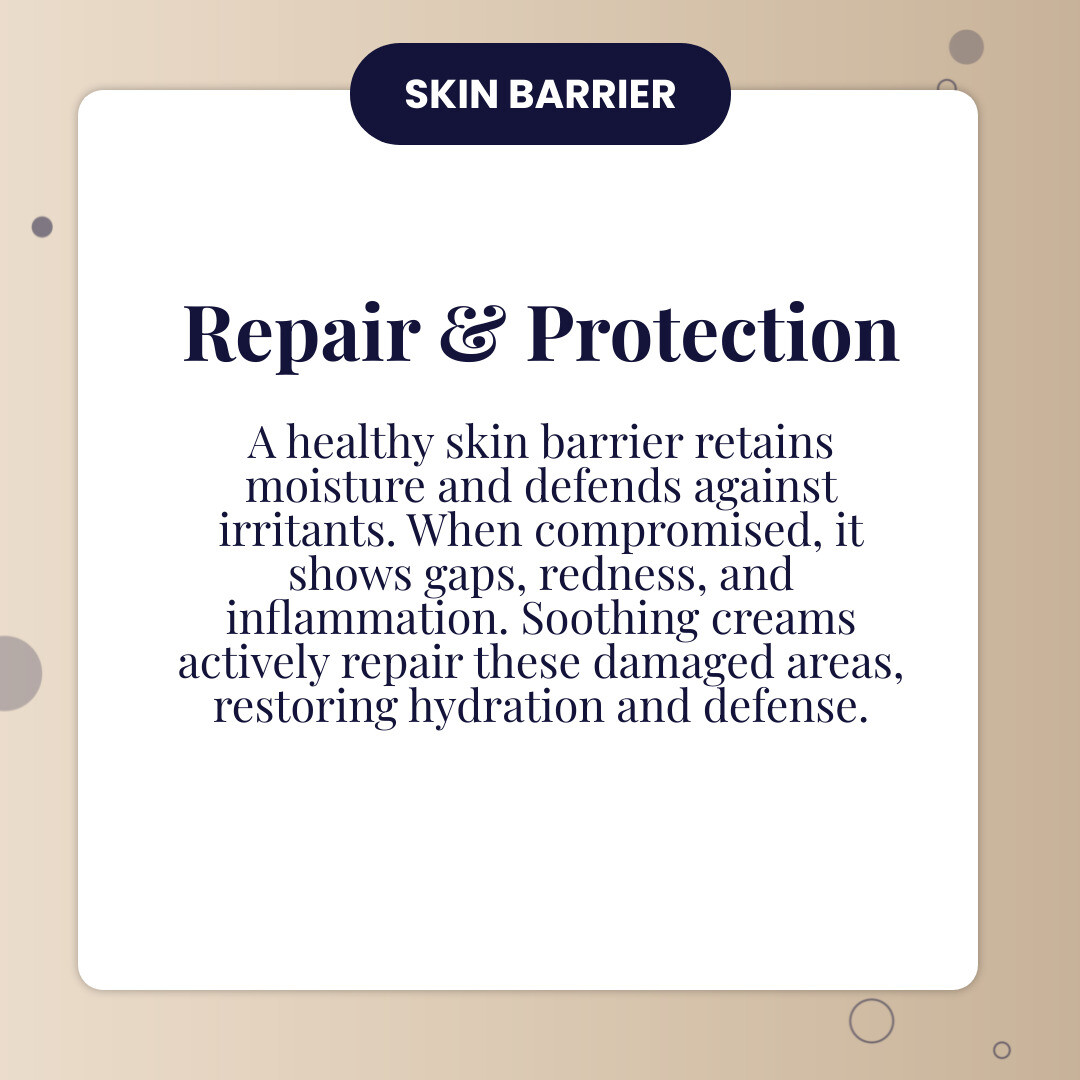
Soothing skin cream definitions:
The Science of Soothing: How Creams Calm Irritated Skin
Your skin is your body's first line of defense, a living shield that stands between you and the world. This protective barrier is made of skin cells and lipids that keep moisture in and irritants out. However, this barrier isn't invincible. Environmental aggressors like pollution, UV damage, and even stress can compromise it, leading to inflammation, redness, dryness, and sensitivity.
This is where a soothing skin cream becomes your skin's best friend. These creams are specialized repair crews that actively work to restore balance and comfort from the inside out.
The results can be surprisingly fast. Well-formulated soothing creams can provide almost immediate relief when you need it most. With consistent use, these powerful formulations can help restore your skin barrier, breaking the cycle of irritation and getting you back to comfortable. That's not magic—that's science working with your skin's natural healing abilities.
Understanding Skin Irritation
When your skin is irritated, it's sending an urgent message. A compromised barrier is like a fence with holes in it, allowing external triggers—pollutants, harsh weather, UV rays, stress—to cause havoc. The symptoms are hard to miss: persistent itching, a burning sensation, uncomfortable tightness, and visible redness.
For people with chronic conditions like eczema, rosacea, or general sensitivity, these are daily challenges. Your skin is signaling that its protective barrier needs help. If you're dealing with discomfort that goes beyond surface-level skin issues, you might find helpful information in our guide about natural pain relief solutions.
The Triple-Action Benefits of Soothing Creams
So what makes a soothing skin cream work? It's a comprehensive approach that tackles irritation from multiple angles.
First, there's anti-inflammatory action. The best soothing creams contain ingredients that directly calm the inflammatory response, which is the root cause of redness, swelling, and discomfort. By quieting this response, these creams help angry skin settle down.
Next comes the hydration boost. Irritated skin is almost always dry skin. Soothing creams are packed with humectants that draw moisture into your skin and emollients that lock it there. This deep, lasting hydration makes skin feel softer, smoother, and less tight.
Finally, the real magic happens with barrier restoration. These creams supply the essential lipids and proteins your skin needs to rebuild and strengthen its protective barrier. It's not just about feeling better today—it's about making your skin genuinely stronger and more resilient for tomorrow. When all three actions work together, you get skin that not only looks healthier but actually is healthier.
Decoding the Label: Key Ingredients in the Best Soothing Skin Cream
When you're dealing with irritated skin, knowing what's in your soothing skin cream is essential. The best formulations balance nature's time-tested remedies with modern scientific innovations to calm your skin, hydrate it, and rebuild its protective shield. A high-quality cream focuses on a shorter list of proven ingredients that work.
Let's break down what you should be looking for—and what you should leave on the shelf.
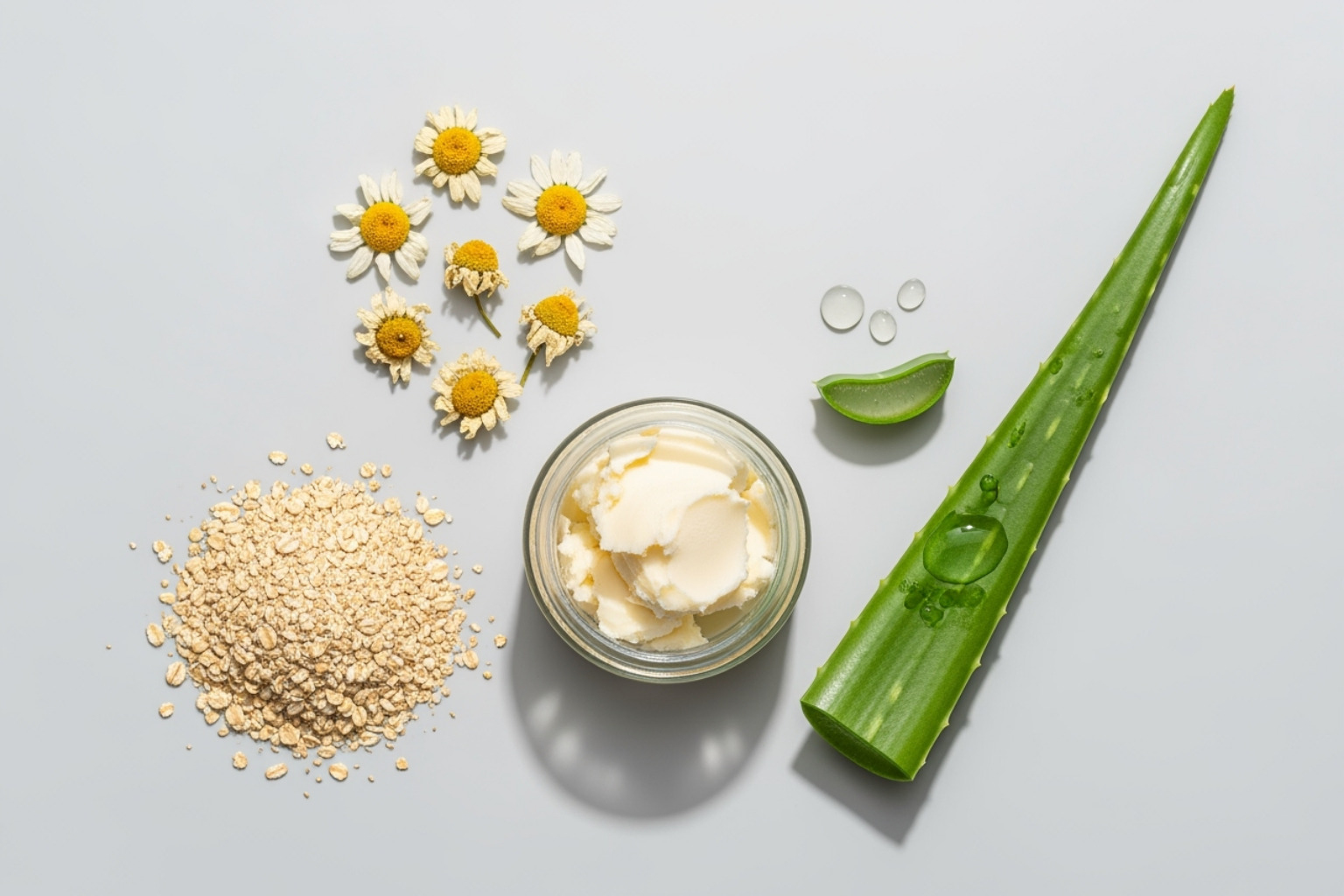
Nature's Calming Agents
These plant-based powerhouses have been soothing troubled skin for generations, and modern science continues to prove their effectiveness.
- Colloidal oatmeal is finely ground oats that create a protective, milky layer on your skin. It's a godsend for itchy, eczema-prone skin because it locks in moisture while calming irritation.
- Chamomile brings the same soothing magic to your skin that it brings to bedtime tea. This flower contains natural anti-inflammatory compounds that help reduce redness and cool angry skin.
- Aloe vera is hard to beat for instant relief. The clear gel inside its leaves delivers immediate cooling hydration that feels like a drink of water for parched, irritated skin.
- Turmeric isn't just for curries—this golden spice packs serious anti-inflammatory and antioxidant punch, helping to calm redness and reduce discomfort.
- Manuka honey is a luxurious honey from New Zealand that is naturally antibacterial, deeply moisturizing, and helps speed healing in compromised skin.
Barrier-Repairing Powerhouses
These ingredients are the construction crew that patches up holes in your skin barrier and makes it stronger than before.
- Ceramides are natural lipids that act like mortar between your skin cells, holding everything together, keeping moisture in, and keeping irritants out.
- Hyaluronic acid is a molecule that can hold up to 1,000 times its weight in water. It pulls hydration into the skin, plumping it and smoothing out that tight, uncomfortable feeling.
- Shea butter is a rich butter that contains vitamins and fatty acids that create a protective seal, preventing water from escaping while deeply nourishing dry, rough patches.
- Cocoa butter works similarly, forming a creamy barrier that locks in moisture and protects skin from environmental stress.
- Zinc does double duty—it protects the skin barrier while actively promoting healing and calming inflammation.
What to Avoid in a soothing skin cream
Even if a cream has all the right soothing ingredients, these troublemakers can undo all that good work, and are often flagged by dermatology experts as potential irritants.
- Fragrance is a leading cause of allergic reactions and irritation in skincare. Look for products clearly labeled "fragrance-free."
- Drying Alcohols like denatured alcohol or ethanol strip away your skin's natural oils, disrupting the very barrier you're trying to repair.
- Parabens and Phthalates are preservatives that many people prefer to avoid due to health concerns and potential irritation.
- Harsh Sulfates like SLS and SLES are aggressive detergents that can be too harsh for sensitive skin.
Before using any new product, always perform a patch test. Apply a small amount to your inner forearm and wait 24 to 48 hours to check for irritation. It's a small step that can save you a lot of discomfort.
Finding the Right Soothing Cream for Your Needs
Just like we all have different personalities, our skin has different needs. What works for facial redness might not be the best solution for severe body eczema or aching feet. The key is to find specialized soothing skin cream formulations designed for your specific concern.
Let me walk you through some standout options that have genuinely made a difference for people dealing with various types of skin discomfort and pain.

For Surface-Level Skin Irritation
Our faces and bodies bear the brunt of daily stress, weather changes, and environmental assaults. If your skin tends to flush, feel tight, or react to seemingly everything, you need a cream that's as gentle as it is effective.
For sensitive facial skin, look for high-tolerance, fragrance-free, and preservative-free formulas. Ingredients like chamomile, post-biotics, and thermal spring water are known to calm redness and restore the skin barrier quickly. A botanical approach combining chamomile, sulfur, and Manuka honey can also offer a balancing, cooling experience for reactive complexions.
For dry, eczema-prone body skin, you need more than surface-level hydration; you need deep restoration. Look for creams that focus on rebuilding the skin's protective barrier with skin-identical lipids like ceramides, cholesterol, and fatty acids. These ingredients, combined with natural nourishers like collagen, hyaluronic acid, turmeric, and aloe vera, can outperform even prescription options for some users by clearing up stubborn flare-ups.
For Aching Feet and Sore Muscles
Sometimes our discomfort goes beyond the surface. When you're dealing with tired, aching feet after a long day, sore muscles from an intense workout, or the persistent tingling of nerve pain, you need relief that penetrates deeper.
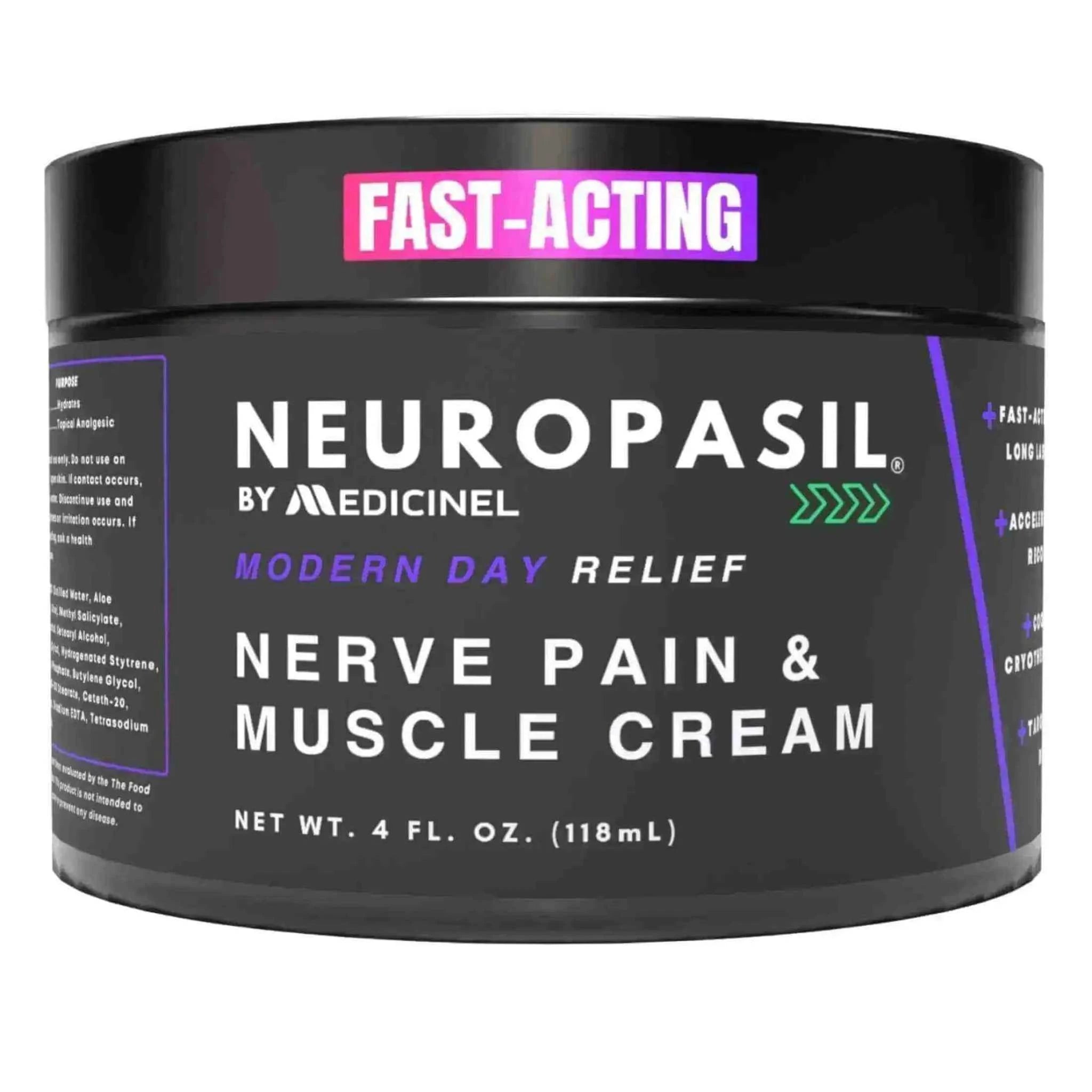
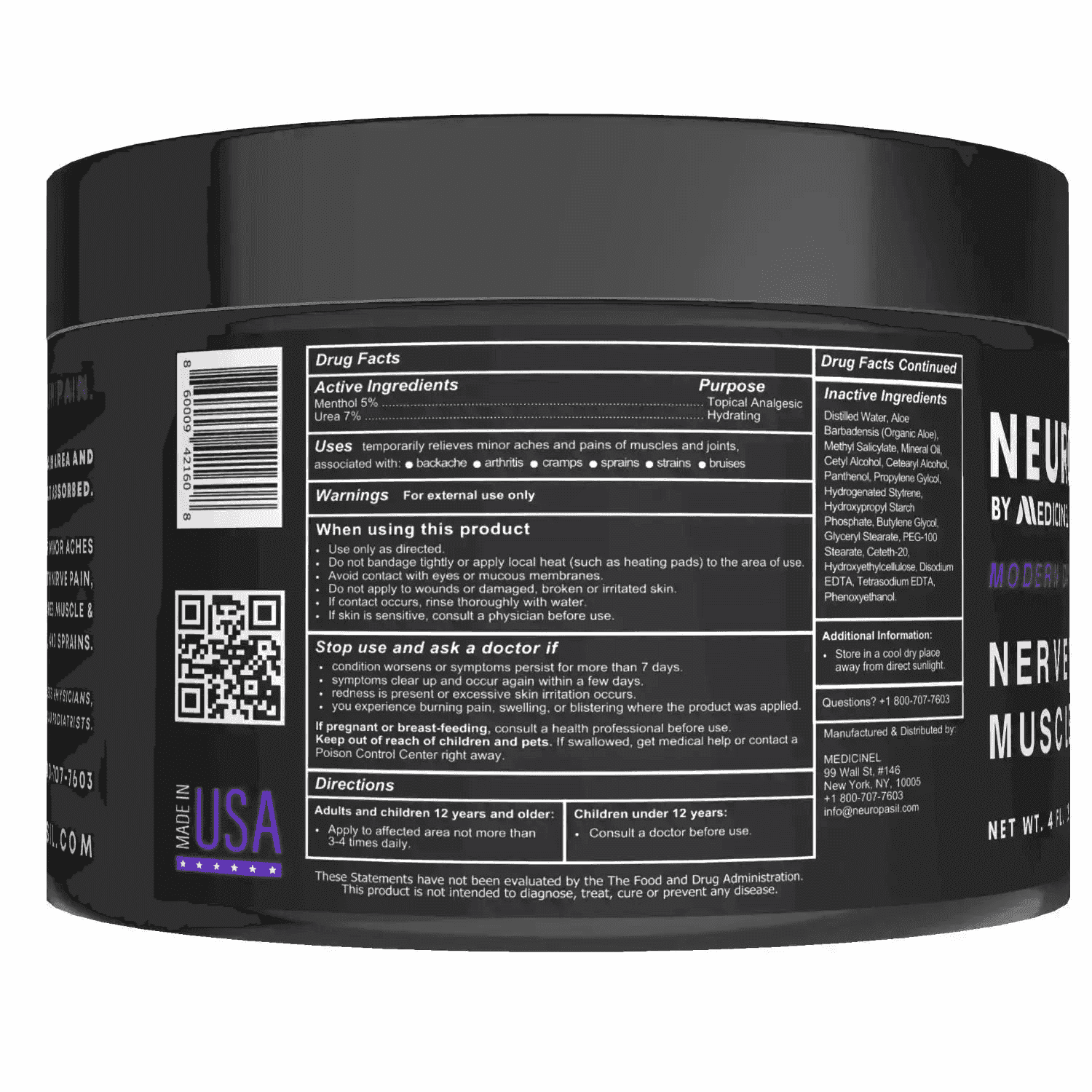
This is where Neuropasil comes in. We've developed our formulations specifically to address these deeper discomforts with natural, fast-acting ingredients. Our soothing skin cream combines Aloe, Urea, and Menthol to deliver targeted relief exactly where you need it most. We've heard from countless customers who rely on Neuropasil for neuropathy, sciatica, fibromyalgia, plantar fasciitis, strains and sprains, joint discomfort, back and neck pain, cramps, and those aching feet that just won't quit.
Athletes particularly appreciate how our cream helps them recover from sore muscles after pushing their limits. Whether you're a weekend warrior or a serious competitor, having a reliable way to treat muscle soreness makes all the difference in how quickly you can get back to training.
If your feet are crying out for relief, our comprehensive guide to Foot Pain Relief Creams can help you understand your options. And for those stubborn muscle aches that seem to linger, we've compiled expert recommendations in our article on the Best Creams for Sore Muscles. These formulations are designed to work quickly, bringing comfort and helping you get back to living your life fully.
Your Soothing Skincare Ritual: Application and DIY Tips
Finding the perfect soothing skin cream is the first step, but knowing how to use it properly can make all the difference. For those who love getting hands-on, we'll also explore a simple way to create your own calming balm at home.
Best Practices for Maximum Effectiveness
Treating your skin gently can dramatically impact how well your products work.
- Start with a clean slate. Cleanse gently with a mild, pH-balanced cleanser that won't strip your skin's natural oils. Avoid harsh scrubbing.
- Apply to damp skin. After cleansing, pat your skin until it's just slightly damp. Your cream will then seal in that moisture, making the product work harder. Some people like to spritz their skin with a hydrating mineral mist before applying cream for an extra boost.
- Consistency is everything. For chronic conditions like eczema or sensitivity, make your soothing cream a non-negotiable part of your morning and night routine. Rebuilding your skin barrier is a marathon, not a sprint.
- Layer products correctly. Apply lighter, water-based products first, then seal everything in with your soothing cream as one of your final steps.
- Use a gentle touch. Use gentle, upward strokes when massaging cream into your face. For body areas with muscle soreness or nerve discomfort, a slightly firmer massage can help work the active ingredients deeper into the affected tissues.
A Simple DIY soothing skin cream Alternative
Creating your own skincare can be a wonderfully therapeutic activity. This simple recipe, inspired by the DIY Healing & Calming Balm recipe, combines rich shea butter with nourishing coconut oil and almond oil.
You'll need one cup of shea butter, half a cup of coconut oil, half a cup of almond oil, and 15-30 drops of calming essential oils like lavender or chamomile.
Start by melting the shea butter and coconut oil in a double boiler. Once liquid, remove from heat and let it cool for about 30 minutes. Stir in the almond oil. As the mixture starts to partially solidify and become opaque, add your essential oils. Use a hand mixer to whip everything until it transforms into a light, fluffy consistency. Transfer your creation into clean glass jars with lids and store in a cool, dry place.
This homemade alternative works beautifully for minor irritations and general dryness. However, for severe conditions that need targeted therapeutic ingredients, a professionally formulated product will likely serve you better.
Frequently Asked Questions about Soothing Creams
Let's tackle some of the most common questions we get about soothing skin cream so you can feel confident in your choices.
What is the difference between a soothing cream and a regular moisturizer?
While every soothing skin cream is a moisturizer, not every moisturizer is soothing. The difference is in the ingredients and their purpose.
A regular moisturizer's primary job is hydration. It uses humectants to draw water into the skin and emollients to lock it in, which is great for maintaining healthy skin.
A soothing skin cream, however, is built for battle. It hydrates, but it also contains active ingredients with anti-inflammatory, anti-itch, and barrier-repairing properties. We're talking about ingredients like colloidal oatmeal, chamomile, and ceramides that actively work to calm and heal irritated, reactive, or compromised skin. Think of a regular moisturizer as your everyday shoes, while a soothing cream is your specialized hiking boots for rough terrain.
Can I use a soothing cream every day?
Yes, absolutely. In fact, for sensitive skin or chronic conditions like eczema or rosacea, daily use is often exactly what your skin needs to maintain its protective barrier and prevent flare-ups. Consistency is your friend. Using a soothing cream morning and night can make a significant difference in how your skin feels and looks over time.
That said, always pay attention to your skin. If you notice any new irritation, stop using the product. And remember to patch test new products before applying them widely.
How long does it take to see results?
The answer depends on the results you're looking for.
Many modern soothing skin cream formulations offer almost immediate relief. Products with fast-acting anti-inflammatory ingredients or cooling agents like menthol can calm discomfort very quickly, reducing feelings of tightness or burning from the first application.
For visible improvements—like reduced redness and a boost in hydration—you might notice changes within a few hours to a couple of days. Your skin will start to look calmer and feel more comfortable relatively quickly.
However, the deeper work of barrier restoration takes time. While some formulations can show significant barrier improvement in a couple of days with consistent use, you should commit to daily application for at least two weeks to see truly strengthened, resilient skin. For chronic conditions, it may take longer. Think of it like going to the gym: real strength and change come from showing up consistently over time.
Conclusion
Your skin deserves to feel comfortable, healthy, and resilient. We've explored how an effective soothing skin cream does more than just moisturize—it calms inflammation, provides deep hydration, and rebuilds the protective barrier that keeps skin healthy.
We've decoded the label, showing that the best creams often combine nature's gentle healers like colloidal oatmeal and aloe vera with scientific powerhouses like ceramides and hyaluronic acid. The key is choosing products that address your unique challenges while avoiding common irritants like fragrances and harsh alcohols.
Whether you're dealing with facial redness, body eczema, or the deep, nagging discomfort of tired muscles and irritated nerves, there is a solution. Consistency is crucial. Applying your cream to damp skin and sticking to a regular routine transforms good products into great results.
When surface-level solutions aren't enough, that's where specialized relief comes in. Our Neuropasil formulations are crafted precisely for those moments—when your feet ache, your muscles protest, or nerve pain disrupts your life. With natural ingredients like Aloe, Urea, and Menthol, we provide targeted, penetrating relief that helps you get back to living fully.
Don't let irritated skin or persistent discomfort dictate your days. You now have the tools to choose wisely and care for yourself consistently.
Ready to take the next step toward lasting relief? Explore our blog for more wellness tips where we share practical advice for managing pain naturally. And when you're ready for targeted relief that really works, find our Neuropasil Nerve Pain Relief Cream—formulated to bring you fast-acting comfort so you can move freely and feel like yourself again.
References
We believe in transparency and credibility. The information in this guide is supported by established scientific research and expert resources. We've compiled these sources so you can dig deeper into any topic that interests you.
Scientific Sources
- General Skincare & Sensitive Skin: Purnamawati, S., et al. (2016). "The Role of Moisturizers in Addressing Various Kinds of Dermatitis: A Review." Clinical Medicine & Research, 14(2), 75-87. Link
- Aloe Vera: Surjushe, A., Vasani, R., & Saple, D. G. (2008). "Aloe vera: A short review." Indian Journal of Dermatology, 53(4), 163–166. Link
- Ceramides: Van Smeden, J., & Bouwstra, J. A. (2016). "The Role of Ceramides in Skin Homeostasis and Inflammatory Skin Diseases." Journal of Lipid Research, 57(4), 551-562. Link
- Chamomile: Srivastava, J. K., Shankar, E., & Gupta, S. (2010). "Chamomile: A herbal medicine of the past with bright future." Molecular Medicine Reports, 3(6), 895–901. Link
- Colloidal Oatmeal: Pazyar, N., et al. (2012). "Oatmeal in dermatology: a brief review." Indian Journal of Dermatology, Venereology and Leprology, 78(2), 142-145. Link
- Hyaluronic Acid: Papakonstantinou, E., Roth, M., & Karakiulakis, G. (2012). "Hyaluronic acid: A key molecule in skin aging." Dermato-Endocrinology, 4(3), 253–258. Link
- Manuka Honey: Samarghandian, S., Farkhondeh, T., & Samini, F. (2017). "Honey and Health: A Review of Recent Clinical Research." Pharmacognosy Research, 9(2), 121-127. Link
- Menthol (Immediate Relief): Pergolizzi, J. V., et al. (2018). "The role and mechanism of action of menthol in topical analgesic products." Journal of Clinical Pharmacy and Therapeutics, 43(3), 313-319. Link
- Post-biotics: Ferreira-d’Avila, E., et al. (2021). "Postbiotics: A new trend in dermatology." Dermatologic Therapy, 34(5), e15050. Link
- Rapid Barrier Improvement: Lodén, M., et al. (2001). "Effect of a moisturizer on skin barrier function in patients with atopic dermatitis." Journal of the European Academy of Dermatology and Venereology, 15(6), 564-566. Link
- Shea Butter (Plant Oils): Lin, T. K., Zhong, L., & Santiago, J. L. (2017). "Anti-Inflammatory and Skin Barrier Repair Effects of Topical Application of Some Plant Oils." International Journal of Molecular Sciences, 19(1), 70. Link
- Thermal Spring Water: Seite, S. (2018). "Thermal waters as cosmeceuticals: La Roche-Posay thermal spring water example." Clinical, Cosmetic and Investigational Dermatology, 11, 23-28. Link
- Urea: Pan, M., et al. (2013). "Urea: a comprehensive review of the clinical literature." Dermatology Online Journal, 19(11). Link
- Zinc: Gupta, M., et al. (2014). "Zinc therapy in dermatology: a review." Dermatology Research and Practice, 2014, 709152. Link
Additional Resources & Credits
- American Academy of Dermatology (AAD): For information on causes of sensitive skin. Link
- Graydon Skincare: For general ingredient information and guidance on patch testing.
- Witches and Pagans: For inspiration for the DIY Healing & Calming Balm recipe.