Why Back Pain Relief Matters More Than Ever
Back pain relief is a universal need, as back pain is the leading cause of disability worldwide and a top reason for missing work, according to the World Health Organization. If you're experiencing discomfort, you want answers fast, and the good news is that you don't have to live with it. Most cases can be managed effectively at home.
Here's what you need to know immediately:
- Most back pain gets better within a few days to weeks with simple home treatment, as noted by the National Institute of Neurological Disorders and Stroke (NINDS).
- Heat and cold therapy can provide fast relief when used correctly
- Gentle movement is better than bed rest for most types of back pain
- Good posture and sleep habits are crucial for preventing pain from returning
- Topical pain relief creams with menthol can offer targeted, fast-acting relief
When to see a doctor immediately: The Mayo Clinic advises seeing a doctor for pain lasting over a week, numbness or weakness in your legs, loss of bowel or bladder control, pain after an accident, unexplained weight loss, or fever.
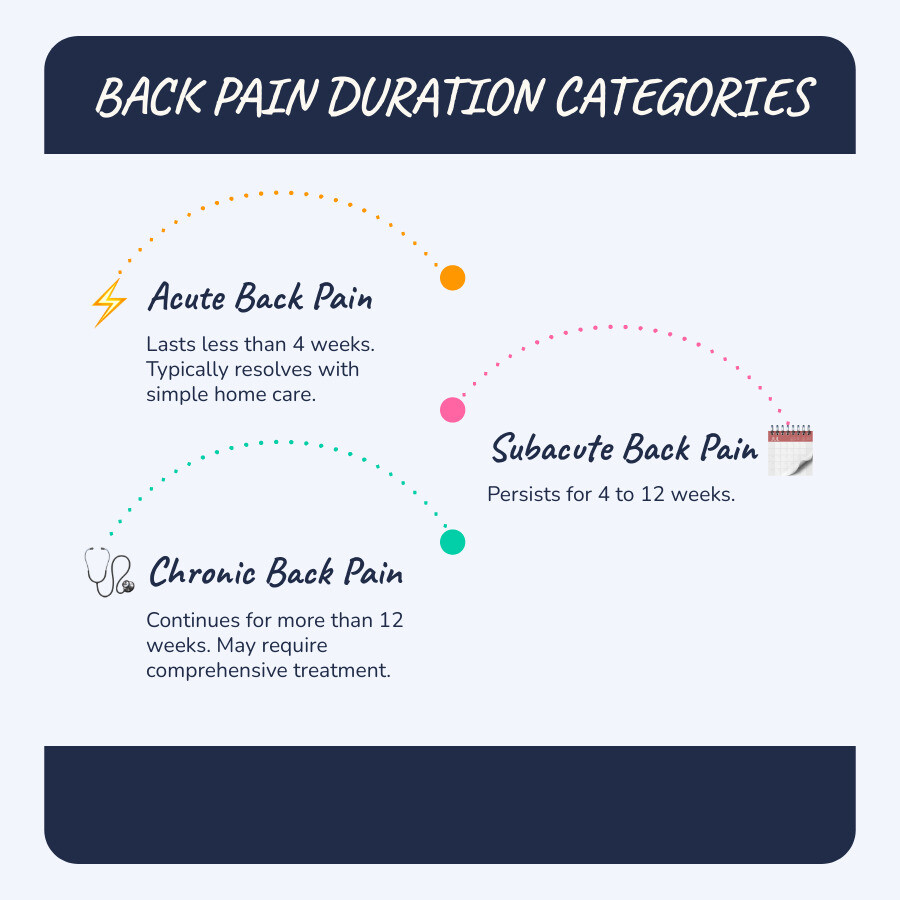
According to NINDS, back pain is categorized by duration: Acute (less than four weeks), Subacute (four to twelve weeks), and Chronic (more than twelve weeks). Lower back pain is most common, as the lumbar spine bears most of your body weight. The usual culprits are muscle strains and ligament sprains from lifting, sudden movements, or poor posture.
This guide offers five evidence-based steps for lasting back pain relief, from home remedies and gentle movements to daily habits and professional help. We'll also explore how targeted topical treatments provide fast relief when you need it most.
I'm Tony Enrico, founder of Neuropasil. I've dedicated my career to helping people find freedom from pain with effective, natural back pain relief solutions. My mission is to empower you with the knowledge to move freely again. Let's begin your journey to a pain-free back.
Similar topics to back pain relief:
Step 1: Understand Your Pain & Apply At-Home Relief
Understanding the likely cause of your pain is the first step toward effective back pain relief. Most back pain is mechanical, stemming from issues with how your spine, muscles, and ligaments interact.
Identifying Common Causes and Types of Back Pain
Common culprits for back pain include:
- Muscle Strain & Ligament Sprain: Caused by overexertion, improper lifting, or sudden movements, leading to soreness and stiffness.
- Bulging or Ruptured Disks: The cushions between vertebrae can push out or tear, pressing on nerves and causing pain that may radiate down a leg (sciatica). Learn more about Sciatica Symptoms.
- Arthritis: Degeneration of spinal joints can cause stiffness and pain.
- Sciatica: A symptom, not a cause, characterized by sharp, shooting pain from the lower back down one or both legs, often due to a herniated disk.
Pain is also classified by location (Lower Back Pain is most common) and type (mechanical vs. inflammatory). You can explore Lower Back Pain Causes in our detailed guide. The Spondylitis Association of America helps differentiate between the two:
| Feature | Mechanical Back Pain | Inflammatory Back Pain |
|---|---|---|
| Onset | Often sudden, related to activity or injury | Gradual, often starts before age 40 |
| Morning Stiffness | Present, but improves quickly with movement | Pronounced, lasts 30 minutes or longer, improves with activity |
| Effect of Exercise | May worsen with certain movements, can improve with rest | Improves with exercise, worsens with rest |
Immediate at-home back pain relief with Heat and Cold
Heat and cold therapy are go-to remedies for back pain relief.
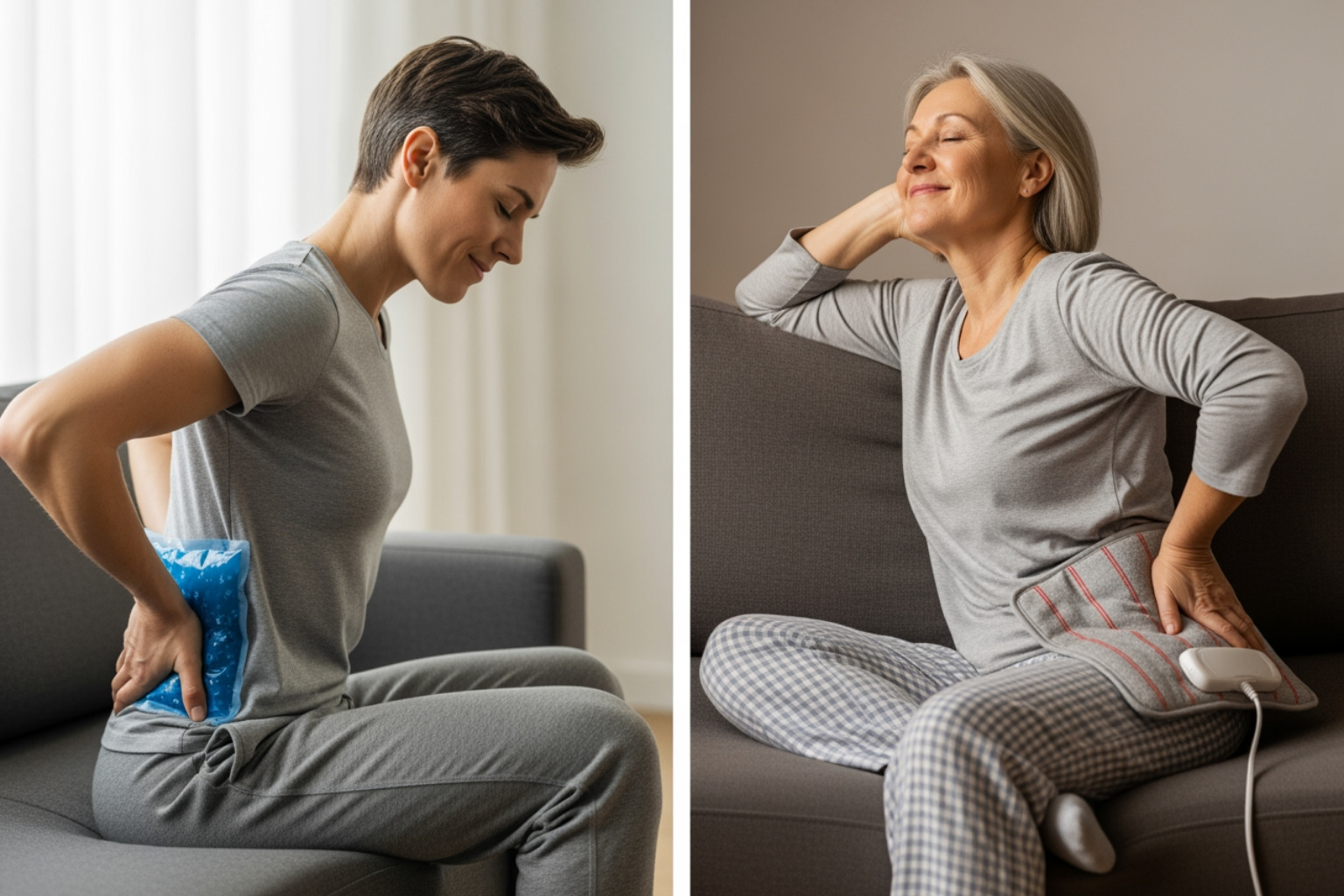
- Use Ice: For new injuries or acute pain (first 48 hours). Ice numbs the area and reduces swelling. Apply a wrapped ice pack for 15-20 minutes.
- Use Heat: For chronic pain or muscle stiffness (after 48 hours). Heat increases blood flow, promoting healing and relaxation. Apply for 15-20 minutes. Johns Hopkins Medicine notes that heat is "useful when muscles are tight."
The Role of Topical Creams for Fast Relief
For deeper, targeted relief, topical pain relievers are invaluable. OTC creams, gels, or patches offer significant back pain relief by working directly on the affected area. A quality nerve or muscle pain relief cream can be a game-changer.
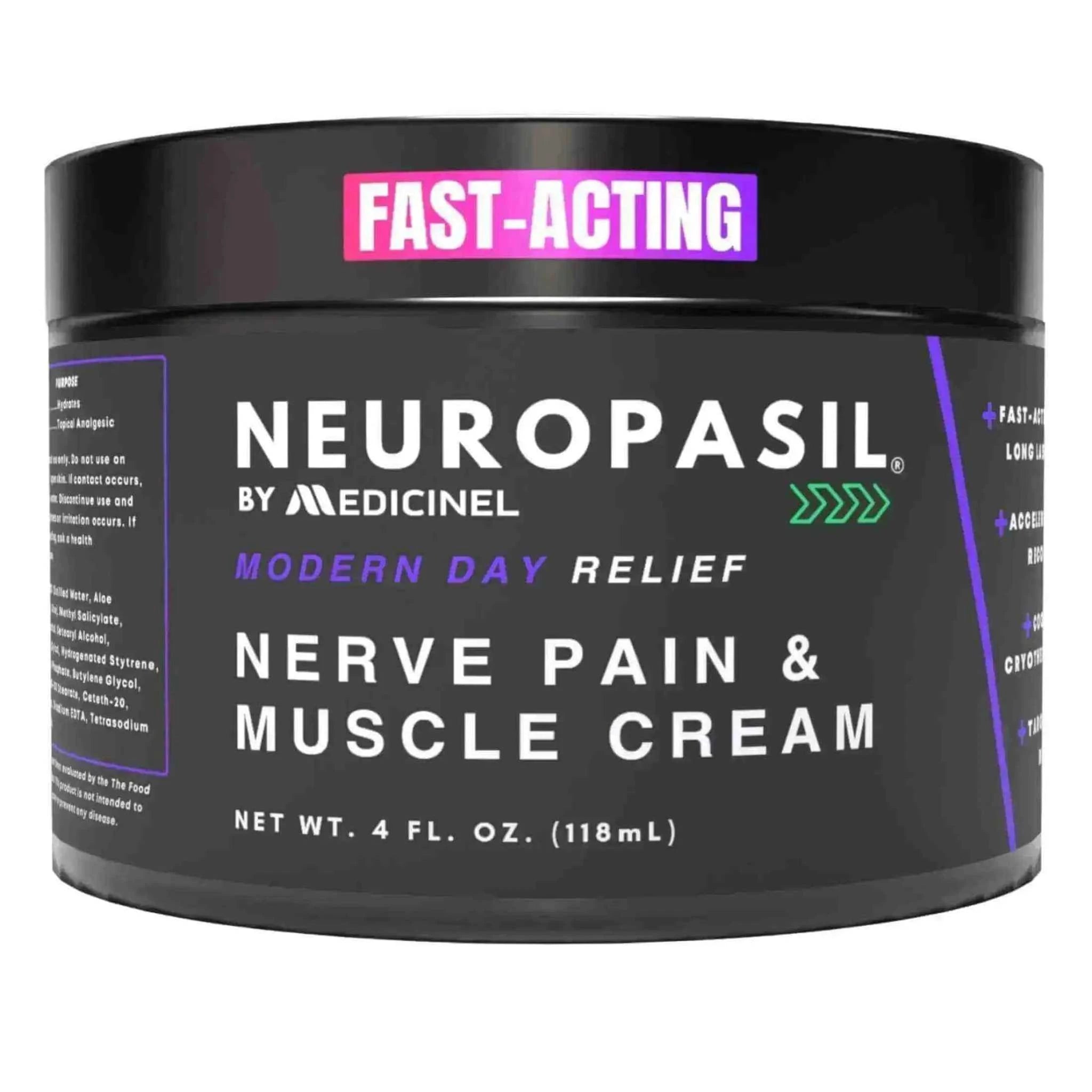
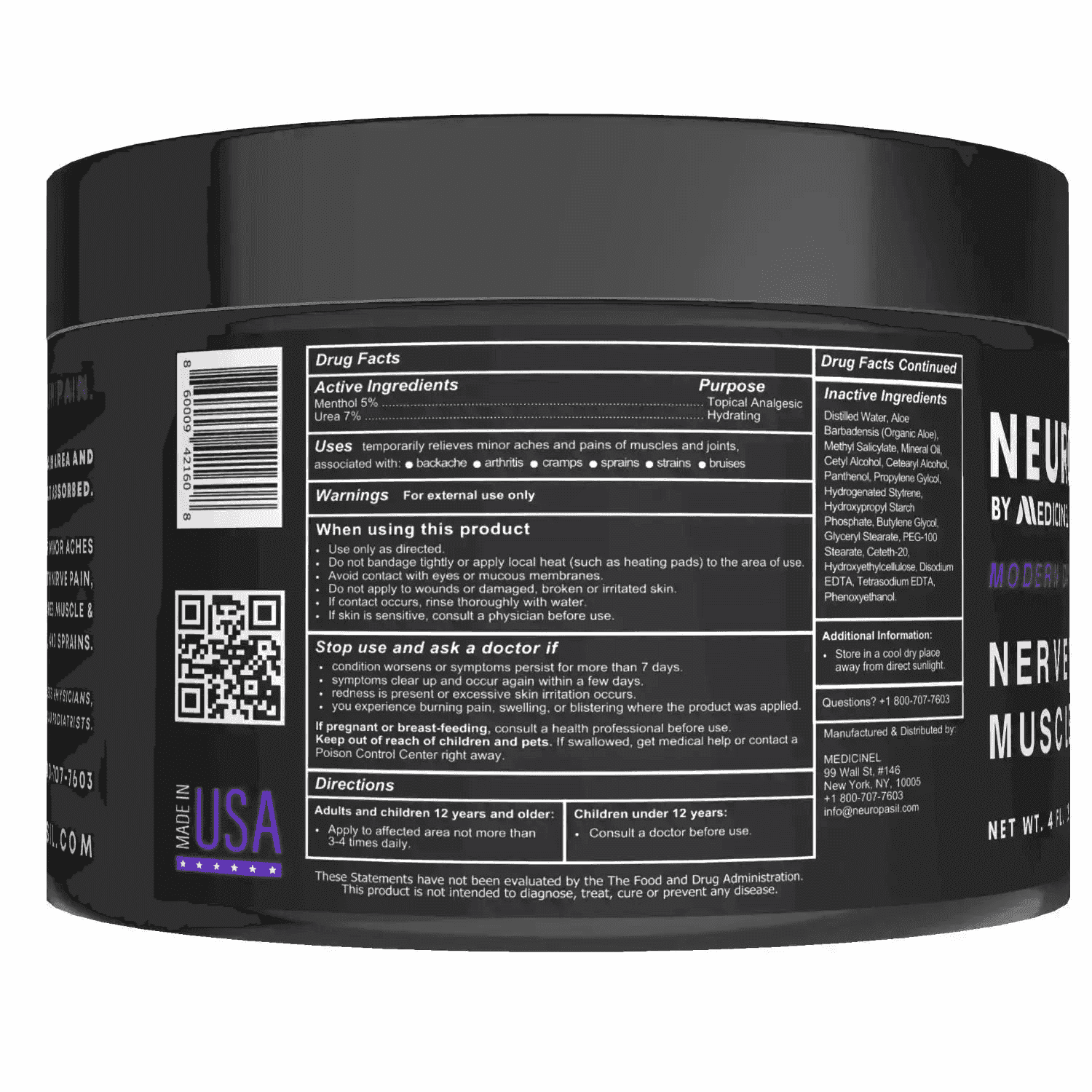
Our Neuropasil creams use powerful, natural ingredients like Aloe, Urea, and Menthol for targeted relief. Menthol creates a cooling sensation that numbs the area, while Aloe and Urea support skin health and absorption. When your muscles are in distress, a product like ours offers immediate comfort, helping you move more freely. Find out more in our article on Muscle Pain.
Step 2: Incorporate Gentle Movement for Long-Term Back Pain Relief
Contrary to popular belief, prolonged bed rest can worsen back pain. Our backs are designed to move, and gentle, purposeful movement is a key path to long-term back pain relief and prevention. This approach is supported by clinical guidelines from the American College of Physicians, which advise against bed rest for most cases of acute low back pain.

Foundational Core Strengthening Exercises
A strong core acts like a natural corset for your spine, providing stability and reducing strain. Targeting deep abdominal and back muscles is crucial.
Here are a few foundational exercises:
- Bridge Exercise: Lie on your back with knees bent. Tighten your abs and glutes, then lift your hips to form a straight line from shoulders to knees. Hold for a few breaths, then lower.
- Bird-Dog Pose: On your hands and knees with a straight back, extend one arm forward and the opposite leg back, parallel to the floor. Hold, then switch sides. This builds stability.
- Partial Crunches: Lie on your back with knees bent. Gently lift your head and shoulders off the floor, engaging your abs without pulling on your neck. Hold briefly, then lower.
These exercises tone the muscles that support your spine. You can find more simple core exercises on WebMD.
Essential Stretches for Flexibility
Flexibility is as important as strength. Tight muscles can pull your spine out of alignment. Daily stretching improves range of motion and reduces tension, aiding back pain relief. As Harvard Health Publishing notes, the importance of stretching for back health is significant.
Try these essential stretches:
- Knee-to-Chest Stretch: Lie on your back and pull one knee to your chest, holding for 20-30 seconds. Repeat with the other leg, then both.
- Lower Back Rotational Stretch: Lie on your back with knees bent. Keeping your shoulders flat, gently roll both knees to one side. Hold for 20-30 seconds, then repeat on the other side.
- Hamstring Stretches: Tight hamstrings contribute to lower back pain. Sit with one leg extended, lean forward from your hips, and hold for 20-30 seconds.
Move slowly and gently into each stretch. A few minutes of daily stretching can make a huge difference.
Step 3: Master Your Daily Posture and Sleeping Habits
Our daily routines, from how we sit at our desks to how we sleep, have a profound impact on our spinal health. Poor posture and unsupportive sleeping habits are silent culprits behind much of the back pain we experience. By mastering these two areas, we can open up significant back pain relief and prevention.
Perfecting Your Posture While Awake
Think of your spine as a delicate stack of blocks. When it's aligned, the weight is distributed evenly. When it's out of alignment, certain areas bear excessive pressure, leading to pain.
- Sitting Posture: Many of us spend hours glued to chairs. Ensure your chair provides good lumbar support (a small pillow or rolled towel can help). Keep your feet flat on the floor, or on a footrest, with your knees slightly higher than your hips. Your ears, shoulders, and hips should form a straight line. Avoid slouching, as the Cleveland Clinic notes that poor sitting posture can put more stress on lower spine discs than standing. Take frequent breaks—every 30-60 minutes—to stand, stretch, and walk around.
- Standing Posture: When standing, distribute your weight evenly on both feet. Keep your shoulders back and relaxed, and avoid locking your knees. Imagine a string pulling you gently upwards from the crown of your head.
- Proper Lifting Techniques: This is critical for preventing acute back injuries. Never bend at your waist to lift heavy objects. Instead, squat down, keeping your back straight, and lift with your legs. If an item is too heavy, don't be a hero—ask for help! Even for lighter objects, engaging your core and using your legs protects your back.
Optimizing Your Sleep for a Pain-Free Morning
We spend a significant portion of our lives sleeping, and how we position ourselves during those hours can either alleviate or exacerbate back pain.
- Side Sleeping: If you prefer sleeping on your side, place a pillow between your knees. This keeps your hips, pelvis, and spine in better alignment, reducing strain on your lower back.
- Back Sleeping: For back sleepers, a small pillow placed under your knees can help maintain the natural curve of your lower back and take pressure off the spine.
- Avoiding Stomach Sleeping: This position is generally discouraged for back pain sufferers as it can flatten the natural curve of your spine and force your neck into an unnatural twist, leading to both back and neck pain.
- Mattress Firmness and Age: A firm, supportive mattress is crucial. The Sleep Foundation suggests that if your mattress is older than six to eight years and you frequently wake up with back pain, it might be time for an upgrade.
By making these simple adjustments to your posture and sleep habits, you'll be amazed at the level of back pain relief you can achieve. Consistency is key! For more on how to relieve hip muscle pain, which can often be linked to poor posture and sleep, read our article on Hip Muscle Pain.
Step 4: Make Spine-Healthy Lifestyle Choices
Beyond immediate remedies and conscious movements, our overall lifestyle choices play a monumental role in our back health. What we eat, how much we weigh, and even whether we smoke can significantly influence the severity and frequency of back pain. Embracing a spine-healthy lifestyle is a powerful step towards lasting back pain relief.
The Impact of Diet and Weight on Your Back
- Foods That Fight Inflammation: Chronic inflammation can contribute to back pain. Incorporating anti-inflammatory foods into your diet can help, a strategy recommended by the Arthritis Foundation. Think omega-3 fatty acids (found in fatty fish like salmon, flaxseeds, and walnuts), an abundance of fruits and vegetables (rich in antioxidants), and whole grains. Conversely, limiting processed foods, excessive sugar, and unhealthy fats can reduce inflammation in your body.
- Calcium and Vitamin D for Bone Health: Strong bones are foundational to a healthy spine. Calcium, found in dairy products, leafy greens, and fortified foods, is essential for bone density. Vitamin D, obtained through sunlight exposure, fortified foods, and supplements, helps your body absorb calcium. These nutrients are particularly important for preventing conditions like osteoporosis, a condition where bones become weak and brittle, which can lead to spinal fractures and pain.
- How Excess Weight Strains the Spine: Every extra pound we carry puts additional stress on our spine, especially the lower back. This increased load can accelerate the wear and tear on spinal discs and joints, leading to pain. According to the American Association of Neurological Surgeons, losing even a small amount of weight can significantly reduce this burden and provide remarkable back pain relief. Managing your weight through a balanced diet and regular exercise is one of the most effective preventative measures you can take.
Why Quitting Smoking is Crucial for back pain relief
If you're a smoker and experience back pain, here's a compelling reason to quit. According to the Cleveland Clinic, smoking severely compromises spinal health in several ways:
- It Restricts Blood Flow to Spinal Discs: Nicotine constricts blood vessels, reducing the vital circulation that keeps discs healthy. This can lead to quicker disc degeneration, making them more prone to bulging, herniation, and pain.
- It Reduces Calcium Absorption: Smoking interferes with your body's ability to absorb calcium and form new bone tissue, increasing your risk of osteoporosis and spinal fractures.
- It Slows Healing from Injury: If you do suffer a back injury, smoking can delay the healing process, prolonging your pain and recovery time.
For these reasons, smokers are more likely to experience backache than non-smokers. Quitting smoking is one of the single best things you can do for your overall health, and for significant, long-term back pain relief.
Step 5: Know When to Seek Professional & Alternative Help
While home care is effective for most back pain, it's crucial to recognize when to seek medical attention. Knowing when to call a doctor is an act of responsible self-care.
Red Flags: When to Call a Doctor Immediately
Contact a healthcare provider without delay if you experience any of the following red flags, as outlined by medical authorities like the Mayo Clinic:
- Pain lasting over a week without improvement.
- Numbness, tingling, or weakness in your legs, which could indicate nerve issues like sciatica. Learn more about Sciatica Relief.
- Loss of bowel or bladder control: This is a sign of a medical emergency called cauda equina syndrome, which requires immediate attention at an ER, as stated by the American Association of Neurological Surgeons.
- Pain following an accident, fall, or other trauma.
- Unexplained weight loss or fever accompanying the back pain.
- Pain that worsens at night or doesn't improve with rest.
Exploring Medical and Alternative Treatments
If home care isn't enough, a professional can guide you through various treatments. Always discuss these options with your doctor.
- Physical Therapy (PT): A cornerstone of back pain relief, PT involves personalized exercises to strengthen muscles, improve flexibility, and correct posture.
- Medications: Options range from over-the-counter NSAIDs (ibuprofen) to prescription muscle relaxants. Opioids are rarely a first-line treatment for chronic pain.
- Injections: Cortisone shots can reduce inflammation around nerve roots, while nerve blocks aim to interrupt pain signals.
- Surgery: Typically a last resort for when conservative treatments fail or for severe structural issues.
-
Alternative and Complementary Therapies: Many find relief with these options:
- Chiropractic Care: Involves spinal manipulation to improve alignment.
- Acupuncture: Uses thin needles to stimulate the body's natural pain-relief mechanisms.
- Massage Therapy: Relieves muscle tension and improves blood flow.
- Yoga and Tai Chi: Combine gentle movement, stretching, and mindfulness.
- TENS: A device that uses low-voltage electrical current to potentially block pain signals.
The American College of Physicians provides guidelines on Noninvasive Treatments for Low Back Pain that you can discuss with your provider.
Frequently Asked Questions about Back Pain
Here are answers to some of the most common questions about back pain.
How long does it take for back pain to go away?
The duration varies. According to the National Institute of Neurological Disorders and Stroke, acute back pain often resolves within a few days to weeks with home care. Subacute pain lasts 4-12 weeks, while chronic pain persists for three months or more. Consistent treatment is key to managing all types and preventing recurrence.
What is the fastest way to relieve back pain at home?
For the fastest back pain relief at home, combine these methods:
- Apply Cold or Heat: Use ice for new injuries (first 48 hours) or heat for chronic stiffness. Apply for 15-20 minutes.
- Gentle Movement: Avoid bed rest. Light walking and gentle stretches reduce stiffness.
- Use a Topical Pain Reliever: A high-quality cream offers targeted, quick action. Neuropasil's formula with Menthol, Aloe, and Urea is designed for fast, soothing relief, helping you feel better quickly.
Can stress cause back pain?
Yes. The American Psychological Association explains that stress causes muscle tension in the back, neck, and shoulders, leading to aches and spasms. It can also heighten your perception of pain and disrupt sleep, making discomfort worse. Relaxation techniques like deep breathing, meditation, or gentle yoga are effective tools for back pain relief by calming the nervous system and releasing muscle tension.
Conclusion: Your Path to Lasting Back Pain Relief
Navigating the complexities of back pain can feel overwhelming, but we hope this guide has shown you that effective back pain relief is not only possible but often within your reach. We've walked through five simple yet powerful steps to help you on your journey:
- Understand Your Pain & Apply At-Home Relief: Identify common causes and types, and use heat, cold, and targeted topical creams for immediate comfort.
- Incorporate Gentle Movement for Long-Term Relief: Strengthen your core and improve flexibility with foundational exercises and stretches.
- Master Your Daily Posture and Sleeping Habits: Optimize how you sit, stand, lift, and sleep to support your spine.
- Make Spine-Healthy Lifestyle Choices: Fuel your body with anti-inflammatory foods, manage your weight, and quit smoking for long-term health.
- Know When to Seek Professional & Alternative Help: Recognize red flag symptoms and explore medical or complementary therapies when needed.
Consistency is your greatest ally. Small, consistent efforts in each of these areas can lead to significant and lasting improvements in your back health. Don't underestimate the power of taking an active role in your own well-being.
For those moments when you need targeted, fast-acting comfort, consider incorporating a high-quality topical cream into your routine. Products like Neuropasil, with our blend of Aloe, Urea, and Menthol, are designed to provide soothing relief directly to sore muscles and nerves, helping you move more freely and comfortably. To learn more about how topical solutions can support your journey, explore our insights on pain relief creams.
Your path to a pain-free life is a journey, not a destination. Take these steps, listen to your body, and reclaim the freedom of movement you deserve.
References
- American Association of Neurological Surgeons (AANS). (n.d.). Cauda Equina Syndrome. Retrieved from https://www.aans.org/en/Patients/Neurosurgical-Conditions-and-Treatments/Cauda-Equina-Syndrome
- American Association of Neurological Surgeons (AANS). (n.d.). Obesity and Back Pain. Retrieved from https://www.aans.org/en/Patients/Neurosurgical-Conditions-and-Treatments/Obesity-and-Back-Pain
- American Psychological Association. (2013, November). Stress effects on the body. Retrieved from https://www.apa.org/topics/stress/body
- Arthritis Foundation. (n.d.). Best Foods for Arthritis. Retrieved from https://www.arthritis.org/health-wellness/healthy-living/nutrition/anti-inflammatory/the-ultimate-arthritis-diet
- Cleveland Clinic. (2020, December 21). Back Health & Posture. Retrieved from https://my.clevelandclinic.org/health/articles/4485-back-health--posture
- Cleveland Clinic. (2020, July 27). Does Smoking Cause Back Pain?. Retrieved from https://health.clevelandclinic.org/does-smoking-cause-back-pain/
- Harvard Health Publishing. (2022, March 14). The importance of stretching. Retrieved from https://www.health.harvard.edu/staying-healthy/the-importance-of-stretching
- Johns Hopkins Medicine. (2021, August 8). Ice Packs vs. Warm Compresses For Pain. Retrieved from https://www.hopkinsmedicine.org/health/treatment-tests-and-therapies/ice-packs-vs-warm-compresses-for-pain
- Mayo Clinic. (2023, August 4). Back pain. Retrieved from https://www.mayoclinic.org/diseases-conditions/back-pain/symptoms-causes/syc-20369906
- National Institute of Neurological Disorders and Stroke (NINDS). (n.d.). Low Back Pain Fact Sheet. Retrieved from https://www.ninds.nih.gov/Disorders/Patient-Caregiver-Education/Fact-Sheets/Low-Back-Pain-Fact-Sheet
- National Institute on Aging. (n.d.). Osteoporosis. Retrieved from https://www.nia.nih.gov/health/osteoporosis
- Qaseem, A., et al. (2017, April 4). Noninvasive Treatments for Acute, Subacute, and Chronic Low Back Pain: A Clinical Practice Guideline From the American College of Physicians. Annals of Internal Medicine. Retrieved from https://pubmed.ncbi.nlm.nih.gov/28192789/
- Sleep Foundation. (2023, November 17). How Often Should You Replace Your Mattress?. Retrieved from https://www.sleepfoundation.org/mattress-information/how-often-should-you-replace-your-mattress
- Spondylitis Association of America. (n.d.). Mechanical vs. Inflammatory Back Pain. Retrieved from https://spondylitis.org/about-spondylitis/overview-of-spondyloarthritis/inflammatory-back-pain/
- WebMD. (n.d.). Simple Core Exercises. Retrieved from https://www.webmd.com/back-pain/ss/slideshow-exercises
- World Health Organization (WHO). (2023, June 8). Low back pain. Retrieved from https://www.who.int/news-room/fact-sheets/detail/low-back-pain