What You Need to Know About Subscapularis Muscle Pain
Subscapularis muscle pain is an often-overlooked cause of shoulder discomfort, weakness, and limited movement. As the largest and strongest muscle of your rotator cuff, an injured subscapularis can cause sharp pain in the front of the shoulder, difficulty reaching behind your back, and clicking sounds when you rotate your arm. It's often called the "hidden culprit" of shoulder issues because it sits deep beneath the shoulder blade, making it hard to pinpoint.
Quick Answer: Core Facts About Subscapularis Muscle Pain
- Location: Front of the shoulder, under the shoulder blade (scapula).
- Primary Function: Internal rotation of the arm and shoulder stability.
- Common Causes: Overuse, trauma, age-related degeneration, and shoulder impingement.
- Key Symptoms: Front shoulder pain, weakness with internal rotation, difficulty reaching behind the back, and clicking sounds.
- Treatment Approach: Rest, ice, stretching, strengthening exercises, topical pain relief, and physical therapy.
- When to Seek Help: Pain lasting over two weeks, severe weakness, inability to lift the arm, or noticeable swelling.
Most cases respond well to conservative treatments, but severe tears may require surgery. Subscapularis tears often result from acute trauma, falls, or repetitive overhead activities, but can also be caused by age-related degeneration.
At Neuropasil, we've seen how debilitating this pain can be. This guide will walk you through the causes, symptoms, and step-by-step actions you can take to find relief and prevent future injury.
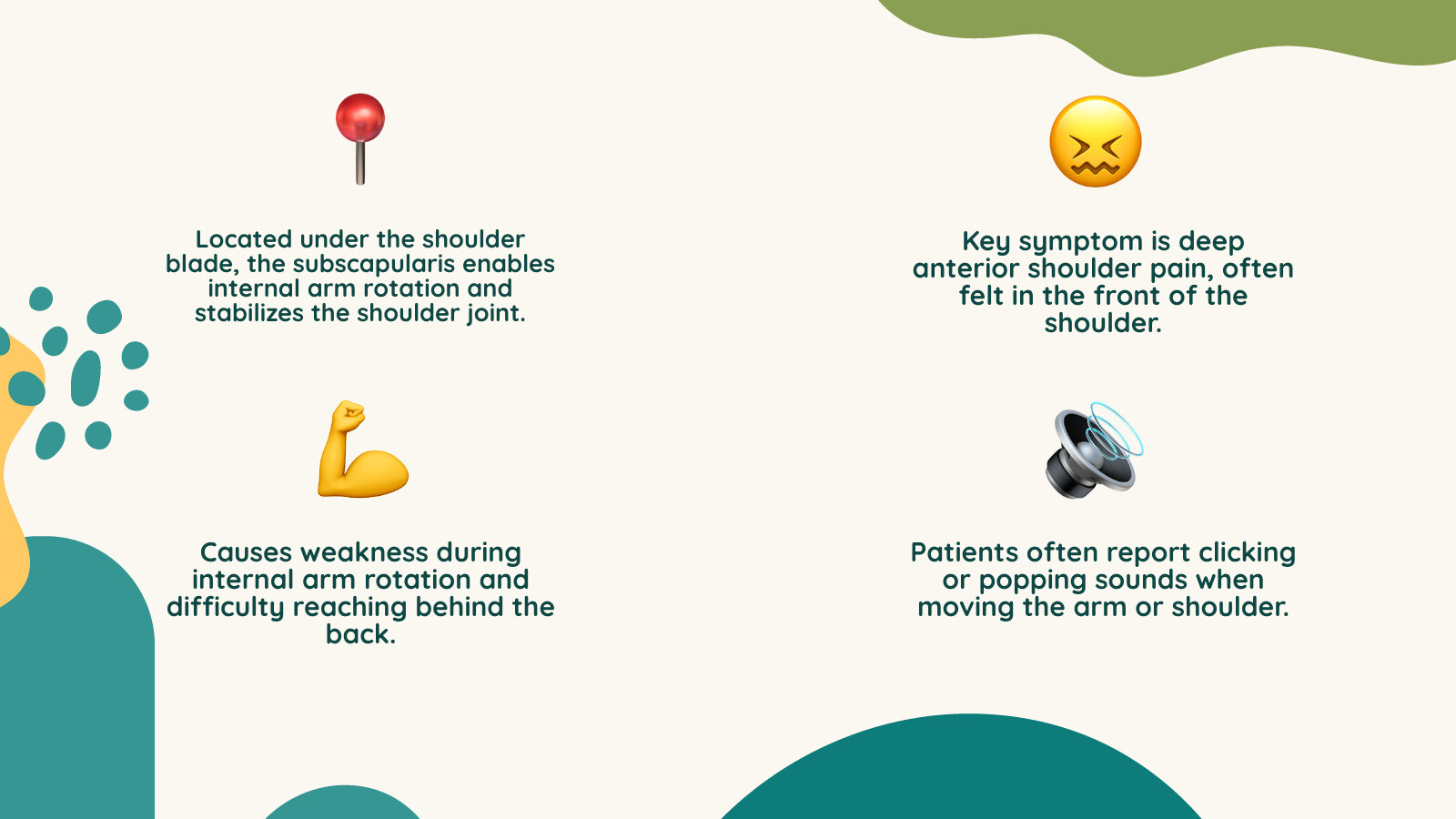
Subscapularis muscle pain terms at a glance:
Understanding the Subscapularis: Your Shoulder's Unsung Hero
Let's start by getting acquainted with the subscapularis muscle. It's truly an unsung hero of our shoulder health, silently working behind the scenes to keep our arms moving smoothly and powerfully. As part of the rotator cuff, this muscle plays a crucial role in stabilizing and moving the shoulder joint.
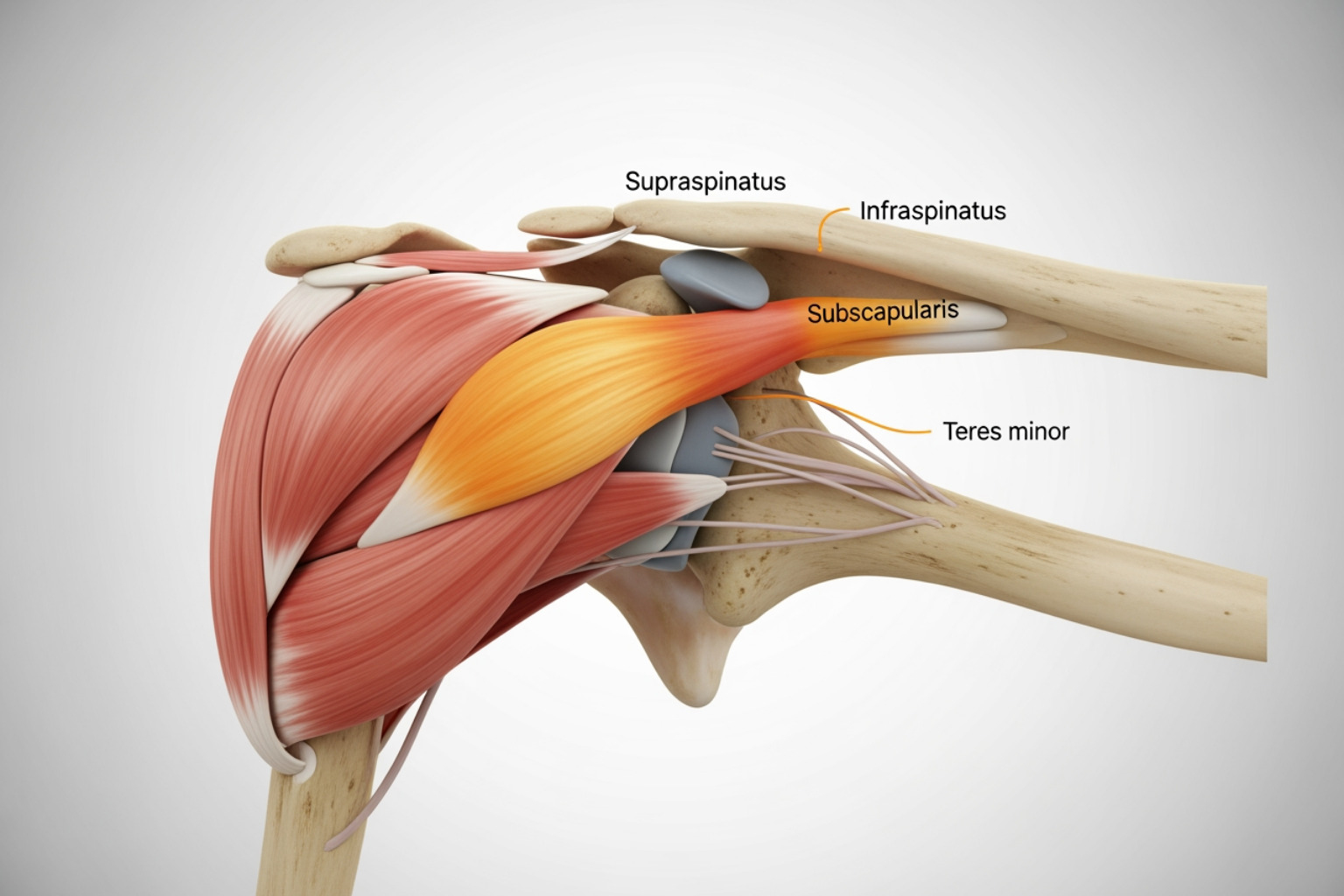
The rotator cuff is a group of four muscles and their tendons that surround the shoulder joint, providing stability and allowing for a wide range of motion. Among these four, the subscapularis stands out as the largest and strongest. Its name, "subscapularis," literally means "under the scapula" (wing bone), which perfectly describes its location. It originates from the subscapular fossa, a large depression on the front surface of your shoulder blade, and inserts onto the lesser tubercle of your upper arm bone (humerus).
So, what exactly does this powerful muscle do for us? Its primary function is internal rotation of the humerus, allowing us to rotate our arm inward. Think about reaching for something in your back pocket, putting on a jacket, or even throwing a ball – these actions heavily rely on a healthy subscapularis. Beyond rotation, it also assists in shoulder adduction (bringing the arm closer to the body) and extension in certain positions. More critically, it acts as a humeral depressor and stabilizer, preventing the upper arm bone from displacing forward. This stabilization is vital for overhead activities and maintaining overall shoulder integrity. Without a strong and healthy subscapularis, our shoulder joint can become unstable, leading to pain and dysfunction. For a deeper dive into its intricate structure, you can explore its Anatomy of the Subscapularis Muscle.
Common Causes and Symptoms of Subscapularis Muscle Pain
Subscapularis muscle pain can arise from several factors, from sudden trauma to chronic overuse.
- Acute Injury: A common cause is falling on an outstretched hand or a sudden, forceful movement of the arm, which can put immense strain on the muscle.
- Overuse Injuries: Repetitive overhead motions in sports (baseball, swimming, tennis) or occupations involving frequent lifting can lead to strain and subscapularis tendinopathy (tendon damage and irritation).
- Age-Related Degeneration: As we age, tendons lose elasticity and strength, making them more susceptible to injury. Small partial tears can worsen over time.
- Shoulder Impingement: The subscapularis tendon can become compressed or irritated as it passes through a narrow space in the shoulder, leading to inflammation and pain, sometimes called "subscapularis syndrome."

Telltale Signs of a Subscapularis Problem
Because the subscapularis is a deep muscle, identifying an injury can be tricky. Look for these common signs:
- Anterior Shoulder Pain: Pain felt at the front of the shoulder, sometimes radiating down the upper arm, that worsens with movement.
- Pain with Internal Rotation: Discomfort or weakness when rotating your arm inward, such as when reaching behind your back or putting on a coat.
- Weakness Reaching Behind the Back: A classic symptom is difficulty with tasks like reaching for a wallet in a back pocket.
- Clicking or Popping: A "clicking" sound in the shoulder during arm rotation can indicate a subscapularis issue.
- Difficulty with Daily Activities: Simple tasks like carrying groceries, lifting your arm, or sleeping on the affected side become painful. Night pain is also common.
- Referred Pain: Trigger points in the muscle can cause pain to travel down the arm, sometimes as far as the wrist.
- Involuntary Outward Rotation: In severe cases, the arm may rotate outward on its own due to muscle imbalance.
Who is Most at Risk for Subscapularis Muscle Pain?
Certain groups are more susceptible to subscapularis muscle pain:
- Athletes: Especially those in sports with repetitive overhead motions like swimming, tennis, baseball, and weightlifting.
- Individuals with Poor Posture: Slouching alters shoulder mechanics and increases strain on the subscapularis.
- Older Adults: Age-related tendon degeneration increases the risk of tears and tendinopathy.
- Manual Laborers: Jobs that require frequent lifting, pushing, or reaching can cause chronic overuse.
- Contact Sport Athletes: Football, wrestling, or basketball players are at higher risk for acute traumatic injuries.
Getting a Proper Diagnosis: Identifying the Source of Pain
Getting an accurate diagnosis is crucial for effective treatment. A doctor or physical therapist will start with a thorough medical history and physical exam. They will ask about your symptoms, activities, and any potential injuries.
The physical examination involves assessing your shoulder's range of motion, strength, and posture. The clinician will also feel for tenderness to pinpoint the pain source. This process helps differentiate subscapularis muscle pain from other conditions like biceps tendinitis or referred pain from the neck, ensuring a correct diagnosis as guided by assessment best practices.
Key Physical Tests for Subscapularis Injury
Clinicians use several specialized tests to isolate and assess the subscapularis muscle:
- Lift-Off Test (Gerber's Test): You place the back of your hand on your lower back and try to lift it away. Weakness or inability to do so suggests a subscapularis issue.
- Belly-Press Test (Abdominal Compression Test): You press your hand into your belly. If your elbow drops back or you use other muscles to compensate, it indicates weakness.
- Bear Hug Test: With your hand on the opposite shoulder, you resist as the clinician tries to pull your arm away. Inability to resist points to a tear. Learn more about The Bear-Hug Test.
- Napoleon Test: You press your hand against your stomach while keeping the wrist straight. A bent wrist indicates weakness.
A combination of these tests is often used to confirm a diagnosis.
The Role of Imaging in Diagnosis
Imaging studies can confirm a diagnosis and assess the injury's severity:
- MRI (Magnetic Resonance Imaging): The best tool for viewing soft tissues, an MRI can identify tendon tears, tendinopathy, and other related issues.
- Ultrasound: A useful, real-time tool for visualizing tendons to detect tears or damage, especially when used by an expert.
- X-rays: Used to rule out bone-related problems like fractures or arthritis that could be causing pain.
Importantly, imaging results must be interpreted alongside your physical symptoms. Asymptomatic rotator cuff tears are common, especially with age, so an image showing a tear doesn't always mean it's the source of your pain. A clinician will use all findings to make an accurate diagnosis.
Your Action Plan for Relieving Subscapularis Muscle Pain
The good news is that most cases of subscapularis muscle pain respond well to conservative, non-invasive treatment. The initial focus is on reducing pain and promoting healing.
Start with rest and activity modification by avoiding movements that trigger your pain. Applying ice for 15-20 minutes at a time can help reduce inflammation and discomfort. Simple adjustments to posture or lifting techniques can also make a significant difference. Over-the-counter pain relievers may offer temporary relief.
At-Home Exercises and Therapies for Relief
Targeted exercises are a cornerstone of recovery. The goal is to restore range of motion and gradually strengthen the muscle. Always listen to your body and stop if you feel sharp pain. For a detailed guide, refer to this Subscapularis Strengthening PDF from Hand to Shoulder Associates.
- Doorway Stretch: Stand in a doorway with your forearms on the frame and lean forward to stretch your chest. Hold for 30 seconds.
- Internal Rotation with Resistance Bands: With your elbow at your side, use a resistance band to slowly rotate your forearm inward across your body.
- Shoulder Blade Squeeze: Sit or stand tall and gently squeeze your shoulder blades together. Hold for 5-10 seconds.
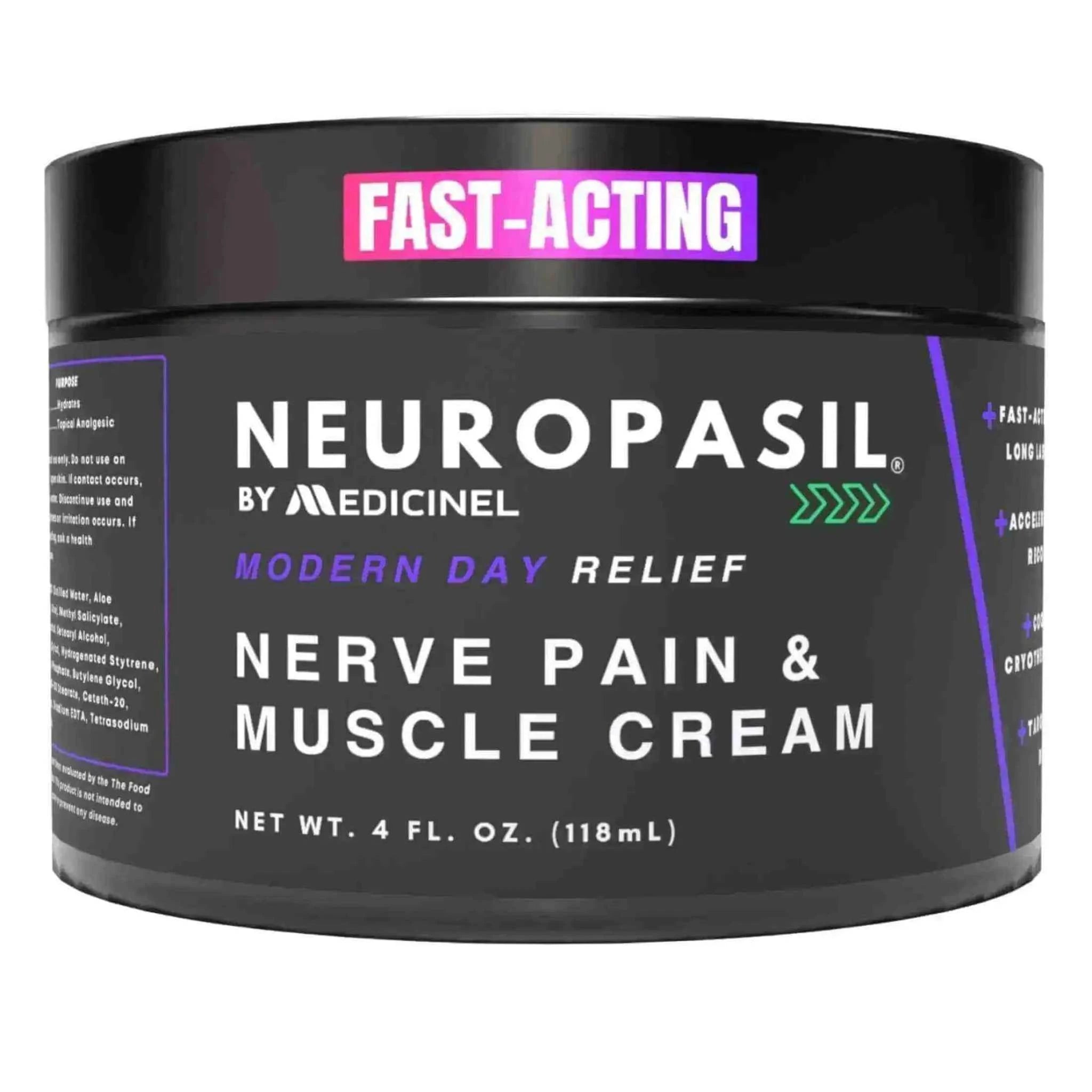
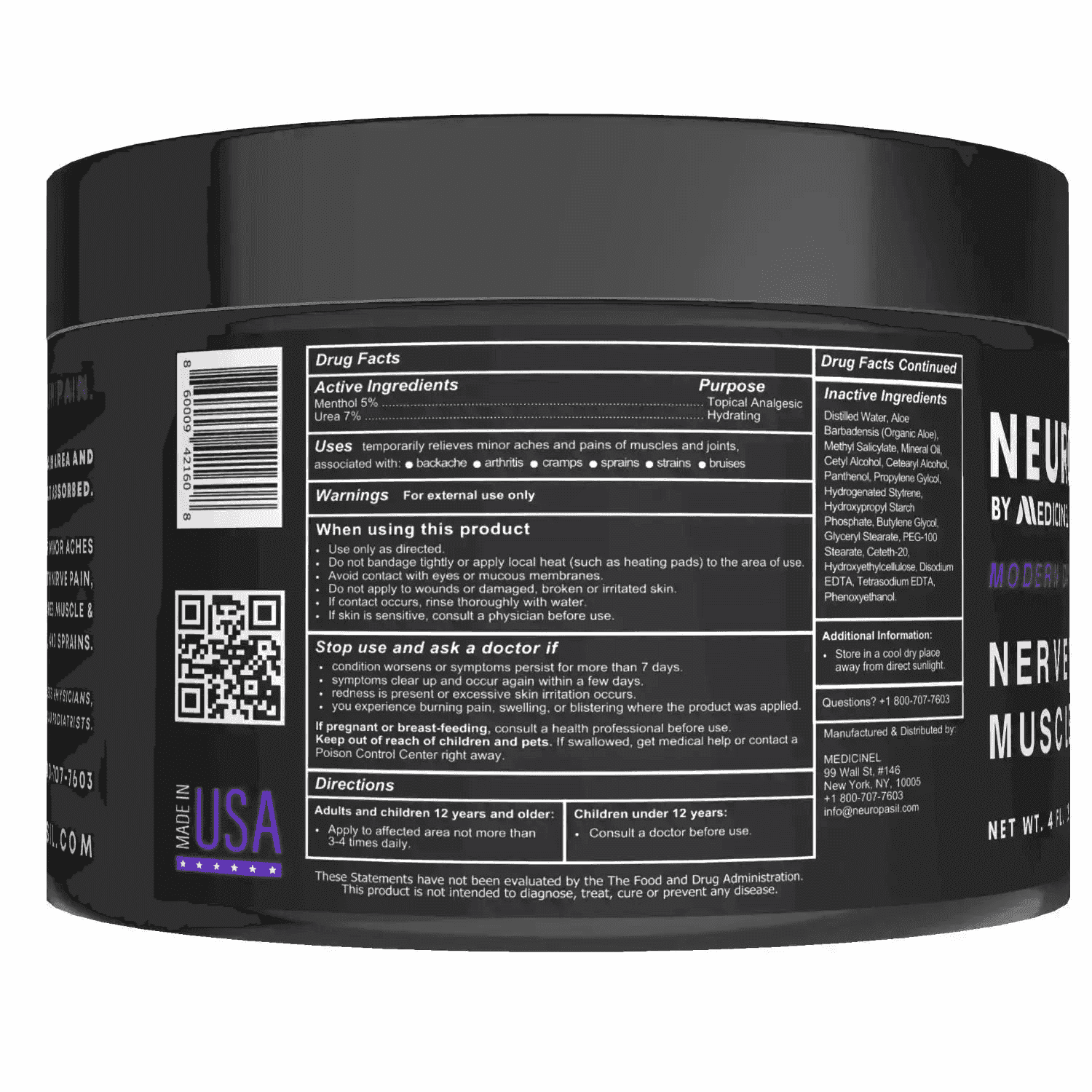
- Topical Pain Relief: For direct, soothing relief, topical creams can be very effective. Products with menthol, like Neuropasil, create a cooling sensation that eases local discomfort. Our natural, fast-acting formula is designed for targeted relief of sore muscles and aches. Apply a small amount to the painful area for quick comfort.
Professional Medical Treatments
If at-home care isn't enough, professional treatments can accelerate recovery.
- Physical Therapy: A physical therapist can provide a personalized program of manual therapy, stretching, and strengthening exercises to restore function and guide you on proper body mechanics.
- Corticosteroid Injections: For persistent inflammation, a doctor may suggest a corticosteroid injection for significant, though often temporary, pain relief. They are used judiciously due to potential side effects.
- Platelet-Rich Plasma (PRP) Injections: An evolving treatment where your own platelets are injected to promote healing in cases of chronic tendinopathy.
- Surgical Intervention: Surgery may be recommended for severe, full-thickness tears that don't respond to conservative care, especially for active individuals. The procedure, often done arthroscopically, reattaches the torn tendon to the bone to restore strength and reduce pain.
Prevention and Long-Term Shoulder Health
Preventing subscapularis muscle pain is better than reacting to an injury. A proactive approach involves balanced strength training for the entire shoulder, including the rotator cuff and scapular stabilizers. Always warm up properly before activity, avoid overtraining, and allow for adequate rest and recovery.
How to Prevent Future Subscapularis Issues
- Strengthen Supporting Muscles: Focus on scapular stabilization exercises (e.g., rows, shoulder blade squeezes) and strengthen the external rotator muscles to create balance around the shoulder joint.
- Improve Posture: Maintain good posture, especially when sitting at a desk, and make ergonomic adjustments to your workspace to reduce shoulder strain.
- Use Proper Technique: Use correct body mechanics during sports, lifting, and daily tasks. Lift with your legs, not your back and shoulders.
- Listen to Your Body: Pay attention to fatigue or soreness. Rest when needed and avoid pushing through pain to prevent minor issues from becoming major injuries.
Complications of Untreated Subscapularis Injuries
Ignoring subscapularis muscle pain can lead to serious complications:
- Chronic Pain: Intermittent discomfort can become persistent and debilitating.
- Progressive Weakness and Larger Tears: Untreated injuries can lead to muscle atrophy and cause partial tears to become full-thickness tears, often requiring surgery.
- Shoulder Instability: A weakened subscapularis can lead to an unstable shoulder joint and a higher risk of dislocation.
- Adhesive Capsulitis (Frozen Shoulder): Prolonged immobility and inflammation can lead to severe stiffness and pain.
Frequently Asked Questions about Subscapularis Pain
We often hear similar questions from our clients seeking relief from subscapularis muscle pain. Here are some common ones:
How long does it take for a subscapularis injury to heal?
Healing time depends on the injury's severity:
- Mild Strains or Tendinopathy: A few weeks to a few months with conservative treatment.
- Partial Tears: Several months of physical therapy and activity modification.
- Full-Thickness Tears (Post-Surgery): Recovery can take 6 to 12 months. This typically involves wearing a brace for about six weeks, followed by extensive physical therapy.
Adhering to your rehabilitation program is crucial for a successful recovery.
Can I still work out with subscapularis pain?
This depends on the pain's severity. With mild pain, you can modify your workout to avoid aggravating movements and focus on a pain-free range of motion. If pain is moderate to severe, it's best to rest the shoulder to avoid worsening the injury. Always consult a physical therapist or doctor for guidance on safe exercises and modifications to support your recovery.
When should I see a doctor for my shoulder pain?
While minor aches can be managed at home, see a doctor for subscapularis muscle pain if you experience any of the following:
- Pain that persists for more than a week or two despite home care.
- Sudden, severe pain after an injury, especially with a popping sound.
- Inability to lift or move your arm, or significant weakness.
- Noticeable swelling, deformity, or unusual bruising.
- Signs of infection, such as redness, warmth, or fever.
- Numbness, tingling, or circulation changes in your arm or hand.
- Shoulder pain accompanied by pain when breathing.
Conclusion: Taking Control of Your Shoulder Health
Subscapularis muscle pain might be a "hidden culprit," but with the right knowledge and proactive steps, it doesn't have to be a mystery that sidelines you from your daily life. We've explored what this essential muscle does, the common causes and symptoms of its pain, and how medical professionals in New York City and beyond diagnose it. Most importantly, we've outlined a clear action plan for relief and prevention.
Remember the key steps:
- Understand: Know your subscapularis muscle and its vital role in shoulder function.
- Diagnose: Seek professional help for an accurate diagnosis, utilizing specialized tests and imaging when necessary.
- Treat: Employ a multi-faceted approach combining rest, targeted exercises, and appropriate medical interventions.
- Prevent: Adopt healthy habits, including proper posture, balanced strengthening, and listening to your body to safeguard your shoulder health long-term.
Taking control of your shoulder health means being informed and proactive. Don't let subscapularis muscle pain dictate your activities. For targeted, soothing relief from muscle soreness, consider a natural topical cream like Neuropasil. Our unique blend of Aloe, Urea, and Menthol provides fast-acting comfort, helping you manage discomfort as you work towards a stronger, pain-free shoulder.
References
- Hand to Shoulder Associates. (n.d.). Subscapularis Strengthening PDF. Retrieved from https://www.datocms-assets.com/104884/1747247544-subscapularis-strengthening-pdf.pdf
- Chiroup. (n.d.). Subscapularis Syndrome Our shoulders are responsible for so many things - they are the main connection point for our arms to our torsos, and they are able to provide our limbs a wide variety of motion! The shoulder and all the structures that surround and make up this joint are very complex, and can easily become affected.... Retrieved from https://chiroup.com/blog/subscapularis-syndrome
- Physiocheck.us. (n.d.). the most prevalent cause An injury isthe most prevalent causeof subscapularis syndrome. It often occurs when you overextend or overload your arm frequently. Age-related degeneration is the primary cause of this syndrome in older people, but following an accident or fall may cause subscapularis syndrome as well. Shoulder imp.... Retrieved from https://www.physiocheck.us/condition/31/subscapularis-tendinopathy#:~:text=Cause%20and%20history,more%20common%20in%20older%20patients.
- Orthotexas.com. (n.d.). Most patients with subscapularis syndrome Most patients with subscapularis syndromeexperience shoulder pain, particularly in the front of their shoulder. You may also feel or hear a “clicking” sound inside your shoulder whenever you rotate your arm. You can identify whether you have this syndrome by checking conditions like:- Pain that wors.... Retrieved from https://www.orthotexas.com/subscapularis-tendon-tears-causes-symptoms-and-treatment/
- Burlington Sports Therapy. (n.d.). Subscapularis Tendinopathy - A Common Cause of Shoulder Pain. Retrieved from https://burlingtonsportstherapy.com/blog/subscapularis-tendinopathy/
- Buffalo Chiropractic. (n.d.). Understanding Subscapularis Syndrome and Shoulder Pain. Retrieved from https://www.buffalo-chiropractic.com/blog/2023/september/understanding-subscapularis-syndrome-and-shoulde/
- Thurner, M. S., Donatelli, R. A., & Bascharon, R. (2013). Subscapularis Syndrome: A Case Report. Journal of Orthopaedic & Sports Physical Therapy, 43(5), A1–A31. Retrieved from https://ncbi.nlm.nih.gov/pmc/articles/PMC3867080/
- Kulkarni, R., Gibson, J., Brownson, P., Thomas, M., Rangan, A., Carr, A. J., & Rees, J. L. (2015). Subacromial shoulder pain. Shoulder & Elbow, 7(2), 135–143. Retrieved from https://ncbi.nlm.nih.gov/pmc/articles/PMC4935112/
- Artus, M., Holt, T. A., & Rees, J. (2014). The painful shoulder: an update on assessment, treatment, and referral. British Journal of General Practice, 64(626), 448–450. Retrieved from https://ncbi.nlm.nih.gov/pmc/articles/PMC4141618/
- Aguirre, K., Mudreac, A., & Kiel, J. (2023). Anatomy, Shoulder and Upper Limb, Subscapularis Muscle. In StatPearls [Internet]. StatPearls Publishing. Retrieved from https://www.ncbi.nlm.nih.gov/books/NBK513344/
- Physiopedia. (n.d.). Subscapularis. Retrieved from https://www.ncbi.nlm.nih.gov/books/NBK513344/#:~:text=The%20subscapularis%20muscle%20is%20a,)%20scapula%20(wing%20bone).%20scapula%20(wing%20bone).)
- Shoulderdoc.co.uk. (n.d.). Lift-Off Test. Retrieved from https://www.shoulderdoc.co.uk/article/758
- YouTube. (2017). Bear Hug Test. Retrieved from https://www.youtube.com/watch?v=aTy-FAuX0n8
- YouTube. (2012). Belly Press Test. Retrieved from https://www.youtube.com/watch?v=hLAJ8XQ3GhY
- Sportsinjuryclinic.net. (n.d.). Foot - Lower leg - Knee - Thigh - Hip - Shoulder - Wrist. Retrieved from https://www.sportsinjuryclinic.net/sport-injuries
- Musculoskeletalkey.com. (n.d.). Subscapularis Disruption. Retrieved from https://musculoskeletalkey.com/subscapularis-disruption/
- Healthline. (n.d.). Subscapularis Tear. Retrieved from https://www.healthline.com/health/subscapularis-tear
- YouTube. (2014). Subscapularis Muscle - Origin, Insertion, Innervation & Action - Human Anatomy | Kenhub. Retrieved from https://www.youtube.com/watch?v=_NvVjLUL3F4