Why Muscle Pain Cream Relief Matters for Your Active Life
Muscle pain cream relief is a fast, targeted solution for managing muscle soreness and discomfort without the systemic side effects of oral medications. Whether you're dealing with post-workout soreness, a pulled muscle, or chronic pain from conditions like arthritis or sciatica, topical creams offer direct relief right where you need it most.
Quick Answer: Best Muscle Pain Cream Relief Options
- For Overall Relief: Creams with menthol, aloe, and arnica provide cooling comfort and anti-inflammatory benefits.
- For Acute Pain: Menthol-based formulas offer fast cooling relief.
- For Numbing Relief: Lidocaine creams block nerve signals for temporary numbing.
- For Natural Solutions: Non-greasy formulas with urea, vitamin B6, and MSM absorb quickly and moisturize.
- For Athletes: Fast-absorbing, non-greasy options that won't interfere with training.
Topical creams are a growing part of the pain management market, with global market analysis showing increased demand for over-the-counter solutions (Grand View Research, 2023). They work by penetrating the skin to deliver active ingredients directly to muscles and joints—blocking pain signals, reducing inflammation, or creating cooling and warming sensations that distract from discomfort.
Common causes of muscle pain include:
- Overexertion and after workout soreness
- Physical stress and tension
- Dehydration affecting muscle function
- Muscle strains from injury
- Medical conditions like arthritis, sciatica, and neuropathy
The beauty of topical pain relief is its simplicity. You apply it where it hurts, it absorbs through your skin, and it gets to work—no waiting for pills to digest and no systemic side effects. At Neuropasil, we've helped thousands of athletes, workers, and chronic pain sufferers reclaim their mobility with science-backed, natural formulas that deliver real results.
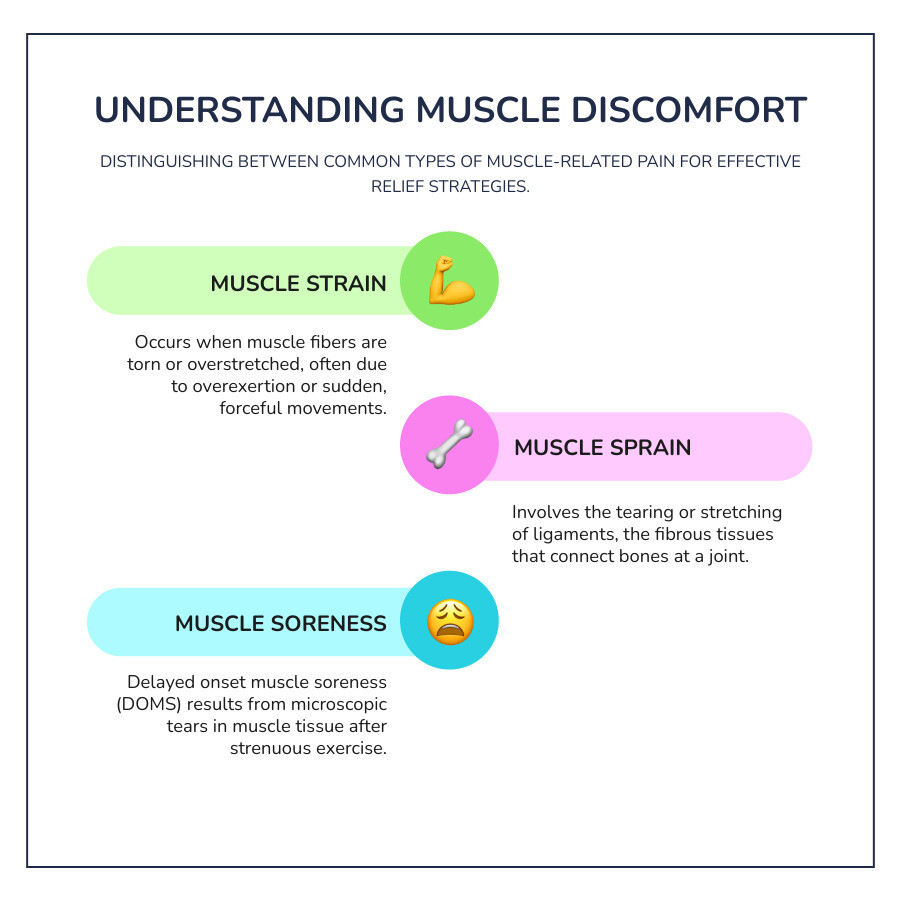
Essential muscle pain cream relief terms:
How Muscle Pain Relief Creams Work
When muscle pain strikes, reaching for a topical cream can be a game-changer. But how do these products provide muscle pain cream relief? It's not magic; it's science.
Topical pain relief creams deliver active ingredients directly to the affected area, bypassing the digestive system for localized action with fewer potential side effects than oral medications. The primary mechanisms include:
- Counterirritants: Ingredients like menthol and camphor create cooling or warming sensations that distract your brain from pain signals. As physical therapist Dr. Brad Whitley notes, they interfere with pain pathways, minimizing the perception of soreness.
- Anesthetics: These temporarily numb nerve endings to block pain signals. Lidocaine is a primary example, acting as a local anesthetic.
- Natural Anti-inflammatories: Ingredients like arnica aim to reduce inflammation, a common root cause of muscle pain. It's a natural way to minimize soreness and swelling.
The targeted nature of topical application means the active ingredients get right to work where they're needed most. For a deeper dive, see The Lowdown on Lotions: What Topical Creams Do for Muscle Aches and our guide to Topical Analgesics.

Key Active Ingredients and Their Effects
Understanding the ingredients in your muscle pain cream relief helps you choose the right product.
- Menthol & Camphor: This duo provides cooling and warming sensations. Menthol offers an initial cooling effect that numbs acute pain, while camphor can create a warming sensation that distracts from pain and increases blood flow. Learn more in A Practical Guide to Comparing Menthol Muscle Creams.
- Lidocaine: For a numbing effect, lidocaine blocks nerve signals in the pain area. It's particularly helpful for nerve-related pain, with 4% being the common maximum OTC strength. A 2021 study found topical lidocaine effective for several chronic pain conditions. Learn more at Is There an OTC Topical Anesthetic?.
- Capsaicin: Derived from chili peppers, capsaicin creates a warming sensation that depletes a pain-transmitting neurotransmitter, making it effective for chronic pain. Learn more in Capsaicin Cream Uses & Benefits.
- Arnica: A natural ingredient known for its anti-inflammatory properties. A 2017 study analysis suggests it may have anti-arthritic properties. While not a numbing agent, reducing inflammation contributes significantly to pain relief. See What Are the Side Effects of Arnica Gel?.
- NSAIDs (Non-Steroidal Anti-Inflammatory Drugs): Topical versions of drugs like diclofenac can help localized arthritis and muscle strains by decreasing inflammation, often with fewer systemic side effects than oral NSAIDs.
Your Guide to the Best Muscle Pain Cream Relief Options
Choosing the right muscle pain cream relief depends on your pain type, ingredient preference, and desired formulation. Consider if you need relief for a deep muscle ache, nerve pain, or joint stiffness.

For a comprehensive guide, consult How to Choose the Best OTC Topical Pain Relief. We’ve also compared options in The 7 Best Muscle Creams Compared.
Best Overall: Neuropasil Nerve & Muscle Pain Relief Cream
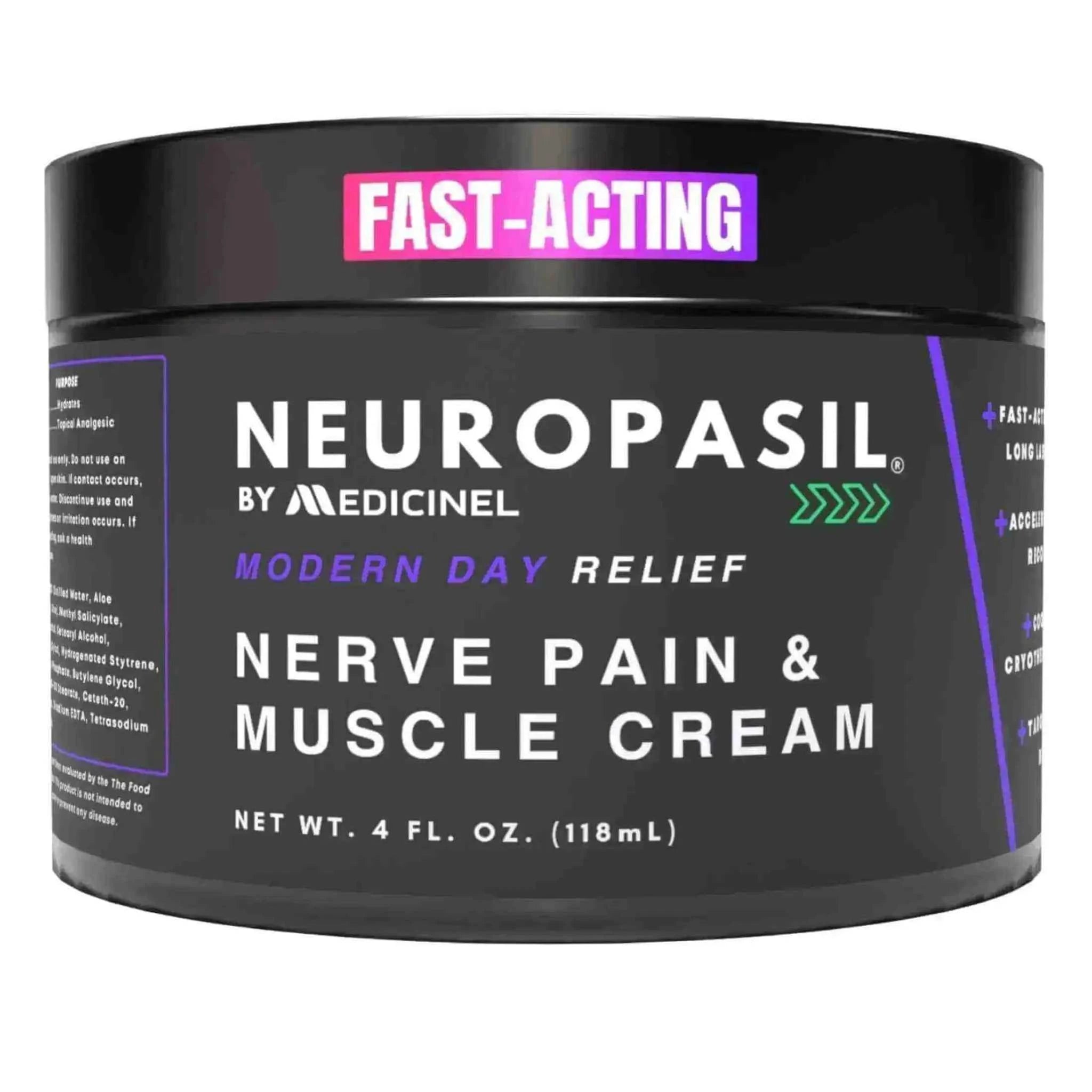
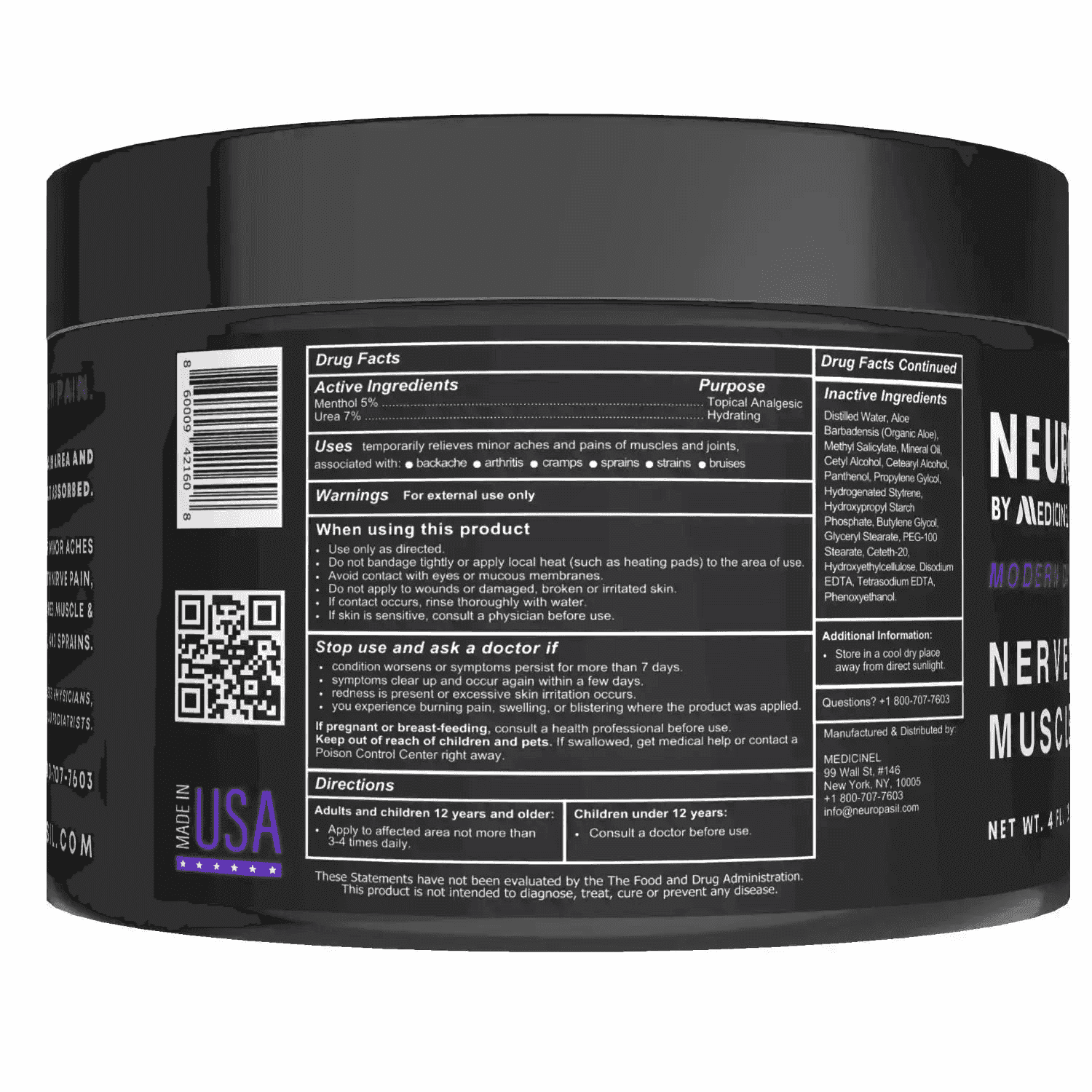
For comprehensive muscle pain cream relief, our top pick is Neuropasil Nerve & Muscle Pain Relief Cream. It's formulated with a powerful blend of Menthol, Aloe, Urea, Arnica, Vitamin B6, and MSM to soothe a wide array of conditions, from post-workout soreness to chronic nerve and joint pain.
Neuropasil stands out for its non-greasy, fast-absorbing formula, making it ideal for active individuals. It also moisturizes the skin with Aloe and Urea. Customers use Neuropasil for neuropathy, sciatica, strains, sprains, and general aches and pains. The combination of Aloe and Menthol delivers fast, soothing relief. For more on natural remedies, see our guide on effective natural remedies that work fast.
Best Cooling Sensation: Neuropasil Menthol Formula
For an intense, invigorating chill, our Neuropasil Menthol Formula delivers a powerful cooling sensation ideal for acute pain and post-workout soreness. Menthol works as a counterirritant, stimulating cold receptors to distract from pain. This fast-acting formula provides quick relief with a mess-free application. And yes, cooling cream does help muscles by masking pain and providing comfort.
Best for Numbing Pain: Neuropasil with Lidocaine
When pain is sharp or nerve-related, a numbing agent provides invaluable relief. Neuropasil with Lidocaine is a specialized, fragrance-free formula that blocks nerve signals for temporary, localized numbing. The roller-ball applicator allows for easy, targeted application, making it beneficial for nerve-related discomfort. Learn more about the best muscle pain relief cream with lidocaine.
Best Natural, Non-Greasy Formula: Neuropasil
For those who prioritize natural ingredients and a clean feel, our core Neuropasil formula is an ideal choice. It combines Menthol, Aloe, Urea, and Arnica to deliver effective pain relief while nurturing your skin. The non-greasy texture absorbs quickly without sticky residue, a huge plus for athletes and anyone who dislikes heavy creams. This non-greasy muscle soreness relief improves comfort and convenience, while Aloe and Urea provide soothing and moisturizing benefits.
Application, Safety, and Best Practices
To get the most from your muscle pain cream relief, proper application and safety are key.
How to Apply for Maximum Effectiveness
- Clean the Area: Start with clean, dry skin for better absorption.
- Patch Test: If you have sensitive skin, test a small amount on your skin and wait 24 hours to check for irritation.
- Apply and Massage: Cover the affected area with cream and massage it in until fully absorbed. Massaging the cream into the skin helps with penetration, especially for muscles close to the surface.
- Wash Your Hands: Always wash your hands thoroughly after application to avoid contact with eyes or other sensitive areas.
- Frequency: Follow the product label instructions, typically applying no more than 3 to 4 times daily.
Side Effects and Precautions
While generally safe, be aware of potential issues:
- Skin Irritation: Discontinue use if redness, itching, or a rash develops.
- External Use Only: Never ingest topical creams. Keep away from eyes, mucous membranes, and broken skin.
- No Heating Pads: Do not use heating pads or tight bandages over the cream, as this can cause burns or severe irritation.
- Age and Health Conditions: Consult a doctor before use on children under 12. Pregnant or breastfeeding women should also seek medical advice. For more details, see our article, "Is Muscle Pain Ointment Safe for Kids?".
When to Consult a Doctor
See a doctor if your pain worsens, persists for more than 7 days, or if you experience severe burning or blistering. If you suspect a serious injury or underlying condition, seek medical attention. Learn more about Generalised Body Pain Causes.
Creams vs. Gels vs. Ointments
Topical relievers come in different forms:
- Creams: A balance of oil and water, they absorb well with minimal residue.
- Gels: Water- or alcohol-based, they are lightweight, fast-absorbing, and non-greasy, making them great for athletes.
- Ointments: Oil-based and thicker, they create a protective barrier and are good for very dry skin.
The choice depends on personal preference. For more, see our guides on Topical Pain Relief Forms Explained and Non-Greasy Creams for Aches and Pains.
Topical vs. Oral Medication
- Targeted vs. Systemic: Creams offer targeted relief at the pain site, while oral medications affect the entire body.
- Side Effects: Topicals have a lower risk of systemic side effects like stomach upset, though local skin irritation can occur.
- Speed: Counterirritants like menthol and numbing agents like lidocaine can offer a sensation of relief faster than oral medications.
For a deeper comparison, read Muscle Pain Relief: Oral vs. Topical Options.
Frequently Asked Questions about Muscle Pain Creams
Here are answers to common questions about muscle pain cream relief.
How long does it typically take for muscle pain relief creams to work?
The onset of relief varies by ingredient:
- Menthol/Camphor: A cooling or warming sensation is often felt almost immediately, with pain-masking effects following shortly after.
- Lidocaine: Numbing relief typically begins within minutes of application.
- Arnica/NSAIDs: Anti-inflammatory benefits build over time and may take longer to become noticeable, especially with consistent use.
Most users feel some relief within 30 minutes. For more details, see How Long Does It Take for Pain-Relieving Cream to Work?.
Can muscle pain relief creams be used for arthritis pain?
Yes. Many muscle pain cream relief products are also effective for arthritis joint pain. They provide localized relief directly to the joint with fewer systemic side effects. Neuropasil creams are formulated for both muscle and joint discomfort. Ingredients like menthol, arnica, and capsaicin are beneficial for arthritis. Learn more about Arthritis Creams and Managing Arthritis Pain.
What natural remedies complement muscle pain creams?
Combining creams with natural remedies can improve recovery. Consider these options:
- R.I.C.E. Method: Rest, Ice, Compression, and Elevation for acute injuries.
- Stretching: Gentle stretching improves flexibility and reduces tension. See our guide to Stretching for Muscle Recovery.
- Epsom Salt Baths: Soaking in a warm bath with Epsom salts can relax sore muscles. Learn how in our Epsom Salt Bath guide.
- Massage: Gentle massage increases blood flow and helps the cream absorb.
- Hydration: Proper hydration is crucial for muscle function and recovery.
- Heat Therapy: After the acute phase, heat can relax muscles and improve blood flow.
Conclusion: Take Control of Your Muscle Pain
Navigating muscle aches and discomfort can be a real pain (pun intended!), but with the right muscle pain cream relief, you don't have to suffer in silence. We've explored the diverse landscape of topical pain relievers, from their ingenious mechanisms of action to the powerful ingredients that make them work.
The benefits are clear: targeted relief right where you need it, often with a faster onset and fewer systemic side effects compared to oral medications. Whether you're an athlete pushing your limits, someone managing chronic conditions like arthritis or neuropathy, or simply dealing with the everyday aches that life throws your way, there's a topical solution designed for you.
Choosing the best cream involves understanding your pain, your ingredient preferences, and the formulation that suits your lifestyle. Our Neuropasil creams, with their blend of menthol, aloe, urea, and arnica, offer versatile, non-greasy, and fast-acting relief for a wide range of muscle and nerve discomforts.
Don't let muscle pain hold you back. Take control of your comfort and reclaim your active life. Explore our range of solutions and find the perfect muscle pain cream relief that fits your needs. As we always say, "Sore No More: Your Guide to the Best Pain-Relieving Creams" is within reach.
References
Grand View Research. (2023). Global Muscle Relaxant Market Size & Growth. Whitley, B. (n.d.). On Topical Pain Relief Mechanisms. Bespoke Treatments. Drug Design, Development and Therapy. (2021). Topical Lidocaine for Chronic Pain. Nutrients. (2017). Arnica: A Systematic Review of Clinical Research.