Why Trapezius Pain Affects So Many People
Hurt trapezius pain is a common complaint, causing persistent neck, shoulder, and upper back discomfort for millions. Whether from hunching over a laptop, carrying heavy bags, or a sudden movement, pain in this large upper back muscle can make daily activities difficult.
To support readability and accessibility, this article uses only standard, static images (like the photo above and the anatomy illustration below) and avoids auto-playing or overly complex visual content.
Quick Relief for Hurt Trapezius:
- Rest - Avoid activities that worsen the pain
- Ice - Apply for 15-20 minutes in the first 48-72 hours to reduce inflammation
- Heat - Use after initial swelling subsides to relax tight muscles
- Gentle stretches - Head tilts and chin tucks to restore mobility
- Topical pain relief - Apply menthol-based creams for fast-acting comfort
- Improve posture - Adjust your workspace and take frequent breaks
Research shows that persistent trapezius myalgia, severe chronic neck and shoulder pain, affects 10-20% of adults (Physiopedia, n.d.). Fortunately, most trapezius pain responds well to simple at-home treatments, stretching, and lifestyle adjustments.
This guide covers the causes of trapezius pain, effective home treatments, when to see a doctor, and how to prevent it from returning.
I'm Tony Enrico, and through my work with Neuropasil in New York City, I've seen how hurt trapezius pain can limit daily life. My mission is to help people find fast, natural relief so they can return to their favorite activities without discomfort.
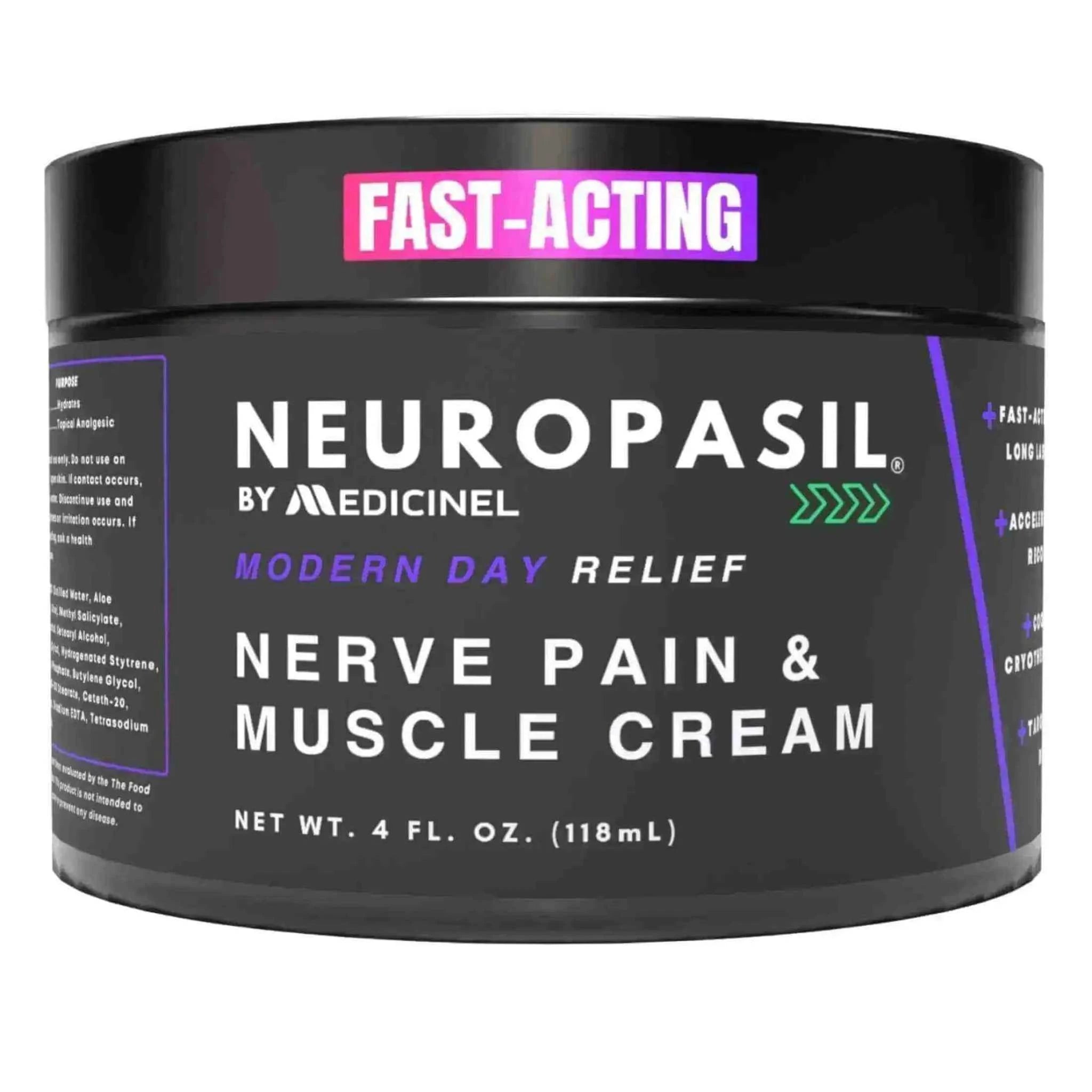
Learn more about hurt trapezius and how targeted topicals like Neuropasil’s nerve pain relief cream and muscle pain relief cream can support your recovery:
Understanding Your Trapezius Muscle and Its Pain
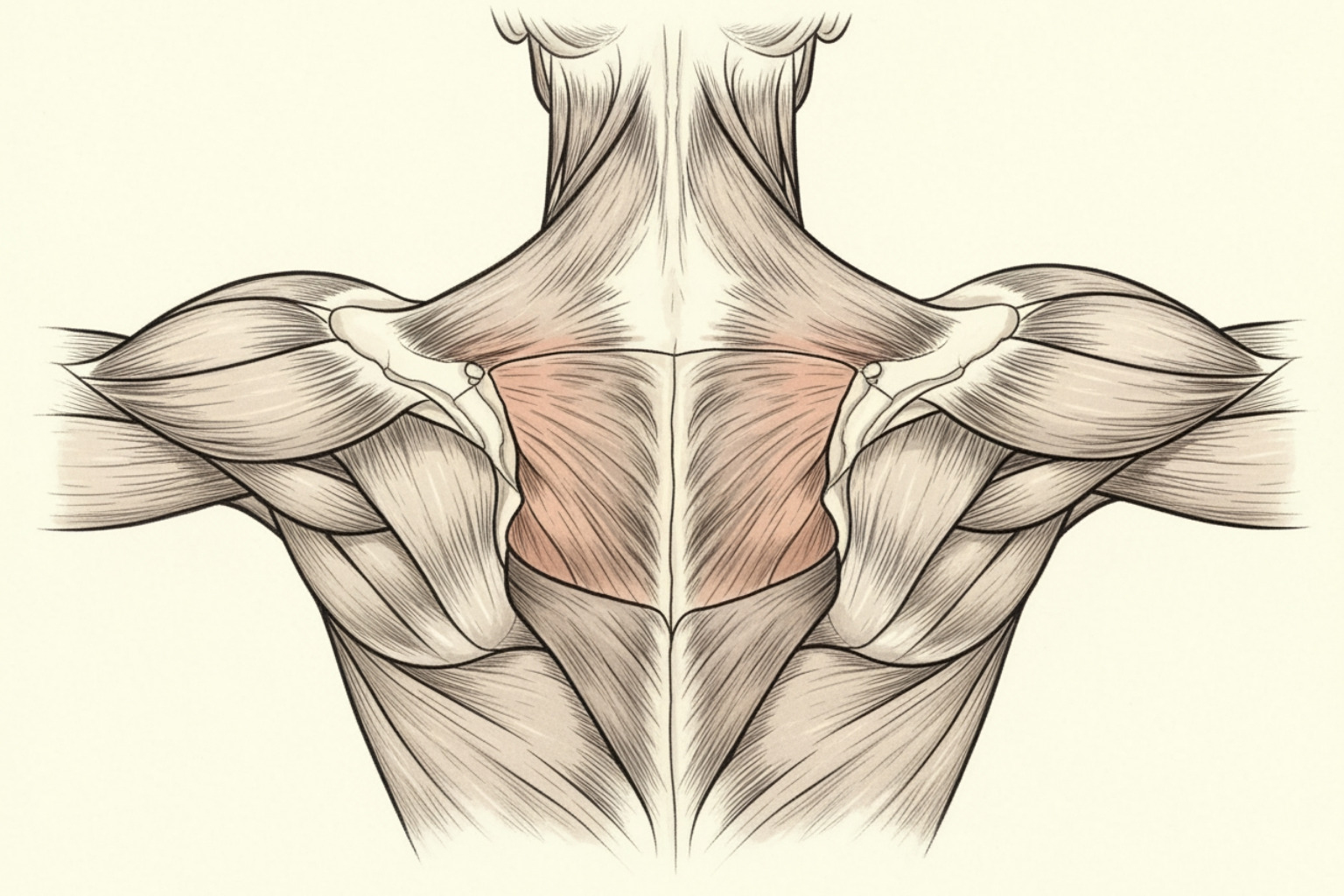
The trapezius is a large, kite-shaped muscle spanning your upper back and neck, influencing the movement and stability of your head, neck, and shoulders. It's crucial for everything from shrugging to sitting upright.
The trapezius has three sections:
- Upper Trapezius: Runs from the base of your skull to your shoulders. It lifts the shoulders and rotates the head. This is where most people feel "knots" and tension from a hurt trapezius.
- Middle Trapezius: Located between the shoulder blades, it pulls them back to help maintain good posture.
- Lower Trapezius: Extends down the back, pulling the shoulder blades down. It's vital for overhead movements.
When we talk about a hurt trapezius, we're often referring to a muscle strain (a pulled muscle), where fibers are overstretched, causing microscopic tears. This differs from a sprain, which affects ligaments connecting bones.
What are the symptoms of a hurt trapezius?
Symptoms of a hurt trapezius can range from mild to severe. Common signs include:
- A dull, persistent ache in the neck, shoulders, or upper back.
- Stiffness and restricted movement in the neck and shoulders.
- Tenderness to the touch in the muscle.
- A sensation of tightness, like a "band" across the shoulders.
- A burning feeling, especially in the upper trapezius.
- Tingling or numbness in the arms or hands (a red flag to see a doctor).
- Painful, involuntary muscle spasms.
- Tender "knots" or trigger points in the muscle.
- Tension headaches, often starting at the base of the skull.
- Limited range of motion that impacts daily activities.
What causes trapezius pain?
Modern lifestyles are full of triggers for hurt trapezius pain:
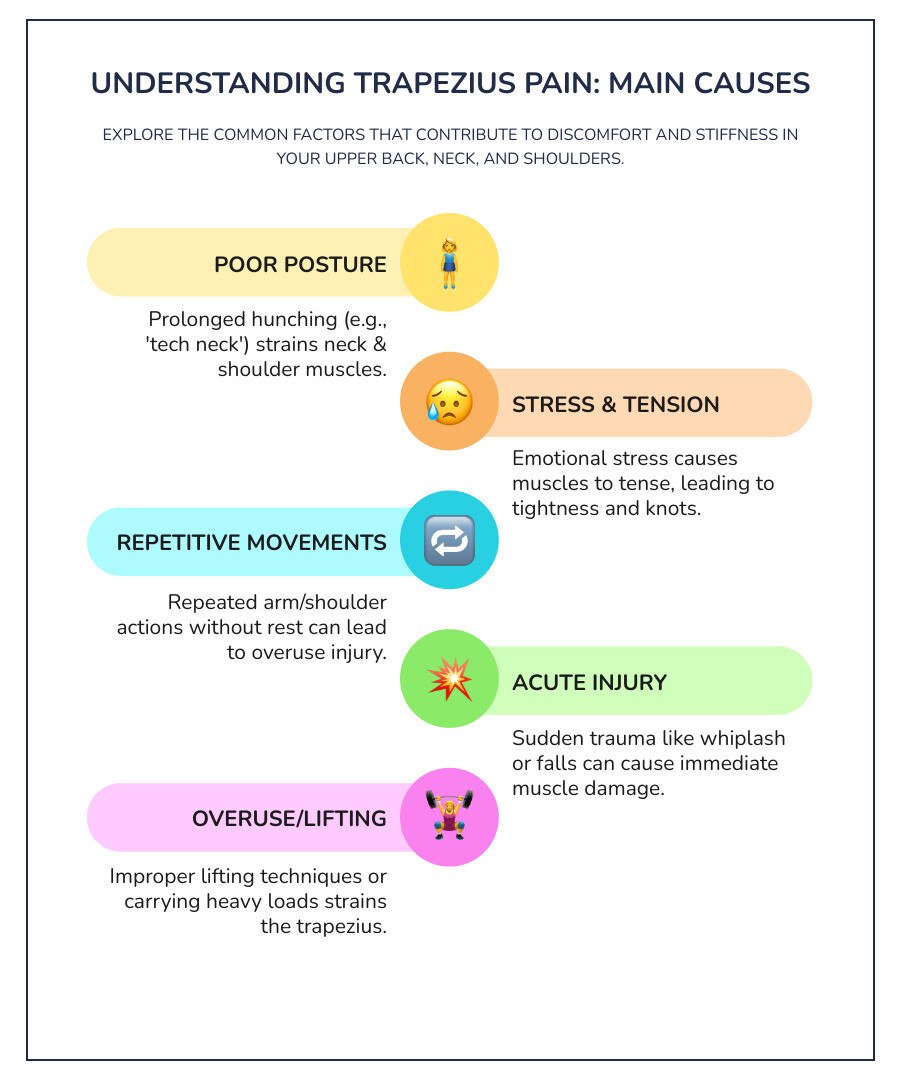
- Poor Posture: Hunching over a phone or desk ("tech neck") for long periods puts immense strain on the upper trapezius.
- Acute Injury: Sudden trauma from a fall, a direct blow, or a forceful twist can cause an immediate strain.
- Overuse and Repetitive Stress: Repetitive activities like improper weightlifting, painting, or carrying a heavy bag on one shoulder can lead to overuse injuries.
- Stress: Mental stress is a major factor. Research shows trapezius muscle activity increases during stress, causing sustained tension, reduced blood flow, and painful trigger points (National Center for Biotechnology Information, 2017).
- Carrying Heavy Bags: Consistently using a heavy backpack or shoulder bag, especially on one side, creates an imbalance that strains the trapezius.
- Improper Lifting: Lifting heavy objects without using your legs and core puts excessive strain on your back and trapezius.
- Whiplash: The rapid back-and-forth neck motion from a car accident often results in a hurt trapezius.
- Sleeping in Awkward Positions: An unsupportive pillow or poor sleeping posture can lead to waking up with a stiff, painful trapezius.
Understanding these causes is the first step toward effective treatment and prevention.
Immediate At-Home Treatments for Trapezius Pain
When your trapezius hurts, immediate relief is the priority. These at-home treatments can soothe the pain and start the healing process (Healthline, n.d.).
- Rest: The most important first step is to avoid activities that aggravate your pain.
- Ice: In the first 48-72 hours after an acute injury, apply an ice pack for 15-20 minutes at a time, several times a day. This helps reduce swelling and inflammation.
- Heat Therapy: After the initial swelling subsides, heat can be very beneficial. A heating pad or warm shower can relax tight muscles, increase blood flow, and ease stiffness.
- Over-the-Counter (OTC) NSAIDs: Nonsteroidal anti-inflammatory drugs like ibuprofen can help manage pain and reduce inflammation. Always follow dosage instructions and consult a healthcare professional if needed.
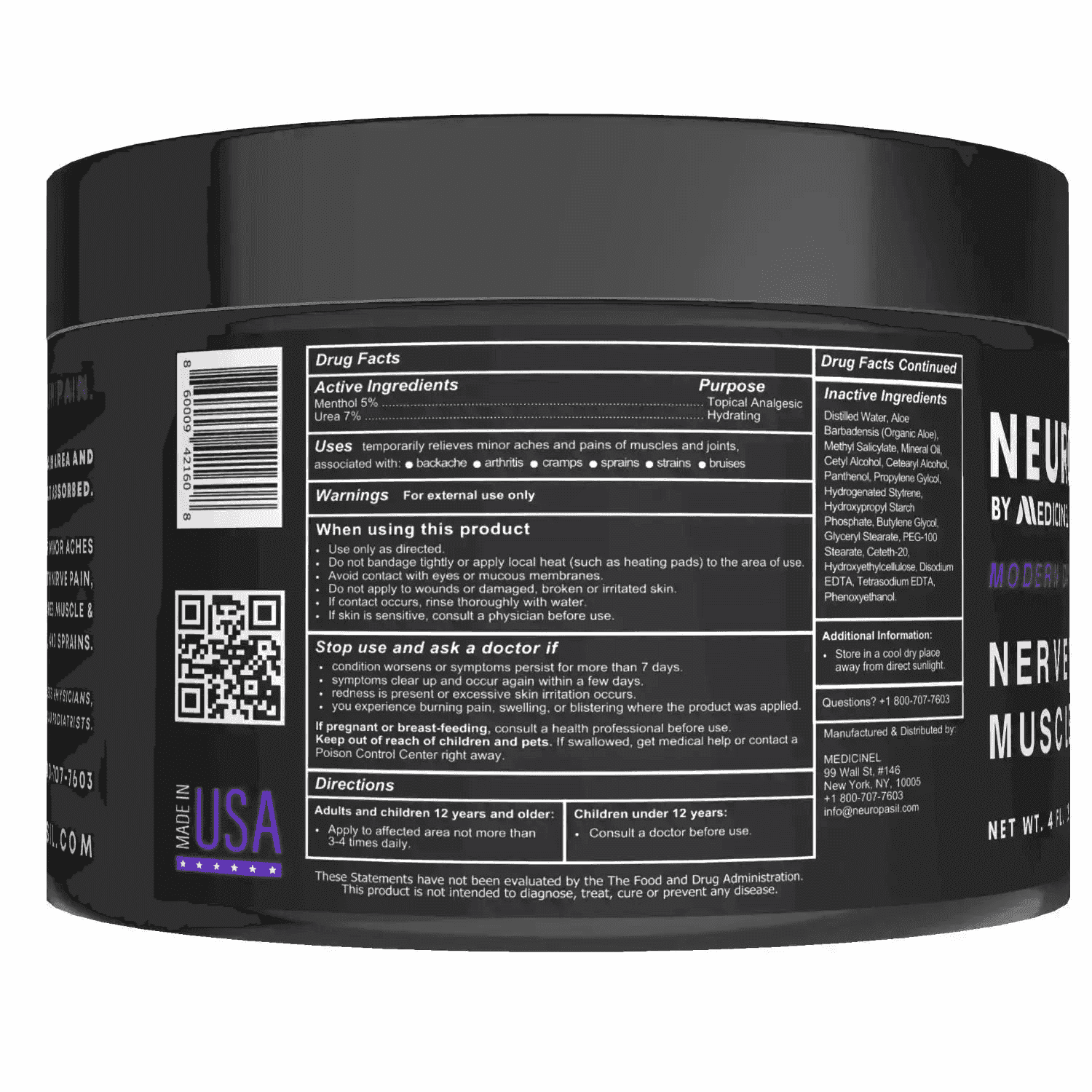
- Topical Analgesics: Creams and gels provide targeted, fast-acting relief. Products with menthol create a cooling sensation that soothes pain. For more on effective topicals, see our guide on the best creams for muscle pain. Our Neuropasil creams, with natural ingredients like Aloe, Urea, and Menthol, are designed to provide targeted, soothing relief for a hurt trapezius.
Stretches and Exercises to Relieve and Strengthen Your Traps
Once acute pain subsides, gentle stretches and strengthening exercises are crucial for recovery and preventing future hurt trapezius pain. The goal is to improve flexibility, reduce tension, and strengthen supporting muscles (Healthline, n.d.; Harvard Health Publishing, 2022).

Gentle Stretches for a Hurt Trapezius
Stretching lengthens tight muscles and restores range of motion. Move slowly, avoid pain, and hold each stretch for 20-30 seconds.
- Head Tilt Stretch: Sit or stand tall and gently tilt your head toward one shoulder, feeling a stretch on the opposite side. You can deepen it by gently placing a hand on your head.
- Chin Tucks: Sit or stand tall and gently pull your chin straight back, as if making a double chin. Hold for a few seconds and release.
- Thread the Needle: On your hands and knees, thread one arm under your body, resting your shoulder and ear on the floor. This targets the middle trapezius.
- Doorway Stretch: Stand in a doorway with your forearms on the frame. Lean forward gently to feel a stretch across your chest and shoulders.
For more ways to release tension, check out our article on how to unlock your traps with these simple stretches.
Strengthening Exercises for Prevention
Weak middle and lower trapezius muscles can contribute to poor posture and strain. Strengthening them creates a more stable upper back. Once pain allows, aim for 1-2 sets of 10-15 reps, 2-3 times a week.
- Shoulder Blade Squeezes: Sit or stand tall and gently squeeze your shoulder blades together. Keep your shoulders down and relaxed. Hold for 5 seconds.
- Seated Resisted Rows: Using a resistance band, pull the band toward your torso, squeezing your shoulder blades together.
- Scapula Setting: Lie on your stomach and gently pull your shoulder blades together and down, lifting your chest slightly. Hold for 10 seconds.
- Y-Raises: Lie on your stomach with arms in a 'Y' shape, thumbs up. Lift your arms off the floor, squeezing your shoulder blades.
These exercises are key for long-term prevention. Find more guidance in our survival guide for trapezius strain treatment.
Professional Diagnosis and Advanced Recovery Options
While many cases of hurt trapezius pain resolve at home, some require professional medical attention for an accurate diagnosis and advanced treatment.
A healthcare provider will perform a physical exam, assessing your range of motion, muscle tenderness, strength, and nerve function. Imaging tests like an X-ray or MRI may be used to rule out other conditions or identify the extent of a muscle tear.
Muscle strains are graded by severity (Cleveland Clinic, 2022):
- Grade 1 (Mild): Minor fiber tears with tenderness but little loss of strength.
- Grade 2 (Moderate): Partial tearing with significant pain, swelling, and loss of strength.
- Grade 3 (Severe): A complete muscle rupture with severe pain, swelling, and total loss of function, possibly with a "popping" sound at injury.
Based on the diagnosis, professional recovery options may include:
- Physical Therapy: A custom exercise program and manual therapy to restore strength and flexibility.
- Massage Therapy: Helps release muscle tension, reduce trigger points, and improve circulation.
- Dry Needling: A trained practitioner uses thin needles to release tight muscle knots.
- Kinesiology Tape: This elastic tape can support muscles and reduce pain. Studies have shown Kinesio taping can help relieve a hurt trapezius for some individuals (Halski, et al., 2015).
When to See a Doctor for Trapezius Pain
Don't ignore these red flags; seek medical attention if you experience (Cleveland Clinic, 2022):
- Pain that lasts over six weeks despite home care.
- Weakness, numbness, or tingling in your arms or hands.
- A "popping" sound or sensation at the time of injury.
- Inability to move your arm or neck due to severe pain or weakness.
- Excruciating pain that doesn't improve with basic care.
- Fever or chills accompanying the pain.
- Difficulty breathing or chest pain, which requires immediate medical help.
If you suspect a severe injury, don't hesitate to reach out to a healthcare provider. For more on treating severe injuries, you can refer to our cheat sheet to trapezius muscle tear treatment.
How to Prevent Future Trapezius Pain
Preventing hurt trapezius pain involves adopting healthy habits and being mindful of your body mechanics (Mayo Clinic, 2021; Cleveland Clinic, 2020).
- Ergonomics: Optimize your desk setup. Keep your monitor at eye level, use a supportive chair, and keep your feet flat on the floor to minimize neck and shoulder strain.
- Proper Lifting Techniques: Lift with your legs, not your back. Bend at the knees, keep your back straight, and hold heavy objects close to your body.
- Taking Movement Breaks: If you have a sedentary job, take short breaks every 30-60 minutes to stand, stretch, and move around to prevent stiffness.
- Stress Management: Incorporate stress-reducing activities like meditation, deep breathing, or yoga into your routine.
- Supportive Sleeping Positions: Sleep on your back or side with a pillow that supports the natural curve of your neck and keeps your spine aligned. Avoid sleeping on your stomach.
- Choosing the Right Pillow: Your pillow should fill the gap between your head and shoulder, preventing your neck from bending unnaturally.
- Regular Exercise Warm-ups and Cool-downs: Always warm up before physical activity and cool down with gentle stretches afterward to aid recovery.
- Maintain a Healthy Weight: Excess weight adds strain to your entire musculoskeletal system.
- Even Weight Distribution: Use a backpack with two straps or alternate shoulders when carrying a single-strap bag to distribute weight evenly.
By integrating these strategies into your daily life, you can significantly reduce your risk of developing hurt trapezius pain.
Frequently Asked Questions about Trapezius Pain
How long does a hurt trapezius take to heal?
The recovery timeline for a hurt trapezius depends on the strain's severity (Epainassist, 2019).
- Mild (Grade 1) strains typically heal within 2 to 3 weeks with proper rest and self-care.
- Moderate (Grade 2) strains can take several weeks to a few months and may require physical therapy.
- Severe (Grade 3) strains (complete ruptures) may take several months to heal and can require surgery and extensive rehabilitation.
Following your treatment plan is crucial for a full recovery.
Is it better to use ice or heat for trapezius pain?
Both are useful but serve different purposes (Healthline, n.d.):
- Ice: Use for the first 24-72 hours after an acute injury. It helps reduce swelling, inflammation, and numb the area for pain relief.
- Heat: Use for chronic muscle tightness and stiffness after the initial swelling has passed. Heat increases blood flow, relaxes muscles, and improves flexibility.
For best results, you might alternate between them. Always use a towel between the pack and your skin.
Can stress really cause trapezius pain?
Yes, psychological stress is a major cause of hurt trapezius pain. The body's "fight or flight" response causes involuntary tensing of the neck and shoulder muscles. This prolonged tension reduces blood flow, forms painful "knots" or trigger points, and can lower your overall pain tolerance (National Center for Biotechnology Information, 2017).
Conclusion
A hurt trapezius is a common source of neck, shoulder, and back pain, but understanding its causes is the first step to lasting relief. At-home remedies, targeted stretches, and strengthening exercises are effective tools for managing discomfort.
Remember to focus on prevention through good posture, movement breaks, stress management, and proper sleep. Listening to your body and seeking professional medical attention when necessary are key to a full recovery.
For targeted, fast-acting relief from muscle soreness and tightness, consider a topical cream like Neuropasil. Our menthol-infused formula delivers a powerful cooling sensation to calm tense muscles, helping you get back to feeling your best.
Try our fast-acting pain relief cream and experience the difference for yourself.
References
- American Heart Association. (2022, December 5). Heart Attack Symptoms in Women. Retrieved from https://www.heart.org/en/health-topics/heart-attack/warning-signs-of-a-heart-attack/heart-attack-symptoms-in-women
- Cleveland Clinic. (2020, August 11). Bruises. Retrieved from https://my.clevelandclinic.org/health/diseases/15235-bruises
- Cleveland Clinic. (2020, December 10). Is Your Pillow Giving You a Stiff Neck While You Sleep?. Retrieved from https://health.clevelandclinic.org/is-your-pillow-hurting-your-neck-7-tips-for-better-sleep/
- Cleveland Clinic. (2021, August 2). Neck Muscles. Retrieved from https://my.clevelandclinic.org/health/body/21670-neck-muscles
- Cleveland Clinic. (2021, December 17). Best Sleeping Positions for Back, Neck and Shoulder Pain. Retrieved from https://health.clevelandclinic.org/best-sleeping-positions-for-pain/
- Cleveland Clinic. (2022, January 28). Muscle Strains. Retrieved from https://my.clevelandclinic.org/health/diseases/22336-muscle-strains
- Cleveland Clinic. (2022, April 7). Carotid Artery Dissection. Retrieved from https://my.clevelandclinic.org/health/diseases/22697-carotid-artery-dissection
- Cleveland Clinic. (2022, March 29). Cervical Radiculopathy (Pinched Nerve). Retrieved from https://my.clevelandclinic.org/health/diseases/22639-cervical-radiculopathy-pinched-nerve
- Cleveland Clinic. (2022, December 9). Neck Pain. Retrieved from https://my.clevelandclinic.org/health/symptoms/21179-neck-pain
- Epainassist. (2019, July 31). How Long Does a Pulled Muscle Take to Heal?. Retrieved from https://www.epainassist.com/muscles-and-tendons/how-long-does-a-pulled-muscle-take-to-heal
- Gulotta, L. V. (2019). Muscle strain: Causes, symptoms, treatment. Hospital for Special Surgery. Retrieved from https://www.hss.edu/conditions_muscle-strain.asp
- Hartford HealthCare. (n.d.). 5 Common Causes of Trapezius Pain. Retrieved from http://start.hartfordhealthcare.org/spine?campaignid=701Ui00000BO56fIAD&utmmedium=blog&utmsource=healthnewshub&utmcampaign=HHCSPSUR&utmcontent=5commoncausesoftrapeziuspain
- Harvard Health Publishing. (2020, October 20). Muscle Strain. Retrieved from https://www.health.harvard.edu/atoz/muscle-strain-a-to-z
- Harvard Health Publishing. (2022, March 14). The importance of stretching. Retrieved from https://www.health.harvard.edu/staying-healthy/the-importance-of-stretching
- Healthline. (2019, May 2). Everything You Need to Know About Muscle Stiffness. Retrieved from https://www.healthline.com/health/muscle-stiffness
- Healthline. (n.d.). How to Heal a Trapezius Strain. Retrieved from https://www.healthline.com/health/trapezius-strain
- Halski, T., et al. (2015). Short-term effects of Kinesio taping and cross taping application in the treatment of latent upper trapezius trigger points: A prospective, single-blind, randomized, sham-controlled trial. Journal of Physical Therapy Science, 27(10), 3073-3077. Retrieved from https://www.ncbi.nlm.nih.gov/labs/pmc/articles/PMC4602325
- Hopkins Medicine. (2022, June 29). Cervical Myelopathy. Retrieved from https://www.hopkinsmedicine.org/health/conditions-and-diseases/cervical-myelopathy#:~:text=Cervical%20myelopathy%20results%20from%20compression,of%20balance%2C%20and%20trouble%20walking.
- Mayo Clinic. (2021, June 19). Proper lifting techniques. Retrieved from https://www.mayoclinic.org/healthy-lifestyle/adult-health/multimedia/back-pain/sls-20076866?s=3
- Mayo Clinic. (2022, February 11). Whiplash. Retrieved from https://www.mayoclinic.org/diseases-conditions/whiplash/symptoms-causes/syc-20378921
- MedicineNet. (n.d.). What Causes Pain in the Trapezius Muscle? Symptoms & Treatment. Retrieved from https://www.medicinenet.com/whatcausespaininthetrapeziusmuscle/article.htm
- Mulcahey, M. K. (2020). Sprains, strains and other soft-tissue injuries. OrthoInfo. Retrieved from https://orthoinfo.aaos.org/en/diseases--conditions/sprains-strains-and-other-soft-tissue-injuries/
- National Center for Biotechnology Information. (2017). Research Stress. Retrieved from https://www.ncbi.nlm.nih.gov/pmc/articles/PMC5265893/
- National Center for Biotechnology Information. (2015, February). Epidemiology, diagnosis, and treatment of neck pain. Retrieved from https://pubmed.ncbi.nlm.nih.gov/25659245/
- National Center for Biotechnology Information. (2019, February 14). Neck pain: Overview. Retrieved from https://www.ncbi.nlm.nih.gov/books/NBK338120/
- National Center for Complementary and Integrative Health. (2019, May). Massage Therapy: What You Need To Know. Retrieved from https://www.nccih.nih.gov/health/massage-therapy-what-you-need-to-know
- Physiopedia. (n.d.). Trapezius Myalgia. Retrieved from https://members.physio-pedia.com/trapezius-myalgia/
- Springer Link. (2019, November 26). The Relationship Between Forward Head Posture and Neck Pain: a Systematic Review and Meta-Analysis. Retrieved from https://link.springer.com/article/10.1007/s12178-019-09594-y?fbclid=IwAR2A9tavzragZabEHCclxTPeI4QUl8dZ93utCk0fz3EqHPL3C3Mxmj5X2KY
- The Sleep Doctor. (2022, December 13). How to Prevent Neck Pain While Sleeping. Retrieved from https://thesleepdoctor.com/physical-health/neck-pain-from-sleeping/
- University of Rochester Medical Center. (2022, December 6). Good Sleeping Posture Helps Your Back. Retrieved from https://www.urmc.rochester.edu/encyclopedia/content.aspx?ContentTypeID=1&ContentID=4460
- WebMD. (n.d.). What to Know About a Trapezius Strain. Retrieved from https://www.webmd.com/a-to-z-guides/what-to-know-trapezius-strain