Why Muscle Soreness After Massage Is Completely Normal
Feeling muscle sore after massage is surprisingly common. Here's what you need to know:
Quick Answer: Is Post-Massage Soreness Normal?
- Yes, it's normal - Soreness typically lasts 24-72 hours.
- It's a sign of healing - Your muscles are responding to deep tissue work.
- Not all massages cause it - Deep tissue and sports massages are more likely to cause soreness.
- It feels like a post-workout ache - Similar to Delayed Onset Muscle Soreness (DOMS).
- Warning signs exist - Sharp pain, significant bruising, or soreness lasting over 3 days requires medical attention.
If you're achy after your first massage, don't panic. It's not a sign something went wrong; it's often proof the therapist successfully released tension.
Massage applies pressure to release tight muscle fibers, creating microscopic tears similar to a workout. This triggers your body's inflammatory healing response. Increased blood flow brings nutrients to repair the tissue, causing temporary soreness as it rebuilds.
Research confirms this response. While studies show massage can reduce existing muscle soreness by about 30%, it can also cause temporary soreness when applied to tense muscles.
The key is knowing what's normal and what's not. Mild soreness? Expected. Sharp, stabbing pain? Time to speak up.
I'm Tony Enrico. At Neuropasil, we've helped thousands of people manage muscle sore after massage with natural solutions, especially those confused after their first deep tissue session.
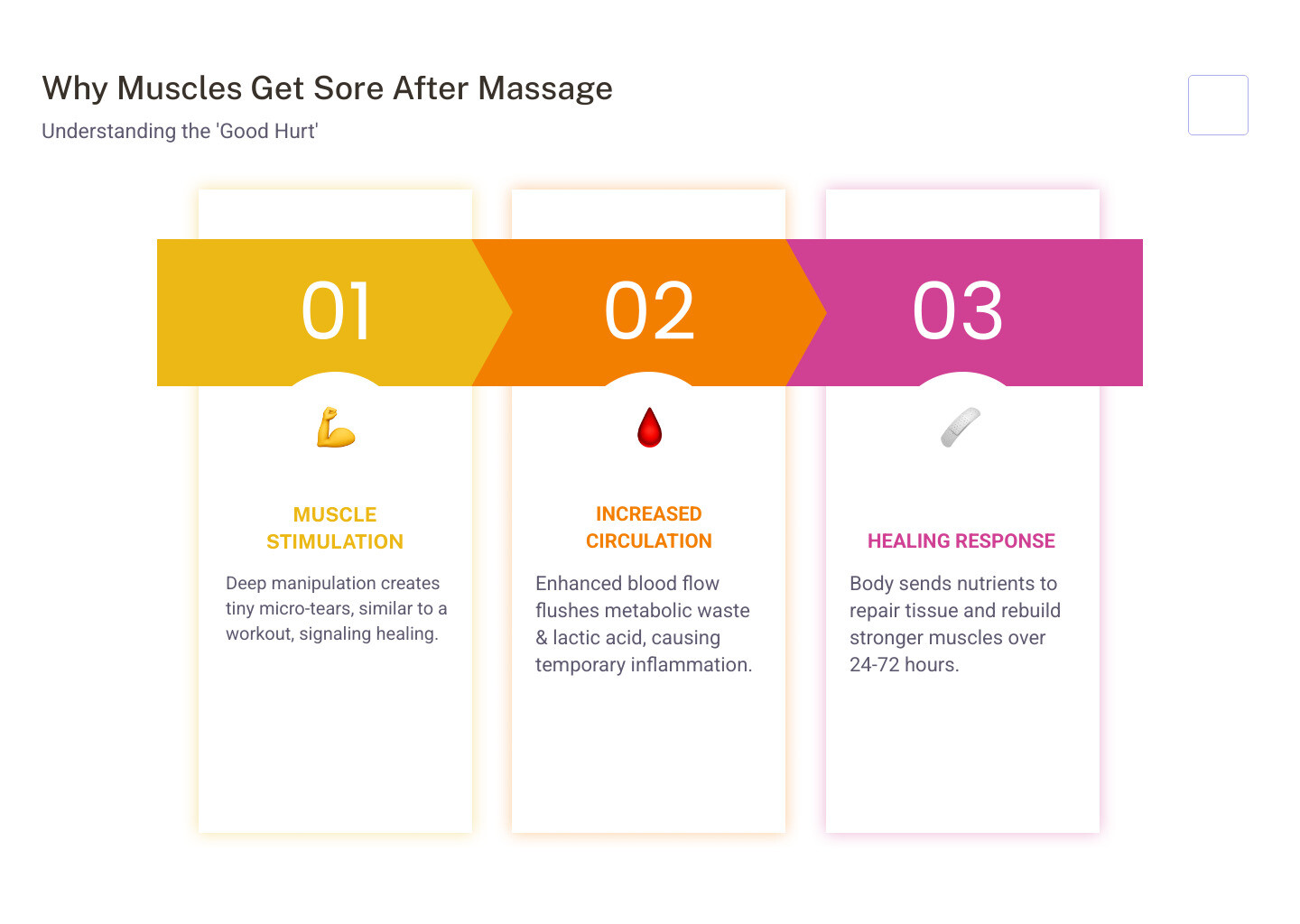
Simple muscle sore after massage word guide:
Why Do My Muscles Feel Sore After a Massage?
Post-massage soreness is a sign your body is healing. Here's a breakdown of what's happening beneath your skin.
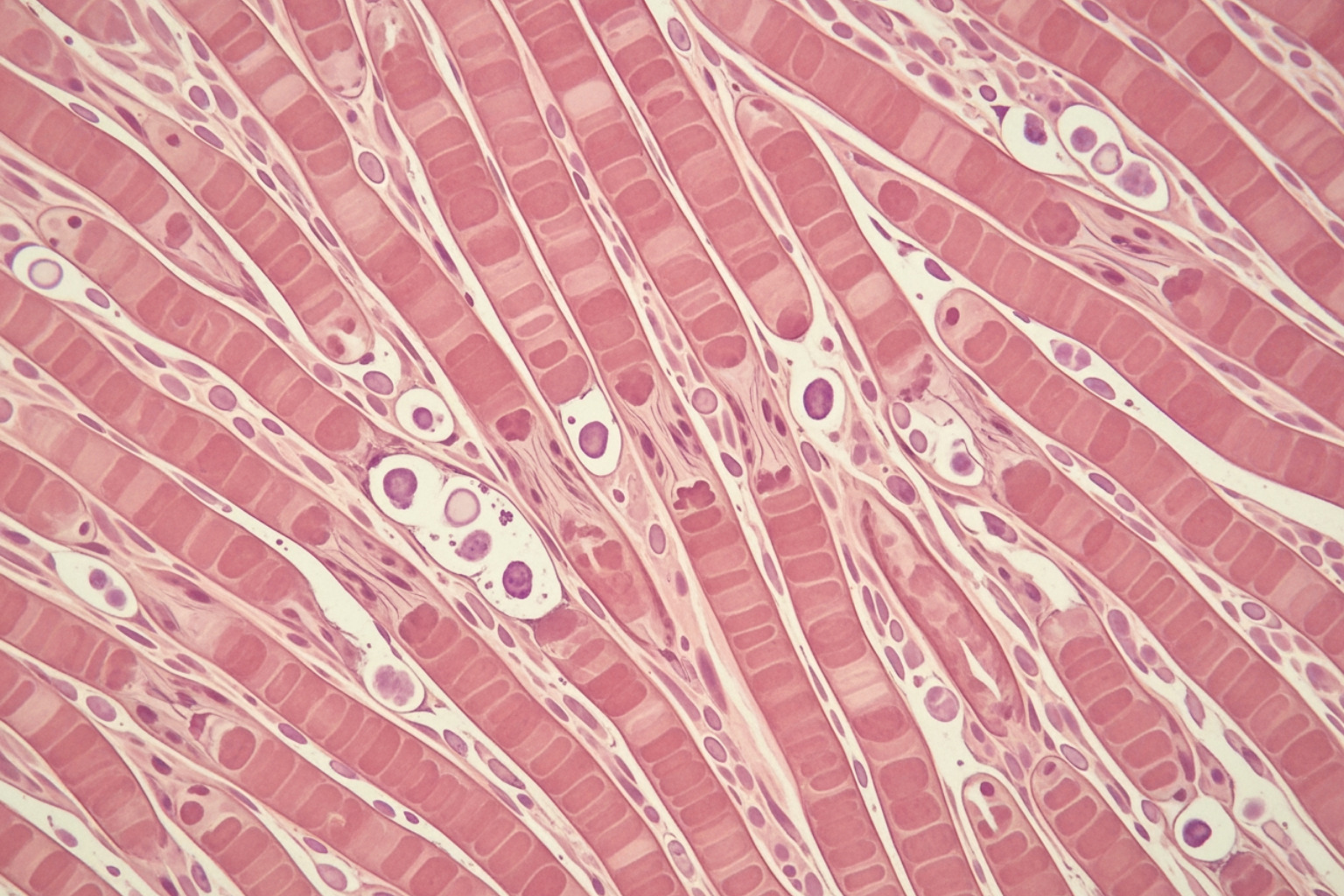
During a deep tissue massage, your therapist works to break up knots and adhesions. This muscle manipulation creates microscopic tears in your muscle fibers, similar to what happens during exercise. These micro-tears are beneficial, signaling your body to rebuild and strengthen the muscle tissue.
Your body's natural inflammatory response kicks in to repair these tears. Increased blood flow brings oxygen and nutrients for the healing process, causing the temporary tenderness you feel.
Massage also helps with a metabolic waste flush. It pushes byproducts like lactic acid out of your muscles and into the bloodstream for elimination. This flushing process can contribute to temporary soreness.
The soreness is a form of Delayed Onset Muscle Soreness (DOMS), just like you'd feel after a gym workout. Your muscles are adapting and healing. If you've ever wondered why your post-massage ache feels remarkably similar to post-workout soreness, now you know. For a deeper dive, check out our guide on post-workout soreness demystified.
Science backs this up. Research shows that massage therapy triggers these physiological responses. While it can help reduce existing muscle soreness, it can also cause temporary soreness when working on tense tissue. You can explore the scientific research on massage for DOMS to see what studies have found.
That achy feeling is your body's way of saying "thanks for the tune-up, now give me a moment to rebuild." It's normal and temporary.
Normal Soreness vs. A Sign of Injury: How to Tell the Difference
Not all post-massage discomfort is the same. It's crucial to distinguish between normal muscle sore after massage (a "good hurt") and pain that signals an injury.
Normal soreness is a dull, achy feeling, like post-workout tenderness. It might make you move a bit gingerly but won't stop your daily activities. This sensation typically lasts 24 to 72 hours and fades as your body's inflammatory response heals the tissue.
Pain signaling an injury is different. Watch for sharp, stabbing, or shooting sensations, radiating pain, or electrical shocks. Numbness, tingling, or weakness are red flags for potential nerve irritation.
Visual cues also matter. While mild pinkness is normal, significant bruising, swelling, or persistent redness and warmth suggest the pressure was too intense. The timeline is key. Normal soreness improves after peaking around day two. If discomfort persists beyond three days, gets worse, or severely restricts your movement, it may be an injury.
Here's a practical comparison:
| Characteristic | Normal Soreness (Expected) | Pain/Injury (Cause for Concern) |
|---|---|---|
| Feeling | Dull, achy, tender to the touch, feels like you've had a good workout | Sharp, stabbing, shooting, burning, or electrical sensations |
| Duration | Lasts 24-72 hours, gradually improving | Persists for more than 3 days or worsens over time |
| Movement | Mild stiffness, some discomfort, but doesn't restrict daily activities | Significant restriction of movement, inability to use the affected area normally |
| Appearance | No visible changes, or very mild, temporary redness | Significant bruising (dark, spreading), swelling, redness, or warmth |
| Associated Symptoms | May feel tired, thirsty, or have a mild headache | Numbness, tingling, weakness, fever, nausea, dizziness, or radiating pain |
Trust your body's signals. A generalized, tolerable ache is normal feedback. Sharp, localized pain is a warning sign.
Never ignore symptoms like fever, nausea, dizziness, or severe back pain after a massage; they require immediate medical attention. The same goes for nerve-related symptoms like sharp, electrical sensations.
Most soreness is mild and temporary. Knowing these warning signs empowers you to advocate for your health. If something feels off, contact your therapist or a healthcare provider. For a deeper understanding of muscle pain, check out our guide: The ache awakens: A guide to understanding muscle pain. For more on when soreness might be a problem, both Healthline and the Cleveland Clinic offer additional expert insights.
Not All Massages Are Created Equal: Which Types Cause More Soreness?
Why do some massages leave you sore while others don't? The intensity of muscle sore after massage depends on the massage type, pressure, and therapeutic goals.
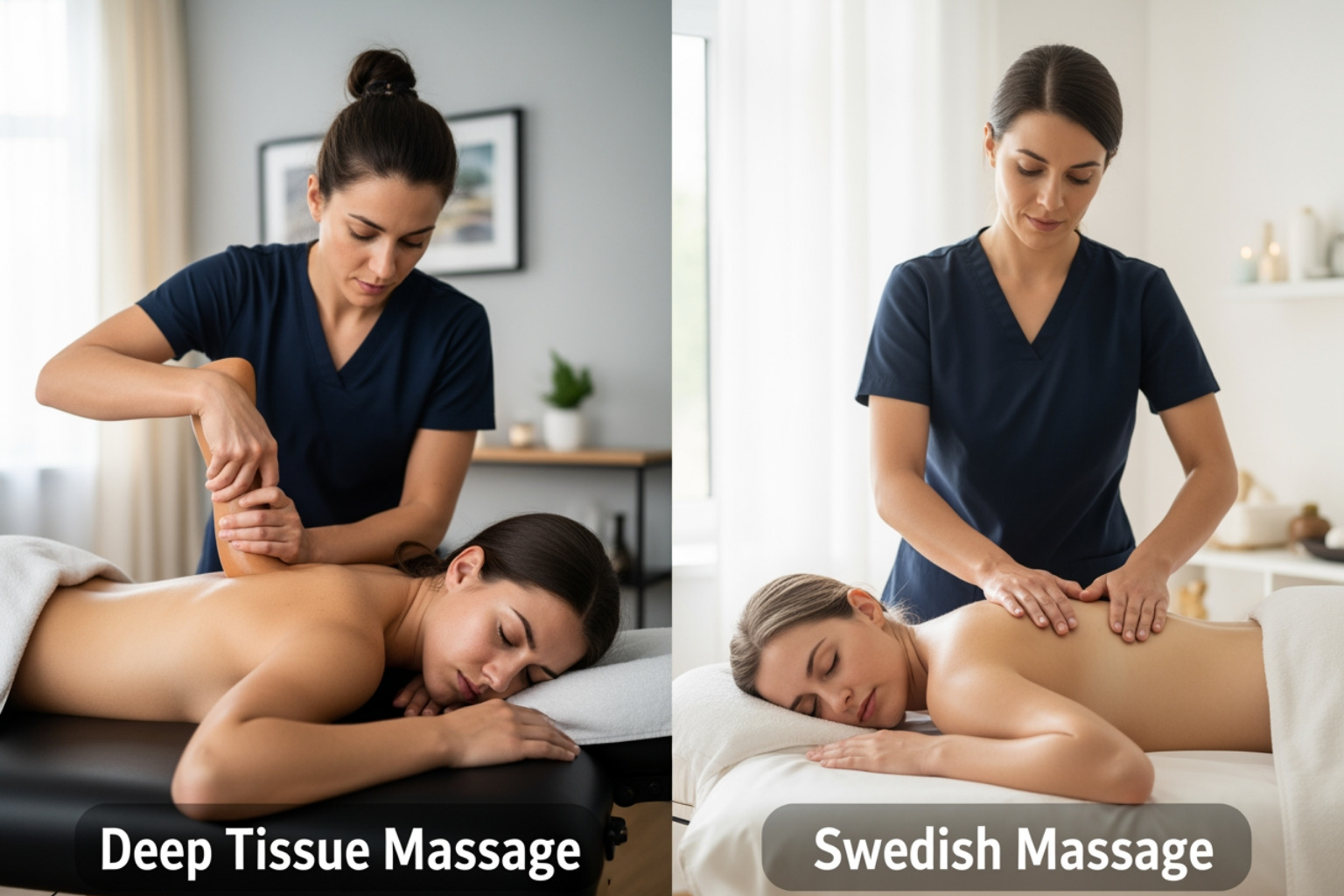
High-Intensity Massages
These massages use firm, focused pressure to tackle chronic tension and knots in deep muscle layers, making next-day soreness more likely.
Deep tissue massage is a primary cause of soreness. It uses sustained pressure to break up painful adhesions (rigid tissue bands), creating micro-tears in muscle fibers. The result is similar to post-workout ache.
Sports massage is similar but custom for athletes. It uses vigorous techniques on specific muscle groups to improve flexibility and performance. Significant soreness is a normal part of the recovery process.
Remedial massage treats specific musculoskeletal issues to restore function. Symptoms may temporarily worsen before they improve as dysfunctional muscles adapt. This is a normal part of the process. If you're dealing with muscle strains, our guide on muscle strain treatment offers helpful insights.
Low-Intensity Massages
These gentler massages prioritize relaxation with lighter, flowing strokes that don't challenge the muscles.
Swedish massage is a classic for relaxation. It uses long, flowing strokes and gentle kneading with light-to-moderate pressure to ease superficial tension. You'll likely feel relaxed, not sore.
Hot stone massage uses heated stones to deepen relaxation. The warmth allows for effective work with moderate pressure, focusing on circulation and relaxation without the intensity that causes soreness.
The more intense the work to release deep tension, the more likely you'll feel muscle sore after massage. This is often a sign of beneficial change, so it's good to know what to expect from your chosen massage type.
Your Ultimate Guide to Relieving Muscle Sore After Massage
If you're feeling the "good hurt" of muscle sore after massage, don't let it get you down. Here's your guide to soothing those aches and speeding up recovery.
Immediate Post-Massage Care
What you do in the first few hours post-massage can significantly impact your recovery.
- Hydrate: Drinking plenty of water before and after your massage is crucial. It helps flush out metabolic waste released from your muscles, reducing soreness. Avoid dehydrating alcohol and caffeine.
- Rest: Your body needs time to heal after a massage, especially a deep tissue session. Avoid strenuous activity for the rest of the day to allow your muscles to recover and adapt. This is a vital step for optimizing muscle healing.
At-Home Remedies for muscle sore after massage
These at-home remedies can help comfort tired muscles.
- Warm Baths with Epsom Salts: A warm bath helps relax achy muscles. Add two cups of Epsom salts (magnesium sulfate) and soak for 15-20 minutes to reduce inflammation and ease discomfort.
- Heat Therapy: Use a heating pad or warm compress to boost blood flow, which relaxes tight muscles and delivers healing nutrients.
- Cold Therapy: For acutely sore or inflamed spots, an ice pack wrapped in a towel for 10-15 minutes can calm inflammation and numb pain. Alternating heat and cold can also be effective.
- Gentle Movement: Avoid strenuous exercise, but gentle stretching or a light walk can prevent stiffness, encourage blood flow, and improve flexibility.
Topical and Oral Relief Options for muscle sore after massage
Sometimes, your muscles need extra help to feel comfortable.
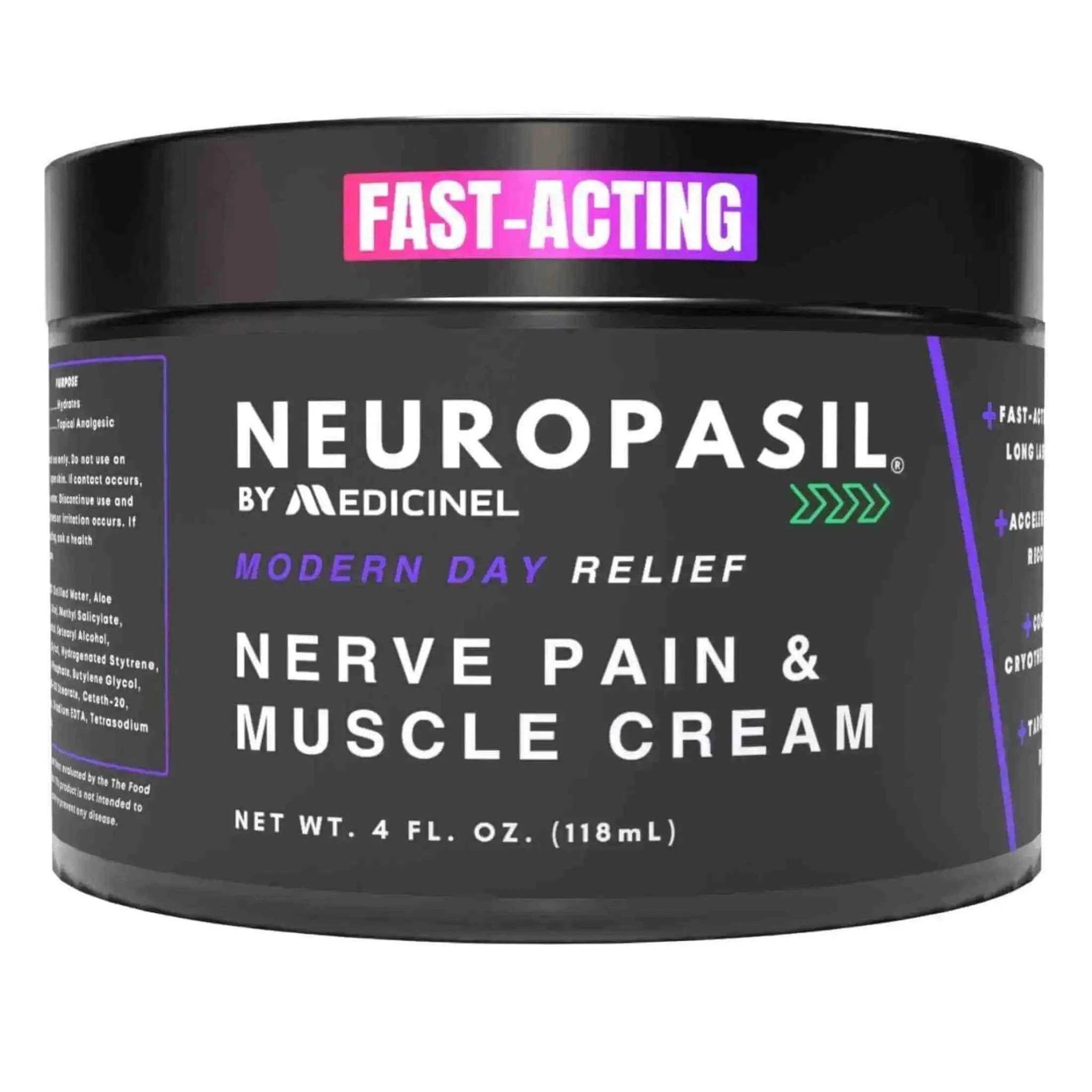
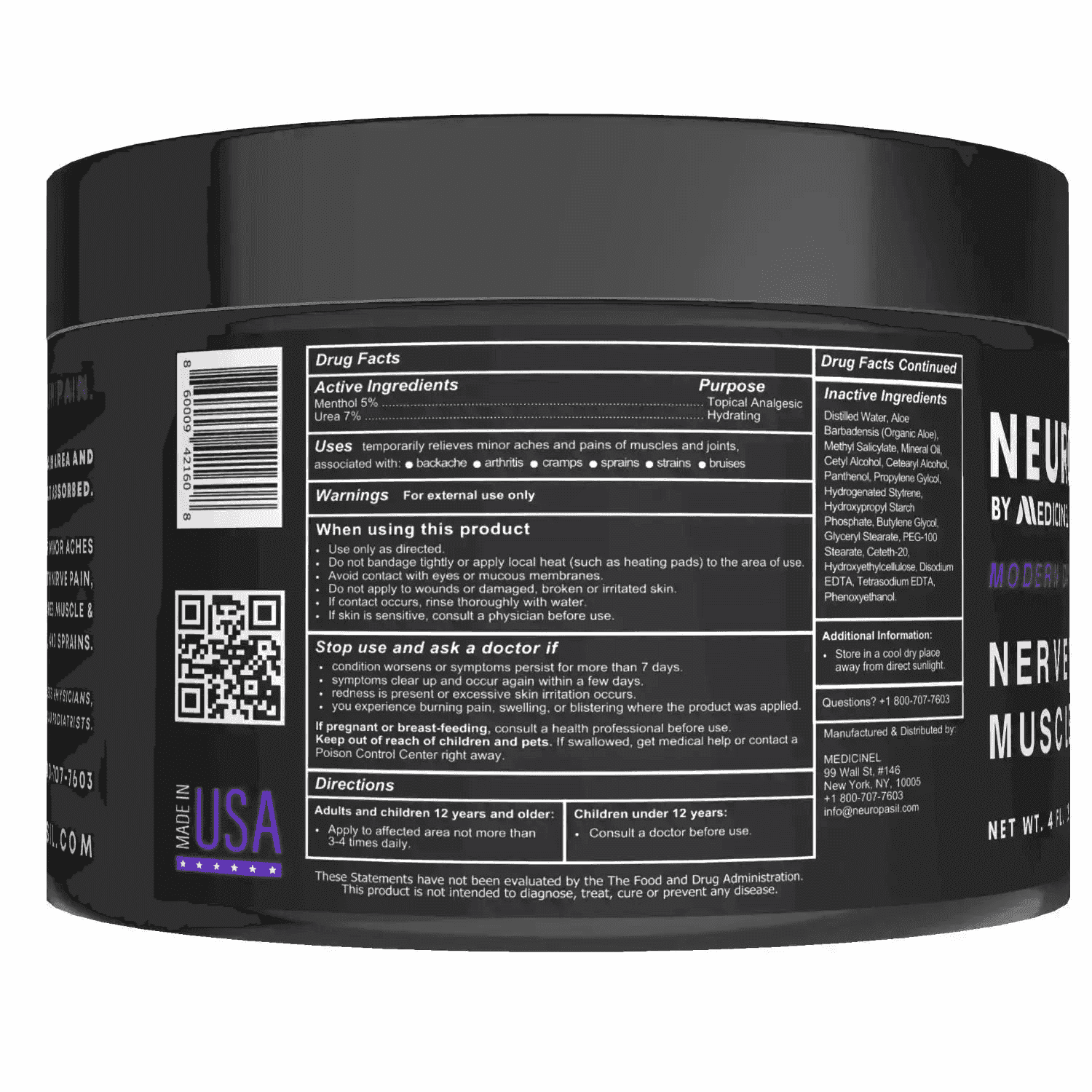
- Topical Pain Relief Creams: For targeted relief, a quality topical cream is a game-changer. Our Neuropasil nerve pain relief cream uses natural ingredients like menthol, urea, and aloe for a fast-acting, soothing sensation. Menthol provides cooling relief, while aloe and urea moisturize and aid healing. Trusted by athletes and ideal for everyday aches, it's an effective "muscle pain relief cream."
- Oral OTC Pain Relievers: For intense soreness, nonprescription pain relievers like ibuprofen can help. Always consult a healthcare provider before taking new medication, especially if you have other health conditions.
Prevention is Key: How to Minimize Soreness Next Time
The best way to handle muscle sore after massage is to prevent it. With a few smart strategies, you can minimize discomfort and maximize the benefits.
Talk to your therapist. Communication is key. Before and during your session, be honest about your comfort level, sensitive areas, and pain tolerance. A good therapist will adjust pressure based on your feedback to ensure the work is therapeutic, not painful.
Share your medical history. Inform your therapist about any medications, injuries, or chronic conditions. This essential information helps them customize the session safely, as some techniques may be inappropriate for certain health considerations.
Hydrate before you arrive. Just as with post-massage care, arriving hydrated is important. Well-hydrated tissues are more pliable, which can lead to less soreness.
Start gentle if you're new. If you're new to massage or prone to soreness, begin with a lighter style like Swedish massage. You can always ask for more pressure. As your body adapts, you can gradually try more intensive techniques.
Make massage a regular habit. Regular massages can lead to less soreness over time as your body adapts. Consistent sessions also address tension before it becomes severe, often requiring less aggressive work.
These preventative steps help ensure your massage is restorative, delivering maximum benefit with minimum discomfort.
Frequently Asked Questions about Post-Massage Soreness
It's natural to have questions about post-massage sensations. Here are answers to some common ones.
How long is too long to be sore after a massage?
Normal muscle sore after massage should resolve within 24 to 72 hours. If pain is severe, persists longer than three days, or prevents daily activities, contact a healthcare professional. Seek immediate evaluation for soreness lasting more than a week or accompanied by significant bruising, numbness, sharp pain, fever, or dizziness.
Should I get another massage if I'm still sore?
It's best to wait until the initial soreness subsides before getting another deep massage to allow your body to recover. Pushing too soon can worsen inflammation. For mild soreness, a lighter massage might be beneficial. Always listen to your body and communicate with your therapist; they can advise on the best course of action.
Is bruising after a deep tissue massage normal?
Minor, small bruises can sometimes occur after deep tissue work, especially on sensitive skin, due to broken capillaries. However, significant, dark, or painful bruising is not typical and may indicate the pressure was too intense. Communicate this with your therapist for future sessions and consult a healthcare provider if you have concerns.
Conclusion: Accept the Healing Process
Experiencing muscle sore after massage is a normal, often beneficial, part of the healing process. It's a sign your body is responding to therapeutic work by repairing tissue, flushing waste, and growing stronger.
This soreness is like a post-workout ache—a sign of adaptation. The key is to listen to your body and distinguish normal, temporary aches from sharp or persistent pain that requires medical attention. Mild soreness fading within 24-72 hours is normal; anything more warrants a check-up.
A positive experience depends on communication with your therapist, choosing the right massage, and practicing self-care like hydration and rest. For targeted relief from post-massage aches, consider a natural nerve pain relief cream like Neuropasil. Its cooling menthol and soothing aloe are designed to calm sore muscles.
We're here to support your wellness journey. To learn more about managing muscle discomfort, explore our muscle pain resources. Always listen to your body; it knows best!
References
This article relies on information from credible, evidence-based sources to ensure accuracy and trustworthiness. The following external sources were consulted and cited to support the factual claims made about post-massage soreness, its causes, and remedies.
Zainuddin, Z., Newton, M., Sacco, P., & Nosaka, K. (2005). Effects of Massage on Delayed-Onset Muscle Soreness, Swelling, and Recovery of Muscle Function. Journal of Athletic Training, 40(3), 174–180. This peer-reviewed study provides the scientific basis for massage reducing DOMS by approximately 30% and explains the physiological mechanisms involved. Available at: https://www.ncbi.nlm.nih.gov/pmc/articles/PMC1250256/
Healthline. (2019). Why Am I Sore After a Massage and What Can I Do About It? This guide offers a comprehensive overview of post-massage soreness, including how to relieve it and when to see a doctor. Available at: https://www.healthline.com/health/sore-after-massage
Cleveland Clinic. (2021). Is It Normal To Have Sore Muscles After a Massage? This article provides expert medical insight on distinguishing normal soreness from injury, recommended recovery timelines, and tips for preventing discomfort. Available at: https://health.clevelandclinic.org/is-it-normal-to-have-sore-muscles-after-a-massage/