Why Tired Muscle Aches Happen (And What You Can Do About Them)
Tired muscle aches are a near-universal experience. Whether from a tough workout, the flu, or a stressful day, muscle pain can disrupt your life. Fortunately, most cases respond well to simple home care.
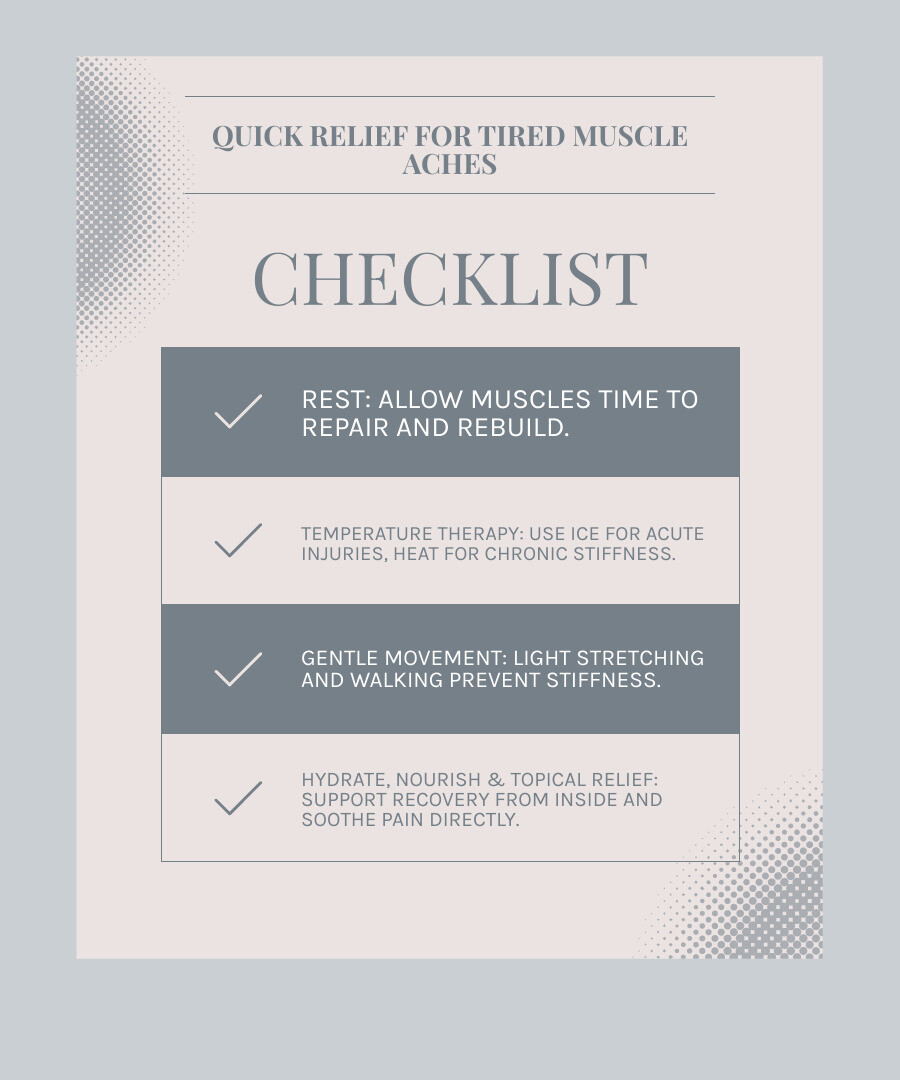
Quick Relief for Tired Muscle Aches:
- Rest - Allow your muscles time to repair.
- Temperature Therapy - Use ice for new injuries and heat for chronic stiffness.
- Gentle Movement - Prevent stiffness with light stretching and walking.
- Hydration & Nutrition - Support muscle recovery from within.
- Topical Relief - Soothe pain directly with fast-acting creams.
The most common causes are tension, stress, overuse, and minor injuries, which usually affect a small area. Widespread aches often signal a systemic issue like an infection (flu, COVID-19), a chronic condition like fibromyalgia, or a medication side effect.
This guide provides a 5-step plan to understand and relieve your discomfort, covering everything from rest and temperature therapy to targeted topical treatments.
I'm Tony Enrico, and through my work with Neuropasil, I've helped thousands find relief from nerve pain and muscle aches. I've seen how the right approach to tired muscle aches can restore comfort and freedom of movement.
Essential tired muscle aches terms:
Understanding the Root Causes of Tired Muscle Aches
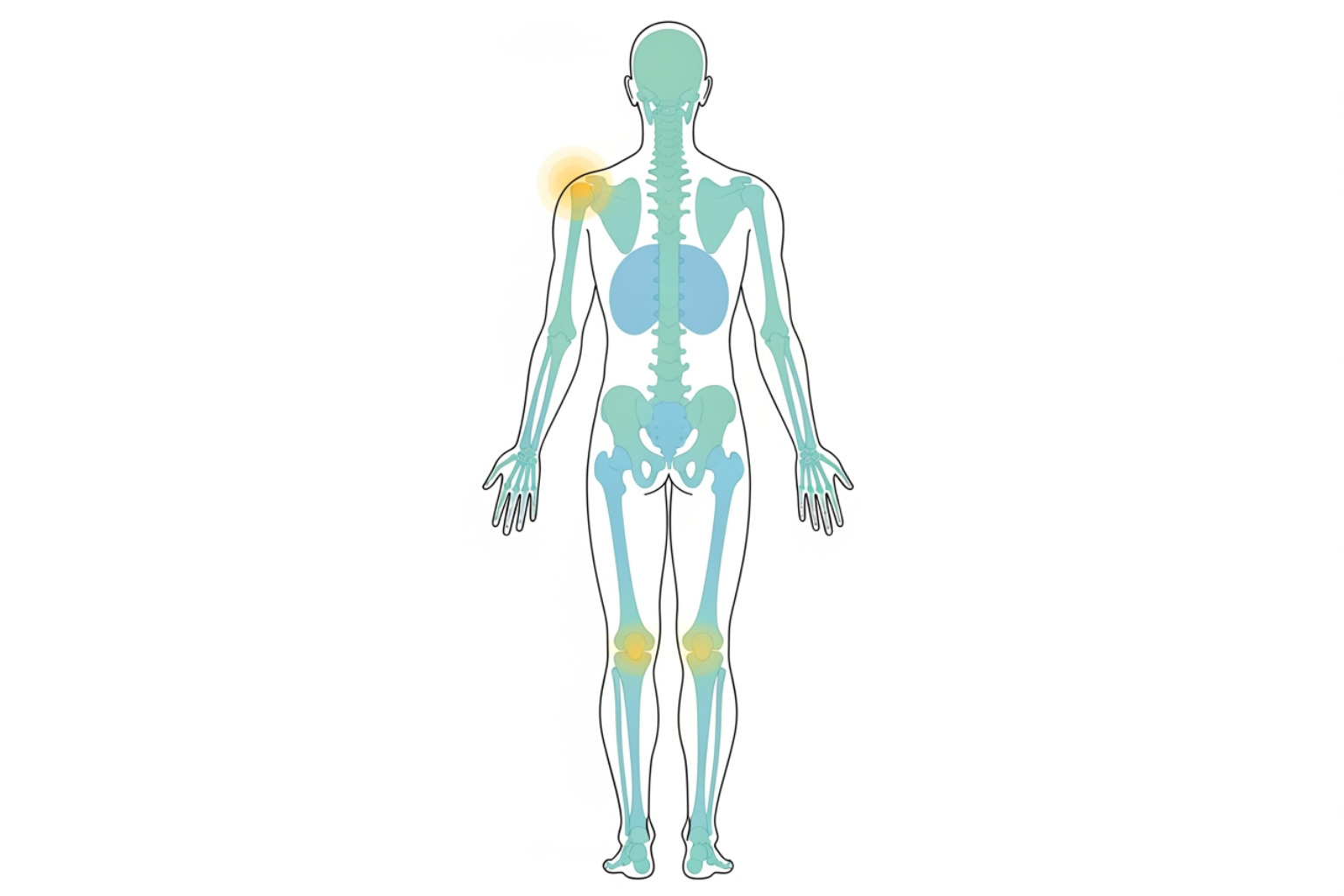
Understanding the cause of your tired muscle aches is the first step toward relief. The medical term for muscle pain is myalgia. It can be localized (in one spot) or diffuse (all over), and acute (sudden and short-lived) or chronic (long-lasting). Localized pain often points to a specific strain, while diffuse aches suggest a systemic issue like an infection.
Common Culprits: Everyday Stressors and Overexertion
Most tired muscle aches stem from daily life.
- Stress and tension: When you're anxious, your muscles tense up. This constant contraction leads to stiffness and pain. Chronic stress also impacts your immune system and can increase inflammation, as research shows.
- Overuse from exercise: That soreness appearing 12-24 hours after a workout is called delayed-onset muscle soreness (DOMS). It's caused by microscopic tears in muscle fibers that your body repairs, making you stronger. For tips, see our guide on what helps sore muscles after a workout.
- Minor injuries: Lifting a heavy box incorrectly or a simple stumble can cause sprains and strains that leave you aching.
- Dehydration: Muscles need water to function. Dehydration can lead to cramping and achiness. Research indicates that electrolytes are key to reversing this effect, so maintaining both hydration and electrolyte balance is crucial.
- Lack of sleep: Your body repairs tissues during sleep. Skimping on sleep shortens this repair process. As research confirms, poor sleep and pain create a vicious cycle.
When Sickness Strikes: Infections and Body Aches
When you're sick, your immune system releases inflammatory chemicals to fight the infection, causing widespread tired muscle aches.
- The flu and COVID-19: The CDC lists muscle aches as a hallmark symptom of influenza. COVID-19 also frequently causes body aches and fatigue as the immune system mounts its defense.
- Other infections: The common cold, Lyme disease, and pneumonia can also trigger significant muscle discomfort.
Deeper Issues: Chronic Conditions and Underlying Medical Problems
Sometimes, aches point to a more complex chronic condition requiring a medical diagnosis.
- Fibromyalgia: Characterized by widespread pain, extreme fatigue, and poor sleep. The CDC offers detailed information on its symptoms and management.
- Arthritis: Both osteoarthritis and rheumatoid arthritis cause joint inflammation that leads to surrounding muscle aches.
- Lupus: An autoimmune disorder that creates widespread inflammation, affecting joints, muscles, and organs.
- Myositis: Direct inflammation of the muscle tissue, causing weakness and fatigue.
- Hypothyroidism: An underactive thyroid slows metabolism, often resulting in muscle and joint aches.
- Electrolyte imbalances: Low levels of potassium and calcium can cause muscle cramps, weakness, and aches.
For more on widespread discomfort, see our article on whole body soreness.
Could It Be Your Medication?
Some medications can cause tired muscle aches as a side effect.
- Statins: Used to lower cholesterol, these drugs are a common culprit. While estimates vary, some studies suggest that up to 29% of users report muscle pain.
- ACE inhibitors: Prescribed for high blood pressure, these can also trigger muscle pain.
If you suspect your medication is the cause, do not stop taking it. Consult your doctor to discuss alternatives or manage side effects.
Your 5-Step Action Plan for Relieving Muscle Aches
Now that we know the causes of tired muscle aches, here is a practical, science-backed 5-step plan to feel better.
Step 1: Rest and Recover
When your muscles are sore, give them a break. Rest is strategic, allowing your body to repair muscle fibers and reduce inflammation. Pushing through severe pain is counterproductive.
Quality sleep is your secret weapon. Aim for 7-9 hours nightly, as your body releases growth hormones essential for muscle repair during deep sleep. Pain and poor sleep create a vicious cycle, so prioritizing sleep is key.
For mild soreness, active recovery like a gentle walk or swim can improve blood flow, delivering nutrients and flushing out waste. Listen to your body and gradually increase workout intensity to allow muscles to adapt. Learn more about strategies for faster muscle recovery.
Step 2: Apply Temperature Therapy
Temperature therapy offers powerful relief for tired muscle aches. The key is knowing when to use ice versus heat.
- Cold Therapy (Ice): Use for acute injuries and new pain (first 24-72 hours). It numbs pain and reduces swelling. Apply a cold pack for 15-20 minutes at a time.
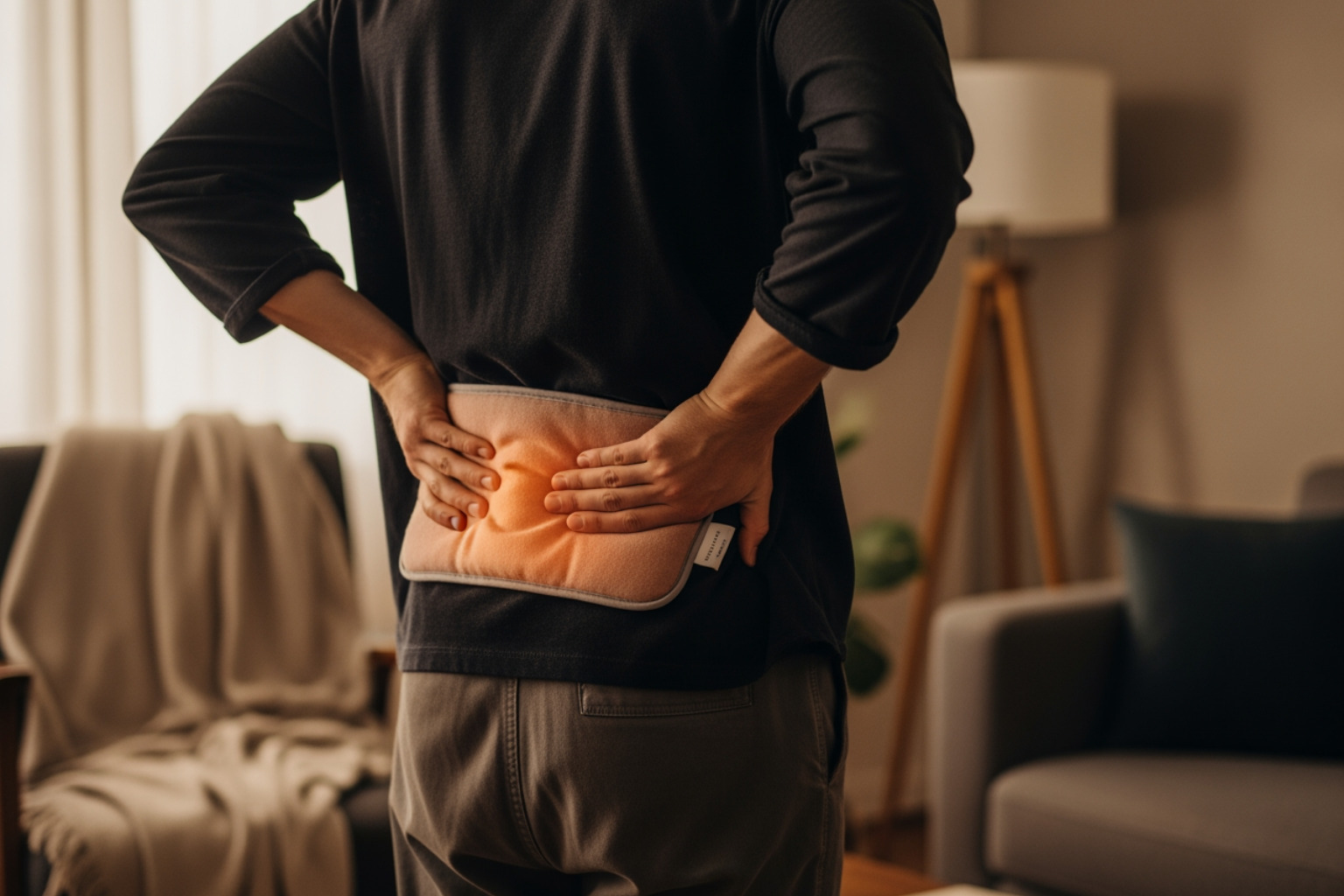
- Heat Therapy: Use for chronic stiffness and general muscle tension. It increases blood flow and relaxes tight muscles. Apply a heating pad or take a warm bath for 15-20 minutes.
A warm bath with Epsom salts is excellent for widespread aches. While the theory is that the magnesium helps muscles relax, the scientific evidence for skin absorption is still developing, though many people find it soothing, as noted by the Cleveland Clinic. For a detailed guide, see how to take an Epsom salt bath for sore muscles.
Rule of thumb: Cold for new, swollen injuries. Heat for chronic stiffness and tension.
Step 3: Gentle Movement and Stretching
It may seem counterintuitive, but gentle movement often helps tired muscle aches. Immobility can increase stiffness. Light activity like walking, swimming, or yoga improves circulation, delivering oxygen to sore muscles and carrying away waste products.
Gentle stretching lengthens muscle fibers, alleviates tightness, and supports healing. Focus on a mild stretch, not pain. Our article on one simple way to stretch for muscle recovery offers effective techniques.
Foam rolling is a self-massage technique that helps release muscle knots and tension. It can significantly improve flexibility and reduce soreness.
Step 4: Hydrate and Nourish Your Body
What you eat and drink directly impacts muscle recovery. Consistent good choices are key.
- Hydration: Water is essential for muscle function. Dehydration can cause cramping, as research shows. Drink water throughout the day and consider electrolyte beverages if you're sweating heavily.
- Nutrition: An anti-inflammatory diet can reduce the inflammation behind tired muscle aches. According to Harvard Health Publishing, this includes a diet rich in fruits, vegetables, whole grains, and lean proteins. Include superstars like turmeric, ginger, and omega-3 fatty acids (found in salmon and flaxseeds).
- Protein: After exercise, protein is crucial for repairing muscle tissue. Get it from whole foods or consider shakes. Learn how muscle recovery protein shakes can help.
Step 5: Use Targeted Topical Relief for tired muscle aches
For fast, direct relief, topical solutions work exactly where you need them, avoiding the systemic effects of oral pain relievers.
Topical analgesics are applied to the skin over the sore muscle. The best formulas combine ingredients for synergistic relief.
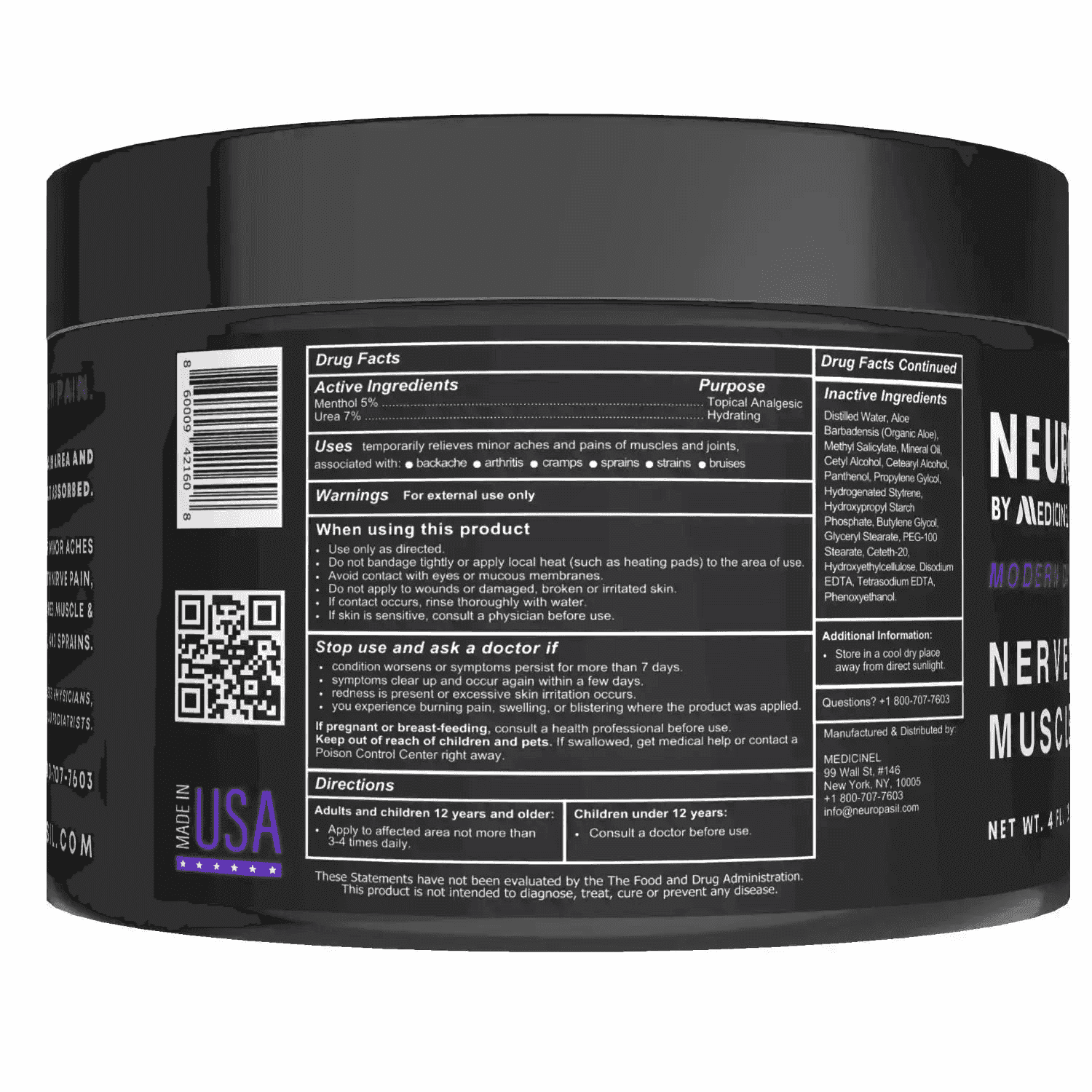
- Menthol provides a cooling sensation that distracts from pain.
- Aloe Vera offers soothing and anti-inflammatory properties.
- Urea helps other active ingredients penetrate the skin more effectively.
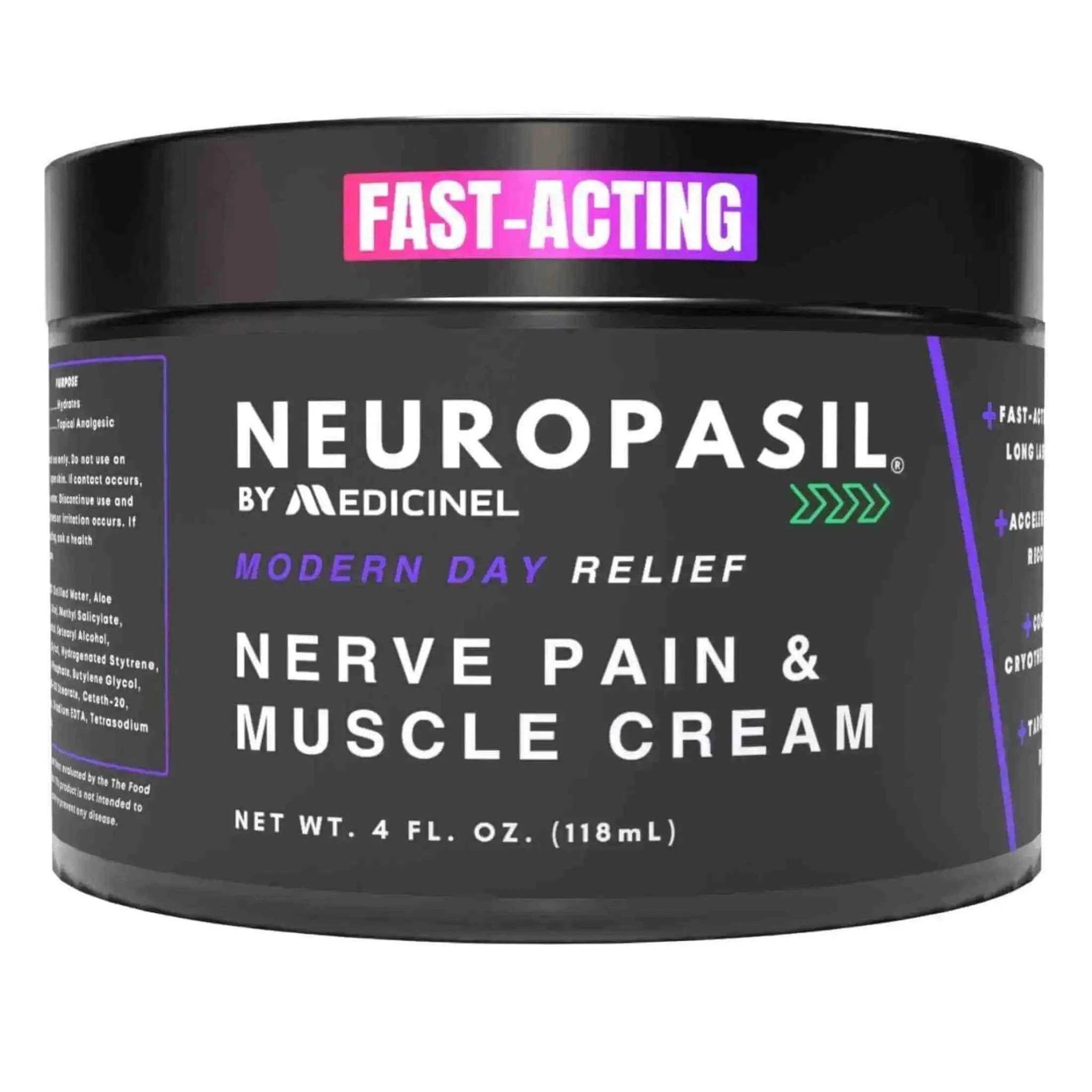
This combination offers fast cooling relief from menthol while aloe and urea work deeper to soothe inflammation. For targeted relief from tired muscle aches, a natural cream like Neuropasil is a comprehensive solution. Our formula is ideal for post-workout soreness, chronic conditions like fibromyalgia, sciatica, strains, and general aches. Athletes value Neuropasil for its ability to speed recovery.
Read our expert guide to topical treatments for muscle aches and explore the science behind natural formulas with aloe, urea, and menthol.
When to See a Doctor for Your Aches and Pains
While most tired muscle aches are manageable at home, some symptoms warrant professional medical attention to rule out serious issues.
See a healthcare professional if you experience:
- Pain that lasts more than a week without improvement or a known cause.
- Severe, unbearable pain that limits your daily activities.
- Pain accompanied by a high fever, rash, or a tick bite, which could signal an infection like Lyme disease, as highlighted by the CDC.
- Signs of localized infection, such as redness, significant swelling, or warmth around the muscle.
- Muscle pain that begins after starting a new medication (e.g., statins).
Seek immediate medical care (call 911) for the following symptoms, which the Mayo Clinic identifies as potentially serious:
- Difficulty breathing or dizziness.
- Inability to move the affected body part.
- Chest pain, pressure, or an abnormal heartbeat.
Frequently Asked Questions about Tired Muscle Aches
What is the difference between muscle soreness and a muscle strain?
Understanding this difference is key to proper care.
Muscle Soreness (DOMS): This is a general, dull ache that appears 12-48 hours after a new or intense workout. It's caused by microscopic muscle tears that heal, making you stronger. The ache is widespread in the worked muscles and fades in 3-5 days, a process detailed by the American College of Sports Medicine.pdf).
Muscle Strain (Pulled Muscle): This is an acute injury where muscle fibers are torn. The pain is sharp, immediate, and localized. It's often accompanied by swelling, bruising, and weakness. A strain is an injury that requires specific care and can take weeks or months to heal. Learn how to treat a pulled muscle the right way.
Can stress really cause physical body aches?
Yes, the mind-body connection is powerful. When you're stressed, your body enters a "fight or flight" mode, causing muscles (especially in the neck, shoulders, and back) to tense up. Chronic tension leads to stiffness and painful knots.
Furthermore, as research on psychoneuroimmunology shows, long-term stress elevates the hormone cortisol, which can impair your immune system's ability to control inflammation, contributing to widespread body aches. Managing stress is a crucial part of managing pain. Explore our tips to conquer body aches.
How can I prevent tired muscle aches in the future?
Prevention is the best medicine. Incorporate these habits to keep muscles healthy:
- Warm-Up and Cool-Down: Always perform a dynamic warm-up before exercise and static stretches afterward to prepare muscles and aid recovery.
- Stay Hydrated: Drink water consistently throughout the day to help muscles function properly and prevent cramps.
- Exercise Regularly: Consistent, gradually progressing exercise builds strong, resilient muscles that are less prone to injury.
- Manage Stress: Use techniques like meditation, yoga, or deep breathing to prevent the physical muscle tension that accompanies stress.
- Improve Ergonomics: Adjust your workspace to support good posture. Take regular breaks to stand and stretch, especially if you have a sedentary job.
- Prioritize Sleep: Aim for 7-9 hours of quality sleep per night. This is when your body performs most of its muscle repair and recovery.
Conclusion: A Proactive Approach to Muscle Wellness
You have more control over tired muscle aches than you might think. By understanding the cause—whether it's overexertion, stress, illness, or a chronic condition—you can take effective action.
Our 5-step plan provides a simple, proactive framework for muscle wellness:
- Rest to repair.
- Temperature Therapy for immediate comfort.
- Gentle Movement to prevent stiffness.
- Hydration and Nutrition to support from within.
- Targeted Topical Relief for fast-acting results.
This approach helps you build habits that protect your muscles long-term. However, always listen to your body. If pain is severe, persistent, or accompanied by other worrying symptoms, it's time to see a doctor.
For those moments when you need fast, reliable relief, a natural topical cream is an excellent choice. Neuropasil's formula combines cooling Menthol, soothing Aloe, and penetrating Urea to deliver comfort exactly where you need it. It's designed for athletes, individuals with chronic pain like fibromyalgia or sciatica, and anyone dealing with everyday tired muscle aches. Learn more about Neuropasil's natural formula and take a proactive step toward muscle wellness.
References
This guide draws on information from trusted medical institutions and peer-reviewed studies to provide accurate, reliable information about tired muscle aches.
- American College of Sports Medicine. Delayed Onset Muscle Soreness (DOMS)..pdf)
- Centers for Disease Control and Prevention. Fibromyalgia.
- Centers for Disease Control and Prevention. Flu Symptoms & Complications.
- Centers for Disease Control and Prevention. How Much Sleep Do I Need?
- Centers for Disease Control and Prevention. Signs and Symptoms of Untreated Lyme Disease.
- Cleveland Clinic. Myalgia (Muscle Pain): What It Is, Causes & Relief.
- Cleveland Clinic. Are Epsom Salt Baths the Cure-All They’re Claimed to Be?
- Haack M, et al. (2020). Sleep deficiency and chronic pain: potential underlying mechanisms and clinical implications.
- Harvard Health Publishing. Foods that fight inflammation.
- Lau WY, et al. (2019). Water intake after dehydration makes muscles more susceptible to cramp but electrolytes reverse that effect.
- Mayo Clinic. Muscle pain.
- O'Gorman, C., et al. (2021). Prevalence of Statin Intolerance: A Meta-Analysis.
- Seiler A, et al. (2019). The Impact of everyday stressors on the immune system and health.