Why Understanding Leg Pain Matters
Leg aches and pain are common complaints for people of all ages. Whether your pain is sudden or has lingered for weeks, identifying the root cause is the first step toward finding effective relief.
Common causes of leg aches and pain include:
- Muscle issues – cramps, strains, overuse, tendinitis
- Joint problems – arthritis, gout, bursitis
- Blood flow issues – peripheral artery disease (PAD), deep vein thrombosis (DVT), varicose veins
- Nerve conditions – sciatica, peripheral neuropathy, spinal stenosis
- Other factors – infections, bone tumors, electrolyte imbalances
Leg pain can range from a mild ache to severe discomfort that interferes with daily life. It may be acute (short-term) or chronic (long-lasting). The location and type of pain often point to its cause—whether it's in your muscles, bones, blood vessels, or nerves.
I'm Tony Enrico, and through my work with Neuropasil, I've helped thousands manage leg aches and pain with targeted, natural solutions. My mission is to empower you with the knowledge to identify the cause of your discomfort and find the right tools to take action.
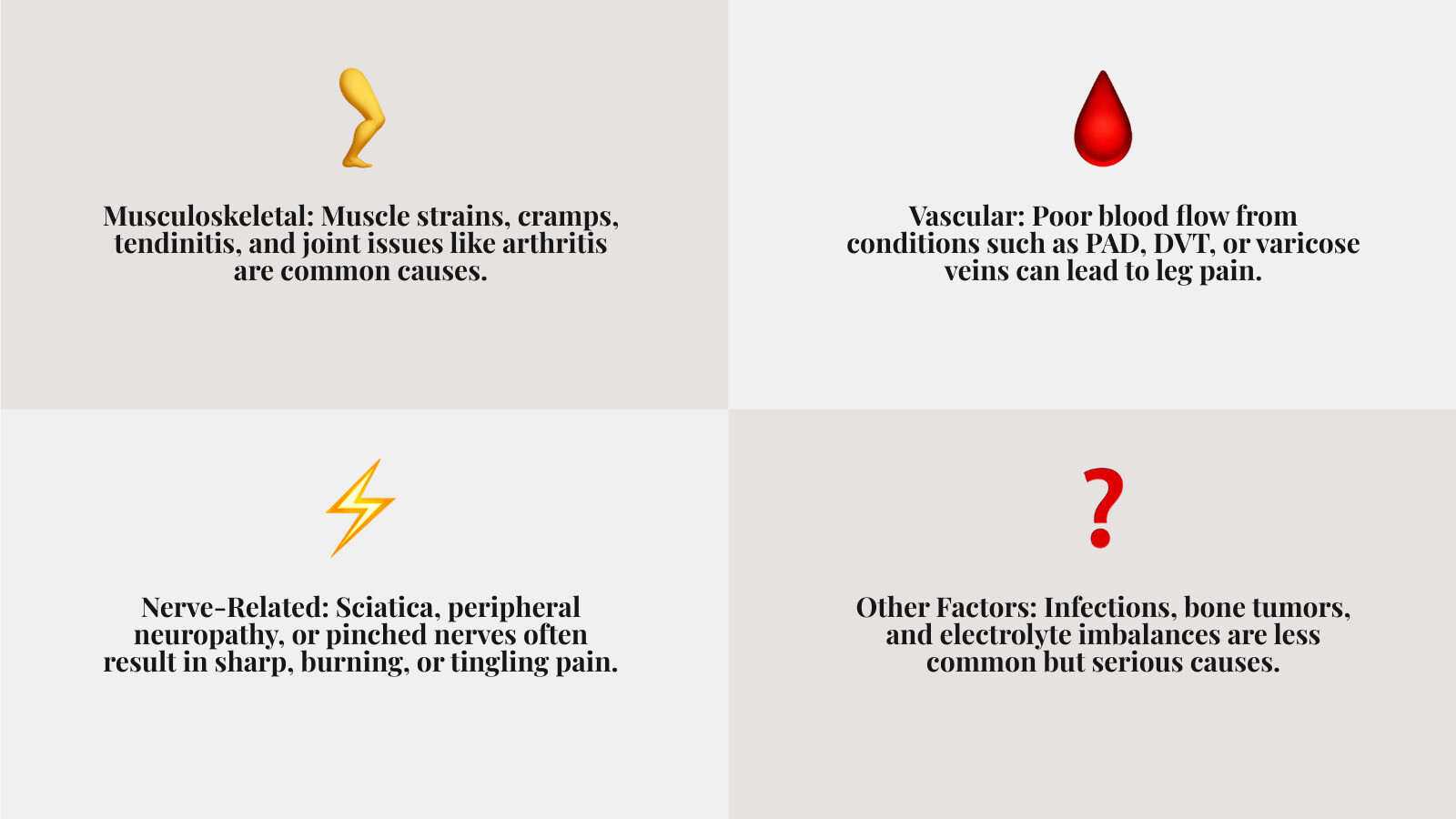
Simple guide to leg aches and pain:
Musculoskeletal Causes: From Overuse to Injury
Issues with our muscles, bones, and joints are among the most frequent causes of leg aches and pain. From a simple muscle cramp to chronic arthritis, understanding these musculoskeletal issues is key to finding relief.
Common Muscle and Tendon Issues
Our leg muscles and tendons are prone to wear and tear, overuse, and injury from daily activities.
Muscle Cramps: Often called a "charley horse," a muscle cramp is a sudden, painful, involuntary contraction. Common causes include dehydration, electrolyte imbalances (potassium, magnesium), and certain medications like statins.
Muscle Strains and Sprains: A strain is a torn or overstretched muscle, while a sprain is damage to ligaments. Both cause immediate pain, swelling, and difficulty with movement. Many of our customers use Neuropasil for targeted relief from the discomfort of muscle pain and cramps.
Overuse Injuries: Pushing your body too hard without enough rest can lead to:
- Tendinitis: Inflammation of a tendon (which connects muscle to bone), causing pain and tenderness near a joint, like Achilles tendinitis near the heel.
- Shin Splints: Pain along the shinbone, common in runners, caused by inflamed muscles and tissues from repetitive stress.
- Stress Fractures: Tiny cracks in a bone, often the shinbone, from repetitive force. The pain typically worsens with activity.
For muscle soreness from exertion or injury, quick relief is crucial. We focus on solutions that aid recovery and soothe pain. How Neuropasil can help with muscle pain relief
Common leg injuries in athletes include:
- ACL injury
- Hamstring strain
- Shin splints
- Achilles tendinitis
Joint-Related Leg Aches and Pain
The major joints in our legs—hips, knees, and ankles—are susceptible to conditions that cause significant leg aches and pain.
Arthritis: This term covers conditions causing joint inflammation, pain, and stiffness.
- Osteoarthritis: The "wear and tear" form, where cartilage breaks down, causing bones to rub together. It often affects the knees and hips.
- Rheumatoid Arthritis: An autoimmune disease where the body attacks joint linings, causing inflammation and pain.
- Gout: Caused by uric acid crystal buildup in a joint, often the big toe, leading to sudden, severe pain and swelling.
- Bursitis: Inflammation of the bursae (fluid-filled sacs that cushion joints), causing localized pain and swelling, often from repetitive motion.
Managing joint pain flare-ups is a priority, and targeted topical relief can be an effective part of that strategy.
Vascular and Circulatory Causes
Sometimes, leg aches and pain signal a problem with your circulatory system. Poor blood flow from vein and artery issues can be a significant cause of leg pain, and some conditions require immediate medical attention.
Arterial and Venous Problems
When blood flow in the legs is compromised, pain is a primary symptom.
Peripheral Artery Disease (PAD): PAD occurs when narrowed arteries reduce blood flow to the legs. This starves muscles of oxygen, especially during activity. The hallmark symptom is claudication: cramping or pain in the leg or hip during activity (like walking) that resolves with rest. Legs may also feel weak, numb, or cold. Scientific research on PAD symptoms
Deep Vein Thrombosis (DVT): DVT is a serious condition where a blood clot forms in a deep leg vein. It can be life-threatening if the clot travels to the lungs. Symptoms include pain, swelling, warmth, and redness in one leg, often after long periods of inactivity. DVT requires urgent medical evaluation.
Varicose Veins: These are swollen, twisted veins that appear blue or purple. They occur when weak valves cause blood to pool, leading to leg aches and pain, heaviness, burning, or cramping. While often cosmetic, they can cause significant discomfort.
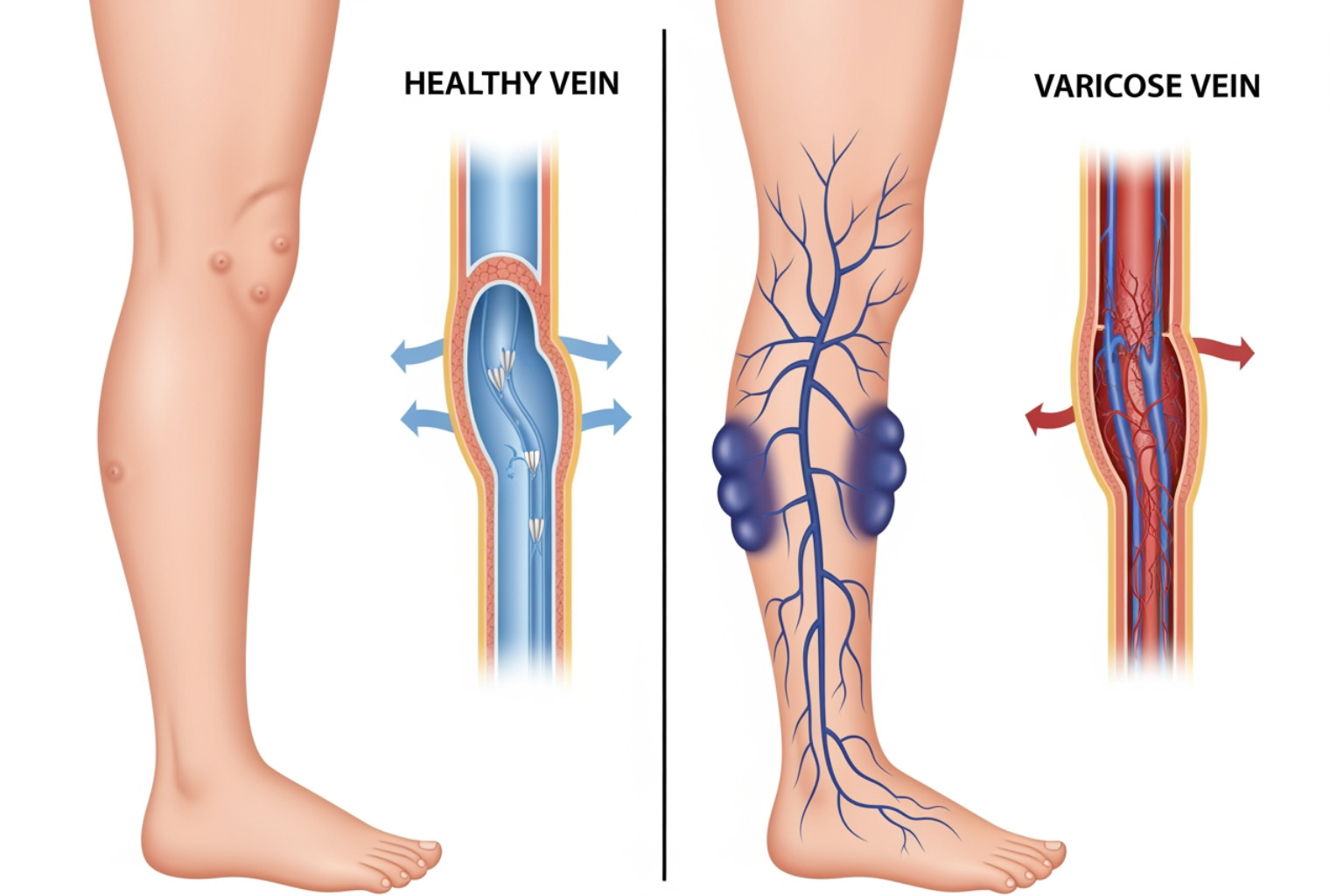
Thrombophlebitis: This is inflammation of a vein due to a blood clot, causing pain, tenderness, and redness along the vein.
While topical solutions cannot treat the underlying circulatory condition, they can help soothe associated muscle soreness or nerve-related discomfort that may arise from these issues.
Nerve-Related Leg Pain: When the Source is Your Nerves
When leg aches and pain feel sharp, shooting, burning, or tingling, the nervous system is often the source. Compressed or damaged nerves can send distressing pain signals down the legs.
Common Nerve Conditions Affecting the Legs
Sciatica: One of the most well-known types of nerve pain, sciatica occurs when the sciatic nerve is pinched, often by a herniated disk or spinal stenosis. It causes pain that radiates from the lower back down one leg.
Herniated Disk: When a disk in the lower spine ruptures, it can press on nerve roots, causing sharp, burning pain, numbness, or weakness down the leg.
Spinal Stenosis: This narrowing of the spinal canal can put pressure on the spinal cord and nerves, leading to leg pain, tingling, and weakness, especially when standing or walking.
Peripheral Neuropathy: This is damage to peripheral nerves (outside the brain and spinal cord), most commonly caused by diabetes. It can cause burning, aching, numbness, or stabbing pain in the legs and feet.
Diabetic Neuropathy: A specific type of peripheral neuropathy caused by high blood sugar, this condition commonly affects nerves in the legs and feet, leading to pain, numbness, and tingling.
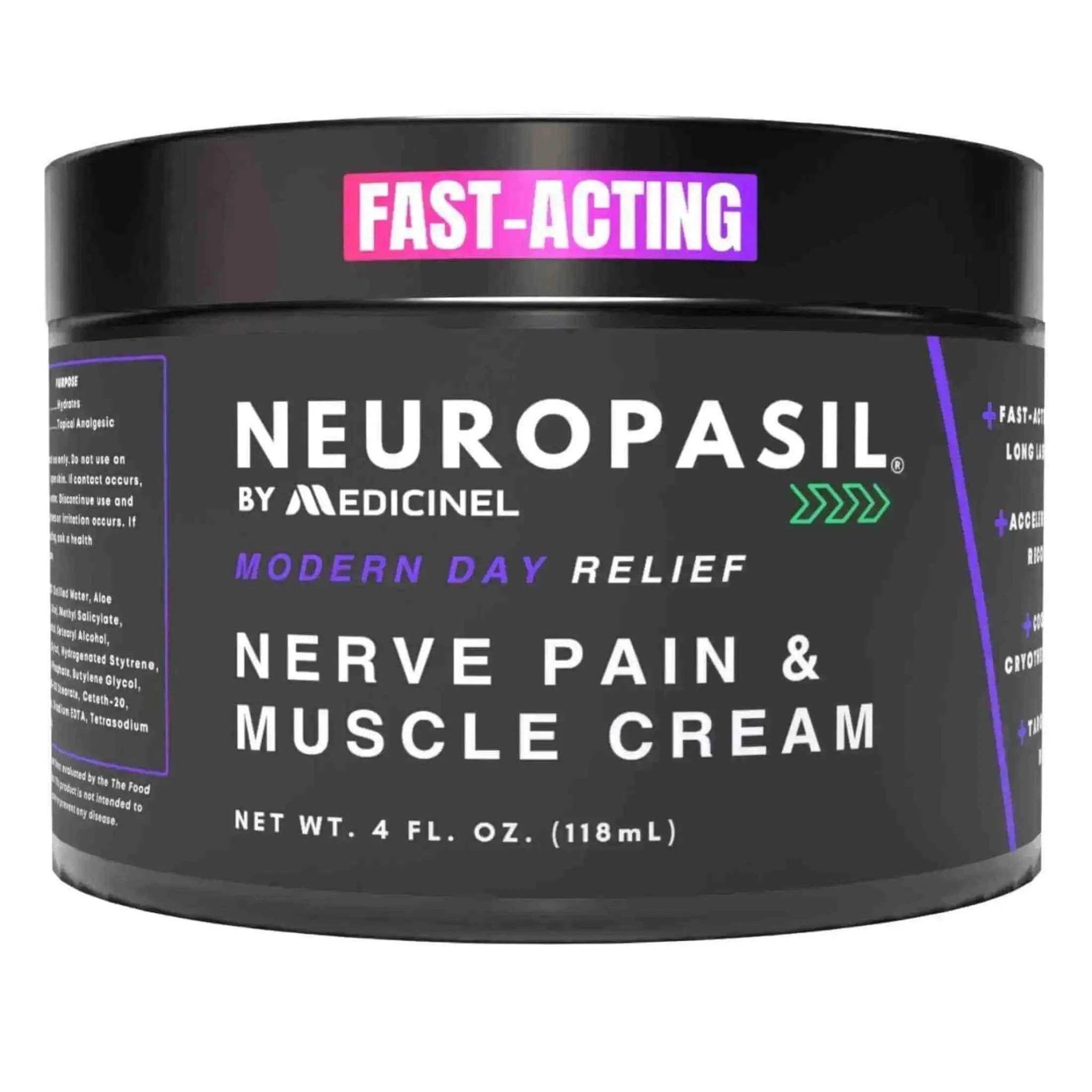
For the burning, tingling, or shooting sensations of nerve pain, targeted relief is essential. Our Neuropasil Nerve Pain Relief Cream is formulated with natural ingredients to soothe these specific discomforts. Find targeted relief for nerve pain with Neuropasil.
Less Common but Serious Causes of Leg Aches and Pain
While less common, some serious conditions can cause leg pain and require medical attention.
Bone Tumors: Though rare, cancerous or benign bone tumors can cause persistent leg pain that may worsen at night, sometimes with swelling or a lump.
Infections:
- Cellulitis: A bacterial skin infection causing redness, swelling, warmth, and pain, often in the lower leg.
- Osteomyelitis: A more serious infection in the bone itself, causing deep pain, fever, and swelling.
Paget's Disease of Bone: A chronic disorder that creates large, weak bones, leading to pain and a higher risk of fractures.
Always consult a healthcare professional for persistent or unusual leg pain, especially with symptoms like fever or unexplained weight loss.
Here's a quick comparison of symptoms for two common types of leg pain:
| Symptom Feature | Sciatica | Peripheral Artery Disease (PAD) |
|---|---|---|
| Type of Pain | Sharp, shooting, burning, tingling | Cramping, aching, tiredness |
| Location | Radiates from lower back down one leg | Calf, thigh, or buttocks |
| Trigger | Nerve compression (herniated disk, spinal stenosis) | Activity (walking, exercise) |
| Relief | Rest (sometimes worsens at night) | Rest (claudication improves with rest) |
| Other Symptoms | Numbness, weakness, "pins and needles" | Coldness, numbness, weakness, unusual leg color |
At-Home Management and Prevention Strategies
For many types of mild to moderate leg aches and pain, at-home strategies can provide relief and help prevent future issues.
Immediate Relief for Mild Pain
When leg pain from overuse or cramps strikes, try these immediate steps:
- Rest: Avoid activities that aggravate the pain to allow your muscles to recover.
- Ice: Apply an ice pack for 15-20 minutes at a time to reduce inflammation and numb pain.
- Compression: Wrap the leg with an elastic bandage to reduce swelling, ensuring it's not too tight.
- Elevation: Raise your leg above heart level to help reduce swelling.
- Gentle Stretching and Massage: Gently stretch and massage stiff or cramped muscles to help them relax.
- OTC Pain Relievers: Medications like ibuprofen can help manage mild pain and inflammation.
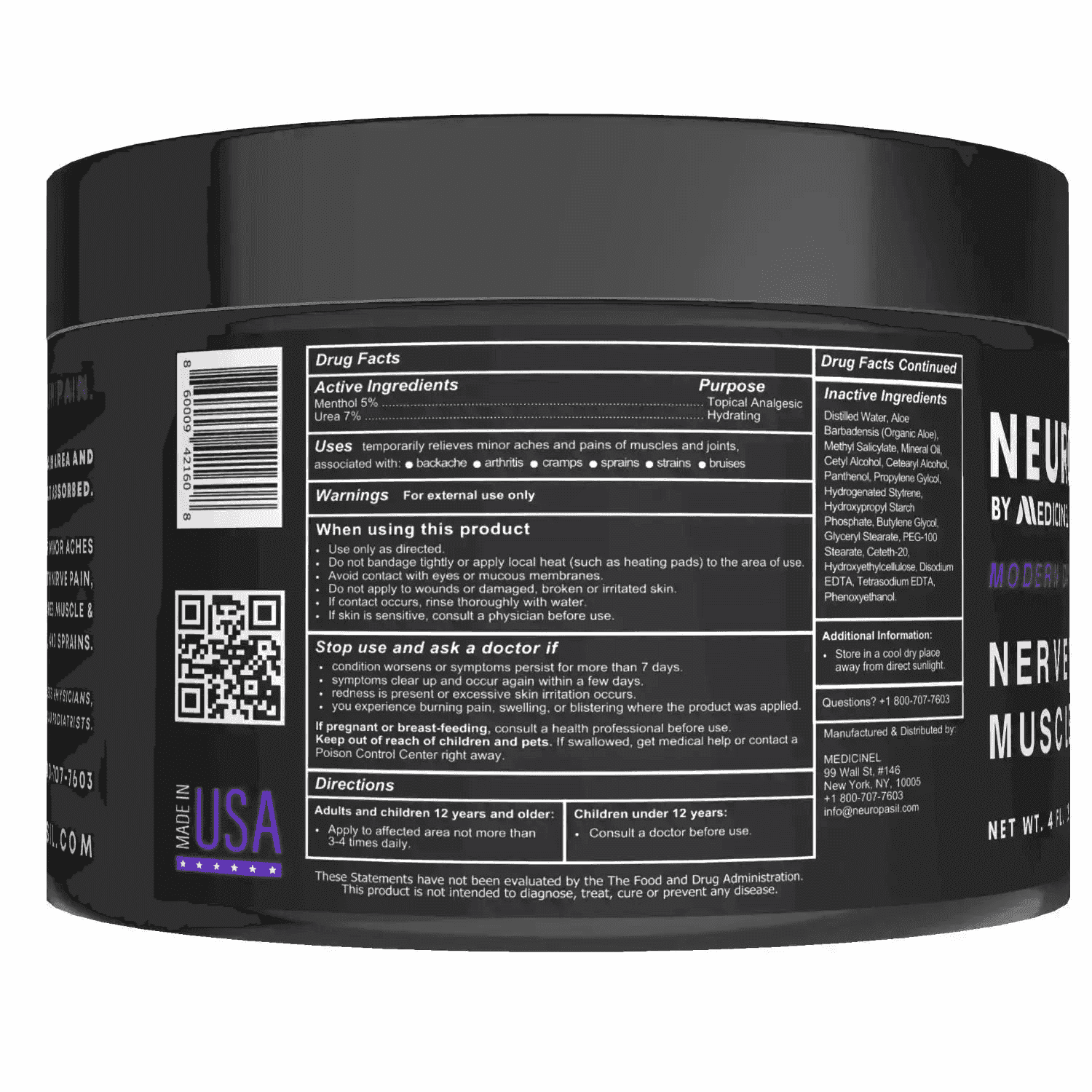
- Topical Creams: For localized muscle and nerve discomfort, a topical cream can provide targeted relief. Neuropasil contains menthol for a cooling, analgesic effect, while aloe and urea support skin health and absorption, delivering relief directly to the source of pain. Learn about our ingredients
Long-Term Prevention
Incorporating simple lifestyle changes can significantly reduce your risk of leg aches and pain.
- Stay Hydrated: Drink plenty of water to prevent muscle cramps and fatigue.
- Eat a Balanced Diet: Foods rich in potassium (bananas) and magnesium (leafy greens) support muscle function and can help prevent cramps.
- Exercise Regularly: Aim for 30 minutes of activity most days to improve circulation, strengthen muscles, and maintain joint flexibility.
- Warm-Up and Cool-Down: Always stretch before and after exercise to prevent stiffness and injury.
- Maintain a Healthy Weight: Less body weight means less stress on your leg joints and muscles.
- Wear Proper Footwear: Supportive shoes can prevent many foot and leg problems.
- Avoid Static Positions: If you sit or stand for long periods, take regular breaks to move and stretch. Tips to prevent leg cramps
When to Seek Medical Attention for Leg Pain
While many leg aches and pain can be managed at home, some symptoms require a professional medical evaluation to prevent serious complications.
When to See Your Doctor
Schedule an appointment with your healthcare provider if you experience:
- Pain that worsens with walking and improves with rest (a possible sign of PAD).
- Persistent or unexplained swelling in one or both legs.
- Painful varicose veins.
- Symptoms that don't improve after a few days of home care.
- Pain that recurs frequently or interferes with daily activities or sleep.
- Leg pain accompanied by a fever or other signs of infection.
- Suspected muscle pain or cramps as a side effect of medication (do not stop taking it without consulting your doctor).
Our doctors in New York City, New York, are experienced in diagnosing and treating a wide array of leg aches and pain.
When to Seek Urgent or Emergency Care
Some symptoms are red flags that require immediate medical attention. Seek emergency care if you experience:
- Sudden, severe leg pain.
- Inability to walk or bear weight on the leg.
- Signs of a blood clot (DVT): new swelling, warmth, redness, or tenderness in one calf or thigh.
- A leg that is pale and cool to the touch, with numbness or tingling.
- An open wound from an injury with visible bone or tendon.
- Signs of a serious infection, like a high fever, pus, or red streaks.
- Sudden, severe weakness or numbness in the leg or foot.
- Swelling in both legs accompanied by breathing problems or chest pain.
Diagnostic Process
To determine the cause of your leg pain, your doctor will perform a physical exam and review your medical history. They may ask about the type, location, and triggers of your pain. Based on this, they might recommend diagnostic tests:
- X-ray: To check for fractures or arthritis.
- MRI: To see detailed images of soft tissues like muscles, ligaments, and nerves.
- Ultrasound: To detect blood clots (DVT), check blood flow, or evaluate soft tissue injuries.
- Blood Tests: To check for infection, inflammation, electrolyte imbalances, diabetes, or markers for blood clots.
This comprehensive approach helps pinpoint the cause of your leg aches and pain to create an effective treatment plan.
Frequently Asked Questions about Leg Aches and Pain
Here are answers to some common questions about leg aches and pain.
Can sitting too long cause leg pain?
Yes, prolonged sitting is a significant contributor to leg pain. It can lead to poor circulation, muscle stiffness, and nerve compression (like sciatica). This increases the risk of discomfort and even serious conditions like Deep Vein Thrombosis (DVT). We recommend taking regular breaks to stand and stretch every 30-60 minutes.
What is the difference between muscle pain and nerve pain in the leg?
Distinguishing between them helps find the right relief.
- Muscle Pain: Usually feels like a dull ache, soreness, or a sharp, localized pain from a cramp or tear. It's felt within the muscle and often worsens with movement.
- Nerve Pain: Often described as burning, tingling, "pins and needles," or a sharp, shooting pain that travels along a nerve path, like an electrical shock. It can occur even at rest.
This distinction is key. A topical cream for muscle aches is different from one formulated for nerve-related discomfort.
Are "growing pains" in children real?
Yes, "growing pains" are a common experience for children, typically between ages 3 and 12. They are described as an aching or throbbing in the thighs or calves, often at night, and are thought to be caused by muscular fatigue from an active day. They are not harmful, but if the pain is accompanied by joint swelling, fever, or a limp, consult a doctor to rule out other conditions.
Conclusion
Understanding the cause of your leg aches and pain is the first step toward finding effective relief. Whether the source is a simple muscle strain, a vascular issue like PAD, or nerve-related pain like sciatica, identifying the problem guides the treatment.
We've covered the common musculoskeletal, circulatory, and neurological causes of leg discomfort. For many of these issues, home care and prevention are effective. For targeted, soothing relief from common muscular and nerve-related pains, natural topical solutions can provide direct comfort.
Our Neuropasil products, with ingredients like Aloe, Urea, and Menthol, are designed for this purpose. Loyal customers, from athletes to those with chronic conditions, use them for everything from strains and sprains to joint discomfort and aching feet.
While home care is a powerful tool, always consult a healthcare professional for a proper diagnosis, especially if your pain is severe, persistent, or accompanied by other concerning symptoms. Explore our pain relief solutions.
References
- Mayo Clinic. (n.d.). Leg pain - Causes. Retrieved from https://www.mayoclinic.org/symptoms/leg-pain/basics/causes/sym-20050784
- Cleveland Clinic. (2022). Leg Pain: Causes & Treatment. Retrieved from https://my.clevelandclinic.org/health/symptoms/leg-pain
- MedlinePlus. (2023). Leg pain. Retrieved from https://medlineplus.gov/ency/article/003182.htm
- WebMD. (n.d.). 15 Causes of Leg Pain. Retrieved from https://www.webmd.com/pain-management/ss/slideshow-leg-pain-causes
- Healthdirect. (n.d.). Leg Pain: Causes, Symptoms and Treatment. Retrieved from https://www.healthdirect.gov.au/leg-pain
- Cleveland Clinic. (n.d.). How to Prevent Leg Cramps and Treat Them at Home. Retrieved from https://health.clevelandclinic.org/how-to-prevent-leg-cramps-and-treat-them-at-home