What You Need to Know About Intercostal Rib Pain
Intercostal rib pain is a sharp, aching, or stabbing discomfort felt between your ribs. It's often caused by muscle strain, injury, or overuse and typically worsens with breathing, coughing, or twisting.
Quick Answer: Understanding Intercostal Rib Pain
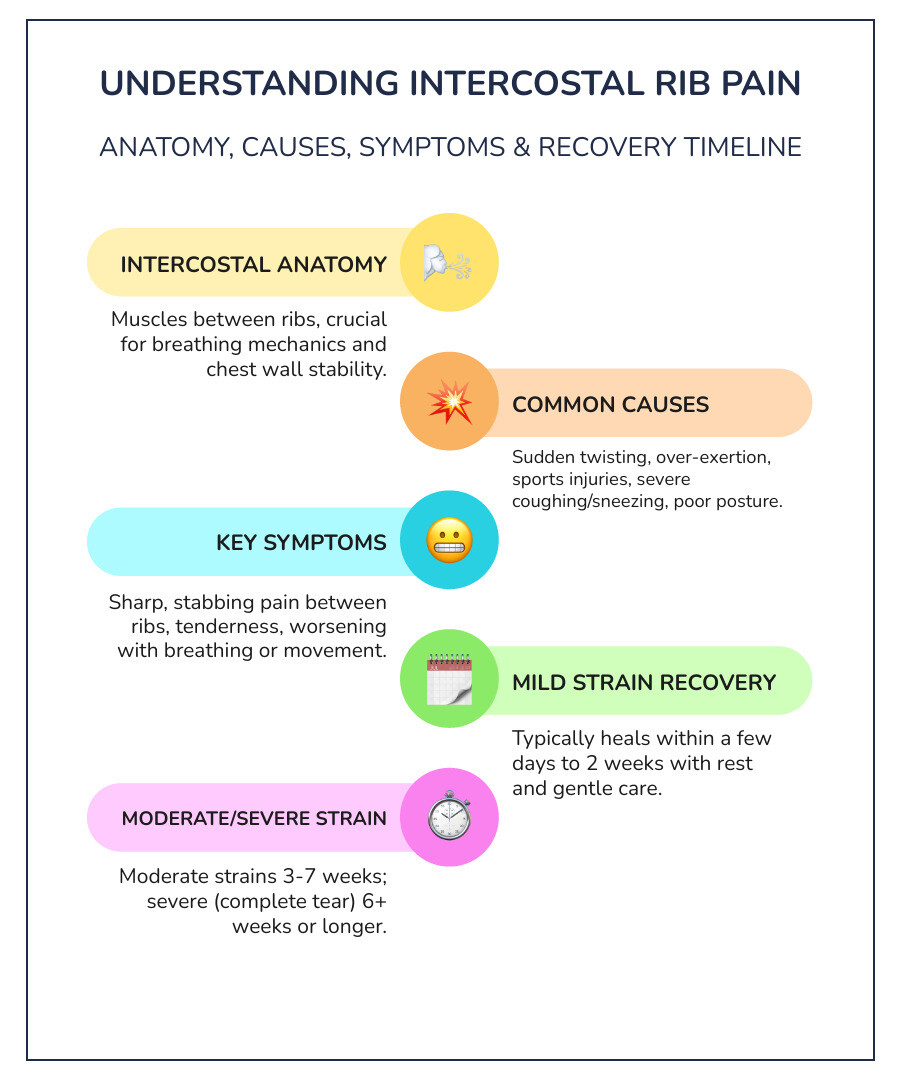
- What it is: Pain affecting the intercostal muscles located between your ribs.
- Common causes: Sudden twisting, over-exertion, sports injuries, severe coughing, poor posture, or direct trauma.
- Key symptoms: Sharp or aching pain between ribs, tenderness, and pain with deep breathing or movement.
- Typical recovery: Mild strains heal in days to 2 weeks; moderate strains take 3-7 weeks; severe strains may need 6+ weeks.
- When to worry: Seek immediate help for crushing chest pain, difficulty breathing, or pain radiating to your arm or jaw.
A sudden, sharp pain in your side that takes your breath away can be alarming. This discomfort often strikes athletes, office workers, or anyone making an abrupt twisting movement. The good news is that most cases are muscle-related and heal with rest and proper care. Depending on the severity, recovery can take anywhere from a few days for a mild strain to six weeks or more for a severe one.
The muscles between your ribs—the intercostals—are crucial for breathing and upper body movement. When strained or irritated, simple actions like taking a deep breath or laughing can become painful. Understanding the cause of your pain is the first step toward relief.
At Neuropasil, we're dedicated to helping people manage muscle aches and nerve pain. This guide will walk you through the causes, symptoms, diagnosis, and effective relief strategies for intercostal rib pain.
Intercostal rib pain further reading:
Understanding Your Rib Cage: Anatomy and Function
The rib cage protects vital organs and facilitates breathing. Within this structure are the intercostal muscles, which are essential for every breath.
What are Intercostal Muscles?
The intercostal muscles are located between the ribs and consist of three layers:
- External Intercostals: The most superficial layer, they lift the ribs to help you inhale.
- Internal Intercostals: Located beneath the external layer, they pull the ribs down to aid in forceful exhalation.
- Innermost Intercostals: The deepest layer, assisting the internal intercostals.
Together, these muscles expand and collapse the chest wall, allowing the lungs to fill and empty. They also support and stabilize the rib cage. You can find more detailed scientific research on the anatomy of the thorax and its muscles in this resource on thorax anatomy.
What is an Intercostal Muscle Strain?
An intercostal muscle strain, or a "pulled rib muscle," happens when these muscles are overstretched or torn. The injury can range from a mild overstretch to a complete rupture.
When damaged, these muscles cause significant pain and stiffness. Actions we take for granted, like deep breathing, coughing, or twisting, can become excruciating. While the condition, also known as intercostal myalgia, usually resolves on its own with proper care, it can significantly impact daily life.
To understand more about muscle strains in general and how they affect our bodies, we've put together more info about muscle strain.
Causes and Symptoms of Intercostal Muscle Strain
Intercostal muscle strains often result from injury or overexertion, not routine activities. The pain can stem from athletic activities or everyday mishaps.

Common causes include:
- Sudden Twisting: An abrupt turn of the torso can overstretch these muscles.
- Over-exertion: Lifting heavy objects with improper form or intense physical activity.
- Direct Impact: A blow to the rib cage from a fall, accident, or contact sports.
- Sports Injuries: Common in sports with repetitive twisting like golf, tennis, or rowing.
- Severe Coughing or Sneezing: A prolonged bout of coughing can strain the muscles.
- Poor Posture: Slouching can lead to chronic muscle tension, increasing injury risk. Harvard Medical School notes that upper back pain is often due to long-term posture problems.
- Repetitive Movements: Activities involving repetitive upper body motion can cause gradual strain.
Common Signs and Symptoms
Symptoms vary in intensity but are typically localized to the rib area. Key indicators include:
- Sharp, Stabbing, or Aching Pain: A common feeling between the ribs, often tender to the touch.
- Pain with Breathing: Discomfort worsens when taking a deep breath, coughing, or sneezing, leading to shallow breathing.
- Pain with Movement: Twisting, bending, or reaching can intensify the pain.
- Upper Back Pain: The pain may radiate to the upper back.
- Muscle Tightness and Spasms: The injured muscles may feel tight or contract involuntarily. For more insights, see our guide on muscle spasms.
The pain is typically felt distinctly between two ribs and may appear suddenly after an event or develop gradually. A key sign is difficulty taking a deep breath.
Is It a Strain, Fracture, or Something Else?
It's crucial to differentiate a muscle strain from more serious conditions.
| Feature | Intercostal Muscle Strain | Rib Fracture | Lung Issues (e.g., Pleurisy) |
|---|---|---|---|
| Pain | Sharp, aching; worsens with movement, deep breath. | Severe, sharp, localized; intense with pressure. | Sharp, stabbing; worsens with deep breath, cough. |
| Onset | Sudden or gradual. | Sudden, after significant trauma. | Sudden or gradual; often with illness. |
| Tenderness | Yes, localized to the muscle. | Yes, directly over the bone. | May or may not be present. |
| Visible Signs | Mild swelling/bruising possible. | Often significant bruising, swelling. | None. |
| Other Symptoms | Muscle spasms, stiffness. | Difficulty moving, guarding the area. | Fever, chills, cough, shortness of breath. |
The following symptoms may signal a rib fracture: severe pain, tenderness, and bruising. If you suspect a fracture or a lung issue, seek immediate medical attention.
Diagnosis and When to See a Doctor
For significant intercostal rib pain, an accurate diagnosis is crucial to rule out serious conditions and guide treatment.

How Doctors Diagnose Intercostal Rib Pain
Diagnosis is primarily based on your symptoms and a physical exam. A doctor will:
- Review Medical History: Discuss how the injury occurred and your specific symptoms.
- Perform a Physical Examination: Feel the area between your ribs to locate tenderness, check your range of motion, and observe your breathing. A pulmonary exam may be performed.
- Rule Out Other Conditions: Imaging tests like an X-ray, ultrasound, or MRI may be ordered to check for rib fractures or internal organ damage.
Red Flags: When to Seek Immediate Medical Attention
While most strains aren't life-threatening, seek emergency care in New York City or your local area for these symptoms, especially after trauma:
- Severe, crushing chest pain
- Difficulty breathing or shortness of breath
- Coughing up blood
- Pain radiating to the arm, jaw, or back (signs of a heart attack)
- Dizziness or lightheadedness
- Fever or chills (could signal infection)
The UK's National Health Service (NHS) also advises immediate medical attention for traumatic rib injuries accompanied by difficult breathing or coughing up blood.
Grades of Intercostal Muscle Strain
Strains are graded by severity, which affects the recovery timeline:
- Grade 1 (Mild): Minor stretching of muscle fibers with mild pain and tenderness. Movement is largely unaffected.
- Grade 2 (Moderate): A partial tear of muscle fibers, causing more pain, weakness, swelling, and limited movement.
- Grade 3 (Severe): A complete muscle rupture with intense pain, significant swelling, and inability to move the area without severe pain. This may require surgery.
Understanding the grade helps tailor the best treatment plan.
Managing Intercostal Rib Pain and Speeding Up Recovery
Once diagnosed, the focus shifts to managing intercostal rib pain and promoting healing through at-home care and professional guidance.
At-Home Pain and Discomfort Management
For most mild to moderate strains, home treatment is very effective. The NHS suggests several options:
- Rest and Gentle Movement: Rest is crucial. Avoid activities that cause pain, like heavy lifting or strenuous exercise, but incorporate gentle movement to prevent stiffness.
- Cold and Warm Therapy: Apply an ice pack for 15-20 minutes several times a day for the first 48 hours to reduce inflammation. Afterward, switch to heat (heating pad or warm bath) to relax muscles and improve blood flow.
- Supportive Measures: Hold a pillow firmly against the injured area when coughing or taking deep breaths to provide support and reduce pain.
- OTC Pain Relief: Medications like acetaminophen or NSAIDs (e.g., ibuprofen) can help manage pain and inflammation. Follow dosage instructions.
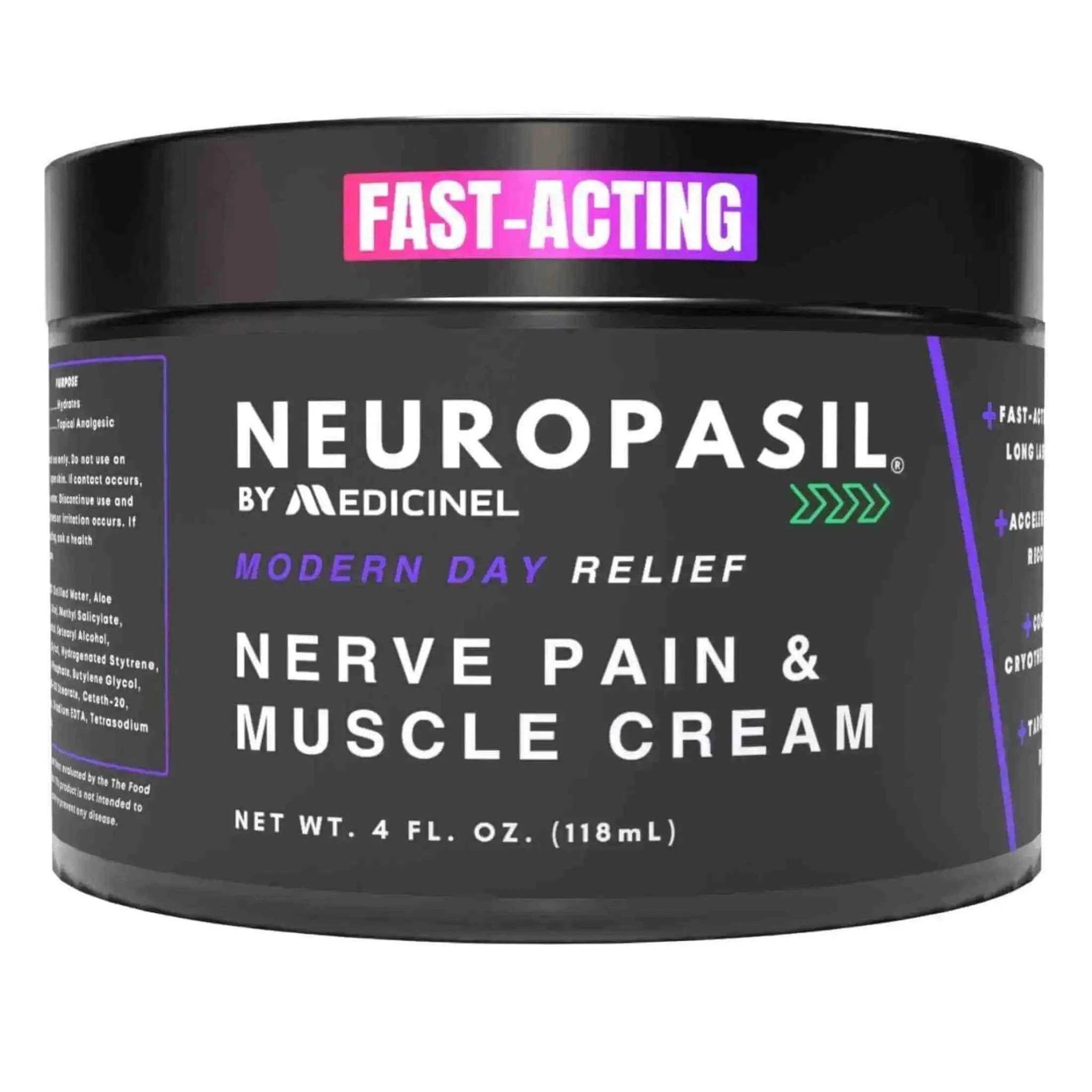
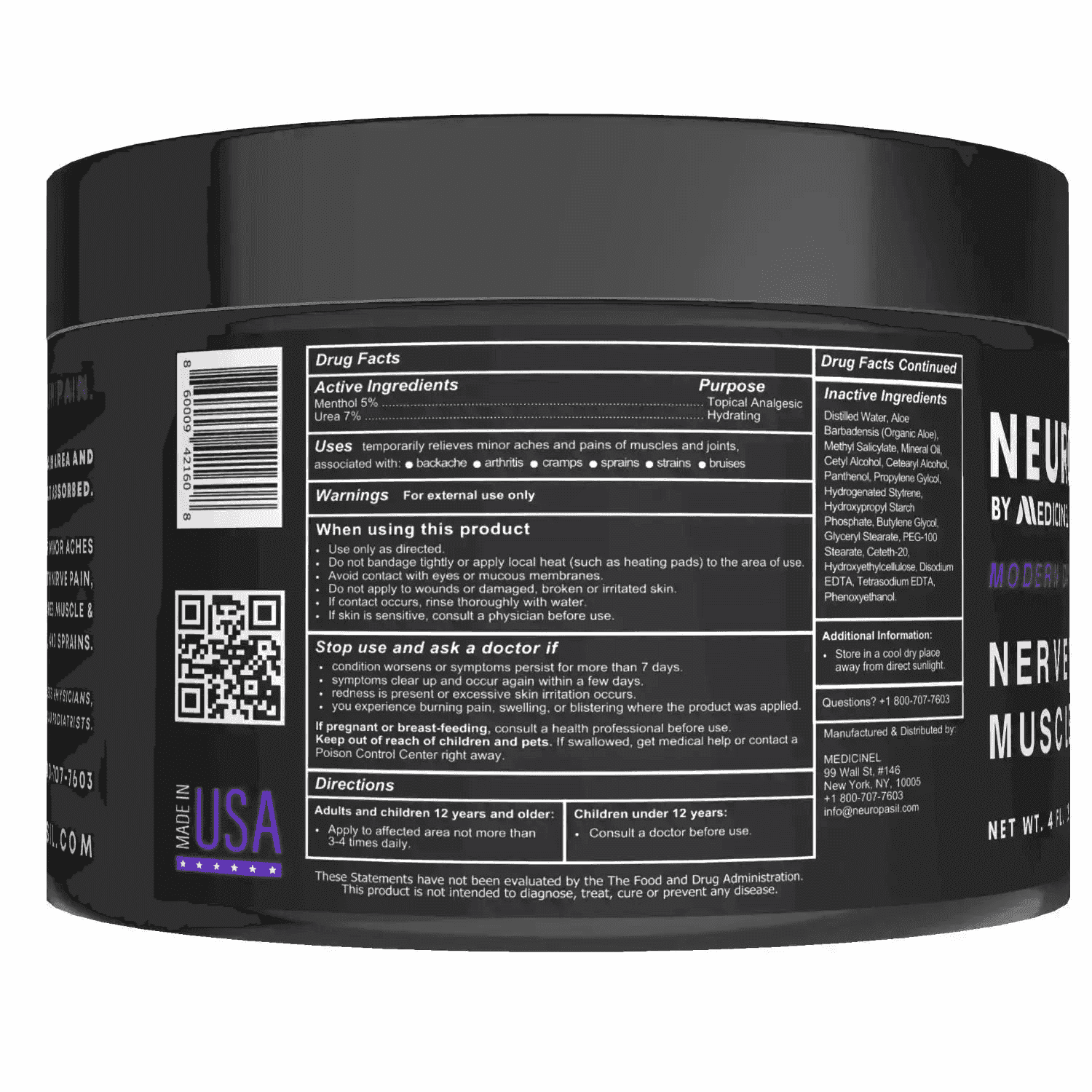
- Topical Pain Relief: For targeted relief, topical solutions can be very effective. Our Neuropasil cream uses natural ingredients like Aloe, Urea, and Menthol to soothe sore muscles directly at the source. Learn more about muscle pain relief: oral vs. topical options.
Effective Sleeping Positions and Tips
Quality sleep is vital for recovery but can be challenging. Try these tips:
- Sleep Reclined: Prop your upper body with pillows or use a recliner to reduce pressure on your rib cage.
- Sleep on Your Unaffected Side: This can relieve pressure. Place a pillow between your legs to keep your spine aligned.
- Use a Body Pillow: Hugging a body pillow can prevent you from twisting during the night.
- Apply Heat Before Bed: Using a heating pad for 15-20 minutes before sleep can relax tense muscles.
How Long Does Recovery Take?
The recovery time for an intercostal muscle strain depends on its severity and your overall health.
- Mild (Grade 1) Strains: Usually heal within a few days to two weeks.
- Moderate (Grade 2) Strains: Typically take three to seven weeks to heal.
- Severe (Grade 3) Strains: Can take six weeks or more, sometimes requiring intensive rehabilitation.
As Harvard Medical School explains, how long an intercostal muscle strain lasts depends directly on its severity. For more details, refer to this Harvard Medical School resource.
Prevention and Rehabilitation Strategies
Preventing intercostal rib pain involves strengthening the muscles supporting your rib cage and adopting protective practices.
The Role of Physical Therapy in Recovery
For moderate to severe strains or persistent pain, physical therapy is crucial. A physical therapist in New York City can create a custom program that may include:
- Pain Relief: Using modalities like ultrasound or manual therapy.
- Breathing Exercises: Teaching diaphragmatic breathing to reduce strain on intercostal muscles.
- Gentle Stretching: Improving flexibility in the chest and back.
- Strengthening Exercises: Building up the core, back, and intercostal muscles to prevent future injuries.
- Restoring Range of Motion: Gradually returning your torso to full, pain-free movement.
For more on managing chest muscle pain, see our article on chest muscle ache.
Best Stretches and Exercises for Intercostal Rib Pain
Once acute pain subsides, gentle stretches can aid recovery. Perform these carefully, stopping if you feel sharp pain, ideally under a physical therapist's guidance. The NHS suggests exercises like side bending and deep breathing for rib injuries.
- Deep Breathing (Diaphragmatic): Lie on your back and inhale slowly, allowing your abdomen to rise instead of your chest. Exhale slowly. This engages the diaphragm and reduces strain on the intercostals.
- Side Bending Stretch: Seated or standing, gently lean to one side, reaching the opposite arm overhead. Hold for 15-30 seconds.
- Doorway Stretch: Stand in a doorway with forearms on the frame and lean forward to feel a stretch across your chest.
- Cat-Cow Pose: On your hands and knees, gently alternate between arching and rounding your back to mobilize your rib cage.
For more guidance on exercises, refer to this resource.
Frequently Asked Questions about Intercostal Rib Pain
Here are answers to common questions about intercostal rib pain.
What does a pulled intercostal muscle feel like?
A pulled intercostal muscle causes a sharp, localized pain between the ribs that is often tender to the touch. The pain worsens significantly with deep breaths, coughing, sneezing, or twisting. It can also feel like a dull ache or a tight band around your chest.
Can stress cause intercostal muscle pain?
Stress doesn't directly cause a strain, but it can be a contributing factor. Stress leads to muscle tension and poor posture, making the intercostal muscles more vulnerable to injury. It can also heighten pain perception and increase inflammation, making existing pain feel worse.
How do I know if my rib pain is muscular or something more serious?
Differentiating is key.
- Muscular Pain: Is typically tender to the touch, worsens with specific movements (twisting, deep breathing), and eases with rest. It usually lacks systemic symptoms like fever.
- Serious Condition: Red flags include crushing chest pain, difficulty breathing, coughing up blood, pain radiating to the arm or jaw, dizziness, or a high fever. These symptoms require immediate medical attention as they could signal a heart attack, lung issue, or fracture.
When in doubt, always consult a doctor for an accurate diagnosis.
Conclusion
Intercostal rib pain from a strain can be a frustrating experience, but understanding its causes and symptoms is the first step to recovery. Differentiating muscle pain from more serious conditions is vital, and knowing when to see a doctor is key to your safety.
Most strains can be managed at home with rest, ice, heat, and gentle movement. For more severe cases, physical therapy can aid rehabilitation. Patience and adherence to a treatment plan are essential for healing.
For targeted, fast-acting relief from muscle strains, consider a topical solution like Neuropasil cream. Our formula with Aloe, Urea, and Menthol is designed to soothe pain and support your recovery, helping you return to a pain-free, active life.
References
- Thorax Anatomy - StatPearls
- Muscle Strain Relief Guide - Neuropasil
- Muscle Spasms - Neuropasil
- Symptoms of a Rib Fracture - StatPearls
- NHS Guidance on Rib Injuries
- Muscle Pain Relief: Oral vs Topical Options - Neuropasil
- Muscle Strain Recovery - Harvard Medical School
- How to Treat a Pulled Muscle - Neuropasil
- Chest Muscle Ache - Neuropasil
- Rib Injury Exercises - University Hospitals Sussex NHS
- Pulmonary Exam - Stanford Medicine 25
- US-guided musculoskeletal interventions of the body wall and core with MRI and US correlation - RSNA
- 4 ways to turn good posture into less back pain - Harvard Health
- Intercostal Muscle Strain - Physiopedia
- Intercostal Myalgia: Symptoms, Causes and Treatment - Livsstilsresepten.no
- Intercostal Muscle Strain: Signs, treatments, and remedies - Medical News Today
- Intercostal Neuralgia - StatPearls (via NCBI)
- Intercostal Neuralgia: Symptoms, causes, and more - Medical News Today
- Intercostal Muscle Strain - Osmosis
- Chest Wall Pain - Physiopedia
- Intercostal Neuralgia: Nerve Pain Below Your Ribs - WebMD
- Finding Relief for Intercostal Neuralgia - Verywell Health