Why Finding the Right Pain Cream for Feet Matters
A quality pain cream for feet can provide fast, targeted relief for conditions like plantar fasciitis, neuropathy, and arthritis without the systemic side effects of oral medications. Whether you're dealing with burning nerve pain or post-workout fatigue, the right topical cream delivers active ingredients directly where you need them most.
Quick Answer: Best Pain Creams for Feet by Need
- Neuropathic Pain (Burning, Tingling): Look for creams with lidocaine and soothing botanicals.
- Plantar Fasciitis & Inflammation: Choose formulas with natural anti-inflammatories and menthol.
- General Soreness & Muscle Aches: Opt for creams containing arnica, MSM, and vitamin B6.
- Sensitive or Diabetic Skin: Select non-greasy, moisturizing formulas with aloe vera and urea.
Foot pain is a daily struggle for millions. The American Academy of Orthopaedic Surgeons reports that two million Americans suffer from plantar fasciitis alone. Furthermore, conditions like diabetic neuropathy are widespread, with the Centers for Disease Control and Prevention (CDC) estimating that about half of all people with diabetes have some form of nerve damage. Arthritis also commonly affects the feet, which contain over 30 joints susceptible to pain and inflammation. Modern pain cream for feet formulations combine science-backed ingredients with natural botanicals to address these multiple pain types at once.
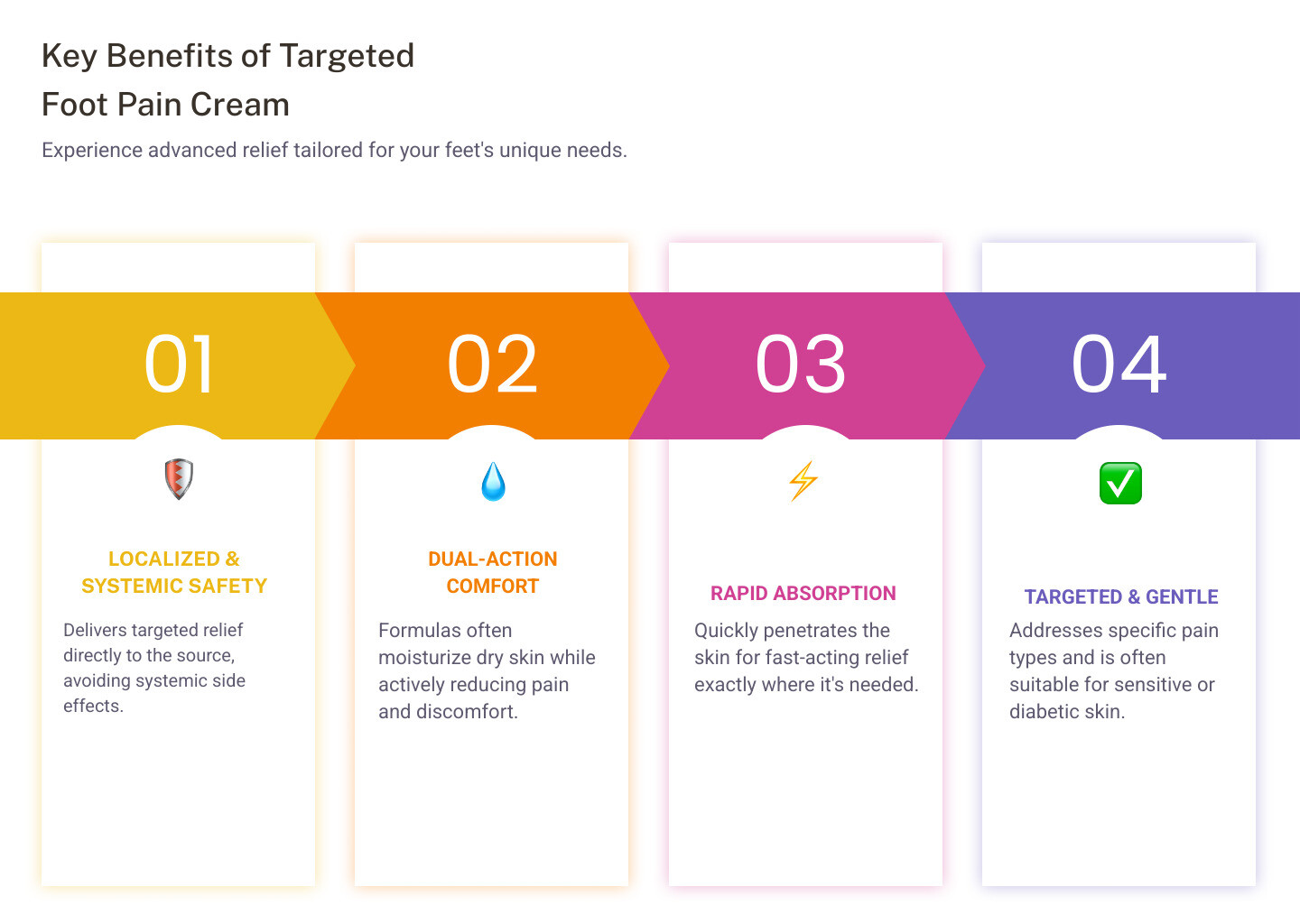
Unlike oral pain relievers, topical creams work locally for faster relief with fewer side effects. They can also moisturize dry, cracked skin while soothing pain. They're easy to apply, portable, and complement other treatments like supportive footwear and stretching.
I'm Tony Enrico, and through Neuropasil, I've helped people find real relief from nerve and muscle pain. My mission is to help you understand how pain cream for feet works and which formulas deliver on their promises, so you can get back to living without limits.
Understanding Foot Pain: What Can Creams Help With?
Your feet are complex structures that absorb constant impact, so it's no surprise they're prone to pain. A quality pain cream for feet can address many common sources of discomfort right where it hurts.
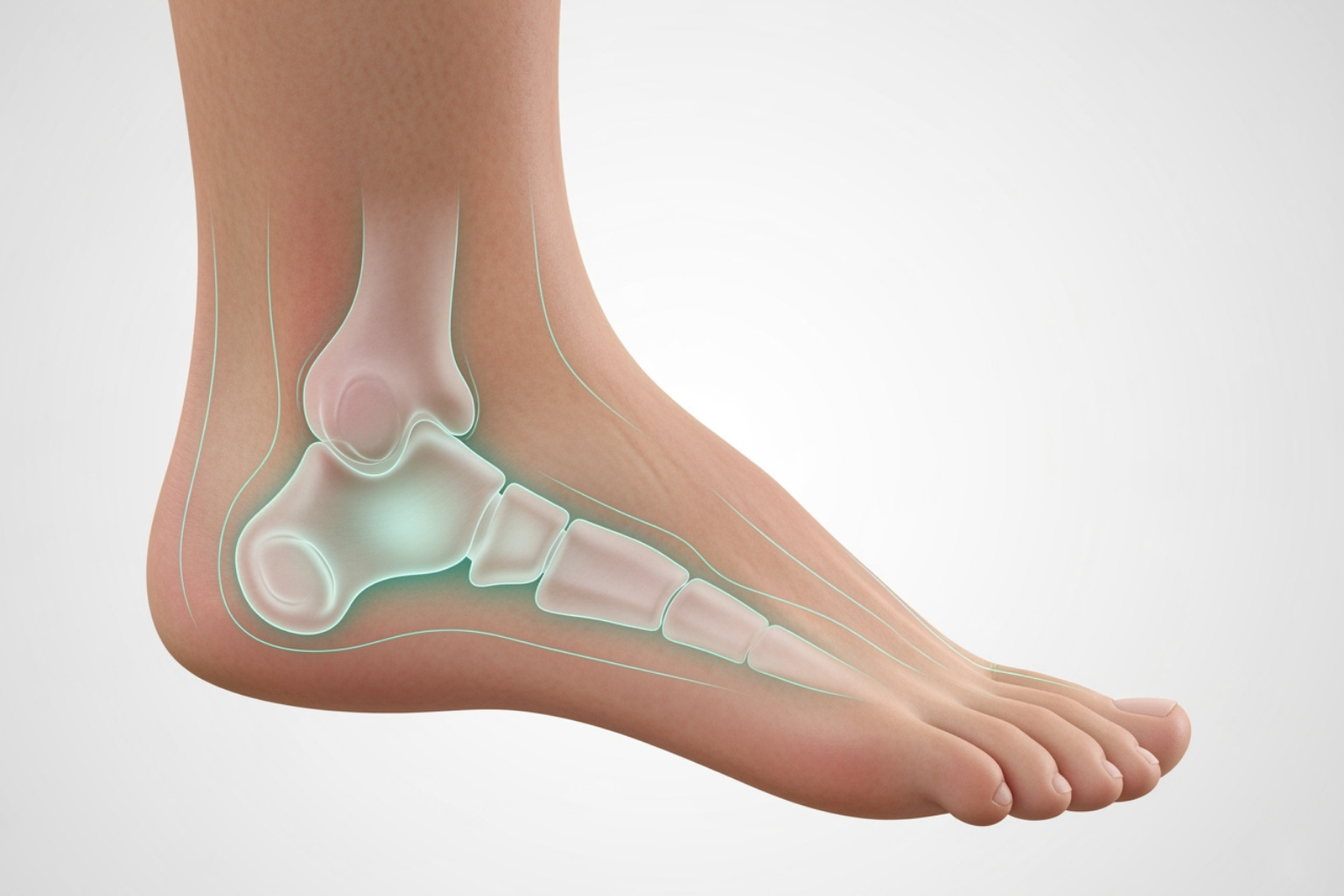
Plantar Fasciitis: This common condition involves inflammation of the tissue band on the bottom of your foot, causing stabbing heel pain. The American Academy of Orthopaedic Surgeons notes it affects two million Americans, and a 2018 Journal of Pain study highlights that the pain is often moderate to severe. Creams with anti-inflammatory and cooling ingredients can provide significant relief.
Arthritis: Osteoarthritis and rheumatoid arthritis can cause pain, stiffness, and swelling in the small joints of the feet. A targeted topical cream delivers anti-inflammatory compounds directly to these joints.
Neuropathy: This nerve damage can cause burning, tingling, or sharp shooting pains, and is common in people with diabetes. A pain cream for feet with numbing agents offers focused relief. Learn more in our article on Diabetic Foot Pain.
General Soreness and Muscle Strain: Whether from a long day of walking or a tough workout, your feet can feel tired and achy. Creams with warming or cooling sensations help relax tight muscles and ease discomfort.
Aching Arches: Often caused by a lack of support or overpronation, aching arches can be soothed with topical creams that relieve muscle fatigue and inflammation.
The key benefit of foot pain creams is their local action. By applying relief exactly where you need it, you can avoid the systemic effects of oral medication, making a well-chosen pain cream for feet an essential part of your daily comfort routine.
The Science Behind Pain Cream for Feet: Active Ingredients Explained
Understanding the ingredients in a pain cream for feet helps you choose the right one for your specific pain. While similar to general muscle rubs, foot creams often include extra moisturizers for sensitive skin and target nerve-related issues. For a deeper look at nerve pain solutions, see our article: Beyond the Burn: A Roundup of Effective Nerve Pain Creams for Your Feet.
Numbing Agents for Nerve Pain
For the burning, tingling, or shooting pains common with neuropathy, numbing agents provide a temporary pause on discomfort. Lidocaine is a popular local anesthetic found in many over-the-counter creams. It works by blocking local nerve signals, offering fast, targeted relief.
Cooling & Warming Counterirritants
Ingredients like menthol and camphor create a cooling or warming sensation that distracts your brain from deeper pain, a concept known as the "gate control theory." The new sensation "closes the gate" on pain signals. Menthol's immediate cooling effect is especially soothing for many types of foot pain. Find more tips in our guide: Step Up Your Comfort: Remedies for Aching Feet.
Anti-Inflammatory Powerhouses
Inflammation is a key cause of pain from arthritis and plantar fasciitis. Many pain cream for feet formulas use natural anti-inflammatories and plant-based ingredients to reduce swelling and tenderness. Some prescription or over-the-counter creams use drugs like diclofenac, while many others rely on natural compounds to ease joint pain. The severity of plantar fasciitis pain, noted in a 2018 Journal of Pain study, highlights the need for effective anti-inflammatory relief.
Natural and Homeopathic Options
Natural ingredients offer powerful, gentle relief.
- Arnica: Derived from the Arnica montana plant, this homeopathic remedy is excellent for reducing swelling, bruising, and muscle soreness.
- Frankincense & Myrrh: These ancient resins are prized for their anti-inflammatory and pain-relieving properties, often used in creams for neuropathic pain.
- Epsom Salt (Magnesium): Available in topical gels, magnesium helps relax tired, aching muscles without a full foot soak.
- Aloe Vera: A skin superstar, aloe soothes and moisturizes, making it ideal for the dry, cracked skin often seen with foot pain.
- MSM (Methylsulfonylmethane): This organic sulfur compound is popular for supporting joint health by reducing inflammation and pain. It's often combined with other ingredients like arnica and Vitamin B6 in neuropathy creams.
At Neuropasil, we believe in the power of natural ingredients. Explore more in our articles: Pure & Simple: The Best Natural Creams for Foot Pain Relief and Heal Your Heels: A Roundup of Healing Natural and Urea Foot Creams.
Top-Rated Pain Creams for Feet in 2024: A Product Roundup
Finding the right pain cream for feet shouldn't be a puzzle. At Neuropasil, we've spent years perfecting our natural formulations to address real foot pain challenges, from burning neuropathy to plantar fasciitis and simple muscle fatigue.
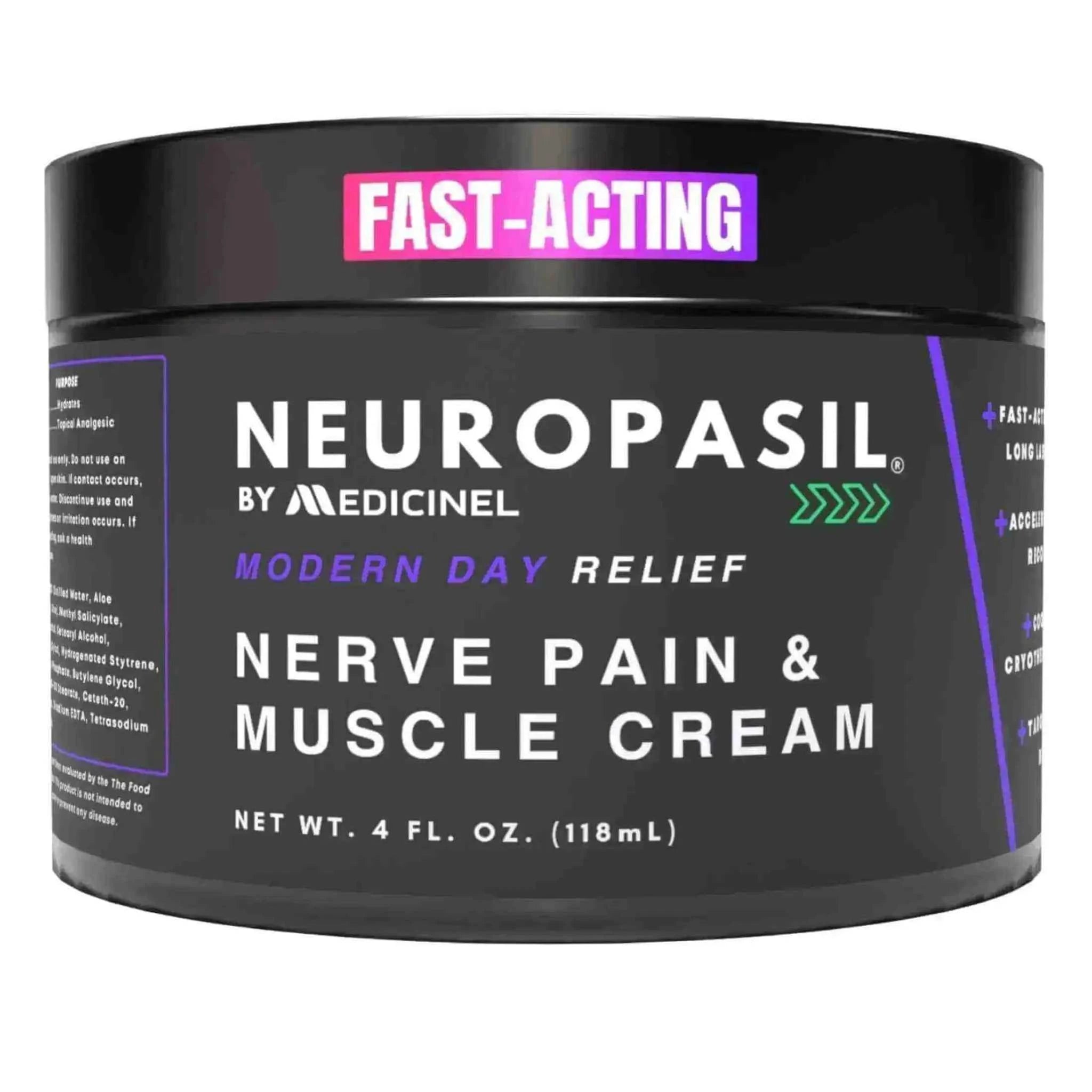
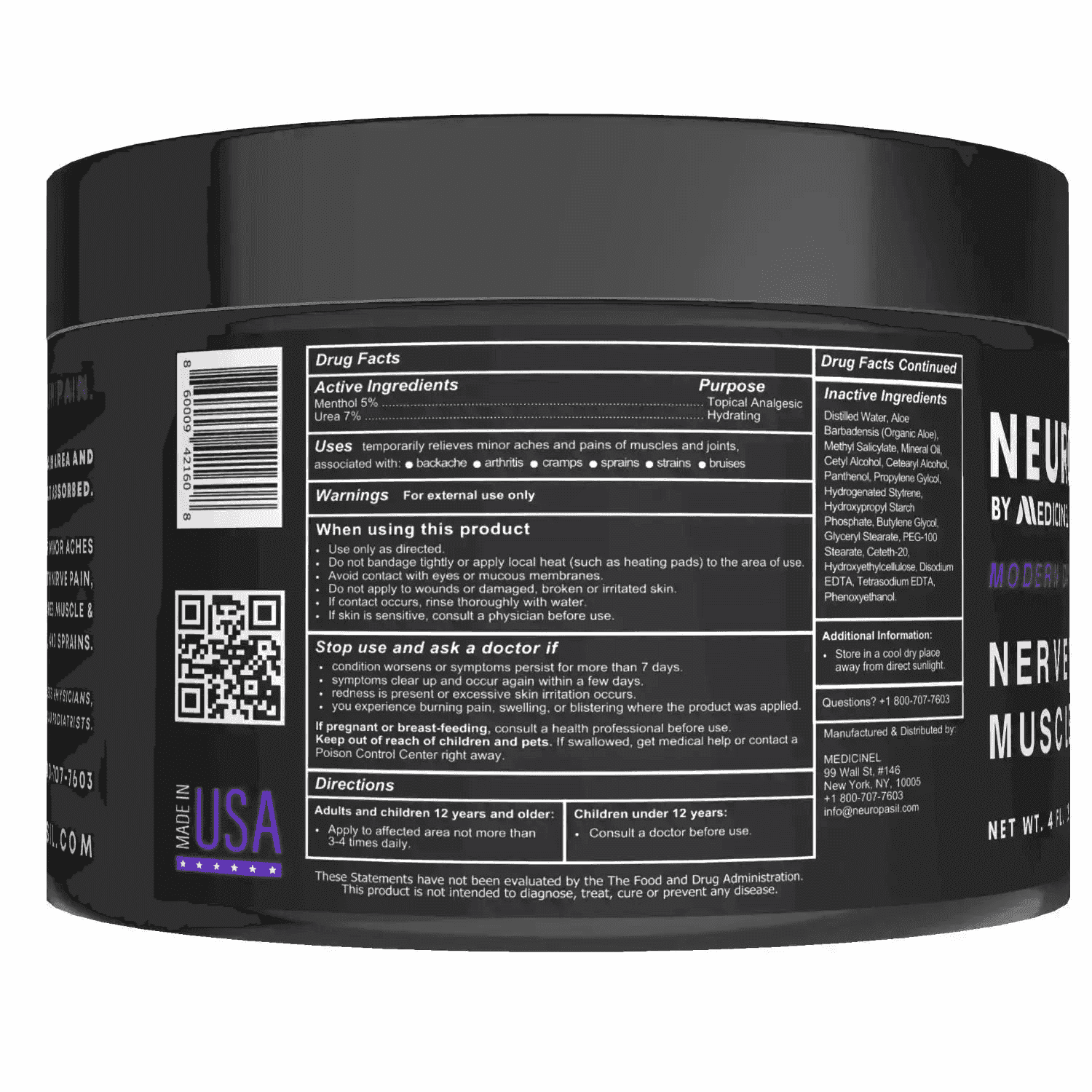
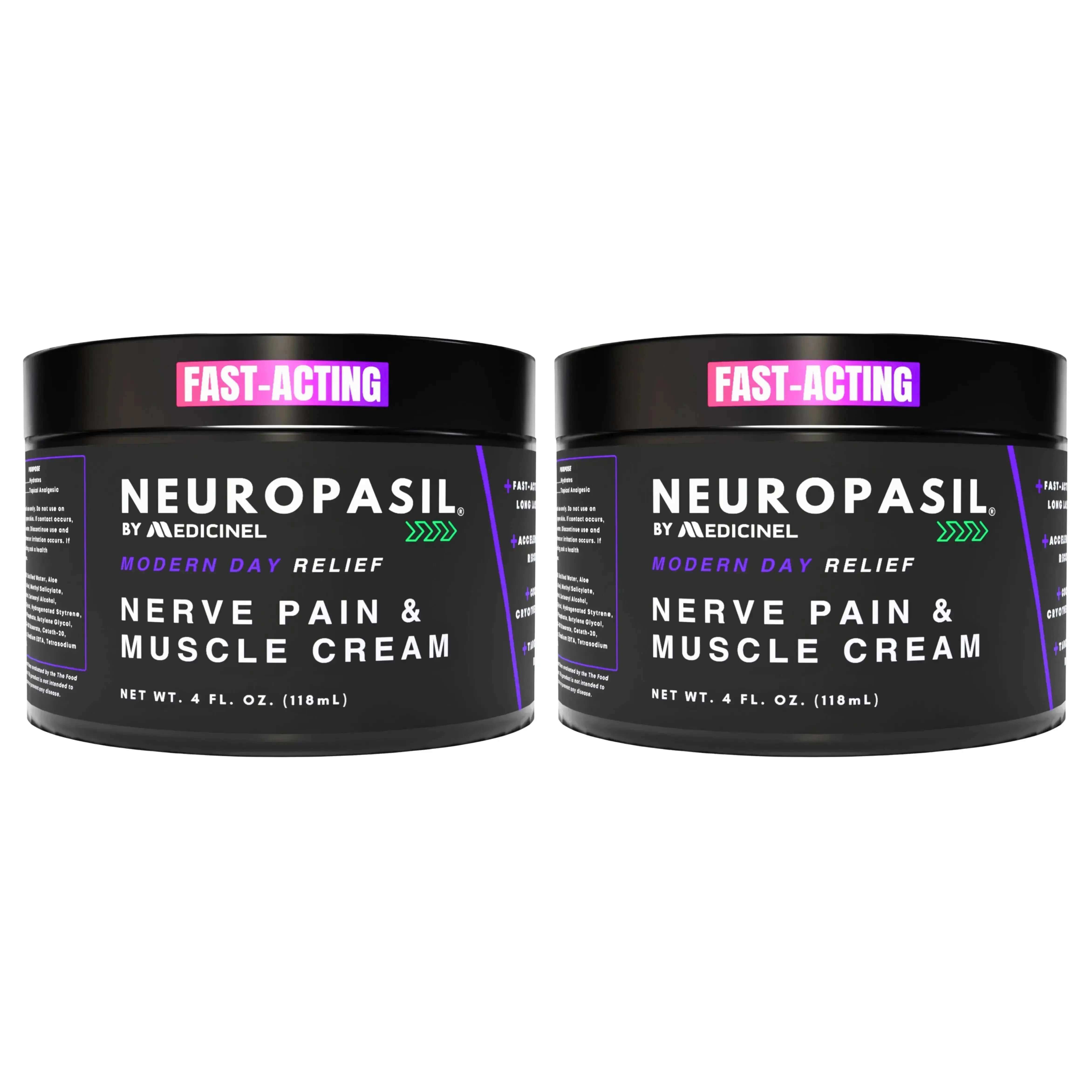
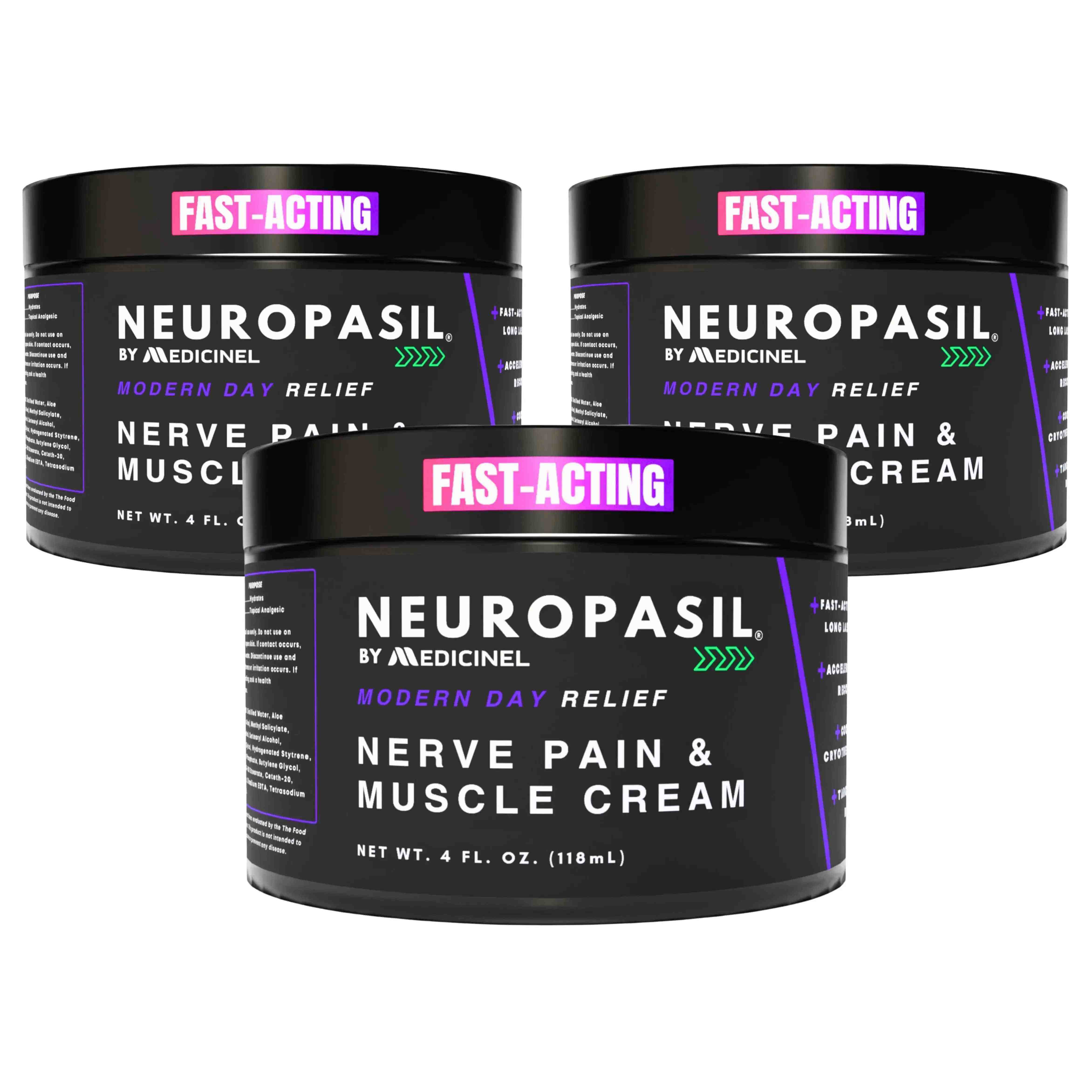
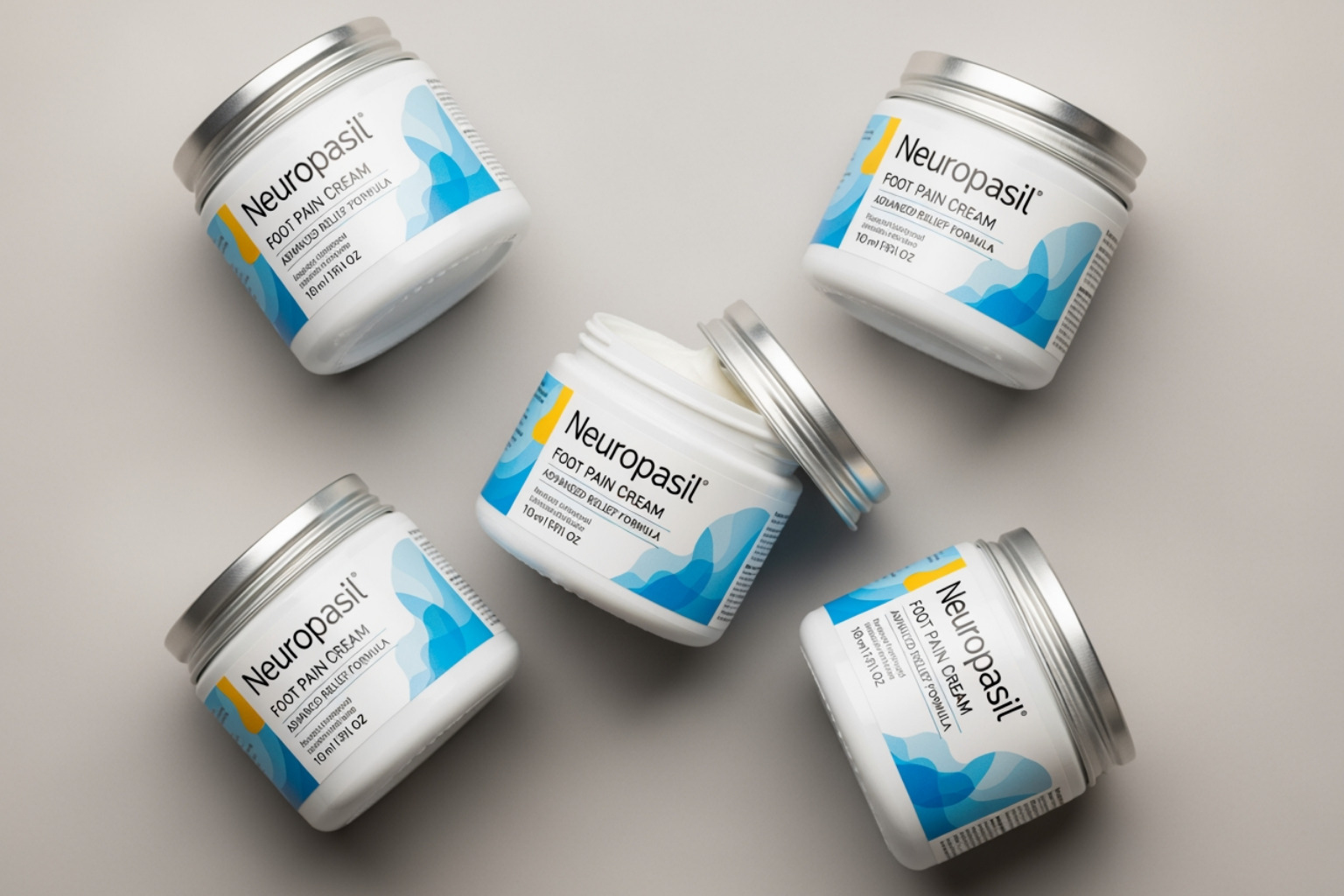
Our Neuropasil Nerve Pain Relief Cream is the result of careful research into natural ingredients that deliver fast-acting, targeted relief without harsh chemicals or a greasy residue.
A Versatile Solution for All Types of Foot Pain
Why use multiple products when one can do it all? Our cream is a comprehensive solution for various foot-related issues:
For Neuropathic Pain: Designed for the burning, tingling, and shooting pains of diabetic neuropathy, our cream delivers soothing relief. Its moisturizing formula is gentle enough for sensitive diabetic skin, calming aggravated nerves without causing irritation. Learn about our ingredients to see why so many trust Neuropasil.
For Numbing & Cooling Relief: The formula contains menthol and soothing botanicals that create an immediate cooling sensation, signaling to your brain that relief is on the way. It also moisturizes and deodorizes, providing complete foot care in one application. See how we compare in The Definitive Guide to Comparing Pain Creams for Feet.
As a Natural & All-in-One Option: We harness the power of Arnica Montana, Aloe Vera, Menthol, and Urea. This powerhouse combination tackles everything from plantar fasciitis to general soreness. The non-greasy formula absorbs beautifully, making it a favorite among athletes for post-workout recovery.
For General Soreness: Infused with Arnica, Vitamin B6, and MSM, our cream is perfect for feet that are sore from a long day. Its whole-body versatility means you can also use it on your back, neck, or legs. It's the kind of multi-purpose pain cream for feet that earns a permanent spot in your medicine cabinet.
How to Choose and Use Your Foot Pain Cream Effectively
Finding the right pain cream for feet and using it properly is key to getting genuine relief. It’s about matching the product to your specific needs.
Choosing the Best Pain Cream for Your Feet
- Identify Your Pain Type: For burning or tingling nerve pain, look for ingredients like lidocaine or menthol. For dull, throbbing pain and swelling (inflammation), choose creams with anti-inflammatories like arnica.
- Consider Skin Sensitivity: If you have diabetes or sensitive skin, choose gentle, moisturizing formulas free of harsh chemicals and fragrances.
- Read the Label: Check the active ingredients to ensure they match your pain type and review all warnings and usage instructions. For more guidance, see Achy Feet No More: Discover the Perfect Foot Cream.
The Importance of Customer Reviews and Ratings
Real-world feedback is invaluable. Look for a pain cream for feet with consistently high star ratings (4.2 stars or more). Read written reviews from people who describe pain similar to yours. Pay attention to comments on texture, absorption, and scent, as these practical details affect daily use.
Application and Best Practices
- Frequency: Apply two to four times daily, or as directed on the product label.
- Preparation: Always apply to clean, dry skin to ensure proper absorption.
- Technique: Gently massage the cream into the affected area until it's fully absorbed. The massage itself can improve circulation and provide comfort.
- Precautions: Never apply cream to open wounds or broken skin. Avoid contact with eyes. Do not use heating pads over the area, and wash your hands after application. Explore more tips in Feet First: Your Guide to At-Home Nerve Pain Remedies.
Integrating Creams with Other Treatments
A pain cream for feet works best as part of a comprehensive approach. Combine its use with supportive shoes and orthotics to address mechanical issues and stretching to relieve tightness, especially for plantar fasciitis. Because topical creams work locally, they have fewer systemic side effects than oral medications and can often reduce the need for them. This targeted approach is efficient, practical, and highly effective for many types of foot pain. Learn how to build a complete strategy in Walking Away from Pain: Comprehensive Strategies for Foot Nerve Relief.
Frequently Asked Questions about Foot Pain Creams
It's natural to have questions when choosing a pain cream for feet. We want you to feel confident and informed. Here are answers to some common questions.
Can I use a foot pain cream if I have diabetes?
Yes, many pain creams are safe for diabetic skin, but it is crucial to be selective and consult your doctor before trying a new product. Look for creams specifically labeled as "suitable for diabetic skin." These formulas are typically free from harsh ingredients and contain extra moisturizers to care for skin that may be dry or sensitive. They aim to provide relief while nurturing your skin. For more information, read our article on Diabetic Foot Pain.
How long does it take for foot pain cream to work?
The time it takes for a pain cream for feet to work varies by its active ingredients and your body. Creams with numbing agents like lidocaine or counterirritants like menthol can offer relief within minutes. Formulas designed to reduce inflammation may work more gradually, with the best results appearing after several days of consistent use. Always follow the directions on the product's packaging for optimal results.
Are there any long-term side effects of using topical pain creams?
When used as directed, most topical pain creams are generally safe for long-term use. Their localized action means you are far less likely to experience the systemic side effects associated with oral medications. However, potential side effects, though rare, can include skin irritation like redness or itching. It's important not to exceed the recommended dosage. If you experience any persistent pain or unexpected reactions, consult a healthcare provider for advice.
Conclusion: Take the Next Step Towards Pain-Free Feet
You don't have to live with foot pain. Whether it's from neuropathy, plantar fasciitis, or everyday soreness, the right pain cream for feet can make a significant difference.
As we've covered, topical creams offer targeted relief with faster action and fewer side effects than oral medications. They deliver powerful ingredients like menthol, arnica, and MSM directly to the source of your pain while often moisturizing your skin.
The best cream is one that matches your specific pain type and lifestyle. By understanding your symptoms, reading labels, and considering user reviews, you can find an effective solution. Remember to combine topical treatments with supportive footwear and stretching for a comprehensive approach to foot health.
You've already taken the first step by learning about your options. Now, it's time to act. Don't let foot pain hold you back any longer.
Ready to find your perfect match? Discover The Complete Guide to Effective Foot Pain Creams and find your perfect match today! Your journey to pain-free feet starts now.
References
We believe in backing up our health and wellness information with solid research and credible sources. The information in this guide is supported by data from published studies and expert medical resources.
The American Academy of Orthopaedic Surgeons provides data on the prevalence of plantar fasciitis in their article Plantar Fasciitis and Bone Spurs. Retrieved from https://orthoinfo.aaos.org/en/diseases--conditions/plantar-fasciitis-and-bone-spurs
The Arthritis Foundation explains how arthritis impacts the feet in Foot, Ankle and Toe Pain. Retrieved from https://www.arthritis.org/health-wellness/about-arthritis/where-it-hurts/foot-ankle-and-toe-pain
The Centers for Disease Control and Prevention (CDC) offers statistics on diabetic neuropathy in its article Prevent Diabetes Complications. Retrieved from https://www.cdc.gov/diabetes/library/features/prevent-complications.html
A 2018 study by Cotchett, M., Munteanu, S. E., & Landorf, K. B. published in The Journal of Pain highlights the severity of plantar heel pain. The study, Effectiveness of Trigger Point Dry Needling for Plantar Heel Pain, is available at https://pubmed.ncbi.nlm.nih.gov/29597082/
We are committed to providing accurate, research-backed information to help you make informed decisions about your foot health.