Why Knee Pain Demands Real Solutions
If you're looking for ways to relieve sore knees, you're not alone—knee pain leads to over a million emergency room visits each year in the U.S. Whether it's a dull ache after a long run, sharp pain when climbing stairs, or persistent discomfort that disrupts your sleep, sore knees can steal the joy from everyday activities.
Quick ways to relieve sore knees:
- Apply the R.I.C.E. method - Rest, Ice, Compression, and Elevation for acute pain
- Strengthen supporting muscles - Target quadriceps, hamstrings, and hip muscles
- Use topical pain relief - Fast-acting creams with menthol and anti-inflammatory ingredients
- Stretch daily - Focus on hamstrings and quadriceps for flexibility
- Manage your weight - Even small reductions ease joint pressure
- Try heat and cold therapy - Alternate based on your pain type
- Seek professional help - When pain persists beyond two weeks
Knee pain isn't just about the joint itself. Research shows it often stems from problems above or below the knee—weak hip muscles, tight hamstrings, poor posture, or excess weight all contribute to that familiar ache. The good news? Most knee pain responds well to simple, proactive care you can start today.
Common causes include osteoarthritis (the most common type), overuse injuries from repetitive motions, sprains and strains, meniscus tears, and conditions like patellofemoral pain syndrome. Symptoms range from mild stiffness to severe swelling, weakness, and that telltale popping or clicking sound.
I'm Tony Enrico, and through my work with Neuropasil, I've dedicated my career to helping athletes and active adults find natural, effective solutions to relieve sore knees and other joint pain without harsh chemicals or empty promises. My mission is to restore comfort and mobility to one million people across North America by 2028—because no one should have to live at the mercy of pain.
In this guide, I'll walk you through seven proven strategies that work together to reduce pain, strengthen your knees, and get you back to the activities you love. From immediate at-home care to long-term lifestyle changes, you'll find exactly what to do when your knees start complaining.
#1: Start with Immediate At-Home Care (The R.I.C.E. Method)
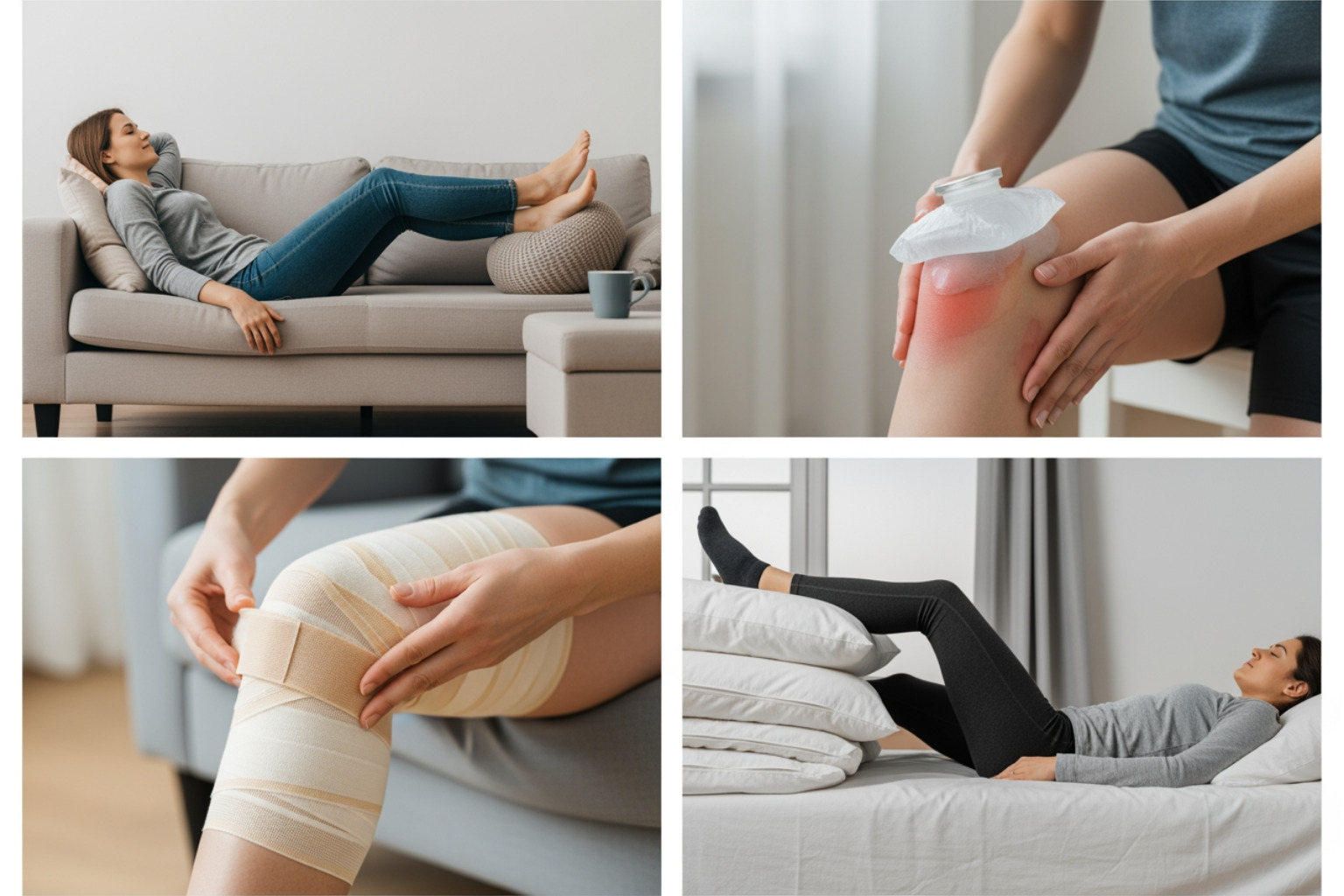
When acute knee pain strikes, whether from a sudden twist, a minor fall, or an overuse injury, our first response should be the R.I.C.E. method. This immediate self-care strategy is highly effective for managing mild knee pain that results from soft tissue injuries like sprains. It helps to reduce swelling, inflammation, and discomfort, setting the stage for healing.
Let's break down how to apply each step:
- Rest: This is crucial. Your knee needs a break from activities that cause or worsen the pain. Continuing to put stress on an injured knee can delay healing and even exacerbate the injury. For a few days, try to stay off your feet as much as possible. If necessary, use crutches or a cane to avoid putting weight on the affected knee. While rest is important, too much rest can actually weaken your muscles, potentially increasing the risk of reinjury in the long run. The goal is to rest until the initial pain subsides, then gradually reintroduce gentle movement.
- Ice: Applying cold therapy is excellent for reducing pain and swelling. We recommend using an ice pack (wrapped in a thin towel to protect your skin) for 15-20 minutes at a time. After an acute injury, apply ice every hour on the first day, then every 3-4 hours afterward.
- Compression: Wrapping your knee with an elastic bandage can help prevent fluid buildup and provide gentle support. Ensure the bandage is snug but not too tight, as it shouldn't interfere with your circulation. A knee brace or sleeve can also offer similar benefits, helping to stabilize the joint and reduce swelling.
- Elevation: Keeping your knee liftd above heart level helps to reduce swelling by promoting fluid drainage. When you're resting, place pillows or cushions underneath your knee to achieve this position. This is particularly helpful during the first 24-48 hours after an injury.
The R.I.C.E. method is a fantastic first line of defense for immediate relief. For more detailed information on treating soft tissue injuries, you can refer to resources like Rest, ice, compression, and elevation may help treat.
#2: Build Support with Targeted Exercise and Stretching
While rest is vital for acute pain, exercise is one of the most important things you can do for knee pain in the long term. A common misconception is that if your knees hurt, you should avoid moving them. However, the right combination of strengthening and stretching exercises can significantly relieve sore knees by improving joint mechanics and strengthening the muscles that support your knee. As we've learned, knee pain is often caused by problems occurring above or below the knee, such as weak hip muscles or tight muscles around the knee. Addressing these imbalances through targeted exercise is key to long-lasting relief and joint stability.
Building muscle strength around your knee, hips, and core creates a protective shield, absorbing shock and reducing the load on your knee joint. Low-impact exercises are generally recommended to avoid further irritation while still promoting blood flow and muscle engagement. For more comprehensive insights into managing joint discomfort, including arthritis pain, we encourage you to explore More info about managing arthritis pain.
Essential Strengthening Exercises to Relieve Sore Knees
To effectively relieve sore knees, we want to focus on strengthening the quadriceps (front of thigh), hamstrings (back of thigh), glutes (buttocks), and hip muscles. These muscle groups work together to stabilize the knee joint and ensure proper alignment.
Here are some exercises we recommend:
- Half Squats: Stand with your feet shoulder-width apart. Slowly squat down about 10 inches, as if sitting in a chair, keeping your back straight and your knees behind your toes. Pause briefly, then push through your heels to return to standing. Aim for 2-3 sets of 10 repetitions.
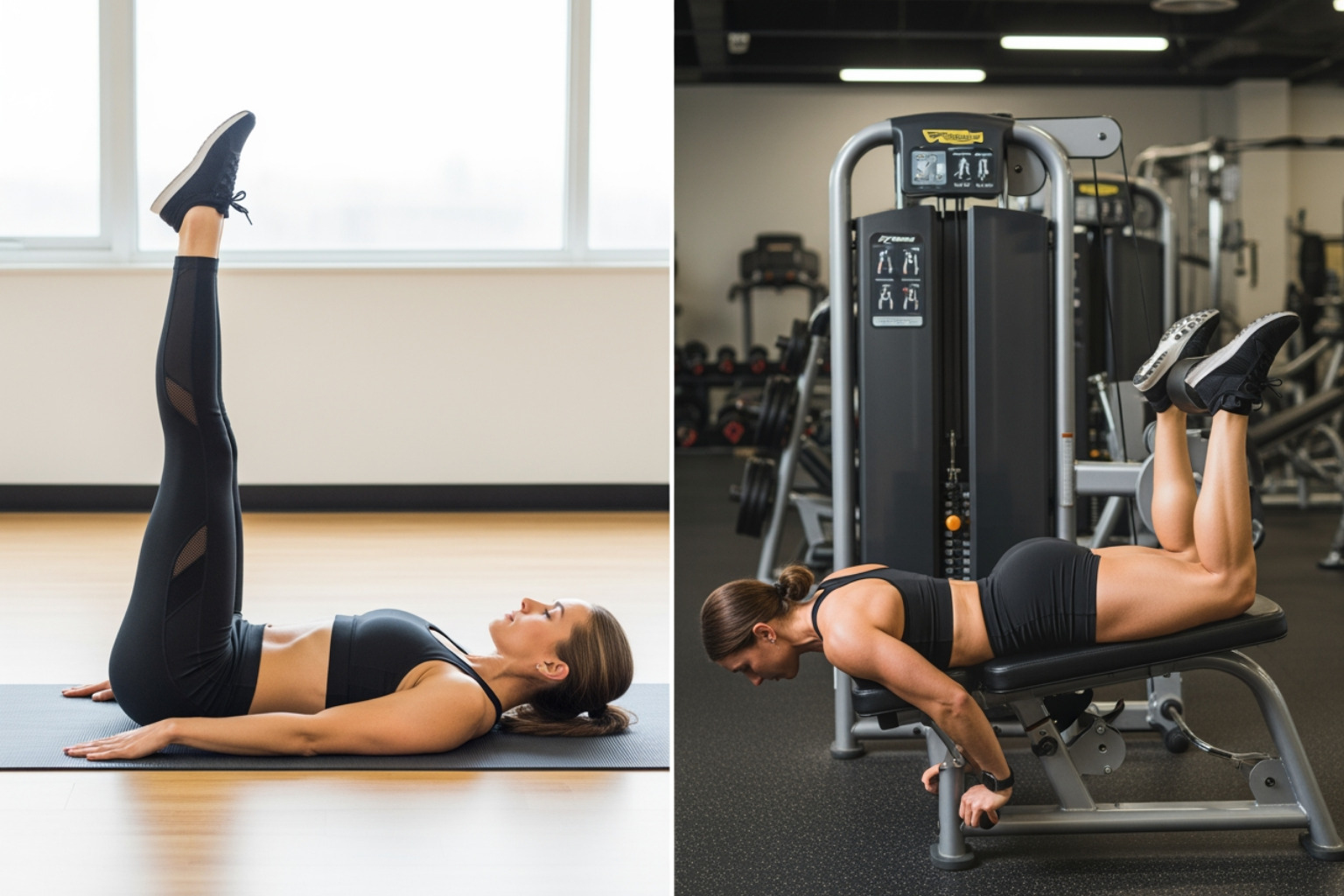
- Straight Leg Raises: Lie on your back with one leg bent and the foot flat on the floor. Keep the other leg straight. Contract the quadriceps of the straight leg and slowly lift it off the floor until it's about the same height as your bent knee. Hold for 5 seconds, then slowly lower. Perform 2-3 sets of 10 repetitions for each leg.
- Side Leg Raises: Lie on your side with your legs stacked and straight. Engage your hip abductor muscles (outer thigh) and lift your top leg as high as comfortably possible without rolling your torso. Pause briefly, then slowly lower. Do 2-3 sets of 10 repetitions for each leg.
-
Hamstring Curls (Standing or Prone):
- Standing: Stand facing a wall or holding onto a chair for support. Lift one foot, bending your knee and bringing your heel towards your glutes. Keep your upper body still. Hold for 5-10 seconds, then slowly lower. Repeat 2-3 sets of 10 for each leg.
- Prone: Lie on your stomach with legs straight. Engage your glutes and hamstrings of one leg and lift it, bending at the knee, bringing your heel towards your glutes. Ensure your pelvic bones stay on the floor. Hold for 5 seconds, then lower. Repeat 2-3 sets of 10 for each leg.
These exercises are designed to build foundational strength. For more specific ways to strengthen these muscles, especially if you're dealing with conditions like osteoarthritis, check out Here are some ways to strengthen these muscles.
Key Stretches for Increased Flexibility and Pain Reduction
Stretching complements strengthening by improving flexibility and reducing tension in the muscles surrounding your knee. Tight muscles can pull on the knee joint, contributing to pain.
Here are essential stretches to incorporate:
- Hamstring Stretch: Sit on the floor with one leg extended straight out and the other bent with your foot flat against your inner thigh. Gently lean forward from your hips, reaching towards your toes. You should feel a stretch in the back of your extended thigh. Hold for 10-30 seconds, and repeat 3-4 times for each leg.
- Quadriceps Stretch: Stand tall and hold onto a wall or chair for balance. Grab your right ankle with your right hand and gently pull your heel towards your glutes. Keep your knees close together and feel the stretch in the front of your thigh. Hold for 10-30 seconds, and repeat 3-4 times for each leg.
- Calf Stretch: Stand facing a wall, placing your hands on it at shoulder height. Step one leg back, keeping your heel on the ground and your leg straight. Lean forward until you feel a stretch in your calf. Hold for 10-30 seconds, and repeat 3-4 times for each leg.
- Myofascial Release (Foam Rolling): Using a foam roller can help release tension in tight muscles and myofascial tissue, which can often pull on the knee joint. Focus on rolling your quadriceps, hamstrings, and IT band (outer thigh). This can be particularly beneficial for those with conditions like osteoarthritis, which you can learn more about in The ultimate guide to osteoarthritis.
Remember to hold stretches for 10-30 seconds, breathing deeply, and never bounce. If you feel sharp pain, ease off. Consistency is key for both strengthening and stretching.
#3: Apply Neuropasil Nerve & Muscle Pain Relief Cream for Fast-Acting Comfort
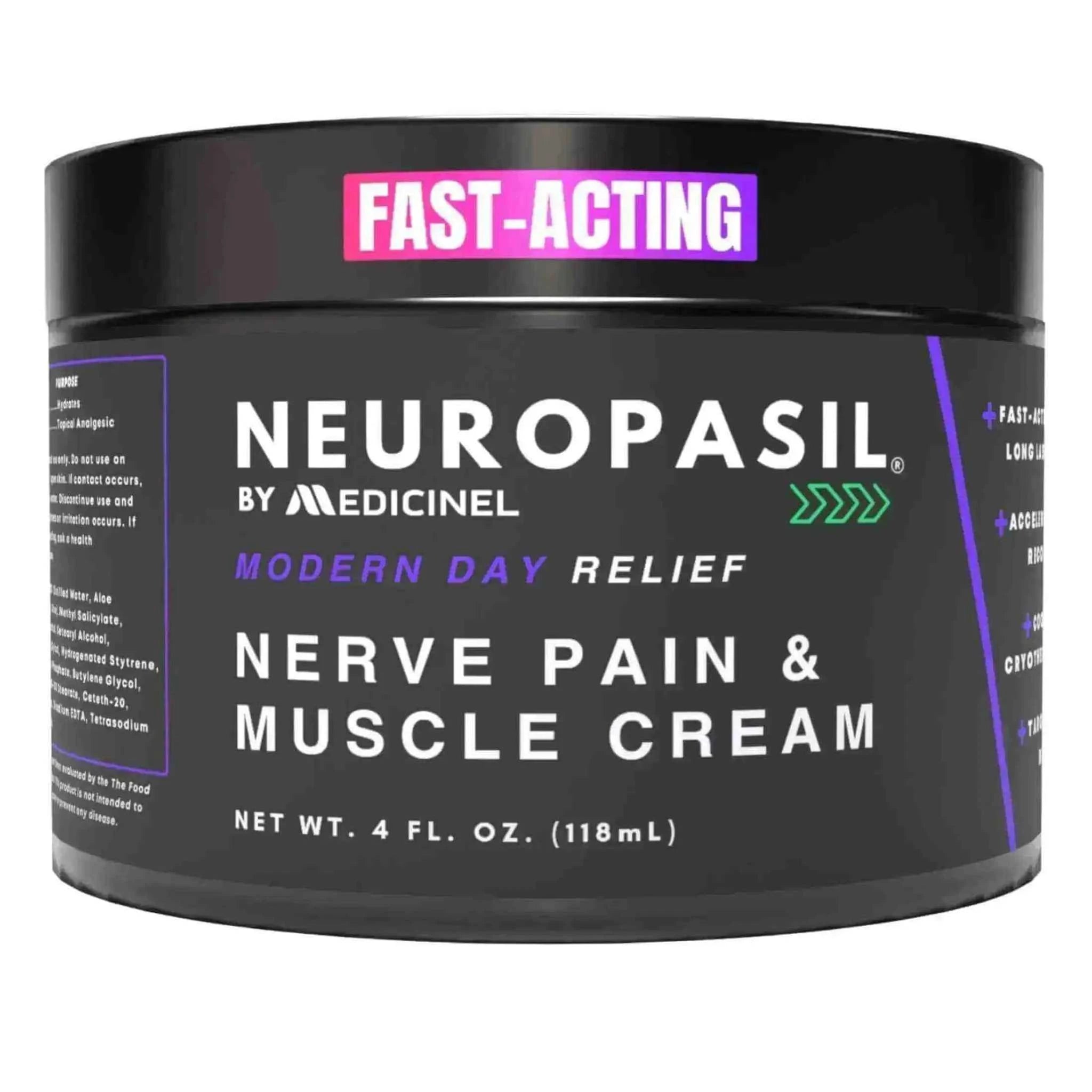
When those aches and pains from sore knees demand immediate attention, we often reach for something that can provide targeted relief. This is where topical pain relief creams, especially those formulated with powerful ingredients like menthol, come into their own. For us at Neuropasil, our mission is to provide natural, fast-acting solutions for nerve pain and sore muscles, and our cream is a testament to that commitment.
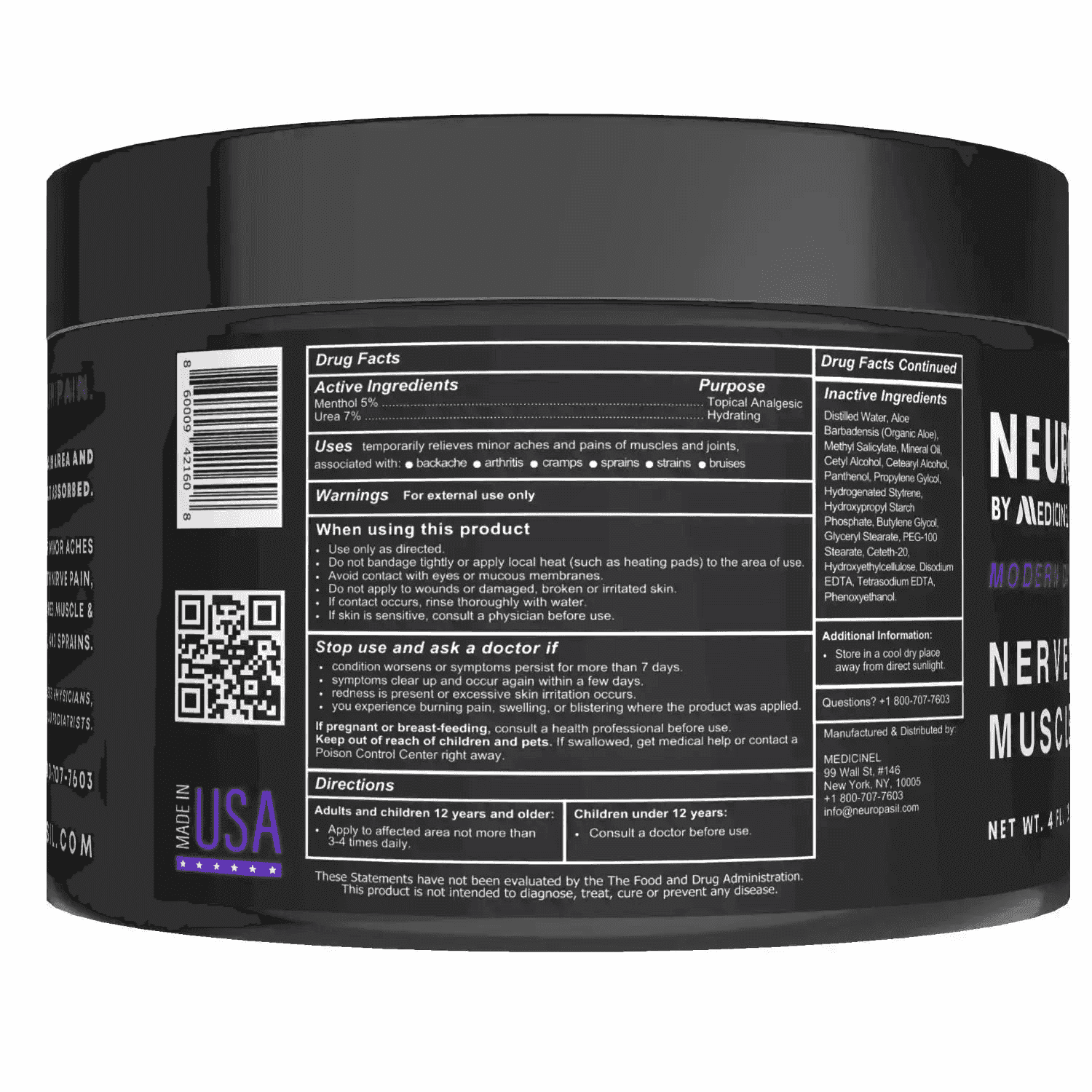
Our Neuropasil Nerve & Muscle Pain Relief Cream offers soothing comfort for a variety of discomforts, including the persistent aches of joint pain. Menthol, a key ingredient in our formulation, is known for its ability to create a cooling sensation that distracts from pain signals and can help reduce inflammation. It's an ingredient we've carefully chosen because of its proven efficacy in providing temporary relief for muscle and joint aches. You can learn more about the benefits of this potent ingredient in Is menthol good for joint pain.
Many of our loyal customers, from athletes recovering from intense workouts to individuals managing chronic conditions like neuropathy or sciatica, testify to the effectiveness of Neuropasil. Whether it's post-workout soreness, strains, sprains, or general joint discomfort, our cream is designed to provide that much-needed relief.
How Can Neuropasil Cream Help Relieve Sore Knees?
The beauty of a topical solution like Neuropasil Nerve & Muscle Pain Relief Cream lies in its targeted application. Instead of taking oral medications that travel through your entire system, a cream allows you to apply the active ingredients directly to the area where you feel the pain. This means faster absorption and more localized relief.
Here's how it works to relieve sore knees:
- Targeted Application: You apply the cream precisely where your knee hurts, allowing the active ingredients to penetrate the skin and work directly on the affected tissues.
- Bypassing the Digestive System: Unlike oral medications, topical creams don't need to be digested. This reduces the risk of systemic side effects and provides a more direct pathway to pain relief.
- Fast Absorption: The ingredients are designed for quick absorption, meaning you can often feel the soothing effects quite rapidly. The combination of menthol, along with other beneficial ingredients like Aloe and Urea, works to calm discomfort and promote a sense of well-being.
For a deeper dive into how topical treatments can soothe various types of pain and why they are an excellent alternative to oral medications, we encourage you to read Beyond the pill—exploring creams for joint pain and how they work. This direct approach makes Neuropasil an ideal choice when you need quick, effective relief for your sore knees.
#4: Adopt Lifestyle Habits to Reduce Knee Strain
Beyond immediate care and targeted treatments, adopting healthier lifestyle habits is paramount for long-term knee health and to relieve sore knees. Our daily routines significantly impact the stress placed on our knee joints.
Here are key areas where we can make a difference:
- Weight Management: This is one of the most impactful changes we can make. Carrying extra weight significantly increases the load on our knees—every pound of body weight can exert several pounds of pressure on the knee joint. This excess weight also increases inflammation throughout the body, further exacerbating knee pain. Reaching and maintaining a moderate weight can reduce the risk of arthritis and may improve existing pain symptoms. Even a modest weight loss can make a substantial difference. A doctor or dietitian can help decide how much weight a person needs to lose and plan a suitable diet. For more insights on this, you can refer to resources from the Arthritis Foundation and our own guide on managing arthritis pain.
-
Posture Correction: How we sit, stand, and move impacts our entire musculoskeletal system, including our knees. Poor posture can lead to imbalances that put undue stress on the knee joint.
- Sitting: Avoid low chairs or couches that cause you to sink deeply, as these can strain your knees when standing up. Use a pillow to raise your seating level if needed. Maintain good sitting posture with your feet flat on the floor and your back supported. Avoid prolonged sitting without movement.
- Standing: Distribute your weight evenly across both feet. Engage your core muscles to support your spine and pelvis, which in turn helps align your knees.
- Walking: Be mindful of your gait. If pain in your foot or hip alters your walking style, it can contribute to knee pain.
- Supportive Shoes: Our footwear plays a crucial role. Wearing supportive shoes with adequate cushioning can absorb shock and provide stability, reducing the impact on your knees. For individuals with knee osteoarthritis, doctors may even recommend specialized insoles to help reduce stress.
- Ergonomics: For those of us who spend a lot of time at a desk, an ergonomic workspace is essential. Ensure your chair height, monitor position, and keyboard setup promote good posture and minimize strain on your lower body.
By consciously integrating these habits into our daily lives, we can significantly reduce the chronic strain on our knees and pave the way for lasting relief.
#5: Use Heat and Cold Therapy for Sore Knees
Heat and cold therapy are time-tested tools for managing pain and can be very effective to relieve sore knees. While they don't treat the underlying cause of knee pain, they can provide significant symptom relief. Knowing when to use each is key:
Cold Therapy (Ice):
- When to use: Best for acute injuries (sprains, strains), sudden onset pain, and conditions accompanied by swelling, inflammation, or bruising. It helps to numb the pain and reduce swelling by constricting blood vessels.
- How to use: Apply an ice pack (wrapped in a cloth) for 15-20 minutes at a time. Remove for 10-20 minutes, then reapply. Never apply ice directly to the skin.
Heat Therapy:
- When to use: Ideal for chronic knee pain, stiffness, muscle aches, and before activities to warm up muscles. Heat increases blood flow, which can relax tight muscles, ease stiffness, and promote healing.
- How to use: Use a warm compress, heating pad, or take a warm bath for 15-20 minutes. Avoid excessive heat that could burn the skin.
Here's a quick comparison:
| Feature | Cold Therapy | Heat Therapy |
|---|---|---|
| Purpose | Reduce swelling, numb pain, decrease inflammation | Relax muscles, ease stiffness, improve blood flow |
| Best For | Acute injuries, swelling, fresh pain | Chronic pain, stiffness, muscle soreness |
| Application | 15-20 min on/off | 15-20 min |
| Timing | Immediately after injury | After initial swelling subsides, before activity |
In addition to heat and cold, we can also incorporate massage and self-massage techniques. The American Massage Therapy Association (AMTA) recommends self-massage for knee pain. For example, we can loosely close our hands into fists and tap the upper, lower, and middle thigh 10 times with both hands, repeating three times. Or, while sitting with feet flat, place our palms on our thighs just above the knee and gently massage upwards towards the hip, then downwards toward the knee. This can help relax surrounding muscles and improve circulation around the knee. For more self-massage techniques, refer to The American Massage Therapy Association (AMTA) recommends the following.
#6: Know When to Seek Professional Medical Help
While many strategies can help relieve sore knees at home, it's crucial to know when to seek professional medical attention. Differentiating between pain that can be managed with self-care and pain requiring a doctor's evaluation is key to preventing further damage and ensuring proper treatment.
Red Flag Symptoms Requiring Immediate Medical Attention:
We advise seeking urgent medical care if you experience any of the following:
- Major Injury: If your knee pain is caused by a significant trauma, such as a car accident or a severe fall.
- Deformity: If your knee joint appears deformed.
- Popping Sound: If you heard a loud "pop" at the time of injury, especially if followed by immediate swelling or instability. ACL tears, a common type of knee injury, are often accompanied by a popping sound.
- Inability to Bear Weight: If you cannot put any weight on your knee or if it feels like it will buckle.
- Intense Pain: If the pain is severe and unbearable.
- Sudden, Significant Swelling: If your knee swells rapidly and considerably.
When to Make a Medical Appointment:
It's wise to consult a healthcare provider if:
- Persistent Pain: Your knee pain lasts for more than a few days despite home treatment.
- Worsening Pain: The pain gets progressively worse or intensifies with activity.
- Disrupts Daily Activities: The pain interferes with your sleep, work, or daily tasks.
- Badly Swollen, Red, Warm, or Tender Joint: These can be signs of inflammation or infection.
- Accompanied by Fever: Knee pain with a fever could indicate an infection.
- Limited Range of Motion: Difficulty fully straightening or bending your knee.
- Clicking or Locking: If your knee clicks, locks, or gives out when you put weight on it.
For a comprehensive guide on when to seek medical evaluation for knee pain, we recommend consulting resources like When Should I See Someone About My Knee Pain?.
Understanding Medical Treatment Options
When you consult a healthcare professional, they will conduct a physical examination, potentially order imaging tests (like X-rays, MRI, or CT scans), and discuss your symptoms to accurately diagnose the cause of your knee pain. Based on their findings, they might recommend various treatment options:
- Physical Therapy: This is often a cornerstone of knee pain treatment. A physical therapist can design a personalized program of exercises to strengthen supporting muscles, improve flexibility, and correct movement patterns. They can also provide guidance on proper form and posture.
- Medications: This could include over-the-counter NSAIDs (like ibuprofen or naproxen) or prescription medications, depending on the severity and underlying cause of the pain. Topical anti-inflammatory gels are also often recommended.
- Injections: For certain conditions, injections such as corticosteroids (to reduce inflammation), hyaluronic acid (to lubricate the joint), or platelet-rich plasma (PRP, to promote healing) might be considered.
- Assistive Devices: Braces, splints, or orthotics may be recommended to provide support, stabilize the knee, or improve alignment.
- Surgery: In more severe cases, especially with significant injuries like meniscal tears or severe osteoarthritis, surgical options like arthroscopy, partial knee replacement, or total knee replacement may be discussed.
It's crucial to have an open discussion with your doctor about the pros and cons of each option. For a more detailed look at various treatment options, particularly for knee arthritis, we invite you to explore our Detailed guide to knee arthritis treatment options.
Frequently Asked Questions about Relieving Sore Knees
What is the fastest way to relieve knee pain at home?
For acute, mild knee pain, the fastest way to find relief at home is often a combination of the R.I.C.E. method (Rest, Ice, Compression, Elevation) and topical pain relief. Applying an ice pack to reduce swelling and using a fast-acting cream like Neuropasil Nerve & Muscle Pain Relief Cream can provide targeted comfort. Gentle movement, if tolerable, can also help maintain circulation, and over-the-counter pain relievers can manage discomfort.
What exercises should I avoid with sore knees?
When dealing with sore knees, it's generally best to avoid high-impact activities that put excessive stress on the joint. These include running, jumping, and kickboxing. Exercises like deep squats and lunges, especially with improper form, can also exacerbate knee pain. Focus instead on low-impact activities like swimming, cycling, or elliptical training, and ensure any strengthening exercises are performed with controlled movements and correct technique.
Can losing just a little weight help my knee pain?
Absolutely! Even losing a small amount of weight can significantly relieve sore knees. Every pound of body weight can translate to several pounds of pressure on your knee joint. By reducing this load, you decrease the stress on your cartilage and soft tissues. Additionally, excess body fat can increase systemic inflammation, which contributes to joint pain. Losing even 5-10% of your body weight can lead to noticeable improvements in pain and function.
Take Control of Your Knee Health Today
We've explored seven powerful ways to relieve sore knees, from immediate self-care with the R.I.C.E. method to proactive strategies like targeted exercise, stretching, and adopting healthier lifestyle habits. We've also highlighted the role of topical pain relief, like Neuropasil Nerve & Muscle Pain Relief Cream, for fast-acting comfort, and stressed the importance of knowing when to seek professional medical attention.
Managing knee pain is often a multi-faceted journey that requires consistency and a proactive approach. By integrating these expert-backed strategies into your routine, you're not just reacting to pain—you're actively building stronger, healthier knees for the long term.
Don't let sore knees hold you back from the activities you love. Take control of your knee health today! If you're looking for targeted, soothing relief for your aches and pains, explore our solutions. Find your targeted relief solution today and Learn more about managing joint pain.
References
- U.S. Emergency Department Visits for Nontraumatic Knee Pain
- Why Your Knees Hurt — and What You Can Do About It
- Rest, Ice, Compression, and Elevation (R.I.C.E.)
- Managing Arthritis Pain: A Guide to Long-Lasting Relief
- Osteoarthritis of the Knee: Strengthening Exercises
- The Ultimate Guide to Osteoarthritis
- Is Menthol Good for Joint Pain?
- Beyond the Pill—Exploring Creams for Joint Pain and How It Works
- Weight Loss Benefits for Arthritis
- Knee Pain - Diagnosis & Treatment
- Ice Packs vs. Warm Compresses For Pain
- Self-Massage for Knee Pain
- When Should I See Someone About My Knee Pain?
- Detailed Guide to Knee Arthritis Treatment Options