Understanding Rotator Cuff Pain: What You Need to Know
Rotator cuff pain is one of the most common shoulder problems affecting millions of Americans each year. If you're experiencing a dull ache deep in your shoulder, weakness when lifting your arm, or pain that worsens at night, you may be dealing with a rotator cuff injury.
Quick Overview: Key Facts About Rotator Cuff Pain
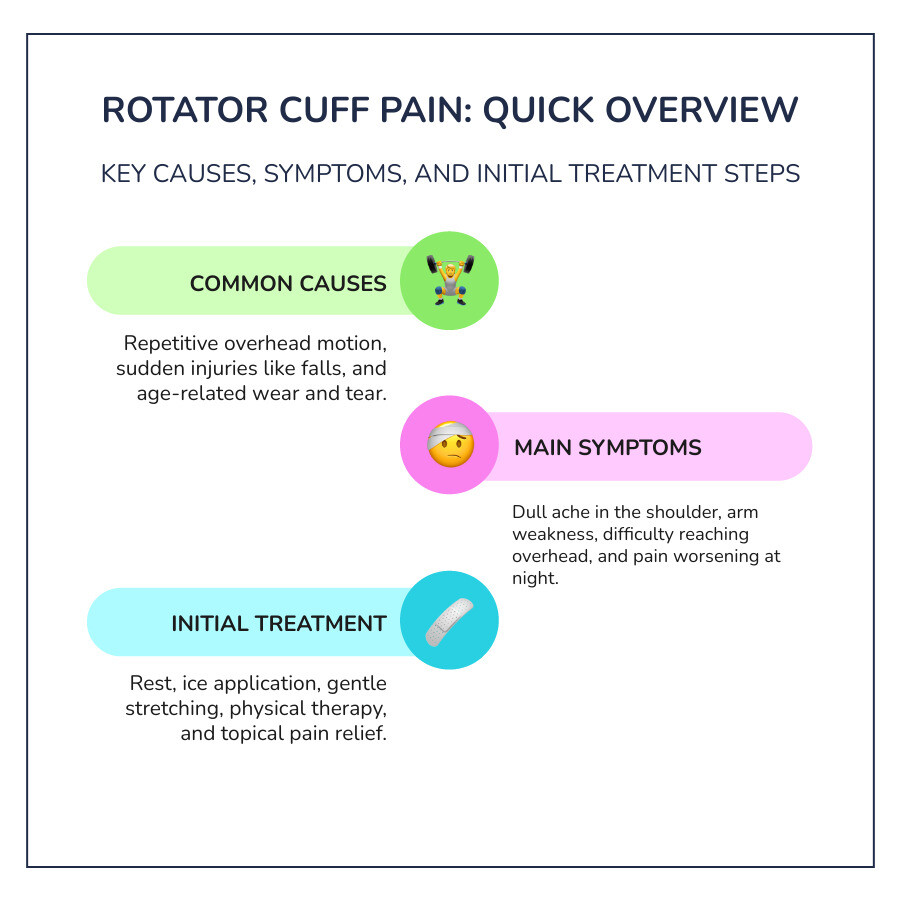
- What it is: Pain or injury to the group of muscles and tendons that stabilize your shoulder joint
- Who it affects: More than 2 million Americans annually, especially those over 40
- Common causes: Repetitive overhead movements, sudden injuries, age-related wear and tear
- Main symptoms: Shoulder pain, arm weakness, difficulty reaching overhead, pain at night
- Treatment success: About 8 out of 10 people with partial tears improve without surgery
- Recovery time: Typically 6-12 months with proper care and rehabilitation
Your rotator cuff is a group of four muscles and their tendons that wrap around your shoulder joint like a cuff on a shirt sleeve. These tissues work together to keep your upper arm bone firmly in your shoulder socket while allowing you to lift and rotate your arm in all directions.
When these muscles or tendons become damaged—whether from years of repetitive motion, a sudden fall, or simply the natural aging process—the result is rotator cuff pain. This pain can range from a mild ache that bothers you at night to severe weakness that makes everyday tasks like combing your hair or reaching for a shelf nearly impossible.
The good news? Most rotator cuff injuries respond well to conservative treatment. Rest, targeted exercises, and effective pain management can help you regain strength and mobility without surgery. For many people, topical pain relief options provide fast, natural comfort during the recovery process.
I'm Tony Enrico, founder of Neuropasil, and I've dedicated my career to helping people find effective relief from muscle and nerve pain, including rotator cuff pain. Through years of research and working with thousands of customers, I've learned that understanding your injury is the first step toward meaningful recovery.
In this comprehensive guide, we'll walk you through everything you need to know about rotator cuff pain—from understanding the anatomy of your shoulder to recognizing symptoms, exploring treatment options, and learning how to prevent future injuries. Whether you're an athlete dealing with an overuse injury or someone experiencing age-related shoulder pain, this guide will help you make informed decisions about your recovery.
Rotator cuff pain vocab explained:
Understanding Your Shoulder: Anatomy and Function
Our shoulders are incredible feats of biological engineering, allowing us to perform a vast range of movements, from throwing a baseball to reaching for a book on a high shelf. This remarkable mobility, however, comes at a cost: complexity and a susceptibility to injury. The shoulder joint itself is a ball-and-socket joint, where the rounded head of our upper arm bone (the humerus) fits into a shallow socket in our shoulder blade (the scapula). This design grants us incredible freedom of movement but also relies heavily on surrounding muscles and tendons for stability.
What is the Rotator Cuff?
When we talk about the rotator cuff, we're referring to a vital group of four muscles and their tendons that surround this dynamic joint. Think of them as a strong, protective "cuff" that holds everything in place. These four muscles are:
- Supraspinatus: Located at the top of the shoulder blade, it helps us lift our arm out to the side (abduction).
- Infraspinatus: Situated on the back of the shoulder blade, it assists in rotating our arm outward.
- Teres minor: The smallest of the group, it also helps with external rotation of the arm.
- Subscapularis: Found on the front of the shoulder blade, it enables us to rotate our arm inward.
Together, these muscles transition into a common tendon group that attaches to the humerus bone. This intricate setup ensures that our shoulder remains stable even during powerful or intricate movements. Understanding these components is the first step in comprehending what happens when rotator cuff pain strikes.
What is the Function of the Rotator Cuff?
The primary function of our rotator cuff is twofold: to provide dynamic stability to the shoulder joint and to facilitate a wide range of arm movements. Without a healthy rotator cuff, simple daily activities would become incredibly challenging, if not impossible.
- Lifting Arm: The supraspinatus muscle is crucial for initiating the lifting motion of our arm, whether we're reaching for a cup or raising our hand.
- Rotating Arm: The infraspinatus, teres minor, and subscapularis muscles work in concert to allow us to rotate our arm inward and outward, essential for tasks like throwing, serving a tennis ball, or even just scratching our back.
- Stabilizing Shoulder: Beyond movement, the rotator cuff muscles contract to keep the head of the humerus centered within the shallow shoulder socket. This prevents dislocation and ensures smooth, controlled motion.
From brushing our hair to playing sports, our rotator cuff is constantly at work, enabling the fluid and powerful movements we often take for granted. You can learn more about how crucial these structures are by exploring resources like the Rotator Cuff Tears explained by AAOS. When any part of this system is compromised, rotator cuff pain can quickly become a significant disruptor in our lives.
Causes, Symptoms, and Types of Rotator Cuff Injuries
Rotator cuff pain is incredibly common, affecting over 2 million Americans annually. These injuries often result not from a single dramatic event, but from cumulative stress, gradual wear and tear, repetitive overuse, or acute trauma.
Common Causes and Risk Factors
Understanding the risk factors for rotator cuff pain is key to prevention. Often, it's a combination of factors.

Here are the most common culprits:
- Repetitive Overhead Motion: Jobs (carpenters, painters) or sports (baseball, tennis) involving repeated overhead arm movements are a major cause, leading to tendon friction and degeneration.
- Heavy Lifting: Improperly lifting heavy objects can strain or tear rotator cuff tendons.
- Sudden Injury or Falls: An acute event, like falling on an outstretched arm, can cause an immediate and painful tear.
- Age Over 40: As we age, reduced blood supply and natural degeneration make tendons more susceptible to injury. By age 80, most adults have some form of rotator cuff tear, though many are asymptomatic.
- Bone Spurs: Bone growths (spurs) on the shoulder blade can rub against rotator cuff tendons, causing irritation and tears.
- Genetics: Some research suggests a genetic predisposition to rotator cuff injuries.
Our daily activities and genetic makeup can play a role in developing rotator cuff pain.
Recognizing the Symptoms of a Rotator Cuff Injury
Identifying symptoms early is crucial for managing rotator cuff pain. The signs can vary, but common indicators include:
- Dull Ache in Shoulder: A hallmark symptom, often felt deep within the shoulder.
- Pain Worsening at Night: Pain often intensifies when lying on the affected side, disrupting sleep.
- Difficulty Sleeping on Affected Side: Pressure on the injured tendons can make it hard to get comfortable.
- Arm Weakness: A decreased ability to lift, push, or pull with the affected arm.
- Pain with Specific Movements: Reaching overhead, behind your back, or out to the side can trigger sharp pain.
- Clicking or Popping Sounds: Some injuries may be accompanied by clicking or grating sensations when moving the arm.
- Limited Range of Motion: Difficulty moving your arm through its full range of motion.
When to see a doctor: If symptoms persist, interfere with daily life, or if you have immediate weakness after an injury, seek medical attention. Early diagnosis can prevent mild injuries from worsening.
Understanding Injury Types: Tendinitis, Bursitis, and Tears
Rotator cuff pain encompasses several distinct conditions:
- Tendinitis: Irritation and swelling of the rotator cuff tendons, often from overuse. Medically, this is often called "tendinopathy," which points to degeneration rather than just inflammation.
- Bursitis: Inflammation of the bursae (fluid-filled sacs that cushion the joint), causing pain and tenderness. Bursitis and tendinitis often occur together as "impingement syndrome." You can find more information on Shoulder Impingement/Rotator Cuff Tendinitis.
-
Rotator Cuff Tears: A more severe injury where a tendon detaches from the bone. Tears can be:
- Partial tears: The tendon is damaged but not completely severed. About 80% of people with partial tears improve without surgery.
- Full-thickness tears: The tendon completely separates from the bone. These rarely heal on their own.
- Degenerative tears: Develop slowly over time due to wear and tear.
- Acute tears: Result from a sudden injury, like a fall.
Understanding these distinctions helps determine the most appropriate treatment for your rotator cuff pain.
Diagnosis and Comprehensive Treatment for Rotator Cuff Pain
An accurate diagnosis is the first step toward relieving rotator cuff pain and restoring shoulder function. The goal of treatment is to relieve pain and restore mobility, often through a combination of medical history, physical examination, and imaging.
How Doctors Diagnose Rotator Cuff Problems
A healthcare provider will follow a structured diagnostic process for rotator cuff pain:
- Physical Examination: A doctor will examine your shoulder for tenderness and swelling. They will test your range of motion and strength with specific movements to pinpoint the affected area.
- Medical History: You'll be asked about your symptoms, when they started, what makes them worse, and any recent injuries.
-
Imaging Tests:
- X-rays: Can rule out other causes of shoulder pain, like arthritis or bone spurs.
- Ultrasound: Uses sound waves to create images of soft tissues, helping to identify tendon tears and inflammation.
- MRI (Magnetic Resonance Imaging): Provides detailed images of bone and soft tissues, making it excellent for diagnosing tears, tendinitis, and bursitis. For more details, see Shoulder MRI details.
- Arthrography: A contrast dye may be injected before an X-ray or MRI to highlight smaller tears. Learn more about Direct Arthrography.
These tools help create a clear picture of what's causing your rotator cuff pain to guide treatment.
Non-Surgical Approaches for Rotator Cuff Pain Relief
Non-surgical treatments are incredibly effective for many people with rotator cuff pain, especially partial tears. About 8 out of 10 people with partial tears get better with these conservative approaches.
Our non-surgical strategy includes:
- Rest and Activity Modification: Giving your shoulder a break from aggravating activities is crucial. This may mean avoiding overhead movements or wearing a sling for a short time.
- Ice Packs: Applying ice for 20 minutes at a time can help reduce inflammation and numb pain.
- Physical Therapy: This is the cornerstone of non-surgical treatment. A physical therapist guides you through exercises to improve flexibility, range of motion, and strength, which supports the rotator cuff.
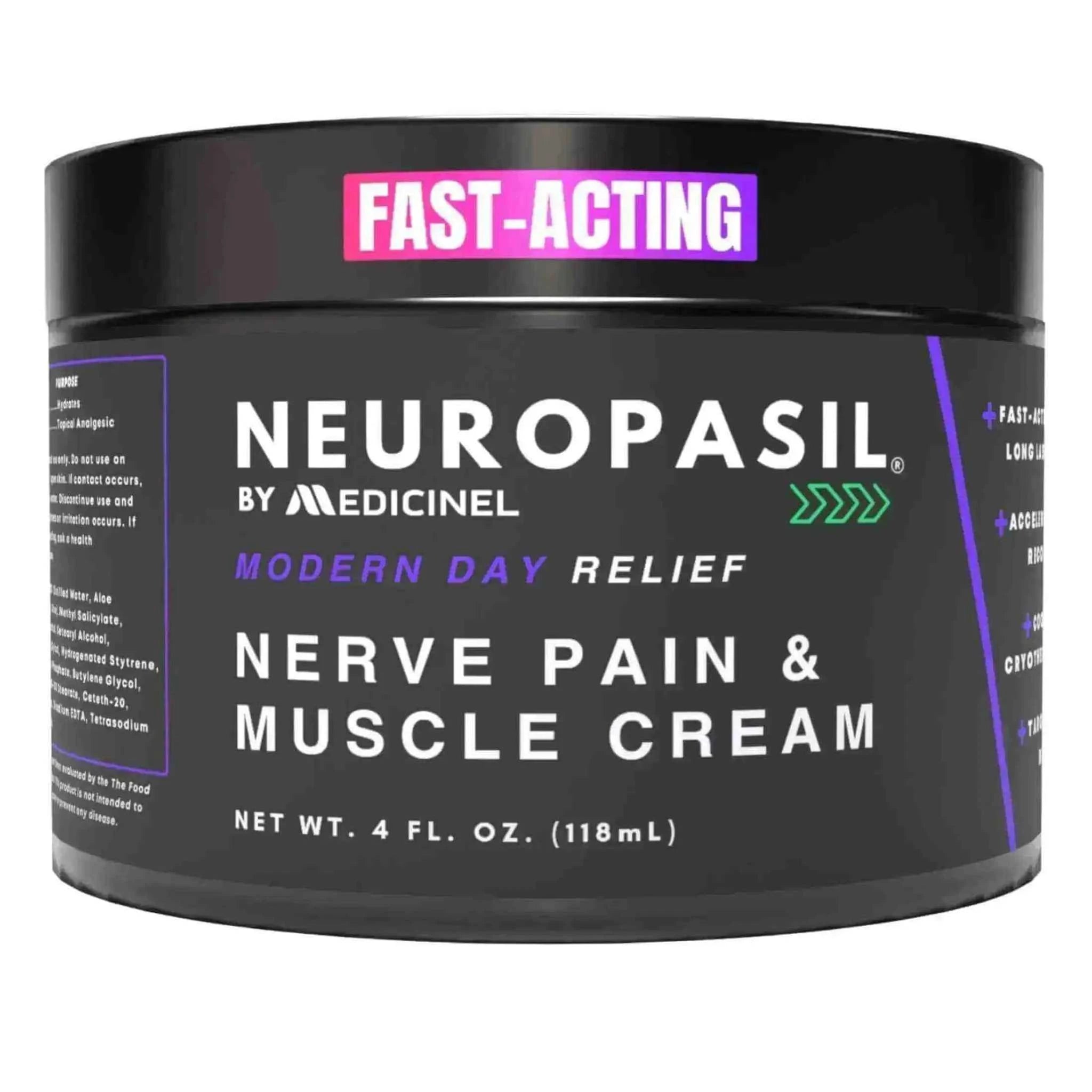
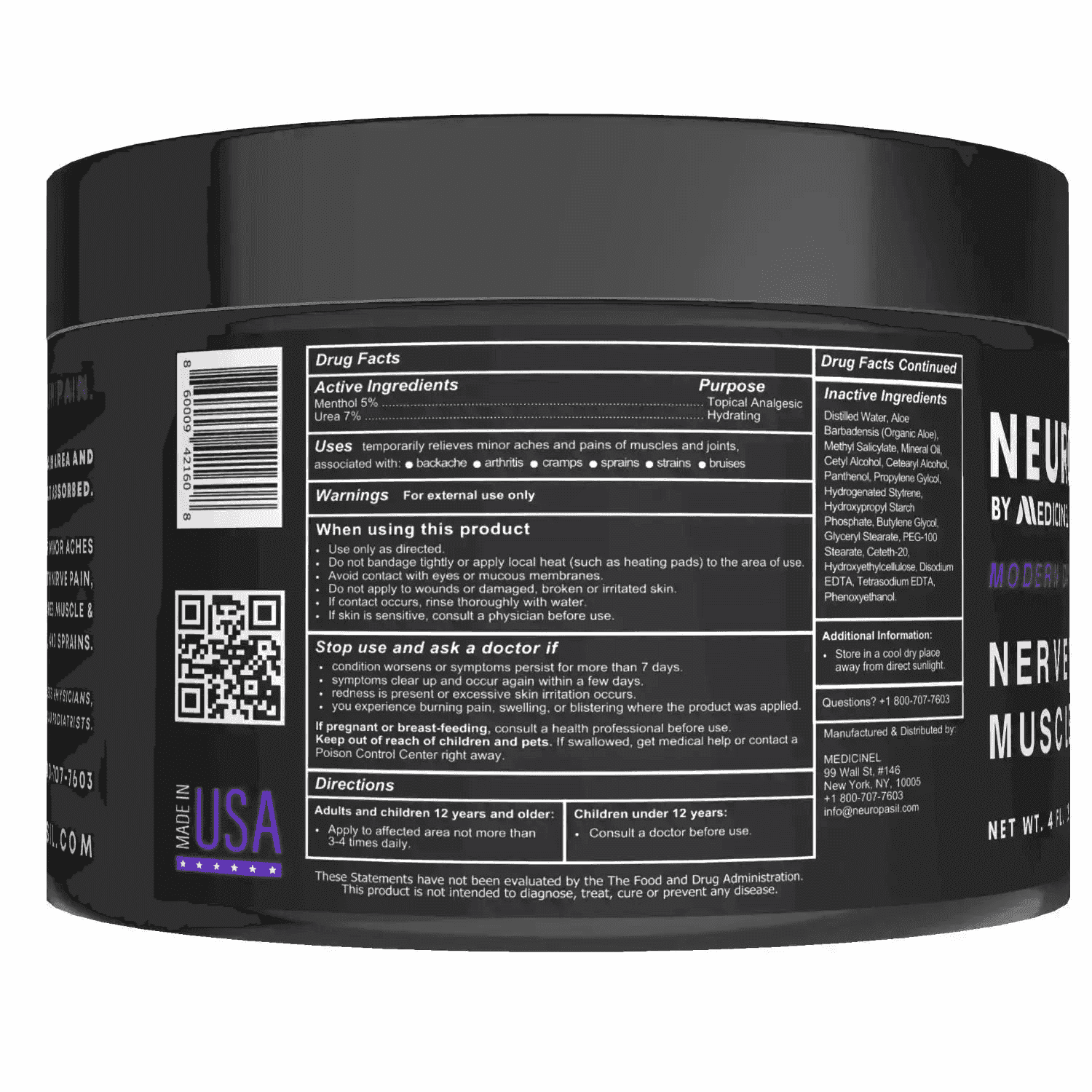
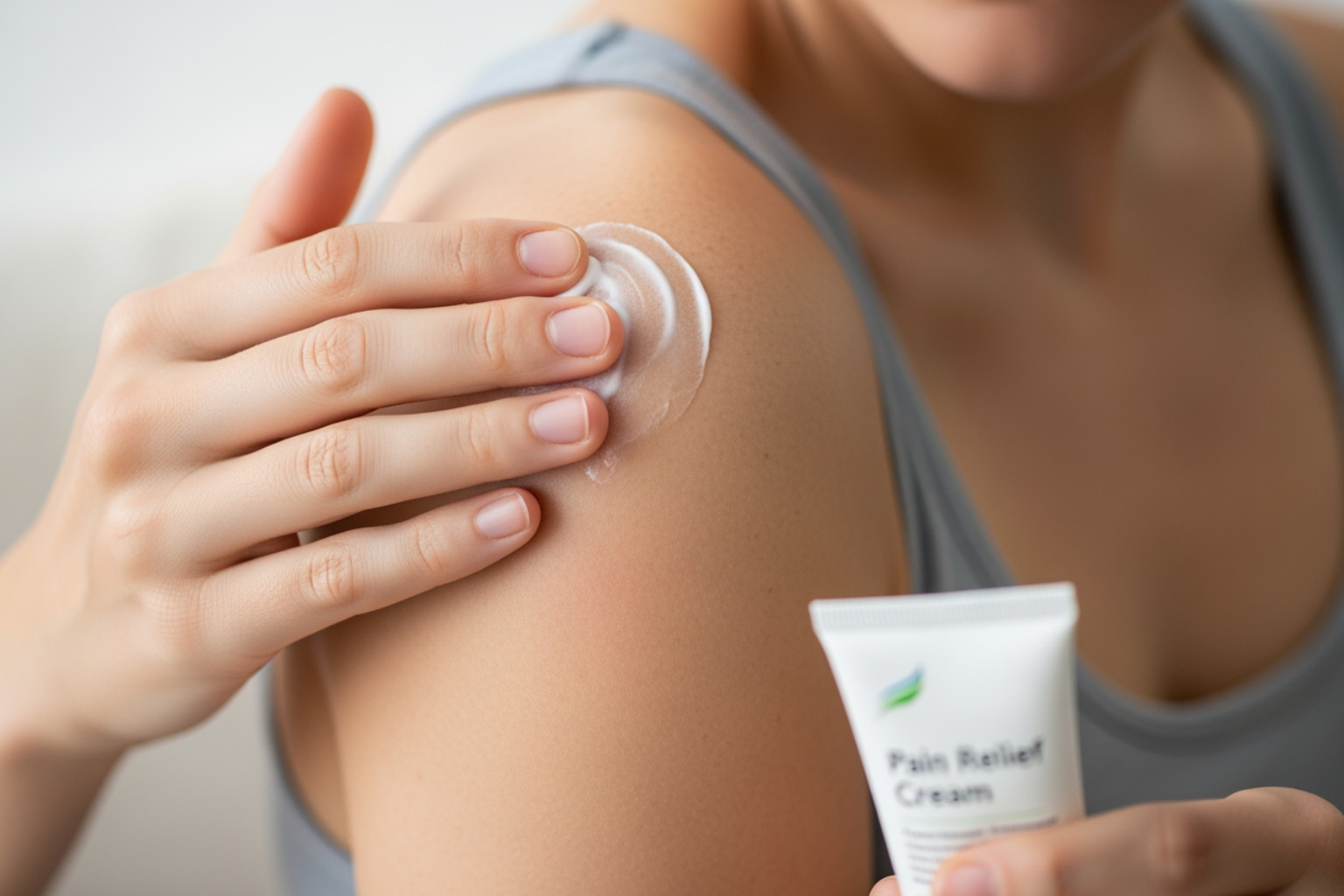
- Topical Pain Relievers: For localized rotator cuff pain, topical creams offer targeted, fast-acting relief. Products like Neuropasil, with natural ingredients like Menthol, Aloe, and Urea, are incredibly soothing. Menthol provides a cooling sensation that distracts from pain, while other ingredients nourish the skin for effective penetration. These creams are a great alternative to oral medications for managing muscle pain without systemic side effects. You can explore The Complete Guide to Nerve Pain Relief Creams and learn More about our ingredients.
These methods aim to alleviate rotator cuff pain, reduce inflammation, and restore strength.
When is Surgery Necessary?
While many injuries improve with conservative care, surgery may be necessary for rotator cuff pain if:
- Symptoms Persist: Pain and loss of function don't improve after 6 to 12 months of non-surgical treatment.
- Tears are Large: Complete tears (larger than 1 inch) often require surgical repair to reattach the tendon.
- Injury is Acute: A significant tear from a sudden accident, especially in active individuals, may require early surgery.
- Function is Lost: The injury severely limits daily activities and non-surgical methods haven't helped.
If surgery is needed, an orthopedic specialist will discuss options, from minimally invasive arthroscopic repair to open surgery. For more details, see the AAOS guide on Surgical Treatment Options for Rotator Cuff Tears.
The Road to Recovery and Preventing Future Injuries
Recovering from rotator cuff pain or a rotator cuff injury is a journey that requires patience, commitment, and adherence to your treatment plan. It's not just about getting rid of the pain; it's about regaining full strength, flexibility, and preventing future problems.
What to Expect During Recovery
The recovery timeline for a rotator cuff injury can vary significantly depending on the severity of the injury and whether surgery was performed.
- Typical Recovery Time: For non-surgical cases, it can take up to 6 months for symptoms to improve significantly. If you've had surgery, full recovery can be a longer process, sometimes extending to 12 to 18 months.
- Immobilization: After surgery, you'll likely need to wear an arm sling for several weeks (typically four to six) to protect the repair and allow initial healing.
- Physical Therapy Importance: Whether your treatment is surgical or non-surgical, physical therapy is absolutely vital. Your therapist will guide you through a structured program of exercises, starting with gentle range-of-motion activities and progressing to strengthening exercises. Sticking with this program is key to regaining strength and flexibility.
- Gradual Return to Activity: We'll work with you to gradually reintroduce daily activities, work tasks, and sports, ensuring you don't overstress your healing shoulder. Pushing too hard, too soon, can lead to setbacks or re-injury.
- Pain Management: Managing any residual rotator cuff pain throughout your recovery is important. Alongside physical therapy, consider topical relief options like Neuropasil Nerve Pain Relief Cream to soothe sore muscles and aid in your recovery. You can Shop for Neuropasil Nerve Pain Relief Cream to support your healing journey.
Recovery is a marathon, not a sprint. Consistency and patience are your best allies!
How to Prevent Rotator Cuff Injuries
While some factors like age and genetics are beyond our control, we can take proactive steps to significantly reduce our risk of developing rotator cuff pain and injuries.
- Stretching Exercises: Regular stretching helps maintain flexibility in your shoulder joint. A flexible shoulder is less prone to injury.
- Strengthening Exercises: Strengthening the rotator cuff muscles and the surrounding shoulder and upper back muscles provides better support and stability for the joint. Your physical therapist can provide a custom program; you can also find general guidance from resources like Rotator Cuff and Shoulder Rehabilitation Exercises.
- Proper Posture: Maintaining good posture, especially during prolonged sitting or standing, helps keep your shoulder blades and rotator cuff tendons in their optimal positions, reducing impingement and strain.
- Avoiding Overexertion: Listen to your body! Don't push through pain, especially during activities that involve repetitive overhead movements or heavy lifting.
- Taking Breaks: If your job or hobby involves repetitive arm motions, take frequent short breaks to stretch and rest your shoulders.
- Warm-ups: Always warm up your shoulder muscles before engaging in strenuous activities or sports. This increases blood flow and prepares the tendons for activity.
By incorporating these preventative measures into our daily routines, we can significantly improve our shoulder health and reduce the likelihood of experiencing rotator cuff pain.
Frequently Asked Questions about Rotator Cuff Pain
We know you have questions, and we're here to provide clear, straightforward answers about rotator cuff pain.
Can a rotator cuff tear heal on its own?
The answer depends on the type and size of the tear.
- Partial tears: Yes, many partial rotator cuff tears can improve and become asymptomatic with non-surgical treatment, including rest, physical therapy, and pain management. About 8 out of 10 people with partial tears see significant improvement without surgery.
- Complete tears: Unfortunately, full-thickness (complete) rotator cuff tears generally do not heal on their own. The tendon is completely separated from the bone, and without surgical intervention to reattach it, the tear can enlarge, and the muscle can atrophy, leading to permanent weakness and loss of function. This is why an accurate diagnosis is so important to determine the best course of action.
How should I sleep with rotator cuff pain?
Sleeping with rotator cuff pain can be incredibly challenging and often disrupts a good night's rest. Here are some tips that might help:
- Avoid the Injured Side: Try not to sleep directly on the affected shoulder.
- Use Pillows for Support: If you're a back sleeper, place a small pillow under the affected arm to keep it slightly liftd and supported. If you prefer to sleep on your side (the unaffected one!), place a pillow between your knees and another one in front of you to rest your injured arm on, preventing it from rolling forward.
- Reclined Position: Some people find relief sleeping in a reclined position, such as in a recliner chair or propped up in bed. This can take pressure off the shoulder.
- Pain Management at Night: Before bed, consider applying a topical pain relief cream, such as Neuropasil, to your shoulder. The soothing ingredients can help ease discomfort and promote better sleep. For more insights on managing night pain, check out our guide on Best Pain Relief Creams for Muscle Pain.
What activities should I avoid with a rotator cuff injury?
To prevent further injury and allow your shoulder to heal, it's wise to avoid certain activities if you're experiencing rotator cuff pain:
- Overhead Lifting: Steer clear of lifting objects above your head, especially heavy ones. This puts significant strain on the rotator cuff.
- Reaching Behind the Back: Movements like tucking in a shirt or fastening a bra can be particularly painful and should be limited.
- Throwing Motions: Any activity involving forceful throwing, whether in sports or daily tasks, should be avoided.
- Sudden Jerking Movements: Quick, uncontrolled movements can exacerbate a tear or inflame tendons.
- Listen to Your Body: This is perhaps the most important advice. If an activity causes pain, stop! Modifying activities or finding alternative ways to perform tasks can protect your healing shoulder. Your physical therapist will also guide you on specific activities to avoid during your recovery.
Conclusion
We've covered a lot of ground in our comprehensive guide to rotator cuff pain, and we hope you feel more informed and empowered. To recap, the rotator cuff is a vital group of muscles and tendons that stabilize our shoulder and enable a wide range of arm movements. Rotator cuff pain is a widespread issue, affecting millions of Americans annually, often due to age-related wear and tear, repetitive overhead activities, or acute injuries.
Early diagnosis, through a thorough physical exam and imaging, is crucial. The good news is that most cases, especially partial tears, respond very well to conservative treatments. A balanced approach combining rest, activity modification, ice, and dedicated physical therapy can significantly alleviate pain and restore function. For localized relief, topical solutions like Neuropasil can be a valuable addition to your pain management strategy, providing soothing comfort for muscle pain.
The journey to recovery involves patience and commitment to your rehabilitation plan. By understanding your shoulder, recognizing the symptoms, and taking proactive steps in prevention and treatment, you can effectively manage rotator cuff pain and work towards a healthier, more active life.
For more insights into managing pain and promoting wellness, we invite you to Learn more on our blog.
References
- Cleveland Clinic. Rotator Cuff Tear. Available at: https://my.clevelandclinic.org/health/diseases/8291-rotator-cuff-tear
- MedlinePlus. Rotator Cuff Injuries. Available at: https://medlineplus.gov/rotatorcuffinjuries.html
- Mayo Clinic. Rotator cuff injury. Available at: https://www.mayoclinic.org/diseases-conditions/rotator-cuff-injury/symptoms-causes/syc-20350225
- American Academy of Orthopaedic Surgeons (AAOS). Rotator Cuff Tears. Available at: https://orthoinfo.aaos.org/en/diseases--conditions/rotator-cuff-tears/
- American Academy of Orthopaedic Surgeons (AAOS). Shoulder Impingement/Rotator Cuff Tendinitis. Available at: https://orthoinfo.aaos.org/en/diseases--conditions/shoulder-impingementrotator-cuff-tendinitis
- RadiologyInfo.org. Shoulder MRI. Available at: https://www.radiologyinfo.org/en/info/shouldermr
- RadiologyInfo.org. Direct Arthrography. Available at: https://www.radiologyinfo.org/en/info/arthrog
- American Academy of Orthopaedic Surgeons (AAOS). Rotator Cuff Tears: Surgical Treatment Options. Available at: https://orthoinfo.aaos.org/en/treatment/rotator-cuff-tears-surgical-treatment-options/
- American Academy of Orthopaedic Surgeons (AAOS). Rotator Cuff and Shoulder Rehabilitation Exercises. Available at: https://orthoinfo.aaos.org/en/recovery/rotator-cuff-and-shoulder-conditioning-program/rotator-cuff-pdf/