Why Back Spasm Relief Matters More Than You Think
Back spasm relief starts with understanding your options. Here are the most effective methods:
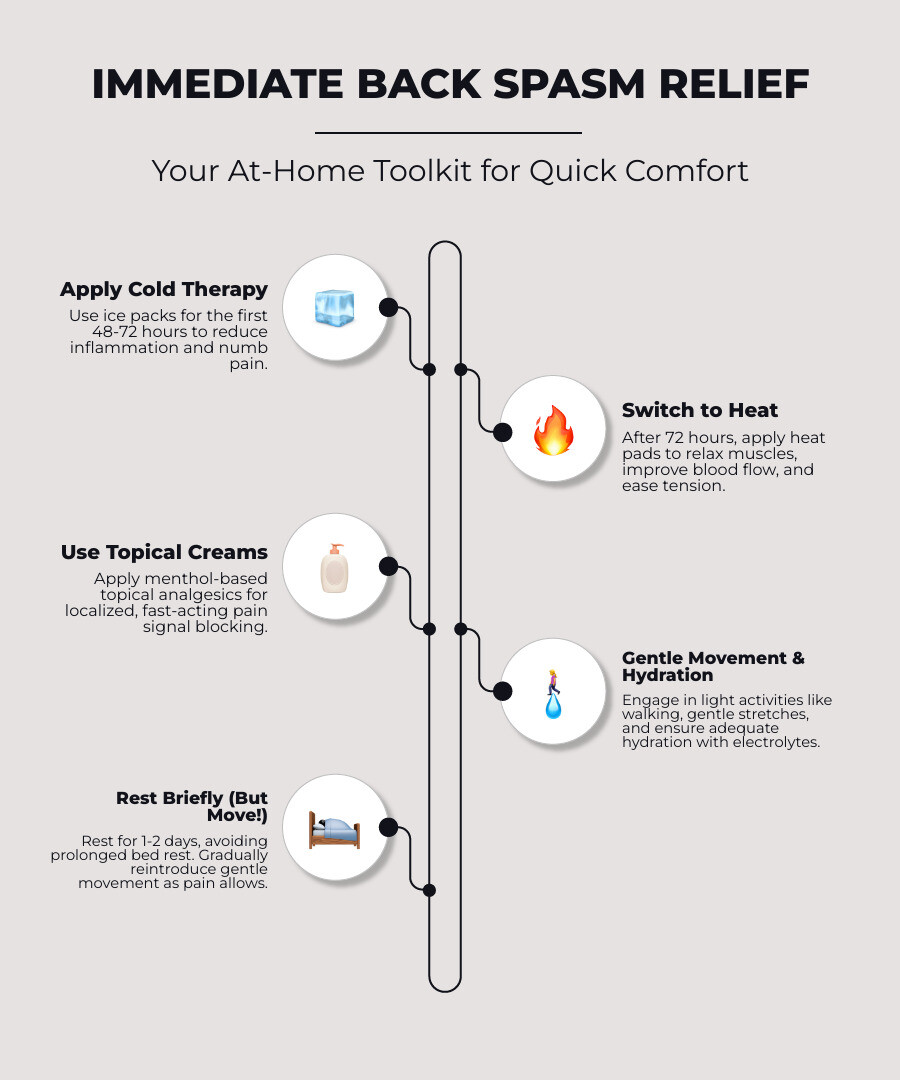
- Apply ice packs for the first 48-72 hours to reduce inflammation
- Switch to heat therapy after 72 hours to relax muscles and improve blood flow
- Use topical pain relief creams with menthol for fast-acting, localized relief
- Try gentle stretches like Child's Pose and Cat-Cow to ease muscle tension
- Stay hydrated with water and electrolytes to prevent muscle cramps
- Rest briefly but avoid prolonged bed rest—gentle movement helps recovery
- Strengthen your core through exercises like glute bridges and pelvic tilts
With around 80% of Americans experiencing back pain at some point in their lives, spasms are a common culprit. A back spasm is an involuntary muscle contraction, ranging from a dull ache to debilitating pain that can stop you in your tracks.
The good news? Most back spasms respond well to simple at-home treatments.
Whether caused by overexertion, improper lifting, or poor posture, relief is possible. You don't have to live at the mercy of muscle pain.
This guide covers everything from immediate relief to long-term prevention, including stretches, topical treatments, and when to see a doctor.
I'm Tony Enrico of Neuropasil. We specialize in natural, science-backed solutions for muscle and nerve pain, offering effective back spasm relief without harsh chemicals.
Let's explore the strategies that can help you move freely again.
Back spasm relief helpful reading:
What Are Back Spasms and Why Do They Happen?
A back spasm is an involuntary muscle contraction that can feel like a tight, unreachable knot in your back. The pain can be a persistent dull ache or a sharp, stabbing sensation that makes simple movements like standing or bending nearly impossible. It's like having a charley horse, but deep in your back muscles.
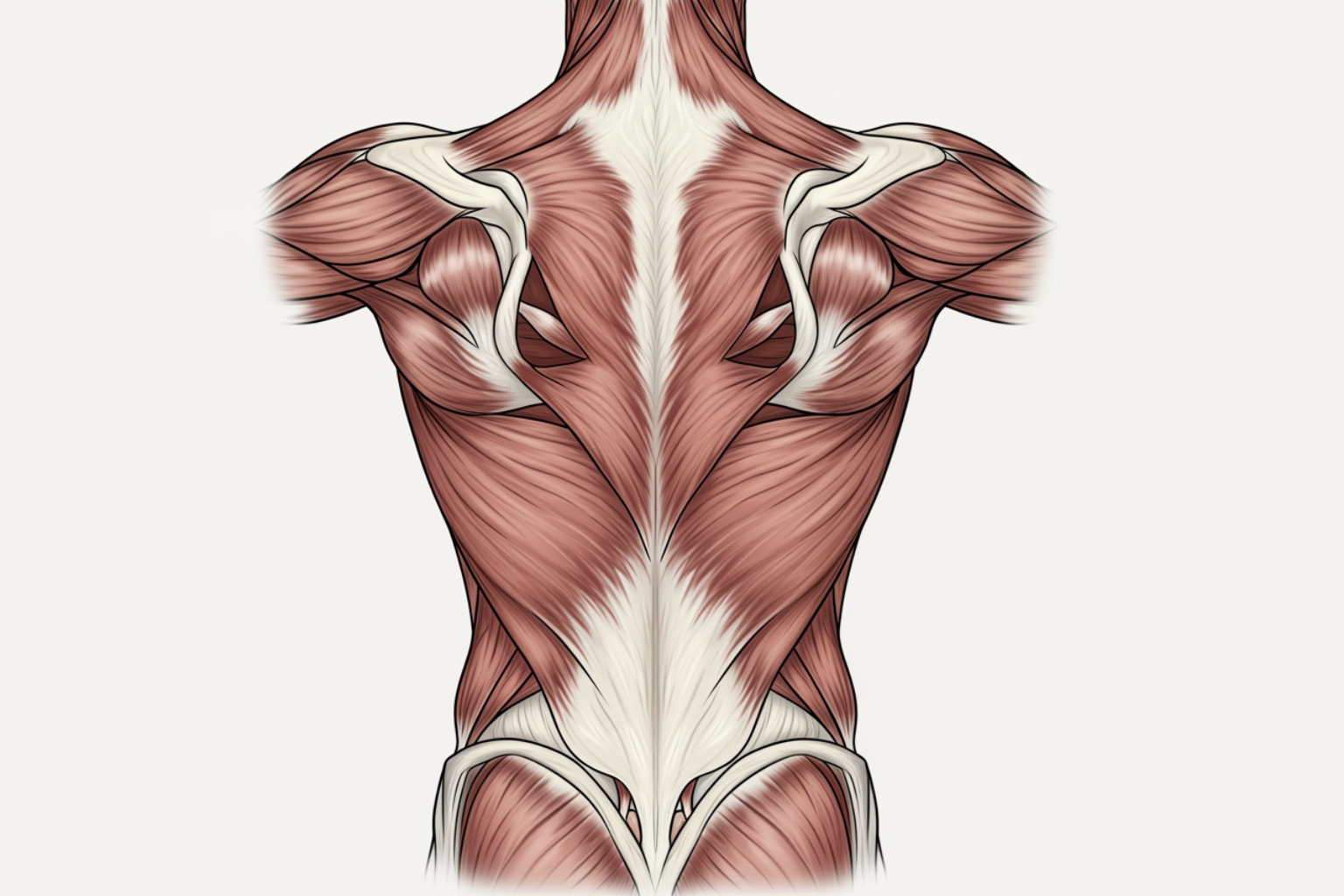
So what causes these unwelcome visitors? The primary cause is muscle strain from activities like lifting heavy objects incorrectly, intense workouts without a proper warm-up, or even an awkward twist. These strains can cause spasms lasting from days to weeks.
Other common causes include poor posture, which overworks back muscles over time, and sudden, unprepared movements that can trigger a spasm. Your body is essentially sending you a message that something needs to change.
In some cases, spasms are a protective response to more serious conditions like herniated discs, spinal stenosis, or arthritis, where the body tries to immobilize the area to prevent further injury.
Back spasms fall into two categories: acute and chronic. Acute spasms hit suddenly but typically resolve within a few days to a few weeks. Chronic spasms last for more than 12 weeks or recur frequently. Understanding which type you have helps guide your treatment. For more insight, check out our guide: Charley Horse Chronicles: Understanding Muscle Cramps and Spasms.
Common Triggers: Stress and Dehydration
Two sneaky culprits often fly under the radar when it comes to back spasm relief: stress and dehydration.
Emotional stress puts your body in a constant fight-or-flight mode, causing muscles—especially in the back—to remain tense. Over time, this chronic tension can lead to painful spasms. For a deeper understanding of how tension builds, read our article on Muscle Tension.
Dehydration is another key trigger. A lack of water and electrolytes like magnesium and potassium disrupts the communication between your brain and muscles, leading to misfires that cause cramps and spasms.
Science backs this up. Research shows that water intake after dehydration makes muscles more susceptible to cramping, but electrolytes can reverse that effect. Simply drinking water isn't always enough—you need those vital minerals too. Staying properly hydrated is an essential strategy for preventing and finding back spasm relief. You can read the full study here: Scientific research on dehydration and muscle cramps.
The bottom line? Managing stress and staying hydrated are essential strategies for preventing and finding back spasm relief.
Immediate Back Spasm Relief: Your At-Home Toolkit
When a back spasm strikes, the gripping pain demands immediate attention. Fortunately, effective at-home treatments are readily available.
First, rest is important, but don't overdo it. While your first instinct may be to stay completely still, prolonged bed rest can slow recovery. Aim for one to two days of rest, then begin incorporating gentle movement like slow walking to promote blood flow and healing.
Hydration is crucial. Dehydration worsens muscle distress by disrupting the electrolyte balance needed for proper function. Sip water throughout the day and consider an electrolyte drink if you've been sweating. Your muscles will thank you. For a deeper understanding of managing lower back discomfort, our guide on Lower Back Pain 101: Causes & Relief covers everything you need to know.
Using Hot and Cold Therapy
Knowing whether to use ice or heat is key to effective back spasm relief. The trick is timing.
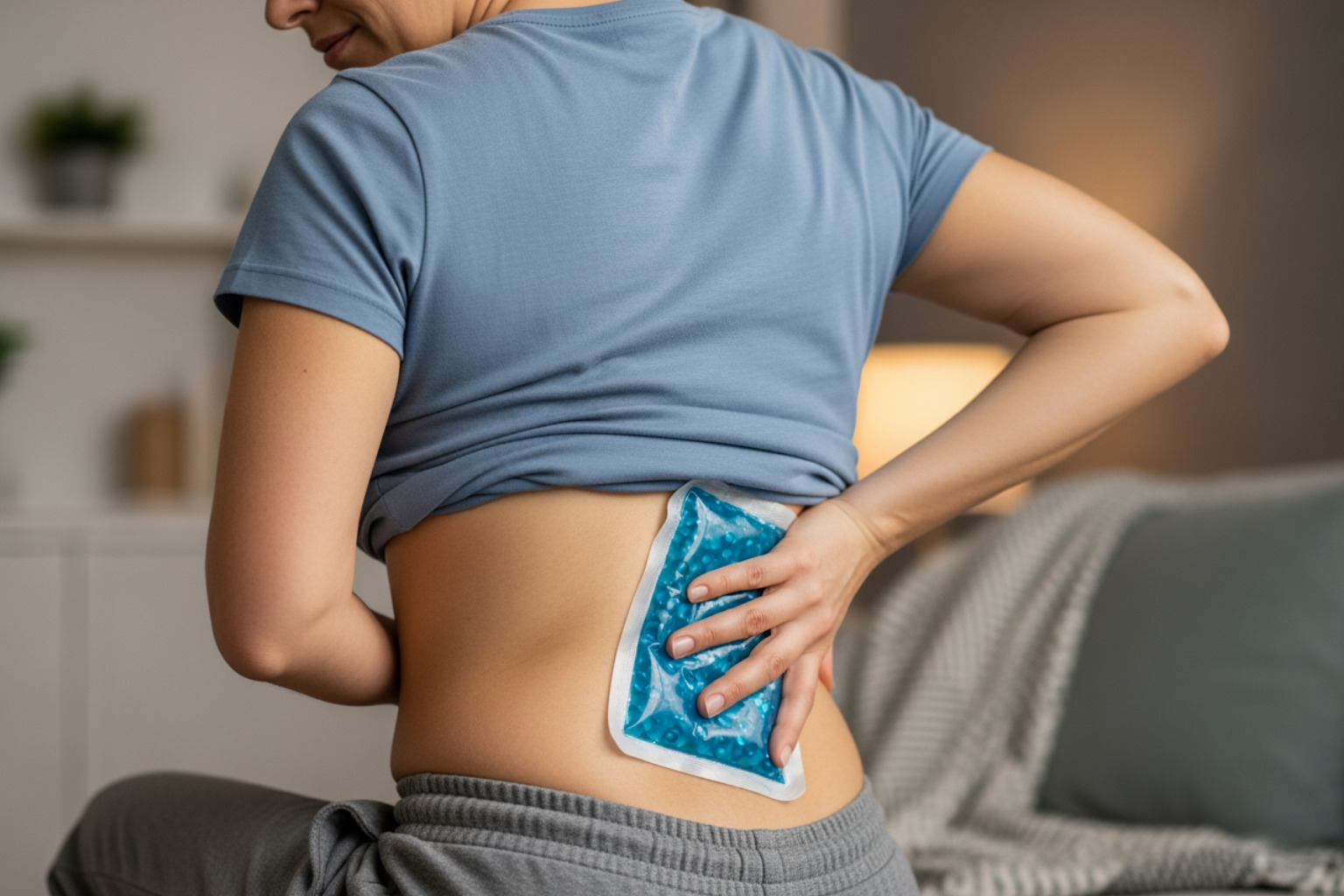
For the first 48-72 hours, use ice. Applying a towel-wrapped ice pack for 20 minutes at a time constricts blood vessels, reducing the inflammation and swelling that cause pain. Give your skin a 20-minute break between applications.
After 72 hours, switch to heat. Heat increases blood flow, delivering oxygen to the area and helping tight muscles relax. Use a heating pad, warm bath, or hot water bottle for 20-minute sessions to soothe the area.
Some people find that alternating between hot and cold provides the best of both worlds: the anti-inflammatory benefits of cold and the muscle-relaxing effects of heat. Research on the mechanisms of heat and cold therapies confirms their effectiveness.
Choosing the Best Topical Cream for Back Spasm Relief
For targeted relief, topical creams deliver active ingredients directly to the source of pain without affecting your whole system.
Menthol-based creams are highly effective. Menthol provides a cooling sensation that distracts the brain from pain and helps block pain signals from reaching their full intensity. It's a fast-acting way to calm an angry muscle. Look for non-greasy, quick-absorbing formulas.
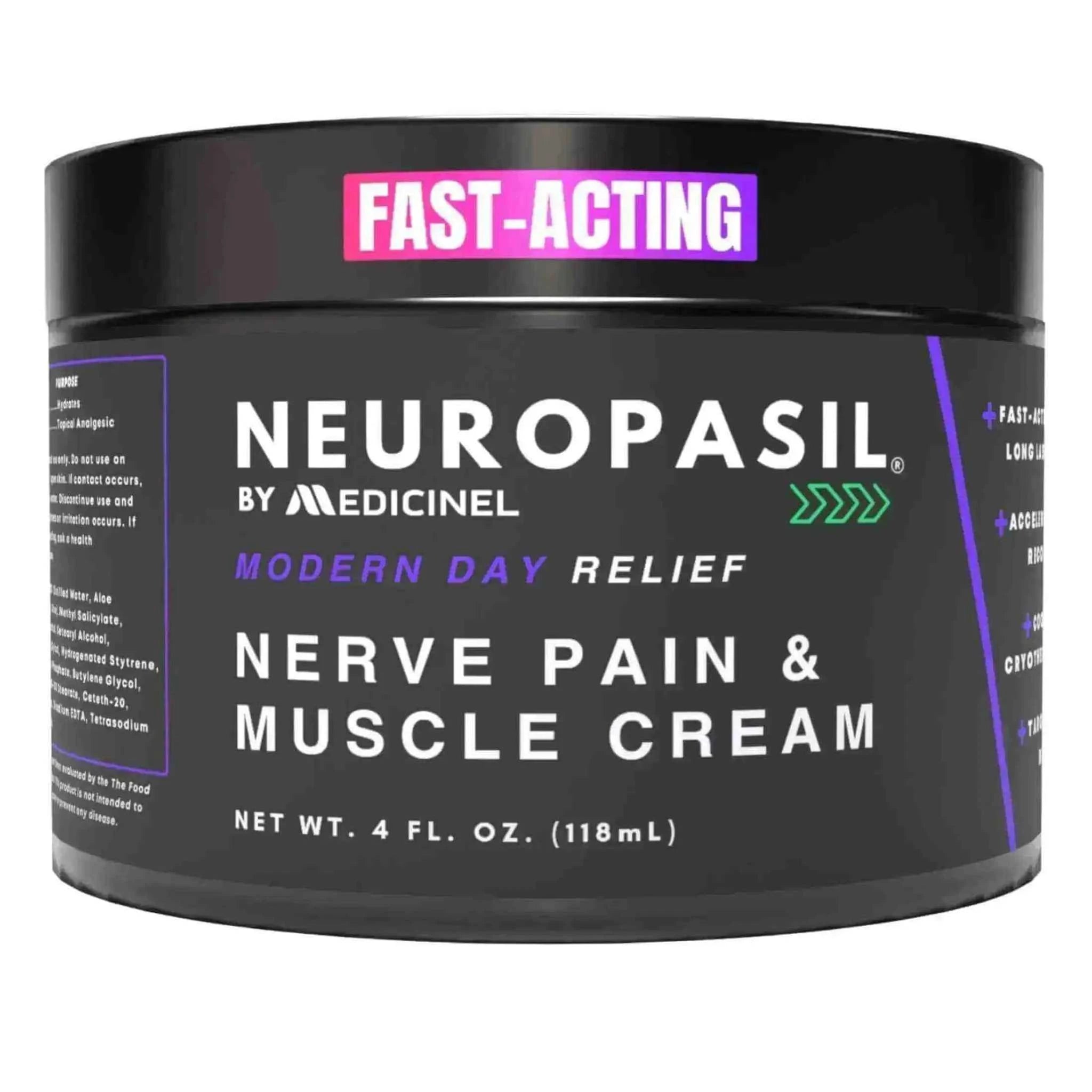
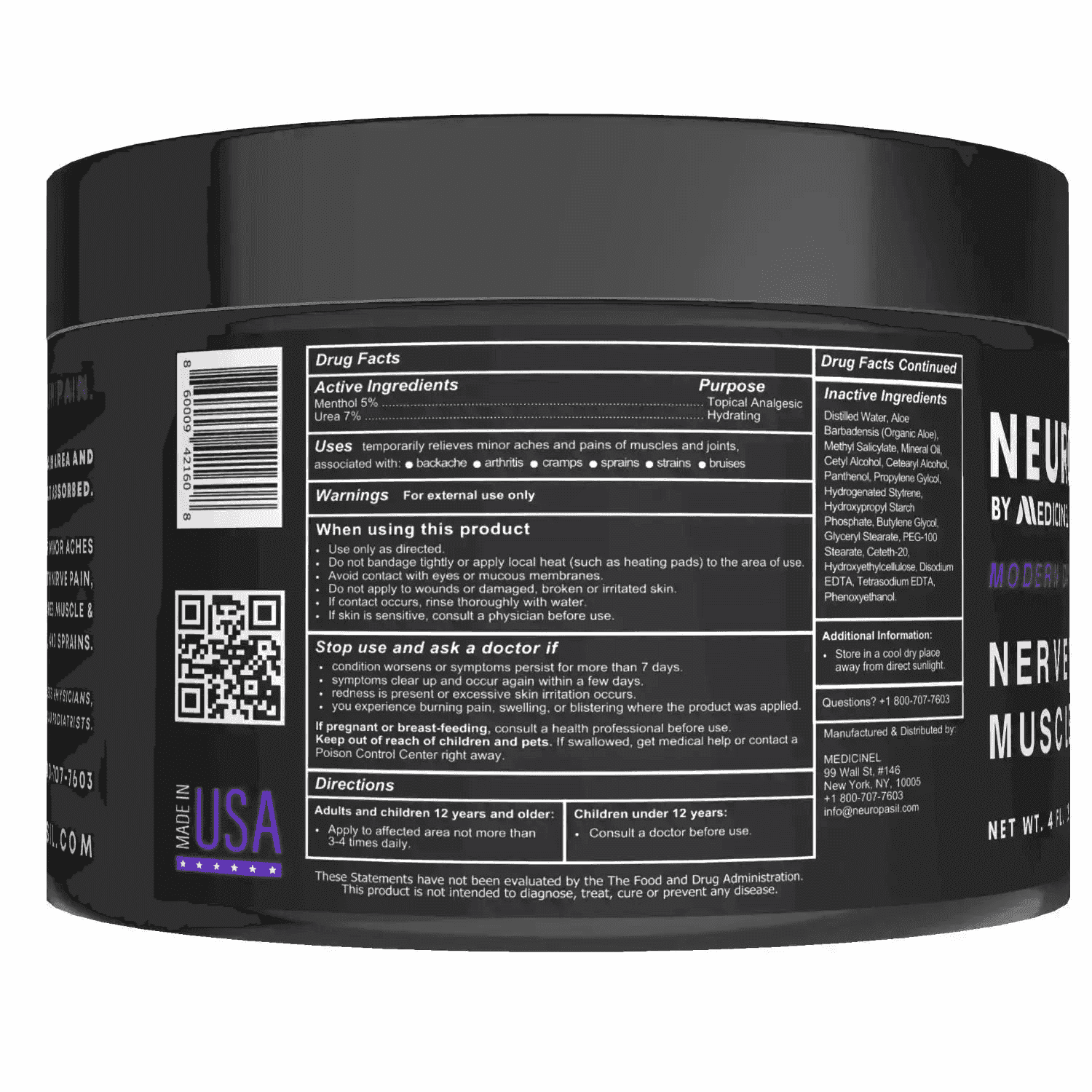
Our Neuropasil cream combines Aloe, Urea, and Menthol in a natural formula perfected for muscle and nerve pain. It provides fast-acting back spasm relief that really works. Customers from all walks of life—from athletes to office workers—rely on our cream because it delivers soothing relief exactly where they need it.
Having a quality topical cream on hand makes a real difference. If you're trying to figure out which type is right for you, our guides on A Practical Guide to Effective Muscle Rub Cream and Ultimate Checklist for Back Pain Relief Creams can help.
Gentle Stretches and Exercises to Ease Back Spasms
When your back is in spasm, movement may seem counterintuitive, but gentle movement and targeted stretches are a secret weapon for back spasm relief. The key is to start slowly and listen to your body, avoiding any position that worsens the pain.

Light activity restores blood flow to the affected muscles, delivering the oxygen and nutrients needed for healing. Start with light walking for 5-10 minutes as soon as you feel able. This simple activity can make a significant difference by reminding your muscles how to move again.
The Cat-Cow Pose is a favorite for mobilizing the spine. On your hands and knees, inhale as you drop your belly and look up (Cow). Exhale as you round your spine and tuck your chin (Cat). Flow between the two poses for 5-10 slow breaths.
Child's Pose offers a moment to breathe and release tension. From a kneeling position, sit your hips back toward your heels and fold forward, resting your forehead on the floor. Hold for 30-60 seconds, breathing deeply.
Pelvic Tilts strengthen the core and improve lower back flexibility. Lie on your back with knees bent. Tighten your abdominal muscles to press your lower back into the floor, tilting your pelvis up slightly. Hold for 5 seconds and release. Repeat 5-10 times.
The Knee-to-Chest Stretch targets the glutes and lower back. Lying on your back, gently pull one knee to your chest for 5-10 seconds. Repeat on the other side, then pull both knees to your chest.
Glute Bridges strengthen your glutes and core, which support your back. Lie on your back with knees bent. Lift your hips to form a straight line from shoulders to knees, engaging your core and glutes. Hold for 5 seconds, then lower. Start with 5 reps and build toward 30.
The goal is gentle movement, not pushing through pain. If any stretch hurts, stop immediately. Listen to your body. For more helpful stretches, check out our article: Unlock Your Traps: Simple Stretches for a Happier Back.
Long-Term Prevention and Treatment for Chronic Spasms
For recurring back spasms, shift your focus from quick fixes to long-term prevention. Building a stronger, more resilient back is key, a strategy that has helped many of our customers in New York City find lasting relief.

Improve your posture. Proper alignment while sitting and standing reduces strain. If you work at a computer, use an ergonomic setup and take frequent breaks to stand and stretch.
Use proper lifting techniques. Protect your spine by always bending at your knees, not your back. Keep objects close to your body and avoid twisting while lifting.
Strengthen your core. A strong core acts as a natural brace for your spine. Incorporate exercises like planks and glute bridges into your routine for 10-15 minutes, three times a week.
Practices like yoga and Pilates build functional strength and flexibility, teaching body awareness that helps prevent the muscle imbalances that lead to spasms. Research from the American Osteopathic Association highlights the benefits of yoga for back pain.
Manage stress. Chronic stress leads to muscle tension. Find healthy outlets like meditation, deep breathing, or hobbies to help your muscles relax. For more natural approaches, see our guide on how to soothe lower back pain naturally.
Professional Support for Ongoing Back Spasm Relief
If at-home efforts aren't enough, professional support can identify the root cause of chronic spasms.
Physical therapy is transformative for chronic back spasm relief. A therapist can identify underlying issues and create a personalized exercise program to correct muscle imbalances and improve body mechanics. Combining physical therapy with a topical cream like Neuropasil can be a powerful strategy.
Massage therapy helps release deep, stubborn knots and trigger points, improving circulation and breaking the cycle of chronic tension.
Other effective treatments include acupuncture, which can reduce pain and improve muscle function, and spinal manipulation from a chiropractor to restore joint mobility.
You should consider professional help if spasms are severe, frequent, or interfering with your daily life. If a pinched nerve might be involved, an evaluation is even more critical. Our A-Z Guide to Pinched Nerves can help you understand the symptoms.
Seeking professional help is a smart, proactive step toward getting your life back.
When to Call a Doctor: Diagnosis and Red Flags
While at-home back spasm relief is often effective, it's crucial to know when a professional medical evaluation is necessary. Making that call at the right time can significantly impact your recovery.
When you see a provider, they will likely start with a physical examination, observing your posture, range of motion, and muscle strength to pinpoint the problem. They will also take a detailed medical history, asking about your symptoms, triggers, and any previous back injuries.
Imaging tests like X-rays or MRIs are used if symptoms are severe or persistent. However, they aren't always the first step. Interestingly, studies show that a significant number of adults without any back pain have disc herniations. For example, a landmark systematic review found that 36% of 50-year-olds had a disc herniation despite having no pain. These findings are often a normal part of aging, which is why your symptoms are the most important guide for diagnosis.
For a comprehensive overview, the Cleveland Clinic provides excellent information: Back Spasms: Causes and Treatment Overview. If you're concerned about a pinched nerve, our guide can help: Pinched Nerve in Back 101.
Red Flag Symptoms You Shouldn't Ignore
Certain "red flag" symptoms indicate a potentially serious condition and require immediate medical attention. At Neuropasil, we believe in empowering you with knowledge, including knowing when self-care isn't enough. Do not wait to see a doctor if you experience any of the following:
- Pain lasting over a week despite at-home care.
- Numbness or weakness in your legs or buttocks, especially if it's new or worsening.
- Loss of bladder or bowel control—this is a medical emergency.
- Fever accompanying your back pain.
- Unexplained weight loss along with back pain.
- Pain that started after a severe injury like a fall or car accident.
- Inability to move an arm or leg, or loss of balance and coordination.
If you experience any of these red flags, especially if you're in New York City, please contact a healthcare provider or go to an emergency room. Taking this step isn't a failure of at-home care; it's a smart, proactive decision for your long-term health.
Conclusion
A back spasm can be debilitating, but you don't have to simply endure the pain. Relief is achievable. This guide has provided a roadmap to back spasm relief, covering causes, immediate solutions, and long-term prevention.
We've covered how spasms stem from muscle strain, poor posture, and even stress or dehydration. Your immediate relief toolkit—ice, heat, hydration, and gentle movement—can make a significant difference. Gentle stretches like Cat-Cow and Child's Pose are your allies in reclaiming comfort.
Lasting back spasm relief requires a long-term approach. Strengthening your core, improving posture, and managing stress are key to supporting your back health. A multi-faceted approach is the secret to success. By combining smart at-home care, prevention strategies, and knowing the red flag symptoms that require a doctor's visit, you can take control of your back health.
For targeted, fast-acting relief, a natural topical cream like Neuropasil can be a powerful tool. Our unique formula, powered by Aloe, Urea, and Menthol, is specifically designed to provide soothing comfort exactly where you need it. Whether you're recovering from an intense workout, dealing with everyday back pain, or managing chronic discomfort, Neuropasil is here to support your journey to feeling better. Many of our customers in New York City and beyond have found real relief. Find more about natural pain management solutions in our guide to the Best Products for Muscle Pain.
You deserve to move through life without being held back by pain. With the right knowledge and tools, relief is within your reach.
References
Throughout this article, we've drawn on research from leading medical institutions and scientific journals to ensure you're getting accurate, evidence-based information about back spasm relief. Understanding the science behind what works—and why—helps you make informed decisions about your health.
For insights into the underlying mechanisms of low back pain and therapeutic approaches, we referenced the comprehensive guide by Allegri, M., et al. (2016) published in F1000Research: Mechanisms of low back pain: a guide for diagnosis and therapy. This research provides valuable context for understanding how different treatments target pain at its source.
Our discussion of asymptomatic spinal degeneration is based on the landmark study by Brinjikji, W., et al. (2015) in the American Journal of Neuroradiology: Systematic Literature Review of Imaging Features of Spinal Degeneration in Asymptomatic Populations.
The Cleveland Clinic (2022) offers an excellent patient-focused overview of back spasms, their causes, and treatment options, which we've referenced throughout: Back Spasms. Their expertise in musculoskeletal health has been invaluable in shaping our recommendations.
The connection between hydration, electrolytes, and muscle cramps is supported by compelling research from Lau, W. Y., et al. (2019) in BMJ Open Sport & Exercise Medicine: Water intake after dehydration makes muscles more susceptible to cramp but electrolytes reverse that effect. This study reinforces why staying properly hydrated with electrolytes is so important for preventing spasms.
Our discussion of hot and cold therapy is grounded in the scientific analysis by Malanga, G. A., et al. (2015) published in Postgraduate Medicine: Mechanisms and efficacy of heat and cold therapies for musculoskeletal injury. This research explains exactly how these simple therapies work at a physiological level.
The prevalence of back pain is supported by data from the National Institute of Neurological Disorders and Stroke (2020): Low Back Pain Fact Sheet.
Finally, the clinical practice guidelines from Qaseem, A., et al. (2017) published in the Annals of Internal Medicine provided important guidance on noninvasive treatment approaches: Noninvasive Treatments for Acute, Subacute, and Chronic Low Back Pain: A Clinical Practice Guideline From the American College of Physicians. These evidence-based recommendations from the American College of Physicians help ensure our advice aligns with current medical best practices.
We're committed to providing you with information you can trust—backed by science, informed by research, and tested by the real experiences of our customers in New York City and beyond.