Understanding Sciatica: What You Need to Know About This Common Condition
If you're looking to relieve sciatica pain, you're not alone—about 40% of people in the U.S. will experience this sharp, radiating discomfort at some point in their lives. The good news? Most cases improve without surgery, and many effective relief strategies can be done right at home.
Quick Relief Methods for Sciatica:
- Apply ice or heat - Use ice packs for 15-20 minutes during the first few days, then switch to heat therapy to relax tight muscles
- Keep moving gently - Walk, stretch lightly, and avoid prolonged sitting or bed rest
- Try topical relief - Use products with menthol, aloe, and urea for targeted pain relief
- Perform specific stretches - Knee-to-chest, piriformis stretch, and cat-cow pose can ease nerve pressure
- Take NSAIDs if needed - Over-the-counter anti-inflammatories like ibuprofen may help reduce swelling
Sciatica happens when your sciatic nerve—the longest nerve in your body, running from your lower back through your hips and down each leg—gets compressed or irritated. This can cause sharp, shooting pain, numbness, tingling, or muscle weakness that typically affects just one side of your body. The pain often starts in your lower back or buttock and radiates down the back of your leg, sometimes reaching all the way to the foot.
The most common culprits? A herniated disc, spinal stenosis (narrowing of the spinal canal), or piriformis syndrome (when a small muscle deep in your buttock spasms and irritates the nerve). Age-related wear and tear, poor posture, heavy lifting, and prolonged sitting can all increase your risk.
But here's the encouraging part: between 80% and 90% of people with sciatica get better without surgery, often within just a few weeks. The key is knowing which strategies actually work—and which ones might make things worse.
This guide will walk you through everything you need to know to relieve sciatica pain effectively. We'll cover immediate home remedies you can start today, specific stretches and exercises that target the root cause, when to seek medical help, and how to prevent future flare-ups. Whether your pain just started or you've been dealing with it for weeks, you'll find practical, actionable steps to get back to your normal activities.
I'm Tony Enrico, and I've spent years helping people find natural, effective ways to relieve sciatica pain and other nerve-related discomfort through targeted topical solutions. My experience with athletes, workers, and everyday people struggling with persistent pain has taught me that relief is possible when you combine the right knowledge with proven remedies.
Common relieve sciatica pain vocab:
What is Sciatica? (Symptoms, Causes, and Risk Factors)
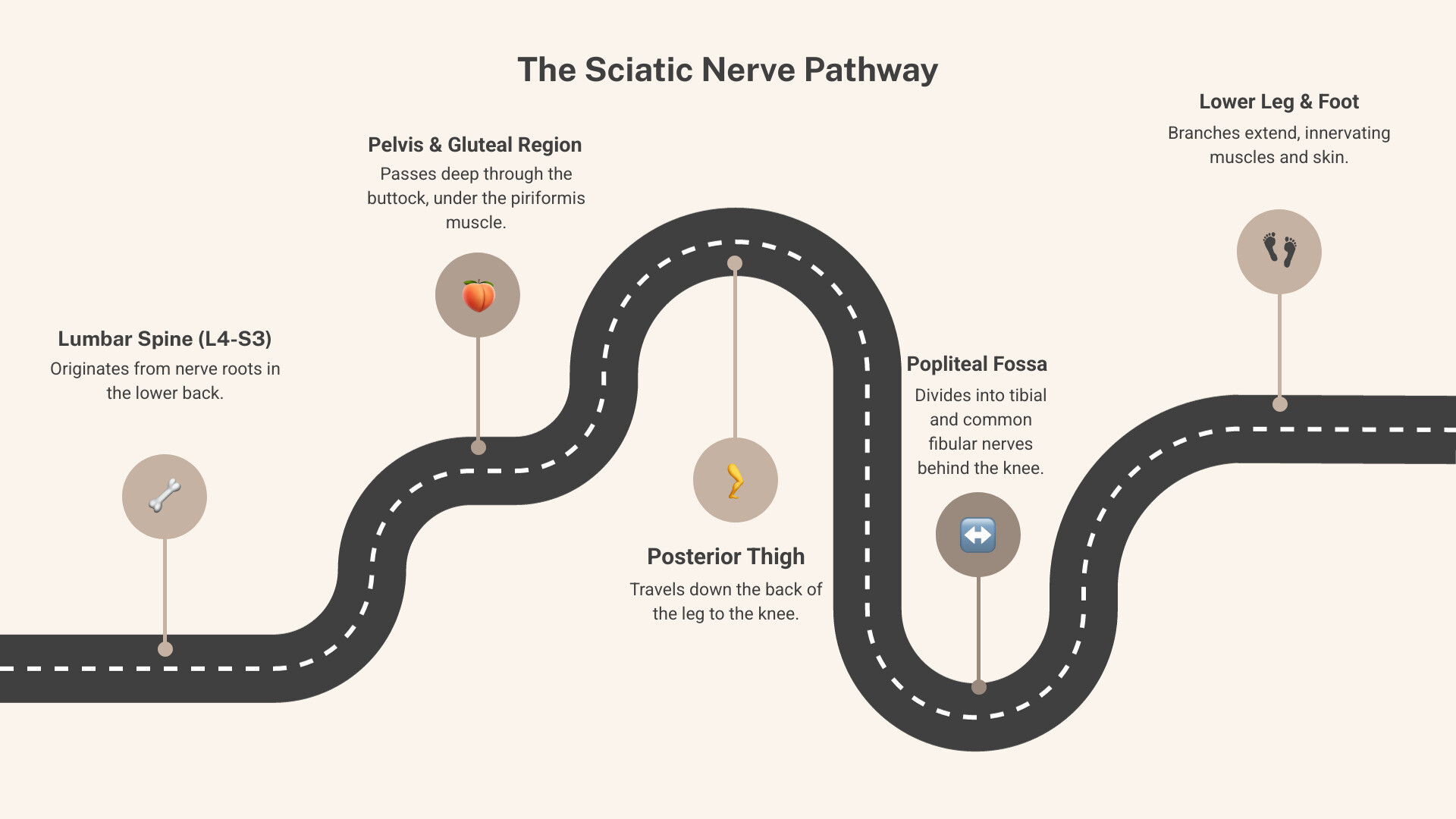
Sciatica isn't a condition in itself, but rather a symptom of an underlying problem affecting your sciatic nerve. This nerve, a bundle of five nerve roots originating from your lower spine (L4 to S3), is the longest and thickest nerve in your entire body. It travels from your lower back, through your buttocks, and down each leg, branching out to supply sensation and motor function to various parts of your leg and foot. When this nerve gets irritated or compressed, that's when the fun (or rather, the lack of fun) begins.
Nerve compression occurs when something puts direct pressure on the sciatic nerve or its roots, essentially "pinching" it. This pressure interferes with the nerve's ability to transmit signals properly, leading to the characteristic symptoms. Nerve irritation, on the other hand, can happen due to inflammation around the nerve, even without direct compression. Both scenarios can lead to a range of uncomfortable and often debilitating symptoms.
The pain characteristics of sciatica are quite distinct. It's often described as a sharp, shooting pain, a burning sensation, or even an electric shock that typically radiates along the nerve's pathway. While some back pain might be present, the leg pain is usually the dominant and most severe symptom. It's like your leg is throwing a party, and you weren't invited to the good kind of party.
For more detailed information on the sensations you might experience, explore our guide on More info about Sciatica Symptoms.
Common Sciatica Symptoms
The symptoms of sciatica can vary in intensity and location, but they almost always affect only one side of your body. It's rare to experience true sciatica down both legs, though it can happen in severe cases. Here's what you might feel:
- Radiating pain: This is the hallmark symptom, a pain that starts in your lower back or buttock and travels down the back of your thigh, calf, and sometimes into your foot and toes. It can range from a mild ache to an agonizing, searing pain.
- Numbness: You might experience a loss of sensation along the nerve's path, feeling like a part of your leg or foot is "asleep."
- Tingling or "pins and needles": This sensation is often described as a prickling, buzzing, or crawling feeling, similar to when your limb wakes up after being in an awkward position.
- Muscle weakness: In more severe cases, sciatica can cause weakness in the affected leg or foot, making it difficult to lift your foot (known as "foot drop") or stand on your toes.
- Pain on one side: Typically, sciatica affects only one leg, though the exact area of pain can shift depending on which part of the sciatic nerve is affected.
Understanding these symptoms is the first step toward effective relief. For a deeper dive into what to look out for, check out our Sciatica Pain Symptoms 101.
Primary Causes of Sciatic Nerve Pain
So, what causes this mighty nerve to get so upset? It usually boils down to something pressing on it or causing inflammation. Here are the most common culprits:
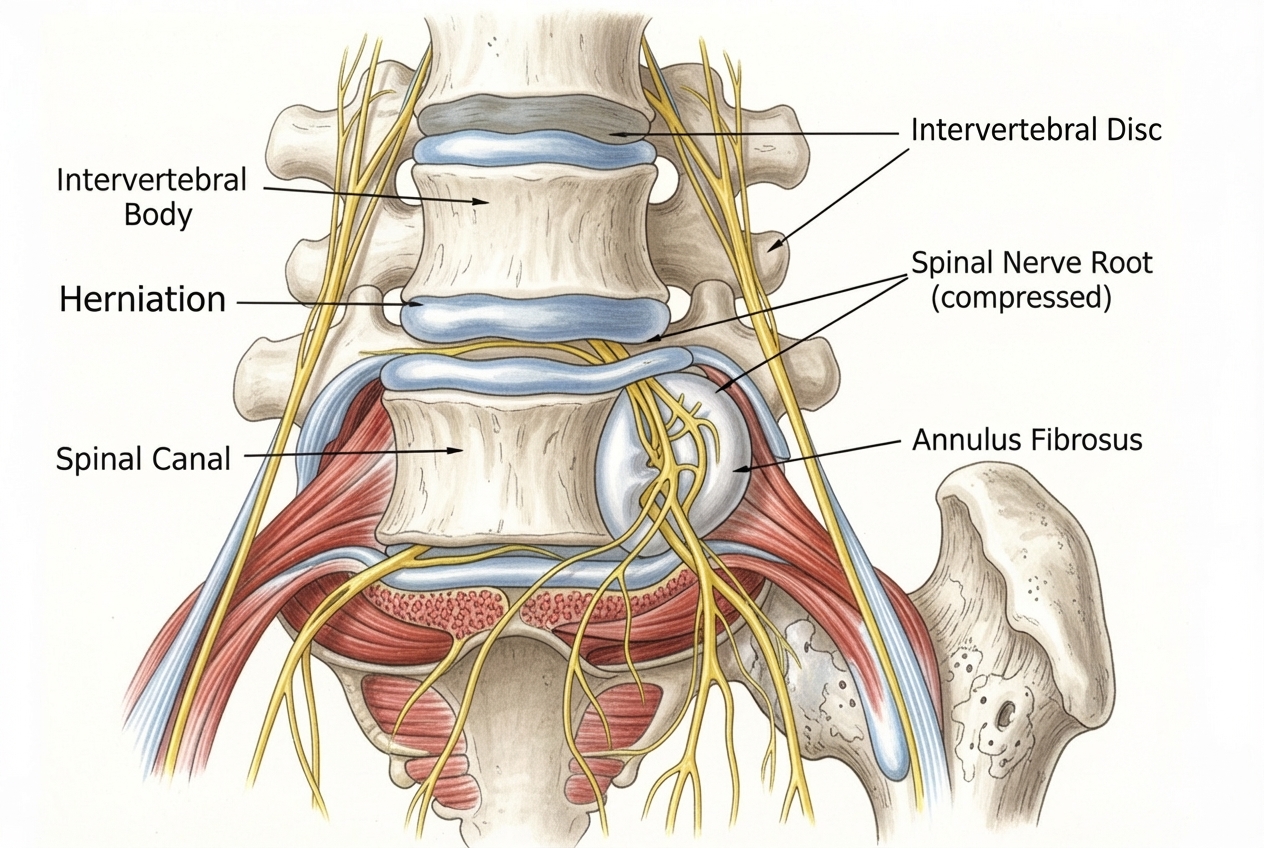
- Herniated Disc (Slipped Disc): This is by far the most frequent cause. The soft, jelly-like center of a spinal disc can bulge or rupture through its tougher outer layer, pressing directly on the sciatic nerve root. Imagine a jelly donut that's been squeezed too hard!
- Spinal Stenosis: This condition involves the narrowing of the spinal canal, the space where your spinal cord and nerves run. This narrowing can put pressure on the sciatic nerve, especially as we age.
- Piriformis Syndrome: The piriformis is a small muscle located deep in your buttock, near where the sciatic nerve passes. If this muscle spasms or tightens, it can compress the sciatic nerve, leading to sciatica-like pain. This is a common cause, and sometimes hard to diagnose, but very treatable with specific stretches and massage.
- Spondylolisthesis: This occurs when one vertebra slips forward over another, which can pinch the sciatic nerve as it exits the spinal column.
- Age-related changes: As we get older, our spinal discs naturally degenerate and lose cushioning. Bone spurs (osteophytes) can also develop, further contributing to nerve compression.
- Other factors: Less common causes include tumors, infections, or injuries to the spine. Risk factors that increase your likelihood of developing sciatica include obesity, certain occupations, prolonged sitting, and diabetes. Yes, smoking can also make you more susceptible, as nicotine restricts blood flow to the discs that cushion your vertebrae!
For an authoritative and comprehensive overview of sciatica causes, we recommend consulting this resource: Authoritative overview of Sciatica causes.
Immediate Home Remedies to Relieve Sciatica Pain
When sciatica strikes, the first thing most of us want is immediate relief. The good news is that many cases of sciatica respond well to self-care strategies. In fact, statistics show that between 80% to 90% of people with sciatica get better without surgery, often within just a few weeks. This means you have a powerful role to play in your own recovery!
The key is not to panic and to implement effective strategies early. We've found that focusing on active self-care, rather than passive rest, is often the most beneficial approach.
For more helpful tips and detailed information on how to manage your discomfort, be sure to check out our dedicated article on More info about Sciatica Relief.
Effective home strategies to relieve sciatica pain
Let's explore the practical steps you can take right now to relieve sciatica pain from the comfort of your home:
- Cold packs: For the first 2-3 days after the pain starts, apply a cold pack to your lower back. This helps reduce inflammation and numb the pain. Wrap the ice pack in a thin towel to protect your skin and apply it for 15-20 minutes at a time, several times a day. Think of it as giving your angry nerve a chill-out session!
- Heat therapy: After the initial 2-3 days, or if your pain is more chronic and accompanied by muscle stiffness, switch to heat therapy. A heating pad, hot water bottle, or even a warm bath can help relax tight muscles, improve blood circulation, and soothe discomfort. Apply heat for 15-20 minutes at a time. Always ensure the heat source is warm, not scorching hot, to prevent burns.
- Alternating hot and cold: Many people find that alternating between hot and cold applications provides the most effective relief. This combination can help reduce inflammation while also promoting muscle relaxation.
- Reducing inflammation: Beyond ice and heat, consider incorporating anti-inflammatory foods into your diet. Turmeric, green tea, and ginger are known for their anti-inflammatory properties. Conversely, try to avoid inflammatory foods like excessive sugars, trans fats, and refined carbohydrates, which can exacerbate pain.
- Muscle relaxation: Gentle massage can also provide significant relief for tight muscles and spasms often associated with sciatica. You can use self-massage techniques with a tennis ball or foam roller on your lower back, glutes, and hips to release tension.
The Role of Movement vs. Rest
This is crucial: while a day or two of rest might feel good initially, prolonged bed rest is generally not recommended for sciatica. Staying active and moving gently is often more beneficial for recovery.
- Gentle activity: As soon as your pain allows, try to carry on with your normal daily activities as much as possible. Gentle, regular exercise is your friend. This doesn't mean running a marathon, but rather light walking, household chores, or gentle stretches.
- Walking: A short, gentle walk can help loosen tight muscles and improve blood flow, both of which are beneficial for nerve healing.
- Avoiding prolonged sitting: Sitting for long periods can put extra pressure on your sciatic nerve. If your job requires a lot of sitting, make sure to take frequent breaks to stand, stretch, and move around. When you do sit, ensure you have good lumbar support and keep your feet flat on the floor.
- Dangers of bed rest: Research, including insights from Harvard Health, suggests that prolonged bed rest can actually worsen back pain and sciatica. It can lead to muscle weakening and stiffness, making recovery slower. So, get up, move around, and let your body heal actively. For more on this, check out Harvard research on bed rest for back pain.
Over-the-Counter and Topical Solutions
Sometimes, home remedies need a little extra help. That's where over-the-counter (OTC) medications and topical solutions come in.
- NSAIDs (ibuprofen, naproxen): Non-steroidal anti-inflammatory drugs like ibuprofen or naproxen sodium can help reduce both pain and inflammation. Always use them as directed and consult a doctor if you have any underlying health conditions or are taking other medications. While paracetamol might offer some pain relief, NSAIDs are generally more effective for the inflammatory component of sciatica.
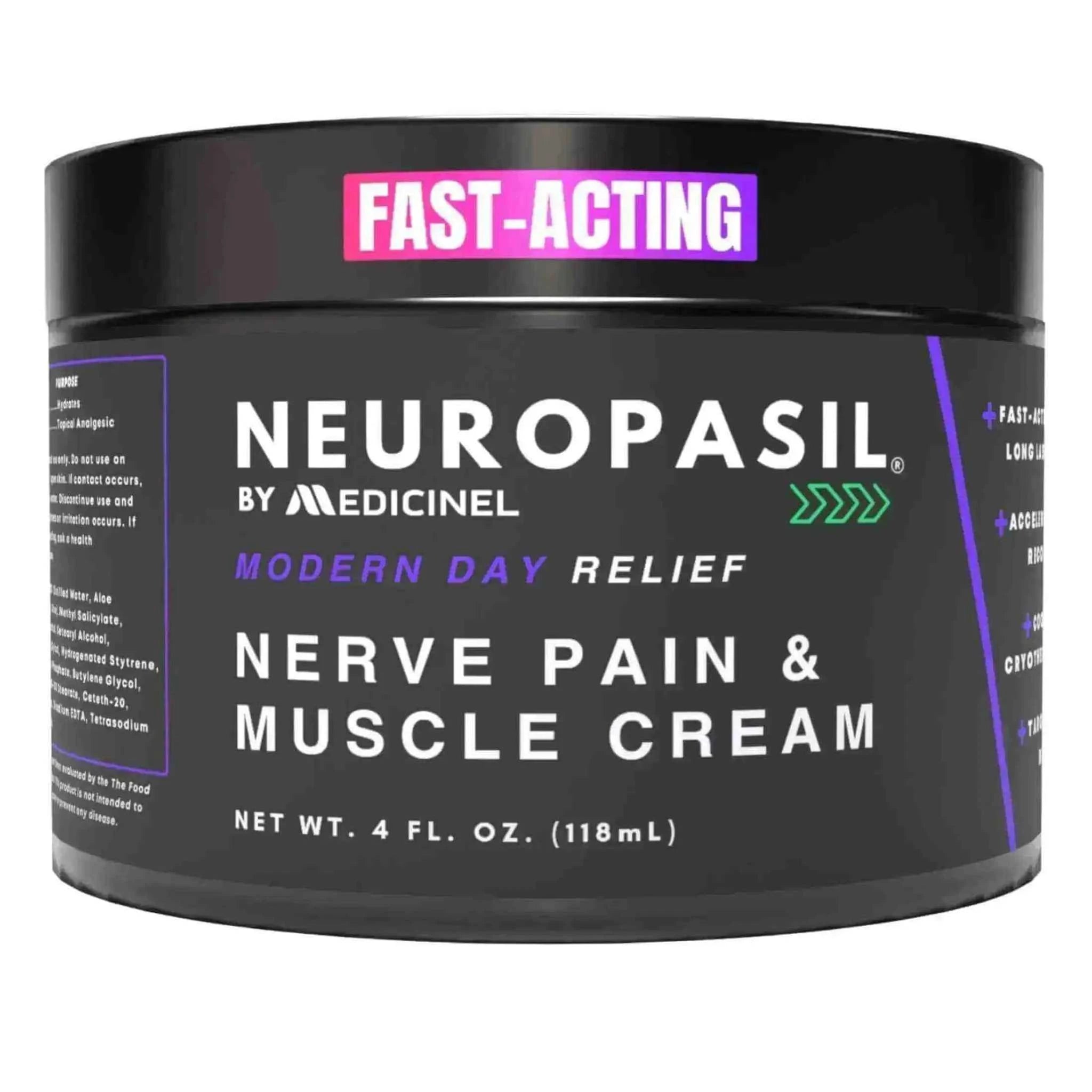
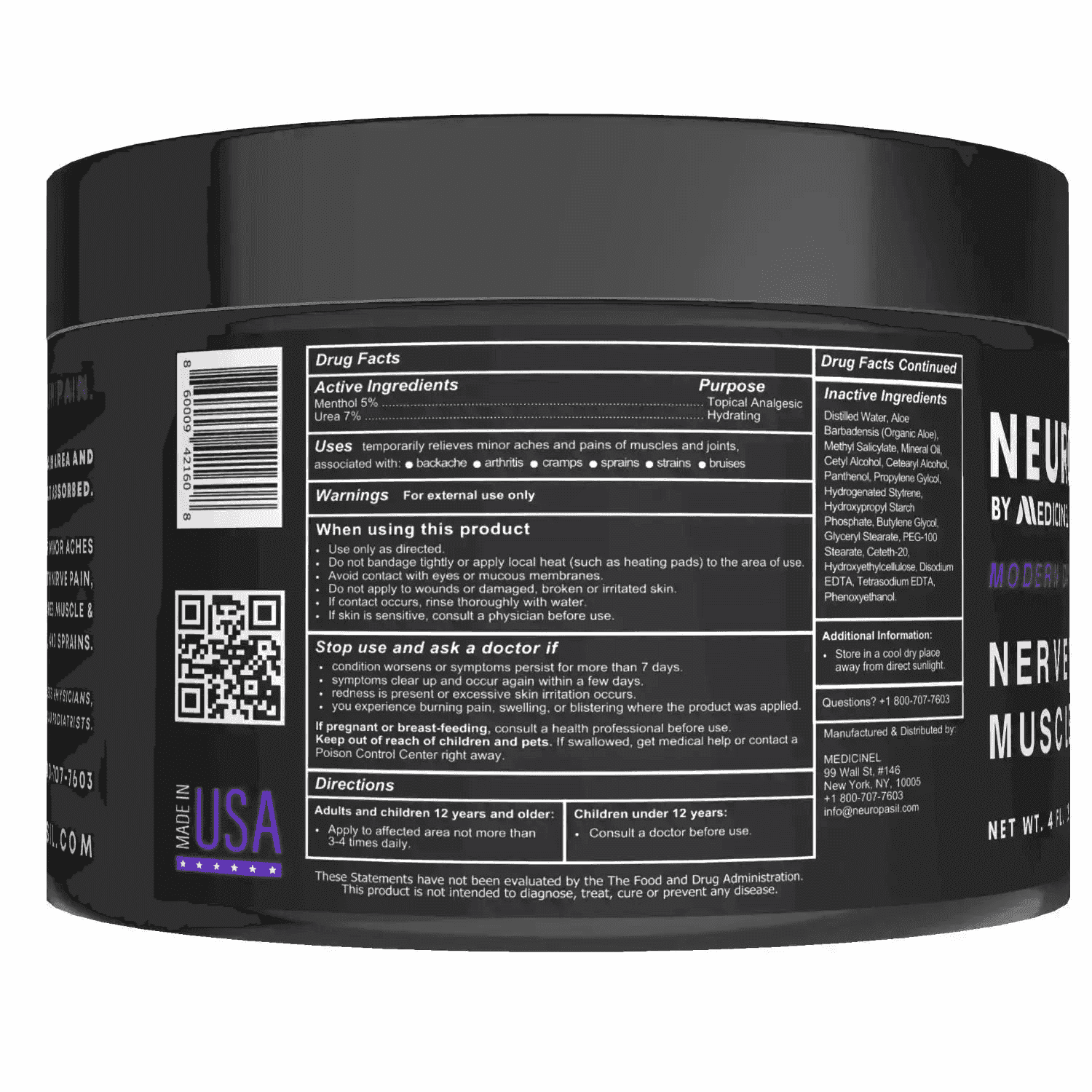
- Topical creams: For targeted relief, topical creams can be incredibly effective. Our own Neuropasil creams are formulated with powerful ingredients like Menthol, Aloe, and Urea to provide soothing relief right where you need it most.
- Menthol for cooling relief: Menthol provides a refreshing, cooling sensation that can help distract from pain and temporarily numb the affected area. It's like a mini ice pack in a tube!
- Aloe and Urea for skin soothing: Aloe vera is known for its anti-inflammatory and skin-soothing properties, while Urea helps the active ingredients penetrate the skin more effectively. This combination not only helps relieve sciatica pain but also takes care of your skin.
- Neuropasil for targeted application: Our loyal customers, including athletes and those with chronic pain, use Neuropasil for everything from neuropathy and fibromyalgia to plantar fasciitis, strains, sprains, aches, and general muscle pain. When applied directly to the lower back, buttocks, or leg where sciatica pain is radiating, Neuropasil delivers fast-acting, soothing relief. It's a fantastic option for targeted application, especially before or after exercises, to help manage discomfort.
To find how Neuropasil can help you open up fast and effective relief, visit our page on Unlock Rapid Sciatica Relief Today.
Stretches and Exercises for Lasting Relief
While immediate home remedies can provide temporary comfort, consistent stretching and exercise are fundamental for long-term relief and prevention of sciatica recurrence. These physical therapy benefits are well-documented, as guidelines often recommend exercise to improve core strength, increase flexibility, and correct poor posture, all of which reduce pressure on the sciatic nerve. Think of it as building a stronger, more supportive home for your sciatic nerve.
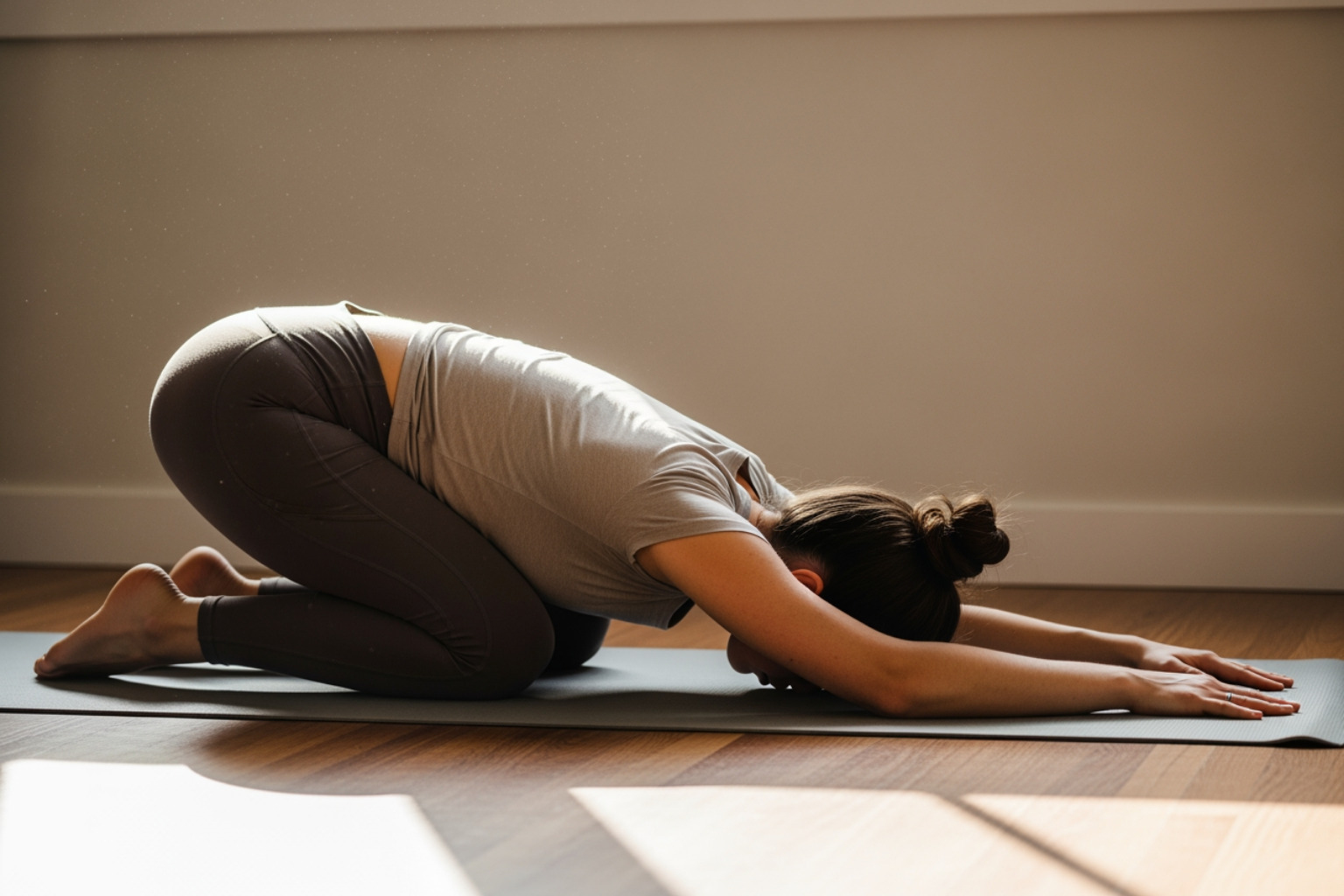
Many people find that engaging in a regular routine of targeted stretches and low-impact exercises can significantly reduce their pain and improve their quality of life. The goal is to gently open up the hip area, stretch the piriformis muscle, and strengthen the muscles that support your spine.
For more in-depth information about managing nerve-related discomfort, including sciatica, explore our article on More info about Sciatic Nerve Pain.
[LIST] of 5 Key Stretches for Sciatica
Remember to perform these stretches gently and only to the point of a mild pull, never pain. If any stretch exacerbates your symptoms, stop immediately. Work with a physical therapist in New York City or your local area if possible, to ensure you're performing them correctly.
-
Knee-to-chest stretch:
- Lie on your back with both legs extended.
- Bend one knee and grasp it with both hands.
- Gently pull your knee towards your chest until you feel a mild stretch in your lower back and buttock.
- Hold for 15-30 seconds, breathing deeply.
- Repeat 2-3 times per leg, then try with both knees together.
-
Seated piriformis stretch:
- Sit upright in a chair with your feet flat on the floor.
- Cross the ankle of your affected leg over the opposite knee.
- Keeping your back straight, gently lean forward until you feel a stretch in your buttock/hip area.
- Hold for 30 seconds. Repeat 2-3 times per side. This is particularly good if your sciatica stems from piriformis syndrome.
-
Standing hamstring stretch:
- Place your heel on an liftd surface (like a chair or step) with your leg straight.
- Keeping your back straight and your toes pointed up, gently lean forward from your hips until you feel a stretch in the back of your thigh.
- Hold for 30 seconds. Repeat 2-3 times per leg. Tight hamstrings can mimic sciatica symptoms, so keeping them flexible is key.
-
Glute bridges:
- Lie on your back with your knees bent and feet flat on the floor, hip-width apart.
- Engage your core and glutes, then lift your hips off the floor until your body forms a straight line from your shoulders to your knees.
- Hold for a few seconds, then slowly lower back down.
- Perform 10-15 repetitions. This strengthens your glutes and core, supporting your lower back.
-
Cat-cow pose:
- Start on your hands and knees, with your hands directly under your shoulders and knees under your hips.
- Cat pose: As you exhale, round your spine towards the ceiling, tucking your chin to your chest.
- Cow pose: As you inhale, arch your back, drop your belly towards the floor, and lift your head and tailbone.
- Flow between these two poses for 1-2 minutes, coordinating with your breath. This gentle spinal movement can help mobilize the spine and relieve tension.
Low-Impact Exercises to Support Recovery
Once you've incorporated stretching, adding low-impact exercises can further strengthen your body and promote healing without aggravating your nerve.
- Walking: As mentioned, gentle walking is fantastic. Start with short distances and gradually increase as your pain allows.
- Swimming and water aerobics: The buoyancy of water reduces gravity's impact, making it an ideal environment for exercise when dealing with sciatica. Water allows for a full range of motion without putting stress on your spine. There's even evidence suggesting hydrotherapy can be beneficial for various body systems, including nerve regeneration. So, dive in! For more on the benefits, see Evidence on hydrotherapy benefits.
- Stationary cycling: A stationary bike allows you to exercise without the impact of running or walking on hard surfaces. Adjust the seat and handlebars to maintain a comfortable, upright posture.
The goal is consistent, gentle movement. If you're experiencing sharp pain, it's your body's way of telling you to ease up.
When to See a Doctor: Medical Treatments for Sciatica
While many cases of sciatica improve with home remedies and self-care, there are times when professional medical attention is crucial. We encourage you to listen to your body and recognize when self-care limits have been reached. If your pain is chronic, worsening, or significantly interfering with your daily life, it's time to seek professional diagnosis and treatment. Early intervention can prevent minor issues from becoming major problems.
Red Flag Symptoms Requiring Urgent Care
Some sciatica symptoms are considered "red flags" and require immediate medical attention, as they can indicate a serious condition called cauda equina syndrome. Do not delay seeking care if you experience any of the following:
- Severe weakness in legs: If you suddenly experience significant weakness in one or both legs, making it difficult to walk or stand.
- Loss of bladder or bowel control: This is a serious symptom that could indicate a condition called cauda equina syndrome, which requires emergency treatment.
- Numbness in genital area or around the buttocks (saddle anesthesia): This also points to potential cauda equina syndrome.
- Sciatica on both sides: While rare, if you have severe sciatica symptoms affecting both legs simultaneously.
- Pain following a severe injury: If your sciatica develops after a fall, car accident, or other significant trauma.
In such cases, head to the emergency room or call 911 (or your local emergency number) immediately. These symptoms suggest potential nerve damage that needs urgent assessment.
Medical options to relieve sciatica pain
For persistent sciatica that doesn't resolve with home care, a healthcare professional can offer a range of treatment options. In New York City, you have access to excellent specialists who can help.
- Physical Therapy (PT): This is often the first line of professional treatment. A physical therapist will assess your condition and design a personalized exercise program to strengthen your core, improve flexibility, correct posture, and teach you proper body mechanics. They may also use manual therapy techniques (like massage or mobilization) to reduce pain and improve function. The goal is to empower you to manage your condition independently.
-
Prescription Medications: Your doctor might prescribe stronger medications than OTC options:
- Muscle relaxers: To alleviate muscle spasms.
- Tricyclic antidepressants: Used in low doses, these can help with chronic pain by affecting neurotransmitters.
- Anti-seizure medications: Certain drugs typically used for epilepsy can also be effective in managing nerve pain.
- Opioids: In very severe, short-term cases, doctors might prescribe opioids, but these are used cautiously due to addiction risks.
- Epidural Steroid Injections: These injections deliver corticosteroids directly into the area around the affected nerve root in your spine. Corticosteroids are powerful anti-inflammatory drugs that can reduce swelling and pain. They offer temporary relief, typically lasting a few weeks to a few months, and doctors usually limit them to about three injections per year.
- Non-surgical options: Beyond PT and medications, other non-surgical approaches might include TENS (Transcutaneous Electrical Nerve Stimulation), which uses low-voltage electrical current to block pain signals.
-
Surgical Options (Diskectomy, Laminectomy): Surgery is generally considered a last resort, reserved for cases where conservative treatments have failed (with some guidelines suggesting surgery for intractable pain lasting 6 to 8 weeks), or if you have severe or worsening nerve damage, such as significant muscle weakness or loss of bowel/bladder control.
- Diskectomy: The most common surgery, where the surgeon removes the portion of the herniated disc that is pressing on the nerve.
- Laminectomy: Involves removing a part of the vertebral bone (lamina) to create more space for the nerves, often used for spinal stenosis.
If you're in New York City and seeking specialized care, resources like Comprehensive Spine at Weill Cornell Medicine or Pain Management NYC offer advanced treatment options for sciatica. They can provide comprehensive assessments and guide you through the best course of action.
Frequently Asked Questions about Sciatica
We know you have questions, and we're here to provide clear, straightforward answers. Understanding your condition is a huge part of managing it effectively.
How long does sciatica typically last?
The duration of sciatica can vary significantly from person to person. For most people, acute sciatica resolves within a few weeks, and between 80% and 90% of cases resolve without surgery.
However, if your pain persists beyond 12 weeks, it's often classified as chronic sciatica. In these cases, ongoing care, treatment options, and lifestyle changes become more critical. Factors affecting the duration include the underlying cause, the severity of nerve compression, your overall health, and how consistently you adhere to a treatment plan. While stretching and movement can support recovery, some studies suggest that waiting too long for treatment may lead to less favorable outcomes.
What is the best sleeping position for sciatica?
Getting good sleep can be challenging when you're dealing with sciatica pain. The right sleeping position can help maintain spinal alignment and reduce pressure on your sciatic nerve.
- Sleeping on your back with a pillow under your knees: This position helps flatten your spine, reducing the arch in your lower back and taking pressure off the sciatic nerve.
- Sleeping on your side with a pillow between your knees: This keeps your hips, pelvis, and spine in better alignment, preventing your top leg from pulling your spine out of position.
- Avoiding sleeping on your stomach: This position can cause your spine to curve unnaturally and your neck to twist, often worsening sciatica pain. It's like trying to sleep with a pretzel for a spine—not ideal!
Additionally, ensure your mattress provides medium-firm support, and your pillow properly supports your neck.
Are there any alternative therapies that can help?
Beyond conventional medical treatments, several alternative therapies have shown promise in helping to relieve sciatica pain for some individuals.
- Acupuncture: This ancient Chinese practice involves inserting thin needles into specific points on the body. It's believed to stimulate nerve fibers, inhibit pain signals, and trigger the release of endorphins (your body's natural painkillers). A systematic review and meta-analysis on acupuncture for sciatica suggests its efficacy for treatment. For more details, see Systematic review on Acupuncture for Sciatica.
- Chiropractic care: Chiropractors focus on spinal adjustments or manipulations to correct misalignments that might be contributing to nerve compression. Many people find relief through this hands-on approach, and spinal manipulation is considered relatively safe for low back pain when performed by a trained and licensed practitioner.
- Massage therapy: Therapeutic massage can help loosen tight muscles (especially in the glutes and hamstrings), improve blood flow, and reduce muscle spasms that might be irritating the sciatic nerve. Whether it's a professional sports massage or self-massage with tools, it can provide significant relief.
- Yoga: Gentle yoga, particularly poses that focus on hip opening and spinal mobility (like those we mentioned earlier), can improve flexibility, strengthen supporting muscles, and reduce overall tension. It's an excellent way to combine movement with mindfulness.
When considering alternative therapies, always choose a licensed and experienced practitioner, and discuss these options with your doctor to ensure they are appropriate for your specific condition.
Conclusion: A Proactive Approach to Prevention and Wellness
Navigating sciatica can be a challenging journey, but as we've explored, there are numerous effective strategies to relieve sciatica pain and regain your quality of life. From immediate home remedies like ice, heat, and topical creams to targeted stretches, low-impact exercises, and when necessary, professional medical interventions, you have a toolkit at your disposal.
The overarching theme is a proactive approach to your health. Maintaining good posture, managing your weight, and employing proper lifting techniques are not just good habits; they are crucial preventative measures. Your spine is the central pillar of your body, and treating it with care can prevent many painful conditions.
The long-term outlook for most people with sciatica is very positive. With consistent effort and the right support, you can significantly reduce your pain and prevent future flare-ups. We encourage you to stay active, listen to your body, and seek help when needed. Relief is within reach, and with Neuropasil, we're here to support you on your path to wellness, offering targeted relief for nerve and muscle pain.
For comprehensive nerve pain relief, consider exploring Find Neuropasil for Nerve Pain Relief. Our unique blend of Aloe, Urea, and Menthol can provide the soothing comfort you need to continue your journey towards a pain-free life.
References
- Cleveland Clinic. (2020). Sciatica: What It Is, Causes, Symptoms, Treatment & Pain Relief. Accessed from https://my.clevelandclinic.org/health/diseases/12792-sciatica
- Davis, D., & Maini, K. (2021). Sciatica. In StatPearls. StatPearls Publishing. Accessed from https://www.ncbi.nlm.nih.gov/books/NBK507908/
- Mayo Clinic. (2020). Sciatica - Symptoms and causes. Accessed from https://www.mayoclinic.org/diseases-conditions/sciatica/symptoms-causes/syc-20377435
- Johns Hopkins Medicine. 4 Reasons to Stop Smoking if You Have Back Pain. Accessed from https://www.hopkinsmedicine.org/health/conditions-and-diseases/back-pain/4-reasons-to-stop-smoking-if-you-have-back-pain
- Harvard Health Publishing. (2015). Bed rest for back pain? A little bit will do you. Accessed from https://www.health.harvard.edu/pain/bed-rest-for-back-pain-a-little-bit-will-do-you
- Mayo Clinic. (2020). Sciatica - Diagnosis and treatment. Accessed from https://www.mayoclinic.org/diseases-conditions/sciatica/diagnosis-treatment/drc-20377441
- Mooventhan, A., & Nivethitha, L. (2014). Scientific Evidence-Based Effects of Hydrotherapy on Various Systems of the Body. North American Journal of Medical Sciences, 6(5), 199–209. Accessed from https://www.ncbi.nlm.nih.gov/pmc/articles/PMC4049052/
- Ji, M., et al. (2015). The Efficacy of Acupuncture for the Treatment of Sciatica: A Systematic Review and Meta-Analysis. Evidence-Based Complementary and Alternative Medicine, 2015, 192808. Accessed from https://www.ncbi.nlm.nih.gov/pmc/articles/PMC4575738/
- Rihn, J. A., et al. (2013). Duration of symptoms resulting from lumbar disc herniation: its effect on treatment outcomes. Spine, 38(11), 951-6. Accessed from https://pubmed.ncbi.nlm.nih.gov/23462622/
- National Center for Complementary and Integrative Health (NCCIH). (2019). Spinal Manipulation: What You Need To Know. Accessed from https://www.nccih.nih.gov/health/spinal-manipulation-what-you-need-to-know
- Comprehensive Spine, Weill Cornell Medicine. Sciatica Treatments in New York | NYC Nerve Pain Doctor. Accessed from https://comprehensivespine.weillcornell.org/conditions-we-treat/sciatica/
- Pain Management NYC. Sciatica Pain Specialists in NYC – Advanced Treatment Options. Accessed from https://www.painmanagementnyc.com/sciatica/