Understanding Your Hamstring Recovery Timeline
Torn hamstring muscle recovery time varies significantly based on the severity of your injury. A torn hamstring is a common injury for athletes and active adults, occurring when the muscles along the back of your thigh are overstretched or torn. This causes sudden pain and limits movement.
Quick Answer: Recovery Time by Severity
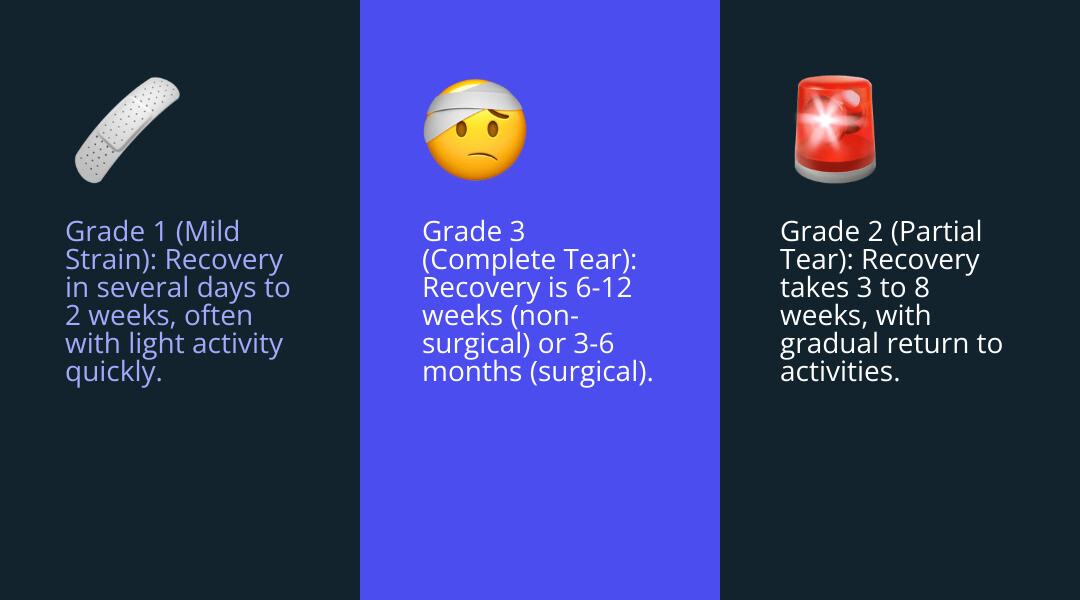
- Grade 1 (Mild Strain): Several days to 2 weeks
- Grade 2 (Partial Tear): 3 to 8 weeks
- Grade 3 (Complete Tear) without surgery: 6 to 12 weeks or more
- Grade 3 (Complete Tear) with surgery: 3 to 6 months
Return to Sport Timeline:
- Non-surgical injuries: 1-2 weeks (mild) to 6-12 weeks (severe)
- After surgical repair: 16-29 weeks
The severity of your injury—from a mild strain to a complete rupture—directly impacts your recovery. Understanding what to expect at each stage can help you manage the healing process and avoid re-injury. This guide will cover everything from diagnosis and treatment to rehabilitation and prevention.
I'm Tony Enrico, and through my work with Neuropasil, I've helped many people recover from muscle and nerve pain. I've seen how understanding the recovery timeline is crucial for a full return to activity and preventing chronic issues. Let me walk you through what you need to know about healing your hamstring effectively.
Understanding Hamstring Tears: From Mild Strains to Complete Ruptures
The hamstring is a group of three muscles along the back of your thigh (biceps femoris, semitendinosus, and semimembranosus) that are crucial for bending your knee and extending your hip. These muscles absorb tremendous force during activities like sprinting and jumping, making them vulnerable to injury.
A hamstring injury occurs when these muscles or tendons are overstretched, leading to a pull, strain, or tear. While "pull" and "strain" often refer to milder injuries, a "tear" suggests more significant damage. Common causes include sudden, explosive movements, overstretching, or simple falls. Sports like soccer, basketball, and track put athletes at higher risk.
Several risk factors increase your susceptibility:
- Previous injury: A prior hamstring injury increases the risk of re-injury, with some studies reporting that over 30% of athletes experience a recurrence.
- Muscle imbalance: Stronger quadriceps compared to hamstrings can lead to injury.
- Muscle fatigue: Tired muscles absorb less energy and are more prone to damage.
- Poor conditioning or warm-up: Abruptly increasing workout intensity or failing to prepare muscles can cause injury.
- Limited flexibility: Tight hamstrings are more likely to tear.
For more details on causes and prevention, consult scientific research on hamstring injury causes and risk factors.
Grades of Hamstring Tears and Their Symptoms
To understand torn hamstring muscle recovery time, it's important to know that injuries are classified into three grades:
- Grade 1 (Mild Strain): Involves microscopic muscle fiber tears. You may feel mild pain, tenderness, or tightness, but with no significant loss of strength.
- Grade 2 (Partial Tear): A partial tearing of muscle fibers causes more noticeable, sharp pain. Swelling, bruising, and tenderness are common, often resulting in a limp and some loss of strength.
- Grade 3 (Complete Tear): A complete rupture of the muscle or tendon. A "pop" may be heard or felt at the time of injury. The pain is severe and immediate, making it impossible to bear weight. Significant swelling, bruising, and a noticeable gap in the muscle are common.
How Hamstring Tears Are Diagnosed
If you experience sudden hamstring pain, a medical evaluation is crucial. A healthcare provider will perform a physical exam, checking for tenderness, testing muscle strength, and assessing your range of motion.
To confirm the diagnosis and determine the tear's severity, imaging tests are often used:
- MRI (Magnetic Resonance Imaging): The gold standard for soft tissue injuries, an MRI provides detailed images of the muscle and tendons to show the extent of the tear. This information is vital for predicting torn hamstring muscle recovery time and planning treatment.
- Ultrasound: Can also visualize muscle tears and fluid collections.
- X-ray: Used to rule out bone fractures or avulsion fractures, where the tendon pulls a piece of bone away.
An early, accurate diagnosis is key to an effective treatment plan and optimizing your recovery.
Torn Hamstring Muscle Recovery Time: What to Expect
Recovery from a hamstring tear is a personal journey. Your timeline depends on injury severity, age, overall health, commitment to rehab, and the tear's location. According to the Cleveland Clinic, tears near the top or bottom of the hamstring where the muscle becomes a tendon take longer to heal than tears in the middle of the muscle belly, partly due to a more limited blood supply.
Here's a general comparison of recovery times based on tear severity:
| Hamstring Tear Grade | Description of Injury | Expected Recovery Time (Non-Surgical) | Expected Recovery Time (Surgical) | Return to Sport Timeline |
|---|---|---|---|---|
| Grade 1 (Mild Strain) | Microscopic muscle fiber tears | Several days to 2 weeks | N/A (surgery rarely needed) | 1-2 weeks |
| Grade 2 (Partial Tear) | Partial muscle fiber tears | 3 to 8 weeks | N/A (surgery rarely needed) | 2-6 weeks |
| Grade 3 (Complete Tear) | Complete muscle/tendon rupture | 6 to 12 weeks or more (if conservative) | 3 to 6 months | 16-29 weeks (after surgery) |
Expected Torn Hamstring Muscle Recovery Time for Non-Surgical Injuries
Most Grade 1 and 2 tears are treated non-surgically to promote healing and restore function.
- Grade 1 Recovery: With a mild strain, you can expect a full recovery in one to two weeks. Rest and gentle movement are key, with a gradual return to light activities as pain allows.
- Grade 2 Recovery: A partial tear typically takes three to eight weeks to heal. This involves a structured rehab program to regain strength and flexibility under a physical therapist's guidance.
- Tendon Involvement: As noted, if a tendon is injured, recovery can take longer. For non-surgical Grade 3 tears, it may take six to twelve weeks or more for athletes to return to sport. The slower healing is due to the tendon's limited blood supply, highlighting the need for an accurate MRI diagnosis.
For more information on managing muscle strains, explore our guide on more info about muscle strain treatment.
Expected Torn Hamstring Muscle Recovery Time After Surgery
Surgery may be necessary for severe Grade 3 tears, especially when the tendon has completely pulled off the bone (avulsion). This is common for active individuals aiming to return to high-level performance.
The torn hamstring muscle recovery time after surgery is longer, typically three to six months. A post-surgery timeline often looks like this:
- Initial Post-Op (First 2-6 Weeks): This phase focuses on protecting the repair with crutches and possibly a brace. The goal is pain and swelling control with very gentle range-of-motion exercises.
- Weeks 6-12: You'll gradually increase weight-bearing and begin active rehab, including light strengthening exercises. Normal daily functions can often resume around three months post-op.
- Months 3-6+ (Return to Sport): This phase involves advanced strengthening and sport-specific drills. A full return to sport for athletes can take 16 to 29 weeks, with a gradual progression from jogging to full-speed agility work.
For more details on post-surgical recovery, you can review scientific research on post-surgery recovery.
Treatment and Management for Hamstring Injuries
Proper treatment is crucial for optimal healing and minimizing your torn hamstring muscle recovery time.
Initial At-Home Care
For low-grade injuries, start with at-home care. The R.I.C.E. (Rest, Ice, Compression, Elevation) protocol is often recommended for the first 48-72 hours to reduce pain and swelling. As pain subsides, gentle, pain-free movement can be introduced to promote blood flow and prevent stiffness, following the M.E.A.T. (Movement, Exercise, Analgesia, Therapy) principle.
For pain management, over-the-counter medications can help, but many people prefer targeted topical relief. Neuropasil can be applied directly to the affected area. Our creams contain menthol for an immediate cooling sensation, plus aloe and urea to benefit skin health and aid penetration. This can be a valuable tool for managing muscle pain throughout your recovery.

For more on managing muscle pain with topical solutions, read about the more info about the best pain relief creams for muscle pain.
Non-Surgical Treatment Options
Beyond home care, non-surgical treatment focuses on physical therapy and pain management.
- Physical Therapy: This is the cornerstone of recovery. A physical therapist will guide you through a structured program to restore range of motion, build strength in the hamstrings and surrounding muscles (glutes, core), and improve neuromuscular control for coordinated movement.
- Topical Pain Relief: Managing soreness is crucial for effective rehab. Our Neuropasil nerve pain relief cream offers targeted relief, making it easier to participate in exercises. With cooling menthol and skin-nourishing aloe and urea, it provides soothing comfort. Learn more about more info about Neuropasil nerve pain relief cream and our more info about our ingredients.
When Surgery Is Recommended
While most hamstring tears heal without it, surgery may be recommended to ensure the best torn hamstring muscle recovery time and function in specific cases:
- Complete (Grade 3) Tears: Especially when the tendon has completely pulled away from the bone (avulsion).
- Significant Tendon Retraction: A large gap created by the torn tendon often requires surgical reattachment.
- Failure of Conservative Treatment: If months of non-surgical treatment yield no significant improvement.
- High-Level Athletes: Surgery is often favored to restore full strength and reduce re-injury risk.
Surgery is most effective when performed soon after the injury, typically within a few weeks. An orthopedic specialist will make the final decision based on the tear's severity, your activity level, and overall health. For more on surgical indications, refer to scientific research on surgical indications.
Rehabilitation, Prevention, and Returning to Sport
Rehabilitation is a critical phase in managing a torn hamstring, regardless of whether you've undergone surgery or not. It's a structured process designed to gradually restore strength, flexibility, and function to your injured hamstring, ultimately guiding you back to your desired activity level.
The role of physical therapy cannot be overstated. A skilled physical therapist will develop a personalized program focusing on:
- Restoring Range of Motion: Gentle exercises to improve the flexibility of your hip and knee joints, preventing stiffness.
- Strengthening Exercises: Progressively building the strength of your hamstring muscles, as well as complementary muscles like the glutes and core, to ensure balanced muscle function and support.
- Neuromuscular Control: Retraining your muscles and nervous system to work together efficiently, improving coordination and stability, which is essential for dynamic movements.

Phases of Rehabilitation
Rehabilitation following a hamstring tear typically progresses through several phases, each with specific goals and exercises, as outlined in detailed clinical protocols. It's crucial to advance through these phases based on criteria (e.g., pain levels, range of motion achieved) rather than strict timelines, as everyone heals differently.
- Phase 1 (Protection - Weeks 0-6 post-injury/post-op): The primary goals here are to control pain and swelling, protect the healing tissue, and prevent stiffness. This often involves rest, ice, gentle passive or active-assisted range of motion exercises, and limited weight-bearing (e.g., using crutches for 2-6 weeks after surgery). Exercises might include quad sets, ankle pumps, and gentle hip movements within a pain-free range.
- Phase 2 (Strengthening - Weeks 6-12): Once pain and swelling are managed, and initial healing has occurred, the focus shifts to supervised strengthening. This phase introduces progressive resistance exercises for the hamstrings, glutes, and core. Examples include gentle hip bending exercises, heel slides, bridges, and light resistance band work. Balance exercises are also incorporated.
- Phase 3 (Functional - Months 3-5): As strength and range of motion improve, rehabilitation moves towards more functional and sport-specific movements. This phase involves building strength with resistance bands or gym exercises, incorporating light jogging, and beginning to reintroduce movements that mimic daily activities or elements of your sport. The goal is to prepare the hamstring for higher loads and dynamic demands.
- Phase 4 (Return to Sport - Months 5-9+): This final phase is highly individualized and focuses on preparing you for a safe return to your sport or high-level activities. It includes full-speed drills, agility training, sprinting, and change-of-direction activities. Progression is gradual, with careful monitoring to ensure the hamstring can handle the stresses without re-injury. For athletes, the typical return to sport can range from 16 to 29 weeks after surgery, depending on the demands of their sport.
Preventing Hamstring Re-Injury
One of the most challenging aspects of hamstring injuries is their high recurrence rate. More than 30% of athletes experience a re-injury, often during the same or ensuing sporting season. Preventing re-injury is paramount for long-term health and performance. We can reduce this risk by implementing a comprehensive prevention strategy:
- Proper Warm-Up: Always start any physical activity with a dynamic warm-up. This includes movements that gradually increase your heart rate and prepare your muscles for exertion, rather than static stretching.
- Strength Training: Focus on balanced strength training for your hamstrings, glutes, and core muscles. Stronger muscles are more resilient to injury.
- Flexibility Program: Incorporate regular stretching and flexibility exercises into your routine. Injured hamstrings tend to tighten as they heal, making flexibility crucial to prevent re-injury.
- Avoiding Overexertion: Gradually increase the intensity, duration, and frequency of your workouts. Listen to your body and avoid pushing through pain or extreme fatigue.
- Neuromuscular Control: A balanced conditioning program that emphasizes flexibility, strength training, and neuromuscular control is the best way to prevent hamstring tears. This helps your muscles respond quickly and efficiently to sudden movements.
For further insights into proactive measures, you can consult scientific research on preventing hamstring tears.
Frequently Asked Questions about Hamstring Recovery
We understand you likely have many questions about your hamstring injury and its recovery. Here are answers to some of the most common inquiries we hear:
Is walking good for a pulled hamstring?
Initially, after a hamstring injury, rest is key to allow the initial healing process to begin and to reduce pain and swelling. However, once the acute pain subsides (typically after a few days for mild strains), gentle walking can be beneficial. Walking is a low-stress activity that promotes blood flow to the injured area, which can aid healing and prevent excessive stiffness. The most important rule is that walking should be pain-free. If you experience any pain or discomfort while walking, you should stop and rest. Gradually increase the duration and intensity of your walks as your hamstring feels stronger and more comfortable.
Should you use heat or ice on a torn hamstring?
The use of heat or ice depends on the stage of your injury:
- Ice: For the first 48-72 hours after the injury, ice is your best friend. Applying ice packs (wrapped in a cloth to protect your skin) for 15-20 minutes at a time, several times a day, helps to constrict blood vessels, reducing swelling, inflammation, and pain.
- Heat: After the initial acute phase (typically after 72 hours), when swelling has subsided, heat can be introduced. Applying a warm compress or taking a warm bath can help increase blood flow to the area, relax tight muscles, and promote healing. Heat is often beneficial before stretching or light exercises to make the muscles more pliable, but it should not be used if there is still significant swelling or acute pain.
What are the signs a hamstring injury is not healing properly?
While most hamstring injuries heal with proper care, it's important to recognize when things might not be progressing as expected. Seek medical attention if you experience any of the following:
- Persistent pain that doesn't improve: If your pain doesn't gradually decrease over time, or even worsens, despite following your treatment plan.
- Increased swelling or bruising after the first few days: While initial swelling and bruising are normal, a sudden increase or persistence beyond the first few days could indicate a problem.
- Inability to bear weight or walk after a week (for mild/moderate tears): If you're still struggling significantly with basic movements beyond what's expected for your injury grade.
- A feeling of instability in the leg: This could suggest a more severe tear or inadequate muscle support.
- Numbness, tingling, or weakness: These symptoms could indicate nerve involvement, which requires immediate medical evaluation.
Always trust your instincts. If something doesn't feel right, it's best to consult with your healthcare provider.
Conclusion
Navigating the torn hamstring muscle recovery time can be a challenging journey, but with the right knowledge, patience, and commitment, a full return to activity is achievable. We've explored the nuances of hamstring tears, from mild strains to complete ruptures, understanding how their severity dictates your healing timeline. Whether your path involves conservative management or surgical intervention, a structured rehabilitation program is your best ally.
The importance of patience cannot be overstated. Rushing back to activities too soon is the leading cause of re-injury, which can prolong your recovery even further. Listen to your body, adhere to your physical therapy plan, and gradually progress through each stage of rehabilitation.
The long-term outlook for individuals who have experienced a hamstring tear is generally positive, especially with diligent adherence to prevention strategies. By incorporating proper warm-ups, balanced strength training, and flexibility into your routine, you can significantly reduce the risk of future injuries.
During your recovery, managing muscle pain and discomfort is crucial for your comfort and ability to participate in rehabilitation. Our Neuropasil topical creams are designed to provide fast-acting, soothing relief, helping you manage muscle pain so you can focus on healing. For more information on how our products can support your recovery, visit more info about Neuropasil.
Healing is a process, not a race. Stay informed, stay committed, and you'll be back to your best in no time.
References
- Hamstring Injury: Recovery Time, Treatment & Symptoms
- Risk factors for hamstring injuries in male soccer players: a systematic review and meta-analysis
- Torn Hamstring Recovery Time | Generator Athlete Lab
- Recovery Time for Repair of a Proximal Hamstring Tear
- Pulled Hamstring: Diagnosis & Treatment | NewYork-Presbyterian
- Rehabilitation Guidelines Following Proximal Hamstring Primary Repair
- Preventing Hamstring Tears