Why Urea Cream is a Game-Changer for Your Skin
What is urea cream? Urea cream is a topical skincare treatment containing urea (also called carbamide), a compound that occurs naturally in your skin's natural moisturizing factor (NMF) (1). It works as both a humectant that draws water into the skin and a keratolytic agent that gently breaks down dead skin cells at higher concentrations (1).
Quick Answer:
- What it is: A cream with 5-50% urea for skin hydration and exfoliation.
- How it works: Attracts moisture and softens rough skin by dissolving dead cell buildup.
- Best for: Dry skin, eczema, psoriasis, calluses, thick nails, and cracked heels.
- Available: Over-the-counter in pharmacies and drugstores.
- Forms: Creams, lotions, gels, shampoos, and nail treatments.
Used since the 1940s (2) and listed as an essential medicine by the World Health Organization (3), urea cream is a powerhouse ingredient for everything from mild dryness to severe skin conditions.
Whether you want to fix rough elbows and cracked heels or simply achieve smoother skin, urea cream is a science-backed solution. At low concentrations (under 10%), it moisturizes. At medium concentrations (10-30%), it hydrates and mildly exfoliates. At high concentrations (above 30%), it tackles stubborn calluses and thick nails (1).
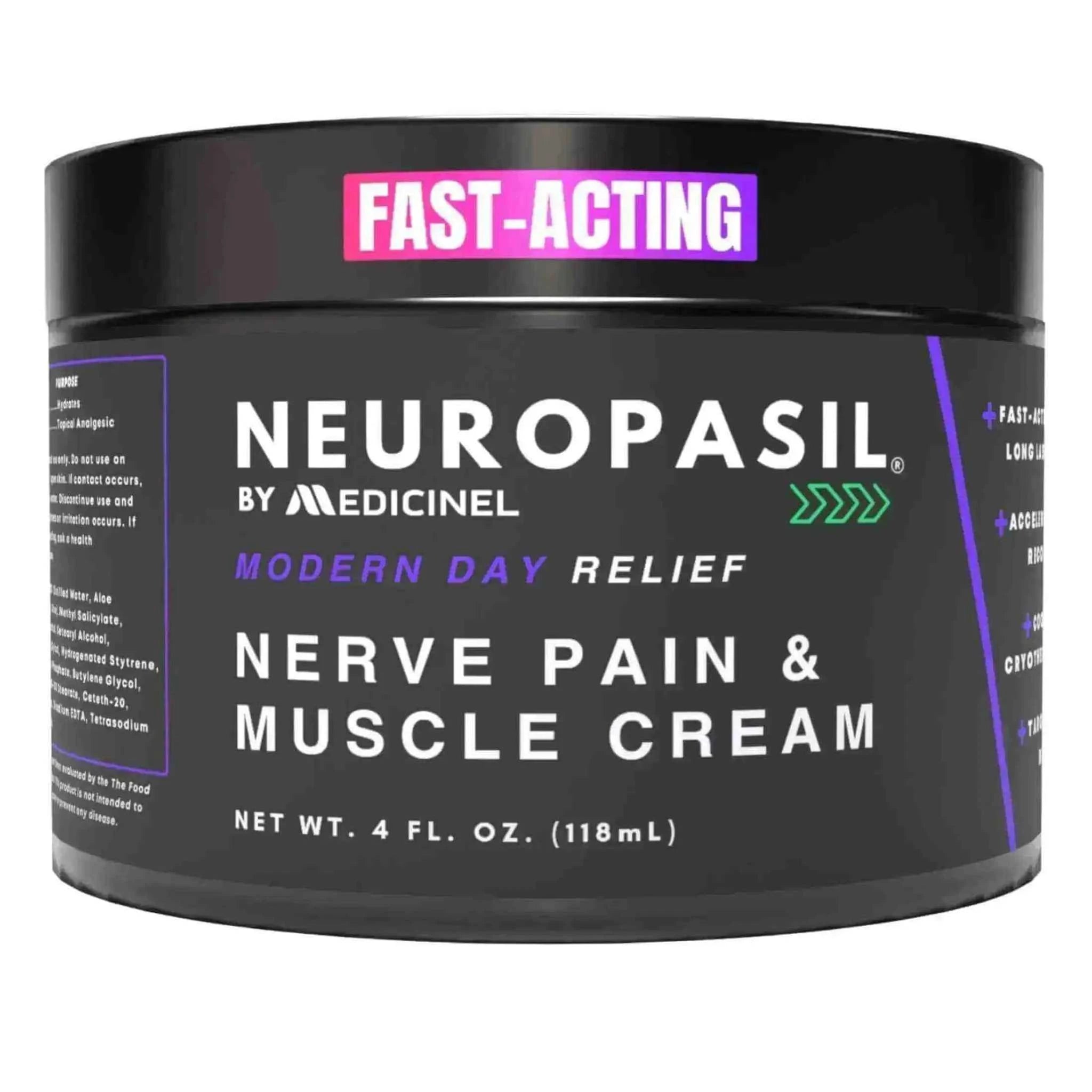
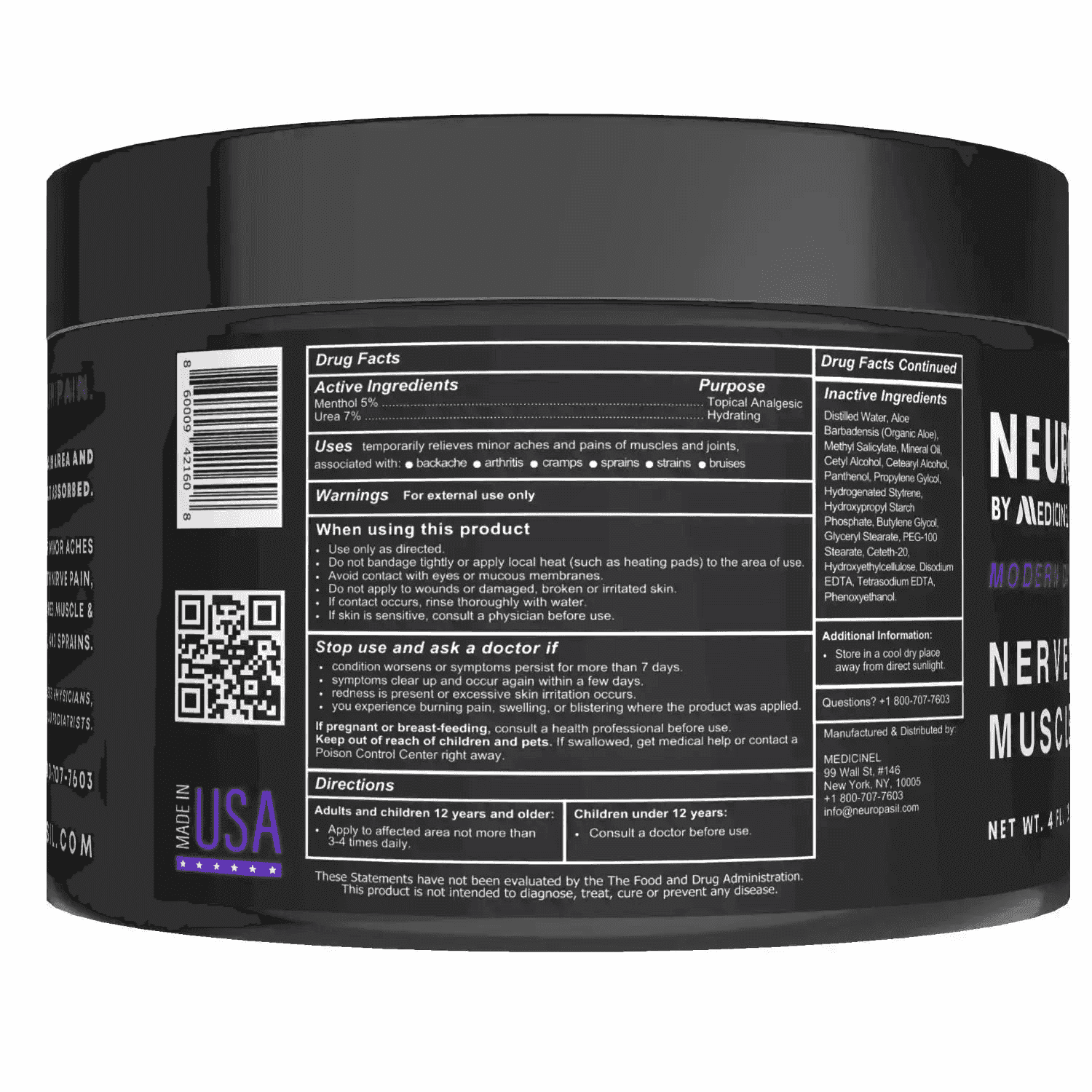
At Neuropasil, we've seen how powerful urea is for improving skin health and boosting the absorption of active compounds. Understanding what is urea cream and how it works can help you make smarter choices for your skincare and pain relief needs.
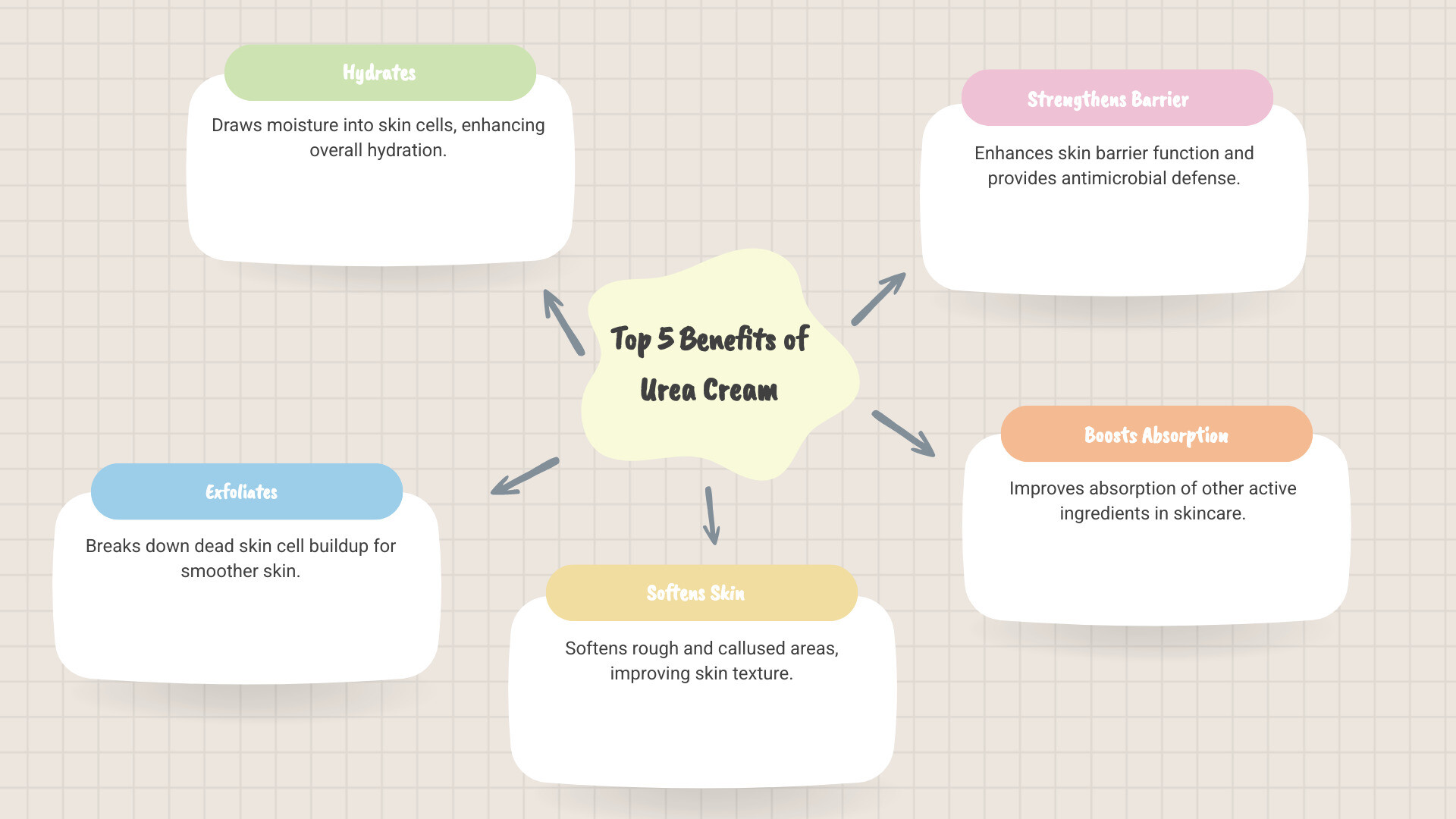
What is urea cream basics:
What is Urea Cream and How Does It Work?
If you've ever wondered what makes certain creams so effective at tackling dry, rough skin, the answer often lies in a mighty ingredient: urea. Let's explore what what is urea cream is and the science that makes it a skincare hero.
The Science Behind Urea: More Than Just a Moisturizer
Urea (carbamide) is an organic compound crucial to skin health. It’s a key part of the skin's Natural Moisturizing Factor (NMF), the built-in system for maintaining moisture in the outermost skin layer (stratum corneum) (1).
Urea works in two main ways:
- As a Humectant: Urea is hygroscopic, meaning it attracts and binds water. It pulls moisture from the air and deeper skin layers into the stratum corneum, providing deep, lasting hydration that makes skin feel instantly softer (1).
- As a Keratolytic Agent: At higher concentrations, urea exfoliates by dissolving the "glue" holding dead skin cells together. This process sheds rough, scaly skin, promoting a smoother texture, and is highly effective for hardened skin (1).
Beyond this, urea improves the skin's barrier function, protecting it from environmental damage and moisture loss. Studies show it improves the skin's natural antimicrobial defenses, leading to a stronger, healthier skin barrier (1, 9).
Crucially, urea improves the absorption of other ingredients by softening the outer skin layer. At Neuropasil, we use this synergy to help active ingredients like aloe and menthol penetrate more effectively for powerful pain relief. As noted in dermatological research, urea is one of the most effective agents for both hydrating and exfoliating the skin (1).
Understanding Urea Concentrations: From Hydration to Exfoliation
Urea's versatility comes from its concentration, which typically ranges from 5% to 50%. Choosing the right percentage is key to achieving your goals (1).
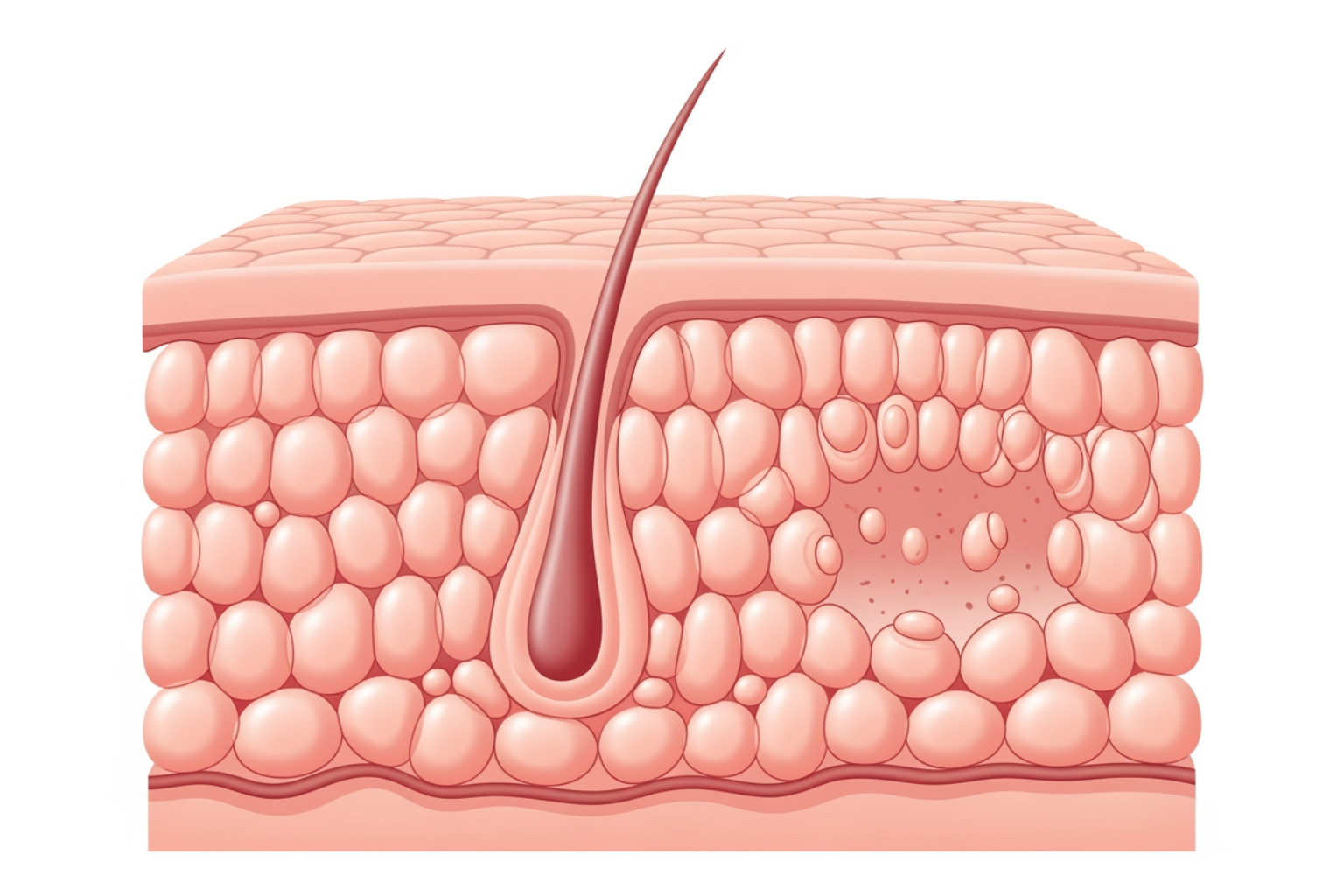
Low Concentration (2%–10%): For Daily Hydration and Barrier Support Primarily for moisturizing and supporting the skin barrier. These act as humectants to relieve dryness and maintain softness, making them ideal for daily use on generally dry skin or mild conditions like xerosis (1).
Medium Concentration (10%–30%): Hydration with Mild Keratolysis Offers a powerful combination of moisturizing and mild exfoliation. Ideal for very dry, rough, or scaly skin on hands, feet, and elbows, providing intense hydration while smoothing texture (1).
High Concentration (≥ 30%–50%): Intensive Keratolysis and Debridement Potent keratolytics for intensive exfoliation of severely thickened skin. Used to treat stubborn calluses, corns, and thick, damaged nails, often by helping to remove dead tissue (1).
What is Urea Cream Used For? Common Conditions and Benefits
What is urea cream good for? Its wide range of actions makes it a versatile treatment for many dermatological issues (4, 5).
- Xerosis (Dry Skin): Deeply hydrates skin, reducing flakiness and tightness. Effective for general and age-related dry skin.
- Eczema (Atopic Dermatitis): Helps manage scaly, dry skin by restoring the skin barrier and reducing itching.
- Psoriasis: Softens and removes thick, scaly plaques, improving skin texture and the penetration of other treatments.
- Ichthyosis: Helps shed the extremely dry, thick scales characteristic of this genetic disorder, making skin smoother.
- Keratosis (e.g., Keratosis Pilaris): Exfoliates to smooth rough, bumpy skin caused by keratin buildup.
- Corns and Calluses: High-concentration creams soften hard skin on the feet, making it easier to remove.
- Thickened or Damaged Nails: Softens and debrides thick or damaged nails, aiding non-surgical removal or improving absorption of antifungal medicine.
- Diabetic Foot Care: Provides essential hydration to prevent cracks and more serious complications.
- Seborrheic Dermatitis: Helps manage flaky skin on the scalp and other areas.
- Irradiation-Induced Dermatitis: Prophylactic use can reduce skin reactions from radiation therapy.
How to Use Urea Cream Safely and Effectively
To get the most out of your urea cream and ensure a positive experience, proper application and awareness of potential side effects are crucial.
Application Best Practices for Skin and Nails
Applying urea cream correctly maximizes its benefits. Here are our best tips:
-
For Skin:
- Start with clean, slightly damp skin (e.g., after a shower) to lock in moisture.
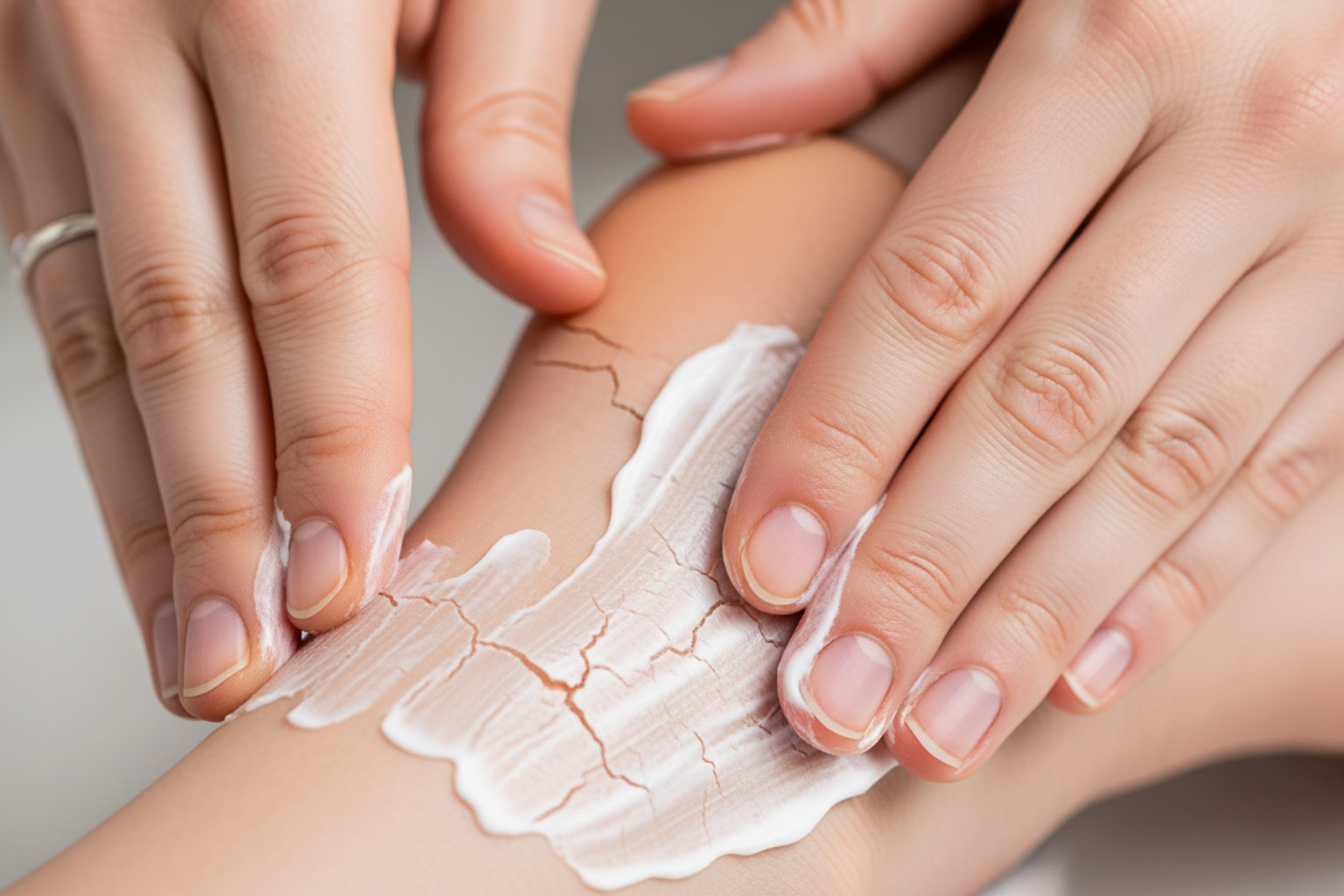
- Apply a thin layer to the affected area and rub in gently until absorbed.
- Use 1-3 times daily or as directed by your product's label.
-
For Nails (especially thickened or damaged nails):
- Clean the nail. Protect surrounding skin with petroleum jelly or a bandage.
- Apply a generous amount of cream directly to the nail.
- Cover with a bandage for better effect (optional).
- Be consistent; removal of a treated nail may take several days of application.
Potential Side Effects and Precautions
While urea cream is generally well-tolerated, it's wise to be aware of potential side effects.
Common Side Effects: Most common side effects are mild and temporary, including stinging, itching, or redness, especially on broken or sensitive skin (6). These usually fade as your skin adjusts. Severe allergic reactions (rash, hives, difficulty breathing) are rare but require immediate medical attention (6).
Precautions for Use: Urea cream is for external use only. Avoid contact with eyes, lips, and other sensitive areas. Do not apply to severely broken, infected, or bleeding skin (4, 6). If you have sensitive skin, perform a patch test first. Inform your doctor of all other medications you use. Store at room temperature, away from children, and discard after the expiration date. Consult a doctor if symptoms don't improve or if irritation persists (4).
Can Urea Cream Be Used on Sensitive Skin or in Children?
- Sensitive Skin: Yes, but start with a low concentration (5-10%) and do a patch test. Choose fragrance-free formulas. When in doubt, a dermatologist can provide personalized guidance.
- Children: Always consult a pediatrician or dermatologist first (4). Low-strength preparations may be suitable for children over 3 for general dryness, but medical supervision is advised for younger children or specific skin conditions.
Urea Cream in Your Skincare Routine
Beyond its targeted medical uses, urea cream has earned its place as a versatile and beneficial ingredient in daily skincare routines.
What is Urea Cream's Role Beyond a Medical Treatment?
While its medical applications are well-documented, what is urea cream doing for everyday skin health? A lot!
- Cosmetic Benefits & Skin Texture Improvement: Even at low concentrations, urea significantly improves skin texture by providing deep hydration and promoting a smoother, more radiant feel (1).
- Anti-Aging Support: By supporting skin elasticity and firmness, urea can help reduce the visible signs of aging (1).
- Improved Ingredient Absorption: Urea's ability to soften the outer skin layer improves the penetration of other skincare ingredients, making your other products work more effectively (1).
-
Ingredient Pairing: Urea pairs well with many other ingredients:
- Hyaluronic Acid: Combining these two powerful humectants creates a hydration powerhouse.
- Ceramides: Urea works with ceramides to strengthen the skin's barrier, preventing moisture loss.
- Salicylic Acid: This combination offers comprehensive skin renewal, with salicylic acid exfoliating within pores and urea providing surface exfoliation and hydration.
At Neuropasil, urea's ability to improve ingredient absorption is key. In our topical creams, it helps active ingredients penetrate more effectively, delivering targeted relief for nerve pain and sore muscles where you need it most.
Comparing Urea to Other Skincare Ingredients
Let's compare urea to other popular exfoliating and hydrating ingredients: salicylic acid and glycolic acid. While urea's benefits as a hydrating, exfoliating, and barrier-supporting agent are well-documented (1), other acids have different primary functions. Alpha Hydroxy Acids (AHAs) like glycolic acid are known for surface exfoliation and brightening, while Beta Hydroxy Acids (BHAs) like salicylic acid are prized for penetrating pores to treat acne and oily skin (7, 8).
| Ingredient | Mechanism | Best For | Primary Function |
|---|---|---|---|
| Urea | Humectant (draws moisture) & Keratolytic (breaks down protein bonds) | Dry, rough, scaly skin; Eczema; Psoriasis; Calluses; Thick nails; Improves absorption of other ingredients. | Hydration, Exfoliation (concentration-dependent), Barrier Support |
| Salicylic Acid | Beta Hydroxy Acid (BHA); Oil-soluble; Penetrates pores, dissolves sebum | Acne-prone skin (blackheads, whiteheads); Oily skin; Keratosis Pilaris; Penetrates and exfoliates inside hair follicles. | Exfoliation (inside pores), Anti-inflammatory, Oil control |
| Glycolic Acid | Alpha Hydroxy Acid (AHA); Water-soluble; Exfoliates surface skin cells | Dull skin; Uneven texture; Fine lines and wrinkles; Hyperpigmentation; Surface exfoliation for brighter, smoother skin. | Exfoliation (surface), Skin renewal, Brightening |
While all three contribute to healthier skin, their mechanisms and primary benefits differ. Urea uniquely offers both significant hydration and exfoliation, and it is notable for strengthening the skin barrier—a benefit not typically highlighted for AHAs or BHAs (1).
Finding the Right Urea Product for You
Choosing the right urea product depends on your skin concern, the application area, and your preference.
-
Product Formats:
- Creams: Richer, for very dry areas like heels and elbows.
- Lotions: Lighter, for larger body areas and daily maintenance.
- Gels: Lightweight and non-greasy, good for oily skin or targeted use.
- Foams: Spread easily, convenient for large or sensitive areas.
- Shampoos & Washes: For dry scalp or generalized dry skin.
- Nail Lacquers: For direct application to thickened nails.
To find the best fit, consider:
- Concentration: Match the urea percentage to your skin's needs.
- Formulation: Choose a texture you prefer (rich cream, light lotion, etc.).
- Additional Ingredients: Look for products that combine urea with other beneficial ingredients like ceramides or hyaluronic acid.
- Fragrance-Free: Opt for fragrance-free options if you have sensitive skin.
For those tackling particularly stubborn dry or cracked feet, a dedicated urea foot cream can be incredibly effective. We often see fantastic results with our customers who use urea-containing products to prepare their skin for other treatments, like our Neuropasil creams, ensuring maximum absorption and relief.
Frequently Asked Questions about Urea Cream
We often hear similar questions about what is urea cream and how to use it. Here are some of the most common ones:
Can you use urea cream on your face?
Yes, but cautiously. Use low-concentration (5-10%) formulas made for the face. Avoid the delicate eye and lip areas. Always perform a patch test on a small area first. If you have sensitive skin, acne, or a specific skin condition on your face, it's best to consult a dermatologist (4).
How long does it take for urea cream to work?
Results vary. You'll likely feel immediate hydration. Smoother texture from exfoliation may take a few days to a week of consistent use. For stubborn conditions like thick calluses or damaged nails, it can take several weeks (6). Consistency is key for the best outcomes.
Is the urea in skincare derived from urine?
No. This is a common myth. The urea in skincare is synthetically produced in a laboratory to be pure, safe, and effective (8). It is chemically identical to the urea naturally found in our skin but is created under controlled conditions without any animal byproducts.
Conclusion: The Versatile Power of Urea
Urea cream is a skincare hero, acting as both a powerful moisturizer and a gentle exfoliant. Its ability to hydrate, exfoliate, and strengthen the skin barrier makes it indispensable for everything from daily moisturizing to treating tough calluses and managing dermatological conditions.
Urea also strengthens the skin barrier and improves the absorption of other ingredients. This is why we use it in Neuropasil's creams. It helps active ingredients like menthol and aloe penetrate more effectively, ensuring our customers in New York City and across the U.S. get fast-acting, targeted relief for nerve pain, sore muscles, and other discomforts.
Whether you need relief from dry skin, are managing a skin condition, or want to boost your daily routine, urea cream is a science-backed solution. Its versatility makes it a cornerstone of dermatology and a powerful ally for skin health and enhancing the performance of pain relief treatments.
Explore our best pain relief creams for muscle pain.
References
- Piquero-Casals, J., Morgado-Carrasco, D., Granger, C., Trullàs, C., Jesús-Silva, A., & Krutmann, J. (2021). Urea in Dermatology: A Review of its Emollient, Moisturizing, Keratolytic, Skin Barrier Enhancing and Antimicrobial Properties. Dermatology and therapy (Heidelberg), 11(6), 1905–1915. https://www.ncbi.nlm.nih.gov/pmc/articles/PMC8509533/
- International Journal of Clinical Practice. (2020). History of urea as a dermatological agent in clinical practice. PubMed. https://pubmed.ncbi.nlm.nih.gov/33249707/
- World Health Organization. (2023). The selection and use of essential medicines. WHO Technical Report Series, No. 1050. https://www.who.int/publications/i/item/WHO-MHP-HPS-EML-2023.02
- Cleveland Clinic. (2022). Urea Cream: Brands & Uses. https://my.clevelandclinic.org/health/drugs/19302-urea-skin-cream-gel-lotion-ointment-or-nail-lacquer
- DermNetNZ. (n.d.). Urea. https://dermnetnz.org/topics/urea
- Drugs.com. (2023). Urea topical. https://www.drugs.com/mtm/urea-topical.html
- Sethi, A., Kaur, T., Malhotra, S. K., & Gambhir, M. L. (2016). Moisturizers: The slippery road. Indian journal of dermatology, 61(3), 279–287. https://www.ncbi.nlm.nih.gov/pmc/articles/PMC4885180/
- NBC News. (2024). Is urea an underrated skin care MVP or just another beauty trend to skip? https://www.nbcnews.com/select/shopping/urea-skin-care-rcna199348
- Grether-Beck, S., Felsner, I., Brenden, H., et al. (2012). Urea uptake improves barrier function and antimicrobial defense in humans by regulating epidermal gene expression. Journal of Investigative Dermatology, 132(6), 1561-1572. https://doi.org/10.1038/jid.2012.42