Understanding Nerve Pain and Why Topical Relief Matters
Nerve pain cream offers targeted relief for the sharp, burning, or tingling sensations of neuropathic pain, a condition affecting an estimated 7% to 10% of the general population. If you're searching for the best option, here's what you need to know:
Quick Answer: Best Nerve Pain Cream by Type
- For Fast Numbing Relief: Lidocaine-based creams (4% maximum OTC strength)
- For Chronic Nerve Pain: Capsaicin-based creams (requires consistent use over 2+ weeks)
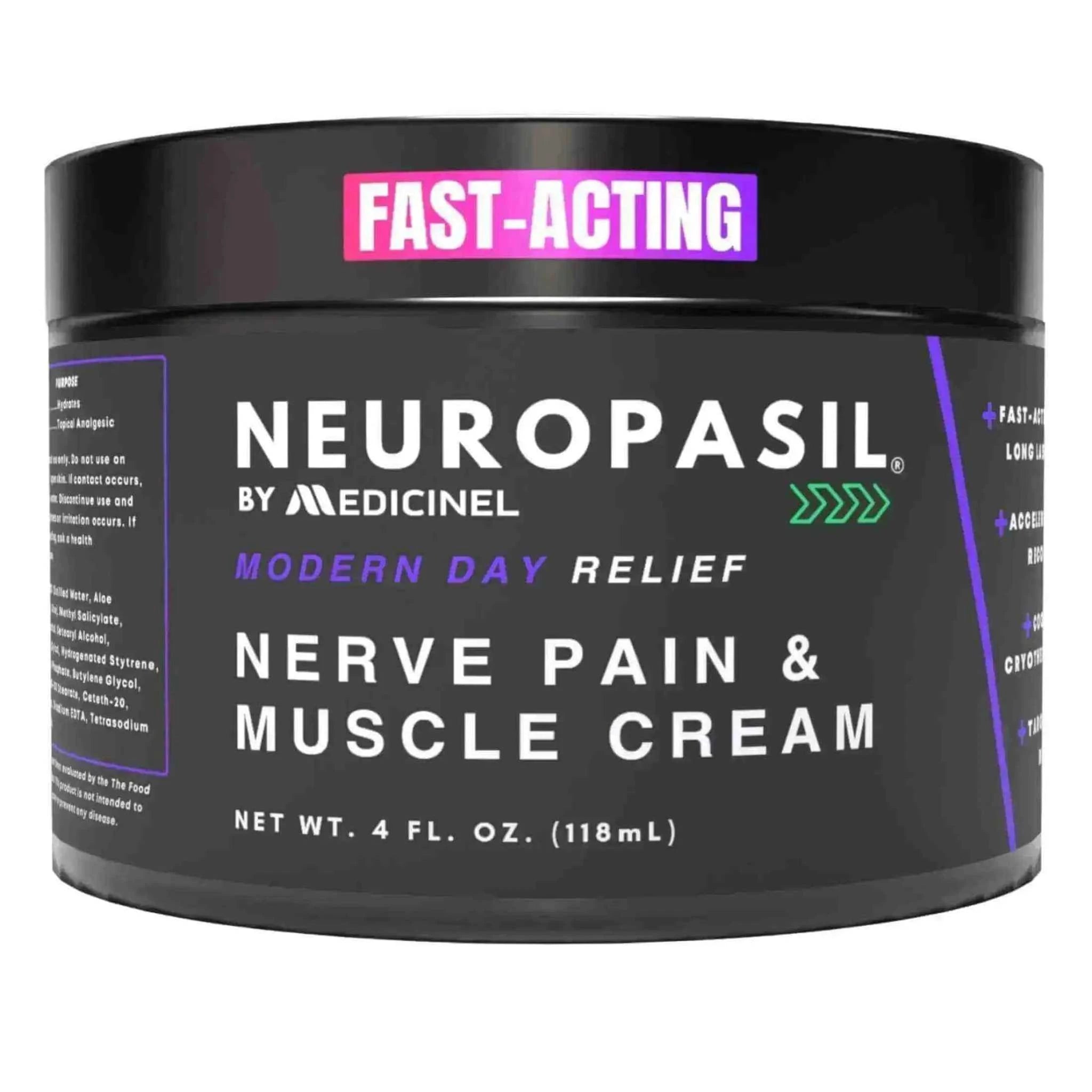
- For Natural, Soothing Relief: Menthol-based creams with Aloe and Urea (like Neuropasil)
- For Diabetic Neuropathy: High-concentration capsaicin patches (prescription) or natural formulas
- For Sensitive Skin: Fragrance-free, natural ingredient formulas
Nerve pain doesn't feel like regular pain. It's a burning, shooting, or tingling sensation that comes from damaged nerves, not injured muscles or joints. This type of pain—called neuropathic pain—can strike after shingles, from diabetes complications, or from conditions like sciatica and fibromyalgia.
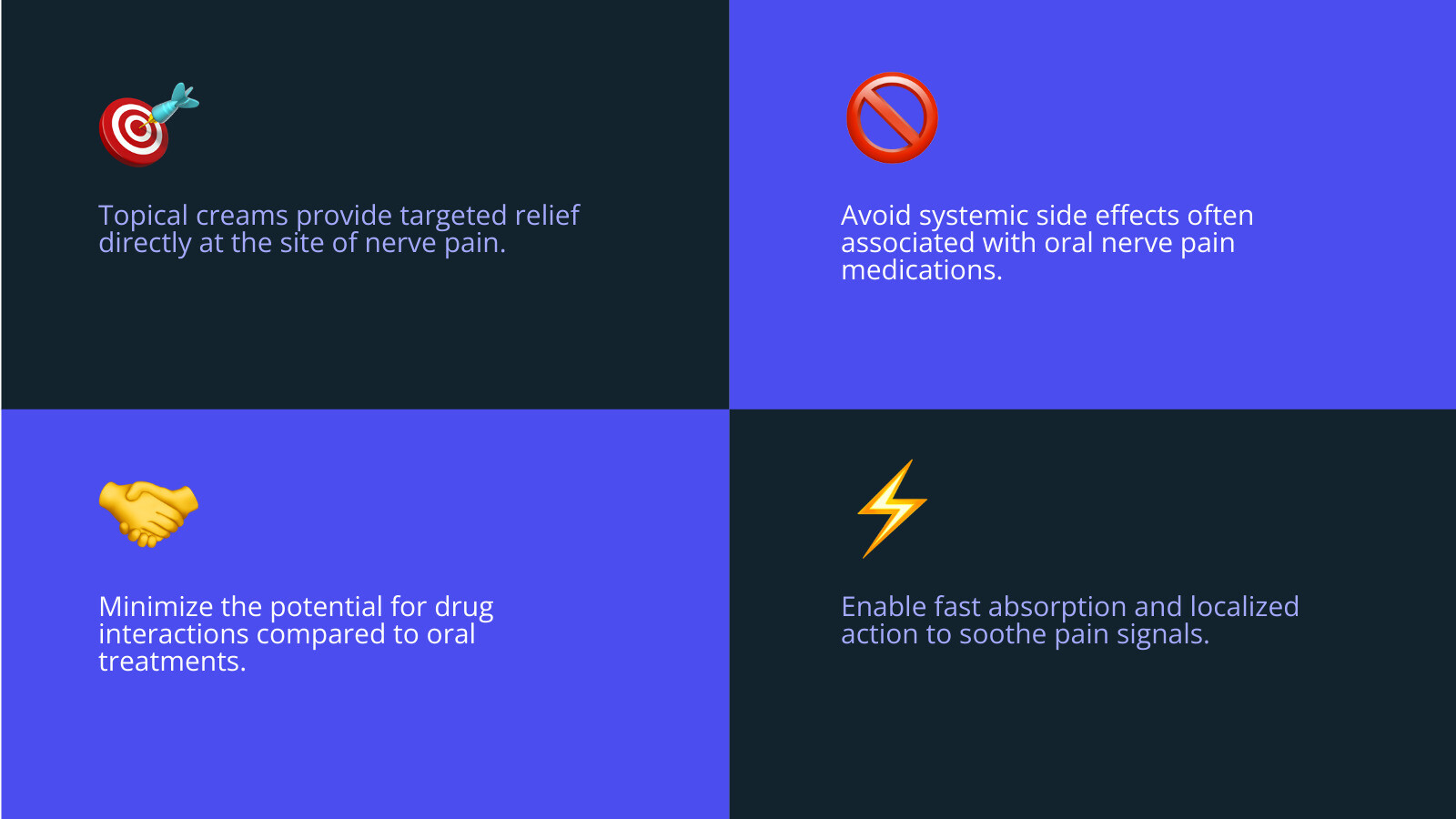
The good news? Topical creams offer a powerful alternative to oral medications. They deliver relief directly where you hurt, without the systemic side effects that come with pills. Even with first-line oral medications, only about 40% to 60% of patients achieve partial pain relief, which is why many are turning to targeted topical solutions.
Whether you're an athlete dealing with nerve irritation, someone managing diabetic neuropathy, or a worker pushing through long shifts with sciatica pain, the right cream can help you reclaim your day. Learn more about the basics of neuropathy in our complete guide to neuropathy basics.
I'm Tony Enrico, and I created Neuropasil after seeing too many people struggle with nerve pain that stole their quality of life. Over the years, I've researched and tested countless nerve pain cream formulations to develop a solution that combines fast-acting natural ingredients with real, lasting relief.
Nerve pain cream vocab explained:
The Science of Relief: Key Ingredients in Nerve Pain Creams
When we talk about nerve pain cream, we're discussing topical formulations designed to interact with nerve endings in your skin to reduce pain signals. Unlike oral medications that travel through your entire system, these creams work locally, targeting the specific area where you feel discomfort. This localized action is a huge benefit, often leading to fewer systemic side effects.
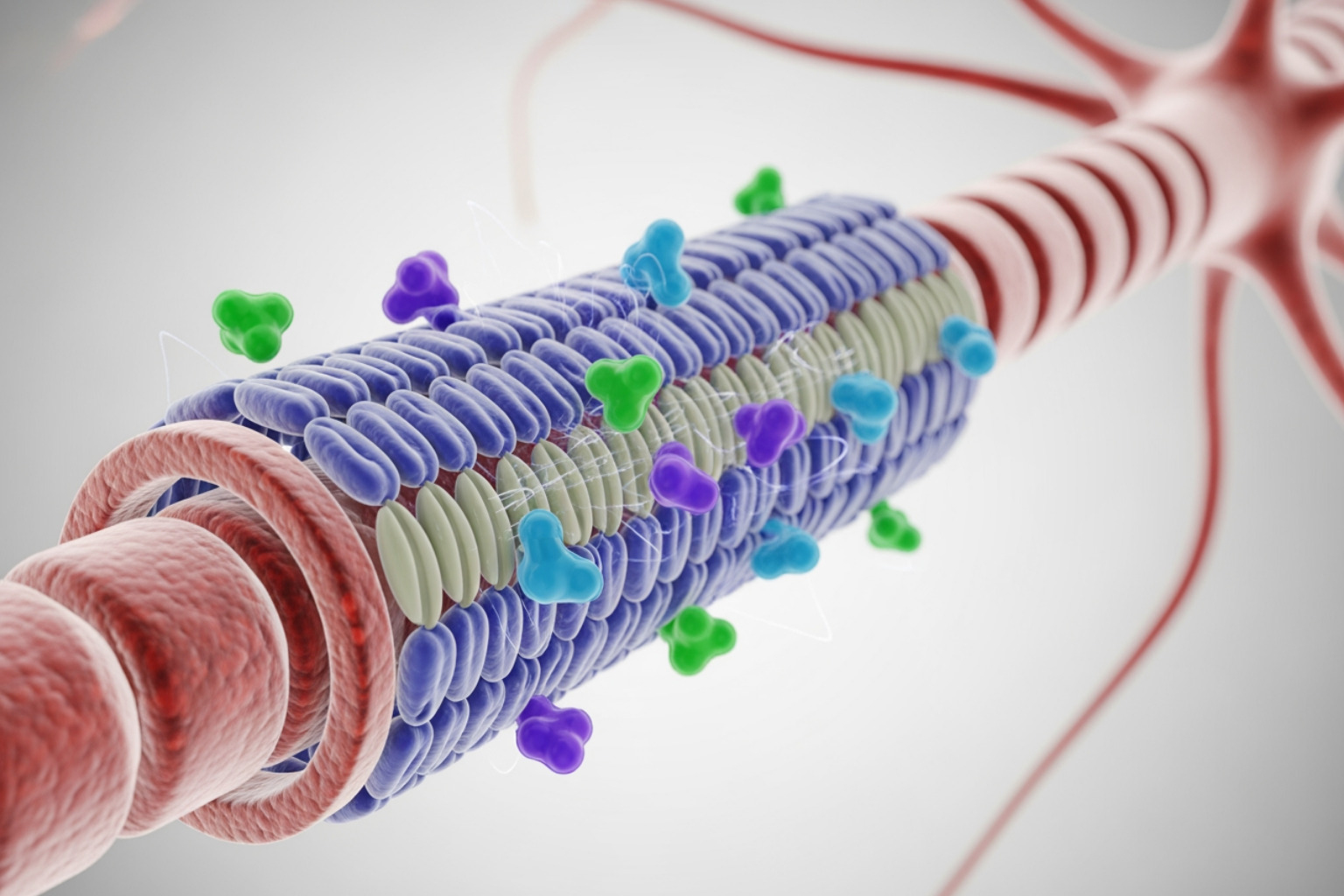
How do they achieve this? Different active ingredients employ various mechanisms:
- Blocking sodium channels: Some ingredients, like lidocaine, literally "numb" the nerve endings, preventing them from sending pain messages to your brain.
- Desensitizing nerve endings: Others, such as capsaicin, work by depleting pain-transmitting chemicals, gradually reducing the nerves' ability to send pain signals. It's like turning down the volume on your pain.
- Counter-irritation: Ingredients like menthol create a different sensation (cooling or warming) that distracts your brain from the nerve pain, essentially overriding the pain signals. Think of it as a friendly distraction for your nervous system!
Anesthetics: How Lidocaine Numbs Pain
Lidocaine is a local anesthetic, and it's a superstar when it comes to numbing pain. Its mechanism of action involves blocking sodium channels in the nerve cells. By doing this, lidocaine prevents the nerve from initiating and conducting electrical signals, effectively stopping pain messages from reaching your brain. This means fast, temporary relief right where you apply it.
For over-the-counter (OTC) nerve pain cream options, lidocaine is commonly found at a maximum strength of 4%. Products like Aspercreme® Lidocaine Pain Relief Cream with Lidocaine and Nervive Pain Relieving Cream both use this maximum OTC concentration to provide a potent numbing sensation. Nervive, for instance, boasts that it starts working in under 5 minutes, delivering quick relief to areas like toes, feet, fingers, hands, legs, and arms. Aspercreme also offers fast-acting, lasting relief from minor pain, specifically designed to soothe aggravated nerves.
This makes lidocaine creams an excellent choice for immediate relief when you need to quiet down that insistent nerve pain quickly. For more insights into fast-acting relief, check out our article on what is the best immediate relief for nerve pain.
Natural Desensitizers: The Role of Capsaicin
Capsaicin, derived from chili peppers, is another powerful ingredient in nerve pain cream. Its mechanism is a bit different from lidocaine's. Capsaicin works by targeting and depleting Substance P, a neurotransmitter responsible for transmitting pain signals to the brain. Initially, when you apply capsaicin, you might feel a warming or even burning sensation, which can be intense. However, with consistent use, the nerve endings become desensitized, and their ability to send pain signals is significantly reduced.
OTC capsaicin creams typically come in lower concentrations, such as 0.025% or 0.075%. For more severe or chronic neuropathic pain, higher concentrations, like the 8% capsaicin patches (e.g., QUTENZA®), are available by prescription and administered by a healthcare professional. These high-concentration patches are particularly noted for their efficacy in conditions like postherpetic neuralgia (PHN) and diabetic peripheral neuropathy (DPN) of the feet.
The key to capsaicin's effectiveness lies in consistent use. It’s not a quick fix; it builds its effect over time, often requiring several weeks to achieve optimal pain relief. For example, it may take a full two weeks before you notice significant pain reduction. However, the relief can be substantial. Research indicates that high-concentration (8%) capsaicin patches can offer moderate pain relief to a minority of people with postherpetic neuralgia. About 4 in 10 people experienced at least moderate pain relief with capsaicin compared to 3 in 10 with a control treatment for PHN. For painful HIV-neuropathy and peripheral diabetic neuropathy, there's very low quality evidence suggesting benefit, with about 10% more participants seeing significant improvement with capsaicin. For a deeper dive into the science, explore this scientific review of capsaicin for neuropathic pain.
Counter-irritants: Menthol and Other Natural Soothers
Counter-irritants like menthol offer a different approach to nerve pain relief. Menthol, often found in a variety of topical pain relievers, creates a cooling sensation on the skin. This cooling effect works on the "gate control theory of pain," essentially distracting the brain from the underlying nerve pain by overwhelming the sensory nerves with a different, non-painful stimulus. It's like trying to listen to a whisper in a loud room – the louder sensation (cooling) masks the quieter one (pain).
Beyond menthol, many natural nerve pain cream formulations incorporate soothing ingredients like Aloe Vera and Urea. Aloe Vera is well-known for its anti-inflammatory and skin-calming properties, which can be particularly beneficial for irritated skin often associated with chronic pain. Urea is a powerful humectant, meaning it helps the skin retain moisture. This skin hydration benefit is crucial, as healthy, moisturized skin can be less prone to irritation and may even improve the absorption of other active ingredients.
These ingredients work synergistically to provide comprehensive relief: menthol delivers immediate cooling comfort, while aloe and urea soothe and nourish the skin, promoting overall skin health in the affected area. This makes them ideal for individuals seeking a gentle yet effective solution, especially for conditions like neuropathy, sciatica, fibromyalgia, and plantar fasciitis. At Neuropasil, we've carefully crafted our formula with these natural ingredients. You can learn more about the science behind natural formulas like Neuropasil.
Comparing the Top Nerve Pain Cream Options
Choosing the right nerve pain cream can feel overwhelming with so many options available. To simplify this, let's compare the main types of creams based on their active ingredients, how they work, what they're best for, and even their scent. This will help you understand which cream might be the best fit for your specific needs.
| Active Ingredient(s) | Mechanism | Best For | Scent |
|---|---|---|---|
| Lidocaine | Numbing (blocks nerve signals) | Fast, temporary relief; acute flare-ups | Often fragrance-free or mild |
| Capsaicin | Desensitizing (depletes Substance P) | Chronic nerve pain; builds effect over time | Initial warming/spicy odor |
| Menthol, Aloe, Urea (e.g., Neuropasil) | Cooling, counter-irritation, soothing, hydration | Soothing relief, sensitive skin, overall skin health | Often fresh/minty or mild |
Lidocaine-Based Creams
Lidocaine-based creams are your go-to for quick, numbing relief. As we discussed, their active ingredient, Lidocaine 4% (the maximum OTC strength), works by blocking nerve signals at the application site. This makes them excellent for those moments when you need to quiet down nerve pain fast, whether it's from a sudden flare-up or persistent discomfort that needs immediate attention.
Products like Aspercreme® with Lidocaine are popular choices, known for their fast-acting properties. They often come in fragrance-free options, which is a big plus for individuals with sensitivities to strong smells. For example, Aspercreme offers a version with Eucalyptus Essential Oil for those who prefer a scent, alongside their classic fragrance-free option. Nervive Pain Relieving Cream also provides 4% Lidocaine HCl, targeting multiple nerve pain receptors for rapid relief. These creams are designed for temporary relief of minor pain and are widely available. To explore a broader comparison of these options, refer to our detailed guide to comparing nerve pain relief creams.
Capsaicin-Based Creams
If your nerve pain is a constant companion, a capsaicin-based nerve pain cream might be a better long-term strategy. These creams, containing capsaicin as their active ingredient, are best for chronic conditions because their pain-relieving effects build over time. It's important to be patient; the full benefits may not be felt for several weeks.
You'll likely experience an initial warming sensation, which can sometimes be intense or even feel like a burn. This is part of how capsaicin works by desensitizing nerve endings. However, with consistent use, this sensation typically diminishes, and the pain relief becomes more pronounced. Common OTC brands include Zostrix (which uses capsaicin), and prescription-strength options like QUTENZA® (8% capsaicin patches) are available for conditions like postherpetic neuralgia and diabetic peripheral neuropathy. These patches are applied by a healthcare professional and can provide relief for up to three months per application. If you're considering capsaicin, understanding its unique action is key to finding your perfect fit. Dive deeper into this topic with our guide: Beyond the burn: Finding your perfect neuropathy pain cream.
Natural & Menthol-Based Creams (e.g., Neuropasil)
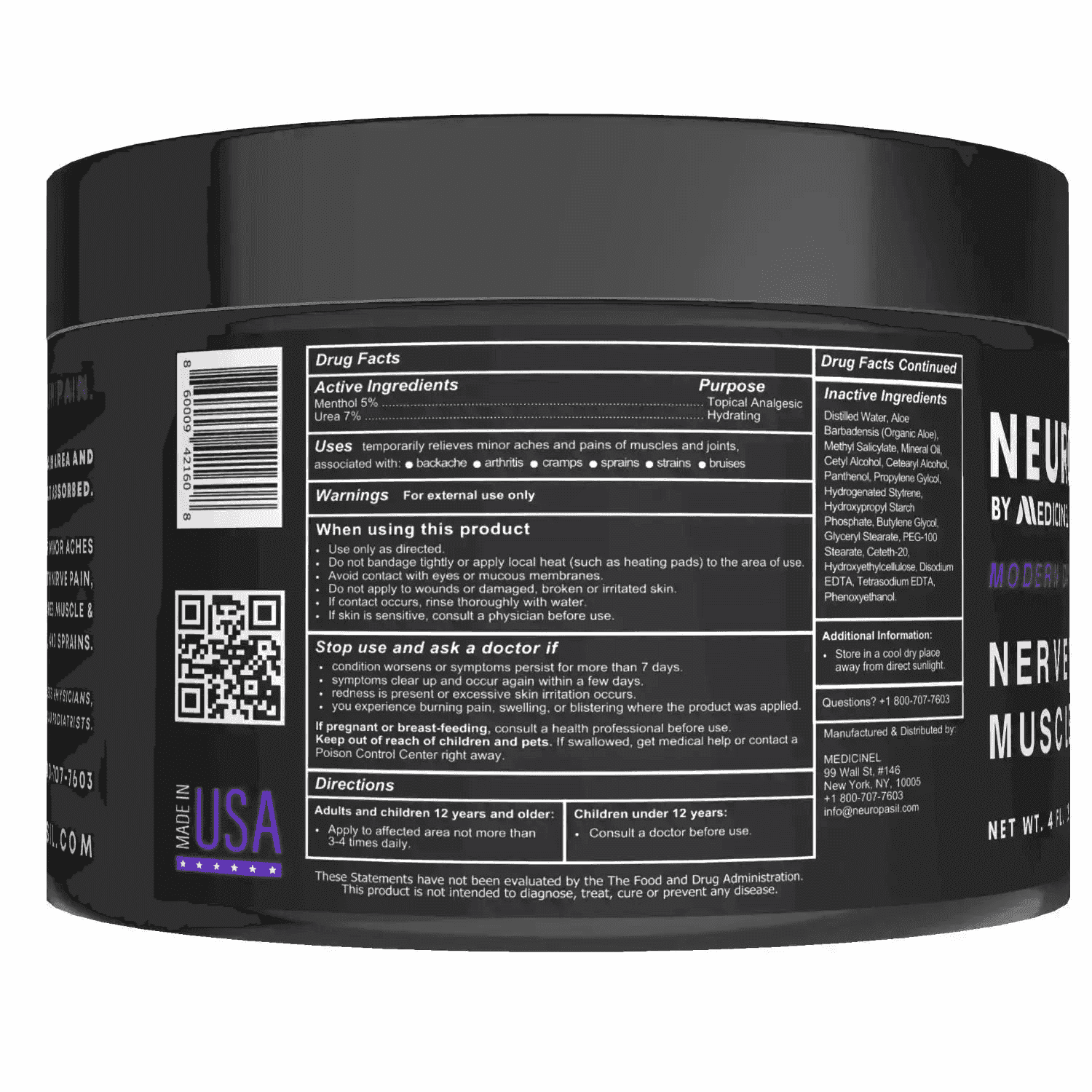
For those who prefer a natural approach or have sensitive skin, creams featuring menthol alongside other soothing ingredients like Aloe Vera and Urea are an excellent choice. Our own Neuropasil cream embodies this approach, combining menthol for its refreshing, cooling effect with the restorative power of aloe and urea for improved skin hydration and comfort.
Neuropasil is carefully formulated to provide soothing relief while nurturing your skin. The menthol provides immediate counter-irritant relief, creating a pleasant cooling sensation that helps distract from the nerve pain. Meanwhile, Aloe Vera offers anti-inflammatory benefits, and Urea helps to moisturize and protect the skin barrier, which is often compromised in areas affected by chronic pain. This combination makes it ideal for sensitive skin and a wide range of conditions, offering targeted relief without harsh chemicals.
We've seen Neuropasil become a trusted companion for many dealing with:
- Neuropathy
- Sciatica
- Fibromyalgia
- Plantar fasciitis
- Strains and sprains
- Aches and pains
- Joint discomfort
- Back and neck pain
- Cramps and aching feet
Even athletes turn to Neuropasil to treat and recover from sore muscles, appreciating its fast-acting, natural formula. Our unique blend ensures that while you're getting relief, your skin is also being cared for. Learn more about the specific benefits of our natural ingredients.
How to Use Creams Safely and Effectively
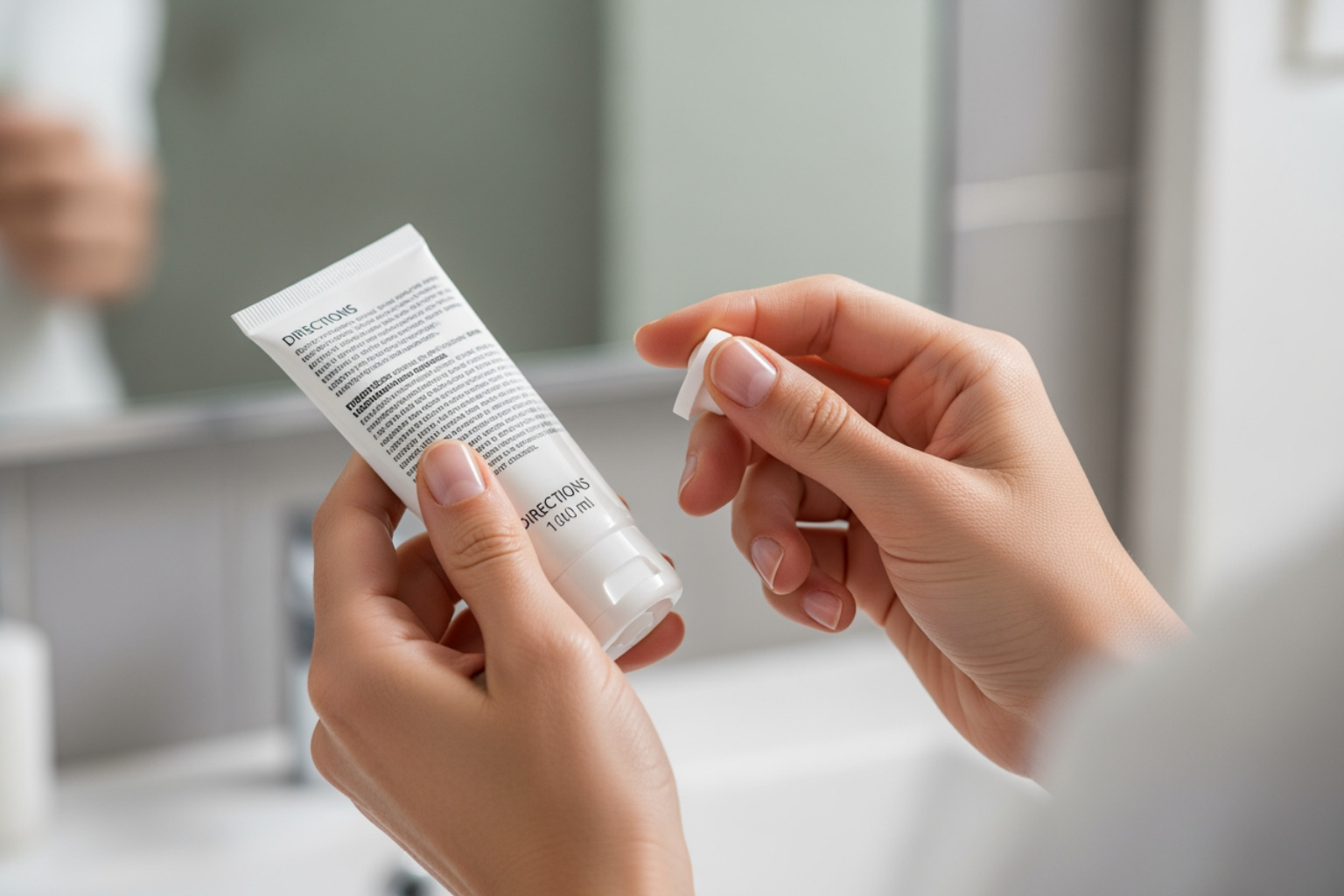
Using any nerve pain cream effectively means more than just rubbing it on. It requires understanding the product, following instructions, and knowing when to seek professional advice. Always start by reading the directions on the cream tube, just like you'd read a map before a journey.
How to Select the Best Nerve Pain Cream for You
Selecting the best nerve pain cream is a personal journey, as different creams work for different types of nerve pain and individual preferences. Here are key factors to consider when making your choice:
-
Type of Nerve Pain:
- Diabetic Neuropathy: For painful diabetic peripheral neuropathy of the feet, prescription high-concentration capsaicin patches (like QUTENZA®) are FDA-approved and can be highly effective, providing relief for up to 3 months. OTC capsaicin creams or menthol-based creams can also offer relief. We have more information on topical relief for diabetic neuropathy.
- Sciatica: This type of pain, often radiating from the lower back down the leg, can respond well to lidocaine for numbing relief, or menthol-based creams for a soothing, counter-irritant effect.
- Postherpetic Neuralgia (PHN): Both lidocaine and high-concentration capsaicin patches are FDA-approved for PHN.
- General Neuropathic Pain: Many OTC creams with lidocaine, menthol, or a blend of natural ingredients can provide relief for various localized nerve pains.
Ingredient Preferences: Do you prefer pharmaceutical-grade ingredients like lidocaine or capsaicin, or are you leaning towards natural ingredients like menthol, aloe, and urea? Each has its own benefits and mechanism of action.
Skin Sensitivity: If you have sensitive skin, opt for fragrance-free options or creams with soothing ingredients like aloe. Capsaicin can cause an initial burning sensation, which might be too intense for some.
-
Desired Sensation:
- Numbing: Choose lidocaine for a quick numbing effect.
- Cooling: Menthol-based creams provide a refreshing, cooling sensation.
- Warming: Capsaicin creams create a warming or heating sensation.
By considering these factors, you can narrow down your choices and find a nerve pain cream that aligns with your specific needs and comfort levels.
Understanding Prescription vs. Over-the-Counter Nerve Pain Cream
When navigating nerve pain cream, it's important to understand the distinctions between over-the-counter (OTC) and prescription options, as they offer different strengths and applications.
Over-the-Counter (OTC) Creams: These are widely available and include products like Aspercreme and Nervive (lidocaine-based) or various low-concentration capsaicin creams. They are regulated under OTC Monograph Drug classifications by the FDA, meaning their active ingredients are recognized as safe and effective for self-treatment of minor aches and pains.
- Lidocaine: OTC creams typically contain up to 4% lidocaine, offering temporary numbing relief. They are good for localized, minor nerve pain.
- Capsaicin: OTC capsaicin creams usually have lower concentrations (e.025% - 0.075%) and require consistent use to build effectiveness.
- Menthol: These creams provide a cooling sensation and counter-irritation, great for soothing discomfort.
FDA-Approved Topical Treatments for Neuropathic Pain: For specific neuropathic pain conditions, there are FDA-approved topical treatments that often require a prescription:
- Lidocaine 5% Patch (e.g., Lidoderm): A higher concentration lidocaine patch approved for postherpetic neuralgia (PHN).
- Capsaicin 8% Patch (e.g., QUTENZA®): This high-concentration patch is FDA-approved for neuropathic pain associated with PHN and diabetic peripheral neuropathy (DPN) of the feet. It's applied by a healthcare professional and can provide relief for up to three months. This is a significant step up from OTC capsaicin, as it targets the pain at its source deep below the skin.
Compounded Creams from Specialty Pharmacies: Sometimes, doctors prescribe custom-compounded creams from specialty pharmacies. These can contain various combinations of ingredients like lidocaine, gabapentin, amitriptyline, or ketamine. While these can be custom to individual needs, the evidence for their efficacy can be limited compared to FDA-approved products, and they can be costly, often not covered by insurance. As one expert mentioned, "The evidence available for many topical compounds is not great."
So, while OTC options provide accessible relief for minor nerve pain, prescription-strength and FDA-approved topicals offer more potent, targeted solutions for specific chronic neuropathic conditions. To learn more about prescription options, read our article on do prescription nerve pain creams work? The truth about topical neuropathy treatments.
Application Best Practices and When to See a Doctor
To maximize the benefits and minimize risks when using any nerve pain cream, proper application is crucial.
Application Best Practices:
- Read the Label: Always follow the specific instructions on your product's packaging. Dosage and frequency can vary.
- Clean and Dry Skin: Apply the cream to clean, dry skin on the affected area.
- Patch Test: Before widespread use, especially with new creams or capsaicin products, apply a small amount to an inconspicuous area of skin (like your forearm) and wait 24 hours to check for any severe irritation or allergic reaction.
- Thin Layer: Apply a thin layer and massage it gently until thoroughly absorbed. Resist the urge to slather it on; more isn't always better.
- Wash Your Hands: After applying, wash your hands thoroughly with soap and water to avoid accidentally transferring the cream to sensitive areas like your eyes or mouth. This is particularly important with capsaicin, which can cause intense burning if it gets into your eyes.
- Avoid Sensitive Areas: Do not apply nerve pain cream to broken, irritated, wounded, or mucous membrane areas.
- No Tight Bandaging or Heat: Avoid tight bandaging over the treated area or applying local heat (like heating pads) or direct sunlight, as this can increase absorption and potential side effects, especially with lidocaine.
- Consistency is Key: For ingredients like capsaicin, consistent, regular application as directed is essential for building effectiveness.
Potential Side Effects and Precautions: Most topical creams are well-tolerated, but side effects can occur. These often include:
- Skin irritation, redness, or itching at the application site.
- A warming or burning sensation (common with capsaicin).
- Mild numbness or tingling (common with lidocaine).
For capsaicin specifically, the Mayo Clinic advises several precautions, including not applying to wounds, avoiding contact with eyes, and being aware that skin sensitivity to heat and sunlight can increase. Always check with your doctor about potential drug interactions or if you have other medical problems that might affect its use. Read more about precautions for using capsaicin topicals.
When to Consult a Healthcare Professional: While nerve pain cream can offer significant relief, it's crucial to know when to seek medical advice. Consult your doctor if:
- Your pain worsens or doesn't improve after several days or weeks of consistent use.
- You experience severe skin irritation, blistering, or an allergic reaction.
- You develop new or unexplained symptoms.
- You have underlying health conditions (like heart problems, uncontrolled high blood pressure, or diabetes) and are considering a new treatment.
- You are pregnant or breastfeeding.
- You are considering using the cream on a child under 12 years old.
- You suspect your nerve pain is a symptom of a more serious underlying condition.
Topical creams are a tool in your pain management strategy, not a replacement for professional medical diagnosis and care.
Conclusion: Take Control of Your Nerve Pain Today
Living with nerve pain can be incredibly challenging, affecting everything from your daily activities to your sleep. But as we've explored, nerve pain cream offers a powerful, targeted solution that can significantly improve your quality of life without the systemic side effects often associated with oral medications.
We've seen that different ingredients cater to different needs: lidocaine for fast, numbing relief; capsaicin for chronic pain that builds over time; and natural, menthol-based formulas like Neuropasil for soothing comfort and skin health. The key is understanding your pain, your preferences, and the science behind each option.
By making an informed choice and using these creams safely and effectively, you can take a proactive step towards managing your nerve pain. Don't let nerve pain dictate your life. Empower yourself with knowledge and the right tools.
Ready to find your relief? Explore Neuropasil's fast-acting, natural nerve pain cream, designed to bring you comfort and get you back to living your life to the fullest. Discover Neuropasil Nerve Pain Relief Cream.
References
- Baron, R., Binder, A., & Wasner, G. (2010). Neuropathic pain: diagnosis, pathophysiological mechanisms, and treatment. The Lancet Neurology. Retrieved from https://www.thelancet.com/journals/laneur/article/PIIS1474-4422(09)70278-7/fulltext
- Cochrane. (n.d.). Capsaicin applied to the skin for chronic neuropathic pain in adults. Retrieved from https://cochrane.org/evidence/CD007393_capsaicin-applied-skin-chronic-neuropathic-pain-adults
- DailyMed. (n.d.). LIDODERM- lidocaine patch. Retrieved from https://dailymed.nlm.nih.gov/dailymed/drugInfo.cfm?setid=a045d2a1-3758-4146-a55e-733b973d94c9
- DailyMed. (n.d.). NERVEX PAIN RELIEVING - capsaicin cream. Retrieved from https://dailymed.nlm.nih.gov/dailymed/drugInfo.cfm?setid=e7041724-4f04-4530-9b41-f0943916960d
- DailyMed. (n.d.). NERVIVE PAIN RELIEVING CREAM - lidocaine hcl and menthol cream. Retrieved from https://dailymed.nlm.nih.gov/dailymed/drugInfo.cfm?setid=6b7c2a79-222a-4348-9366-235b2e9d29b2
- DailyMed. (n.d.). NEUROMED 7 TOPICAL PAIN RELIEF- lidocaine hydrochloride cream. Retrieved from https://dailymed.nlm.nih.gov/dailymed/drugInfo.cfm?setid=42704332-9c17-4860-9114-11e25e985b46
- Mayo Clinic. (n.d.). Capsaicin (topical route) - Side effects & dosage. Retrieved from https://www.mayoclinic.org/drugs-supplements/capsaicin-topical-route/precautions/drg-20062561
- NHS. (n.d.). Treatment - Peripheral neuropathy. Retrieved from https://www.nhs.uk/conditions/peripheral-neuropathy/treatment/
- Qutenza HCP. (n.d.). QUTENZA® (capsaicin) 8% Topical System Information. Retrieved from https://www.qutenzahcp.com/pdfs/QUTENZAEnglishPatient_Brochure.pdf
- The American Academy of Pain Medicine. (n.d.). Topical Analgesics for Neuropathic Pain: What’s Best? Retrieved from https://www.painmed.org/news/2023/november/topical-analgesics-for-neuropathic-pain-whats-best