Why Quick and Correct Treatment for Hamstring Muscle Strain Matters
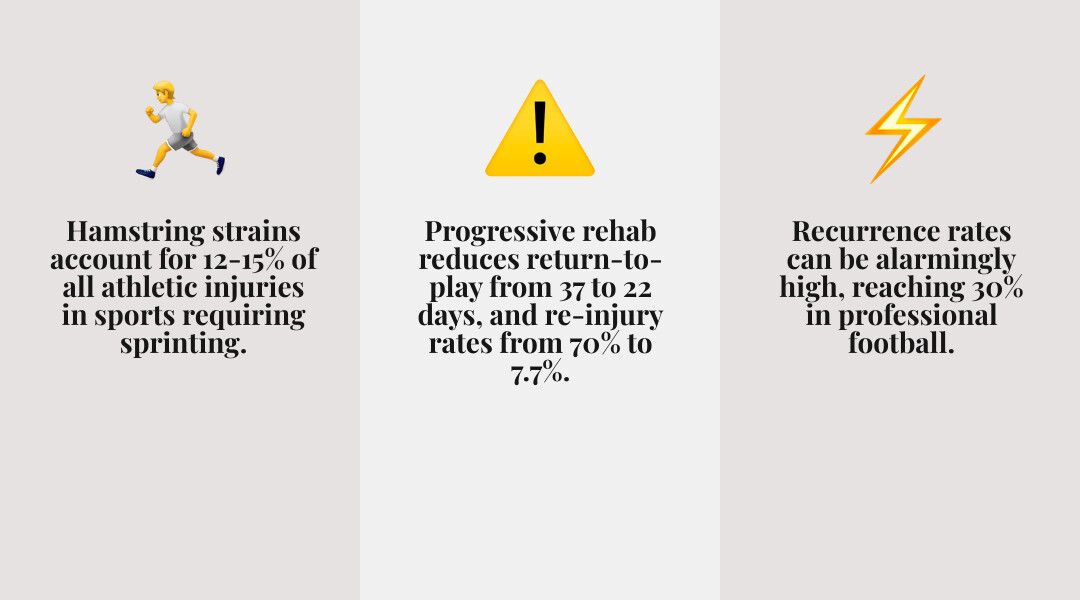
Treatment for hamstring muscle strain is critical in the first 48-72 hours to minimize swelling, speed recovery, and prevent re-injury. Whether you're an athlete who felt a sharp pop during a sprint or someone who overstretched, the right steps can mean the difference between a few weeks of recovery and months of chronic pain. Hamstring injuries are common, making up 12-15% of all athletic injuries in sports like sprinting, with a high recurrence rate of up to 30%.
Immediate treatment focuses on the PRICE protocol (Protection, Rest, Ice, Compression, Elevation), pain management, and gentle movement after the initial 48-72 hours. Recovery time varies by severity: a mild strain may heal in weeks, while a complete tear can take months. Studies show that progressive agility programs can cut return-to-play time and drastically reduce re-injury rates from 70% to just 7.7%.
I'm Tony Enrico, and through my work developing Neuropasil, I've seen that the right treatment for hamstring muscle strain combines first aid, proper rehabilitation, and targeted topical relief. This guide will walk you through every phase of recovery, helping you avoid becoming part of that high recurrence statistic.
Simple guide to treatment for hamstring muscle strain:
Understanding Your Hamstring Injury: Grades and Symptoms
To find the right treatment for hamstring muscle strain, you must first understand the injury. The hamstring is a group of three muscles at the back of your thigh (biceps femoris, semitendinosus, and semimembranosus) that are crucial for hip extension and knee flexion—movements essential for walking, running, and jumping. A hamstring injury, or "pulled muscle," occurs when these muscle fibers are overstretched or torn.
Common symptoms include a sharp pain in the back of the leg, sometimes with a popping sensation. You may also notice bruising, swelling, muscle weakness, and difficulty walking. For more details, you can consult resources like the Hamstring Muscle Injuries - OrthoInfo - AAOS.
Decoding the Severity: Grades 1, 2, and 3
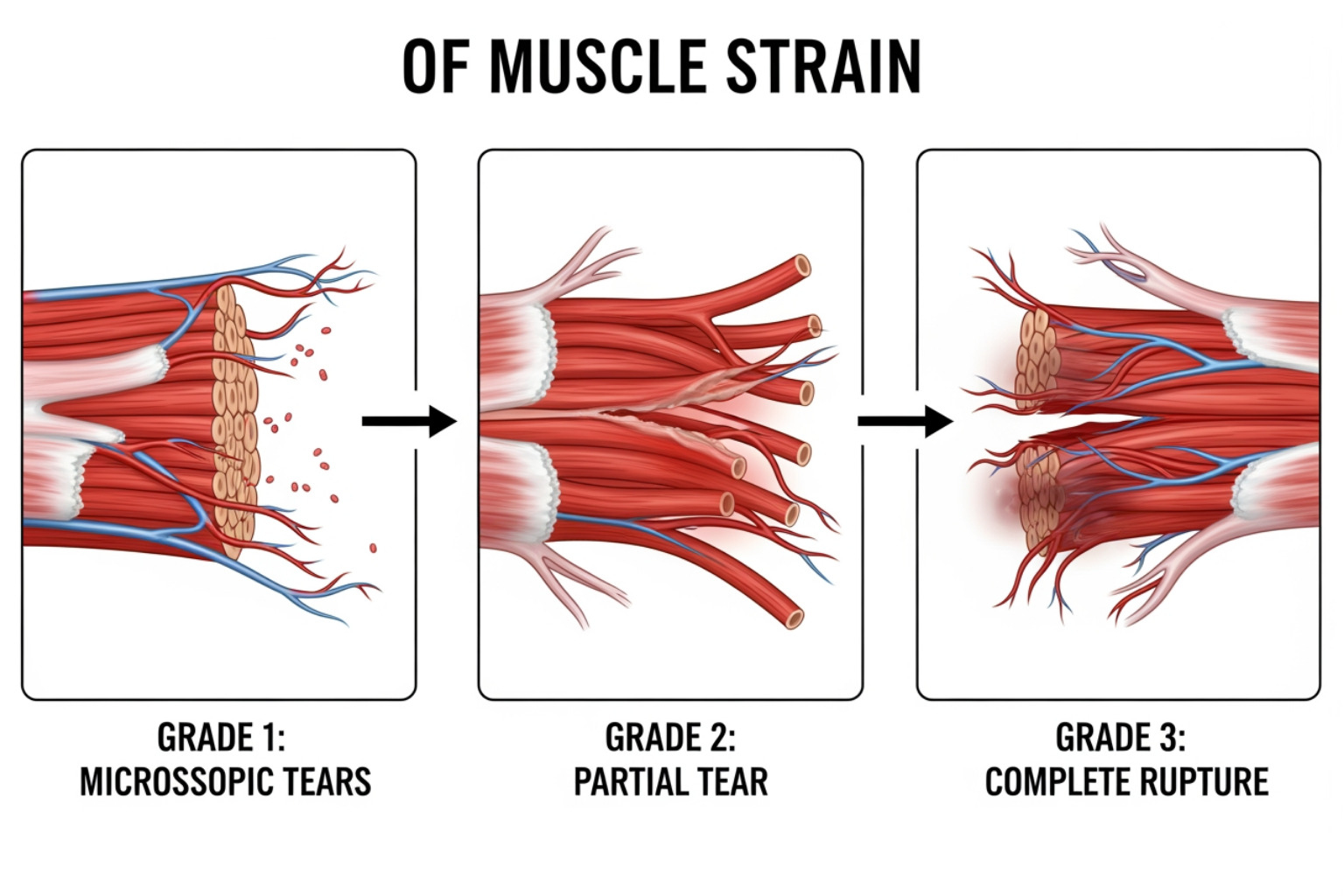
Hamstring strains are classified into three grades, which dictates the treatment and recovery time.
Grade 1 Strain (Mild Tear): Involves microscopic tears of a few muscle fibers. You may feel mild pain and tenderness, but with no significant loss of strength. Recovery usually takes a few days to a few weeks.
Grade 2 Strain (Partial Tear): A more significant tear of muscle fibers. Symptoms include moderate pain, swelling, a noticeable loss of strength, and limping. Healing can take 4 to 8 weeks.
Grade 3 Strain (Complete Rupture): The muscle or tendon is completely torn, sometimes with an avulsion fracture (bone pulled away). The pain is severe, often with an audible pop, significant swelling, and bruising. You will likely be unable to walk. Recovery takes several months and may require surgery.
When to See a Doctor for Your Hamstring Strain
While mild strains can be managed at home, seek professional medical attention if you experience any of the following:
- Severe pain or inability to bear weight on the injured leg.
- Significant or rapidly worsening swelling and bruising.
- Numbness or tingling in your leg, which could indicate nerve involvement.
- An audible pop or snap at the time of injury.
- Pain that worsens or doesn't improve with self-care after a few days.
- Signs of infection, like a fever or shivering.
Early and accurate diagnosis is key to effective treatment for hamstring muscle strain. You can use resources like NHS 111 to help decide if you need urgent care.
Immediate and Early-Stage Treatment for Hamstring Muscle Strain
The initial 48-72 hours following a hamstring injury are critical for setting the stage for proper healing. The primary goals are pain management, inflammation control, and protecting the injured tissue. These early home remedies form the foundation of effective treatment for hamstring muscle strain. For more general information, visit our blog on muscle strain treatment.
The First 48-72 Hours: The PRICE Protocol
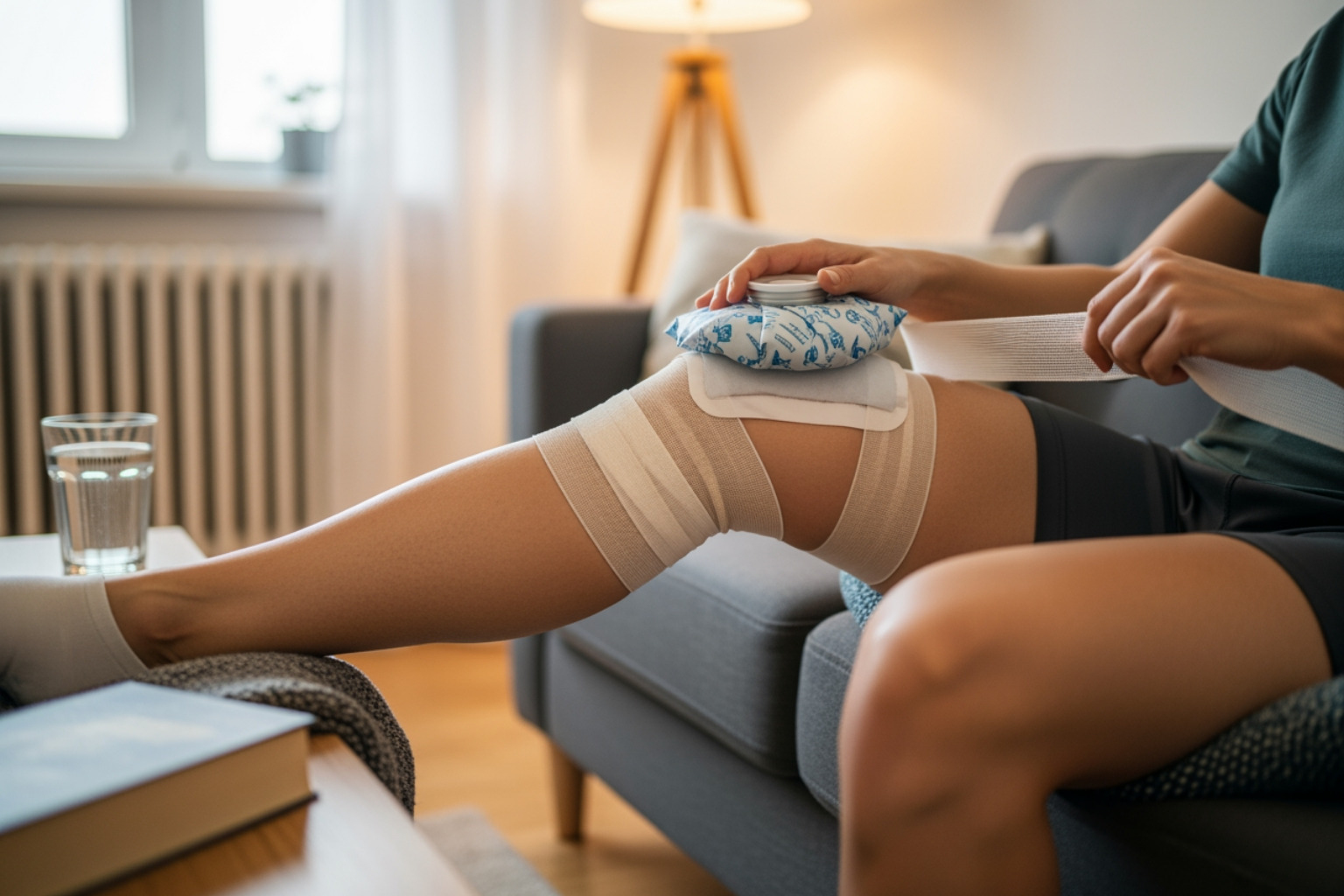
For mild to moderate strains, the PRICE protocol is the go-to strategy for immediate care:
- Protection: Shield the injured area from further damage, using crutches if walking is painful.
- Rest: Stop the activity that caused the injury and avoid movements that cause pain. This allows the healing process to begin.
- Ice: Apply an ice pack wrapped in a cloth for 15-20 minutes every 2-3 hours during the first 2-3 days to reduce pain and swelling.
- Compression: Use an elastic bandage to gently compress the area, which helps minimize swelling and provides support. Ensure it's snug but not too tight.
- Elevation: When resting, lift your injured leg above heart level to help drain excess fluid and reduce swelling.
Managing Pain and Discomfort
Pain management is a crucial part of early treatment for hamstring muscle strain. Over-the-counter (OTC) nonsteroidal anti-inflammatory drugs (NSAIDs) like ibuprofen or naproxen can help reduce both pain and inflammation. Acetaminophen may also be used for pain relief. Always follow dosage instructions and consult a healthcare provider if you have concerns.
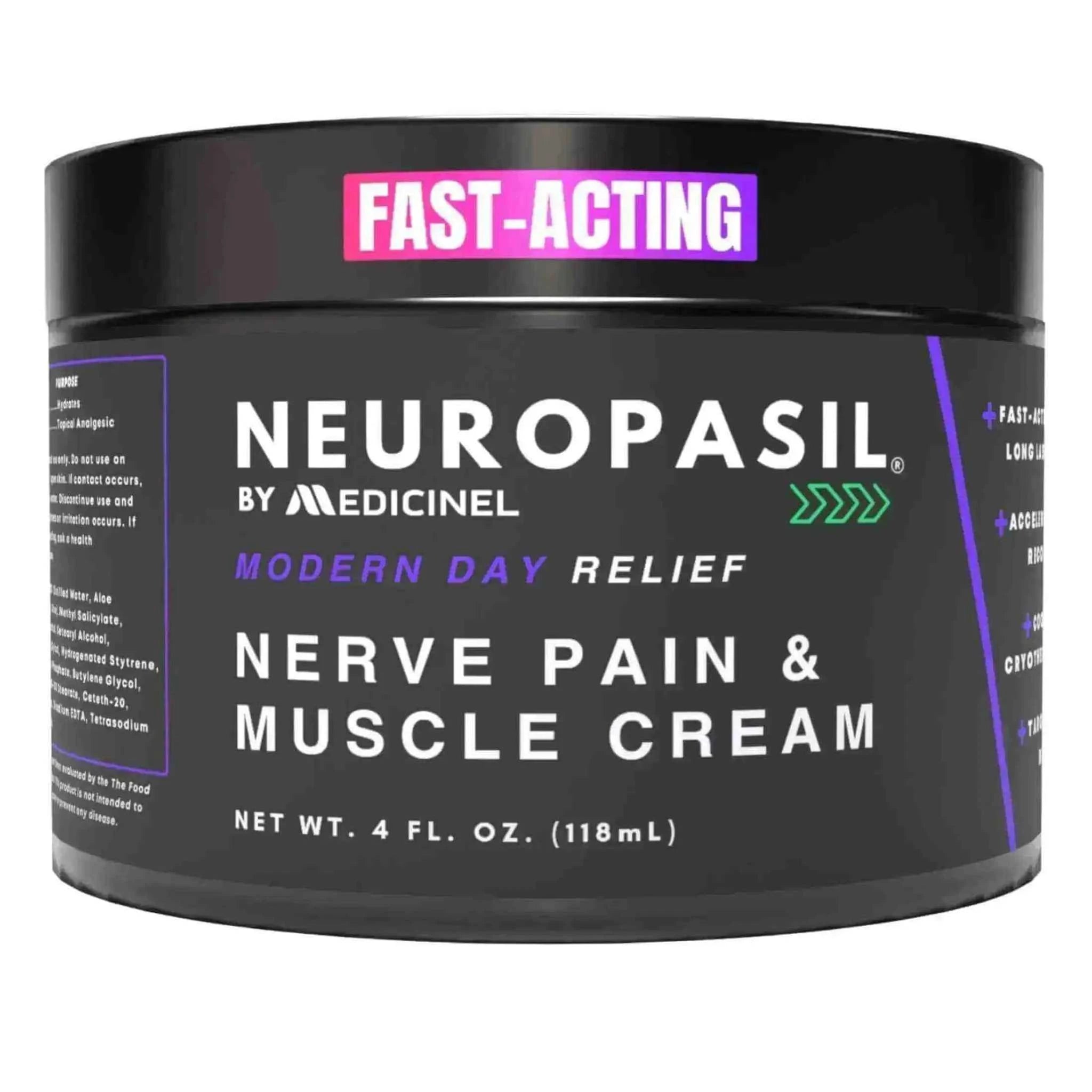
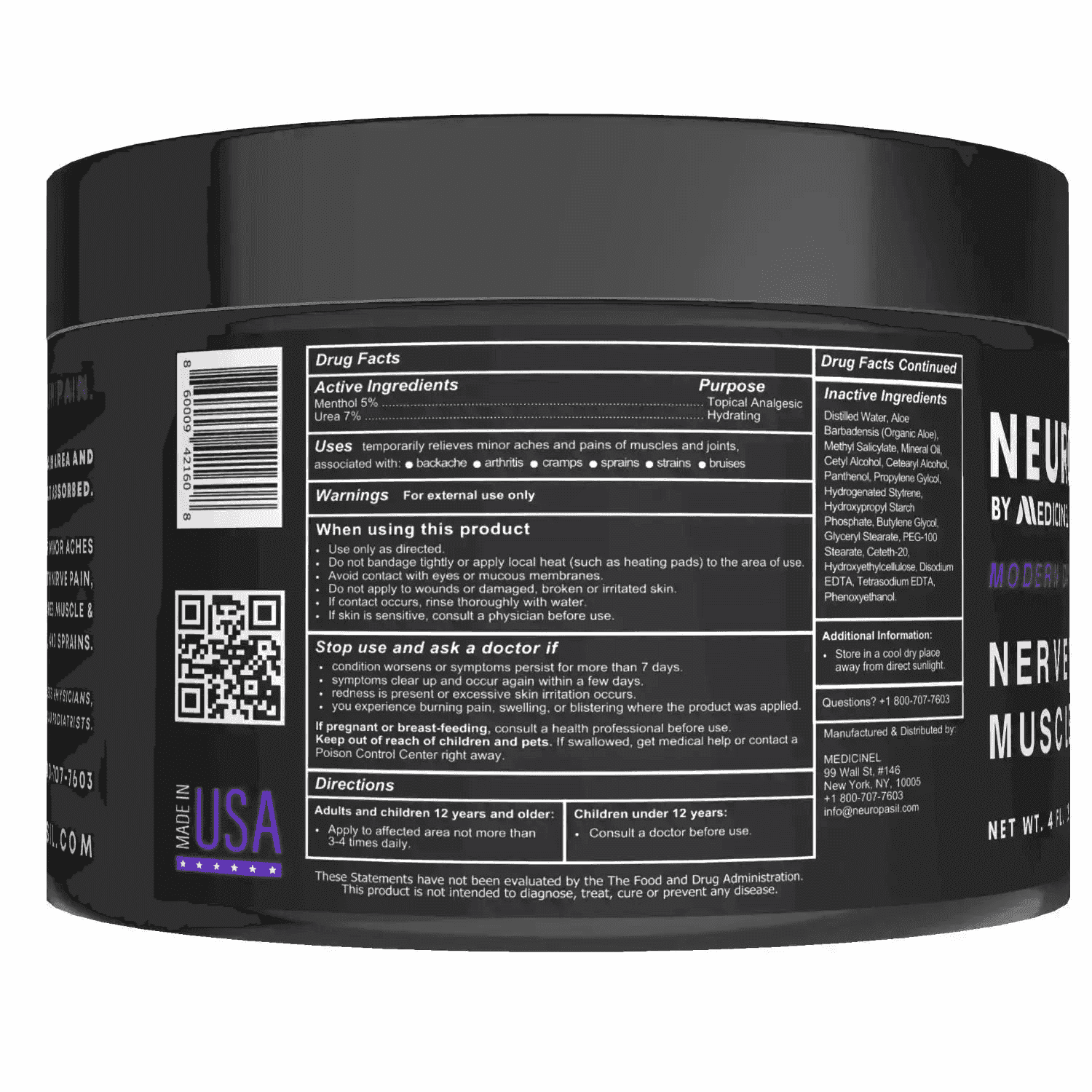
For targeted relief directly at the source of the pain, we recommend topical analgesics. Our Neuropasil Nerve Pain Relief Cream is formulated with ingredients like Menthol, which provides a cooling sensation that can help distract from pain and reduce discomfort. This allows for more comfortable rest and facilitates early gentle movement. You can learn more about our ingredients and their benefits on our ingredients page.
The RICE vs. Movement Debate for the best treatment for hamstring muscle strain
Traditionally, the RICE protocol emphasized strict rest. However, modern understanding has evolved. While initial rest is crucial for the first 48-72 hours, prolonged immobilization can hinder recovery by causing stiffness and excessive scar tissue.
Once acute pain subsides, early, gentle, and pain-free movement is beneficial. This controlled movement promotes blood flow, delivering nutrients to the injured area and accelerating healing. Your healthcare provider or physical therapist can guide you on when and how to safely incorporate movement into your recovery.
Advanced Rehabilitation and Recovery Strategies
Once the initial pain and swelling subside, the focus shifts to advanced rehabilitation to restore full function and prevent re-injury. This phase often involves professional diagnosis and a structured, long-term approach. For comprehensive information, the Mayo Clinic offers valuable insights.
The Role of Physical Therapy in Recovery
Physical therapy is a cornerstone of effective treatment for hamstring muscle strain, especially for Grade 2 and 3 injuries. A physical therapist guides you through phases to restore range of motion, improve strength, and improve neuromuscular control.
A program typically progresses from pain reduction to gentle strengthening, and finally to advanced exercises. Eccentric strengthening, where the muscle lengthens under tension (like the Nordic hamstring curl), is crucial for building resilience. Core stability exercises are also integrated to reduce strain on the hamstrings. The final phase involves functional and sport-specific training, such as agility drills and a gradual return to running. Studies show that athletes in progressive agility and trunk stabilization programs return to play faster (22 days vs. 37 days) and have a significantly lower re-injury rate (7.7% vs. 70%) compared to those doing only standard stretching.
Diagnostic Imaging and When It's Needed
While a physical exam is often sufficient, imaging may be needed for severe injuries or persistent symptoms.
- MRI (Magnetic Resonance Imaging): Highly effective for assessing the extent and location of muscle tearing and detecting complications like avulsion fractures. However, imaging findings don't always perfectly correlate with return-to-play timelines. Scientific research on MRI for hamstring injury prognosis can provide more detail.
- Ultrasound: A real-time imaging tool used to visualize muscle tears and guide injections.
- X-rays: Used to rule out bone injuries, particularly avulsion fractures.
Imaging tests are generally considered when there's severe pain, suspicion of a complete tear or avulsion, or if symptoms don't improve with conservative treatment for hamstring muscle strain.
What About Injections for treatment for hamstring muscle strain?
Various injections have been explored for hamstring injuries, but evidence suggests they are not a first-line treatment for hamstring muscle strain in most acute cases. Physical therapy remains the cornerstone of care.
- Corticosteroid Injections: These powerful anti-inflammatories are controversial for acute strains due to concerns about inhibiting healing. They may offer short-term pain relief for chronic hamstring tendinopathy but are not a standard treatment for acute tears.
- Platelet-Rich Plasma (PRP) Injections: PRP uses a patient's own platelets to theoretically promote healing. However, for acute hamstring strains, multiple high-quality studies have found no significant difference in recovery time or re-injury rates compared to rehabilitation alone.
In summary, while injections might be considered for specific chronic cases, the current evidence does not support their routine use for acute hamstring strains. Our focus remains on comprehensive physical therapy and conservative management as the most effective treatment for hamstring muscle strain.
Here's a quick comparison:
| Characteristic | Acute Hamstring Strain | Chronic Proximal Hamstring Tendinopathy |
|---|---|---|
| Onset | Sudden, often during high-speed activity or overstretch | Gradual, insidious, often related to overuse |
| Pain Location | Anywhere along the hamstring muscle belly or tendon | Near the ischial tuberosity (sit bone) |
| Cause | Muscle overload, eccentric contraction, sudden force | Repetitive microtrauma, mechanical overload |
| Primary Treatment Focus | PRICE, progressive physical therapy, strengthening | Eccentric loading, activity modification, injections |
| Imaging Findings | Muscle fiber disruption, edema, hematoma | Tendon thickening, degeneration, potential calcification |
Recovery, Prevention, and Your Return to Activity
Navigating the recovery process and preventing future injuries are critical steps in the comprehensive treatment for hamstring muscle strain. The journey back to full activity requires patience and adherence to rehabilitation protocols. The Cleveland Clinic provides a good overview of how long a hamstring injury takes to heal.
Hamstring Strain Recovery Timeline
Recovery time varies significantly based on the injury grade, your age and fitness level, and adherence to your rehab program.
- Grade 1: A few days to a few weeks.
- Grade 2: 4-8 weeks.
- Grade 3: 3-6 months or longer, especially if surgery is required.
The type of injury also matters; high-speed running injuries may heal faster than overstretch injuries. A history of hamstring strains can prolong recovery, with recurrence rates as high as 30% in some professional sports. Listening to your body and healthcare team is crucial to avoid returning to activity too soon.
How to Prevent Future Hamstring Injuries
Prevention is key, especially given the high recurrence rate. A comprehensive prevention strategy can significantly reduce your risk.
- Proper Warm-up: Always start with light cardio and dynamic stretches (e.g., leg swings) to prepare muscles.
- Stretching: Use dynamic stretches before exercise and static stretches (holding a stretch) after.
- Eccentric Strengthening: Regularly perform exercises like Nordic hamstring curls to build strength while the muscle is lengthening.
- Glute and Core Strength: Strong glutes and a stable core reduce stress on the hamstrings.
- Manage Fatigue: Avoid exercising when excessively tired, as fatigue increases injury risk.
- Proper Biomechanics: Work with a professional to correct any inefficient movement patterns.
- Gradual Progression: Avoid sudden increases in workout intensity, duration, or frequency.
- Balanced Strength: Address muscle imbalances, particularly between the quadriceps and hamstrings.
Frequently Asked Questions about Hamstring Strain Treatment
We understand you likely have many questions about treatment for hamstring muscle strain. Here are some of the most common ones we encounter:
How long does it take to recover from a hamstring strain?
Recovery time depends heavily on the strain's severity:
- Grade 1 strains typically heal within 1 to 3 weeks.
- Grade 2 strains may take 4 to 8 weeks.
- Grade 3 strains (complete ruptures) often require 3 to 6 months or longer, especially if surgery is needed.
Your age, fitness level, and adherence to physical therapy also influence your recovery timeline. Patience is crucial for a safe return to activity.
Should I use ice or heat on my pulled hamstring?
For the first 48-72 hours, use ice. Cold therapy helps reduce inflammation, muscle spasms, and pain by constricting blood vessels and limiting swelling. Apply an ice pack wrapped in a towel for 15-20 minutes every 2-3 hours.
After the initial phase, once swelling has subsided, you can switch to heat. Heat increases blood flow, which can relax sore muscles and improve flexibility. Do not use heat on a fresh injury with significant swelling.
Can I walk with a pulled hamstring?
This depends on the grade of your injury:
- With a mild Grade 1 strain, you can likely walk, perhaps with a slight limp. It's important to still rest and protect the muscle.
- For a Grade 2 strain, walking will be painful and difficult. You may need crutches.
- With a severe Grade 3 tear, you will likely be unable to walk without assistance and should seek immediate medical attention.
Pushing through significant pain when walking can worsen the injury and prolong recovery.
Conclusion: Your Path to a Full Recovery
Navigating a hamstring muscle strain can be a frustrating experience, especially for active individuals. However, with the right approach to treatment for hamstring muscle strain, a full and strong recovery is absolutely within reach. We've walked through the different grades of injury, the critical immediate steps, the importance of a structured physical therapy program, and effective prevention strategies.
The journey to recovery requires patience and listening to your body. Don't rush back into activities before your body is ready, as this significantly increases the risk of re-injury. Accept the phased rehabilitation process, focusing on restoring flexibility, strength, and neuromuscular control.
For managing any lingering muscle soreness or discomfort during your recovery, a topical cream can be a valuable tool. Our Neuropasil Nerve Pain Relief Cream, with its soothing blend of ingredients like Menthol, can provide targeted relief directly to the affected muscles without the systemic side effects of oral medications. It's a natural way to support your body's healing process and keep you comfortable as you regain your strength.
We're here to support you on your path to recovery. Explore our products for muscle pain relief and find how Neuropasil can become a part of your daily wellness routine.
References
- AAOS (American Academy of Orthopaedic Surgeons). (n.d.). Hamstring Muscle Injuries. Retrieved from https://orthoinfo.aaos.org/en/diseases--conditions/hamstring-muscle-injuries/
- Cacchio, A., Rompe, J. D., Furia, J. P., Susi, P., Santilli, V., & De Paulis, F. (2011). Shockwave therapy for the treatment of chronic proximal hamstring tendinopathy in professional athletes. The American Journal of Sports Medicine, 39(1), 146–153. https://pubmed.ncbi.nlm.nih.gov/20855554/
- Chu, S. K., & Rho, M. E. (2016). Hamstring Injuries in the Athlete: Diagnosis, Treatment, and Return to Play. Current Sports Medicine Reports, 15(3), 184–190. https://pubmed.ncbi.nlm.nih.gov/27172083/
- Cleveland Clinic. (n.d.). How Long Does It Take a Hamstring Injury To Heal?. Retrieved from https://my.clevelandclinic.org/health/diseases/17039-hamstring-injury
- Hamilton, B., Tol, J. L., Almusa, E., Boukarroum, S., Eirale, C., Farooq, A., ... & Weir, A. (2015). Platelet-rich plasma does not improve return to play in hamstring injuries: a randomised controlled trial. British Journal of Sports Medicine, 49(14), 943–950. https://pubmed.ncbi.nlm.nih.gov/26136179/
- Mayo Clinic. (n.d.). Hamstring injury - Diagnosis and treatment. Retrieved from https://www.mayoclinic.org/diseases-conditions/hamstring-injury/diagnosis-treatment/drc-20372990
- MedlinePlus. (n.d.). Hamstring strain - aftercare. Retrieved from https://medlineplus.gov/ency/patientinstructions/000551.htm
- NHS. (n.d.). Hamstring injury. Retrieved from https://www.nhs.uk/conditions/hamstring-injury/
- Nicholson, L. T., DiSegna, S., Newman, J. S., & Miller, S. L. (2014). Fluoroscopically Guided Peritendinous Corticosteroid Injection for Proximal Hamstring Tendinopathy: A Retrospective Review. Orthopaedic Journal of Sports Medicine, 2(3). https://pubmed.ncbi.nlm.nih.gov/26535310/
- Petersen, J., Thorborg, K., Nielsen, M. B., Skjodt, T., Bolvig, L., Bang, N., ... & Hölmich, P. (2014). The diagnostic and prognostic value of ultrasonography in soccer players with acute hamstring injuries. The American Journal of Sports Medicine, 42(2), 399–404. https://pubmed.ncbi.nlm.nih.gov/24335495/
- Reurink, G., Brilman, E. G., de Vos, R. J., Maas, M., Moen, M. H., Weir, A., & Tol, J. L. (2015). Magnetic resonance imaging in acute hamstring injury: can we provide a return to play prognosis?. Sports Medicine, 45(1), 133–146. https://pubmed.ncbi.nlm.nih.gov/25119158/
- Sherry, M. A., & Best, T. M. (2004). A comparison of 2 rehabilitation programs in the treatment of acute hamstring strains. The Journal of Orthopaedic and Sports Physical Therapy, 34(3), 116–125. https://pubmed.ncbi.nlm.nih.gov/15089024/
- Sherry, M. A., Johnston, T. S., & Heiderscheit, B. C. (2015). Rehabilitation of acute hamstring strain injuries. Clinics in sports medicine, 34(2), 263–284. https://pubmed.ncbi.nlm.nih.gov/25818743/
- UpToDate. (n.d.). Hamstring muscle and tendon injuries. Retrieved from https://www.uptodate.com/contents/hamstring-muscle-and-tendon-injuries/print
- Zissen, M. H., Wallace, G., Stevens, K. J., Fredericson, M., & Beaulieu, C. F. (2010). High hamstring tendinopathy: MRI and ultrasound imaging and therapeutic efficacy of percutaneous corticosteroid injection. AJR. American Journal of Roentgenology, 195(4), 993–998. https://pubmed.ncbi.nlm.nih.gov/20858830/