Why Muscle Cramps Strike After Your Workout
Cramps after workout are painful, involuntary muscle contractions that can strike during a cool-down or even hours later. Often called "charley horses," these common spasms are your body's alarm system, signaling a need for attention.
What Causes Post-Workout Cramps?
- Muscle fatigue from overexertion
- Dehydration and electrolyte imbalances (sodium, potassium, magnesium)
- Poor blood circulation
- Inadequate warm-up or cool-down
- Nerve compression from muscle stress
How to Get Immediate Relief:
- Stop the activity.
- Gently stretch the cramping muscle.
- Massage the affected area.
- Apply heat for tightness or ice for inflammation.
- Rehydrate with water or an electrolyte drink.
The good news is that most cramps after workout are preventable and treatable. Understanding the cause is the first step toward stopping them. I'm Tony Enrico, and I've helped countless active individuals overcome cramps with better recovery and relief solutions. The strategies ahead will help you train harder and recover faster.
Relevant articles related to cramps after workout:
Understanding Why Muscle Cramps Happen
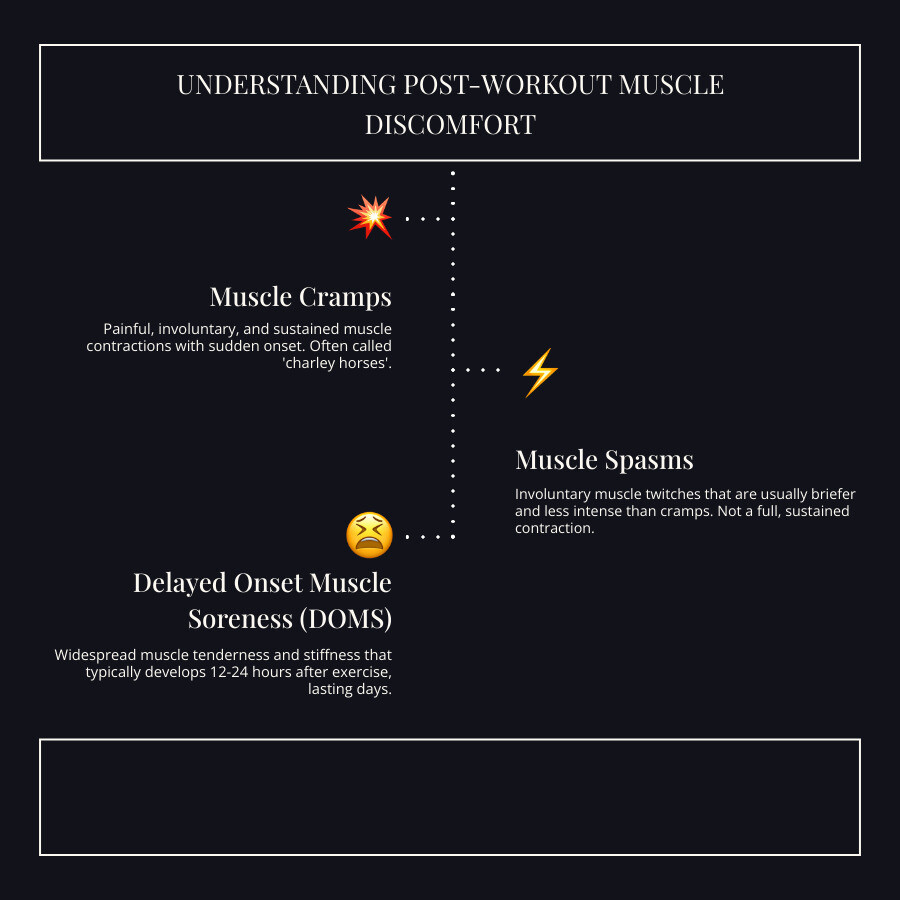
A muscle cramp is an involuntary, sustained contraction that often occurs during or after exercise, known as an Exercise-Associated Muscle Cramp (EAMC). While usually harmless, understanding the cause is key to prevention.
Two primary theories explain why cramps happen:
- Altered Neuromuscular Control: This theory suggests that when muscles become overly fatigued from intense or new exercises, the nerve signals that control contraction and relaxation get disrupted. The "relax" signal weakens, leaving the muscle stuck in a painful contraction.
- Dehydration and Electrolyte Imbalance: Sweating causes the loss of not just water but also vital minerals like sodium, potassium, and magnesium. These electrolytes are crucial for proper muscle function. An imbalance can cause nerve signals to misfire, triggering a cramp, especially in warm weather.
Certain factors can increase your risk, including age-related muscle loss, pregnancy-related changes, obesity, and some medications like diuretics or statins that affect fluid and mineral balance.
Want to dive deeper into the science? Check out this helpful resource: Muscle Cramping During Exercise: Causes, Solutions, and ....
Why do I get cramps after workout?
Post-workout cramps often boil down to a few key factors related to your training:
- Overexertion and Muscle Overuse: Pushing muscles beyond their conditioned limits leads to the fatigue that triggers cramps. This is common when trying new exercises or increasing intensity too quickly.
- Metabolic Byproducts: During intense exercise, byproducts like lactic acid can accumulate, contributing to muscle fatigue and spasms.
- Nerve and Circulation Issues: Stressed muscles can sometimes compress nerves, causing faulty signals. Likewise, poor blood circulation can deprive muscles of oxygen and nutrients while allowing waste to build up, increasing cramp risk.
Muscle Cramps vs. Muscle Spasms
Though often used interchangeably, there's a key difference.
A muscle cramp is an intense, painful, and sustained contraction of a muscle, often feeling rock-hard. A "charley horse" is a classic example. The pain is significant and can linger.
A muscle spasm is typically less intense and briefer, feeling more like a twitch or flutter. While uncomfortable, spasms don't usually cause the severe pain of a full cramp. The main differences are the duration and pain level.
For a deeper dive into all sorts of muscle pain, including both cramps and spasms, our guide has more insights: More info about Muscle Pain.
How to Stop a Muscle Cramp in Its Tracks
When a cramp hits, quick action can provide relief.
First, stop the activity immediately to avoid making it worse. Your most powerful tool is a gentle stretch. Lengthen the cramping muscle in the opposite direction of the contraction and hold for 20-60 seconds until it releases. Avoid bouncing or forcing the stretch.
Next, gently massage the muscle. This promotes blood flow, helping to deliver oxygen and flush out waste products. A foam roller can also be effective.
For lingering discomfort, choose between heat and ice.
- Heat (heating pad, warm bath) is best for relaxing residual tightness and stiffness by increasing circulation.
- Ice (ice pack wrapped in a cloth) is ideal for reducing inflammation and numbing pain, especially within the first 24 hours after intense activity.
Finally, rehydrate with water or an electrolyte beverage to address any potential fluid or mineral imbalances.
What are the best stretches for cramps after workout?
The right stretch can quickly counteract a cramp. Hold each stretch for 20-30 seconds without pushing into sharp pain.
- Calf Cramps: Stand facing a wall, step the affected leg back with the heel down, and lean forward. Alternatively, sit, loop a towel around the ball of your foot, and gently pull your toes toward you.
- Hamstring Cramps: Sit on the floor with the cramped leg extended. Lean forward from your hips, reaching toward your foot until you feel a stretch in the back of your thigh.
- Quadriceps Cramps: Stand, holding a wall for balance. Grab your ankle and gently pull your heel toward your glutes, keeping your knees together.
- Foot Cramps: Sit and cross the affected foot over your opposite knee. Gently pull your toes back toward your shin to stretch the arch.
For more expert insights on stretching, check out Harvard Health's advice on tackling cramps.
Using Topical Relief for Lingering Soreness
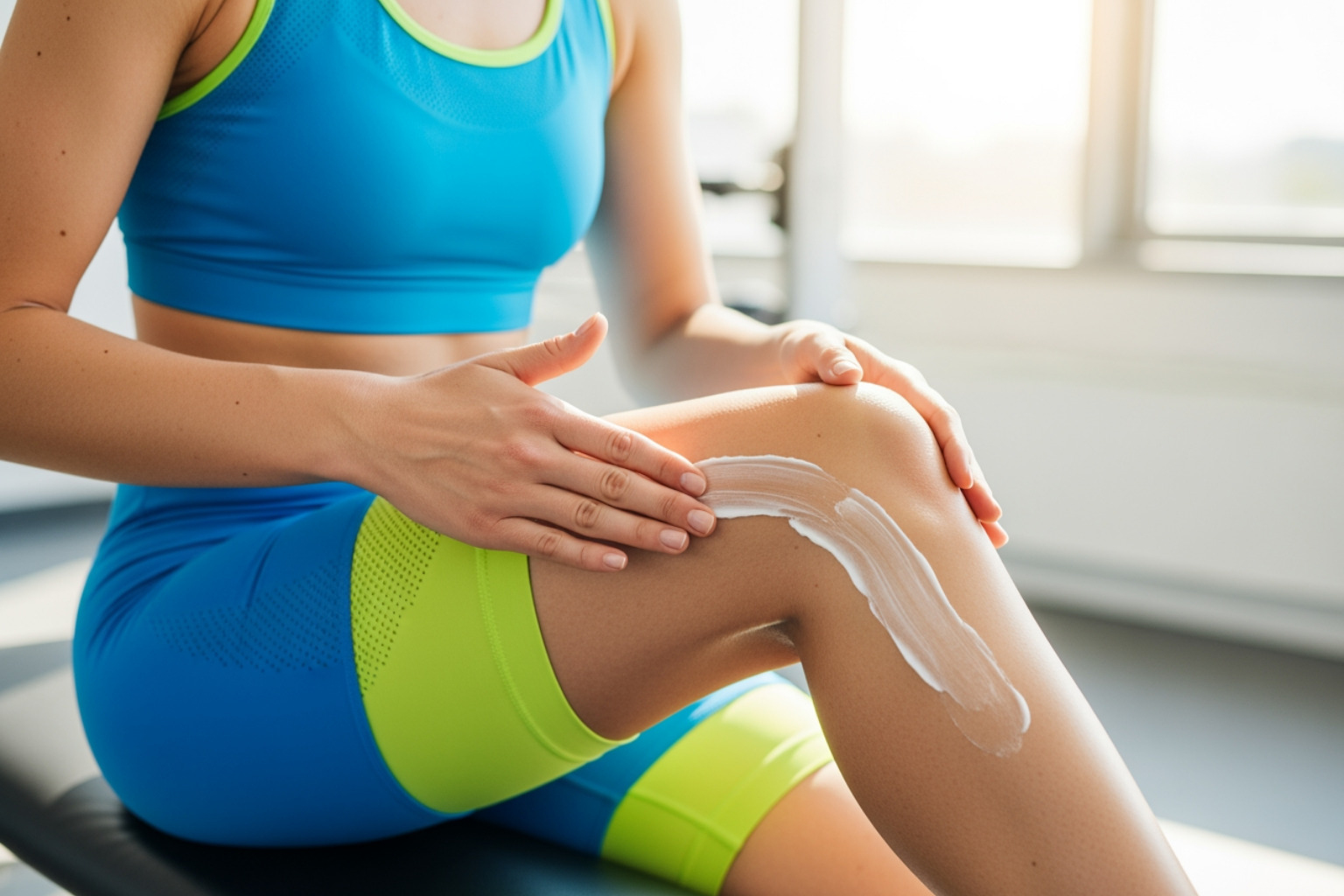
After a cramp subsides, a dull ache can remain. This is where topical relief shines.
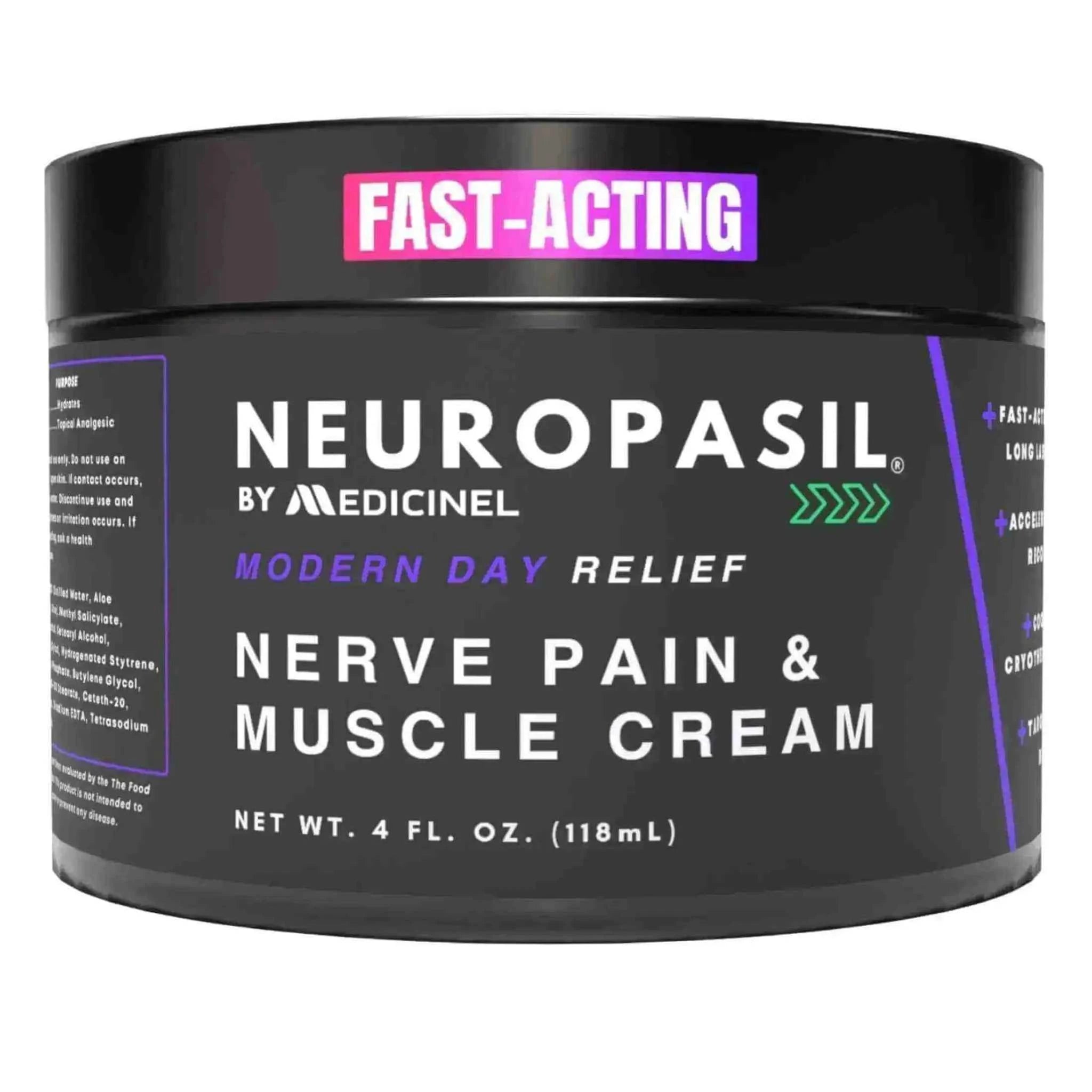
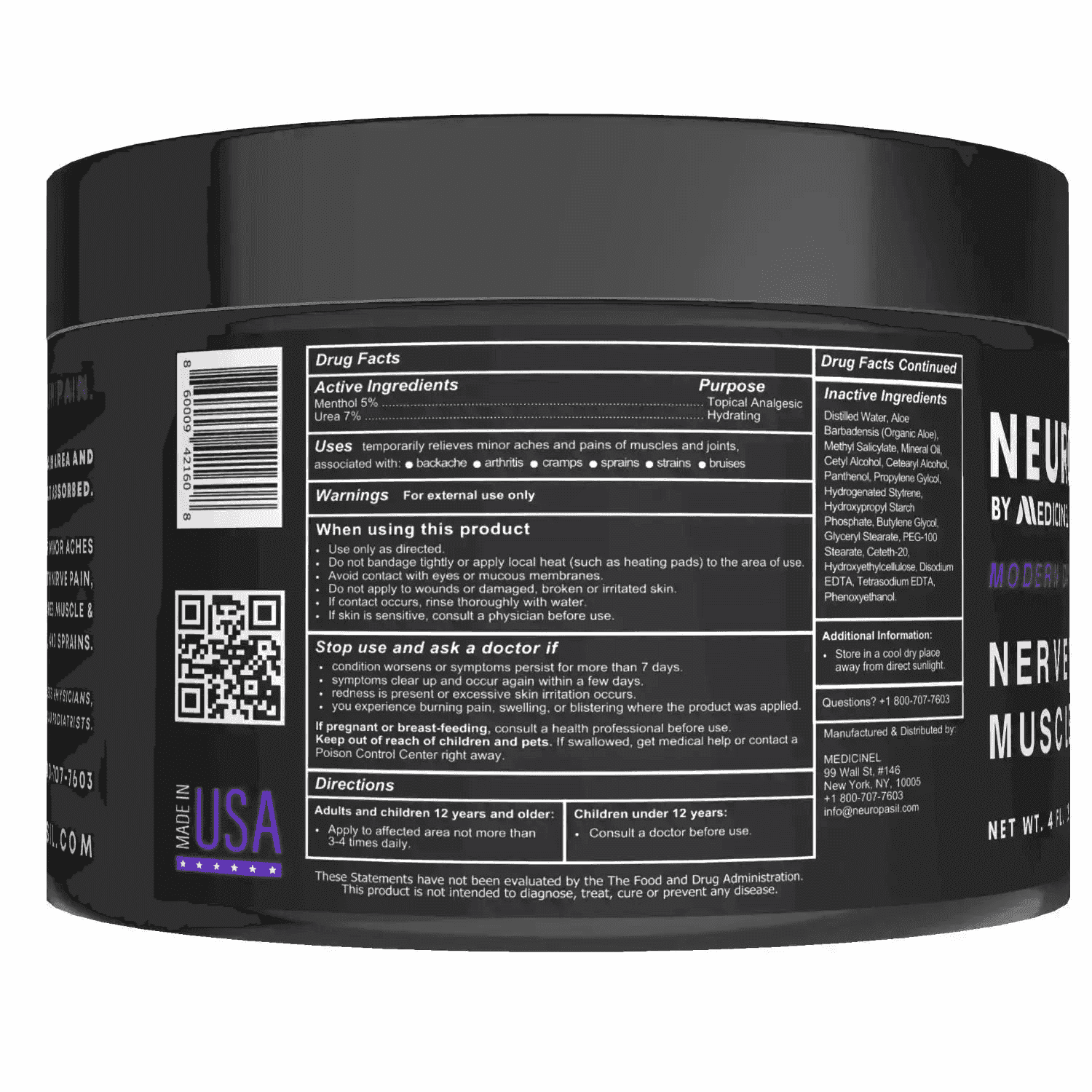
Topical analgesics like Neuropasil deliver targeted relief directly to the sore muscle. Our formula, with ingredients like Aloe, Urea, and Menthol, provides fast-acting, localized comfort. The menthol creates a cooling sensation that provides an analgesic effect, distracting from pain, a mechanism supported by research on topical analgesics (Pergolizzi Jr, et al., 2018).
The act of rubbing in the cream also provides a gentle massage, further promoting blood flow and relaxation. Many athletes in New York City and beyond rely on Neuropasil to recover from sore muscles and post-cramp aches. It supports your body's healing process while making you more comfortable.
For more information on how topical gels relieve muscle pain, explore our guide: Gel Muscle Pain Relief.
Long-Term Prevention of Cramps After Workout
The best strategy is to prevent cramps after workout from happening at all. This requires a proactive approach built on consistent, smart habits. Pay attention to your body's warning signs, use proper exercise form, and progress gradually when increasing intensity.
The Critical Role of Hydration and Electrolytes
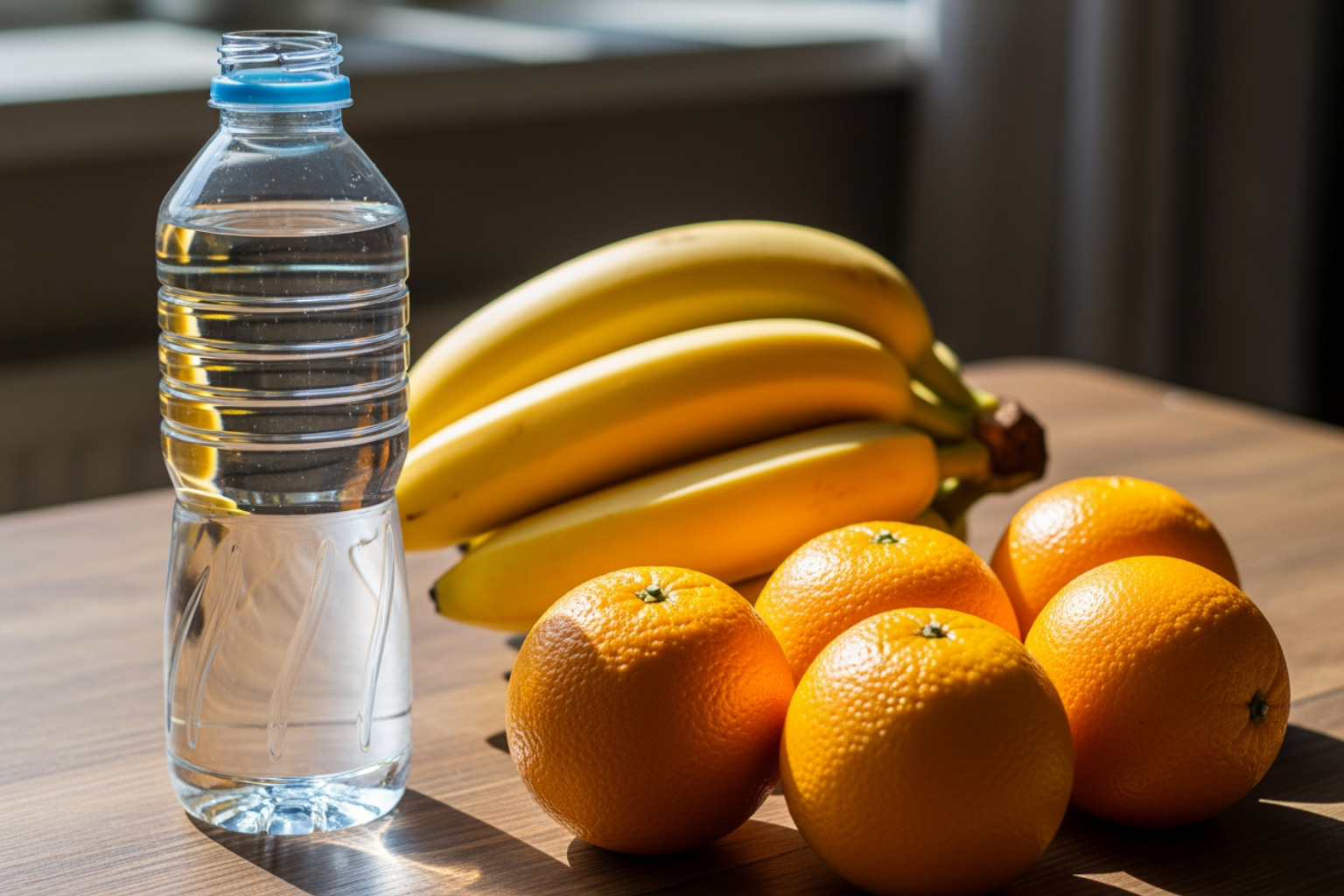
Proper fluid and electrolyte balance is fundamental to cramp prevention.
Hydration: Drink water throughout the day. For active individuals, follow established guidelines: drink ~20 oz of water 2 hours before exercise, sip 8-10 oz every 15-20 minutes during, and replenish with 16-24 oz for every pound lost from sweat afterward. Adequate hydration helps maintain electrolyte balance.
Electrolytes: These minerals are vital for nerve and muscle function, and deficiencies can contribute to cramping.
- Sodium: Lost heavily in sweat; crucial for fluid balance.
- Potassium: Essential for muscle contraction and relaxation (bananas, sweet potatoes).
- Magnesium: Aids in muscle relaxation and nerve function (pumpkin seeds, leafy greens).
- Calcium: Necessary for muscle contraction (dairy, fortified milks, leafy greens).
For workouts under an hour, water is usually sufficient. For longer, more intense sessions, a sports drink can help replace lost electrolytes and provide energy. Watch for signs of dehydration like thirst, dry mouth, and fatigue.
Nutrition for Cramp-Free Muscles
A nutrient-dense diet provides the fuel your muscles need to perform and recover. Focus on whole foods rich in the electrolytes mentioned above. A balanced meal 1-2 hours before exercise provides sustained energy, while a post-workout meal with carbohydrates and protein aids muscle repair and replenishment, reducing the risk of cramps and soreness.
For more insights into how nutrition helps sore muscles, check out: More info about What Helps Sore Muscles.
Proper Training and Recovery Techniques
How you train and recover is just as important as what you eat and drink.
- Warm-Ups & Cool-Downs: Start with dynamic warm-ups (e.g., leg swings) to prepare muscles. End with 5-10 minutes of static cool-downs (holding stretches for 20-30 seconds) to improve flexibility and prevent tightness.
- Myofascial Release: Using a foam roller can release muscle tension and improve circulation in cramp-prone areas.
- Rest and Recovery: Incorporate rest days to allow muscles to repair and strengthen. On these days, consider active recovery like a gentle walk or yoga to promote blood flow without adding stress.
To learn more about reducing muscle soreness, which goes hand-in-hand with preventing cramps, read our guide: How to Reduce Muscle Soreness After Workout.
When Muscle Cramps Warrant a Doctor's Visit
While most cramps after workout are benign, some can signal a more serious issue. It's important to know when to consult a healthcare professional.
See a doctor if your cramps are:
- Severe and significantly impacting your daily life.
- Accompanied by swelling, redness, or skin changes.
- Associated with muscle weakness.
- Frequent or persistent despite self-care measures.
- Disrupting your sleep regularly.
- Occurring with other symptoms like dizziness or changes in sensation.
Underlying medical conditions can sometimes cause cramps. These may include nerve compression (like sciatica), circulation problems, mineral deficiencies, thyroid or kidney disease, or certain neurological conditions. If you are concerned about the frequency or intensity of your cramps, a doctor can perform a thorough evaluation to determine the cause.
For more guidance on when to seek medical advice, the Mayo Clinic offers excellent information: Muscle cramp - Symptoms and causes - Mayo Clinic.
Frequently Asked Questions about Post-Workout Cramps
Here are answers to some of the most common questions about cramps after workout.
What mineral deficiency causes the worst muscle cramps?
While low levels of potassium, sodium, and calcium can all contribute, magnesium deficiency is often highlighted for its role in muscle excitability. Magnesium helps muscles relax, so a deficiency can lead to sustained contractions. However, cramps are usually caused by a combination of factors, not a single deficiency.
Can I work out with a muscle cramp?
No. Pushing through a cramp can lead to a more serious muscle strain or injury. The moment a cramp strikes, stop your activity, gently stretch the muscle, and wait until the pain has completely subsided before considering resuming.
Is pickle juice good for cramps?
Many athletes use pickle juice for rapid cramp relief. The theory is that its high sodium and vinegar content triggers a neural reflex in the throat that calms the overactive nerves causing the cramp. While research is ongoing, this neurologically-mediated mechanism may explain why it can work faster than rehydration alone.
For more insights on managing muscle discomfort, explore our guides on muscle spasm relief and post exercise muscle soreness.
Conclusion
You now have a comprehensive guide to preventing and relieving cramps after workout. These painful contractions are often your body's signal for fatigue, dehydration, or an electrolyte imbalance.
Prevention is your best defense. Focus on consistent hydration, a nutrient-rich diet, and smart training techniques, including proper warm-ups, cool-downs, and adequate rest. Most importantly, listen to your body and don't push through pain.
When a cramp does occur, stop, stretch, and massage the area. For the lingering soreness that often follows, a topical analgesic can provide significant comfort.
Neuropasil's menthol-infused formula is designed for this purpose, delivering targeted, fast-acting relief to soothe tired muscles and help you recover faster. Trusted by athletes and individuals managing daily aches, our cream offers effective, soothing comfort.
Don't let cramps derail your active lifestyle. Take control with these strategies, and let us help with your recovery.
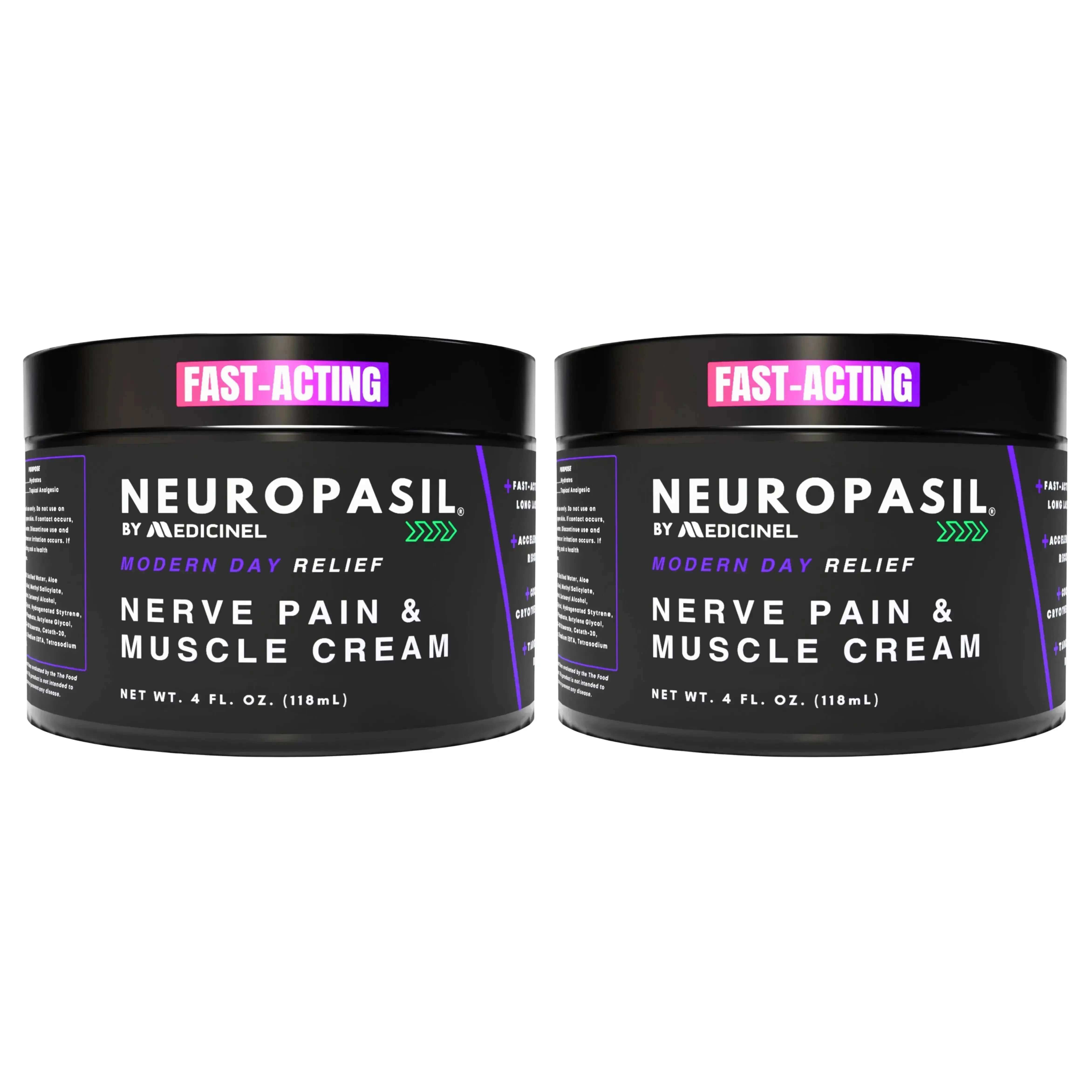
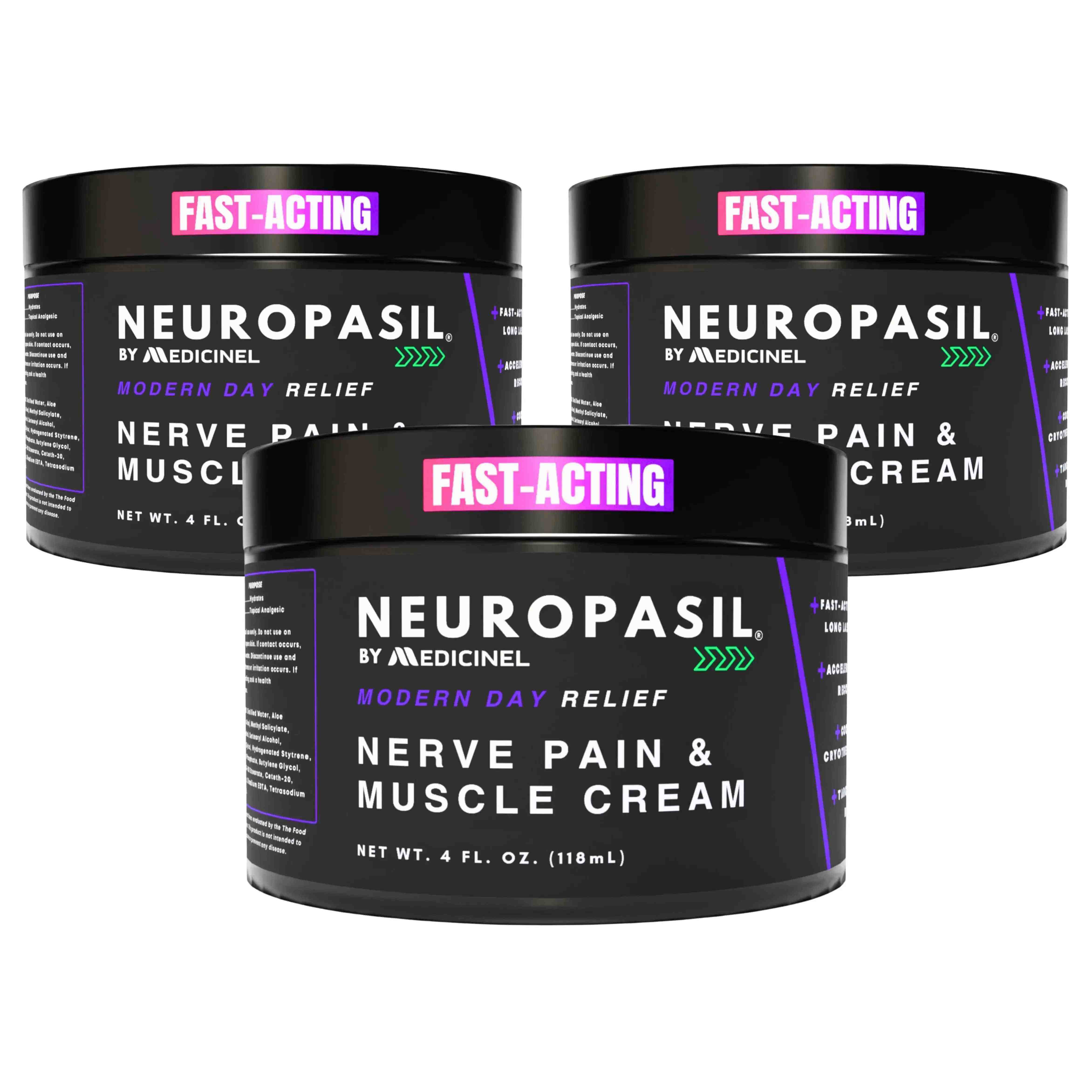
Explore Neuropasil products | Shop Neuropasil Nerve Pain & Muscle Cream (Pack of 2) | Shop Neuropasil Nerve Pain & Muscle Cream (Pack of 3)
Your muscles work hard for you. Now you know how to work hard for them.
References
We believe in providing well-researched, credible information to help you understand and manage cramps after workout. The insights shared in this article are drawn from reputable sources in sports medicine, health, and fitness. We encourage you to explore these resources for further reading and deeper understanding:
- American College of Sports Medicine. (2022, December 11). Delayed Onset Muscle Soreness (DOMS) | Info Sheet. Retrieved from https://www.acsm.org/docs/default-source/files-for-resource-library/delayed-onset-muscle-soreness-(doms).pdf
- Cleveland Clinic. (n.d.). Muscle Spasms (Muscle Cramps). Retrieved from https://my.clevelandclinic.org/health/diseases/15466-muscle-spasms
- Cleveland Clinic. (2020, December 8). Here’s How to Choose Between Using Ice or Heat for Pain. Retrieved from https://health.clevelandclinic.org/should-you-use-ice-or-heat-for-pain-infographic/
- Feelsuper. (n.d.). What's Causing My Muscle Spasms & Muscle Cramps? Retrieved from https://www.feelsuper.com/blogs/the-news/whats-causing-my-muscle-spasms-and-muscle-cramps
- Harvard Health Publishing. (n.d.). Take that, muscle cramps! Retrieved from https://www.health.harvard.edu/staying-healthy/take-that-muscle-cramps
- Healthshots. (n.d.). Effective ways to get rid of muscle cramps after a workout. Retrieved from https://www.healthshots.com/how-to/effective-ways-to-get-rid-of-muscle-cramps-after-a-workout/
- Healthshots. (n.d.). Muscle cramps after exercise? Here’s how to avoid the pain. Retrieved from https://www.healthshots.com/fitness/staying-fit/avoid-muscle-cramps-after-exercise/
- Houston Methodist. (2022, February 28). Muscle Cramps: 8 Things That Cause Them & 4 Ways to Stop Them. Retrieved from https://www.houstonmethodist.org/blog/articles/2022/feb/muscle-cramps-8-things-that-cause-them-4-ways-to-stop-them/
- Kayla Itsines. (n.d.). How To Stop Muscle Cramps. Retrieved from https://www.kaylaitsines.com/blogs/education/muscle-cramps
- Mayo Clinic. (n.d.). Muscle cramp - Symptoms and causes. Retrieved from https://www.mayoclinic.org/diseases-conditions/muscle-cramp/symptoms-causes/syc-20350820
- National Center for Biotechnology Information. (2019, December). Muscle Cramping During Exercise: Causes, Solutions, and .... Retrieved from https://pmc.ncbi.nlm.nih.gov/articles/PMC6901412/
- Onlymyhealth. (n.d.). Muscle Cramps After Workout? Expert Lists Effective Ways To Get Rid Of It. Retrieved from https://www.onlymyhealth.com/effective-ways-to-get-rid-of-muscle-cramps-after-workout-1692005964
- Pergolizzi Jr, J. V., et al. (2018). The role of topical analgesics in the management of acute and chronic pain. Pain and Therapy. Retrieved from https://www.ncbi.nlm.nih.gov/pmc/articles/PMC6281016/
- Powermax Fitness. (n.d.). Why Do We Get Muscle Cramps After Heavy Exercise? Retrieved from https://www.powermaxfitness.net/why-do-we-get-muscle-cramps-after-heavy-exercise-bd-290.html
- Sweat.com. (n.d.). How To Stop Muscle Cramps. Retrieved from https://www.kaylaitsines.com/blogs/education/muscle-cramps