Why Your Neck and Shoulders Are Begging for Relief
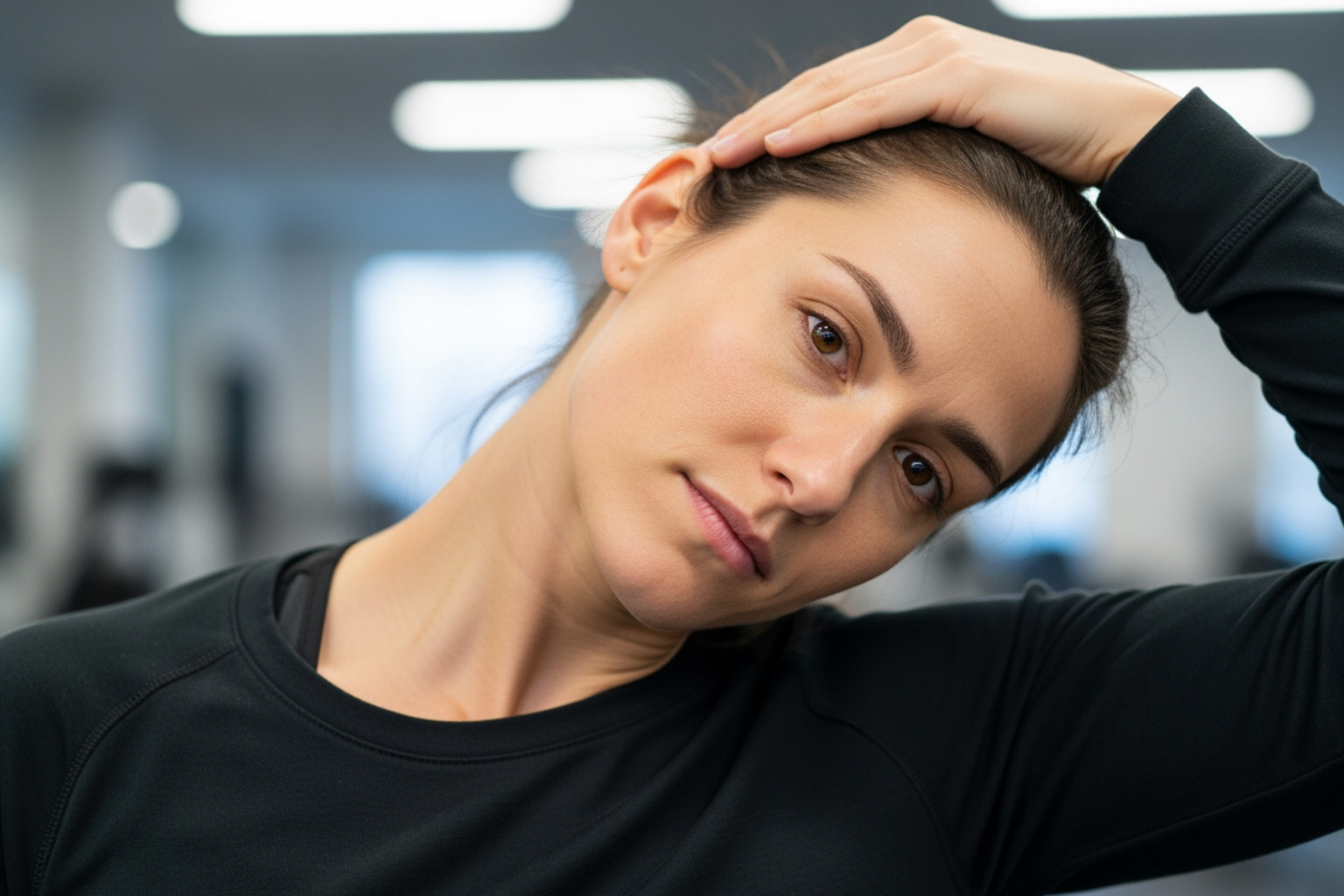
An upper trap stretch is a simple neck movement that targets the upper trapezius muscle—the large triangular muscle running from the base of your skull across your shoulders and down to your mid-back. Here's how to perform it correctly:
Quick Upper Trap Stretch Instructions:
- Sit or stand with relaxed shoulders
- Gently tilt your head to one side, bringing your ear toward your shoulder
- For a deeper stretch, place your hand on your head and apply light pressure
- Hold for 20-30 seconds
- Repeat 2-3 times on each side
If you've ever felt that constant weight on your shoulders, you know exactly what tight traps feel like. That nagging tension between your neck and shoulders isn't just uncomfortable—it can lead to headaches, limited mobility, and chronic pain that affects everything from your workout performance to your sleep quality.
The trapezius muscle does a lot of work. It moves and rotates your shoulder blade, stabilizes your arm, and extends your neck. When it gets tight—whether from hunching over a computer, stress, or repetitive movements—that tension radiates through your entire upper body.
Research shows that trapezius muscle activity actually increases during stressful situations, making these muscles a prime target for both physical and emotional tension. Poor posture, especially forward head posture from looking at phones and laptops, forces your upper back muscles to work overtime, leading to strain and discomfort.
The good news? Targeted stretching can release that tension, improve your range of motion, and help you feel like yourself again.
I'm Tony Enrico, and through my work with Neuropasil, I've helped thousands of people find relief from muscle pain and tension. I've seen how proper upper trap stretch techniques, combined with effective pain management strategies, can transform someone's daily comfort and performance.

Basic upper trap stretch terms:
- muscle traps
- Sore muscle relief
- pulled muscle in upper back
Understanding Your Trapezius Muscles and Why They Ache
Our trapezius muscles are a large, flat, triangular pair of muscles extending from the base of our skull, down our neck, across our shoulders, and to the middle of our back. This muscle group is divided into three parts:
- Upper Trapezius: Located at the top, these muscles lift and rotate your shoulder blades, allowing you to shrug your shoulders or lift your arms. They also help extend and turn your neck.
- Middle Trapezius: Running horizontally, these muscles pull back your shoulder blades, which is key for good posture.
- Lower Trapezius: These fibers run diagonally downwards, depressing and rotating your shoulder blades to stabilize your arm during movements.
Together, these muscles are responsible for moving your shoulder blade, stabilizing your arm, and extending your neck. So, why do these hardworking muscles often become tight and painful? Several factors are to blame:
- Poor Posture: In our modern world, prolonged sitting and looking at screens is a major culprit. When we hunch over, we force our trapezius muscles into a strained position. This "tech neck" puts considerable stress on our neck and upper back muscles, leading to strain.
- Stress and Tension: Scientific research confirms that trapezius muscle activity increases during stressful situations. When we're under pressure, our shoulders tend to creep up towards our ears, holding that tension in our upper traps, which can lead to tightness and discomfort.
- Repetitive Movements and Overuse: Activities that involve repeated overhead motions (like painting or swimming), or carrying heavy bags on one shoulder can overwork and strain these muscles.
- Muscle Strain: Overexerting ourselves or making a sudden, awkward movement can cause micro-tears in the trapezius muscle fibers. This can result in significant pain and limited mobility. For more detailed information on managing these issues, we recommend exploring our insights on trapezius strain treatment.
When our trapezius muscles are tight, it severely impacts our upper body mobility. Understanding these causes is the first step towards finding relief.
The Ultimate Guide to the Classic Upper Trap Stretch
Now that we understand the common culprits behind tight traps, let's dive into the solution: the upper trap stretch. This is a fundamental movement for relieving tension.

The benefits of consistently stretching your trapezius muscles are numerous:
- Improved Range of Motion: Regular stretching helps restore flexibility to the neck and shoulders.
- Pain Relief: Lengthening tight muscle fibers can significantly reduce discomfort, including tension headaches.
- Posture Correction: As Harvard Health Publishing emphasizes, "Stretching the muscles in your upper back can promote good posture." Releasing tightness encourages better alignment.
- Reduced Risk of Injury: Flexible muscles are less prone to strain and injury.
- Improved Well-being: When our muscles are relaxed, we often experience reduced stress levels.
Stretching should always feel like a gentle pull, not sharp pain. If you experience pain, ease off the stretch immediately.
Step-by-Step Instructions for the Upper Trap Stretch
Here is how to perform the classic upper trap stretch effectively, whether seated or standing.
Starting Position:
- Seated: Sit tall in a sturdy chair with your back straight. You can hold onto the chair for stability or sit on one hand to anchor the shoulder down.
- Standing: Stand tall with your feet shoulder-width apart. Relax your shoulders down and back.
Performing the Stretch:
- Head Tilt: Gently tilt your head towards one shoulder, aiming to bring your ear down. Keep your gaze straight ahead. You should feel a gentle pull along the side of your neck.
- Hand Placement (Optional): For a deeper stretch, place the hand on the same side you're tilting towards over your head. Apply very light pressure to guide your head a little further.
- Breathing: Throughout the stretch, focus on deep, slow breaths. As you exhale, try to relax further into the stretch.
- Hold: Hold the stretch for 20-30 seconds.
- Repeat: Slowly return your head to the starting position and repeat 2-3 times on each side.
How to Deepen the Stretch Safely
- Gentle Hand Pressure: As mentioned, using your hand to gently pull your head can increase the intensity. The key word is gentle.
- Arm Behind Back: This is a fantastic way to anchor the opposite shoulder down. If you're stretching your right upper trap, place your left hand behind your back (or vice versa).
- Chin-to-Armpit Variation (Levator Scapulae Stretch): Instead of tilting your ear to your shoulder, gently bring your chin down towards your chest, then angle your head so your nose points towards your armpit on the side opposite the one you want to stretch. This targets different fibers and provides excellent relief.
Common Mistakes to Avoid
To ensure your upper trap stretch is safe and effective, be aware of these common mistakes.
- Shrugging the Shoulder: When you tilt your head, the opposite shoulder might lift. Keep it relaxed and pulled down to lengthen the muscle.
- Pulling Too Hard: A stretch should feel like a gentle pull, not a painful tug. Applying excessive force can lead to injury.
- Bouncing: Resist the urge to bounce. Bouncing can cause the muscle to contract rather than relax. Static stretching (holding a steady position) is recommended.
- Holding Your Breath: Holding your breath increases tension. Focus on deep, steady breathing throughout the stretch.
- Not Keeping Head in Line with Back: Ensure your neck remains in line with your back. Only move your head, not your entire torso.
Beyond the Basics: More Stretches and Yoga Poses for Trap Relief
While the classic upper trap stretch is a fantastic starting point, a variety of movements can help fully release tension. For more beginner-friendly options, check out our guide to beginner trap stretches.
Other Essential Stretches for Your Traps
-
Shoulder Shrugs: This exercise releases tension by contracting and then relaxing the upper traps.
- How to: Sit or stand tall. Lift your shoulders straight up towards your ears, hold for a few seconds, then let them fall completely.
- Repetitions: Perform 10-15 repetitions.
-
Chin Tucks: Excellent for correcting forward head posture and strengthening deep neck flexors.
- How to: Sit or stand tall. Gently pull your chin straight back, as if making a double chin, to align your ears over your shoulders. Hold for 10 seconds.
- Repetitions: Repeat 10 times for 3 sets.
-
Across-Body Stretch: This targets the posterior deltoid but also helps release tension that radiates into the trapezius.
- How to: Lift one arm straight out and use your other hand to gently pull it across your chest towards your opposite shoulder.
- Hold: Hold for 20-30 seconds.
- Repetitions: Repeat 2-3 times on each side.
Yoga Poses to Release Tension
Yoga beautifully addresses tension in the trapezius muscles by combining stretching with mindful breathing.
-
Cat-Cow Pose (Marjaryasana-Bitilasana): This movement is fantastic for the entire spine and helps open the upper back.
- How to: Start on your hands and knees. As you inhale, drop your belly and look up (Cow Pose). As you exhale, round your spine and tuck your chin (Cat Pose).
- Repetitions: Flow between these two poses for 10-15 repetitions.
-
Thread the Needle Pose: A gentle shoulder and upper back opener.
- How to: From hands and knees, lift your right arm up, then "thread" it under your left armpit, resting your right shoulder and head on the floor.
- Hold: Hold for 20-30 seconds, then repeat on the other side.
-
Eagle Pose (Garudasana) Arms: This pose specifically targets the upper back and shoulders.
- How to: Sit or stand tall. Cross your right arm over your left, bending your elbows. Try to bring your palms to touch. Gently lift your elbows away from your chest.
- Hold: Hold for 20-30 seconds, then repeat with the left arm over the right.
-
Child's Pose (Balasana): This resting pose offers gentle decompression for the spine and relaxation for the neck and shoulders.
- How to: From hands and knees, sit your hips back towards your heels and fold your torso forward, resting your forehead on the mat.
- Hold: Hold for 30-60 seconds.
Creating a Routine and Managing Persistent Pain
Consistency is our secret weapon when it comes to managing tight trapezius muscles. A regular stretching routine works wonders in preventing tension buildup and maintaining mobility.
How to Incorporate Trapezius Stretches into Your Daily Routine
We know life in New York City can be hectic, but even a few minutes dedicated to ourselves can make a huge difference. Here's how we can weave these beneficial stretches into our busy schedules:
- Morning Routine: Start your day with a gentle upper trap stretch or a few rounds of Cat-Cow to wake up your spine.
- Desk Breaks (Movement Snacks): Every 30-60 minutes, take a quick "movement snack." Stand up, perform a few shoulder shrugs, chin tucks, and a quick upper trap stretch on each side.
- Evening Wind-Down: Before bed, a relaxed stretching session with poses like Child's Pose and Thread the Needle can help release the day's tension.
- Post-Workout Cooldown: Always include trapezius stretches as part of your cooldown after any physical activity involving the upper body.
How Often and How Long to Stretch
For optimal results, aim to perform your upper trap stretch and other trapezius-focused movements:
- Frequency: Ideally, 1-2 times per day. Even short bursts of stretching throughout the day are more effective than one long session sporadically.
- Hold Duration: For most static stretches, hold each position for 20-30 seconds.
- Repetitions: Perform 2-3 repetitions of each stretch on each side.
When Stretching Isn't Enough
While stretching is incredibly beneficial, it's important to recognize when our bodies are telling us to seek professional help.
We should consider consulting a doctor or physical therapist if we experience:
- Persistent Pain: If your pain continues for more than a couple of weeks despite regular stretching.
- Sharp or Shooting Pain: A sharp, stabbing, or radiating pain is a red flag.
- Numbness or Tingling: If you experience numbness, tingling, or weakness radiating down your arm or into your hand, this could suggest nerve involvement.
- Weakness in the Arm: Any unexplained weakness in your arm or shoulder should be evaluated.
- Pain with Breathing: If your upper back pain worsens when you breathe deeply, seek immediate medical attention.
- Limited Mobility: If your range of motion is severely restricted and doesn't improve with stretching.
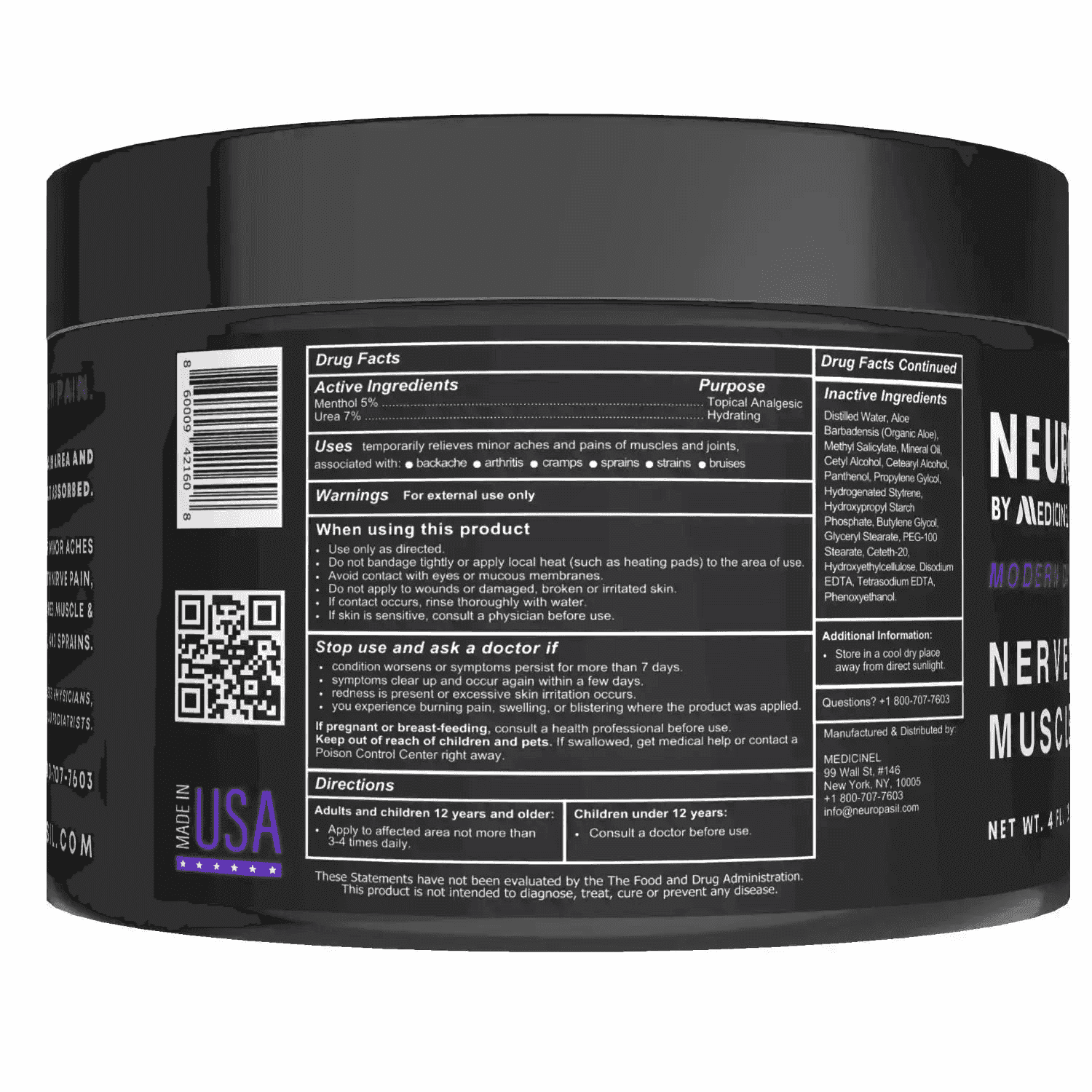
For lingering soreness and muscle discomfort, a high-quality muscle pain relief cream can provide targeted support. Our Neuropasil cream, with natural ingredients like Menthol and Aloe, offers fast-acting, soothing relief for sore muscles and strains. It's a favorite among athletes and those dealing with daily aches and pains. Explore how our cream provides fast-acting relief for muscle strain right where you need it.
Frequently Asked Questions about Upper Trap Stretches
What does a proper upper trap stretch feel like?
A proper upper trap stretch should feel like a gentle, lengthening pull along the side of your neck and across the top of your shoulder, extending towards your upper back. You might feel it more at the point where your neck meets your shoulder. It should be a sensation of relief and release, not sharp pain, burning, or tingling. If you experience any discomfort beyond a mild stretch, ease off immediately. We're aiming for a pleasant lengthening, not an aggressive tug-of-war with our muscles.
Should I use heat or ice before stretching my traps?
Both heat and ice have their place in muscle care, but their application depends on the situation:
- Heat Therapy: Applying heat before stretching can be beneficial. Heat encourages blood circulation to the area and helps relax tight muscles, making them more pliable and receptive to stretching. A warm shower or a heat pack on your neck and shoulders for 10-15 minutes can prepare your traps for a more effective stretch.
- Cold Therapy: Ice is typically used after an acute injury or an intense workout. It helps reduce inflammation, numb pain, and decrease swelling. If your traps are acutely inflamed or sore from overexertion, cold therapy might be more appropriate before stretching, or you might opt for gentle movement over stretching.
For general muscle soreness or tension, a product like Neuropasil, with its menthol content, can provide a soothing, cooling sensation that helps alleviate discomfort, offering a similar benefit to cold therapy for targeted relief.
Can stretching my traps help with headaches?
Absolutely! Many headaches, particularly tension headaches, originate from tightness and tension in the neck and upper shoulder muscles, including the trapezius. When these muscles become chronically tight, they can refer pain up into the head, causing that familiar dull ache or throbbing sensation.
By regularly performing an upper trap stretch and other neck and shoulder mobility exercises, we can help release this muscular tension. This, in turn, can reduce the frequency, intensity, and even the onset of tension headaches. It's like loosening a tight knot that's pulling on a delicate thread—once the knot is released, the tension on the thread (and your head) diminishes.
References
- The Prehab Guys. (n.d.). Upper Trapezius Stretch. Retrieved from https://physitrack.com/exercise-library/how-to-perform-the-upper-trap-stretch-exercise
- Hartford HealthCare. (n.d.). Neck stretch to the side (upper trap stretch). Retrieved from https://hartfordhealthcare.org/health-wellness/health-resources/health-library/detail?id=acm8563&lang=en-us
- Healthline. (n.d.). Trap Stretches: Loosen Your Trapezius Muscles. Retrieved from https://www.healthline.com/health/fitness-exercise/trapezius-stretches
- Hinge Health. (n.d.). 7 best trap stretches to loosen a tight trapezius. Retrieved from https://www.hingehealth.com/blog/trap-stretches/
- Mayo Clinic. (n.d.). Products and services: Stretching the muscles in your upper back can promote good posture. Retrieved from https://diet.mayoclinic.org/us/personalized-plan/?source=mayo&utmsource=Mayo&utmmedium=Display&utm_campaign=LeftRailImage2
- NCBI. (2017). Research shows that trapezius muscle activity increases during stressful situations. Retrieved from https://www.ncbi.nlm.nih.gov/pmc/articles/PMC5265893/
- Peloton. (n.d.). The Best Stretches for Targeting Tight Trapezius Muscles. Retrieved from https://www.onepeloton.com/blog/trapezius-stretches/
- Summit Orthopedics. (n.d.). Upper Trap Stretch. Retrieved from https://www.summitortho.com/find-care/services-conditions/back-neck-spine/treatments/spine-exercises-library/upper-trap-stretch/
- Texas Children's Hospital. (n.d.). UPPER TRAP STRETCH. Retrieved from https://www.texaschildrens.org/sites/default/files/uploads/documents/HA%20stretches.pdf
- Harvard Health Publishing. (2022). The importance of stretching. Retrieved from https://www.health.harvard.edu/staying-healthy/the-importance-of-stretching
- Active.com. (n.d.). 4 Ways to Loosen Tight Trapezius Muscles. Retrieved from https://www.active.com/fitness/articles/4-ways-to-loosen-tight-trapezius-muscles