Understanding the Scope of Lower Back Pain
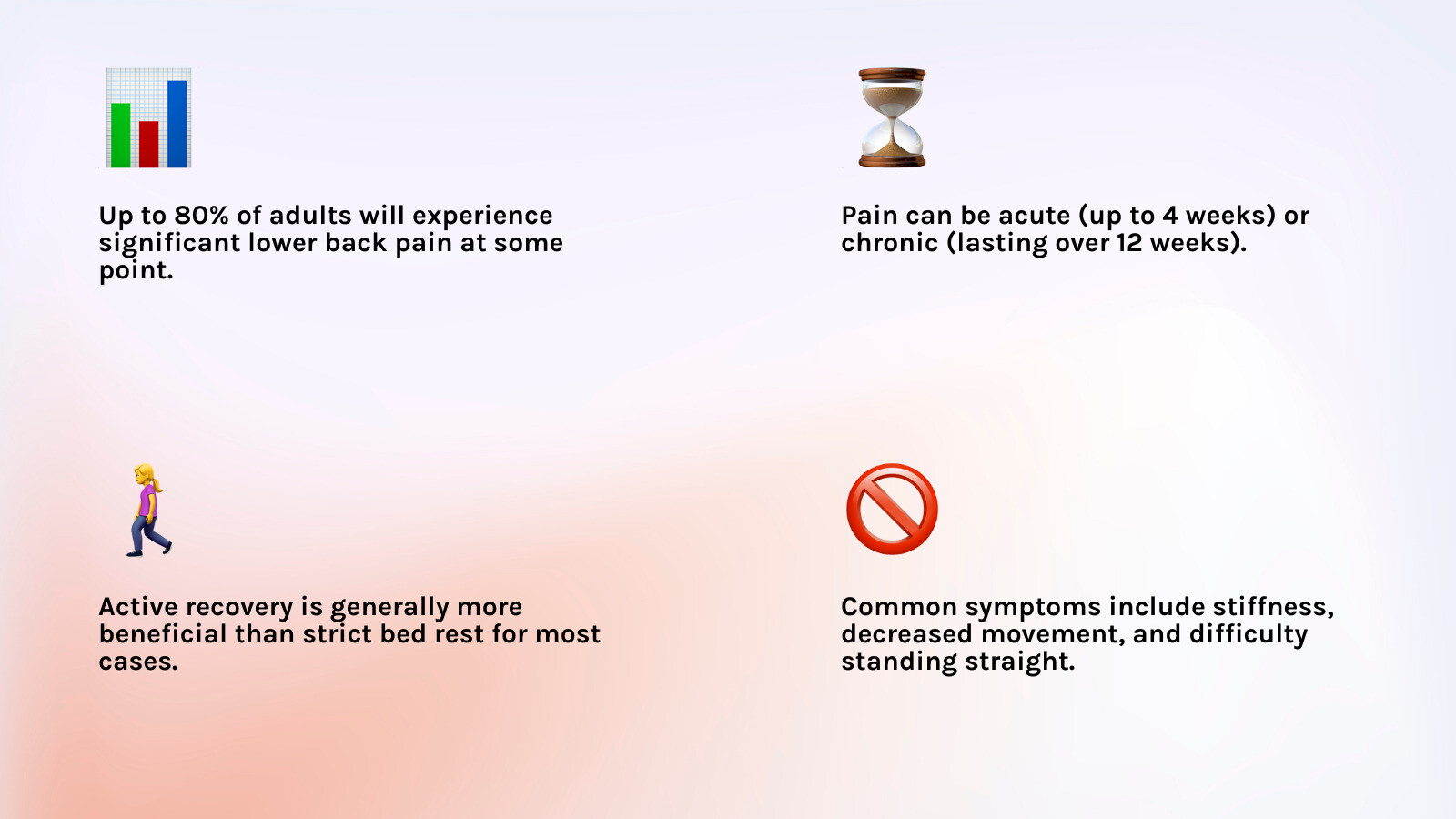
How to get rid of lower back pain is a top health search for a reasonup to 80% of adults experience it. Whether it's a dull ache, sharp pain, or stiffness, lower back pain can be debilitating.
Quick Answer: 7 Steps to Get Rid of Lower Back Pain
- Identify the cause - muscle strain, poor posture, or disc issues
- Apply hot or cold therapy - ice for inflammation, heat for stiff muscles
- Perform gentle exercises - stretches and core strengthening
- Fix your posture - proper sitting, standing, and sleeping positions
- Make lifestyle changes - weight management, quit smoking, reduce stress
- Try professional therapies - physical therapy, massage, or chiropractic care
- Know when to see a doctor - severe pain, numbness, or loss of bladder control
The good news is most lower back pain improves within weeks with the right approach. The key is staying active, as bed rest can weaken muscles and worsen the problem.
What you need to know right now:
Lower back pain can be acute (up to 4 weeks) or chronic (over 12 weeks). Common symptoms include stiffness and reduced movement. Addressing it quickly with proper care speeds up recovery.
I'm Tony Enrico, and I created Neuropasil to help people overcome chronic pain. My work with athletes and everyday people has shown me that getting rid of lower back pain requires both immediate action and a long-term strategy.
Step 1: Identify the Common Causes of Your Pain
To effectively treat lower back pain, you must first identify its source. The lumbar region supports the upper body, making it prone to various issues.
Common causes of lower back pain include:
- Muscle or Ligament Strain: The most frequent cause, often from overuse, sudden awkward movements, or improper heavy lifting.
- Improper Lifting: Using your back instead of your legs puts immense stress on the spine. This is avoidable with correct technique.
- Poor Posture: Slouching, prolonged sitting, or incorrect standing leads to muscle fatigue and joint compression. Poor sitting posture increases disc pressure more than standing.
- Herniated or Bulging Discs: The cushions between vertebrae can bulge or rupture, pressing on nerves and causing pain, sometimes radiating down the leg (sciatica).
- Arthritis of the Spine (Osteoarthritis): This condition wears down cartilage in spinal joints, causing pain and stiffness.
- Spinal Stenosis: A narrowing of the spinal canal that can pressure the spinal cord and nerves, causing pain or numbness in the legs.
- Osteoporosis: Weak, brittle bones increase the risk of spinal fractures.
- Age-Related Degenerative Changes: Over time, spinal discs lose elasticity and bone spurs can develop, contributing to pain.
Understanding these causes is the first step in learning how to get rid of lower back pain. For more details, see our article on Lower back pain causes. If you experience muscle spasms, check out A massive list of back spasm relief.
Step 2: Implement Effective Home Remedies
Many cases of acute lower back pain improve significantly with self-care. Once you have an idea of the cause, it's time to implement some effective home remedies.
Hot and Cold Therapy
This classic approach is highly effective. Heat and cold work differently and are best for specific types of pain.
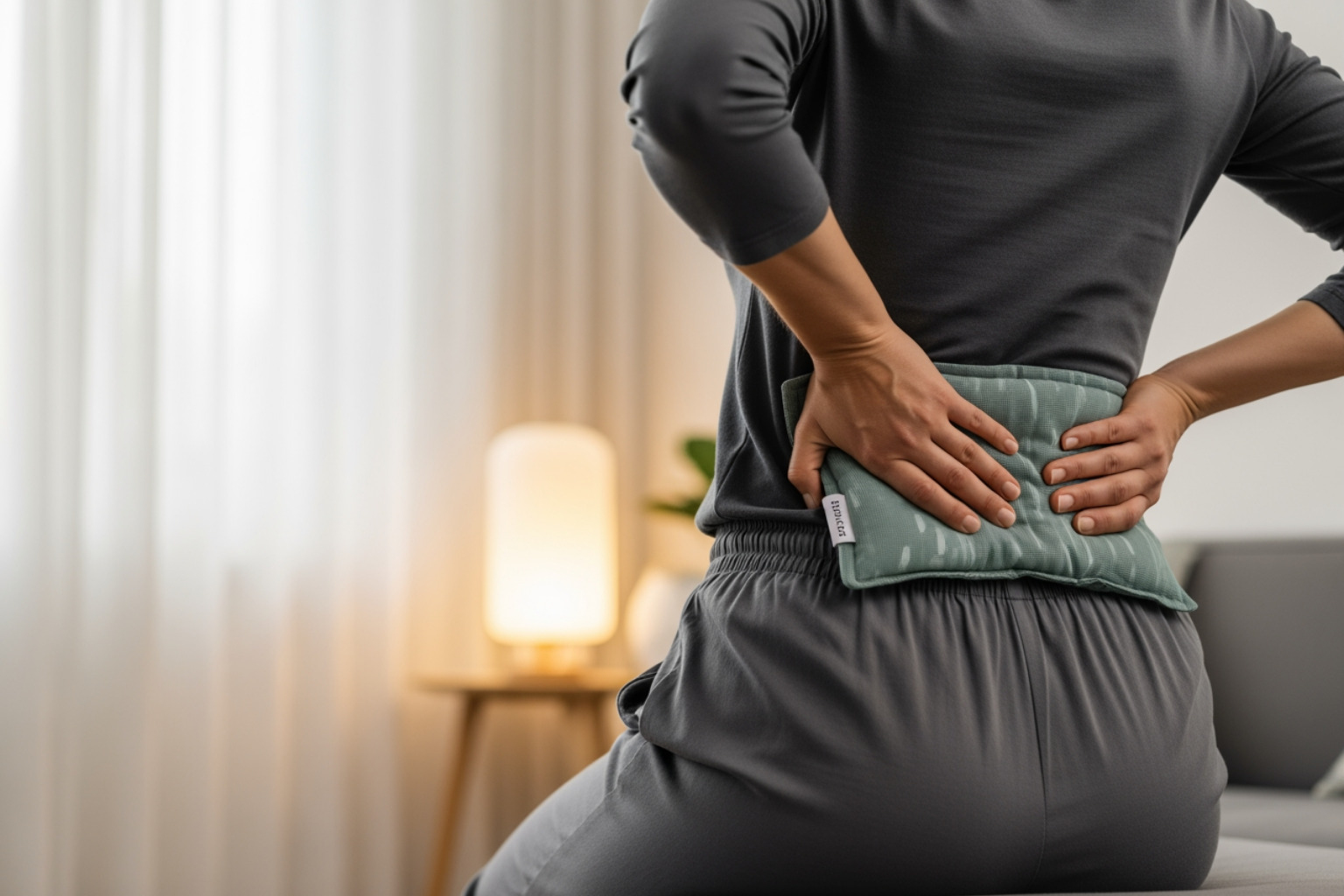
- Cold Therapy: Use ice for acute injuries, inflammation, and swelling, especially in the first 48-72 hours. Cold constricts blood vessels, reducing blood flow and swelling, which helps numb the area and reduce pain. Apply an ice pack wrapped in a towel for 15-20 minutes at a time.
- Heat Therapy: After initial inflammation subsides, or for muscle stiffness, heat is very soothing. It increases blood circulation, helping to relax tight muscles and promote healing. Use a heating pad, warm bath, or hot shower for 15-20 minutes. Johns Hopkins Medicine notes that heat is especially useful for tight muscles.
Alternating between hot and cold can also provide relief. Always protect your skin from extreme temperatures.
Over-the-Counter (OTC) Medications and Topical Relief
OTC options can be helpful for managing acute lower back pain.
-
OTC Pain Relievers:
- NSAIDs: Ibuprofen (Advil, Motrin) and naproxen (Aleve) reduce both pain and inflammation.
- Acetaminophen (Tylenol): Effectively relieves pain but does not target inflammation. Always follow dosage instructions and consult a healthcare provider if you have other health conditions.
-
Topical Creams and Patches: These provide localized relief when applied directly to the skin.
- Ingredients like menthol and camphor create cooling or warming sensations that distract from pain.
- Lidocaine products temporarily numb the painful area.
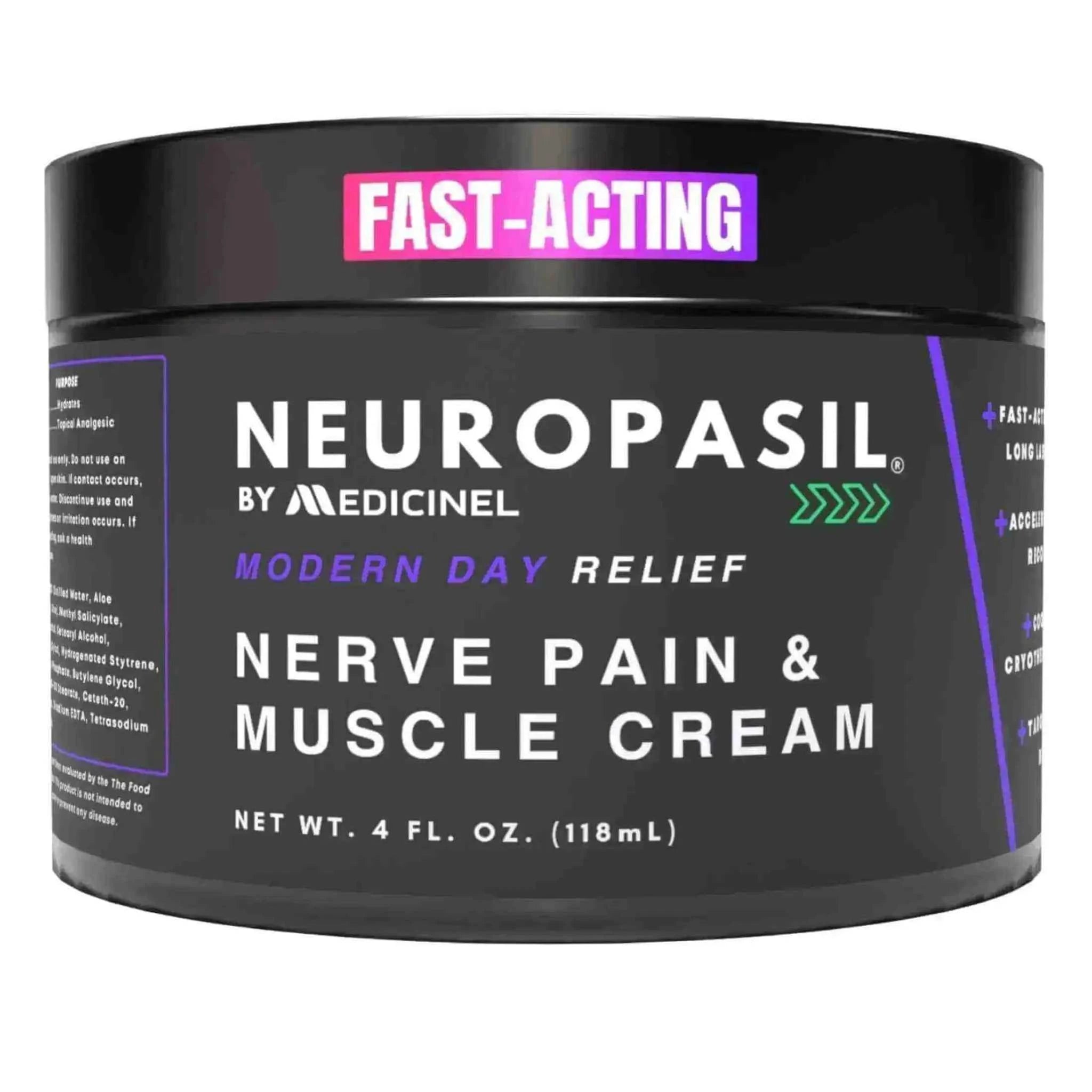
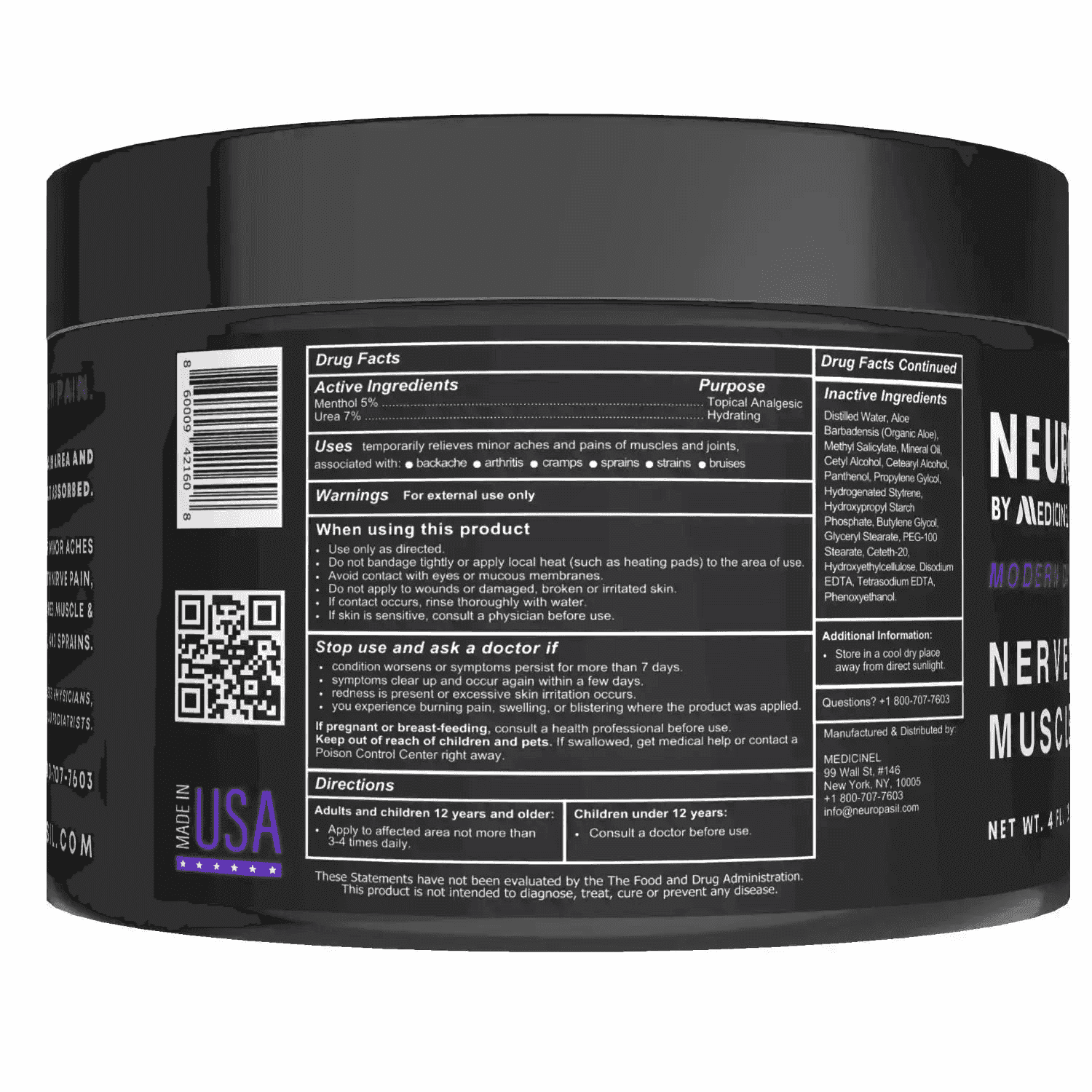
For targeted, fast-acting relief, many of our customers in New York City and beyond use Neuropasil cream. Its blend of natural ingredients like Aloe, Urea, and Menthol is designed to soothe muscle and nerve pain from strains, sprains, and joint discomfort. Explore more options in our Ultimate checklist for back pain relief creams.
Step 3: Perform the Best Exercises & Stretches for Relief
Embracing movement is a crucial step in learning how to get rid of lower back pain. Contrary to old advice, prolonged bed rest is often harmful. Staying active prevents stiffness, strengthens supporting muscles, and improves flexibility.
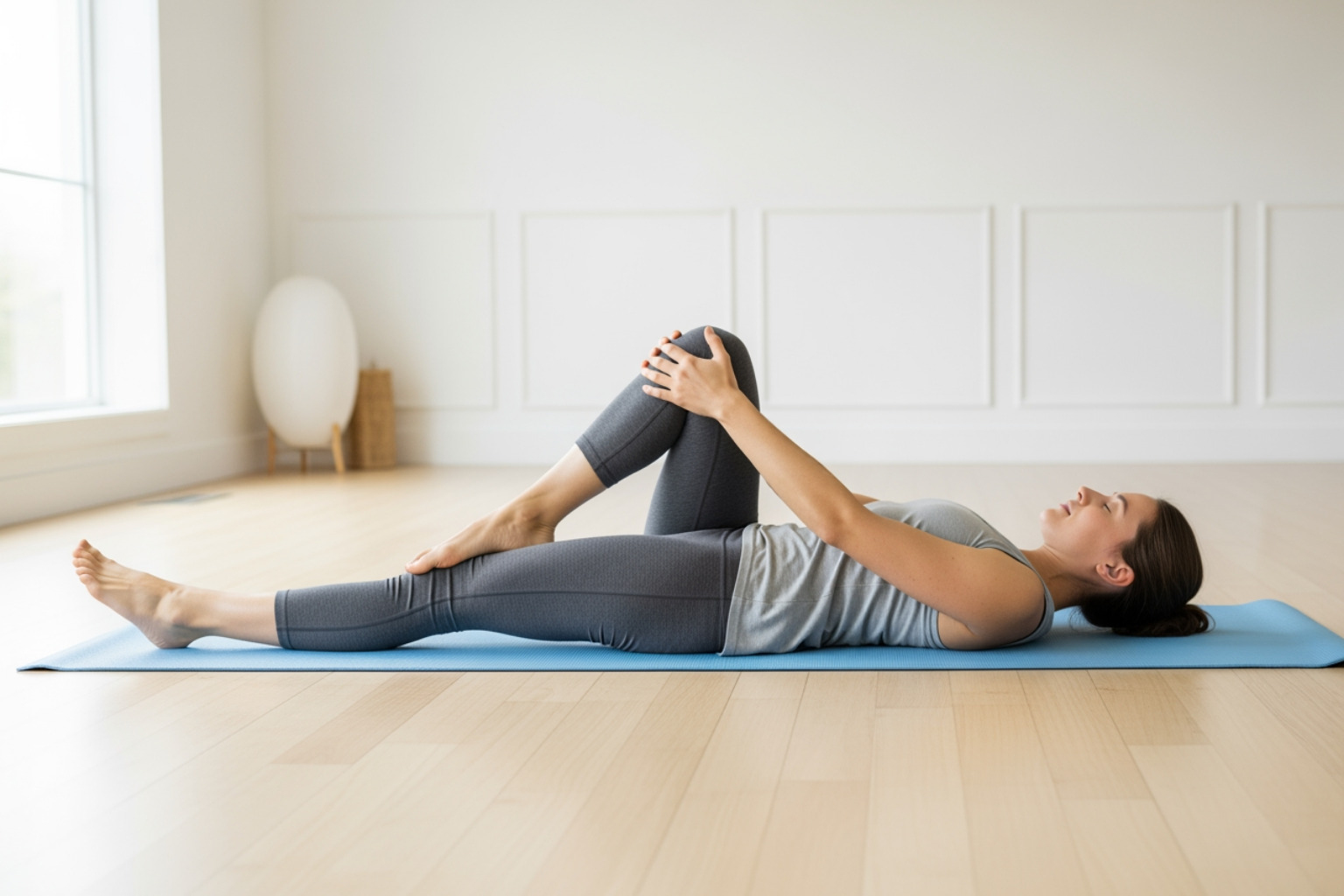
Gentle Stretches for how to get rid of lower back pain
Stretching is vital for reducing muscle tension. As Harvard Health Publishing notes, it's important for overall health. Start with these gentle stretches:
- Knee-to-Chest Stretch: Lie on your back, knees bent. Gently pull one knee to your chest, hold for 20-30 seconds, and repeat on the other side. This can also be done with both knees.
- Pelvic Tilt: Lie on your back with knees bent. Tighten your abs to flatten your lower back against the floor. Hold for 10-15 seconds, then release.
- Cat-Camel Stretch (Cat-Cow): On your hands and knees, arch your back up like a cat, then let your stomach drop towards the floor. Move slowly between these positions.
- Seated Lower Back Rotational Stretch: Sit on a chair and twist your upper body to one side, using the chair for leverage. Hold for 20-30 seconds, then switch sides.
Core Strengthening Exercises
A strong core acts as a natural brace for your spine. As WebMD shows, simple core exercises can be very beneficial.
- Bridges: Lie on your back with knees bent. Lift your hips until your body is in a straight line from shoulders to knees. Hold, then lower slowly.
- Partial Crunches: Lie on your back with knees bent. Lift only your head and shoulders off the floor, keeping your lower back down to avoid strain.
- Bird-Dog: On your hands and knees, extend one arm forward and the opposite leg back, keeping your back flat. Hold, then switch sides.
Start slowly and stop if you feel pain. Consistency is key. For more guidance, read our article on How to relieve back muscles hurt the right way.
Step 4: Correct Your Posture and Sleeping Habits
Your daily posture and sleep habits profoundly impact spinal health. Making conscious adjustments can significantly help in how to get rid of lower back pain.
Improving Daily Posture
Poor posture creates uneven stress on your spine. The goal is to maintain a "neutral spine"—the natural curve of your back.
- Sitting Posture: Keep your feet flat on the floor, knees at a 90-degree angle, and use lumbar support (a small pillow or rolled towel works). Avoid slouching. As the Cleveland Clinic advises, sit for short periods and use back support.
- Ergonomic Setup: Adjust your chair so your elbows are at 90 degrees when typing and your screen is at eye level.
- Frequent Breaks: Get up, walk, and stretch every 30-60 minutes to relieve pressure from prolonged sitting.
- Standing Posture: Stand with your head up, shoulders straight, and weight balanced on both feet. If standing for long periods, use a small stool to alternate resting one foot.
For more tips, refer to the University Health Services at Berkeley's guide on Managing Low Back Pain with posture tips.
Best Sleeping Positions for Lower Back Pain
Your sleep position can either help or hurt your back. The key is to maintain your spine's natural curve.
- On Your Side: Place a pillow between your knees to keep your hips, pelvis, and spine aligned.
- On Your Back: Place a small pillow under your knees to reduce strain and maintain the lower back's natural curve.
- Avoid Sleeping on Your Stomach: This position can flatten your spine's curve and twist your neck. If you must, place a pillow under your hips to reduce strain.
- Choose a Firm Mattress: A supportive mattress is crucial. If yours sags, consider an upgrade or place a board underneath for added firmness.
For more on how sleep affects pain, read our article From ache to ease: Navigating back and neck pain.
Step 5: Make Crucial Lifestyle Changes
Long-term relief from lower back pain often requires fundamental lifestyle adjustments to prevent recurrence and improve overall well-being.
Weight Management and Diet
- Impact of Excess Weight: Extra weight, especially around the midsection, adds significant stress to your lower back. Losing even a small amount can dramatically reduce this pressure, helping you learn how to get rid of lower back pain.
- Anti-inflammatory Diet: A diet rich in fruits, vegetables, lean proteins, and healthy fats can help reduce systemic inflammation that may contribute to pain.
- Hydration for Disc Health: Spinal discs are mostly water. Staying hydrated helps them maintain their cushioning ability. Aim for at least 4-6 cups of water daily.
Quitting Smoking and Managing Stress
These two factors play a significant role in back health.
- Smoking's Effect on Disc Degeneration: Smoking restricts blood flow to spinal discs, accelerating their degeneration. NIH research confirms it also heightens pain and delays healing. Quitting is one of the best things you can do for your spine.
- Stress-Induced Muscle Tension: Stress causes muscles to tense up, leading to chronic tightness and pain in the lower back. This constant tension can trigger spasms.
- Mindfulness and Meditation: Practices like mindfulness, meditation, yoga, and Tai Chi are powerful tools for managing stress, reducing muscle tension, and improving pain tolerance.
Step 6: How to Get Rid of Lower Back Pain with Professional Therapies
When home remedies aren't enough, or pain is severe or chronic, professional therapies offer specialized interventions for how to get rid of lower back pain.
- Physical Therapy: A cornerstone of treatment, especially for pain lasting over 4-6 weeks. A physical therapist creates a personalized program of exercises, manual therapy, and education to improve mobility, strengthen muscles, and prevent future pain.
- Massage Therapy: Massage can relieve tight, sore muscles by increasing blood flow and promoting relaxation. Studies show it can improve symptoms and make daily activities easier.
- Chiropractic Care: Chiropractors treat musculoskeletal disorders of the spine. The American College of Physicians recommends spinal manipulation for acute or subacute low back pain.
- Acupuncture: This practice involves inserting thin needles into specific points to stimulate the body's natural pain-relieving chemicals. Many find it effective for chronic back pain.
For pain from a pinched nerve, our article on Pinched nerve in the lower back offers more insights.
Non-Surgical Treatments for Chronic Pain
If pain becomes chronic (lasting over three months), other non-surgical options may be considered before surgery. Johns Hopkins Medicine outlines several effective treatments.
- Injection-Based Treatments: These deliver medication directly to the pain source. Examples include Epidural Steroid Injections to reduce inflammation and Nerve Blocks to numb specific nerves. They provide temporary relief that can facilitate physical therapy.
- Nerve Ablation (Radiofrequency Ablation): This procedure uses heat from radio waves to destroy nerve fibers sending pain signals, offering longer-lasting relief than injections.
- Transcutaneous Electrical Nerve Stimulation (TENS): A small device delivers a low-voltage electrical current via skin electrodes to interrupt pain signals and stimulate endorphins.
The World Health Organization (WHO) also provides comprehensive guidelines for the non-surgical management of chronic low back pain.
Step 7: Know When to Seek Immediate Medical Help
While most lower back pain resolves with self-care, it's crucial to recognize when to seek professional medical attention to avoid serious complications.
You should consult a healthcare provider if:
- Pain lasts more than a few weeks without improvement.
- Pain is severe, worsening, or disrupts sleep.
- Pain radiates down one or both legs (a possible sign of sciatica).
- You experience weakness, numbness, or tingling in your legs.
- You have unexplained weight loss, fever, fainting, or lightheadedness.
- The pain started after a severe accident or fall.
Red Flag Symptoms Requiring Urgent Care
These symptoms indicate a potentially serious condition and require immediate medical attention. Do not delay seeking help if you experience any of the following:
- Loss of bladder or bowel control.
- Numbness in the groin or buttock area (saddle anesthesia).
- Pain following a severe injury, especially with swelling or inability to move.
- Back pain accompanied by a high fever or unexplained weight loss.
- Pain that is worse at night or isn't relieved by lying down.
- A visible lump, swelling, or change in the shape of your back.
The NHS provides clear guidance on when to seek urgent help. In the New York City area, if you experience any red flag symptoms, go to the nearest emergency room or call 911.
Frequently Asked Questions about Lower Back Pain Relief
How long does it take for lower back pain to go away?
The duration varies. Acute pain from a minor strain often resolves in a few days to a few weeks with self-care. If pain lasts three months or more, it's considered chronic. The key to recovery is staying active, as prolonged bed rest is not recommended.
What is the fastest way to relieve lower back pain at home?
A combination approach is often fastest:
- Hot/cold therapy: Use ice for new injuries and heat for muscle stiffness.
- OTC pain relievers: NSAIDs like ibuprofen can quickly reduce pain and inflammation.
- Topical creams: Products like Neuropasil offer immediate, targeted relief.
- Gentle stretching: Simple movements can alleviate muscle tension.
- Modify activities: Temporarily avoid movements that worsen your pain.
Can I exercise with lower back pain?
Yes, in most cases, gentle exercise is essential for recovery. Inactivity can lead to more stiffness and weakness. Start with low-impact activities like walking, swimming, or gentle stretches. Listen to your body and stop if pain increases significantly. The goal is to gradually build strength and flexibility.
Conclusion
Navigating lower back pain can be overwhelming, but this guide provides practical steps on how to get rid of lower back pain. You're not alone in this common struggle.
The path to relief starts with identifying the cause and using a multi-faceted approach. Combining home remedies, targeted exercises, and lifestyle adjustments is the foundation of recovery. Consistency with these self-care strategies is key.
When pain persists, professional therapies offer advanced relief. Most importantly, always be aware of red flag symptoms that require immediate medical attention.
Your well-being is our priority. We want to help you live fully, free from pain. If you're looking for targeted relief to support your recovery, we invite you to Explore Neuropasil's products for muscle and nerve pain relief. For more insights, be sure to Read more on our blog for pain management tips.
References/Sources
- Cleveland Clinic. (2021, January 18). Lower Back Pain. Retrieved from https://my.clevelandclinic.org/health/diseases/7936-lower-back-pain
- Cleveland Clinic. (2020, January 15). Transcutaneous Electrical Nerve Stimulation (TENS). Retrieved from https://my.clevelandclinic.org/health/treatments/15840-transcutaneous-electrical-nerve-stimulation-tens
- Harvard Health Publishing. (2022, March 14). The importance of stretching. Retrieved from https://www.health.harvard.edu/staying-healthy/the-importance-of-stretching
- Hopkins Medicine. (2021, August 8). Ice Packs vs. Warm Compresses For Pain. Retrieved from https://www.hopkinsmedicine.org/health/treatment-tests-and-therapies/ice-packs-vs-warm-compresses-for-pain#:~:text=facts%20in%20mind.-,Heat,useful%20when%20muscles%20are%20tight
- Hopkins Medicine. 7 Ways to Treat Chronic Back Pain Without Surgery. Retrieved from https://www.hopkinsmedicine.org/health/conditions-and-diseases/back-pain/7-ways-to-treat-chronic-back-pain-without-surgery
- NHS. Back pain. Retrieved from https://www.nhs.uk/conditions/back-pain/treatment/
- NHS. Get help from 111 online. Retrieved from https://111.nhs.uk/
- NIH (National Center for Complementary and Integrative Health). (2019, April). Chiropractic: In Depth. Retrieved from https://www.nccih.nih.gov/health/chiropractic-in-depth
- NIH (National Institute of Neurological Disorders and Stroke). (2022, July 25). Low Back Pain Fact Sheet. Retrieved from https://www.ninds.nih.gov/low-back-pain-fact-sheet
- NIH (National Institute on Aging). Osteoporosis. Retrieved from https://www.nia.nih.gov/health/osteoporosis
- NLM (National Center for Biotechnology Information). (2000, June 27). Effectiveness of massage therapy for subacute low-back pain: a randomized controlled trial. Retrieved from https://www.ncbi.nlm.nih.gov/pmc/articles/PMC1231369/
- UHS Berkeley. Managing Low Back Pain. Retrieved from https://uhs.berkeley.edu/health-promotion/health-topics/ergonomics-and-back-health/managing-low-back-pain
- WebMD. Simple core exercises. Retrieved from https://www.webmd.com/back-pain/ss/slideshow-exercises
- WHO. WHO guideline for non-surgical management of chronic primary low back pain in adults in primary and community care settings. Retrieved from https://www.who.int/publications/i/item/9789240081789