Why Muscle Soreness Happens and How to Help It
Help muscle soreness after workout with these proven strategies for relief and recovery:
- Apply topical relief like natural pain relief creams for fast-acting comfort.
- Stay hydrated to help flush out metabolic waste.
- Eat protein and carbs within two hours post-workout to fuel repair.
- Try gentle movement like walking or yoga to improve circulation.
- Use heat or cold for stiffness or acute discomfort, respectively.
- Get quality sleep (7-8 hours) for muscle repair.
- Progress gradually to minimize soreness from new workouts.
That dull ache you feel 12 to 48 hours after a workout is Delayed Onset Muscle Soreness (DOMS). It's caused by microscopic tears in your muscle fibers—a normal part of getting stronger. While some soreness signals progress, it doesn't have to sideline you.
This guide walks you through evidence-based methods to help muscle soreness after workout, from nutrition and hydration to topical relief and active recovery. You'll learn what causes DOMS and how to feel better faster.
I'm Tony Enrico, and through my work with Neuropasil, I've helped thousands find relief from muscle pain using natural, science-backed solutions. My mission is to empower you with strategies to help muscle soreness after workout so you can keep training without unnecessary discomfort.
Help muscle soreness after workout word guide:
Decoding Post-Workout Aches: What is DOMS?
Delayed Onset Muscle Soreness (DOMS) is the familiar ache that appears a day or two after a challenging workout. It's your body's way of adapting to new physical demands.
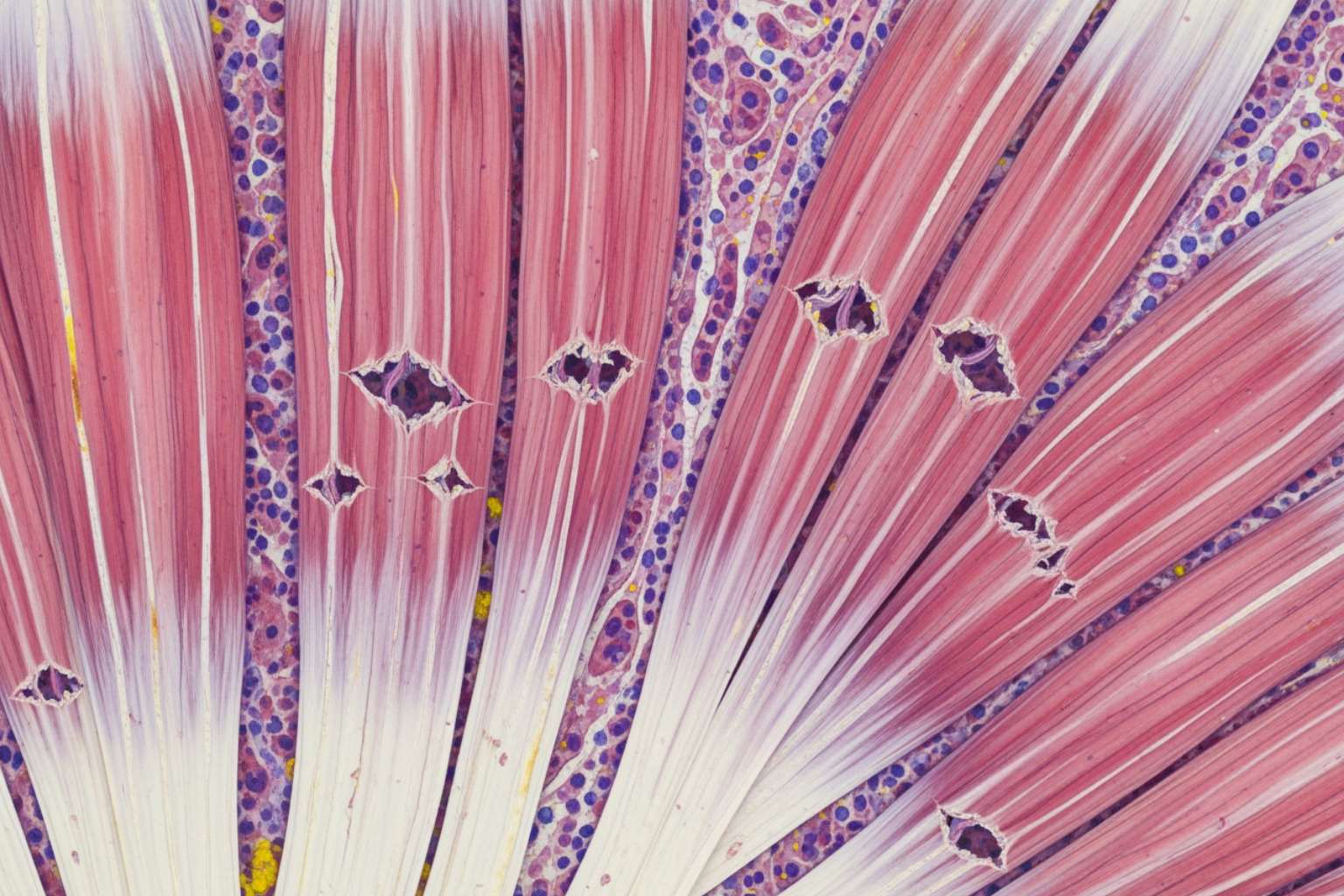
When you perform exercises that involve eccentric lengthening (like lowering weights or running downhill), you create microscopic tears in your muscle fibers. This is a normal and necessary process for building strength. These micro-tears trigger an inflammation response as your body begins the muscle repair process. This natural healing is what causes the tenderness and stiffness, signaling that your muscles are rebuilding stronger than before. Research on cellular regulation of muscle regeneration highlights the complexity of this recovery mechanism.
What are the Symptoms of DOMS?
Knowing the signs of DOMS helps you distinguish normal soreness from something more serious. Key symptoms include:
- Dull muscle ache: A widespread, throbbing sensation in the worked muscles.
- Tenderness to touch: The affected area is sensitive to pressure.
- Reduced range of motion: Difficulty moving joints through their full range.
- Muscle stiffness: Especially noticeable after periods of inactivity.
- Temporary strength loss: Affected muscles may feel weaker than usual.
These symptoms are temporary. For more detailed guidance, see what helps sore muscles after a workout? and our guide on muscle soreness.
How Long Does Muscle Soreness Last?
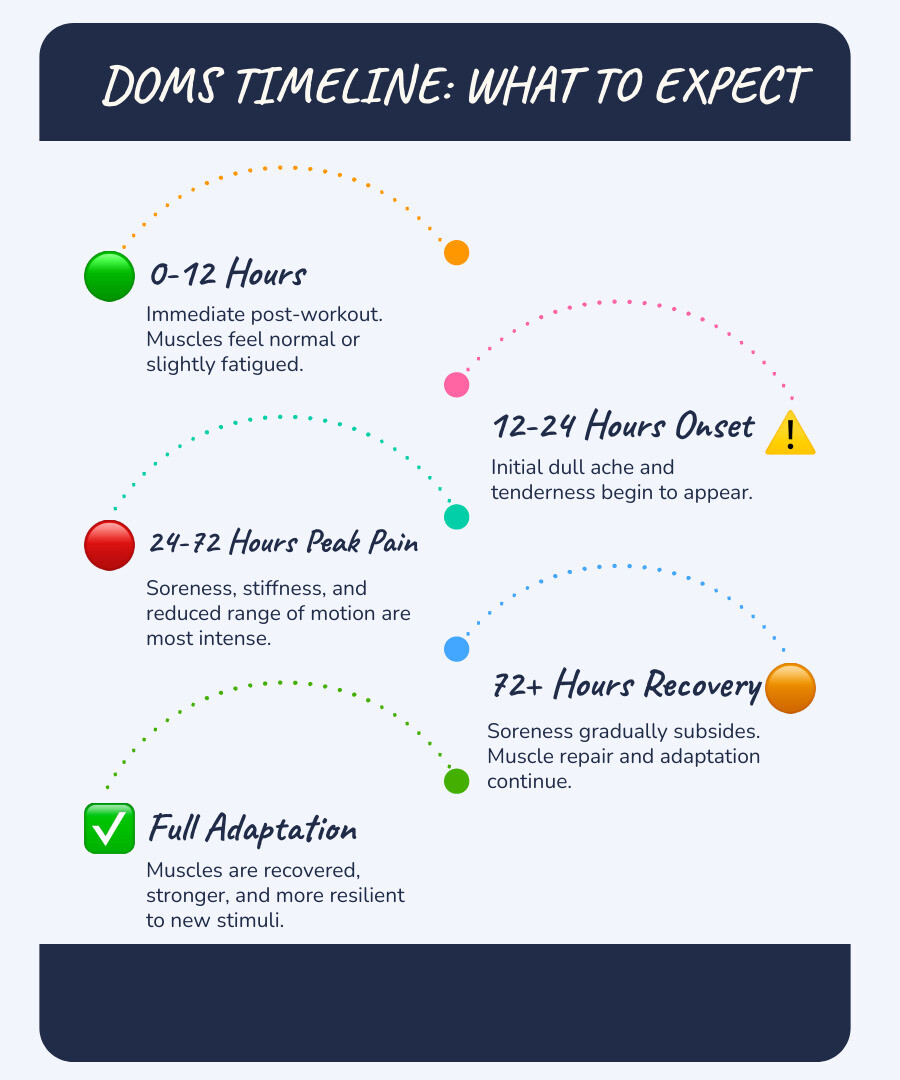
DOMS follows a predictable pattern. Soreness typically begins 12 to 24 hours post-exercise and reaches its peak between 24 and 72 hours. After this peak, the soreness gradually subsides, with most people feeling relief within three to five days. If pain lasts longer than a week, it may signal a more serious issue. This timeline is well-documented in research on DOMS symptoms. For more tips, see our article on after workout soreness.
Acute Soreness vs. DOMS: What's the Difference?
Acute soreness is the burning sensation you feel during or immediately after exercise, like during the last set of squats. It's caused by metabolic byproducts and fades shortly after you stop exercising.
DOMS appears 12 to 24 hours later and lasts for days. Crucially, DOMS is not caused by lactic acid buildup. Research confirms that DOMS is caused by muscle damage, not lactic acid. It results from micro-tears and the subsequent inflammation. Understanding this helps you apply the right recovery methods. Learn more in our guide to muscle strains and tears.
Is Soreness a Sign of a Good Workout?
Not necessarily. The "no pain, no gain" mantra is a myth. While DOMS indicates you've introduced a new stimulus to your muscles, it's not the only measure of an effective workout. As your body adapts, you'll experience less soreness while still making progress—a sign your muscles are becoming more resilient. You can achieve progress without soreness.
Constantly chasing extreme soreness can increase your overtraining risk, leading to injury or burnout. Better indicators of a good workout are proper form, progressive overload, and feeling energized, not debilitated. To train safely, familiarize yourself with the signs of overexertion.
Proven Methods to Help Muscle Soreness After Workout
Now that we understand DOMS, let's focus on how to feel better. You don't have to just wait it out. These proven strategies can help muscle soreness after workout, reduce discomfort, and get you back to training faster.
Our goal is to manage discomfort and support your body's natural healing process. From immediate relief to smart recovery habits, these methods will help you recover efficiently. For a complete overview, see our guide on how to relieve DOMS soreness.
Topical Relief: Fast-Acting Solutions for Sore Muscles
When you need immediate relief, topical solutions are your best friend. Applying a quality muscle pain relief cream delivers active ingredients directly to the sore spot.
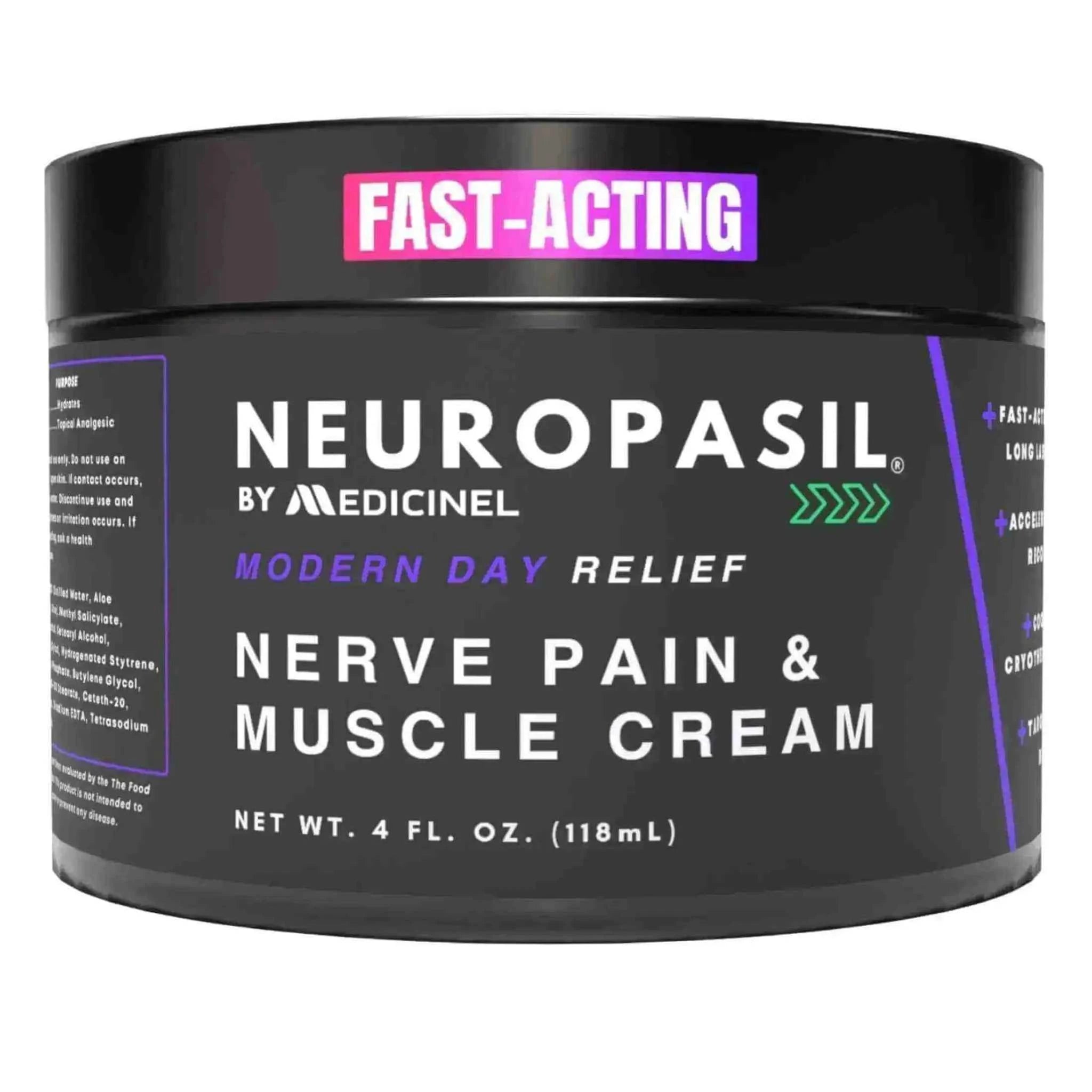
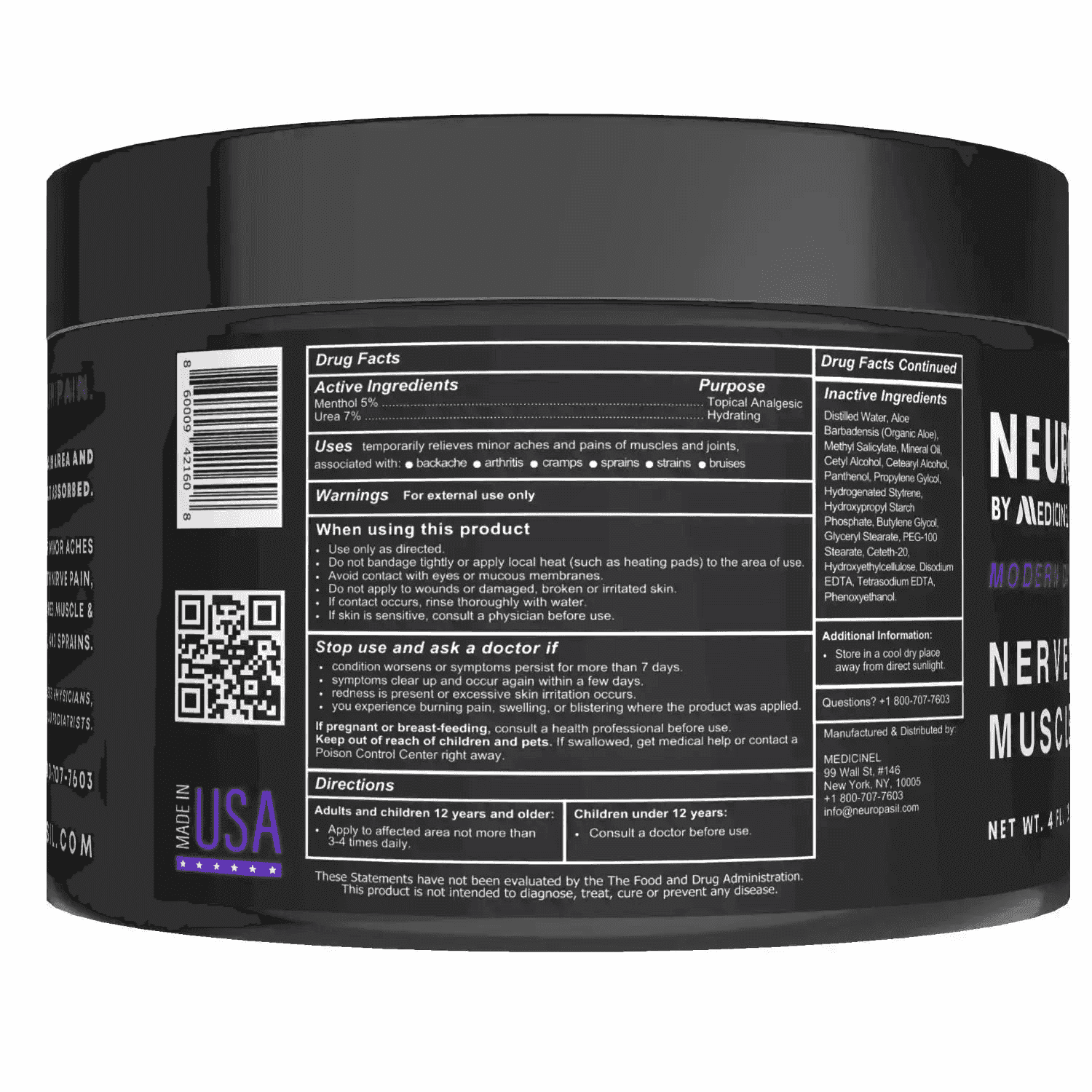
Our Neuropasil cream harnesses natural ingredients for quick, effective relief. Menthol provides a cooling sensation that acts as a natural analgesic. Aloe offers anti-inflammatory properties to calm irritated muscles. Urea improves the delivery of these ingredients through the skin to the affected muscles.
Topical treatments offer a targeted approach, unlike oral pain relievers. A nerve pain relief cream goes straight to the source, whether it's your quads, shoulders, or calves. It's a convenient, fast-acting solution that fits seamlessly into any recovery routine. Learn more about how Neuropasil helps athletes with muscle recovery and find which cream is best for DOMS.
Gentle Movement and Active Recovery
When your muscles are sore, one of the best things you can do is move. This approach, called active recovery, increases blood flow to your muscles. This helps deliver nutrients for repair and flushes out metabolic waste products that contribute to soreness.
The key is to be gentle. Aim for activities at 60-70% of your maximum effort. Good options include:
- Walking: A brisk walk gets blood pumping without high impact.
- Light cycling: Excellent for leg soreness without stressing joints.
- Yoga or Pilates: Improves flexibility and reduces stiffness.
- Swimming: The water's buoyancy takes pressure off joints for a full-body, low-impact workout.
If your pain is mild, a lighter workout is perfectly fine. The goal is to keep muscles mobile as they recover. For more guidance, see should you workout when sore? or our shoulder recovery workouts.
Nutrition and Hydration: Fueling to Help Muscle Soreness After Workout
Proper nutrition and hydration are essential to help muscle soreness after workout. Your muscles need the right materials to rebuild stronger.
- Protein: Consume 20 to 40 grams within two hours post-workout. Protein provides the amino acids needed to repair muscle micro-tears. Good sources include protein shakes, grilled chicken, or Greek yogurt.
- Carbohydrates: Carbs replenish the glycogen (stored energy) your muscles used. Combining protein with carbohydrates is more effective for glycogen replenishment than carbs alone.
- Water: Hydration is critical for transporting nutrients and removing waste. A 2005 study on dehydration and DOMS showed that proper hydration significantly reduced muscle soreness.
- Anti-inflammatory Foods: Foods rich in antioxidants and omega-3s can help manage inflammation. Tart cherry juice, fatty fish (like salmon), leafy greens, and berries are excellent choices.
For more ideas, check out the best foods for muscle recovery.
Comfort Measures: Heat and Cold for Sore Muscles
Both heat and cold can effectively help muscle soreness after workout, but they serve different purposes.
Cold therapy (ice packs, cold baths) is best for acute discomfort and immediate pain relief. It constricts blood vessels, which can numb pain and limit inflammation. A 2021 review of DOMS interventions found that cryotherapy may help reduce pain. It's most useful right after a workout or when soreness first appears.
Heat therapy (heating pads, warm baths) is better for relieving stiffness and promoting relaxation. Heat dilates blood vessels, improving circulation and delivering more oxygen to tight muscles. Research on moist heat wraps shows their effectiveness for DOMS.
A simple rule: use cold for immediate pain and swelling, and heat for stiffness and relaxation. Listen to your body and choose what feels most comfortable.
How to Prevent DOMS and When to See a Doctor
While DOMS is a natural part of getting stronger, you can take proactive steps to minimize its severity. It's also vital to know when muscle pain signals a problem.
4 Tips for Preventing Muscle Soreness
You may not eliminate DOMS entirely, but you can reduce its impact with these four strategies:
- Start with a proper warm-up. Spend 5-10 minutes doing dynamic stretches like arm circles and leg swings. This increases blood flow and prepares muscles for exercise.
- Progress gradually. This is the golden rule. Increase workout intensity, duration, or weight in small increments. This gives your muscles time to adapt without the shock that causes severe DOMS.
- Cool down with static stretching. After your workout, hold stretches for 20-30 seconds each. While research shows this may not prevent DOMS, it improves flexibility and movement quality, which can help prevent injury.
- Stay hydrated. Water is crucial for muscle function and waste removal. A 2005 study found that proper hydration before, during, and after exercise significantly reduced muscle soreness.
For more tips, see our guide on 7 things to do if you're serious about quick recovery after workout.
When is Muscle Soreness a Medical Concern?
While DOMS is harmless, certain red flags warrant medical attention. Seek professional help if you experience any of the following:
- Pain lasting longer than 5-7 days: Normal DOMS subsides within this timeframe. Persistent pain could indicate an injury.
- Sharp, stabbing pain: DOMS is a dull ache. Sharp pain, especially during movement, may signal a muscle strain or tear.
- Severe swelling: Significant or rapid swelling is not typical of DOMS and could indicate a more serious issue like compartment syndrome, a medical emergency.
- Dark-colored urine: Tea-colored urine can be a sign of rhabdomyolysis, a serious condition where damaged muscle fibers release contents into the bloodstream, potentially harming the kidneys. This requires emergency care.
- Inability to move a limb: If you cannot move a joint through its normal range of motion, it suggests an injury beyond typical soreness.
- Numbness or tingling: These sensations could indicate nerve involvement and should be evaluated by a professional.
If you experience these symptoms, contact a healthcare provider. For more guidance, see the Cleveland Clinic's advice on when to call the doctor for muscle pain or the UK NHS guide.
Frequently Asked Questions about Post-Workout Soreness
Here are straightforward answers to common questions to help muscle soreness after workout.
Can I work out with DOMS?
Yes, if your soreness is mild (a 2 or 3 on a 10-point scale). Gentle exercise, or active recovery, can help by increasing blood flow to sore muscles. Focus on different muscle groups—if your legs are sore, work your upper body. Keep the intensity low (60-70% of max effort) with activities like walking or light yoga. If pain becomes sharp or worsens, stop and rest. The Cleveland Clinic agrees that light exercise can help muscles recover.
How long is too long to be sore?
Soreness lasting 2-3 days is completely normal. DOMS typically peaks between 24-72 hours and then fades. If you're still significantly sore after 4-5 days, or if the pain lasts more than a week, it could be a sign of overtraining or a muscle strain. The UK NHS advises that persistent pain warrants attention. If discomfort is severe, localized, or accompanied by swelling, consult a healthcare professional.
Does stretching before or after a workout prevent soreness?
Stretching is important, but its role in preventing soreness is often misunderstood.
Dynamic stretching (e.g., leg swings) before a workout is crucial for warming up muscles and preventing injury, but it doesn't significantly prevent DOMS.
Static stretching (holding a stretch) after a workout improves flexibility and can reduce stiffness. However, a 2021 review of research found it doesn't significantly lessen DOMS symptoms.
While stretching is a vital part of fitness, the most effective strategies to help muscle soreness after workout are gradual progression, proper hydration, adequate rest, and targeted relief methods.
Your Ultimate Recovery Plan
Navigating post-workout aches is manageable with a strategic recovery plan. Recovery is an active and essential part of training that helps you come back stronger.
Here's a recap of your ultimate recovery plan to help muscle soreness after workout:
- Listen to Your Body: Differentiate between normal soreness and pain that signals injury.
- Accept Active Recovery: Gentle movement like walking or yoga increases blood flow and aids repair.
- Prioritize Nutrition and Hydration: Fuel with protein and carbs, and drink plenty of water.
- Use Heat and Cold Strategically: Use cold for acute pain and heat for stiffness.
- Ensure Quality Sleep: Aim for 7-8 hours, as most muscle repair happens during sleep.
- Progress Gradually: Avoid sudden jumps in workout intensity to let muscles adapt.
- Warm-Up and Cool-Down: Always prepare your body for exercise and help it transition back to rest.
For targeted, fast-acting relief, consider a high-quality topical cream like Neuropasil. Our blend of Menthol, Aloe, and Urea is designed to soothe muscle and nerve discomfort quickly. Customers use our "muscle pain relief cream" and "nerve pain relief cream" for everything from post-workout aches to strains and sprains. It's an essential tool for any active lifestyle. Learn more about how Neuropasil helps athletes with muscle recovery.
By consistently applying these practices, you'll not only help muscle soreness after workout but also build a more resilient body for all your fitness goals.
References
- Afonso, J., et al. (2021). "The Effectiveness of Post-exercise Stretching in Short-Term and Delayed Recovery of Strength, Range of Motion, and Delayed Onset Muscle Soreness: A Systematic Review and Meta-Analysis of Randomized Controlled Trials." Frontiers in Physiology. https://pmc.ncbi.nlm.nih.gov/articles/PMC8133317/
- Chargé, S. B. P., & Rudnicki, M. A. (2004). "Cellular and molecular regulation of muscle regeneration." Physiological Reviews. https://journals.physiology.org/doi/full/10.1152/physrev.00019.2003
- Cleary, M. A., et al. (2005). "Dehydration and Symptoms of Delayed-Onset Muscle Soreness in Hyperthermic Males." Journal of Athletic Training. https://www.ncbi.nlm.nih.gov/pmc/articles/PMC1323290/
- Cleveland Clinic. (2023). "Myalgia (Muscle Pain)." https://my.clevelandclinic.org/health/symptoms/myalgia-muscle-pain#when-to-call-the-doctor
- Cleveland Clinic. (2023). "Should You Work Out When You’re Sore?" https://health.clevelandclinic.org/should-you-workout-when-sore
- Cleveland Clinic. (2024). "What Helps Sore Muscles After a Workout?" https://health.clevelandclinic.org/what-helps-sore-muscles-after-workout
- Healthline. (2019). "What Are the Signs of Overexertion?" https://www.healthline.com/health/overexertion
- Houston Methodist On Health. (2021). "Muscle Soreness After a Workout: Can It Be Prevented?" https://www.houstonmethodist.org/blog/articles/2021/sep/muscle-soreness-after-a-workout-can-it-be-prevented/
- Kuehl, K. S., et al. (2010). "Efficacy of tart cherry juice in reducing muscle pain during running: a randomized controlled trial." Journal of the International Society of Sports Nutrition. https://pmc.ncbi.nlm.nih.gov/articles/PMC4271624/#:~:text=Background
- Memorial Hermann. "Best Foods for Soreness & Muscle Recovery." https://memorialhermann.org/health-wellness/nutrition/best-foods-soreness-muscle-recovery
- Nahon, S. R., et al. (2021). "The effect of physical therapy interventions in the treatment of delayed onset muscle soreness (DOMS) - a systematic review and meta-analysis." Physical Therapy in Sport. https://www.sciencedirect.com/science/article/abs/pii/S1466853X21001206
- NHS Inform. (2023). "Pain and injuries after exercise." https://www.nhsinform.scot/illnesses-and-conditions/muscle-bone-and-joints/pain-and-injuries-after-exercise/
- Petrofsky, J. S., et al. (2017). "Moist Heat or Dry Heat for Delayed Onset Muscle Soreness." Journal of Clinical Medicine Research. https://pubmed.ncbi.nlm.nih.gov/27454218/
- Shroff, A., et al. (2022). "Clinical Characteristics of Spinning-Induced Rhabdomyolysis: A Case Series of 12 Patients." Cureus. https://pmc.ncbi.nlm.nih.gov/articles/PMC9728312/
- Torlincasi, A. M., et al. (2023). "Acute Compartment Syndrome." StatPearls. https://www.ncbi.nlm.nih.gov/books/NBK448124/
- van der Pijl, R., et al. (2023). "The Effect of Cold-Water Immersion on the Recovery of Muscle Strength, Power, and Soreness and Systemic Inflammatory Markers in Elite Male Rugby Players." International Journal of Environmental Research and Public Health. https://pmc.ncbi.nlm.nih.gov/articles/PMC9896520/
- Wiecha, S., et al. (2024). "Physical therapies for delayed onset muscle soreness (DOMS) after exercise." Cochrane Database of Systematic Reviews. https://pmc.ncbi.nlm.nih.gov/articles/PMC11012564/
- Zawadzki, K. M., et al. (1992). "Carbohydrate-protein complex increases the rate of muscle glycogen storage after exercise." Journal of Applied Physiology. https://pmc.ncbi.nlm.nih.gov/articles/PMC7803445/