Why Recognizing Hamstring Injury Signs Early Can Save You Months of Pain
A sudden hamstring injury can stop you in your tracks. Knowing the signs of a hamstring injury is the difference between a quick recovery and months of chronic pain.
The most common signs of a hamstring injury include:
- Sudden, sharp pain in the back of your thigh
- A popping or tearing sensation
- Swelling and tenderness
- Bruising or discoloration
- Muscle weakness and difficulty bearing weight
- Stiffness
Hamstring injuries are common in sports like soccer, basketball, and football, affecting 8% to 25% of athletes, but they can happen to anyone. An untreated or mismanaged injury can lead to chronic pain, muscle dysfunction, and a higher risk of re-injury.
This guide will show you how to identify hamstring injury signs, differentiate between grades of severity, and know when to see a doctor.
I'm Tony Enrico. Through my work with Neuropasil, I've seen how identifying these signs of a hamstring injury early changes recovery outcomes. My goal is to help you act fast and recover right.
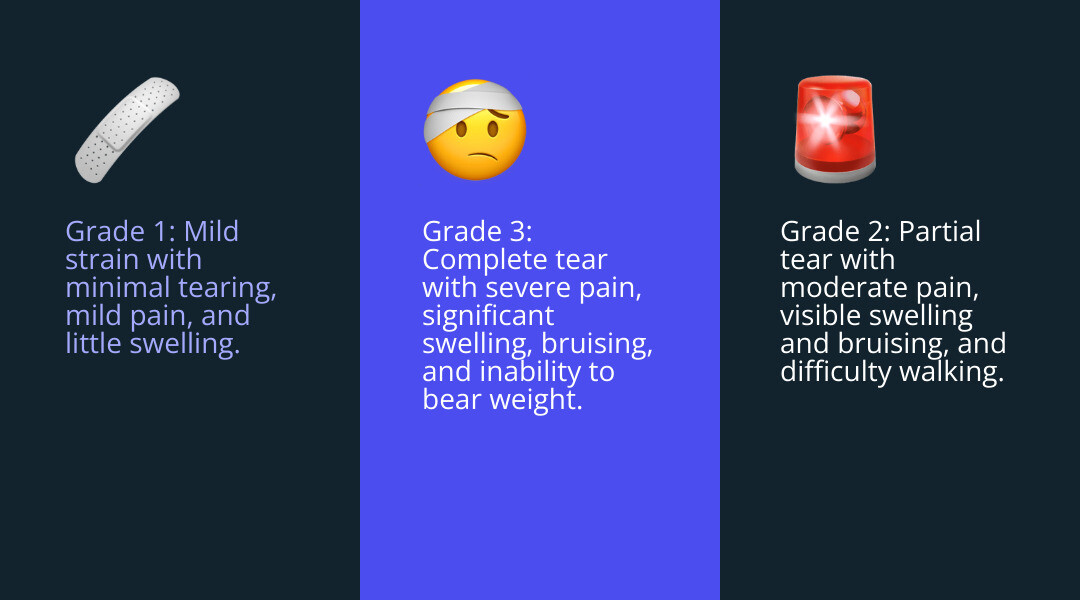
Quick look at signs of a hamstring injury:
Understanding Your Hamstrings and How Injuries Occur
To understand the signs of a hamstring injury, it helps to know the muscles involved. The hamstrings are a group of three muscles at the back of your thigh: the biceps femoris, semitendinosus, and semimembranosus. They run from your pelvis (the “sit bone”) to just below your knee.
These muscles are vital for flexing (bending) your knee and extending (straightening) your hip, enabling actions like walking, running, and jumping. They work with your quadriceps (front thigh muscles) for smooth, powerful leg movements. Learn more in our guide on hamstring anatomy.
A hamstring injury, or "pulled hamstring," occurs when these muscles are stretched or overloaded beyond their capacity, causing tears in the muscle fibers. Common causes include:
- Muscle Overload: A sudden force greater than the muscle can handle, such as pushing off in a sprint.
- Overstretching: Extending the leg too far or too quickly, common in activities like dancing or gymnastics.
- Eccentric Contraction: This is a key injury mechanism. An eccentric contraction is when a muscle lengthens under tension, like when your hamstring decelerates your lower leg during running. If this force is too sudden, it can cause a strain, which is why sprinters are so susceptible.
Understanding these mechanisms highlights the importance of proper conditioning to prevent these common injuries.
Key Signs of a Hamstring Injury: From Mild Strain to Severe Tear
Accurately recognizing the signs of a hamstring injury is crucial for recovery. The severity dictates the treatment, so differentiating between a minor strain and a serious tear is essential to avoid improper care, prolonged pain, and re-injury. Our guide on 5 simple steps to identify hamstring pull symptoms can help you quickly assess the situation.

The 3 Grades of Hamstring Injury
Hamstring injuries are classified into three grades based on muscle damage, which helps guide treatment.
| Characteristic | Grade 1 (Mild Strain) | Grade 2 (Partial Tear) | Grade 3 (Complete Tear) |
|---|---|---|---|
| Pain Level | Mild ache, tightness, or tenderness | Sharp, moderate pain, especially during movement | Severe, debilitating pain, often preventing any movement |
| Swelling | Minimal to none | Visible swelling, develops within hours | Significant, rapid swelling |
| Loss of Function | Slight discomfort, full range of motion achievable | Difficulty walking, limping, limited range of motion, weakness | Inability to walk or bear weight, severe weakness |
| Bruising | None or delayed, very minor discoloration | Visible bruising, may spread down the leg over days | Extensive bruising, often appears quickly and tracks down leg |
| Sound/Sensation | No specific sound, mild pull sensation | Possible "pop" or tearing sensation at the time of injury | Definite "pop" or tearing sensation, often audible |
| Muscle Defect | None | Small palpable gap in the muscle | Large, noticeable gap or "dent" in the muscle |
Immediate Signs of a Hamstring Injury to Watch For
The signs of a hamstring injury are usually immediate, especially during intense activity:
- Sudden, Sharp Pain: The most common indicator is an abrupt, intense pain in the back of your thigh that forces you to stop.
- Popping or Tearing Sound/Sensation: A distinct “pop” or tearing feeling at the moment of injury often indicates a more severe tear (Grade 2 or 3).
- Swelling: Swelling around the affected area typically appears within a few hours as part of the body's inflammatory response.
- Tenderness to Touch: The injured area will feel sore and sensitive to pressure.
- Bruising or Discoloration: Bruising often appears a day or two later, sometimes tracking down the leg as gravity pulls blood from damaged vessels.
- Muscle Weakness: You'll likely experience weakness in the leg, making it hard to bend your knee or extend your hip.
- Inability to Bear Weight: With severe injuries, putting weight on the leg may be impossible. Struggling to walk or bear weight without significant pain is a key sign to seek medical attention.
Long-term Signs of a Hamstring Injury if Left Untreated
Ignoring these immediate signs of a hamstring injury can lead to long-term problems:
- Chronic Pain: A persistent ache can impact your quality of life and ability to enjoy daily activities.
- Permanent Muscle Dysfunction: The muscle may heal with weaker, less elastic scar tissue, leading to ongoing stiffness, reduced strength, and limited flexibility.
- Gait Problems: A limp can develop as your body compensates for the pain, stressing other joints and muscles.
- Increased Risk of Re-injury: This is a common and frustrating consequence. An incompletely healed muscle is highly vulnerable to another, often more severe, injury. Studies show a previous hamstring injury increases the risk of another.
Prompt and thorough treatment is vital for safeguarding your long-term physical health.
Common Causes and Risk Factors for a Pulled Hamstring
Understanding the signs of a hamstring injury also involves knowing what typically causes them and who is most at risk. Hamstring injuries are predominantly caused by muscle overload, where the muscles are stretched or contracted too forcefully beyond their normal limits. This often occurs during dynamic, high-speed activities.
Primary Causes:
- Sports with Sprinting and Sudden Stops: This is the most common scenario. Sports like soccer, basketball, football, and tennis, which demand explosive acceleration, rapid deceleration, and sudden changes in direction, place immense stress on the hamstrings. The eccentric loading (muscle lengthening under tension) during the swing phase of sprinting is a prime culprit.
- Dancers and Runners: While different in their movements, both dancers and runners are at high risk. Dancers frequently perform extreme stretches and high kicks, pushing the hamstrings to their limits. Runners, especially sprinters, rely heavily on their hamstrings for propulsion and control.
Risk Factors:
Several factors can increase an individual's likelihood of sustaining a hamstring injury:
- Prevalence in Athletes and Middle-Aged Individuals: Studies indicate that those in athletics and those considered middle-aged are more likely to be affected by this condition. Research shows the prevalence of these injuries ranging between 8% and 25% in these populations.
- Poor Flexibility: Muscles that are tight and lack full range of motion are more susceptible to tearing when suddenly stretched. Regular stretching is key to maintaining muscle elasticity.
- Muscle Imbalance: If your quadriceps (front thigh muscles) are significantly stronger than your hamstrings, this imbalance can put extra strain on the hamstrings. The quadriceps might overpower the hamstrings during certain movements, leading to injury.
- Muscle Fatigue: Tired muscles lose their ability to absorb shock and react quickly, making them more vulnerable to strains. This is why injuries often occur towards the end of a game or intense workout.
- Previous Hamstring Injury: This is arguably the strongest risk factor. A hamstring that has been injured before is more likely to be re-injured, especially if it hasn't fully recovered its strength, flexibility, and endurance. Incomplete healing of a prior hamstring injury can be a major cause of new hamstring injuries.
- Increasing Age: As we age, our muscles tend to lose elasticity and strength, increasing the risk of injury. Older athletes, even those whose primary exercise is walking, can be at risk.
- Adolescent Growth Spurts: Adolescent athletes are particularly vulnerable because their bones and muscles may not grow at the same rate. This can lead to temporary periods of muscle tightness and reduced flexibility, making them prone to strains.
By being aware of these causes and risk factors, we can take proactive steps to minimize our risk and protect our hamstrings.
Diagnosis and Treatment: Your Path to Recovery
Once you've identified potential signs of a hamstring injury, the next step is determining its severity and starting treatment. This often begins with self-care, but knowing when to seek professional medical help is paramount.

When to See a Doctor:
While mild hamstring injuries can be managed at home, these signs indicate professional medical attention is needed:
- Inability to Bear Weight: You cannot walk without significant pain or bear weight on the injured leg.
- Severe Pain: The pain is excruciating or rapidly worsening.
- Large or Worsening Swelling/Bruising: Extensive or spreading symptoms can indicate a severe tear.
- Stiffness or Difficulty Moving: Your leg feels very stiff or is difficult to move.
- Persistent Symptoms: Your symptoms don't improve after a few days of self-care.
Diagnosis Process:
A medical professional will diagnose a hamstring injury through:
- Physical Exam: They will check for swelling, tenderness, range of motion, and strength. The pain's location and intensity provide clues about the damage.
- Imaging Tests: For severe injuries, an X-ray can check for avulsion fractures, while an Ultrasound or MRI can visualize the extent of muscle tearing.
At-Home and First-Aid Treatments
For mild to moderate strains, initial treatment focuses on the R.I.C.E. method:
- Rest: This is critical. Avoid activities that cause pain. For severe injuries, crutches may be needed.
- Ice: Apply an ice pack (wrapped in a cloth) for 15-20 minutes every 2-3 hours for the first few days to reduce swelling and pain.
- Compression: Use an elastic bandage to wrap the area, minimizing swelling. Ensure it's snug but not too tight.
- Elevation: Lift your injured leg above heart level to help drain excess fluid.
We also recommend:
- Gentle Stretching (as tolerated): Once acute pain subsides, gentle, pain-free stretching can prevent stiffness. Do not force any stretches.
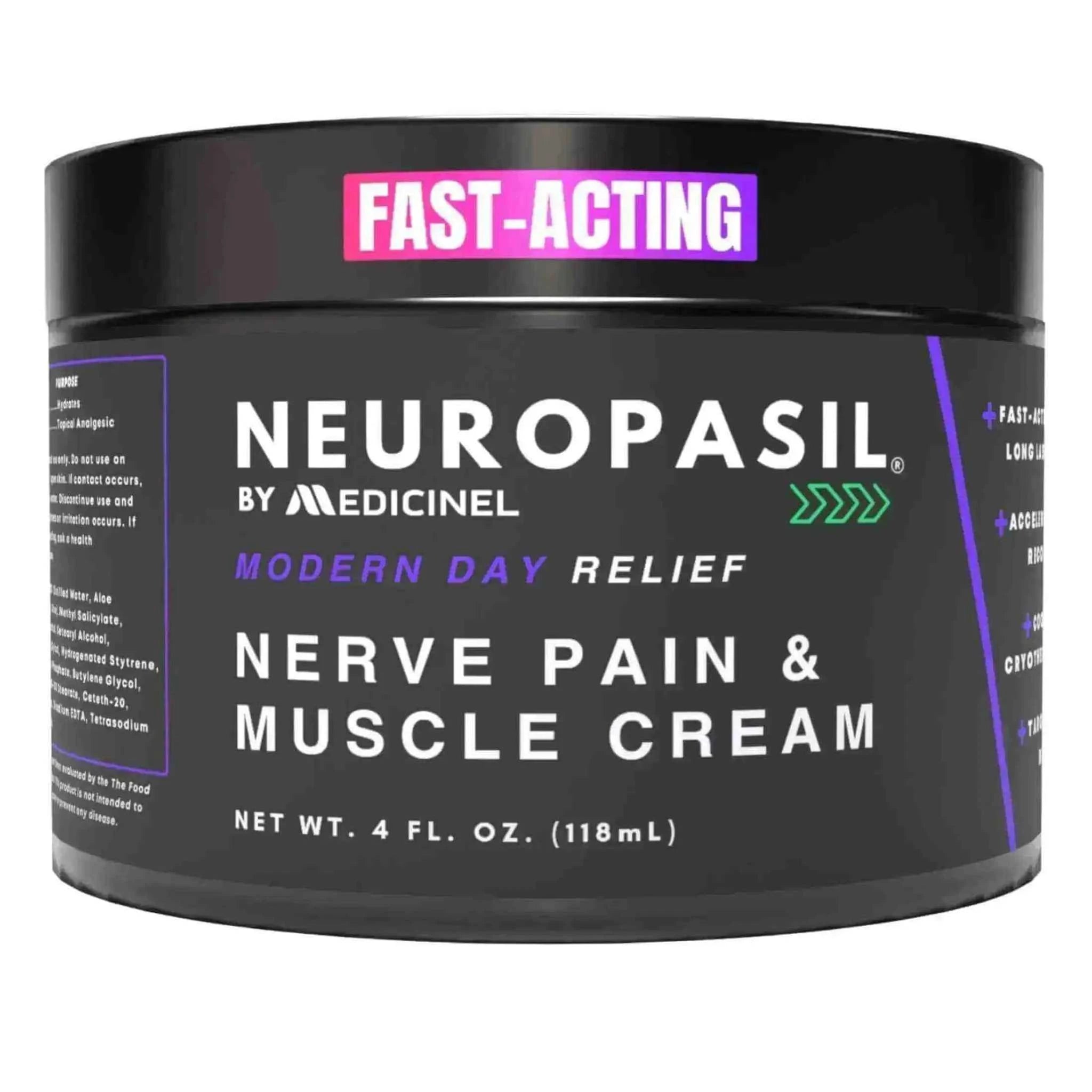
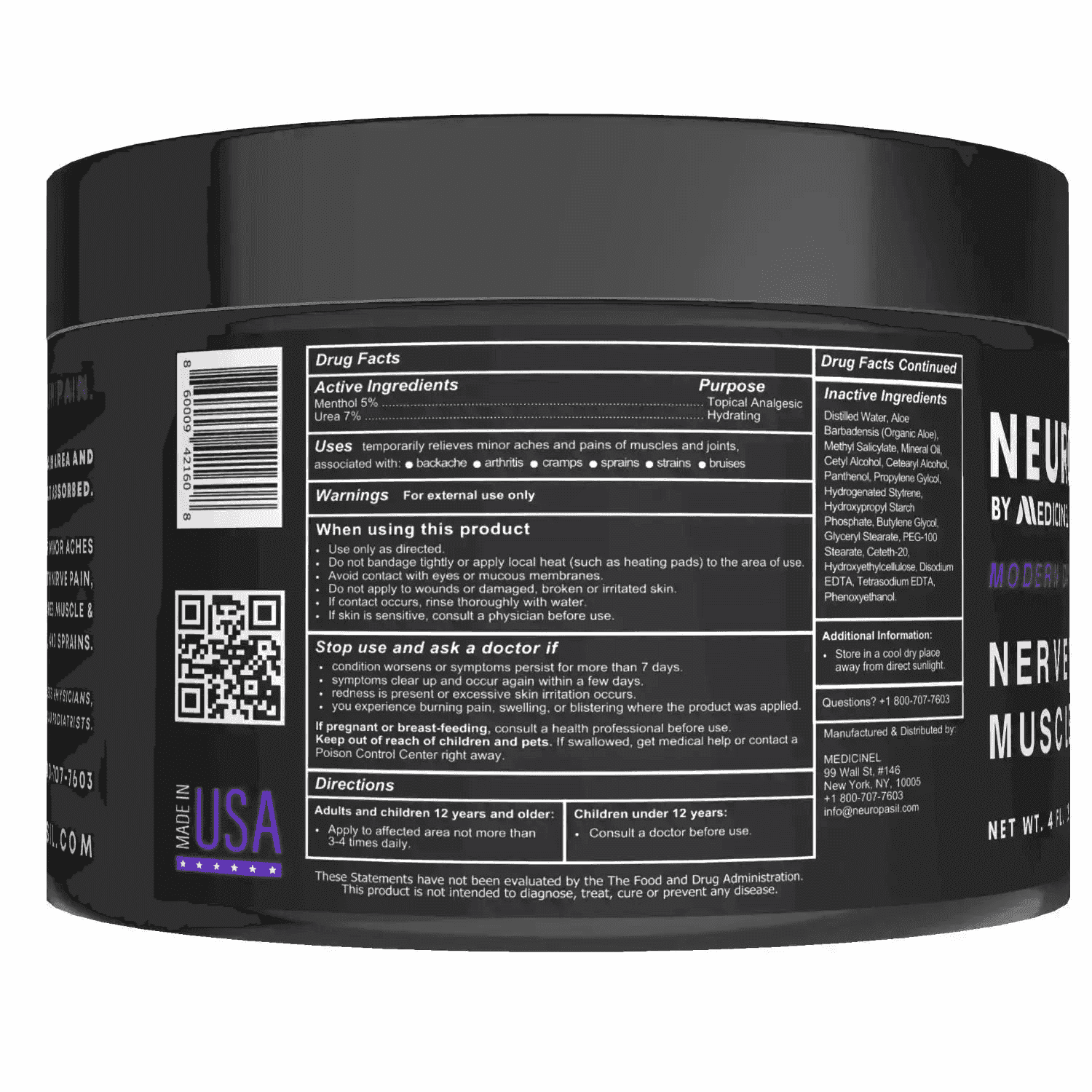
- Neuropasil Muscle Pain Relief Cream: For minor aches associated with hamstring strains, our cream can offer targeted, soothing relief with its cooling menthol.
- Over-the-Counter Pain Relievers: NSAIDs like ibuprofen can help, but always consult a healthcare provider before taking any medication.
For a comprehensive approach, check out our essential guide to treating hamstring strains.
Professional and Medical Interventions
For more severe injuries, medical interventions are necessary:
- Physical Therapy: A physical therapist is invaluable for recovery, designing a personalized program of exercises to restore function and prevent re-injury. Our article on hamstring muscle strain treatment for fast relief provides more insight.
- Medical Evaluation for Severe Tears: In cases of Grade 3 tears, especially avulsion injuries where the tendon pulls completely off the bone, surgery may be required to reattach it.
- Recovery Process: Recovery emphasizes a gradual return to activity, guided by your physical therapist or doctor. Pushing too soon is a primary cause of re-injury. The process can take weeks to months, depending on the injury's severity.
How to Prevent Hamstring Injuries
Prevention is always better than cure, especially when it comes to hamstring injuries that can be notoriously recurrent. By implementing a few key strategies, we can significantly reduce our risk of experiencing the signs of a hamstring injury.
- Regular Stretching: Consistent stretching helps maintain and improve muscle flexibility. Flexible muscles are less likely to tear when subjected to sudden movements or overstretching. Incorporate daily hamstring stretches into your routine, focusing on gentle, sustained holds rather than bouncing.
- Strengthening Exercises: Building strong hamstrings is crucial, but it's equally important to ensure a balance of strength between your hamstrings and quadriceps. If your quads are much stronger, they can overload the hamstrings. Incorporate exercises that specifically target the hamstrings, such as hamstring curls, glute bridges, and deadlifts (with proper form). Eccentric strengthening exercises, which involve lengthening the muscle under tension, are particularly effective for injury prevention.
- Proper Warm-up and Cool-down: Never skip your warm-up! A dynamic warm-up (e.g., light jogging, leg swings) increases blood flow to the muscles, making them more elastic and ready for activity. A cool-down with static stretches after exercise helps improve flexibility and aids in muscle recovery.
- Gradual Increase in Activity Intensity: Avoid the "too much, too soon" trap. Whether you're starting a new sport, increasing your running distance, or intensifying your workouts, do it gradually. Allow your muscles time to adapt to new demands. This is especially important for individuals who are returning to activity after a period of inactivity.
- Listen to Your Body: Pay attention to fatigue, tightness, or any subtle aches. These are often early warning signs that your muscles are under stress. Rest when you're tired, and don't push through pain. Overexertion significantly increases your risk of injury.
- Maintain Good Physical Conditioning: As the Mayo Clinic advises, ensure you are in shape for your sport or physically demanding job before engaging in them. Don't play your sport to get in shape; get in shape to play your sport.
By making these preventative measures a consistent part of your routine, you'll be well on your way to keeping your hamstrings healthy and strong, and avoiding those unwelcome signs of a hamstring injury.
Frequently Asked Questions about Hamstring Injury Signs
We often get questions about hamstring injuries. Here are some of the most common ones:
How long does a hamstring injury take to heal?
Recovery time varies significantly based on the injury's grade and management:
- Grade 1 (Mild Strain): Typically takes a few days to 2 weeks. You might feel tightness and mild pain but can usually function normally.
- Grade 2 (Partial Tear): Recovery can range from 3 to 8 weeks. Physical therapy is almost always recommended to ensure proper healing.
- Grade 3 (Complete Tear): These severe injuries can take 3 to 6 months or longer to heal, especially if surgery is required. Extensive rehabilitation is crucial.
Rushing the healing process often leads to re-injury.
Is walking good for a pulled hamstring?
For mild (Grade 1) strains, gentle, pain-free walking can be beneficial after the initial day or two of rest. It promotes blood flow and prevents stiffness. If you feel any pain, stop.
For Grade 2 or 3 injuries, avoid walking until cleared by a medical professional. Putting weight on the leg can worsen the tear. Crutches may be recommended initially.
Should I use ice or heat on a hamstring injury?
The answer depends on the stage of your injury:
- Ice (Cold Therapy): Use for the first 48 to 72 hours. Ice reduces swelling, inflammation, and pain. Apply an ice pack (wrapped in a towel) for 15-20 minutes every 2-3 hours.
- Heat (Warm Therapy): After the initial acute phase (2-3 days), heat can be beneficial. It increases blood flow, relaxes tight muscles, and reduces stiffness. Never apply heat to a fresh injury, as it can increase swelling.
A good rule of thumb: If it's swollen and acutely painful, use ice. If it's stiff and sore (after swelling subsides), use heat. For minor aches, our Neuropasil muscle pain relief cream provides a cooling sensation for immediate, soothing relief.
Your Next Steps for Hamstring Pain Relief
Recognizing the signs of a hamstring injury promptly is the most powerful tool you have for a quick and effective recovery. From the sudden, sharp pain and potential "pop" of an acute tear to the delayed bruising and persistent weakness, understanding these indicators allows us to take immediate action. We've learned how to differentiate between a mild Grade 1 strain, a moderate Grade 2 partial tear, and a severe Grade 3 complete rupture, each demanding a different level of care.
For those initial aches, minor strains, and muscle discomfort, self-care measures like the R.I.C.E. protocol are invaluable. For targeted relief, our Neuropasil muscle pain relief cream can be a comforting ally, offering soothing support directly to the affected area. However, we cannot stress enough the importance of knowing when to lift your self-care to professional medical attention—especially if you experience severe pain, an inability to bear weight, or worsening symptoms.
An untreated or poorly managed hamstring injury can lead to chronic pain, permanent muscle dysfunction, and a heightened risk of re-injury. By being proactive, listening to your body, and seeking appropriate guidance, you can steer the path to recovery with confidence.
For more insights into managing muscle discomfort and exploring natural solutions for recovery, we encourage you to explore natural solutions for muscle strain treatment.
References
- Mayo Clinic. (n.d.). Hamstring injury - Symptoms and causes. https://www.mayoclinic.org/diseases-conditions/hamstring-injury/symptoms-causes/syc-20372985
- Poudel, B., & Pandey, S. (2023). Proximal Hamstring Tendinopathy. StatPearls. https://pubmed.ncbi.nlm.nih.gov/31541291/
- Mass General Brigham. (n.d.). Hamstring Injuries. https://www.massgeneralbrigham.org/en/patient-information/sports-medicine/conditions-and-treatments/hamstring-injuries