Navigating the Discomfort: Quick Relief for Your Sore Shoulder Blade Muscle
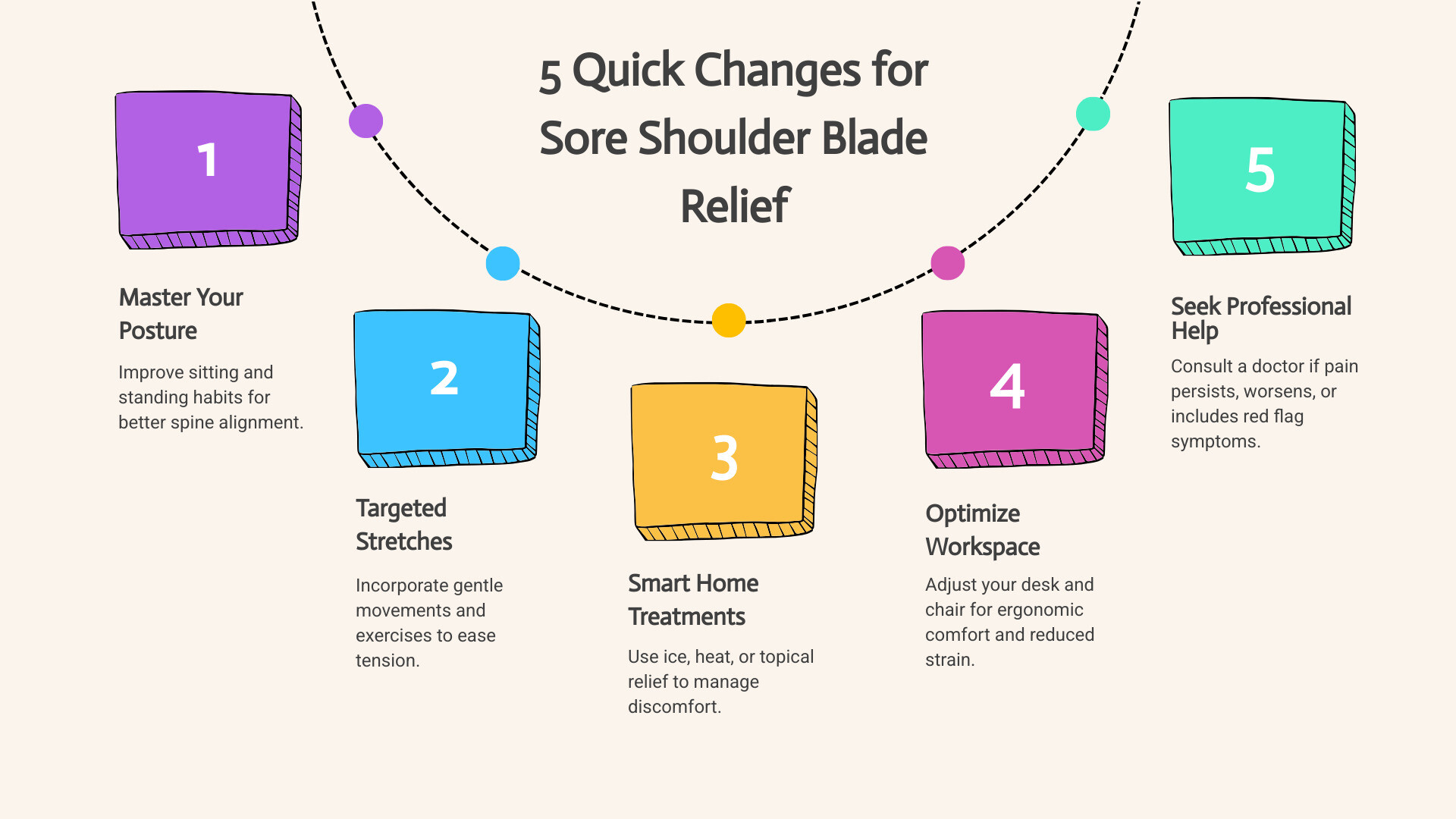
Dealing with a sore shoulder blade muscle? This guide offers 5 quick changes for relief:
- Master Your Posture: Improve your sitting and standing habits.
- Targeted Stretches & Exercises: Gentle movements can ease tension.
- Smart At-Home Treatments: Use ice, heat, or topical relief.
- Optimize Your Workspace: Adjust your desk and chair for comfort.
- Know When to See a Doctor: Don't hesitate to seek professional help if pain persists.
A sore shoulder blade muscle can range from a dull ache to a sharp pain, making daily tasks difficult. This discomfort is common, often stemming from desk work or phone use, but relief is within reach. We'll explore the causes and provide actionable steps to help you feel better fast.
I'm Tony Enrico, founder of Neuropasil. My goal is to help people find real relief from muscle and nerve pain, including a sore shoulder blade muscle, so they can get back to what they love.
Sore shoulder blade muscle helpful reading:
Understanding the Source of Your Shoulder Blade Pain
Pain between the shoulder blades, known as interscapular pain, is incredibly common. Understanding its source is the first step toward relief. This area includes the rhomboid muscles, trapezius muscles, and the thoracic spine. When these structures are affected by muscle strain, overuse, or poor posture, you feel that familiar ache.
Most often, a sore shoulder blade muscle is due to the muscles themselves, strained from hunching over a laptop, improper lifting, or even sleeping in an awkward position. Identifying the cause allows you to take effective steps to fix it.
What are the Rhomboid Muscles?
The rhomboid muscles (major and minor) are key players in your upper back, located beneath the trapezius and connecting your shoulder blades to your spine. Their main jobs are to pull your shoulder blades back toward the spine (essential for good posture) and stabilize your scapula (shoulder blade).
These actions are crucial for arm movements like lifting, rotating, and pulling. When the rhomboids are strained from poor posture, overuse, or too much sitting, you feel that distinct sore shoulder blade muscle pain. For a deeper look, see the anatomy of the rhomboid muscles.
Common Symptoms
Symptoms of a sore shoulder blade muscle can vary widely. You might experience:
- A dull, throbbing ache in the upper back.
- A sharp, stabbing pain, especially with certain movements.
- Stiffness and tightness, restricting free movement.
- Limited range of motion in the shoulder, making it hard to reach overhead.
- Weakness in the arm, particularly after repetitive motions.
- Pain that radiates to the neck, arms, or other back areas.
- A crunching sound when moving your shoulder, which can indicate improper shoulder blade movement (scapular dyskinesis).
- Pain with breathing due to severe muscle tension.
Common Causes of a Sore Shoulder Blade Muscle
The causes of a sore shoulder blade muscle are often tied to modern life.
- Poor posture and prolonged sitting: Hunching over a computer or phone forces your rhomboid and trapezius muscles to overcompensate, leading to strain. The key is to avoid holding any single position for too long.
- Overexertion and improper lifting: Lifting heavy objects without proper form or overdoing it at the gym can directly injure upper back muscles.
- Sports or repetitive motions: Activities like throwing, rowing, or swimming can cause overuse injuries if muscles don't get enough rest.
- Sleeping position: An awkward sleeping position or an unsupportive mattress can cause you to wake up with pain.
- Muscle strains: Most cases involve minor tears in muscle fibers. Mild strains heal in weeks, while moderate ones can take months.
- Underlying conditions: While less common, the pain can stem from arthritis, fibromyalgia, or herniated discs. In rare cases, it can be referred pain from issues like gallbladder problems or more serious conditions like heart or lung issues. It's crucial to see a doctor if something feels wrong.
5 Quick Changes for Sore Shoulder Blade Muscle Relief
Now that we've covered the causes of a sore shoulder blade muscle, let's focus on the solution. You don't have to live with the discomfort. Here are five impactful changes that offer both immediate relief and long-term prevention, combining self-care strategies with guidance on when to see a professional. Let's get you feeling better.
1. Master Your Posture
Poor posture is a primary cause of a sore shoulder blade muscle. Hunching over screens puts tremendous stress on your upper back, forcing your rhomboid and trapezius muscles to work overtime. Small, consistent adjustments can make a huge difference.
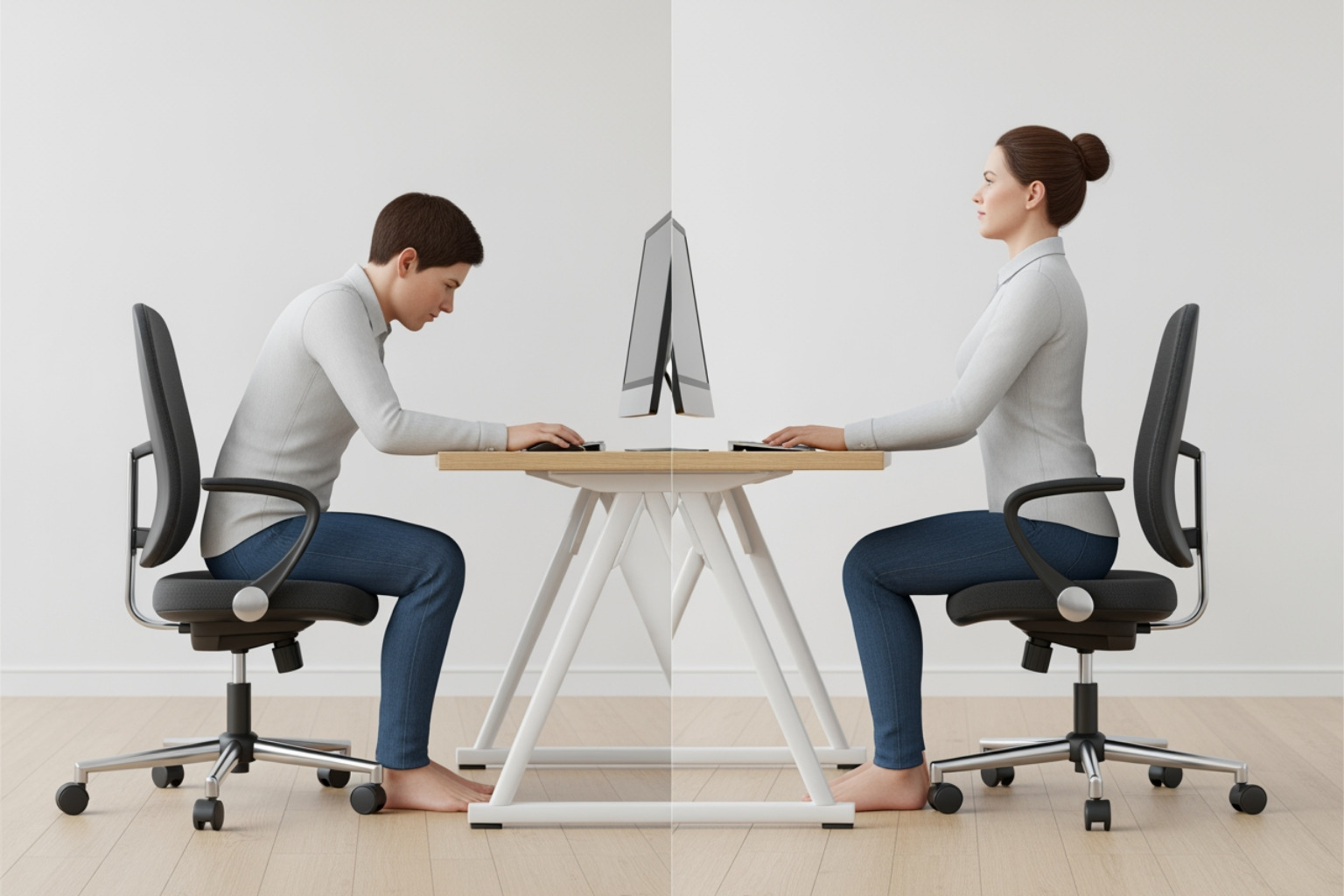
Focus on these key areas:
- Spine Alignment: Maintain a neutral spine by imagining a string pulling you up from the crown of your head. This distributes weight evenly.
- Shoulders: Keep your shoulders back and down, not rounded forward. This allows your rhomboid muscles to function correctly.
- Core Engagement: Lightly engaging your abdominal muscles provides extra support for your spine, taking pressure off your upper back.
Crucially, avoid holding any single position for too long. Breaking sedentary habits by standing and stretching every 30-60 minutes is vital. The key is awareness—use reminders on your phone or a sticky note on your monitor to prompt you to sit tall. Research confirms the link between forward head posture and neck pain, which is closely related to shoulder blade discomfort. Mastering your posture addresses your current sore shoulder blade muscle and prevents future pain.
2. Incorporate Targeted Stretches and Exercises
Gentle movement is medicine for a sore shoulder blade muscle. Targeted stretches and exercises improve flexibility, strengthen supporting muscles, and increase blood flow to promote healing and reduce stiffness. Consistency is key; a few minutes daily can make a significant difference.

Try these effective exercises:
- Shoulder Blade Squeeze: Sit or stand tall and squeeze your shoulder blades together for 5-10 seconds. Repeat 10-15 times to strengthen the rhomboids.
- Doorway Stretch: Stand in a doorway with forearms on the frame, arms at 90 degrees. Step forward to feel a stretch across your chest. Hold for 20-30 seconds.
- Cat-Cow Pose: On hands and knees, alternate between arching your back (cow) and rounding your spine (cat) to mobilize your back muscles.
- Cross-Body Arm Stretch: Gently pull one arm across your chest with the other hand, holding for 20-30 seconds per side to stretch the shoulder and upper back.
- Chin Tucks: Gently tuck your chin toward your chest to strengthen neck muscles and improve posture.
For certain shoulder conditions like rotator cuff tears, research shows exercise therapy can be as effective as surgery. While these exercises are beneficial, consider working with a physical therapist for a personalized plan, especially for severe pain. As Harvard Health notes, there is great importance of stretching for overall health.
3. Use Smart At-Home Treatments
When a sore shoulder blade muscle flares up, several at-home treatments can provide quick relief and promote healing.
For new or acute pain, start with rest and ice. Rest involves avoiding activities that aggravate the muscle. Apply an ice pack (wrapped in a towel) for 15-20 minutes at a time to reduce inflammation and numb the pain.
After 48-72 hours, as the initial inflammation subsides, heat therapy can be beneficial, a practice supported by health experts like those at the Cleveland Clinic. A heating pad or warm shower increases blood flow, relaxing tight muscles and aiding recovery. Some find alternating between hot and cold therapy effective.
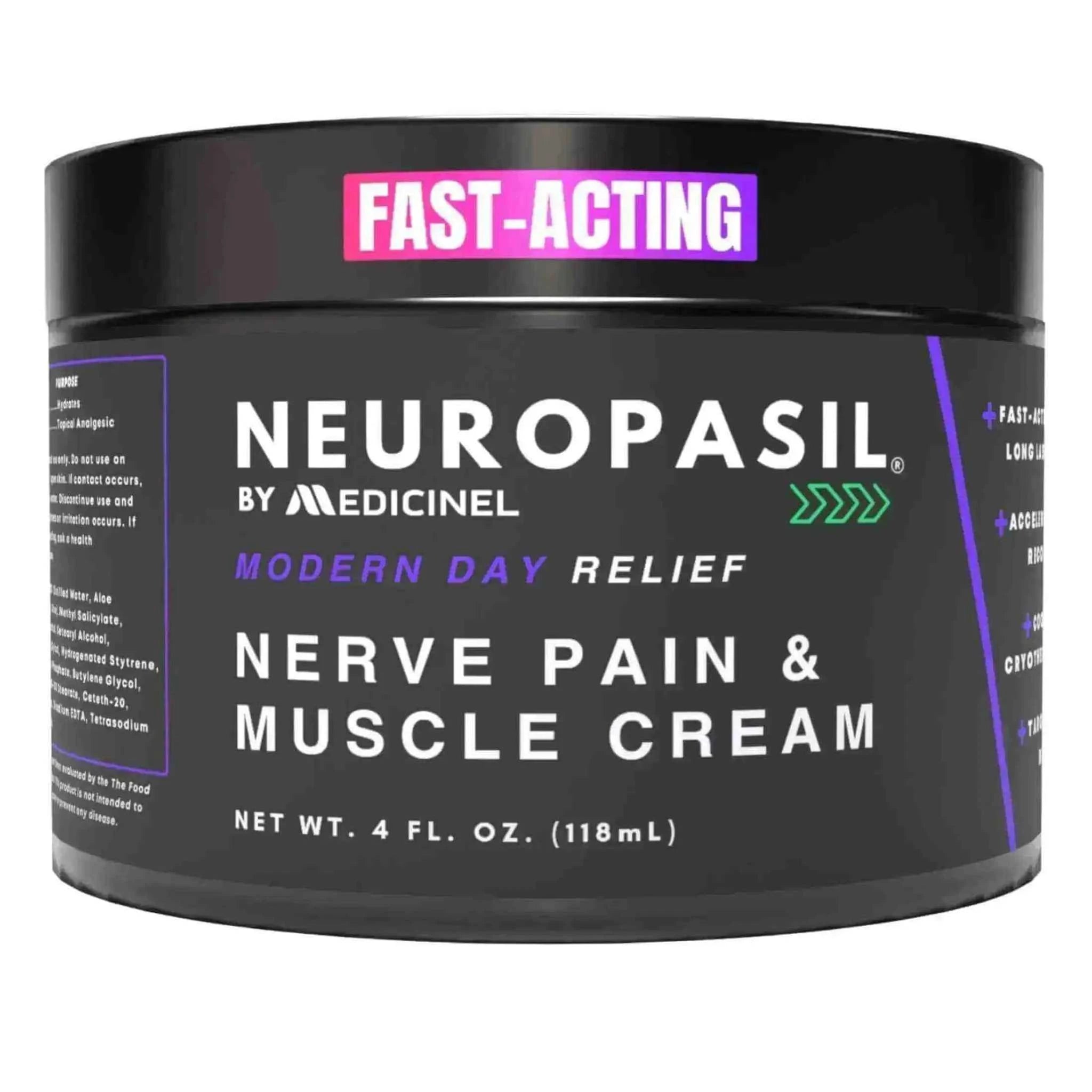
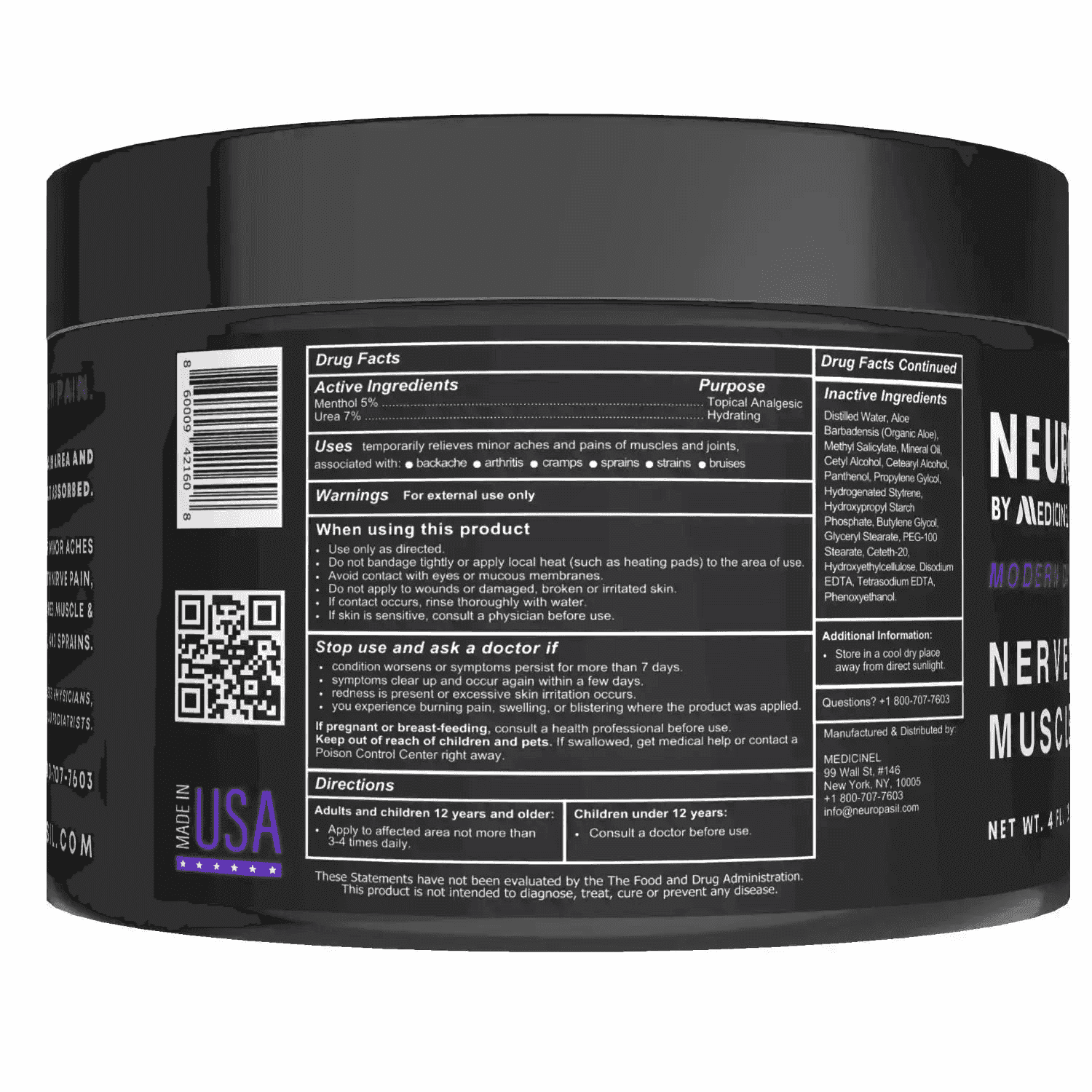
For targeted, fast-acting relief, topical pain relief creams are a game-changer. Our Neuropasil cream is formulated with powerful ingredients: Menthol provides an immediate cooling sensation for localized relief, Aloe offers soothing, anti-inflammatory properties, and Urea helps these ingredients penetrate deeply while hydrating the skin. Many customers and athletes use Neuropasil for targeted comfort from a sore shoulder blade muscle and other joint or muscle discomfort. You can Find the best pain relief creams for muscle pain to explore more options.
4. Optimize Your Workspace Ergonomics
Since many of us spend hours at a desk, an improper workspace is a major contributor to a sore shoulder blade muscle. Optimizing your ergonomics means creating an environment that supports your body's natural alignment, preventing the strain that leads to pain.
Here's how to set up your workspace correctly:
- Ergonomic Chair: Use a chair with good lumbar support. Your feet should be flat on the floor and knees at a 90-degree angle to distribute weight evenly.
- Monitor at Eye Level: Position your monitor so the top of the screen is at or slightly below eye level. This prevents you from hunching and straining your neck and upper back.
- Keyboard and Mouse Position: Keep your keyboard and mouse close to avoid overreaching. Your elbows should be at a 90-degree angle with wrists straight.
A standing desk is excellent for alternating between sitting and standing, which prevents the stiffness from prolonged static postures. Even without one, take regular breaks every 30-60 minutes to move and stretch. These adjustments, which align with guidelines from occupational health experts like OSHA, significantly reduce strain on your rhomboid muscles, helping to prevent a sore shoulder blade muscle. For More tips for managing muscle pain, check out our guide.
5. Know When to See a Doctor
While self-care often helps a sore shoulder blade muscle, it's crucial to know when to see a professional. Your safety is the top priority.
Consult a doctor or physical therapist if your pain persists for more than a week or two despite at-home care, worsens, spreads, or makes daily tasks difficult. While the AAOS notes most cases improve with simple measures, don't hesitate to seek help if your pain feels different or severe.
Seek immediate medical attention for these "red flag symptoms":
- Chest pain, shortness of breath, or feeling lightheaded.
- Numbness, tingling, or weakness in your arm or hand.
- Fever, chills, or unexplained weight loss.
- Severe pain following an accident or trauma.
- Coughing up blood or unusual leg pain, swelling, or redness.
These symptoms can indicate serious underlying conditions that may refer pain to the shoulder and require immediate evaluation, as outlined by medical resources. A doctor will perform a physical exam, checking your range of motion and muscle strength. They may order imaging tests like X-rays or an MRI to get a clearer diagnosis. Professional treatments can range from physical therapy and medication to injections or, in rare cases, surgery. You can use resources like Find an Orthopaedist to locate a specialist.
Getting a proper diagnosis and treatment early can prevent a minor sore shoulder blade muscle from becoming a chronic problem.
Frequently Asked Questions about Shoulder Blade Pain
How long does a pulled shoulder blade muscle take to heal?
The healing time for a pulled sore shoulder blade muscle depends on the severity of the strain.
- Mild strains (minor tears) typically heal within a few weeks.
- Moderate strains (more significant tearing) can take a few months to recover.
- Severe injuries (complete ruptures) require a much longer recovery, sometimes involving surgery and physical therapy.
Immediately after an injury, following the RICE method (Rest, Ice, Compression, Elevation) is important. Rest is especially crucial for allowing muscle fibers to repair properly. For more details on recovery, see this guide on muscle strain recovery from the Cleveland Clinic.
Can stress cause pain between the shoulder blades?
Yes, absolutely. Stress has a strong connection to physical pain. When you're stressed, your body enters a "fight or flight" mode, causing muscles in your upper back and neck to tense up unconsciously. This sustained tension is a common cause of a sore shoulder blade muscle. Stress can also lead to shallow breathing, further tightening the muscles around your rib cage. Managing stress through techniques like deep breathing, mindfulness, meditation, and gentle exercise can help relax these muscles and reduce pain. This physical response to stress is well-documented by organizations like the American Psychological Association.
What is the best sleeping position for shoulder blade pain?
The right sleeping position is crucial for healing a sore shoulder blade muscle.
- Sleeping on your back is often recommended as it keeps your spine in a neutral position, distributing weight evenly. Placing a small pillow under your knees can improve lower back support.
- Avoid sleeping on the affected side, as direct pressure can worsen pain and inflammation.
- If you sleep on your side or back, use a pillow to support the arm of the affected shoulder to prevent strain.
- A memory foam pillow can provide excellent neck and head support, promoting better spinal alignment.
For more guidance, see this resource on the Best sleeping positions for pain.
Your Path to a Pain-Free Back
Living with a sore shoulder blade muscle is not inevitable. By implementing the five key changes from this guide—improving posture, stretching, using at-home treatments, optimizing ergonomics, and seeking professional help when needed—you have a clear roadmap to relief.
Consistency is key. Small, daily actions, like taking a stretch break or adjusting your monitor, compound over time to create lasting results. Taking control of your health is empowering; you are actively working to understand, address, and prevent pain. Resources are available to support you, from topical creams for targeted relief to physical therapists for personalized guidance.
Don't let a sore shoulder blade muscle limit your life. You deserve to move comfortably and without pain. With these tools, a pain-free back is achievable.
For natural, fast-acting relief when you need it most, Discover natural, fast-acting relief with Neuropasil. Our customers find it makes a real difference in managing their muscle pain and returning to the activities they love.
References
We believe in empowering you with accurate and trustworthy information for your health journey. To ensure the reliability of this guide on your sore shoulder blade muscle, we've consulted credible sources from medical and academic institutions. Here are the references that informed our content:
- American Psychological Association. (2018). Stress effects on the body. https://www.apa.org/topics/stress/body
- Cleveland Clinic. (2022). Muscle Strain. https://my.clevelandclinic.org/health/diseases/22336-muscle-strain
- Cleveland Clinic. (2023). Shoulder Pain: Most Common Causes and How to Fix It. https://health.clevelandclinic.org/shoulder-pain-most-common-causes-and-how-to-fix-it/
- Farrell C, et al. (2023). Anatomy, back, rhomboid muscles. https://www.ncbi.nlm.nih.gov/books/NBK534856/
- Harvard Health Publishing. (2020). Trying physical therapy before surgery for rotator cuff tears. https://www.health.harvard.edu/blog/trying-physical-therapy-before-surgery-for-rotator-cuff-tears-2020042019578
- Harvard Health Publishing. (2022). The importance of stretching. https://www.health.harvard.edu/staying-healthy/the-importance-of-stretching
- Healthline. (2023). What's Causing My Shoulder Blade Pain and How Do I Treat It? https://www.healthline.com/health/shoulder-blade-pain#when-to-see-a-doctor
- Mahmoud, N. F., et al. (2019). The Relationship Between Forward Head Posture and Neck Pain: a Systematic Review and Meta-Analysis. Current Reviews in Musculoskeletal Medicine. https://link.springer.com/article/10.1007/s12178-019-09594-y
- Occupational Safety and Health Administration (OSHA). Computer Workstations eTool. https://www.osha.gov/etools/computer-workstations
- Scapular (shoulder blade) disorders. (2022). https://orthoinfo.aaos.org/en/diseases--conditions/scapular-shoulder-blade-disorders