Why No Muscle Pain After Workout Doesn't Mean You're Doing It Wrong
No muscle pain after workout is often misunderstood as a sign of an ineffective training session. Here's what it actually means:
Quick Answer: Is no soreness normal?
- Yes, it's completely normal and often a positive sign
- Your body is adapting to exercise and becoming stronger
- Soreness is NOT required for muscle growth or strength gains
- Constant soreness can actually indicate overtraining
- Focus on performance metrics (lifting more, running faster) instead of pain
The "no pain, no gain" mentality has led many to question their workouts if they aren't sore the next day. Seeing others on social media complain about post-workout pain can make your own training feel inadequate. However, the truth is that muscle soreness is not a badge of honor or a requirement for building strength. Not feeling sore often means your muscles have adapted, you're recovering well with good sleep and nutrition, and you're progressing at a sustainable pace. It's a sign of efficiency, not ineffectiveness.
Research shows that muscle growth continues even after soreness subsides. Studies have concluded it's "unlikely" that you need sore or damaged muscles for them to grow. In fact, gradually increasing intensity over time should result in minimal soreness.
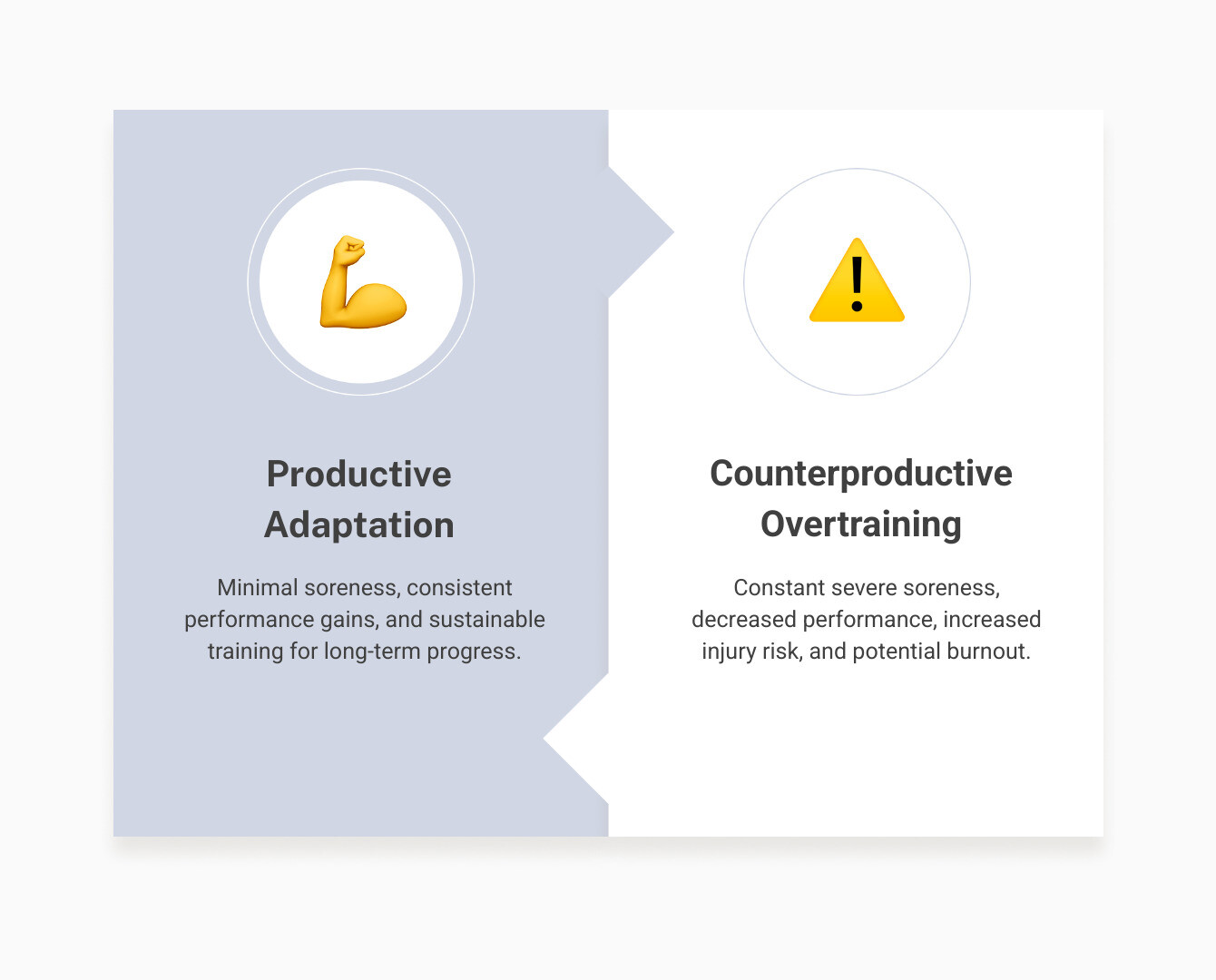
The real concern is being constantly sore, which is often a red flag for overtraining and can lead to injuries, burnout, and setbacks.
I'm Tony Enrico, and through my work with Neuropasil, I've helped thousands understand the difference between productive training and unnecessary pain. My mission is to help you achieve your fitness goals with sustainable strategies that build strength without breaking your body down.
Find more about no muscle pain after workout:
- Muscle pain
- Muscle soreness
- post exercise muscle soreness
The Science of Muscle Soreness (DOMS)
So, what exactly is happening when our muscles ache after a tough workout? The scientific term for this is Delayed Onset Muscle Soreness, or DOMS. It's the tender sensation our muscles have after strenuous activity or movements we aren't used to.

For a long time, many believed lactic acid buildup caused DOMS. However, research has largely debunked this. While lactic acid contributes to the burn during exercise, it's quickly cleared from the muscles and doesn't cause the soreness that sets in later.
The current theory is that DOMS is linked to mechanical damage to the muscle fibers and surrounding connective tissue. This damage triggers the body's inflammatory response, which is part of the healing process and causes the sensation of soreness. Eccentric exercise, where muscles lengthen under tension (like lowering a bicep curl), is particularly known for inducing DOMS.
What causes the ache?
When we exercise, especially with new or intense movements, we create tiny, microscopic tears in our muscle tissues. This damage triggers a crucial inflammatory response, the body's natural healing process. The body sends resources to the area to repair and strengthen the muscle fibers. This inflammation, combined with the irritation of nerve endings, leads to the sensation of soreness. This repair process involves heightened protein synthesis, which is the mechanism the body uses to rebuild and strengthen muscle fibers, ultimately leading to muscle growth.
How long does it last?
The timeline for DOMS is fairly consistent. Soreness typically sets in about 12 to 24 hours after a workout. It then tends to peak around 24 to 72 hours post-exercise, which is why the second day after a tough session often feels the worst.
Depending on the workout's intensity, DOMS usually subsides within 3 to 5 days. While inconvenient, this temporary discomfort is a normal part of the body's adaptation process.
Why You Might Have No Muscle Pain After a Workout
If you're consistently working out and experience no muscle pain after workout, don't worry! This is often a sign that you're doing things right. It’s a positive indicator of your progress and recovery.

Our bodies are incredibly adaptive. When we first start a new routine or increase intensity, our muscles are subjected to unfamiliar stress, leading to DOMS. However, with consistent training, our bodies become more efficient.
Your body is adapting and getting stronger
A key reason for no post-workout pain is the "repeated bout effect." After an initial exercise session causes soreness, subsequent sessions of the same exercise cause less muscle damage and soreness. This is because our muscles adapt, becoming better at protecting themselves and recovering. This adaptation is a physiological change: the body strengthens connective tissues and improves its ability to handle exercise. Handling increased volume with minimal soreness is a clear sign of progress. Studies confirm that muscle growth continues even as exercise-induced damage and soreness subside.
Understanding the reasons for no muscle pain after workout
Several factors contribute to the absence of post-workout soreness, all pointing to a well-managed fitness routine:
- Adequate Recovery: Giving your body the time and resources to repair itself naturally reduces soreness.
- Quality Sleep: Sleep is when the body does most of its repair work, releasing hormones vital for muscle recovery and growth.
- Proper Nutrition & Hydration: Fueling with protein, carbs, and healthy fats is crucial. Proper hydration helps flush waste products and transport nutrients to muscles.
- Workout Type: Some exercises, like those with eccentric (lengthening) movements, cause more soreness than others. A varied routine can result in less consistent soreness.
- Good Conditioning: As your fitness improves, your muscles become more resilient. A strong core, for example, helps prevent injury and reduces strain on other muscles.
- Genetic Factors: Research suggests genetics can influence your susceptibility to DOMS and your recovery speed.
The Benefits of Not Being Sore vs. The Risks of Constant Soreness
It's tempting to think constant soreness means you're always pushing yourself, but this misconception can hinder your progress. There's a clear distinction between the benefits of minimal soreness and the dangers of chronic pain.
| Outcome | Minimal Soreness | Constant Soreness |
|---|---|---|
| Workout Sustainability | Easier to adhere to a consistent training schedule; workouts are enjoyable and less daunting. | Disrupts training consistency; leads to missed workouts due to discomfort; can make exercise feel like a chore. |
| Performance | Allows for better performance in subsequent workouts; muscles are recovered and ready for the next challenge. | Impairs muscle function, strength, and range of motion; hinders ability to push limits effectively; can slow down overall progress. |
| Injury Risk | Lower risk of overuse injuries as muscles have adequate time to recover and adapt; body feels strong and stable. | Significantly higher risk of overuse injuries, strains, and sprains; muscles are constantly in a state of repair, making them vulnerable; can lead to chronic pain. |
| Overtraining | Body has time to recover and adapt; less chance of physical and mental burnout. | Strong indicator of overtraining syndrome; leads to fatigue, decreased immune function, hormonal imbalances, and psychological burnout. |
| Motivation | Boosts motivation and confidence; positive association with exercise. | Decreases motivation; can lead to exercise aversion and giving up on fitness goals. |
The benefits of having no muscle pain after workout
Experiencing no muscle pain after workout is a fantastic sign, offering several benefits for a sustainable fitness journey:
- Improved Consistency: Without constant soreness, it's easier to stick to your workout schedule, which is crucial for long-term progress.
- Better Performance: Recovered muscles perform better. You're primed for optimal strength and endurance, allowing for continuous improvement.
- More Enjoyable Fitness Journey: When workouts leave you feeling energized, not crippled, you're more likely to enjoy the process.
- Reduced Risk of Injury: A well-recovered body is less prone to injury. Minimal soreness indicates your body is adapting safely.
- Faster Recovery Times: The absence of severe DOMS means your body is repairing itself efficiently, allowing you to train more effectively.
The downsides of being constantly sore
Conversely, constant, intense soreness is a red flag with several downsides:
- Overtraining Syndrome: Chronic soreness is a classic symptom of overtraining, leading to decreased performance, fatigue, illness, and burnout.
- Increased Risk of Overuse Injuries: Muscles in a perpetual state of repair are vulnerable to injuries like tendonitis and stress fractures. Rest is essential for rebuilding.
- Burnout and Decreased Motivation: Constant pain can sap motivation, making you dread workouts and abandon your fitness goals.
- Impaired Muscle Function: Soreness can reduce range of motion, strength, and coordination, hindering daily tasks and the quality of your next workout.
Being constantly sore is a sign of overtraining that can slow progress and lead to injury. It's vital to recognize the signs of overexertion to protect yourself.
How to Build Muscle Effectively Without Excessive Soreness
You can absolutely build muscle and get stronger without crippling soreness. The key is applying smart training principles, particularly progressive overload, and focusing on proper technique.
Certain exercises are more likely to cause soreness, especially if they are new or involve significant eccentric loading, like plyometrics or high-intensity resistance training. These should be introduced and progressed carefully to avoid excessive soreness.
Using progressive overload smartly
To get stronger without constant pain, focus on 'progressive overload.' This core principle of strength training involves gradually increasing the demands on your muscles so they adapt and grow.
Here's how to apply it smartly:
- Gradually Increase Intensity: Make small, incremental increases in weight (e.g., 2.5-5 pounds) or resistance.
- Increase Reps or Sets: Aim for an extra rep or two per set before increasing the weight.
- Improve Form: Perfecting your technique is a form of progression that improves muscle engagement and reduces injury risk.
- Decrease Rest Times: Shortening rest periods between sets increases workout intensity.
- Increase Time Under Tension: Slowing down the eccentric (lowering) phase of a lift increases the challenge.
Progressive overload allows your body to adapt without debilitating soreness. By increasing volume and load appropriately, you'll experience minimal soreness compared to when you first started. A few weeks of this approach can significantly reduce DOMS.
Focusing on exercise type and technique
Beyond progressive overload, your exercise choice and technique are crucial for minimizing soreness.
- Eccentric vs. Concentric Movements: Eccentric contractions (muscle lengthening under load) are key for muscle growth but also cause more soreness. Control the eccentric phase to maximize growth while managing intensity. Concentric (shortening) contractions also contribute to growth, but less so.
- Controlled Repetitions: Perform controlled, deliberate movements. Rushing uses momentum, reduces effectiveness, and increases injury risk.
- Mind-Muscle Connection: Focus on the muscle you're working to improve engagement, making the workout more effective without needing excessively heavy weights.
- Choosing Appropriate Exercises: Regularly including exercises with significant eccentric components (like squats and deadlifts) helps your muscles become more resilient to damage over time.
Effective Strategies for Managing and Preventing Soreness
While no muscle pain after workout is often a sign of progress, occasional soreness is still normal. The key is having effective strategies for preventing and managing it so it doesn't derail your fitness goals.
Proactive prevention and recovery
The best offense is a good defense. Incorporating these proactive measures can significantly reduce the severity of DOMS:
- Warm-up: A 10-15 minute warm-up with light cardio and dynamic stretches increases blood flow to muscles, preparing them for activity.
- Cool-down: A 10-15 minute cool-down helps gradually lower your heart rate, which can reduce soreness and injury risk.
- Stretching: Gentle stretching during the cool-down helps relax and lengthen muscle fibers.
- Active Recovery: On sore days, light activity like walking or yoga increases blood flow, aiding recovery and providing temporary pain relief.
- Hydration: Drink plenty of water, especially on workout days, to support muscle recovery and function. Replenish fluids lost through sweat.
- Quality Sleep: Aim for 7-8 hours of quality sleep per night to allow your body to repair and rebuild muscle tissue.
Nutrition and targeted relief for sore muscles
What you eat plays a huge role in how your muscles recover and how much soreness you experience.
- Post-Workout Nutrition: A balanced meal after your workout is critical. Protein is essential for muscle repair, providing the building blocks for protein synthesis. Carbohydrates are also crucial for replenishing the muscle's energy stores (glycogen) that were depleted during exercise.
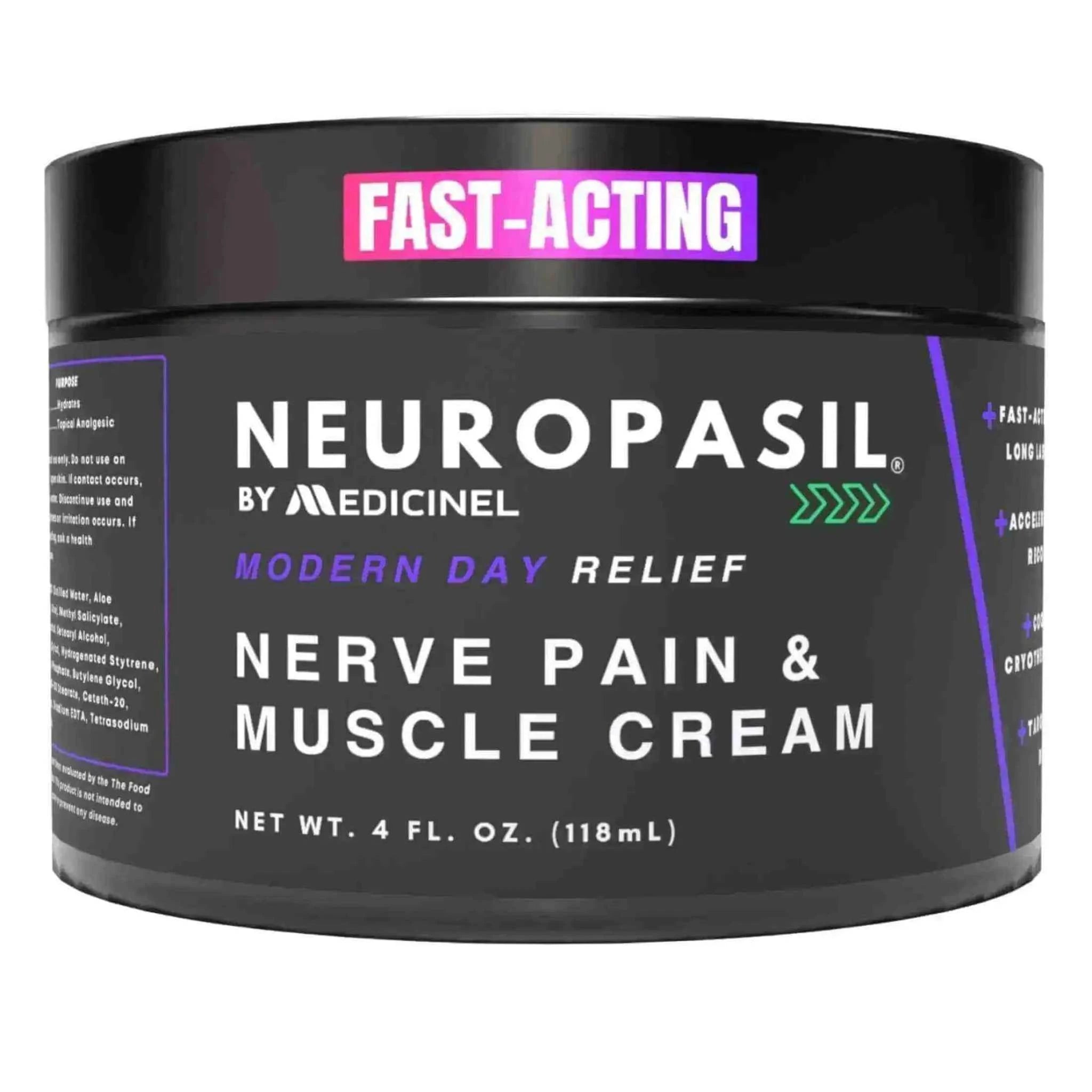
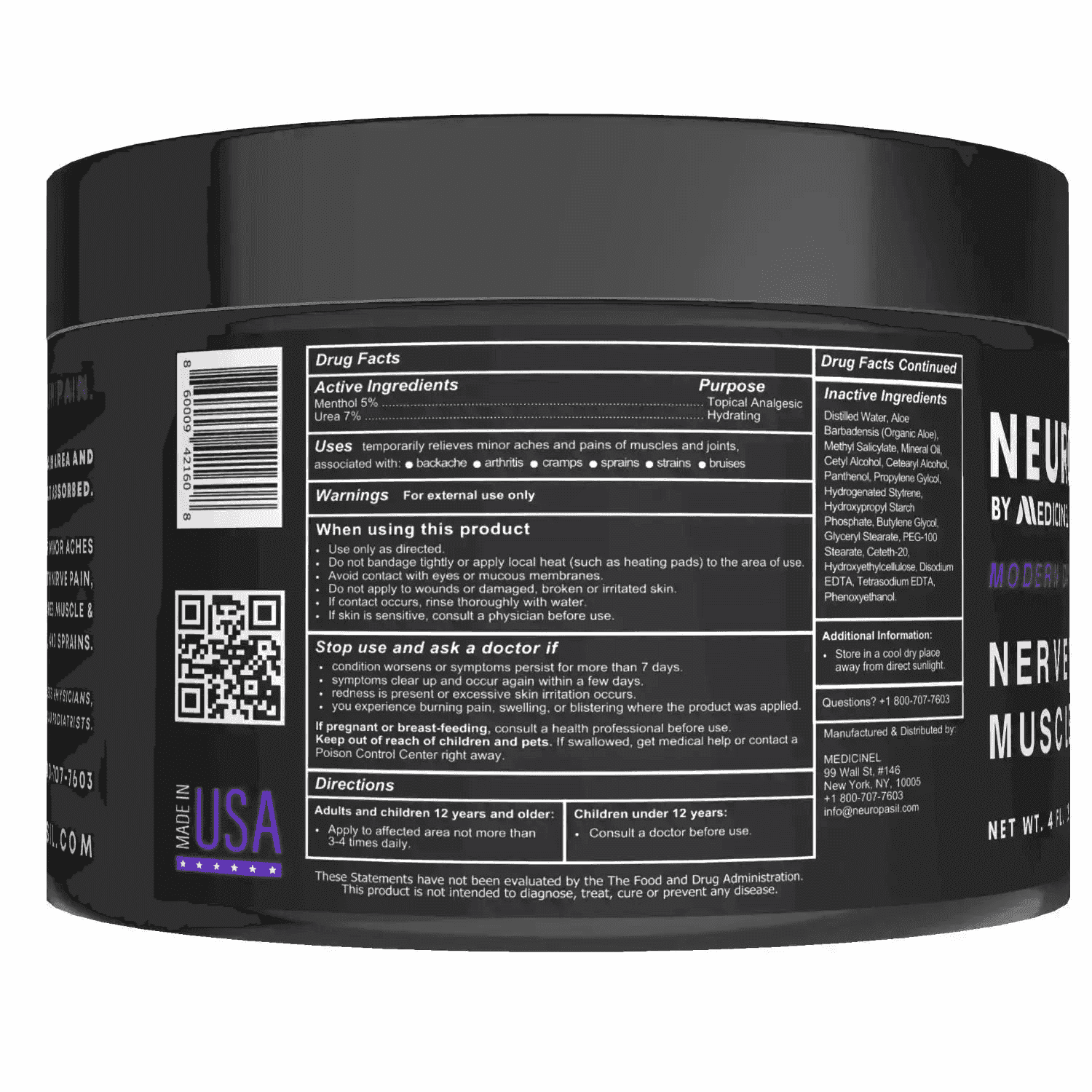
- Topical Relief: For localized soreness, topical creams offer targeted relief. Ingredients like menthol, aloe, and urea can provide a soothing sensation that temporarily eases pain and increases blood flow. While they don't speed up muscle repair, they make the discomfort more manageable. Our Neuropasil Nerve Pain Relief Cream is powered by these natural ingredients to provide soothing relief, making it a favorite among athletes for post-workout recovery.
When to Be Concerned: Differentiating Soreness from Injury
It's important to differentiate between normal post-workout soreness and pain that signals an injury. While no muscle pain after workout is a positive sign, we must be vigilant about pain that indicates something is wrong.
How to tell the difference
Here’s how to distinguish between the "good" pain of soreness and the "bad" pain of an injury:
- Dull, Generalized Ache (Soreness): DOMS typically feels like a dull, widespread ache across a muscle group. It's tender to the touch but often improves with light movement.
- Sharp, Localized Pain (Injury): Injury pain is usually sharp, stabbing, and localized to a specific spot. It might feel like a sudden "pop" or tear and often worsens with movement.
- Pain that Improves with Movement (Soreness): Often, once muscles warm up, DOMS can feel better during light activity.
- Pain that Worsens with Movement (Injury): If pain intensifies when you try to move the affected area, it's a strong indicator of an injury.
- Swelling or Bruising: While minor swelling can accompany severe DOMS, significant, noticeable swelling or bruising is a sign of injury.
When to see a doctor
While most muscle soreness resolves on its own, certain symptoms warrant medical attention. We should contact a healthcare professional if we experience any of the following:
- Audible 'Pop' or Snap: A distinct "pop" in a joint or muscle during exercise could indicate a ligament or tendon tear.
- Sharp, Stabbing Pain: Any sharp, localized pain that doesn't subside or worsens with time.
- Inability to Move a Limb: If you can't bear weight on a limb or move a joint through its full range of motion.
- Severe Swelling or Bruising: Extensive or rapidly developing swelling and bruising.
- Numbness or Tingling: These sensations could indicate nerve involvement.
- Pain Lasting More Than a Week: If pain persists for more than a week without improvement, it's time to get it checked out.
- Pain Accompanied by Other Symptoms: Fever, chills, or dizziness are all reasons to seek medical attention.
- Persistent Back Pain: Sharp pain in our back, particularly after lifting, should be evaluated.
You know your body best. If something doesn’t feel right, or you're hesitant to exercise due to pain, contact a healthcare provider. Professionals like athletic trainers, sports medicine physicians, and physical therapists can ensure you're on the right track.
Conclusion
The "no pain, no gain" mantra is one of fitness's biggest myths. As we've explored, having no muscle pain after workout is often a positive sign of your body's ability to adapt, recover, and grow stronger.
While muscle soreness (DOMS) is a normal response to new challenges, it isn't required for muscle growth. Constant, debilitating soreness is more likely a sign of overtraining, which can lead to injury and burnout. Instead of chasing soreness, focus on the true pillars of sustainable fitness: progressive overload, smart technique, and proper recovery through sleep, nutrition, and hydration.
When you experience no muscle pain after workout, it's a sign that your body is becoming more efficient and your training is on track. Listen to your body, celebrate its progress, and train to fuel your goals, not your pain. For the times when soreness does occur, our Neuropasil creams offer targeted, soothing relief to help you recover.
Explore our blog for more health tips and insights into managing pain and optimizing your wellness journey.
References
- Cheung, K., Hume, P. A., & Maxwell, L. (2003). Delayed onset muscle soreness: treatment strategies and performance factors. Sports medicine, 33(2), 145–164. https://pubmed.ncbi.nlm.nih.gov/12617692/
- Schoenfeld, B. J., & Contreras, B. (2013). Is postexercise muscle soreness a valid indicator of muscular adaptations?. Strength & Conditioning Journal, 35(5), 16-21. https://journals.lww.com/nsca-scj/fulltext/2013/10000/ispostexercisemusclesorenessavalidindicator.2.aspx
- Hyldahl, R. D., & Hubal, M. J. (2014). The repeated bout effect: a century of research showing that loaded and unloaded single-joint exercise confers protection against exercise-induced muscle damage. Applied physiology, nutrition, and metabolism, 39(1), 1-18. https://pubmed.ncbi.nlm.nih.gov/24030935/
- Cleveland Clinic. (2023). Muscle Pain (Myalgia). https://my.clevelandclinic.org/health/symptoms/myalgia-muscle-pain
- American Heart Association. (2014). Warm Up, Cool Down. https://www.heart.org/en/healthy-living/fitness/fitness-basics/warm-up-cool-down
- Healthline. (2020). The Signs of Overexertion and How to Protect Yourself from Injury and Burnout. https://www.healthline.com/health/overexertion
- Delayed onset muscle soreness (DOMS) is the scientific term to describe the sore and tender feeling our muscles have after a workout. (n.d.). https://pubmed.ncbi.nlm.nih.gov/13354474/
- While DOMS can happen even hours after a workout, it usually peaks about two days later, depending on the intensity and volume of exercise. (n.d.). https://pubmed.ncbi.nlm.nih.gov/27294501/
- The current scientific theory is that DOMS is linked to a combination of: Mechanical damage (to the protein structure of the muscle fibre), Damage to the membrane encasing the muscle fibre, Damage to the connective tissue surrounding the muscle fibres, The body’s inflammatory response, causing further mus... (n.d.). https://pubmed.ncbi.nlm.nih.gov/24030935/
- A certain degree of exercise-induced muscle damage is probably necessary to help build larger, stronger muscles. (n.d.). https://pubmed.ncbi.nlm.nih.gov/27294501/
- Regular weight training, focusing on eccentric exercises (such as squats, deadlifts and bench presses) have also been shown to reduce the damaging effect of exercise on the muscles after ten training sessions. (n.d.). https://www.ncbi.nlm.nih.gov/pmc/articles/PMC4760450
- How often and how severe a person experiences DOMS varies from person to person. (n.d.). https://pubmed.ncbi.nlm.nih.gov/35312042
- If you want to get fitter and stronger, instead of feeling like you need to workout until you’re sore, concentrate instead on a principle called “progressive overload”. (n.d.). https://play.google.com/store/books/details/StevenJFleckDesigningResistanceTrainingProgr?id=pvB6DwAAQBAJ&gl=GB
- Eccentric contractions — when the muscle lengthens — are thought to be the key to building muscle. They trigger pathways that increase the rate of protein synthesis. (n.d.). https://journals.physiology.org/doi/full/10.1152/ajpendo.00216.2019#:~:text=It%20is%20known%20that%20eccentric,synthesis%20(2%2C%2015).
- If you're in the midst of DOMS, massage can help ease the pain. Light exercise also has a temporary pain-relieving effect. (n.d.). https://pubmed.ncbi.nlm.nih.gov/12617692/#:~:text=Exercise%20is%20the%20most%20effective,following%20intense%20DOMS%2Dinducing%20exercise.