Understanding the Fire Within: Why Chronic Inflammation Matters
How to reduce inflammation is one of the most important health questions you can ask yourself. Here's the quick answer:
Top Ways to Reduce Inflammation:
- Eat anti-inflammatory foods - Focus on fatty fish, leafy greens, berries, nuts, and olive oil
- Exercise regularly - Just 20 minutes of moderate activity can help prevent inflammation
- Get 7-9 hours of quality sleep - Poor sleep triggers inflammatory responses
- Manage stress - Practice yoga, deep breathing, or mindfulness daily
- Avoid inflammatory foods - Limit processed meats, added sugars, refined carbs, and fried foods
- Maintain a healthy weight - Excess body fat produces inflammatory substances
- Use topical relief - Apply natural anti-inflammatory creams for localized joint and muscle pain
Inflammation is your body's natural defense system. When you cut your finger or twist your knee, inflammation rushes in to protect and heal the damaged tissue. This is acute inflammation, and it's a good thing.
But sometimes inflammation doesn't turn off. It keeps going for months or years, even when there's no injury to heal. This is called chronic inflammation, and it's a completely different story.
Chronic inflammation is a silent threat. Worldwide, three out of five people die from chronic inflammatory diseases like heart disease, stroke, diabetes, cancer, and arthritis. Together, inflammatory diseases account for more than half of all deaths globally.
The good news? You have more control than you think. Your daily choices about food, exercise, sleep, and stress management can either fuel the fire of inflammation or help put it out.
I'm Tony Enrico, founder of Neuropasil, and I've spent years helping people understand how to reduce inflammation and find real relief from nerve and muscle pain. Through our work with thousands of athletes, workers, and everyday people fighting chronic discomfort, I've seen how powerful the right approach can be.

Key terms for how to reduce inflammation:
- How to reduce muscle soreness?
- back and neck pain
- relieve sciatica pain
A Diet-First Approach: How to Reduce Inflammation with Food
Our diet is arguably one of the most powerful tools we have to combat inflammation. It's not just about avoiding certain "bad" foods; it's about embracing a whole pattern of eating that supports our body's natural anti-inflammatory processes. The Heart & Stroke Foundation emphasizes that overall dietary patterns are more important for preventing inflammation than any single food. Think of it like a symphony – all the instruments (foods) need to play together harmoniously for the best result.
Two excellent examples of anti-inflammatory eating patterns are the Mediterranean diet and the DASH (Dietary Approaches to Stop Hypertension) diet. These emphasize whole, unprocessed foods, healthy fats, and plenty of fruits and vegetables.
Consider how we prepare our food, too. Cooking methods can significantly impact the inflammatory potential of our meals. For instance, deep-frying or prolonged high-heat grilling can create inflammatory compounds. Instead, opting for baking, steaming, or fast stir-frying can be much healthier.
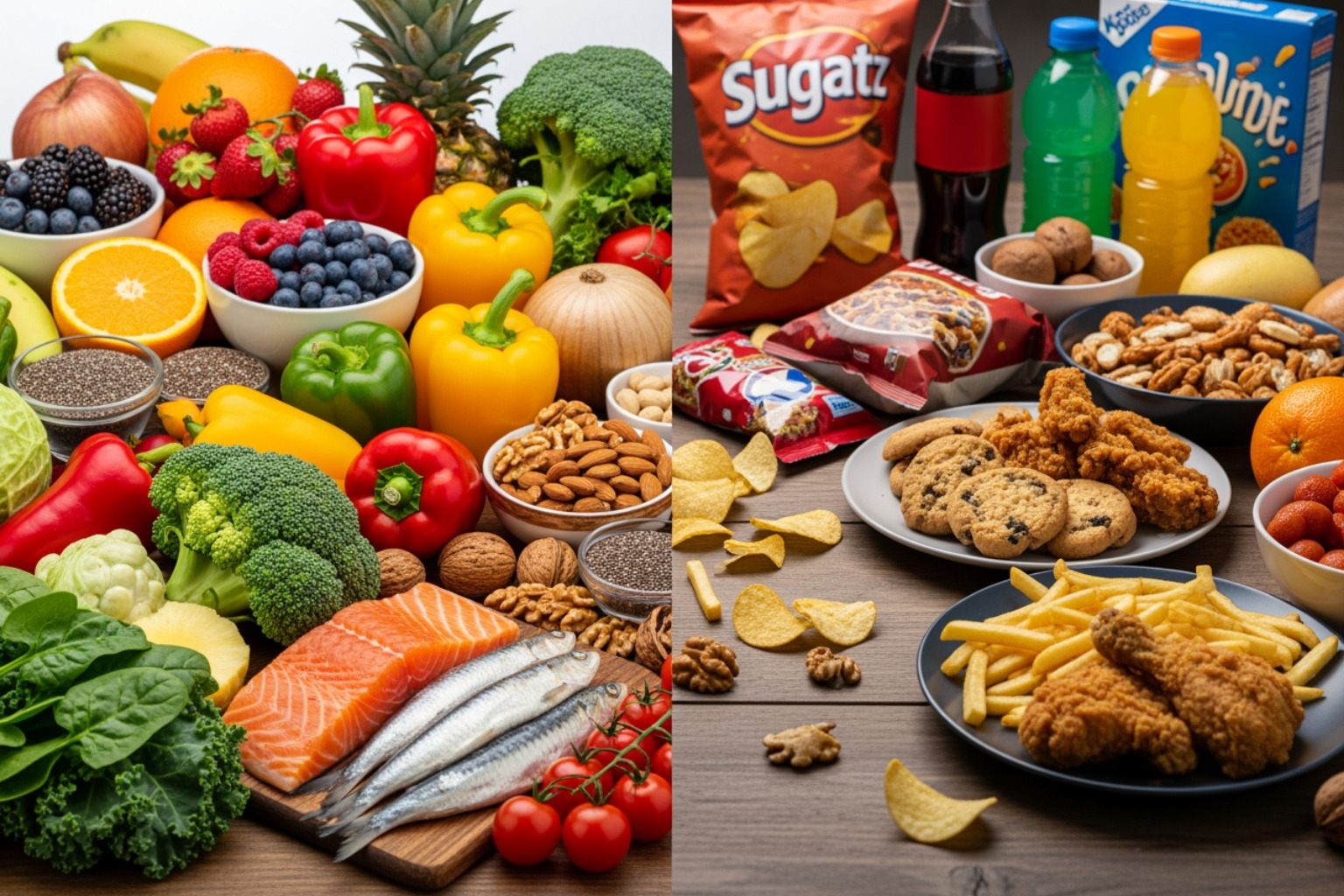
It's also crucial to become a savvy label reader. Many prepared foods contain hidden sugars, with many different aliases. Look out for terms like corn syrup, dextrose, fructose, glucose, high-fructose corn syrup, and sucrose. Similarly, "partially hydrogenated oils" are trans fats, which are highly inflammatory and should be avoided. By understanding what's in our food, we can make informed choices to support our anti-inflammatory goals.
Foods to Accept for an Anti-Inflammatory Diet
To effectively reduce inflammation, we should fill our plates with foods that actively fight it. Here are some of the stars of an anti-inflammatory diet:
- Fruits and Vegetables: These powerhouses are rich in antioxidants and polyphenols, compounds that protect our cells from damage. Aim for a rainbow of colors. Berries (strawberries, blueberries, cherries, oranges) are particularly potent, as are green leafy vegetables such as spinach, kale, chard, arugula, endive, turnip greens, beet greens, and collard greens. Great greens for inflammation offer a wealth of vitamins and nutrients.
- Fatty Fish: Salmon, mackerel, tuna, sardines, anchovies, and herring are excellent sources of omega-3 fatty acids, which actively disrupt the production of inflammatory chemicals in our bodies. We should aim for three to four ounces of fish twice a week.
- Nuts and Seeds: Walnuts, almonds, pine nuts, pistachios, flax seeds, chia seeds, and hemp seeds are packed with healthy fats, fiber, and vitamin B6, all of which contribute to lowering inflammation. A handful (about one and a half ounces) daily can make a difference.
- Healthy Fats: Extra virgin olive oil, avocado oil, and avocados themselves are staples in anti-inflammatory diets like the Mediterranean diet. They provide monounsaturated fats and polyphenols that help soothe inflammation.
- Whole Grains: Unlike refined grains, whole grains (brown rice, whole wheat, oats, quinoa) retain their fiber, which is essential for gut health. A healthy gut microbiome can significantly influence inflammation levels.
- Fiber: Fiber is crucial for our gut health and overall well-being. Most Americans only get about 50% of the recommended daily amount of fiber. We should aim for 25 grams per day for women and 38 grams per day for men. Both soluble and insoluble fiber play a role; insoluble fiber aids digestion, while soluble fiber helps stabilize blood sugar and lower cholesterol.
- Spices: Many spices are natural anti-inflammatory agents. Turmeric, with its active compound curcumin, is widely studied for its powerful effects. Combining it with black pepper improves its absorption. Ginger contains gingerol, a potent anti-inflammatory. Other beneficial spices include rosemary, cinnamon, cumin, and garlic. More on ginger's benefits and cinnamon benefits highlight their anti-inflammatory properties.
- Beverages: Green tea is rich in polyphenols and antioxidants, making it a fantastic anti-inflammatory drink. Coffee, in moderation, also contains anti-inflammatory compounds.
Foods to Minimize or Avoid
Just as important as what we eat is what we choose to limit or avoid when we're trying to reduce inflammation. These foods tend to fuel inflammatory pathways in our bodies:
- Refined Carbohydrates: White bread, pastries, white pasta, and other products made with refined flour can cause rapid spikes in blood sugar, promoting inflammation.
- Added Sugars: This is a major culprit. The Dietary Guidelines for Americans recommends limiting added sugars to less than 10% of total daily calories, but many people consume far more. Added sugars are found not just in obvious sweets but also hidden in many processed foods like salad dressings, condiments, and cereals.
- Sugary Drinks: Sodas, sweetened teas, fruit juices with added sugar, and energy drinks are concentrated sources of added sugar and contribute significantly to inflammation.
- Processed Meats and Red Meat: Processed meats (like bacon, sausage, deli meats) and excessive red meat consumption have been linked to higher levels of inflammation. We should opt for leaner protein sources like poultry, fish, and plant-based options.
- Fried Foods: French fries, fried chicken, and other deep-fried items are often cooked in unhealthy oils and contain compounds that promote inflammation.
- Unhealthy Fats: Margarine, shortening, lard, and oils high in omega-6 fatty acids (like soybean, safflower, and corn oils) can contribute to an imbalance in our body's fat profile, leading to increased inflammation. We should especially avoid anything with partially hydrogenated oils (trans fats).
- Ultra-Processed Foods: These foods, often high in unhealthy fats, sugars, and artificial ingredients, are a primary driver of low-grade chronic inflammation. Minimizing them can have a significant positive impact.
Key Lifestyle Adjustments for How to Reduce Inflammation
While diet is foundational, a holistic approach to how to reduce inflammation involves several key lifestyle adjustments. Consistency is key here; small, steady changes over time will yield the biggest impact.

The Role of Exercise in Cooling Inflammation
Exercise is a powerful anti-inflammatory tool. We don't need to become professional athletes to reap the benefits; just 20 minutes of moderate exercise can help prevent inflammation. Regular physical activity, such as brisk walking, swimming, or cycling, can regulate our immune system and have anti-inflammatory effects on white blood cells and chemical messengers called cytokines.
We all need at least 150 minutes of aerobic activity per week to stay healthy. This can be broken down into 30 minutes, five days a week. Starting with short walks and gradually increasing duration is a great way to build up.
Crucially, maintaining a healthy weight is intertwined with exercise. Excess fat in cells stimulates bodywide inflammation, so losing extra pounds reduces inflammation and our risk for weight-related conditions like heart disease and type 2 diabetes.
Prioritizing Sleep and Stress Management
Sleep is not just rest; it's a vital period for our body's repair and recovery, including regulating inflammation. We should aim for seven to nine hours of quality sleep per night. Even one night of disturbed sleep can spark inflammation and increase inflammatory substances in the blood. Poor sleep contributes to obesity, which, as we've discussed, is linked to inflammation. Investing in a comfortable mattress or creating a dark, cool sleep environment can significantly improve sleep quality.
Stress is another major contributor to inflammation. Chronic stress repeatedly triggers stress hormones like cortisol, which, over time, can lead to chronic inflammation. Managing stress is essential for fighting inflammation. Techniques like yoga, deep breathing, and mindfulness can help lower stress-related hormone cortisol levels, alleviating symptoms of inflammation and improving mood. Simple deep breathing exercises, performed for just a minute or two daily, can make a difference.
Finally, while enjoyable in moderation, alcohol can trigger inflammation. If we choose to drink, we should do so responsibly. The Centers for Disease Control and Prevention recommends one drink a day for women and two for men. Heavy alcohol consumption can damage tissues and organs, contributing to inflammation.
Targeted Solutions and Natural Approaches
While diet and lifestyle changes address systemic inflammation, sometimes we need targeted solutions, especially for localized aches and pains.
Specific Foods and How to Use Them for How to Reduce Inflammation
Let's dive a bit deeper into some specific food components that act as medicine for our bodies:
- Spices as Medicine: Turmeric, rich in curcumin, is a star anti-inflammatory. To maximize its benefits, we should combine it with a pinch of black pepper, which significantly improves curcumin absorption. Ginger, with its active compounds like gingerol, also offers potent anti-inflammatory effects and can be added to teas, stir-fries, or smoothies.
- Polyphenols in Green Tea: The powerful antioxidants in green tea, particularly epigallocatechin gallate (EGCG), are known for their anti-inflammatory properties. Making green tea a daily habit can be a simple yet effective strategy.
- Dark Chocolate Benefits: Good news for chocolate lovers! Dark chocolate (with high cocoa content) contains polyphenols and flavonols that can have anti-inflammatory effects. Of course, moderation is key, and we should choose varieties with minimal added sugar.
- Intermittent Fasting: Emerging research on fasting benefits suggests that periodic fasting offers anti-inflammatory benefits. One easy way to incorporate this is by limiting our eating window each day, for example, eating all meals within an 8-10 hour period.
Topical Solutions for Localized Aches
Sometimes, even with the best diet and lifestyle, we experience localized pain and discomfort from joint issues, muscle aches, or nerve pain. This is where targeted topical solutions can provide fast-acting relief without the systemic effects of oral medications.
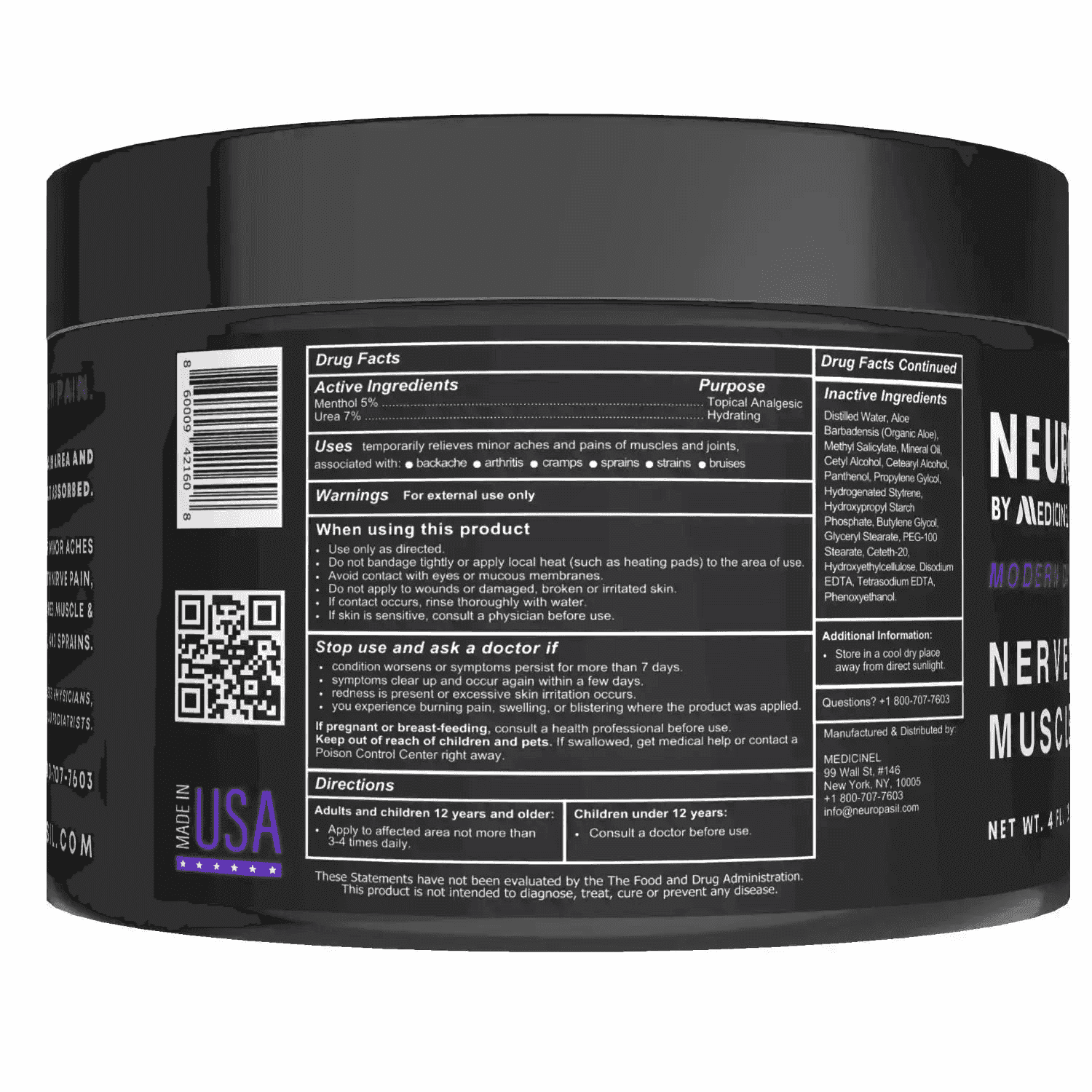
For conditions like arthritis, muscle strains, or nerve discomfort, applying a cream directly to the affected area can be incredibly soothing. Many topical anti-inflammatories use natural ingredients known for their pain-relieving and anti-inflammatory properties. For instance, menthol provides a cooling sensation that distracts from pain and can reduce localized inflammation. Aloe vera is known for its soothing and anti-inflammatory benefits, while urea can improve skin penetration of other active ingredients.
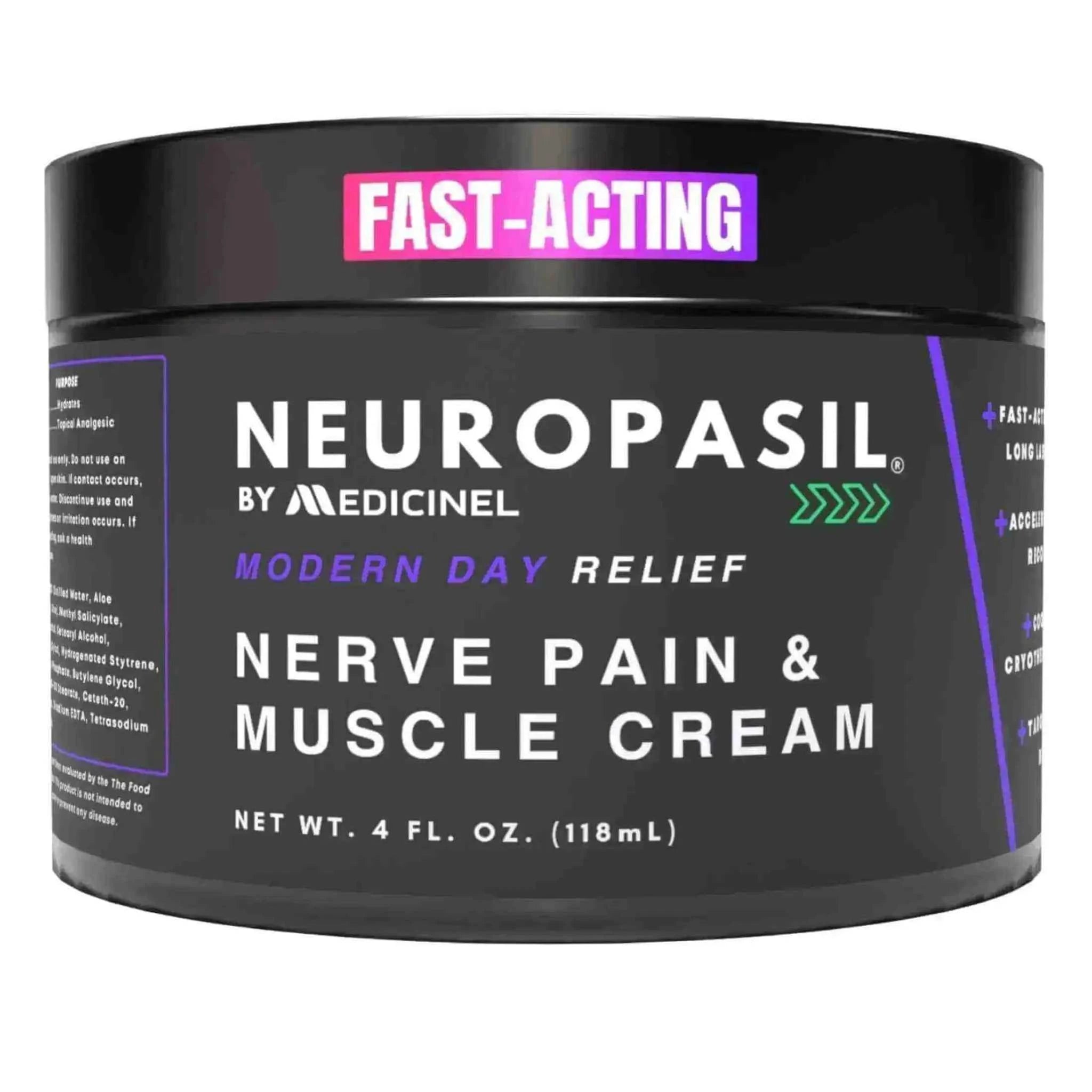
Our Neuropasil topical creams are specifically formulated with ingredients like menthol and aloe to offer targeted, soothing relief for various types of pain, from muscle soreness in athletes to chronic nerve discomfort. They are designed to rub away the ache directly where it hurts, providing a practical way to manage localized inflammation. If you're dealing with joint discomfort or muscle aches, exploring creams for arthritis or similar topical solutions can be beneficial. These products offer 7 practical ways to use natural anti-inflammatories by delivering active ingredients directly to the site of pain, bypassing the digestive system and offering quick comfort. Our internal blog post, Beyond the Pill: How Topical Anti-Inflammatories Soothe Your Aches, digs deeper into how these solutions work.
Frequently Asked Questions about Reducing Inflammation
What are the first signs of chronic inflammation?
Chronic inflammation can be sneaky, often presenting with subtle symptoms that we might attribute to other factors. Some common first signs include:
- Persistent Fatigue: Feeling constantly tired, even after adequate sleep.
- Joint Pain or Stiffness: Aches in joints that aren't necessarily related to injury.
- Skin Rashes or Issues: Conditions like eczema, psoriasis, or unexplained redness.
- Abdominal Pain or Digestive Issues: Persistent bloating, diarrhea, constipation, or acid reflux.
- Frequent Infections: A weakened immune system leading to recurring colds or other infections.
- Unexplained Weight Changes: Difficulty losing weight or sudden weight gain.
- Mood Disorders: Increased anxiety or depression.
If we experience several of these symptoms persistently, it might be a sign that chronic inflammation is at play, and it's worth discussing with a healthcare professional.
How quickly can I reduce inflammation through diet?
While there's no magic bullet, we can start to see initial changes in inflammation markers within days or weeks of adopting a consistent anti-inflammatory diet. Significant benefits, however, often unfold over several months. The key is consistency; a single healthy meal won't undo years of inflammatory eating, but a sustained pattern of anti-inflammatory choices will gradually shift our body's inflammatory response. The overall dietary pattern matters most. Small, sustainable changes are more effective than drastic, short-lived ones.
Can you test for inflammation?
Yes, there are blood tests that can indicate inflammation in the body. The most common markers are C-reactive protein (CRP) and erythrocyte sedimentation rate (ESR). Liftd levels of these can suggest inflammation.
However, testing for inflammation is not routinely recommended for everyone. It's often used in specific situations, such as to help diagnose certain conditions like temporal arteritis or to monitor how well treatment is controlling an inflammatory condition like Crohn's disease or rheumatoid arthritis. If we're concerned about chronic inflammation, the best approach is to consult a doctor. They can determine if testing is appropriate based on our symptoms and medical history.
Conclusion: Taking Control of Your Health
Understanding how to reduce inflammation is a powerful step towards a healthier, more vibrant life. We've seen that inflammation, while a vital protective mechanism, can become a silent threat when it turns chronic, contributing to many serious diseases.
The good news is that we have significant control over this process. By embracing a holistic approach that prioritizes an anti-inflammatory diet rich in fruits, vegetables, healthy fats, and lean proteins, we can make a profound difference. Coupling this with regular exercise, adequate sleep, and effective stress management techniques further strengthens our body's ability to keep inflammation in check.
These lifestyle adjustments aren't just about reducing inflammation; they're about fostering overall well-being, leading to improved energy, better mood, and a higher quality of life. Making these consistent, small changes can lead to long-term benefits that protect our health for years to come.
For targeted, fast-acting relief from localized pain and soreness, consider a natural topical cream like Neuropasil. Our creams are designed to help you manage discomfort directly, so you can continue to enjoy an active, anti-inflammatory lifestyle. Explore our pain relief solutions and take another step towards feeling your best.
References
- StatPearls. Chronic Inflammation. https://www.ncbi.nlm.nih.gov/books/NBK493173/
- Dimsdale, J. E., et al. (2016). "Effects of Experimental Sleep Restriction on Inflammatory Markers." Journal of Clinical Endocrinology & Metabolism.
- Harvard Health Publishing. (2021). "Foods that fight inflammation." https://www.health.harvard.edu/staying-healthy/foods-that-fight-inflammation
- Centers for Disease Control and Prevention. (2021). "Get the Facts: Added Sugars." https://www.cdc.gov/nutrition/data-statistics/added-sugars.html
- Pascoe, M. C., et al. (2017). "The effect of yoga on the neuro-endocrinology of stress." Stress and Health. https://pmc.ncbi.nlm.nih.gov/articles/PMC6700894/
- U.S. Department of Agriculture and U.S. Department of Health and Human Services. Dietary Guidelines for Americans, 2020-2025. https://www.dietaryguidelines.gov/
- World Health Organization. (2023). "Noncommunicable diseases."
- Grady Health. (n.d.). "9 Ways to Fight Inflammation." http://www.gradyhealth.org/blog/9-ways-to-fight-inflammation/
- WebMD. (n.d.). "Turmeric Benefits." https://www.webmd.com/diet/supplement-guide-turmeric
- Healthline. (n.d.). "10 Proven Benefits of Cinnamon." https://www.healthline.com/nutrition/10-proven-benefits-of-cinnamon
- Spice World Inc. (n.d.). "10 Health Benefits of Ginger." https://spiceworldinc.com/health/10-health-benefits-of-ginger/
- Cell. (2019). "Research suggests that periodic fasting offers anti-inflammatory benefits." https://www.cell.com/cell/fulltext/S0092-8674(19)30850-5
- Oldways Whole Grains Council. (n.d.). "Great Greens for Mediterranean." https://oldwayspt.org/blog/great-greens-mediterranean/
- NCBI. (2009). "Alcohol and inflammation." https://www.ncbi.nlm.nih.gov/pmc/articles/PMC2842521/#:~:text=Heavy%20alcohol%20consumption%20contributes%20to,gut%20microbiota%20and%20its%20products.
- PubMed. (2022). "Physical activity may help counter some types of inflammation." https://pubmed.ncbi.nlm.nih.gov/35631195/
- PubMed. (2022). "Excess fat in cells stimulates bodywide inflammation." https://pubmed.ncbi.nlm.nih.gov/36575472/
- Rare Diseases Info. (n.d.). "Giant Cell Arteritis (Temporal Arteritis)." https://rarediseases.info.nih.gov/diseases/9615/giant-cell-arteritis
- Cleveland Clinic. (n.d.). "Inflammation: What It Is, Symptoms, Causes, and Treatment." https://my.clevelandclinic.org/health/symptoms/21660-inflammation
- Heart & Stroke Foundation. (n.d.). "The anti-inflammatory diet: Foods to accept and minimize." https://www.heartandstroke.ca/articles/the-anti-inflammatory-diet
- UC Davis Health. (n.d.). "9 healthy eating tips that can help reduce inflammation." https://health.ucdavis.edu/blog/good-food/9-healthy-eating-tips-that-can-help-reduce-inflammation/2023/11
- Harvard Health Publishing. (n.d.). "An action plan to fight unhealthy inflammation." https://www.health.harvard.edu/blog/an-action-plan-to-fight-unhealthy-inflammation-202205052739
- Harvard Health Publishing. (n.d.). "Easy ways to keep inflammation in check." https://www.health.harvard.edu/staying-healthy/easy-ways-to-keep-inflammation-in-check
- Hopkins Medicine. (n.d.). "Anti Inflammatory Diet." https://www.hopkinsmedicine.org/health/wellness-and-prevention/anti-inflammatory-diet
- Harvard Health Publishing. (n.d.). "Inflammation: Understanding Its Role and How to Reduce It." https://www.health.harvard.edu/staying-healthy/understanding-inflammation
- Neuropasil. (n.d.). "7 Practical Ways to Use Natural Anti-Inflammatories." https://neuropasil.com/blogs/news/7-practical-ways-to-use-natural-anti-inflammatories
- Neuropasil. (n.d.). "Beyond the Pill: How Topical Anti-Inflammatories Soothe Your Aches." https://neuropasil.com/blogs/news/beyond-the-pill-how-topical-anti-inflammatories-soothe-your-aches-1
- Neuropasil. (n.d.). "Rub Away the Ache: Best Anti-Inflammatory Creams for Arthritis." https://neuropasil.com/blogs/news/rub-away-the-ache-best-anti-inflammatory-creams-for-arthritis
- Neuropasil. (n.d.). "Neuropasil Nerve Pain Relief Cream 4 Oz." https://neuropasil.com/products/neuropasil-nerve-pain-relief-cream-4-oz