Understanding What Puts Your Nerves at Risk
Millions of Americans experiencing numbness, tingling, or sharp, shooting pain ask, what causes nerve damage? The answer is complex, as nerve damage stems from many sources. Understanding them is the first step toward relief.
Common Causes of Nerve Damage:
- Diabetes - The leading cause, affecting up to 70% of people with diabetes (National Institute of Neurological Disorders and Stroke, 2023)
- Physical trauma - Injuries from accidents, falls, sports, or repetitive motions
- Autoimmune diseases - Conditions like lupus, rheumatoid arthritis, or Guillain-Barré syndrome
- Infections - Shingles, Lyme disease, HIV, and hepatitis C
- Toxins and alcohol - Heavy metals, excessive alcohol consumption
- Nutritional deficiencies - Lack of vitamins B12, B6, B1, or E
- Medications - Certain chemotherapy drugs and other treatments
- Compression - Pinched nerves from herniated discs or carpal tunnel syndrome
Over 20 million Americans live with peripheral nerve damage—damage to nerves outside the brain and spinal cord (National Institute of Neurological Disorders and Stroke, 2023). This condition can significantly impact your ability to work, exercise, sleep, and enjoy daily life.
Whether you're an athlete, managing a chronic condition like diabetes, or have noticed unexplained symptoms, this guide breaks down the complex causes of nerve damage into clear, actionable information.
I'm Tony Enrico. Through my work with Neuropasil, I've focused on understanding nerve damage causes and helping people find natural relief. My mission is to empower you with knowledge to take control of your nerve health and reclaim your quality of life.
This article provides educational information and is not a substitute for professional medical advice. Always consult your healthcare provider for diagnosis and treatment of nerve damage.
Glossary for what causes nerve damage:
Understanding Your Nerves and Recognizing the Signs
This section explains the basics of the nervous system and how to identify symptoms of damage, helping you understand what your body is telling you.
The Body's Electrical Wiring: Types of Nerves
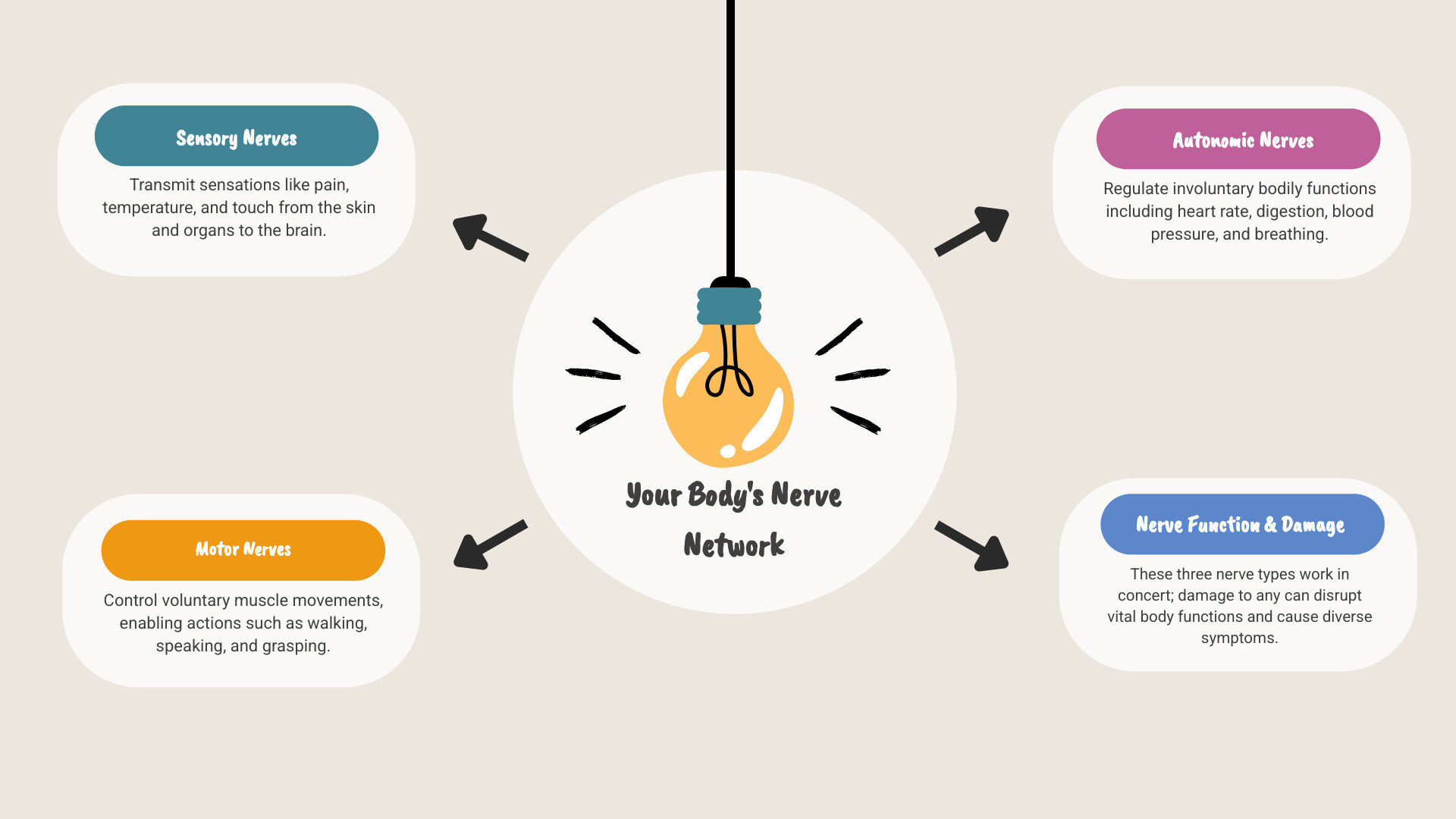
Our nervous system is the body's communication network. It has two main parts: the central nervous system (CNS)—the brain and spinal cord—and the peripheral nervous system (PNS), which includes all nerves branching out to the rest of the body. These peripheral nerves act as electrical wiring, transmitting messages between the brain and your limbs, organs, and muscles.
Within the peripheral nervous system, we have three main types of nerves:
- Sensory Nerves: Carry signals to your brain, allowing you to feel pain, temperature, and touch.
- Motor Nerves: Send signals from the brain to your muscles, controlling voluntary movements like walking and gripping.
- Autonomic Nerves: Manage involuntary functions we don't think about, such as heart rate, blood pressure, digestion, and breathing.
Understanding these nerve types is crucial because symptoms often depend on which nerves are affected. For a more in-depth look, check out The Complete Guide to Neuropathy Basics.
Symptoms of Nerve Damage by Nerve Type
Nerve damage (neuropathy) manifests differently depending on the nerve type affected.
-
Sensory Nerve Symptoms: When sensory nerves are damaged, you might experience:
- Sharp, shooting, burning, or stabbing pain.
- Numbness or a reduced ability to feel pain, temperature, or touch.
- Tingling or "pins and needles" sensations (paresthesia).
- Extreme sensitivity to touch (allodynia).
- A feeling of wearing gloves or socks when you aren't.
-
Motor Nerve Symptoms: Damage to motor nerves impacts muscles and movement, leading to:
- Muscle weakness, making daily tasks difficult.
- Painful cramps or muscle twitching.
- Muscle atrophy (wasting away).
- Poor balance and coordination.
- Loss of reflexes.
-
Autonomic Nerve Symptoms: Since these nerves control involuntary functions, damage can cause internal issues:
- Dizziness upon standing (orthostatic hypotension).
- Digestive problems like constipation or diarrhea.
- Abnormal sweating.
- Bladder control issues.
- Sexual dysfunction.
- Irregular heart rate.
It's common for nerve damage to affect multiple nerve types, leading to a mix of symptoms. Early recognition is key. Learn more in our guide: 7 Ways to Identify Nerve Damage Symptoms.
Nerve Pain vs. Muscle Pain: How to Tell the Difference
It can be hard to distinguish nerve pain from muscle pain. Knowing the difference helps you describe your symptoms to a doctor. Muscle pain is typically a dull, aching, or sore feeling from overuse, tension, or injury. Nerve pain (neuropathic pain) is different and often described as stabbing, shooting, burning, or electric-like.
Here's a quick comparison:
| Feature | Nerve Pain | Muscle Pain |
|---|---|---|
| Sensation | Sharp, shooting, burning, electric-like, tingling | Dull, aching, sore, throbbing, crampy |
| Triggers | Nerve compression, damage, disease, light touch | Overuse, strain, injury, tension, stress |
| Location | Often follows nerve pathways, can be widespread | Localized to specific muscle groups |
| Associated Symptoms | Numbness, weakness, hypersensitivity, balance issues | Stiffness, knots, limited range of motion |
| Relief Methods | Specific nerve medications, topical creams (like Neuropasil), addressing underlying cause | Rest, massage, heat/cold, OTC pain relievers, stretching |
If you're experiencing muscle pain alongside nerve symptoms, we offer Fast Acting Relief for Neuropathy Muscle Pain that can help.
Neuralgia vs. Neuropathic Pain
Though often used interchangeably, "neuralgia" and "neuropathic pain" are different.
Neuralgia means "nerve pain" and refers to sharp, sudden pain along a nerve's path, typically from irritation or inflammation, not necessarily damage. Trigeminal neuralgia is a classic example. You can find more Information on Neuralgia.
Neuropathic pain is a broader term for chronic pain caused by actual damage or disease affecting the nervous system. The damaged nerves send incorrect pain signals (burning, tingling, shooting) to the brain. In short, the key difference is nerve damage (neuropathic pain) versus nerve irritation (neuralgia).
What Causes Nerve Damage? A Comprehensive Breakdown
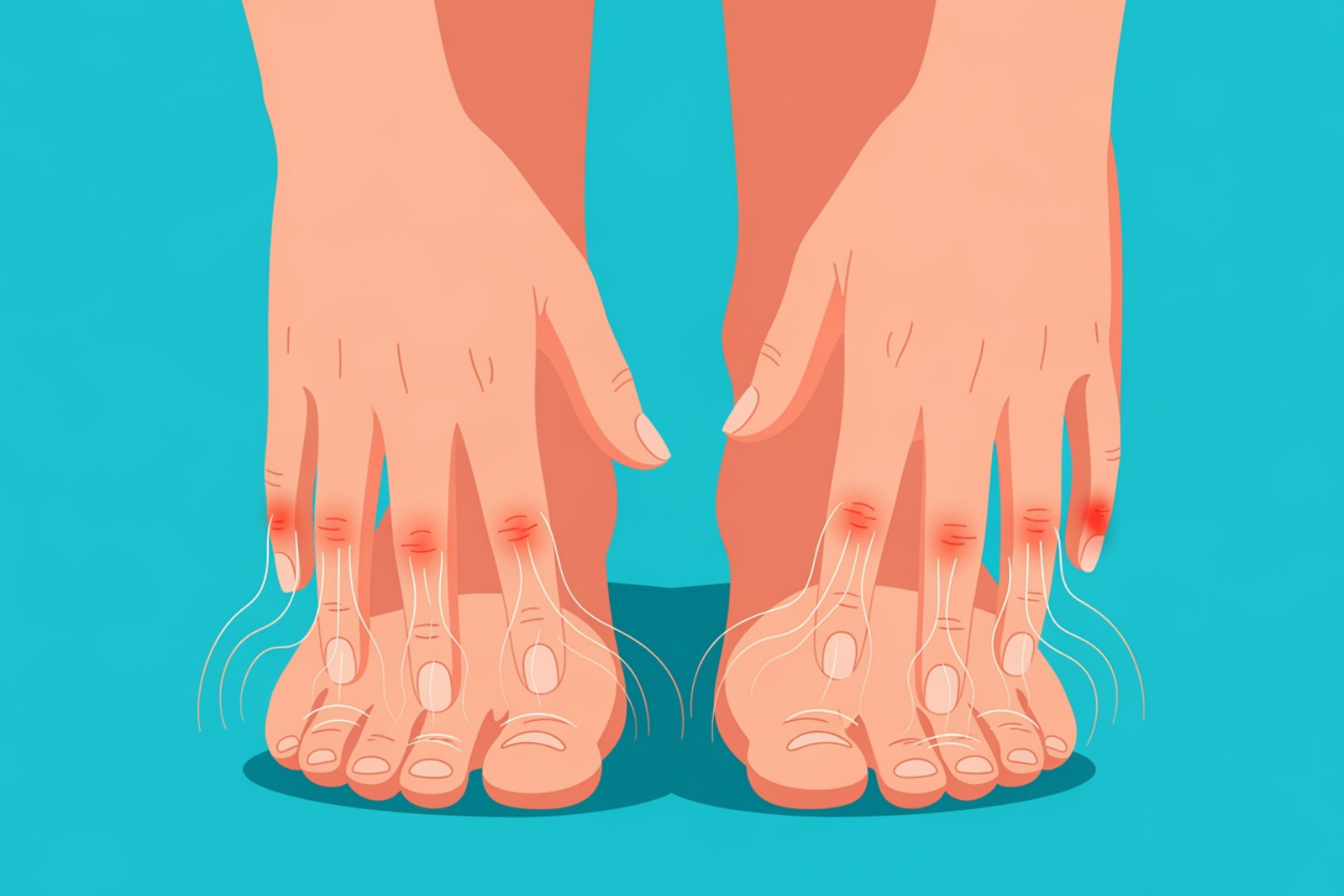
Nerve damage, or neuropathy, is a consequence of various underlying issues. Understanding the root cause is the first step toward effective management.
How Diabetes and Other Medical Conditions Cause Nerve Damage
When we talk about what causes nerve damage, several medical conditions are primary culprits.
- Diabetes: High blood sugar is the leading cause of neuropathy. It damages the small blood vessels that supply nerves with oxygen and nutrients. Up to 70% of people with diabetes have some form of nerve damage (National Institute of Neurological Disorders and Stroke, 2023), and it accounts for about 30% of all peripheral neuropathy cases (Cleveland Clinic, 2022). Strict blood sugar control is crucial for prevention. Learn more in Diabetic Neuropathy Explained: Navigating Nerve Pain with Diabetes.
- Autoimmune Diseases: In these conditions, the immune system mistakenly attacks nerves. Examples include Lupus, Rheumatoid Arthritis (RA), and Guillain-Barré Syndrome.
- Kidney and Liver Disease: When these organs fail, toxins build up in the blood and can poison nerves.
- Hormonal Imbalances: Conditions like hypothyroidism (underactive thyroid) can disrupt metabolism and lead to fluid retention that compresses nerves.
Physical Trauma and Compression as a Cause of Nerve Damage
Physical stress is a common answer to what causes nerve damage.
- Traumatic Injuries: Accidents, falls, and sports injuries can stretch, crush, or sever nerves.
- Repetitive Stress: Repeated motions can lead to conditions like Carpal Tunnel Syndrome, where the median nerve in the wrist is compressed, causing numbness and weakness.
- Pinched Nerves: Pressure from surrounding tissues like herniated discs or bone spurs can compress a nerve, a common cause of sciatica. We explore ways to alleviate this in Freedom from the Squeeze: How to Relieve a Pinched Nerve. For more on these injuries, the Mayo Clinic provides excellent information on Peripheral nerve injuries explained by Mayo Clinic.
What are the Environmental and Lifestyle Causes of Nerve Damage?
Our habits and environment can also be factors in what causes nerve damage.
- Toxins: Exposure to heavy metals (lead, mercury) and industrial chemicals can be toxic to nerves.
- Alcoholism: Excessive alcohol use is a direct toxin to nerves and leads to nutritional deficiencies vital for nerve health. Up to 50% of chronic alcohol users develop neuropathy (Foundation for Peripheral Neuropathy, n.d.).
- Drug Side Effects: Certain medications, especially some chemotherapy and HIV/AIDS drugs, can cause nerve damage.
- Nutritional Deficiencies: A lack of essential vitamins and minerals, particularly vitamins B12, B6, B1, E, and copper, can impair nerve function. Excessive B6 can also be toxic.
For a comprehensive list of contributing factors, our A-Z Guide to Neuropathy Causes offers more details.
Infections and Other Disease-Related Causes
Various infections and neurological diseases can also be answers to what causes nerve damage.
-
Infectious Diseases: Some pathogens attack nerves directly or trigger a damaging immune response. These include:
- Shingles (Varicella-Zoster Virus): Can reactivate to cause painful nerve inflammation (post-herpetic neuralgia).
- Lyme Disease: A bacterial infection from ticks that can lead to nerve pain and numbness.
- HIV/AIDS, Hepatitis B and C: These viruses can cause peripheral neuropathy.
- Cancers and Tumors: Can cause nerve damage by direct compression, through immune responses (paraneoplastic syndromes), or as a side effect of radiation therapy.
-
Motor Neuron Diseases: Progressive disorders that destroy motor neurons.
- Amyotrophic Lateral Sclerosis (ALS): A fatal disease that causes progressive muscle weakness and paralysis as motor nerves degenerate.
For a more comprehensive look at peripheral neuropathy, we recommend visiting the National Institute of Neurological Disorders and Stroke (NINDS).
From Diagnosis to Treatment: Your Path to Relief
Identifying the cause of nerve damage is a puzzle that requires a thorough medical evaluation. Once diagnosed, a multi-faceted treatment plan can help manage symptoms and improve your quality of life.
How Doctors Diagnose Nerve Damage
To determine what causes nerve damage in your case, a doctor will conduct a thorough evaluation, which may include:
- Medical History and Physical Exam: Reviewing your symptoms, lifestyle, and medical history, plus testing reflexes, muscle strength, and sensation.
- Blood Tests: To check for diabetes, vitamin deficiencies, autoimmune diseases, or other underlying conditions.
- Nerve Conduction Velocity (NCV) Test: Measures the speed of electrical signals in your nerves.
- Electromyography (EMG): Assesses the electrical activity in your muscles to see how they respond to nerve signals.
- Nerve Biopsy: In some cases, a small nerve sample is examined to identify the type of damage.
- Imaging Tests: MRI or CT scans can reveal structural issues like herniated discs or tumors.
If you're experiencing symptoms, seeking professional help is crucial. You can use resources like Find a Neurologist to locate specialists.
Medical Approaches for Nerve Pain and Damage
Treatment focuses on addressing the underlying cause and managing symptoms.
- Treating the Underlying Cause: This is the most effective approach. It may involve controlling blood sugar for diabetes, using immunosuppressants for autoimmune diseases, correcting nutritional deficiencies, or adjusting medications.
-
Medications for Symptom Relief: These can improve quality of life by managing pain.
- Over-the-Counter (OTC) Pain Relievers: NSAIDs like ibuprofen may help with mild pain but are often less effective for neuropathic pain.
- Prescription Medications: Doctors often prescribe certain antidepressants (like amitriptyline or desipramine) and anti-seizure drugs (like gabapentin or pregabalin) that calm overactive nerve signals.
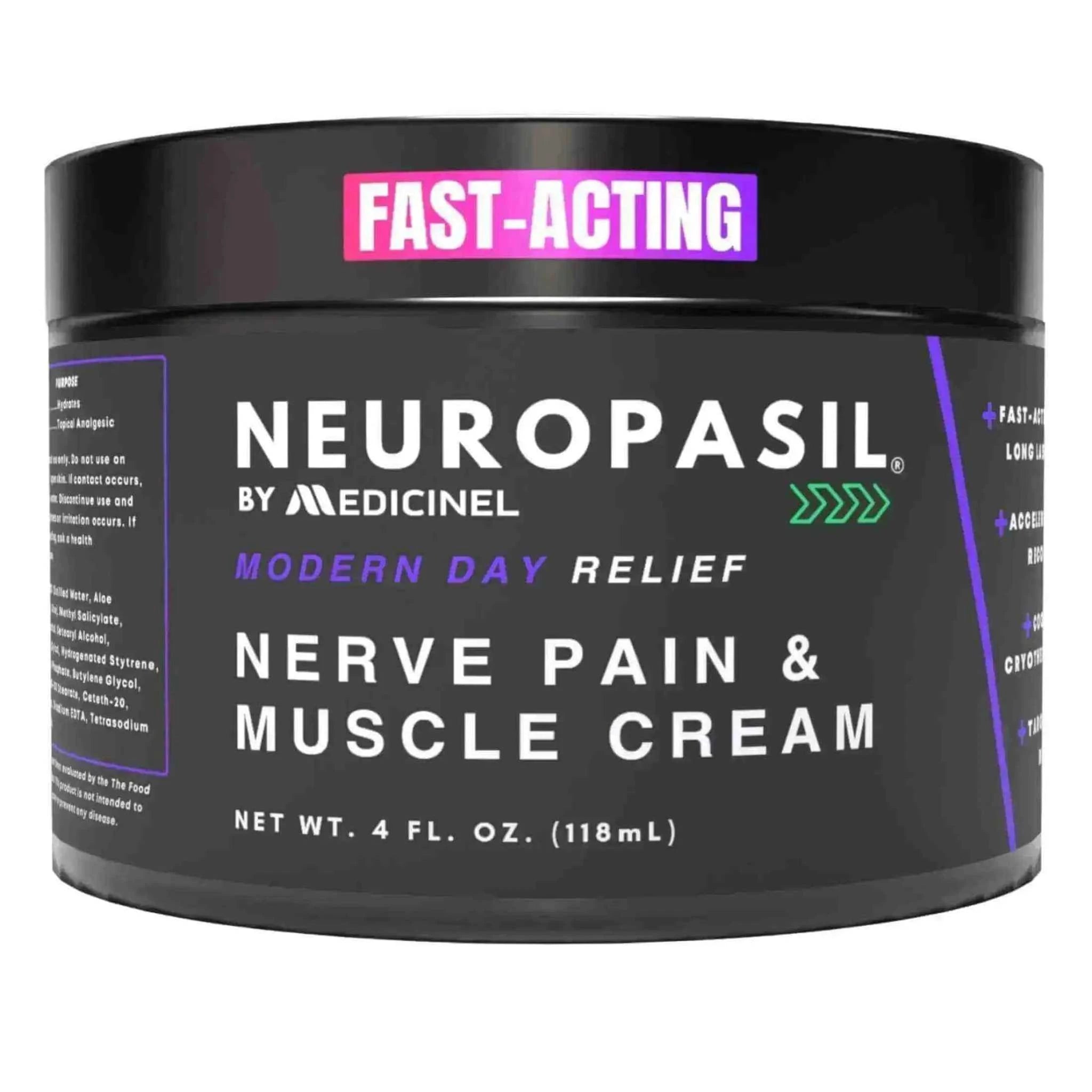
- Topical Solutions: Creams and patches provide targeted relief. Our Neuropasil nerve pain relief cream, for instance, delivers soothing ingredients directly to the affected area. To understand these options, read Do Prescription Nerve Pain Creams Work? The Truth About Topical Neuropathy Treatments.
Therapies and Advanced Options
Beyond medication, other therapies can improve function and manage pain.
- Physical Therapy: A cornerstone of recovery, PT helps improve strength, balance, and mobility.
- Occupational Therapy: Teaches you how to adapt daily tasks and use assistive devices to maintain independence.
- Transcutaneous Electrical Nerve Stimulation (TENS): A device that uses mild electrical currents to reduce pain signals. Use under medical guidance.
- Surgical Options: Surgery may relieve pressure on a nerve in cases of compression, like severe carpal tunnel syndrome. It is not a solution for all types of nerve damage.
- Pain Management Services: Specialists can offer advanced treatments like nerve blocks for chronic, severe pain. You can explore general information on pain services to understand available options.
Lifestyle Strategies for Managing and Preventing Nerve Damage
Medical treatment is crucial, but your daily habits play a powerful role in preventing further damage and managing symptoms.
Can Nerve Damage Be Prevented?
While not all nerve damage is preventable, a healthy lifestyle can significantly reduce your risk.
- Manage Blood Sugar: For diabetics, this is the most critical step to prevent or slow neuropathy.
- Eat a Healthy Diet: A balanced diet rich in fruits, vegetables, and lean protein provides essential vitamins (B1, B6, B12, E) and minerals for nerve health.
- Exercise Regularly: Aim for 30 minutes of moderate exercise most days to improve circulation and support nerve health. Consult your doctor first.
- Limit Alcohol: Avoid excessive alcohol to prevent toxic nerve damage.
- Avoid Toxins: Be mindful of environmental chemicals and use protective gear when needed.
- Wear Proper Footwear: Protective, well-fitting shoes can prevent injuries, especially if you have reduced sensation.
- Get Regular Check-ups: Early detection and management of underlying conditions is key.
Home Remedies and Self-Care for Nerve Pain
Several home remedies can provide comfort for nerve pain.
- Warm Baths: Soaking in a warm bath can improve circulation and ease discomfort. (Test water temperature first if you have reduced sensation).
- Gentle Stretching and Yoga: These can improve flexibility and blood flow, potentially alleviating pain.
- Meticulous Foot Care: This is vital for those with nerve damage in their feet. Check your feet daily for injuries, wash and dry them thoroughly, moisturize, and always wear protective shoes.
- Ergonomic Adjustments: Modify your workspace to reduce repetitive stress on nerves.
For more clever ways to find relief, explore our 5 Genius Hacks We Use to Find Neuropathy Relief.
Complementary and Topical Solutions for Relief
Complementary therapies can also help manage nerve pain, often alongside conventional treatments.
- Acupuncture: Some studies suggest this traditional practice can reduce neuropathic pain by stimulating blood flow and releasing natural pain relievers.
- Biofeedback and Meditation: These mind-body techniques can help you cope with chronic pain by reducing stress and managing your body's response.
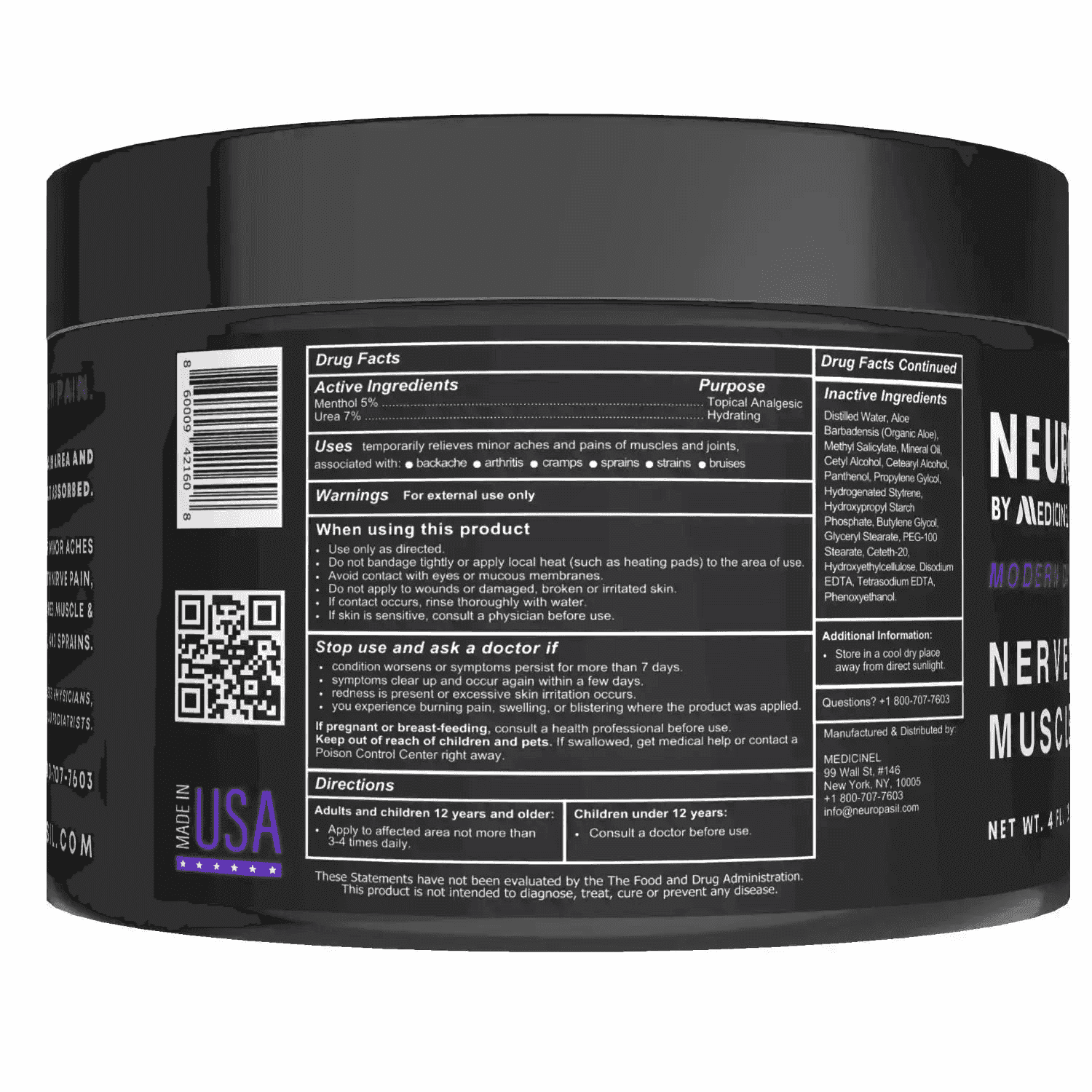
- Topical Creams for Localized Relief: Creams deliver active ingredients directly to the painful area. Neuropasil nerve pain relief cream is formulated with ingredients like Menthol, Aloe Vera, Urea, Arnica, and MSM to provide targeted, soothing comfort. Our customers use Neuropasil for a wide range of conditions, including neuropathy, sciatica, fibromyalgia, and muscle soreness from athletic activity. To understand more, read Everything You Need to Know About Neuropathy Cream.
Frequently Asked Questions about Nerve Damage Causes
Can nerve damage be reversed?
This depends on the cause and severity. Peripheral nerves (outside the brain and spinal cord) can regenerate, especially if the underlying cause (like a vitamin deficiency or compression) is treated early. However, healing is slow, taking months or years, and may not be complete. Damage to the central nervous system is generally permanent.
What vitamin is best for nerve damage?
Several vitamins are crucial for nerve health, especially B vitamins.
- Vitamin B12: Vital for maintaining the protective nerve sheath (myelin).
- Vitamin B1 (Thiamine): Essential for nerve cell energy.
- Vitamin B6: Important, but too much can also be toxic to nerves, so balance is key.
- Vitamin E & Alpha-lipoic acid: These antioxidants help protect nerves from damage. Always consult a doctor before taking supplements, as incorrect dosages can be harmful or interact with medications.
How long does it take for a damaged nerve to heal?
Nerve healing is very slow. Peripheral nerves regenerate at about one inch per month (Mayo Clinic, n.d.), meaning recovery can take months or years, depending on the injury's location. Age, health, and injury severity also affect the timeline. Full recovery is not always possible, and some residual symptoms may persist.
Conclusion: Taking Control of Your Nerve Health
Understanding what causes nerve damage—from systemic diseases like diabetes to physical injuries and lifestyle factors—is the first step toward taking control. Nerve damage can be a complex and challenging condition, but with knowledge, proactive management, and appropriate care, we can significantly improve our quality of life.
Early diagnosis, consistent management of underlying conditions, and a holistic approach to treatment and self-care are essential for protecting our nerves and alleviating discomfort. Whether through medical interventions, physical therapies, lifestyle adjustments, or targeted topical solutions like Neuropasil nerve pain relief cream, there are many avenues to explore for relief.
We encourage you to be an active participant in your nerve health journey. Stay informed, consult with your healthcare providers, and don't hesitate to seek out solutions that work for you.
Explore more articles on neuropathy and find how Neuropasil can support your path to comfort. If you're ready to experience targeted relief, Shop for nerve pain relief cream.
References
- Better Health Channel. (n.d.). Neuralgia. Retrieved from https://www.betterhealth.vic.gov.au/health/conditionsandtreatments/neuralgia
- Cleveland Clinic. (2022). Neuropathic Pain. Retrieved from https://my.clevelandclinic.org/health/diseases/14737-neuropathic-pain
- Foundation for Peripheral Neuropathy. (n.d.). Alcoholic Neuropathy. Retrieved from https://www.foundationforpn.org/what-is-peripheral-neuropathy/causes/alcoholism/
- Mayo Clinic. (2023). Peripheral neuropathy. Retrieved from https://www.mayoclinic.org/diseases-conditions/peripheral-neuropathy/symptoms-causes/syc-20352061
- Mayo Clinic. (n.d.). Peripheral nerve injuries - Symptoms and causes. Retrieved from https://www.mayoclinic.org/diseases-conditions/peripheral-nerve-injuries/symptoms-causes/syc-20355631
- National Institute of Diabetes and Digestive and Kidney Diseases. (2018). Diabetic Neuropathy. Retrieved from https://www.niddk.nih.gov/health-information/diabetes/overview/preventing-problems/nerve-damage-diabetic-neuropathies
- National Institute of Neurological Disorders and Stroke. (2023). Peripheral Neuropathy. Retrieved from https://www.ninds.nih.gov/health-information/disorders/peripheral-neuropathy
- Pain Australia. (n.d.). Pain services directory. Retrieved from https://www.painaustralia.org.au/pain-services-directory/pain-directory-2021
- UpToDate. (n.d.). Amitriptyline drug information. Retrieved from https://www.uptodate.com/contents/amitriptyline-drug-information?source=see_link
- UpToDate. (n.d.). Desipramine drug information. Retrieved from https://www.uptodate.com/contents/desipramine-drug-information?source=see_link
- WebMD. (n.d.). Find a Neurologist. Retrieved from https://doctor.webmd.com/providers/specialty/neurology