Why Understanding What Has Neuropathy Caused Matters
Neuropathy caused by nerve damage affects millions of people worldwide, and knowing what triggers it is your first step toward relief. Whether you're an athlete dealing with unexplained tingling in your feet or someone experiencing persistent burning pain in your hands, understanding the root cause can change everything.
Quick Answer: What Causes Neuropathy?
The most common causes of neuropathy include:
- Diabetes - High blood sugar damages nerves over time (affects 60-70% of diabetics)
- Alcohol abuse - Direct toxic effects on nerve tissue (up to 66% of chronic users)
- Vitamin deficiencies - Especially B12, B1, B6, and E
- Infections - HIV, Lyme disease, shingles, hepatitis C
- Autoimmune diseases - Lupus, rheumatoid arthritis, Sjögren's syndrome
- Physical injury - Trauma, repetitive motion, nerve compression
- Medications - Chemotherapy drugs, certain antibiotics
- Toxins - Heavy metals, industrial chemicals
- Inherited conditions - Charcot-Marie-Tooth disease
About 2.4% of people globally have peripheral neuropathy, rising to 5-7% for those over 45. In the UK, nearly 1 in 10 people over 55 are affected.
Understanding what has neuropathy caused in your body helps you and your doctor create an effective treatment plan. The earlier you identify the cause, the better your chances of preventing further nerve damage and finding relief.
I'm Tony Enrico, and I've dedicated my career to helping people understand and manage nerve pain. Through extensive research into what has neuropathy caused in countless patients, I created Neuropasil to provide fast, natural relief while you address the underlying condition.
Important neuropathy caused terms:
The Telltale Signs: Recognizing Neuropathy Symptoms
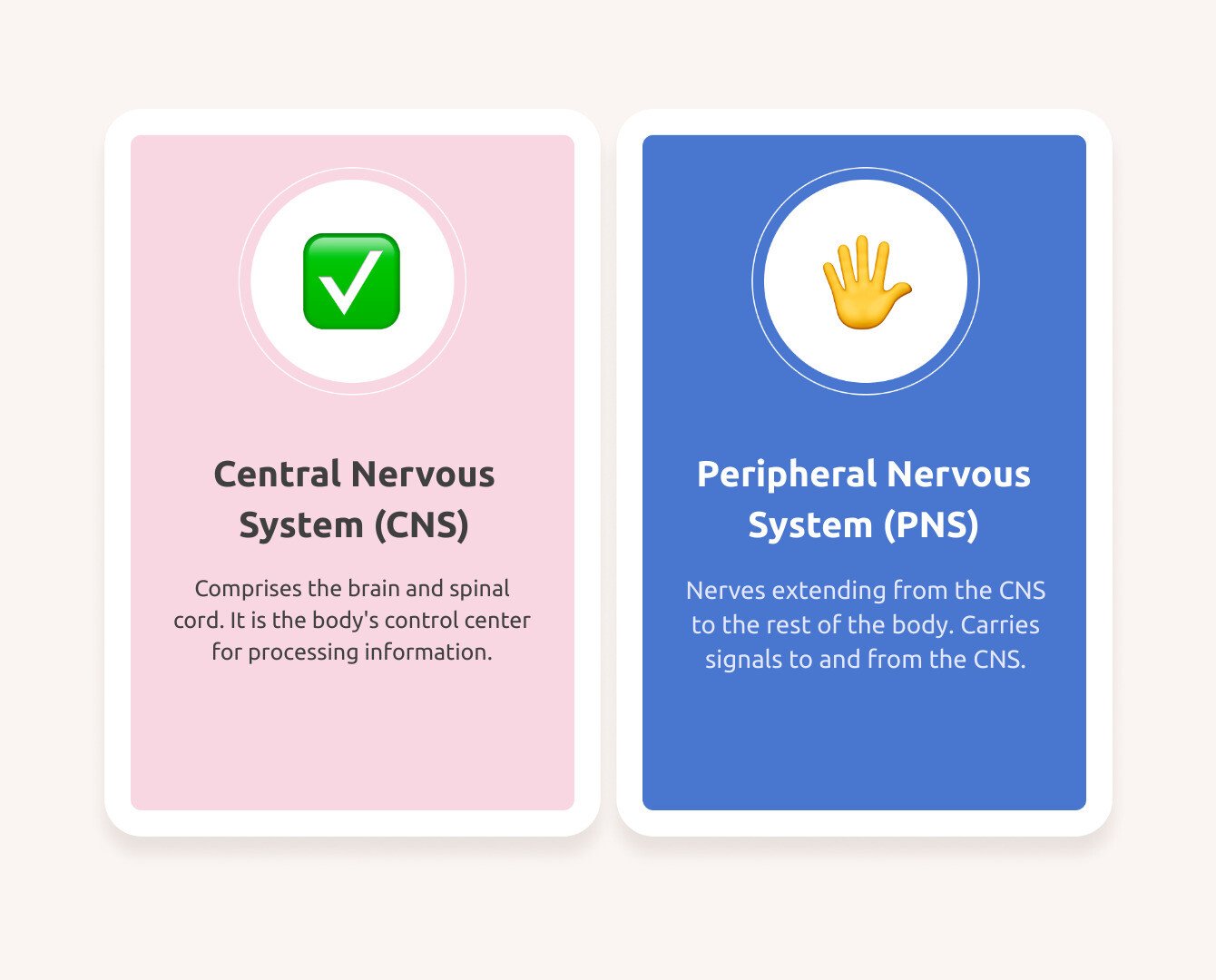
Imagine your body's communication network suddenly starts to falter. That's essentially what happens with peripheral neuropathy. Our peripheral nerves are the vital messengers carrying signals between our brain and spinal cord (the central nervous system) and every other part of our body – our muscles, skin, and internal organs. When these nerves are damaged, the messages get scrambled, leading to a wide array of symptoms.
Symptoms can vary wildly depending on which type of nerve is affected:
-
Sensory Nerve Symptoms: These nerves transmit sensations like touch, pain, temperature, and vibration. When they're damaged, you might experience:
- Numbness and tingling: Often described as "pins and needles," this usually starts in the feet and hands and can spread upwards, giving a "gloves and socks" sensation.
- Burning pain: A persistent, often intense, burning feeling.
- Sharp, jabbing, throbbing, or electric shock-like pain: These can be sudden and severe.
- Extreme sensitivity to touch: Even the lightest touch, like bedsheets, can cause excruciating pain (a condition known as allodynia).
- Loss of feeling: You might not notice hot or cold temperatures, or cuts and sores on your feet.
-
Motor Nerve Symptoms: These nerves control muscle movement. Damage here can lead to:
- Muscle weakness: Making everyday tasks difficult.
- Loss of coordination and balance issues: Increasing your risk of falls.
- Muscle cramping or twitching.
- Difficulty walking or moving limbs.
-
Autonomic Nerve Symptoms: These nerves regulate involuntary bodily functions like heart rate, blood pressure, digestion, and sweating. If they're affected, you could experience:
- Sweating abnormalities: Excessive sweating or an inability to sweat.
- Blood pressure drops: Leading to dizziness or lightheadedness when standing up.
- Digestive problems: Nausea, vomiting, diarrhea, or constipation.
- Bladder or bowel control issues.
- Sexual dysfunction.
These symptoms can be constant or come and go, and they often worsen at night, significantly impacting sleep quality and overall well-being. Recognizing these signs early is crucial for effective management.
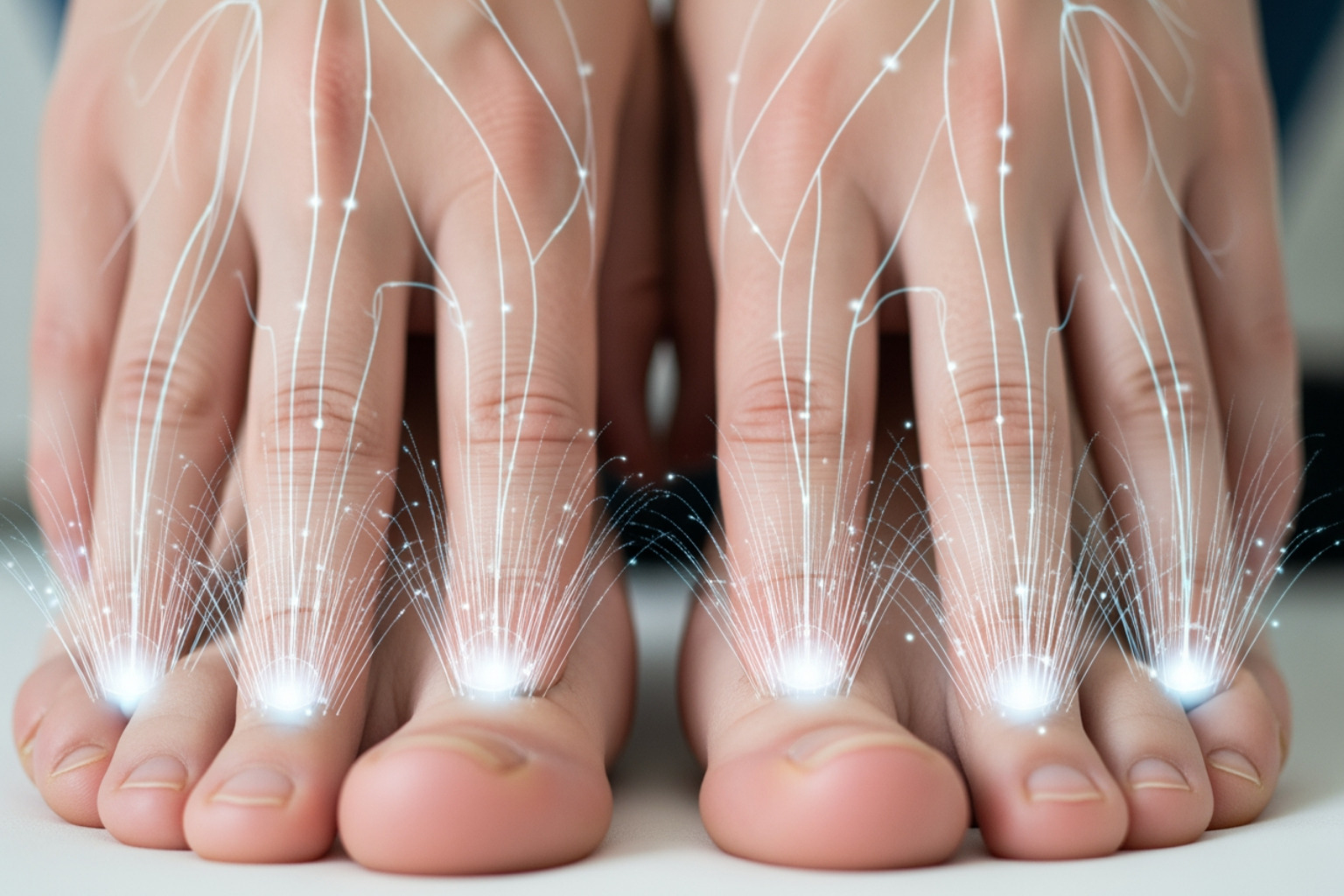
If you're experiencing any of these telltale signs, especially unusual tingling, weakness, or pain in your hands or feet, it's important to seek medical advice. Early diagnosis and treatment offer the best chance for controlling symptoms and preventing further nerve damage. To dive deeper into how to identify these symptoms, you can Learn how to spot nerve damage symptoms.
How Neuropathy Affects the Body at a Cellular Level
To truly grasp how neuropathy caused by various conditions impacts us, we need to zoom in on the fundamental units of our nervous system: the neurons. Think of neurons as tiny electrical wires, each with a specific job. A neuron has three main parts:
- Cell body: The main command center.
- Dendrites: Branch-like structures that receive signals.
- Axon: A long, slender projection that transmits signals away from the cell body to other neurons or muscles.
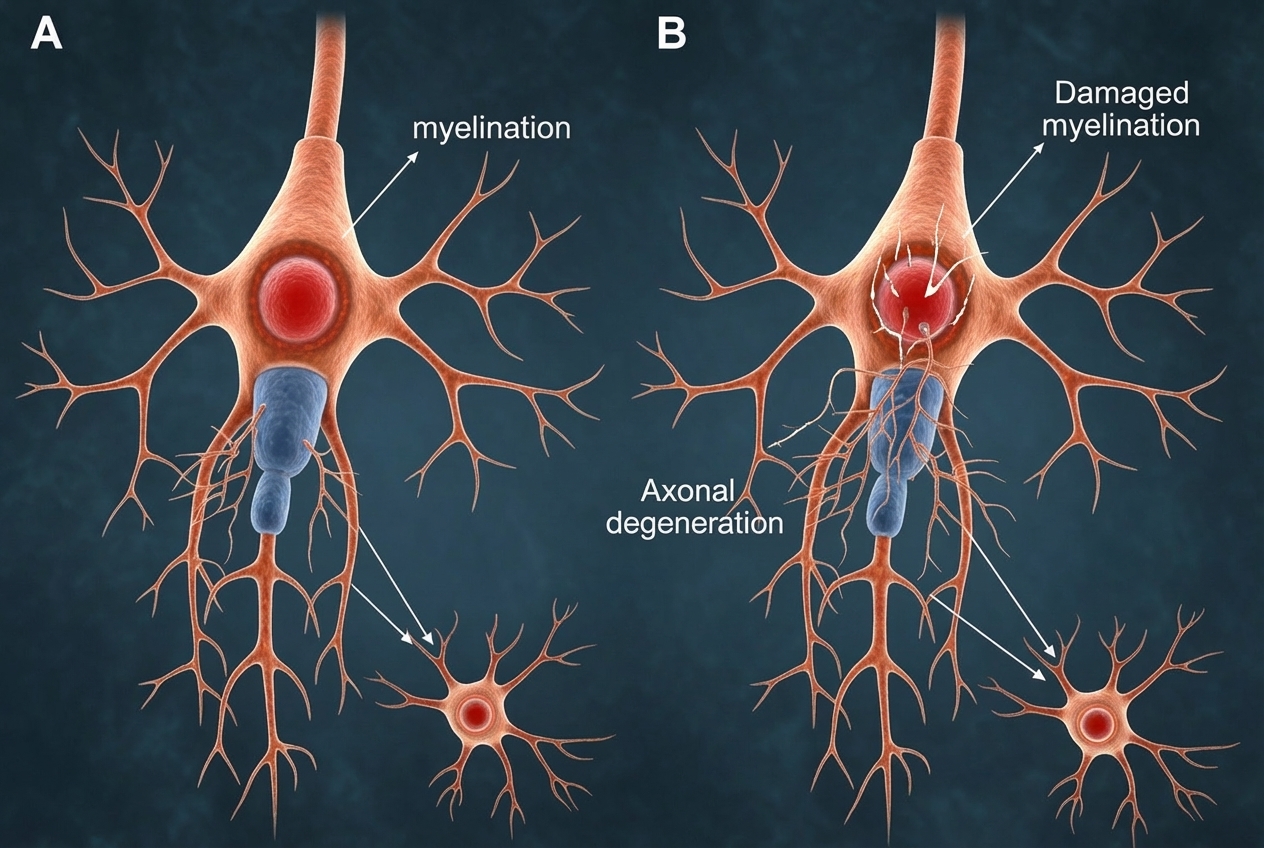
Many axons are wrapped in a protective layer called the myelin sheath. This sheath acts like the insulation around an electrical cord, allowing signals to travel quickly and efficiently.
When neuropathy strikes, it primarily damages the axon or the myelin sheath, disrupting this intricate communication. There are two main ways this cellular damage occurs:
Axonal Degeneration: This is the most common pattern of peripheral neuropathy. Here, the axon itself deteriorates and eventually dies off. Because peripheral nerves can be quite long (imagine a nerve running from your spine all the way to your big toe!), the farthest parts of the axons are often affected first. This is sometimes called the "dying-back phenomenon," where the damage progresses from the nerve's furthest point back towards the cell body. When an axon is injured or cut, the part of the axon distal to the injury site degenerates in a process called Wallerian degeneration. This prevents signals from reaching their destination.
Demyelination: In this type of damage, the myelin sheath that insulates the axon is attacked and deteriorates, while the axon itself remains largely intact. Without this insulation, nerve signals slow down, become distorted, or fail to transmit altogether. This can be compared to an uninsulated electrical wire that shorts out. This is often seen in inflammatory or immune-mediated neuropathies.
The consequence of either axonal degeneration or demyelination is a disruption in nerve signal transmission. Signals that should be sent aren't, signals are sent when they shouldn't be, or messages are altered and distorted. This cellular breakdown is the fundamental reason behind the pain, numbness, weakness, and other symptoms we experience with neuropathy. Understanding this cellular impact helps us appreciate why symptoms often start in the extremities and why different types of neuropathy manifest uniquely.
The Main Culprits: What Has Neuropathy Caused?
The list of conditions that have neuropathy caused is extensive, highlighting the complex and varied nature of this disorder. From chronic diseases to environmental exposures, numerous factors can lead to nerve damage. Let's break down the primary culprits.
Systemic Diseases: When a Health Condition Has Neuropathy Caused
Many chronic health conditions can lead to nerve damage as a complication, making them significant contributors to neuropathy caused cases.
Diabetes: This is by far the leading cause of peripheral neuropathy in the United States. High blood sugar levels, over time, damage the tiny blood vessels that supply nerves with oxygen and nutrients. This deprivation, combined with inflammation and oxidative stress, leads to nerve dysfunction and degeneration. About 60-70% of people with diabetes will develop some form of nerve damage, ranging from mild to severe, affecting sensory, motor, and autonomic nerves. Up to 1 in 4 people with diabetes experience pain from this nerve damage. Managing blood sugar levels is paramount to preventing or slowing the progression of Diabetic neuropathy.
-
Autoimmune Diseases: In these conditions, our body's immune system mistakenly attacks its own healthy tissues, including nerves. Examples include:
- Sjögren’s syndrome: An autoimmune disease where the body attacks moisture-producing glands, but it can also affect nerves. An estimated one to four million people in America suffer from Sjögren’s syndrome.
- Lupus and Rheumatoid arthritis: These systemic inflammatory conditions can directly damage nerves or lead to nerve compression.
- Guillain-Barré syndrome (GBS): A rare and serious disorder where the immune system attacks the peripheral nerves, often triggered by an infection, leading to rapid-onset weakness and paralysis.
- Chronic Inflammatory Demyelinating Polyneuropathy (CIDP): A long-term condition similar to GBS but chronic, involving immune-mediated demyelination.
Kidney Disease and Liver Disease: When our kidneys or liver aren't functioning properly, toxic substances can build up in the bloodstream. These toxins can then damage nerve tissues, leading to neuropathy. Uremic neuropathy, caused by kidney disease, can affect 50-100% of people with the condition.
Vascular Problems: Conditions that impair blood flow can starve nerves of oxygen and nutrients. Narrowing of the arteries from high blood pressure or atherosclerosis (hardening of the arteries) can lead to nerve tissue damage.
Hormonal Imbalances: An underactive thyroid (hypothyroidism) can lead to fluid retention and swollen tissues, which can press on nerves and cause neuropathy.
-
Cancers and Tumors: Cancers can cause neuropathy in several ways:
- Direct compression of nerves by a tumor.
- Paraneoplastic syndromes, where the immune system, in its fight against cancer, produces antibodies that mistakenly attack the nervous system.
- Certain blood cancers like multiple myeloma or lymphoma can directly damage nerves.
You can find more detailed information on a wide range of conditions that have neuropathy caused in our A-Z Guide to Neuropathy Causes.
External Factors and Infections
Beyond systemic diseases, external factors and infections play a significant role in what has neuropathy caused.
-
Medications: Some drugs, while vital for treating serious illnesses, can have nerve damage as a side effect.
- Chemotherapy drugs: These are a well-known cause of chemotherapy-induced peripheral neuropathy (CIPN), affecting an estimated 30-40% of users. Symptoms can persist long after treatment ends.
- Certain antibiotics: Such as metronidazole and nitrofurantoin.
- Other drugs: Phenytoin, amiodarone, and some antivirals can also be implicated.
-
Toxins: Exposure to various toxic substances can directly harm nerves.
- Alcohol abuse: This is one of the most frequent causes of neuropathy. Alcohol has direct toxic effects on nerve tissue, and chronic abuse often leads to nutritional deficiencies that further exacerbate nerve damage. It's estimated that as many as 66% of individuals with chronic alcohol abuse may suffer from alcoholic polyneuropathy.
- Heavy metals: Lead, mercury, arsenic, and thallium can be neurotoxic.
- Industrial chemicals: Solvents, glues, and pesticides can also cause nerve damage.
-
Infections: Several infections can directly attack nerve tissues.
- Lyme disease: Transmitted by deer ticks, this bacterial infection can cause a range of neurological symptoms, including neuropathy. Lyme disease can cause nerve pain, numbness, and weakness.
- Shingles (Herpes Zoster): Caused by the varicella-zoster virus (the same virus that causes chickenpox), shingles can lead to postherpetic neuralgia, a severe, long-lasting neuropathic pain in the affected area.
- HIV/AIDS: The virus itself, as well as some of the medications used to treat it, can cause neuropathy. An estimated 30% of people who are HIV-positive develop peripheral neuropathy.
- Other infections: Hepatitis C, West Nile virus, cytomegalovirus, and diphtheria can also lead to nerve damage.
-
Physical Injury and Repetitive Motion Trauma: Direct damage or compression to nerves can certainly be what has neuropathy caused.
- Trauma: Accidents, falls, fractures, or sports injuries can stretch, compress, or sever nerves.
- Repetitive motion: Prolonged pressure or repetitive movements can lead to nerve entrapment syndromes. A common example is carpal tunnel syndrome, where the median nerve in the wrist is compressed.
Lifestyle and Hereditary Factors
Our daily habits and genetic makeup also play a role in what has neuropathy caused.
-
Nutritional Deficiencies: Nerves need specific vitamins and nutrients to function properly.
- Vitamin B12: A deficiency can lead to significant nerve damage, often reversible with supplementation.
- Other B vitamins (B1, B6): Essential for nerve health.
- Vitamin E and Copper: Deficiencies can also contribute to neuropathy.
- Malnutrition, often associated with chronic alcoholism, can exacerbate these deficiencies.
-
Inherited Neuropathies: Some forms of neuropathy are genetic, passed down through families. These can range from mild to severe and often appear in childhood or early adulthood.
- Charcot-Marie-Tooth (CMT) disease: This is the most common inherited neurological disorder, affecting sensory and motor nerves, leading to muscle weakness and sensory loss, particularly in the feet and lower legs. The Charcot-Marie-Tooth Association (CMTA) is a great resource for those affected. Genetic mutations have been identified in more than 80 distinct hereditary neuropathies.
Idiopathic Neuropathy: Despite thorough medical evaluation, a cause cannot be identified in about 30% of neuropathy cases. This is termed idiopathic neuropathy. While frustrating, ongoing research continues to shed light on potential underlying factors.
For a broader understanding of the basics of nerve damage, check out our The Complete Guide to Neuropathy Basics.
Diagnosis, Management, and Finding Relief
Living with neuropathy can be challenging, but understanding how it's diagnosed and managed offers a path to better quality of life. Our goal is always to address what has neuropathy caused and mitigate its effects.
Getting a Diagnosis: How Doctors Identify Neuropathy
When you visit your doctor with symptoms suggestive of neuropathy, they'll start on a detective mission to pinpoint the cause. This usually involves a comprehensive approach:
- Medical History and Physical Exam: Your doctor will ask detailed questions about your symptoms, medical conditions (like diabetes or autoimmune disorders), medications you're taking, family history of nerve disorders, and any exposure to toxins or alcohol. A thorough physical and neurological exam will assess your reflexes, muscle strength, balance, coordination, and ability to feel sensations.
-
Blood Tests: These are crucial for identifying underlying conditions. They can check for:
- Diabetes (HbA1c levels)
- Vitamin deficiencies (especially B12)
- Thyroid, kidney, or liver dysfunction
- Autoimmune markers
- Infections (HIV, Lyme disease)
- Heavy metal toxicity
-
Nerve Conduction Studies (NCS) and Electromyography (EMG): These specialized tests are often performed together.
- NCS measures the speed and strength of electrical signals as they travel along your nerves. This helps determine if the nerve itself is damaged (axonal damage) or if the myelin sheath is affected (demyelination).
- EMG assesses the electrical activity of your muscles, revealing how well your nerves are communicating with your muscles.
- Nerve Biopsy: In some cases, a small piece of nerve tissue might be removed and examined under a microscope. This can provide detailed information about the type of nerve damage.
- Skin Biopsy: This is a less invasive procedure used to diagnose small fiber neuropathies, which may not be detected by NCS and EMG. It examines the density of nerve fibers in the skin.
- Imaging Tests: MRI or CT scans may be used to look for nerve compression, tumors, or other structural issues affecting the nerves.
This thorough diagnostic process helps your healthcare team understand what has neuropathy caused in your specific case, guiding the most effective treatment strategy.
Managing Symptoms and Preventing Complications
Once the cause is identified, the focus shifts to managing symptoms, preventing further damage, and improving your quality of life.
-
Treating the Underlying Cause: This is the cornerstone of neuropathy management.
- For diabetes, strict blood sugar control is paramount.
- For alcohol-induced neuropathy, cessation of alcohol is essential.
- For vitamin deficiencies, supplementation is key.
- For autoimmune conditions, immune-suppressing therapies might be used.
- In cases of nerve compression (like carpal tunnel syndrome), surgery may be an option.
-
Supportive Care and Lifestyle Changes: These can significantly impact symptoms and overall well-being.
- Healthy Diet: A diet rich in fruits, vegetables, whole grains, lean protein, and healthy fats supports nerve health. Ensuring adequate intake of B vitamins, vitamin E, and copper is especially important.
- Regular Exercise: Physical activity improves blood flow, reduces pain, and helps maintain muscle strength and balance. Consult with a healthcare professional to find safe and effective exercises.
- Smoking Cessation: Smoking constricts blood vessels, reducing blood flow to nerves and exacerbating damage.
- Alcohol Avoidance: If alcohol is a contributing factor, complete abstinence is recommended.
- Foot Care: Due to potential loss of sensation, daily foot checks for cuts, blisters, or sores are critical. Wear comfortable, well-fitting shoes to prevent injury. Ignoring foot injuries can lead to serious infections, ulcers, and in severe cases, amputation.
- Fall Prevention: Neuropathy can cause balance issues. Remove tripping hazards at home, ensure good lighting, install handrails, and use assistive devices like canes or walkers if needed.
-
Pain Management: While addressing the cause, managing pain is crucial. This can involve:
- Medications: Prescription drugs like anticonvulsants (gabapentin, pregabalin) or certain antidepressants (duloxetine, amitriptyline) are often used for neuropathic pain.
- Topical Treatments: For localized relief, topical creams can be incredibly effective. We've seen many of our customers in New York City find significant relief using our Neuropasil Nerve Pain Relief Cream, which leverages natural ingredients like Aloe, Urea, and Menthol for fast, targeted soothing. These can be a great adjunct to systemic treatments. You can learn more about Topical Relief for Neuropathy and find Walking Away from Pain: Comprehensive Strategies for Foot Nerve Relief.
- Physical and Occupational Therapy: These therapies can help improve strength, coordination, balance, and fine motor skills.
- Complementary Therapies: Acupuncture, TENS (Transcutaneous Electrical Nerve Stimulation), and massage may offer additional relief for some individuals.
-
Potential Complications: Ignoring neuropathy or failing to manage it can lead to severe complications, including:
- Chronic Pain: Persistent and often debilitating pain.
- Foot Ulcers and Infections: Due to numbness, injuries can go unnoticed, leading to severe infections and potentially amputation.
- Falls and Injuries: Due to muscle weakness and loss of balance.
- Cardiovascular Autonomic Neuropathy: Affecting heart rate and blood pressure, increasing the risk of heart problems.
- Quality of Life Impact: Chronic pain and physical limitations can lead to anxiety, depression, and social isolation.
By taking proactive steps in diagnosis and management, we can significantly reduce the impact of neuropathy on our lives. For targeted relief, explore our Nerve pain relief cream and Muscle pain relief cream.
Conclusion: Taking Control of Your Nerve Health
Understanding what has neuropathy caused is the critical first step on your journey toward relief and better health. We've explored the intricate ways nerve damage impacts us at a cellular level, from the "dying-back" phenomenon to demyelination, and digd into the myriad culprits behind this complex condition. From prevalent systemic diseases like diabetes and autoimmune disorders to external factors such as medications, toxins, and infections, and even our own lifestyle choices and genetic predispositions, the causes are as diverse as the individuals they affect.
Peripheral neuropathy is a widespread condition, impacting millions in the U.S., with its prevalence increasing significantly with age. The good news is that with early diagnosis and proactive management, you can often slow its progression, alleviate symptoms, and prevent severe complications. This involves a collaborative effort with your healthcare team to identify and treat the underlying cause, adopt healthy lifestyle habits, and use supportive therapies.
At Neuropasil, we believe in empowering you with knowledge and effective solutions. While you work with your doctor to address the root cause of your neuropathy, our natural, fast-acting topical creams can provide targeted, soothing relief for the nerve pain and muscle discomfort that often accompany this condition. Our unique blend of Aloe, Urea, and Menthol is crafted to offer you comfort, helping you manage symptoms so you can focus on regaining your well-being.
Don't let nerve pain dictate your life. Take control, seek answers, and find relief. Explore our natural solutions for nerve pain relief and Learn more on our neuropathy blog for continued guidance and support.
References
- Prevalence of peripheral neuropathy (2.4% globally). (Source: Neuropathy - StatPearls - NCBI Bookshelf)
- Neuropathy prevalence in older adults (5-7% over 45; 1 in 10 in UK over 55). (Source: Peripheral Neuropathy - Cleveland Clinic)
- U.S. prevalence (20 million), as a leading cause of neuropathy, and HIV-related statistics. (Source: Peripheral Neuropathy - National Institute of Neurological Disorders and Stroke)
- Statistics on diabetic neuropathy (60-70% of diabetics). (Source: Diabetic Neuropathy - NIDDK)
- Statistics on alcohol abuse (up to 66%), Sjögren’s syndrome, and idiopathic neuropathy (30%). (Source: Common causes of peripheral neuropathy - The Foundation for Peripheral Neuropathy)
- Uremic neuropathy prevalence (50-100%). (Source: Uremic Neuropathy - StatPearls - NCBI Bookshelf)
- Chemotherapy-induced peripheral neuropathy (CIPN) prevalence (30-40%). (Source: Chemotherapy-Induced Peripheral Neuropathy - National Cancer Institute)
- Inherited neuropathies genetic information (over 80 mutations). (Source: Advances in the genetics of inherited neuropathies - Nature Reviews Neurology)
- Scientific research on Wallerian degeneration. (Source: PubMed: 24907513)
- Atherosclerosis and nerve damage. (Source: Atherosclerosis - NHLBI)
- Lyme disease and neuropathy. (Source: Lyme Disease - NIAID)
- Carpal tunnel syndrome. (Source: Carpal Tunnel Syndrome - NIAMS)