Why Lower Back Soreness Affects So Many of Us
How to relieve lower back soreness is one of the most common health questions people ask, and for good reason. Up to 84 percent of people will experience back pain at some point in their lives, making it one of the top reasons for missing work and visiting the doctor. Whether it's from lifting something heavy, sitting too long at a desk, or pushing through a tough workout, that dull, persistent ache in your lower back can steal the joy from your daily activities.
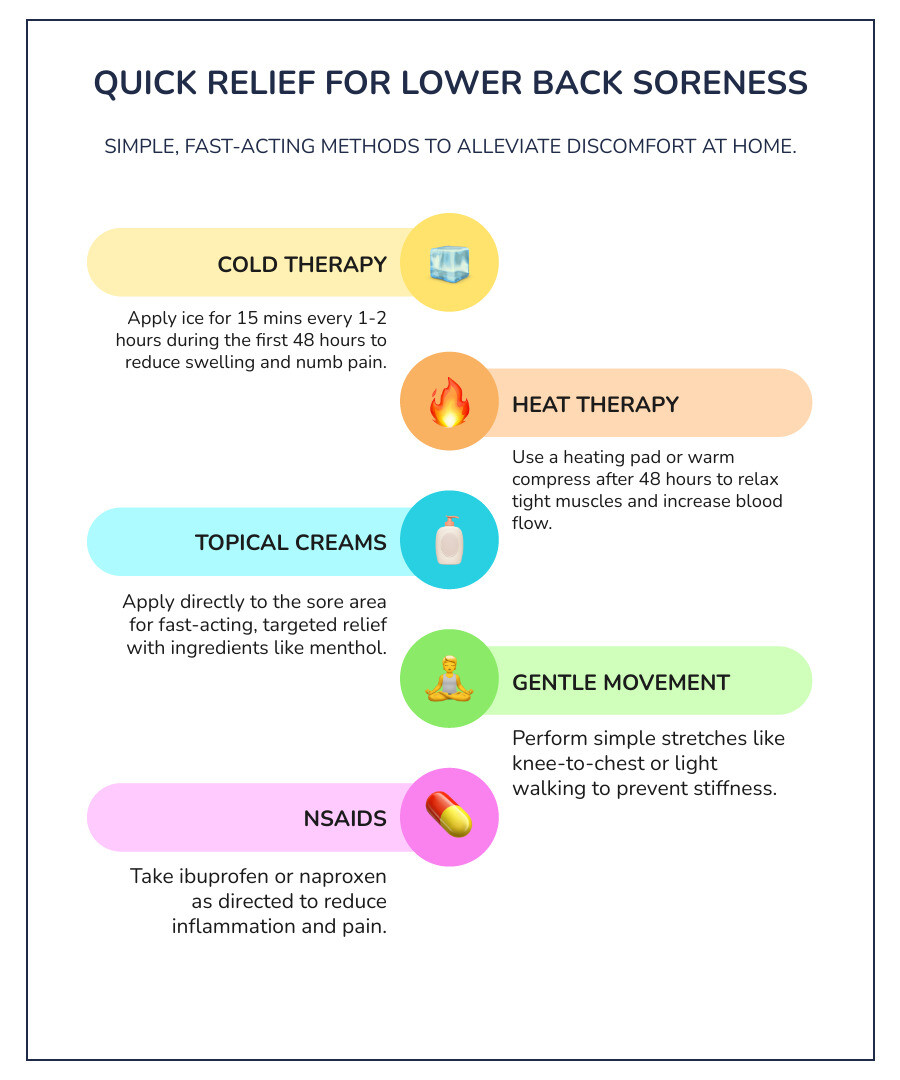
Quick Relief Methods for Lower Back Soreness:
- Cold Therapy - Apply ice for 15 minutes every 1-2 hours during the first 48 hours to reduce swelling and numb pain
- Heat Therapy - Use a heating pad or warm compress after 48 hours to relax tight muscles and increase blood flow
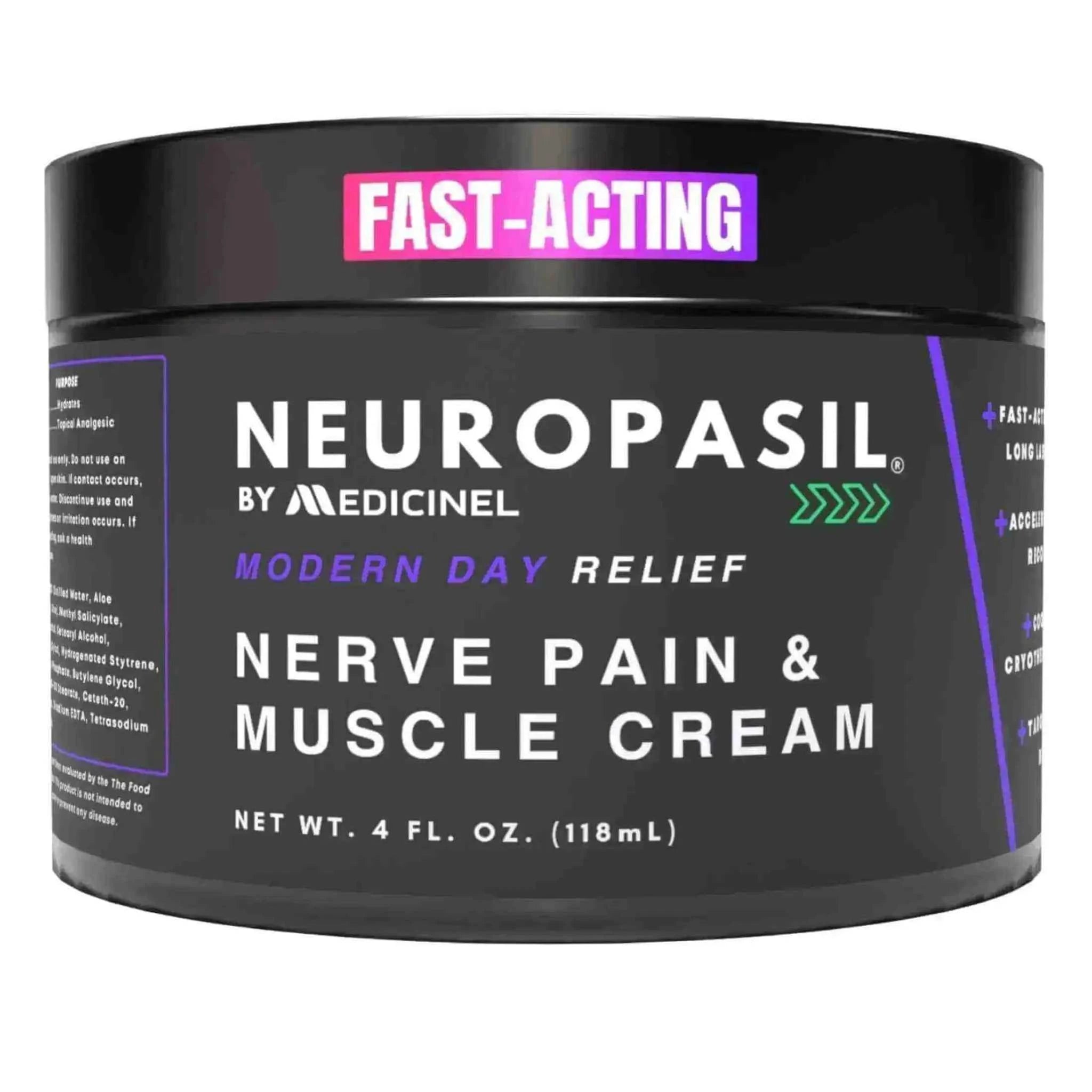
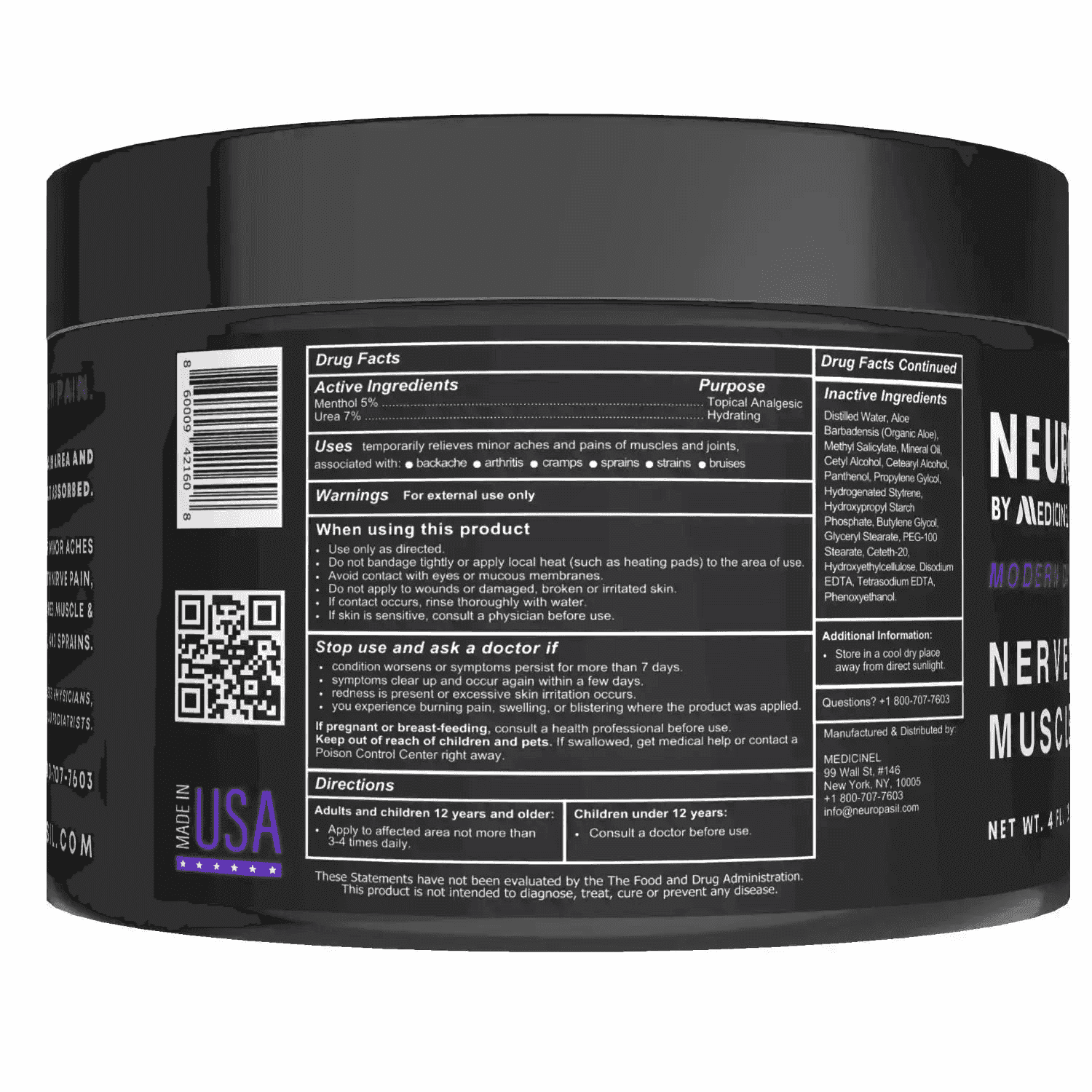
- Topical Pain Relief Creams - Apply directly to the sore area for fast-acting, targeted relief with ingredients like menthol and aloe
- Gentle Movement - Perform simple stretches like knee-to-chest or light walking to prevent stiffness
- Over-the-Counter NSAIDs - Take ibuprofen or naproxen as directed to reduce inflammation and pain
The good news? Most lower back pain isn't serious. It usually stems from muscle strain, poor posture, or overexertion rather than actual spinal damage. And in most cases, the pain improves within a few days to weeks with simple at-home care. The key is staying active, applying the right kind of relief at the right time, and knowing when your body needs a little extra support.
I'm Tony Enrico, and at Neuropasil, we've dedicated ourselves to helping people find freedom from pain. Through years of developing our nerve and muscle pain relief cream, I've learned that understanding how to relieve lower back soreness starts with knowing what your body needs and choosing relief methods that work fast without harsh chemicals or empty promises.
Key terms for how to relieve lower back soreness:
- muscle pain cream
- muscle relaxer topical
- joint muscle cream
Understanding the Ache: What Causes Lower Back Soreness?
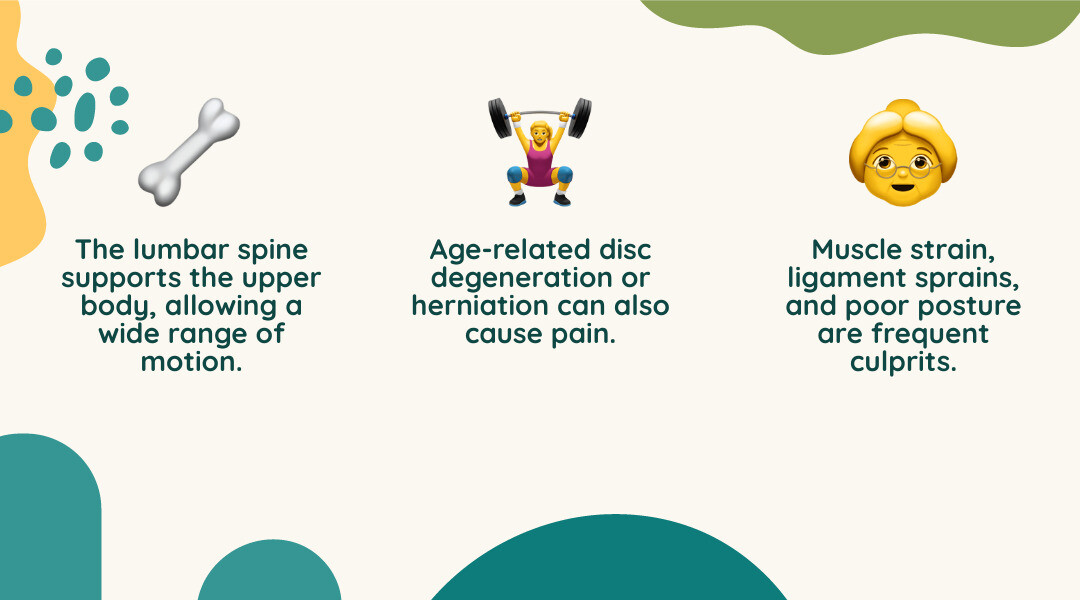
Lower back soreness, often referred to as lumbar back pain, is a common ailment that affects a staggering number of people. Roughly eight in 10 Americans will experience back pain at some point in their lives, with the lower part of the spine being the most affected area. This prevalence highlights why knowing how to relieve lower back soreness is such a critical piece of health knowledge for us all. Our lower back, known as the lumbar spine, is a marvel of engineering, supporting our entire upper body while allowing for a wide range of movement. However, this crucial role also makes it particularly vulnerable to various stressors.
Most of the time, lower back pain isn't serious and is rarely the result of actual injury to the back or spine. Instead, it often stems from issues with the surrounding soft tissues or from biomechanical imbalances. Common culprits include muscle strain, which happens when muscle fibers are stretched or torn, often from overexertion or improper lifting. Similarly, ligament sprains can occur when the tough bands of tissue connecting bones are overstretched. Poor posture, especially prolonged sitting or standing in awkward positions, places undue stress on the discs and muscles in our lower back, leading to fatigue and soreness.
Age-related changes also play a significant role. As we get older, the discs that cushion our vertebrae can begin to degenerate, losing their elasticity and ability to absorb shock. This is often referred to as degenerative disc disease. While these changes are a natural part of aging, they can sometimes lead to discomfort. Less common but more serious causes include a herniated disc, where the soft inner material of a disc pushes out, potentially pressing on nerves, leading to radiating pain known as sciatica. Whether the pain is a dull ache or a sharp, sudden sensation, understanding its root can guide us toward effective relief.
Common Triggers for a Sore Lower Back
Our daily lives are full of activities that, if not approached carefully, can easily lead to a sore lower back. Recognizing these common triggers is the first step in prevention and learning how to relieve lower back soreness effectively.
One of the most frequent causes is improper lifting of heavy objects. We've all been there, trying to hoist something with our back instead of our powerful leg muscles. This can lead to immediate muscle spasms and pain. Remember the adage: lift with your legs, not your back!
Prolonged sitting, especially with poor posture, is another notorious culprit. If your sitting posture is poor, the discs in your lower spine are loaded even more than when you're standing. Slouching puts immense pressure on your lumbar region, leading to stiffness and pain. Similarly, sudden twisting movements, particularly when combined with bending, can easily strain muscles and ligaments.
A general lack of physical fitness means weaker core muscles. Your lower back is constantly under the stress of supporting your entire upper body, and strong surrounding muscles are essential to reduce pressure on your spine. If these muscles are not toned, your back bears the brunt. Extra body weight also puts a significant strain on your back, altering spinal alignment and increasing stress on the discs and joints. Finally, age-related changes, as mentioned, can make our backs more susceptible to soreness, as the structures naturally lose some of their resilience over time.
How Long Does Lower Back Soreness Usually Last?
The duration of lower back soreness can vary significantly depending on its cause and severity. Understanding these timelines can help us manage expectations and decide when it's time to seek professional help. Most episodes of low back pain are acute, meaning they appear suddenly and typically last from a few days to a few weeks. This type of pain is often caused by injury or strain from overexertion and usually resolves with home treatment.
When pain persists longer, it's categorized differently. Subacute pain lasts between four and 12 weeks. If the pain continues for more than 12 weeks, it is considered chronic. While chronic pain can be more challenging to manage, most people with chronic low back pain will not need surgery.
The good news is that most people who experience acute low back pain will see rapid improvement within the first month. The key here is early and active management. Delaying treatment or prolonged inactivity can actually worsen the condition, making muscles stiff and weak. So, while a day or two of limited rest might be necessary if your pain is severe, resuming gentle activity as soon as possible is crucial for a faster recovery. For more insights on persistent muscle discomfort, you can find More info about what to do for muscle pain.
The Simple, Fast-Acting Solution: Immediate Relief Strategies
When that familiar ache in your lower back flares up, our immediate thought is often, "How can I make this stop, and fast?" Fortunately, several immediate relief strategies can help calm the discomfort and get us back on our feet. We've found that a multi-pronged approach often works best, combining different methods to target pain from various angles.
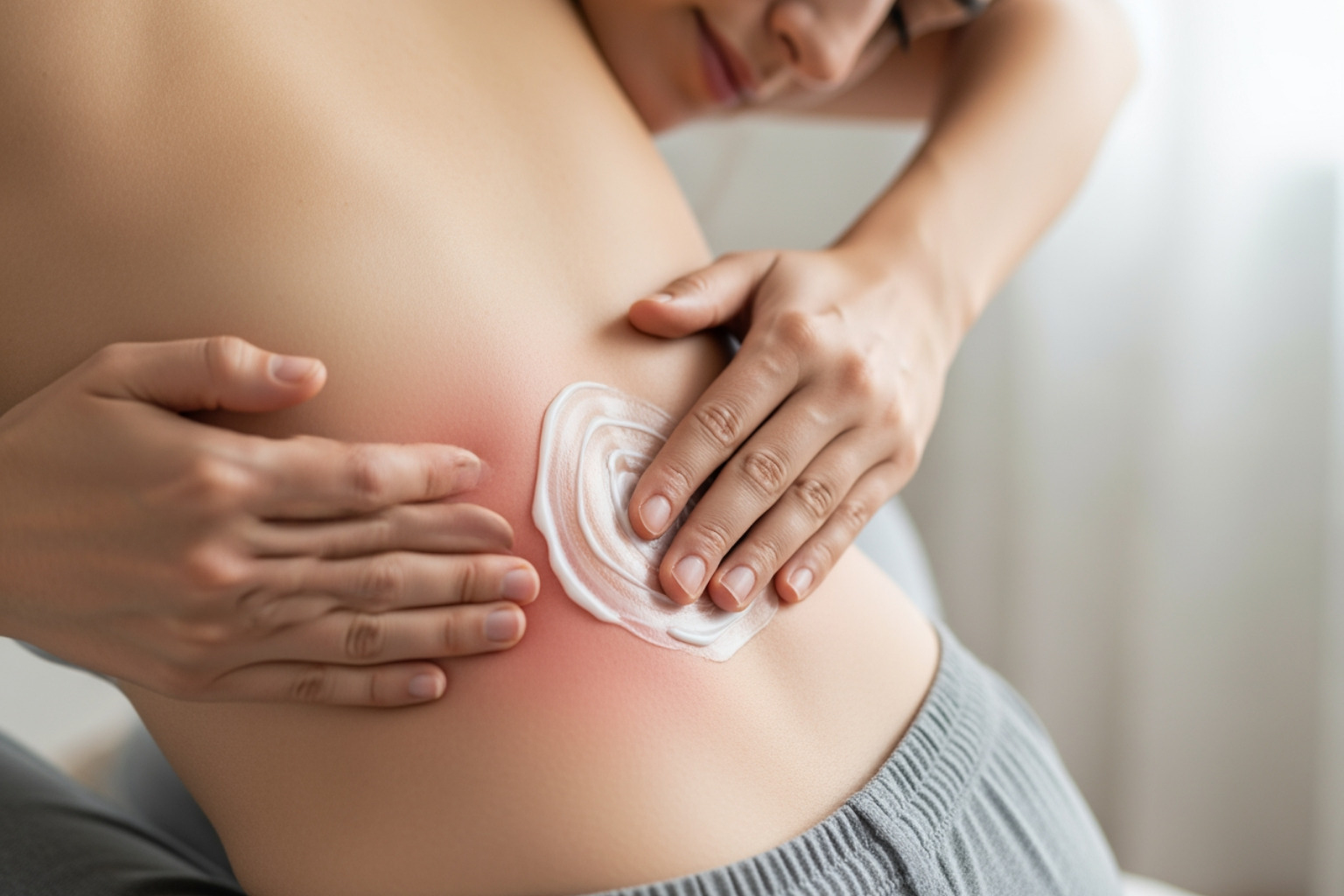
One of the cornerstones of immediate relief involves temperature therapy – applying either heat or cold to the affected area. Both have their unique benefits and are chosen based on the nature and timing of your pain. Another highly effective and increasingly popular method is the use of topical pain relievers. These creams, gels, or patches offer direct relief right where it hurts, bypassing the digestive system and often working more quickly than oral medications. We understand the urgency of pain relief, and these strategies are designed to provide just that – a simple, fast-acting way to address your lower back soreness.
The Heat vs. Cold Debate for Lower Back Pain
The question of whether to use heat or cold for back pain is a classic one, and the answer often depends on the specific situation. Both therapies are effective, but they work in different ways, and knowing when to use which can significantly impact your comfort.
| Therapy | How it Works | When to Use | ||||||||||
|---|---|---|---|---|---|---|---|---|---|---|---|---|
| Heat Therapy | Benefits: Relaxes muscle groups, increases blood flow, promotes circulation, and can relieve the how to relieve lower back soreness associated with stiff muscles. Useful for chronic pain or after the initial injury stage. | When to Use: After the first 48 hours of an acute injury, or for muscle stiffness and soreness that doesn't involve swelling. Apply for up to 20 minutes at a time, several times a day. |