Why Joint Pain Doesn't Have to Control Your Life
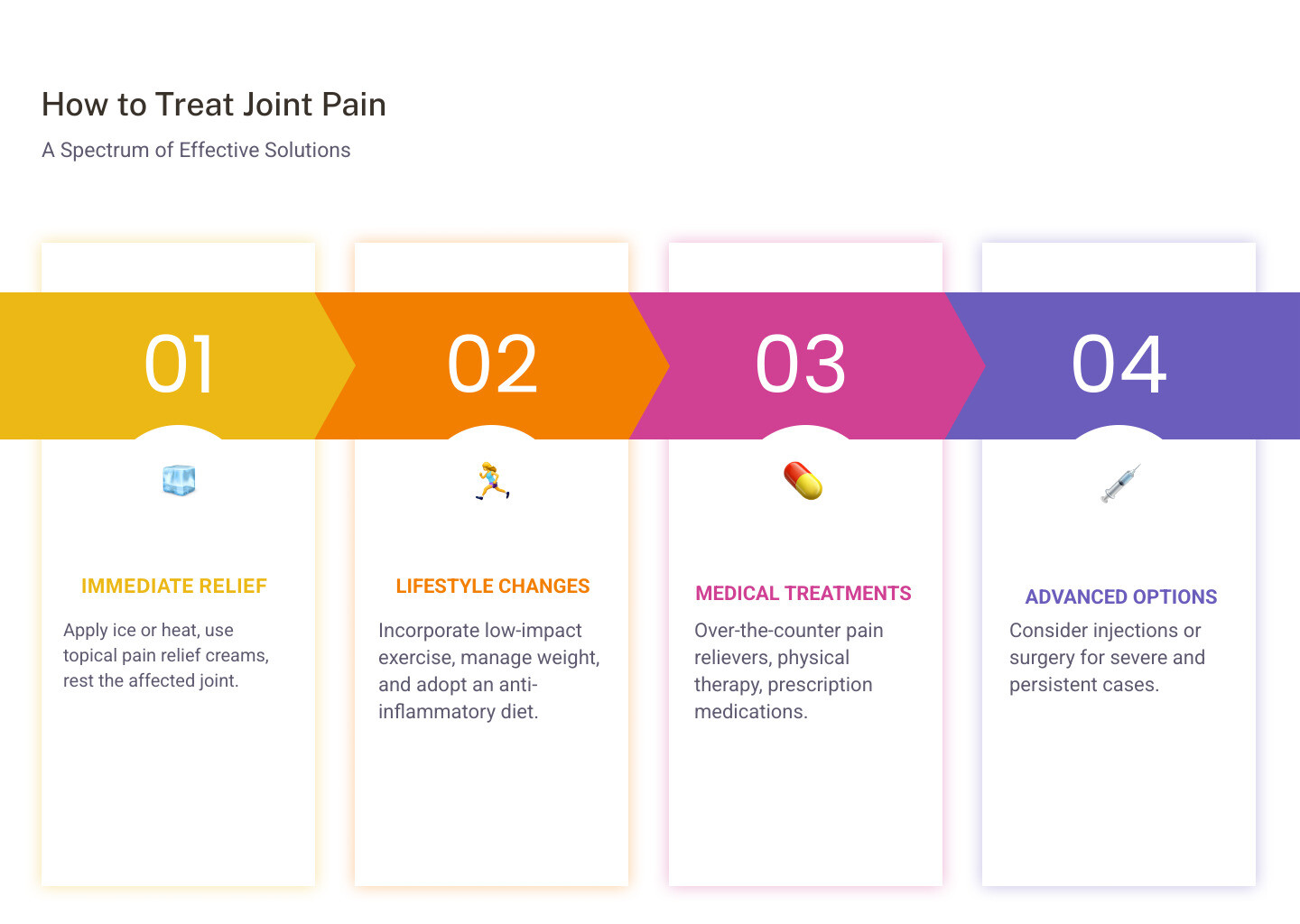
How to treat joint pain? The answer depends on what's causing it, but most people find relief through a combination of simple at-home methods, lifestyle changes, and targeted treatments. Here's what works:
Quick Treatment Options for Joint Pain:
- Immediate Relief - Apply ice or heat, use topical pain relief creams, rest the affected joint
- Lifestyle Changes - Low-impact exercise (swimming, walking), weight management, anti-inflammatory diet
- Medical Treatments - Over-the-counter pain relievers, physical therapy, prescription medications
- Advanced Options - Injections, surgery (for severe cases)
Joint pain affects millions of people every single day. In the United States alone, an estimated 53.2 million adults live with arthritis, and one in four of them experience severe joint pain that limits their daily activities. Whether it's your knees aching after a run, your hands stiffening up at work, or your hips making it hard to enjoy a walk, joint pain can steal the simple joys from life.
The good news? You have options. Joint pain treatment ranges from simple home remedies to advanced medical interventions, but the most effective approach often starts with the simplest solutions.
The reality is this: while joint pain may not always have a cure, it can almost always be managed effectively. The key is understanding what's causing your pain and choosing treatments that target both the symptoms and the root cause.
I'm Tony Enrico, and through my work with Neuropasil, I've dedicated myself to helping people understand how to treat joint pain naturally and effectively, so they can reclaim the freedom to move without limits. In this guide, I'll walk you through proven methods that work, from immediate relief strategies to long-term management techniques.
How to treat joint pain? vocab explained:
Understanding the Causes and When to See a Doctor
Joints are the incredible connections between our bones that allow our bodies to move with grace and power. They're intricate structures made of connective tissue and cartilage, designed to glide smoothly and absorb shock. But when these vital components become injured, inflamed, or simply wear down over time, that's when joint pain can strike. Understanding the root cause is the first step in figuring out how to treat joint pain effectively.
Common causes of joint pain are incredibly varied, ranging from simple overuse to complex autoimmune conditions. One of the most prevalent culprits is arthritis, which encompasses several different conditions:
- Osteoarthritis (OA): Often called "wear-and-tear" arthritis, OA is a degenerative joint disease. It happens when the cartilage--the smooth, protective tissue cushioning the ends of our bones--gradually wears away. This leaves bones rubbing against each other, leading to pain, swelling, and stiffness. It's especially common as we age.
- Rheumatoid Arthritis (RA): This is an autoimmune disease where our body's immune system mistakenly attacks the lining of our joints, causing chronic inflammation. RA can lead to painful swelling, bone erosion, and joint deformity if left untreated.
- Gout: A type of inflammatory arthritis characterized by sudden, severe attacks of pain, redness, and tenderness in joints, often the big toe. It occurs when urate crystals accumulate in the joint.
- Bursitis: This condition involves the inflammation of bursae, small fluid-filled sacs that cushion bones, tendons, and muscles near our joints. Overuse or injury are common causes.
-
Injuries: Acute injuries are a straightforward cause of joint pain. These include:
- Strains: Stretching or tearing of a muscle or tendon.
- Sprains: Stretching or tearing of a ligament.
- Fractures: A break in a bone.
- Other causes can include viral infections, bone infections (osteomyelitis), joint infections (septic arthritis), and tendinitis (inflammation of a tendon). Sometimes, simply unusual exertion or overuse can trigger temporary joint discomfort.
Signs and Symptoms of Joint Inflammation
When a joint is inflamed, our body is sending us clear signals. Recognizing these signs is crucial for knowing when to act and how to treat joint pain. We often look for:
- Pain with movement: The most obvious sign, often worsening with activity.
- Stiffness: A feeling of rigidity, especially after periods of rest or in the morning.
- Decreased range of motion: Difficulty moving the joint through its normal arc.
- Joint locking: A sensation that the joint is catching or getting stuck.
- Visible swelling: The joint appears larger than normal due to fluid buildup.
- Warmth to the touch: The skin over the affected joint feels noticeably warmer than surrounding areas.
- Redness: The skin around the joint may appear red.
- Tenderness: The joint is painful when touched or pressed.
When to Contact a Medical Professional
While many instances of joint pain can be managed effectively at home, there are times when seeking professional medical help is essential. We should always contact a healthcare provider if we experience any of the following:
- Pain lasting several days: If your joint pain persists for more than a few days without improvement, it's time to get it checked out.
- Severe, unexplained pain: If the pain is intense, comes on suddenly, or doesn't have an obvious cause, it warrants a doctor's visit.
- Inability to use the joint: If you cannot bear weight on the joint, or if it feels unstable or completely locks up, professional evaluation is needed.
- Significant swelling, warmth, or redness: These are strong indicators of inflammation or infection.
- Fever: If joint pain is accompanied by a fever not associated with flu symptoms, it could signal an infection requiring urgent medical attention.
- Unintended weight loss: Losing 10 pounds or more without trying, especially alongside joint pain, can be a symptom of an underlying condition that needs diagnosis.
For more information on when to seek help, you can refer to this guide on arthritis pain: do's and don'ts. Early diagnosis and treatment can often prevent more severe problems down the line.
Immediate Relief: At-Home and Topical Treatments
When joint pain flares up, our first instinct is often to find quick relief. Thankfully, many effective strategies can be implemented right from the comfort of our homes. These initial steps are crucial for managing acute discomfort and laying the groundwork for longer-term solutions.
For immediate relief from minor injuries or flare-ups, we often recommend the R.I.C.E. method:
- Rest: Give the affected joint a break. Avoid activities that aggravate the pain to prevent further injury and allow healing.
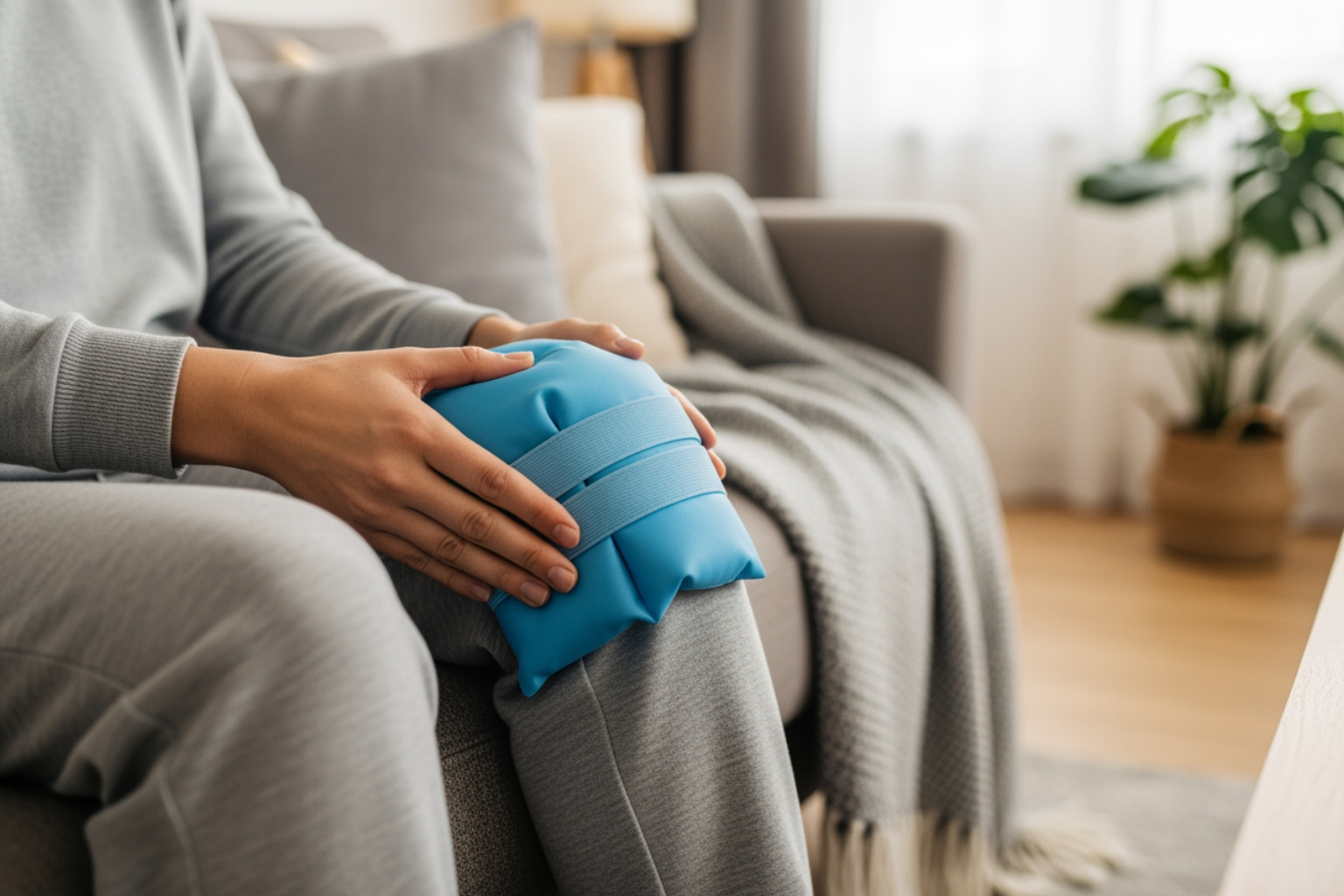
- Ice: Apply an ice pack to the affected area for 15-20 minutes at a time, several times a day. Cold helps to numb the pain and significantly reduce swelling and inflammation. Always place a thin towel between the ice pack and your skin to prevent frostbite.
- Compression: Gently wrap the joint with an elastic bandage to help reduce swelling. Be careful not to wrap it too tightly, which could restrict blood flow.
- Elevation: Whenever possible, raise the injured joint above the level of your heart to help minimize swelling.
Beyond R.I.C.E., we find that temperature therapy can work wonders:
- Heat Therapy: For stiff joints and aching muscles, heat can be incredibly soothing. Applying a heating pad or soaking in a warm bathtub can reduce stiffness, relax muscles, and increase blood flow, which aids in recovery. Just remember, don't use heat on a joint that is red, hot, or acutely inflamed.
- Epsom Salt Soaks: While scientific studies on Epsom salts for joint pain are limited, many people find soaking in a warm bath with Epsom salts to be incredibly relaxing and temporarily effective for easing joint discomfort. It's a simple, comforting ritual that can provide welcome relief.
For more helpful at-home remedies, you can explore these tips from the Arthritis Foundation.
The Simple, Targeted Approach: How to Treat Joint Pain with Topical Creams
When it comes to answering how to treat joint pain directly and efficiently, topical creams are often our first line of defense. We love them because they offer targeted relief right where you need it, often with fewer systemic side effects compared to oral medications.
The benefits of topical treatments are clear:
- Targeted Relief: Unlike pills that circulate throughout your entire body, topical creams deliver active ingredients directly to the site of pain. This means the medication can concentrate on the affected joint, providing focused relief.
- Fewer Systemic Side Effects: Because less of the medication enters your bloodstream, the risk of side effects that can affect your stomach, liver, or kidneys is generally much lower. This makes them a great option for those who are sensitive to oral pain relievers.
So, how do these creams work their magic? Many topical analgesics use active ingredients that either block pain signals, reduce inflammation, or create a distracting sensation:
- Menthol and Camphor: These ingredients are known as "counterirritants." When applied to the skin, they create a cooling or warming sensation that distracts our brain from the underlying pain. Think of it as a pleasant diversion that helps us feel more comfortable.
- Capsaicin: Derived from chili peppers, capsaicin works by depleting a chemical called Substance P in our nerve cells. Substance P is crucial for transmitting pain messages, so by reducing its levels, capsaicin can effectively block pain signals. It might cause a slight burning sensation initially, but this usually subsides with regular use.
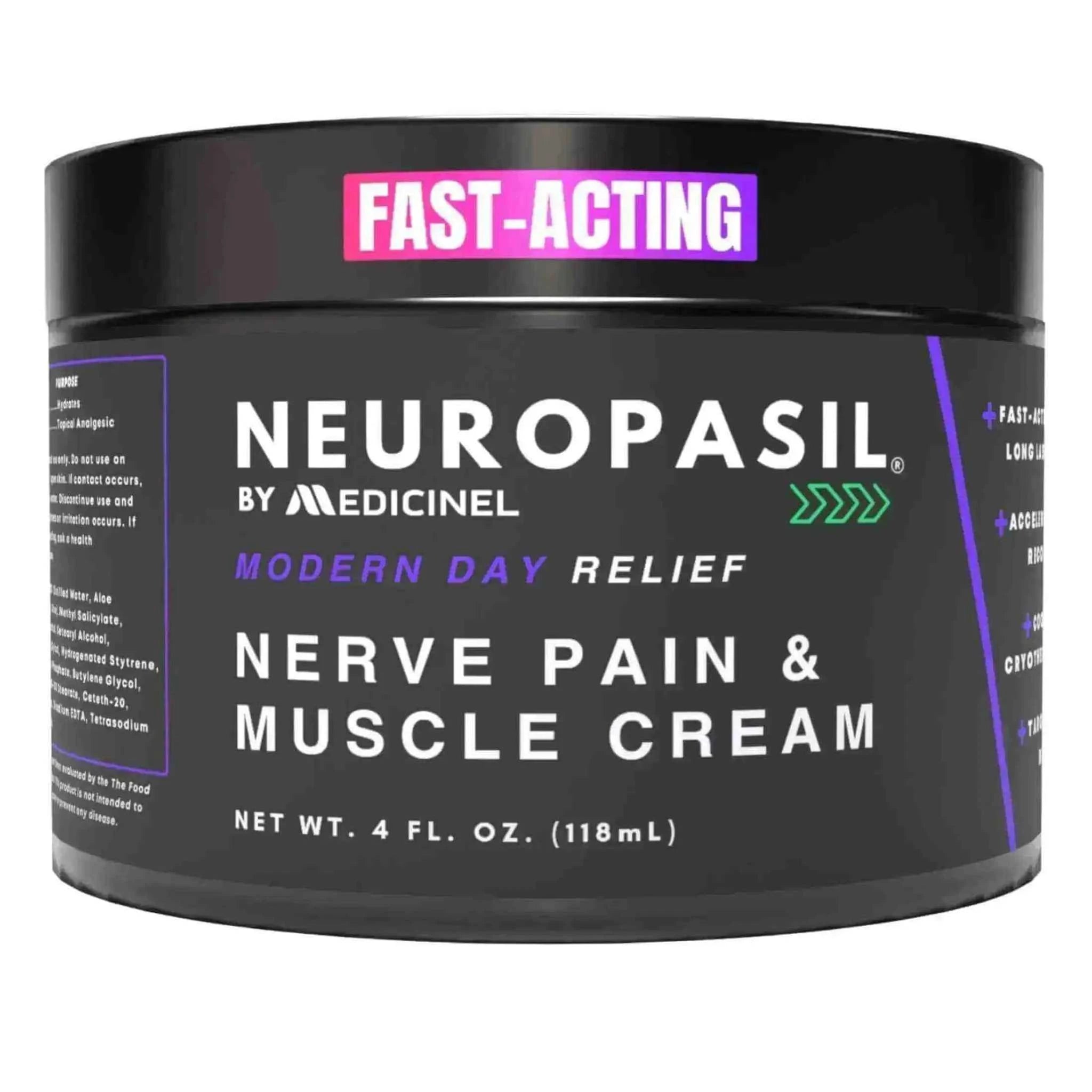
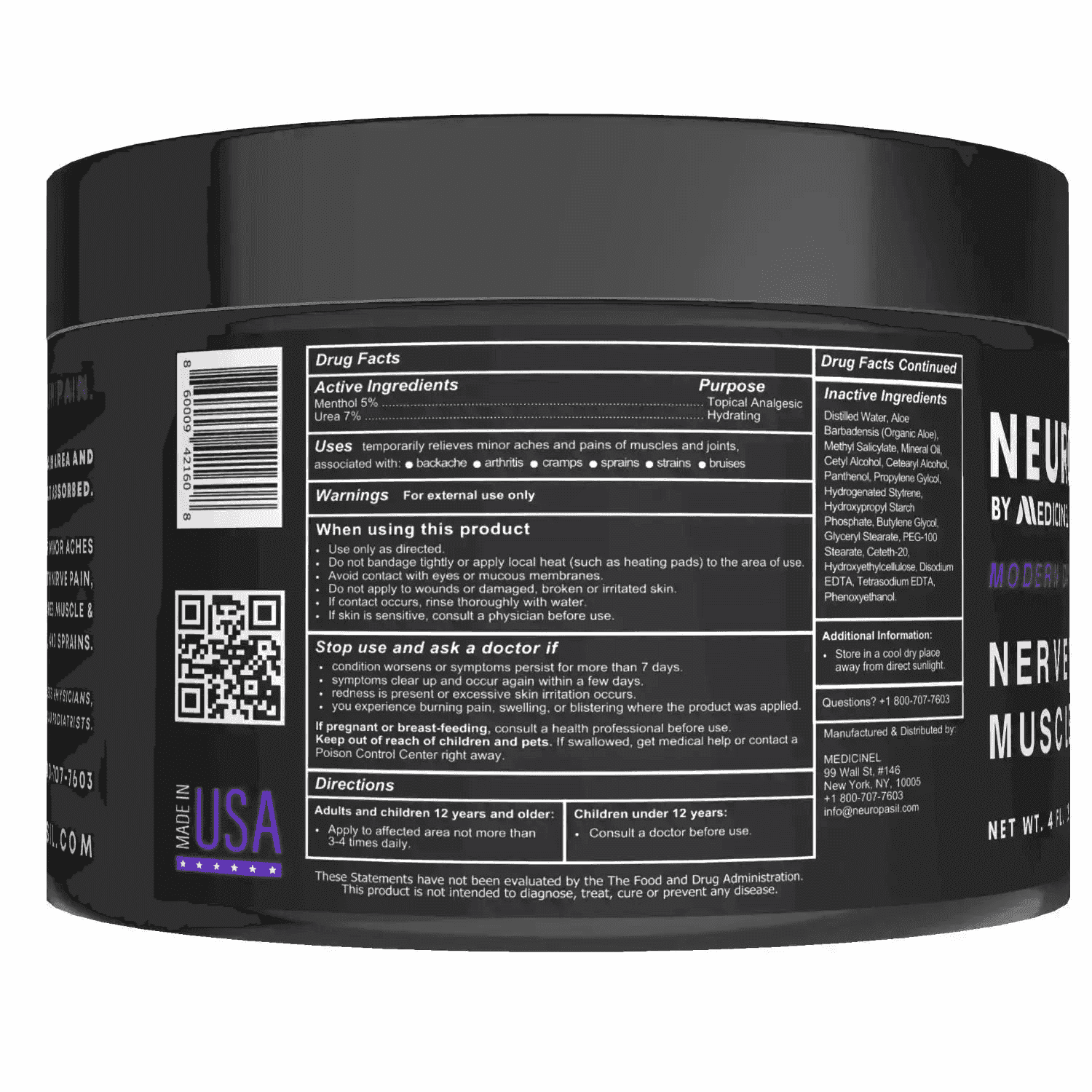
At Neuropasil, we've harnessed the power of natural ingredients to create fast-acting topical creams that our customers use for various types of pain, including joint discomfort. Our creams are powered by:
- Aloe Vera: Known for its soothing and anti-inflammatory properties, aloe vera helps calm irritated skin and provides a gentle base for other active ingredients.
- Urea: This ingredient helps the skin absorb other active compounds more effectively, ensuring deeper penetration and quicker relief.
- Menthol: As a powerful counterirritant, menthol provides that immediate cooling sensation that distracts from pain and helps muscles relax.
Our customers tell us they use Neuropasil for everything from nerve pain and sore muscles to strains, sprains, aches, and joint discomfort. Athletes even use it for recovery! It's a testament to the power of a simple, direct approach to pain relief.
To learn more about effective topical solutions, you can explore our insights on finding the best pain relief creams for muscle and joint pain.
Long-Term Management: How to Treat Joint Pain with Lifestyle Changes
While immediate relief is crucial, true, lasting comfort from joint pain often comes from embracing sustainable lifestyle changes. These adjustments not only alleviate current symptoms but also work to protect our joints for the future.

One of the most powerful tools in our arsenal for how to treat joint pain is regular exercise. It might seem counterintuitive to move a painful joint, but inactivity can actually make pain and stiffness worse. The key is choosing the right kind of movement:
- Low-Impact Aerobics: Activities like walking, swimming, and cycling are gentle on our joints while still providing excellent cardiovascular benefits. Swimming and water aerobics are particularly fantastic because the buoyancy of the water reduces stress on our weight-bearing joints.
- Strengthening Exercises: Building strong muscles around our joints provides better support and stability. This can reduce the load on the joint itself and improve its function.
- Range-of-Motion Exercises: Gentle stretching helps maintain and improve joint flexibility, preventing stiffness and keeping our joints moving freely. Yoga and Tai Chi are excellent for this, combining movement with mindfulness.
We always recommend consulting a healthcare provider or physical therapist before starting any new exercise program, especially if you have chronic joint pain. They can help tailor a plan that's safe and effective for your specific condition.
Another critical lifestyle change is weight management. Every extra pound we carry puts additional stress on our joints, especially those in our lower body like the knees and hips. It's truly remarkable: studies have found that for every pound of weight you lose, you reduce the load on your knee joint by 4 pounds. This isn't just about physical pressure; excess body fat also creates and releases chemicals that promote inflammation throughout our bodies, exacerbating joint pain. Losing even a small amount of weight can make a significant difference in how your joints feel. You can find more information on this at Cleveland Clinic.
For a broader perspective on managing chronic joint issues, check out our guide on managing arthritis pain: a guide to long-lasting relief.
The Role of an Anti-Inflammatory Diet
What we put on our plates can have a profound impact on how our joints feel. Diet plays a significant role in managing inflammation, which is a major contributor to joint pain. By making conscious food choices, we can actively work to reduce inflammatory responses in our bodies.
First, let's talk about what to limit:
- Added Sugars: These are notorious for triggering inflammation. When we consume processed sugars, our bodies release "inflammatory messengers" called cytokines. Flavored coffees, yogurts, granola bars, and even many breakfast cereals can be hidden sources of added sugars. The American Journal of Clinical Nutrition provides scientific research on sugar and inflammation.
- Saturated Fats: Found in red meat, pizza, desserts, cheeses, and full-fat dairy products, saturated fats can trigger inflammation in our adipose (fat) tissue, which in turn increases arthritis-related inflammation.
- Refined Carbohydrates: Foods like white bread, white rice, cookies, and cakes are quickly broken down into sugar in our bodies, leading to similar inflammatory responses as added sugars. They are linked to higher levels of inflammatory markers in the blood.
Now, for the good news - what to include for an anti-inflammatory boost:
- Omega-3 Fatty Acids: These are superstars for reducing inflammation and stiffness. We can find them in fatty fish like salmon and trout, as well as plant-based sources like walnuts, flaxseeds, and olive oil.
- Turmeric: This vibrant yellow spice, common in curries, contains curcumin, a powerful compound that can reduce joint pain and swelling by blocking inflammatory cytokines and enzymes. Adding it to smoothies, eggs, or sauces is an easy way to incorporate it.
- Ginger: Like turmeric, ginger has anti-inflammatory properties that can help decrease joint pain, sometimes even similar to non-steroidal anti-inflammatory drugs (NSAIDs).
- Fruits and Vegetables: A colorful array of fruits and vegetables, along with whole grains, are packed with antioxidants and fiber that help combat inflammation and support overall health.
By focusing on a well-balanced, nutritious diet rich in these anti-inflammatory foods and limiting inflammatory triggers, we can significantly improve our joint health and reduce pain.
How to Treat Joint Pain with Supplements and Therapies
Beyond diet and exercise, there are other supportive measures we can take to manage joint pain. These include certain dietary supplements and various therapeutic approaches.
While the effectiveness of some dietary supplements for joint pain is still debated and results can vary, some have gained attention:
- Vitamin D: Low blood levels of Vitamin D have been linked to an increased risk of both osteoarthritis and rheumatoid arthritis. Ensuring adequate Vitamin D intake, whether through sunlight exposure, fortified foods, or supplements (under medical guidance), is important for bone and muscle function.
When it comes to therapies, physical and occupational therapy play an invaluable role in learning how to treat joint pain and improve daily function:
- Physical Therapy (PT): A physical therapist can design a personalized exercise program to strengthen the muscles around your joints, improve flexibility, and restore range of motion. They can also teach you proper body mechanics to protect your joints during daily activities and help with pain management techniques.
- Occupational Therapy (OT): An occupational therapist helps you adapt your environment and learn new ways to perform everyday tasks, such as dressing, cooking, or working, with less pain and strain on your joints. They can recommend assistive devices and modifications to make your life easier and maintain your independence.
Assistive devices are also incredibly helpful tools that can reduce stress on painful joints and improve mobility:
- Braces and Splints: These can provide support and stability to an unstable joint, reduce pain, and prevent further injury.
- Canes and Walkers: These devices can take pressure off weight-bearing joints, making it easier and safer to move around.
- Special Footwear and Orthotics: Custom shoe inserts or supportive shoes can help align your feet and ankles, reducing strain on your knees and hips.
Advanced Medical Interventions
When conservative treatments like home remedies, lifestyle changes, and over-the-counter options aren't enough to manage persistent or severe joint pain, it's time to consider more advanced medical interventions. This usually involves consulting a specialist, such as a rheumatologist or orthopedic surgeon, who can offer targeted treatments.
One common medical approach involves injections directly into the joint:
- Steroid Injections (Corticosteroid Injections): These are powerful anti-inflammatory drugs that can quickly relieve both pain and inflammation in a specific joint. They offer short-term relief, typically lasting several weeks to months, and are often used for acutely painful, inflamed joints.
- Hyaluronic Acid Injections: Primarily used for osteoarthritis, particularly in the knee, these injections introduce a substance similar to the natural fluid that lubricates our joints. They can help improve joint lubrication and shock absorption, providing pain relief for some people, often given in a series of injections.
For ongoing pain, prescription medications may be necessary:
- Disease-Modifying Antirheumatic Drugs (DMARDs), Biologics, and JAK Inhibitors: For inflammatory forms of arthritis like rheumatoid arthritis or psoriatic arthritis, these medications are crucial. They don't just mask pain; they work to control the underlying disease process, which is the most effective way to achieve lasting pain relief and prevent joint damage.
- Duloxetine: Originally an antidepressant, duloxetine is also approved for treating chronic pain related to osteoarthritis. It works by affecting brain chemicals that influence pain perception.
- Tramadol: This is a prescription opioid pain reliever that may be prescribed for osteoarthritis pain not relieved by other medications. Due to risks of addiction and abuse, its use is tightly regulated and carefully monitored.
When all other options have been exhausted, or if joint damage is severe, surgical options may be considered. These procedures aim to repair, replace, or stabilize damaged joints:
- Arthroscopy: A minimally invasive surgical technique where a surgeon uses a small camera and instruments to diagnose and repair issues within the joint, such as torn cartilage.
- Joint Fusion (Arthrodesis): This procedure involves permanently joining two bones together, eliminating movement in the joint. While it results in a loss of mobility, it can provide significant pain relief for severe deformity or instability.
- Osteotomy: This surgery involves cutting and reshaping a bone near a damaged joint to realign it. This can shift weight-bearing to a healthier part of the joint, relieving pressure and pain.
- Joint Replacement (Arthroplasty): For severely damaged joints, particularly the hip or knee, this involves removing the damaged parts of the joint and replacing them with artificial implants made of metal, plastic, or ceramic. Joint replacements can dramatically reduce pain and restore mobility, with modern implants often lasting 15-20 years or more.
Deciding on advanced medical interventions is a significant step and should always be done in close consultation with your healthcare team. They can help you weigh the benefits and risks of each option. For a comprehensive overview of various treatment choices, you might find this resource helpful: Finding the best joint pain relief for you.
Frequently Asked Questions about Joint Pain Relief
What is the fastest way to relieve joint pain at home?
For immediate relief, combining topical creams with hot or cold therapy is often fastest. Applying a menthol-based cream provides a cooling sensation that distracts from pain, while ice packs reduce inflammation and heat relaxes stiff muscles. We often recommend starting with a quality topical analgesic, like Neuropasil, which can get to work quickly right at the source of your discomfort.
Can exercise make joint pain worse?
While high-impact exercise can worsen pain, low-impact activities like swimming, walking, and cycling are highly recommended. They strengthen the muscles that support your joints, improve flexibility, and reduce stiffness without adding stress. Always consult a doctor before starting a new exercise program to ensure it's appropriate for your specific condition.
Are dietary supplements effective for joint pain?
The effectiveness of supplements is debated. Some people report benefits, but scientific studies show mixed results. For example, while Vitamin D is important for bone health and has been linked to arthritis risk if deficient, other supplements' efficacy for direct joint pain relief isn't universally proven. It's crucial to talk to your healthcare provider before starting any supplements, as they can interact with other medications and may not be suitable for everyone.
Conclusion
Navigating the landscape of joint pain can feel overwhelming, but as we've explored, there are numerous strategies available to help us find relief and reclaim our quality of life. The journey to managing joint pain is often a holistic one, combining various approaches custom to our individual needs.
Our recommendation is always to start with simple, effective methods. Begin by trying immediate relief strategies like the R.I.C.E. method and applying heat or cold therapy. As we've seen, topical creams offer a primary, targeted step in pain management, delivering active ingredients like menthol, aloe, and urea directly to the source of discomfort, often with fewer systemic side effects than oral medications. This can be a game-changer for daily comfort.
Beyond immediate relief, the importance of a holistic approach cannot be overstated. Embracing lifestyle changes such as regular, low-impact exercise, maintaining a healthy weight, and adopting an anti-inflammatory diet are fundamental for long-term joint health and pain reduction. These changes empower us to take an active role in our well-being. When these conservative measures aren't enough, professional guidance from physical therapists, and in more severe cases, medical interventions like injections, prescription medications, or surgery, provide further avenues for relief.
You don't have to live with debilitating joint pain. By understanding the causes, recognizing the symptoms, and exploring the wide spectrum of available treatments--from the simple effectiveness of topical creams to advanced medical options--you can manage your joint pain and enjoy the freedom of movement once again. We believe in empowering you with choices that work for your body and your life.
Ready to experience targeted relief? Discover our natural, fast-acting relief cream.
References
- Arthritis Foundation. 11 Ways to Relieve Arthritis Pain.
- Arthritis Foundation. Finding the Best Joint Pain Relief for You.
- Arthritis Foundation. Vitamin D for Arthritis.
- Centers for Disease Control and Prevention. Arthritis.
- Cleveland Clinic. If You Lose Weight, You Can Lose Joint Pain, Too.
- Mayo Clinic. Arthritis pain: Do's and don'ts.
- National Institute of Arthritis and Musculoskeletal and Skin Diseases. Sprains and Strains.
- The American Journal of Clinical Nutrition. Dietary sugar consumption and health: umbrella review.