Why Understanding Pec Muscle Pain Matters
Pec muscle pain can strike suddenly or develop gradually, affecting your ability to push, lift, or even breathe deeply. This type of chest pain can be both alarming and limiting, whether you're an athlete or just going about your day.
Quick Answer: What You Need to Know About Pec Muscle Pain
- What it is: A strain or tear in the pectoralis major or minor muscles of your chest
- Common causes: Weightlifting (especially bench press), contact sports, repetitive movements, poor form, inadequate warm-ups
- Key symptoms: Sudden sharp pain, tearing sensation, weakness, swelling, bruising, limited range of motion
- Initial treatment: Rest, ice, compression, elevation (R.I.C.E. method)
- Recovery time: 2-3 weeks for mild strains, up to 6+ months for severe tears
- When to get help: If pain spreads to arm/jaw, or you experience shortness of breath, dizziness, or nausea
Your chest wall is supported by powerful muscles that control shoulder and pushing movements. The pectoralis major is the large, fan-shaped muscle of the chest, while the smaller pectoralis minor lies beneath it, helping to stabilize your shoulder blade.
When these muscles are over-stressed, they can tear. This damage ranges from minor soreness to complete ruptures requiring surgery. The pain can be sharp and immediate or develop gradually with swelling.
It's critical to distinguish a pec strain from more serious causes of chest pain. While most pec injuries heal with rest, chest pain can also signal a medical emergency like a heart attack.
This guide covers how to identify a pec strain, initial treatment, pain management, and safe recovery. At Neuropasil, we help people manage pec muscle pain with natural relief solutions. Our mission is to restore comfort and mobility, helping you return to the activities you love.

Basic pec muscle pain vocab:
Identifying the Problem: Symptoms and Causes of Pec Muscle Pain
This section will help you understand the signs of a pectoral strain and what might have caused it.
Common Symptoms of a Strained Chest Muscle
Recognizing the signs of a strained chest muscle early is key to a quick recovery. Common symptoms include:
- Sudden, sharp pain in the chest or front of the armpit, often with a "tearing" or "popping" sensation at the moment of injury. The pain often worsens when moving your arm or breathing deeply.
- Localized tenderness at a specific, sensitive spot on the muscle.
- Swelling or bruising that appears within 24 to 48 hours as blood pools at the injury site.
- Muscle spasms or involuntary twitching and tightness in the muscle.
- Weakness in the arm or shoulder, making it difficult to push or bring your arm across your chest.
- Reduced range of motion, causing pain when reaching, pushing, or even hugging.
In minor strains, the pain may intensify as the muscle cools down and swelling sets in. A significant "pop" or immediate, disabling pain likely indicates a more severe tear that needs professional evaluation.

Primary Causes of Pec Muscle Strain
Understanding the causes of pec injuries can help you prevent them. The most common culprits include:
- Overexertion during exercise: Pushing too hard, too fast, or with too much weight can tear muscle fibers.
- Weightlifting: The bench press is a notorious cause, especially during the lowering phase. Dumbbell flys and chest presses are also risky if done with poor form or excessive weight.
- Contact sports: A hard tackle in football, a collision in rugby, or a forceful move in wrestling can cause sudden, traumatic tears.
- Repetitive movements: Sports like swimming, baseball, and tennis can gradually wear down muscle fibers through overuse.
- Poor exercise form: Incorrect technique shifts stress onto vulnerable parts of the muscle and tendon.
- Inadequate warm-up: Cold, stiff muscles are far more prone to tearing when subjected to sudden, heavy loads.
- Direct trauma: A fall, accident, or direct blow to the chest can cause immediate damage.
- Improper lifting: Lifting heavy objects, especially while twisting, puts enormous strain on chest muscles.
- Inadequate rest: Fatigued muscles are more vulnerable to injury.
Most of these causes are preventable with proper technique and smart training. For more information about muscle pain in general, check out our detailed guide on muscle pain.
Is It a Pulled Muscle or Something More Serious?
Chest pain can be alarming, so distinguish between a muscle strain and a more serious condition. While most chest pain is musculoskeletal, you should never dismiss it, as it could be heart-related.
Differentiating Musculoskeletal Pain from a Heart Attack
Understanding the difference between muscular and cardiac chest pain is key. While symptoms can overlap, certain patterns help distinguish them:
- Pain Location & Quality: Muscle pain is typically sharp, localized, and easy to pinpoint. Pressing on the area often reproduces the pain. Heart attack pain is usually a diffuse pressure, squeezing, or tightness across the chest.
- Effect of Movement: Muscle pain worsens with movement, stretching, or deep breaths. Heart attack pain is generally constant and unaffected by position changes.
- Pain Radiation: Muscle pain stays localized. Cardiac pain often radiates to the left arm, shoulder, jaw, neck, or back.
- Accompanying Symptoms: A pec strain may cause visible swelling, bruising, and muscle spasms. A heart attack is accompanied by systemic symptoms like shortness of breath, cold sweats, dizziness, and nausea.
- Onset: A muscle strain usually happens during a specific activity. Heart attack pain can be sudden or develop gradually, often without a clear trigger.
When to Seek Immediate Medical Attention
If you are ever unsure about the cause of your chest pain, get medical help immediately. It is always better to be cautious.
Call 911 right away if you experience severe chest pressure or tightness, especially if it's accompanied by any of these warning signs:
- Pain that spreads to your shoulder, neck, arm (particularly your left arm), or jaw
- Shortness of breath or difficulty breathing
- Dizziness, lightheadedness, or feeling like you might pass out
- Cold, clammy sweats
- Nausea or vomiting
- Unusual or severe fatigue
- An irregular heart rate
These symptoms could indicate a heart attack or another serious condition where time is critical. Never drive yourself to the emergency room if you suspect a heart attack. Heart attack symptoms can present differently in women, sometimes without classic chest pain. If you have risk factors for heart disease (high blood pressure, diabetes, etc.), be especially vigilant.
For a deeper understanding of musculoskeletal chest pain, the Cleveland Clinic offers an excellent resource: Understanding Musculoskeletal Chest Pain.
A Step-by-Step Guide to Treating Pec Muscle Pain
Once you've determined your chest pain is a pec muscle pain and not an emergency, you can focus on healing. Most pec strains respond well to proper at-home care. The goal is to reduce pain and inflammation, protect the muscle, and create the best conditions for repair.
Immediate Care: The First 48 Hours (R.I.C.E. Method)
The first 48 hours are critical. Use the R.I.C.E. method to control swelling and pain:
- Rest: Stop the activity that caused the injury and avoid any movements that engage the chest muscles.
- Ice: Apply a cold pack (wrapped in a cloth) for 15-20 minutes every few hours to reduce swelling and pain.
- Compression: Gently wrap the area with an elastic bandage to provide support and control swelling. Ensure it's not too tight.
- Elevation: Prop your arm on pillows when resting to help drain excess fluid.
During this time, avoid hot showers, heat rubs, massage, and alcohol, as they can increase swelling.

Managing Pain and Promoting Healing
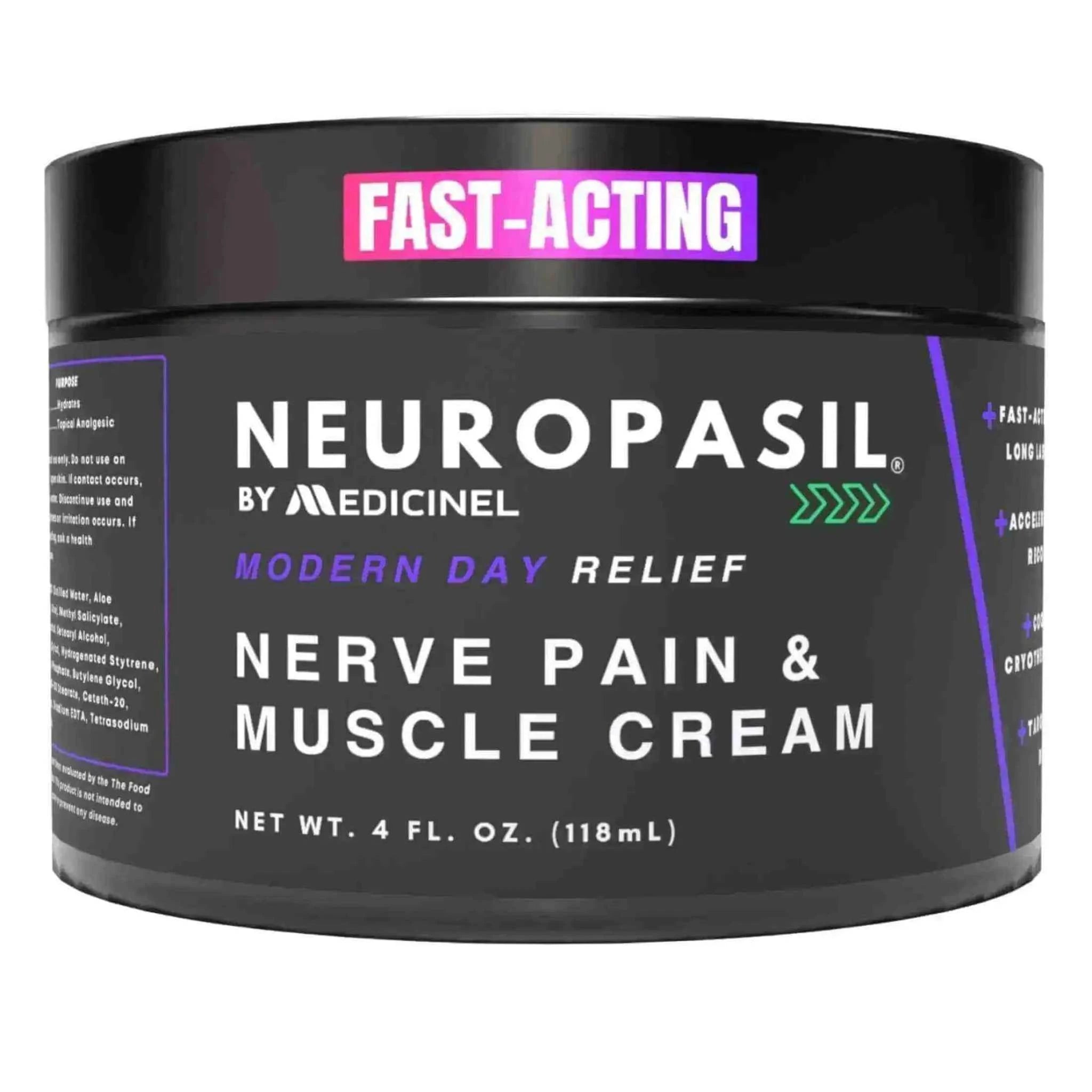
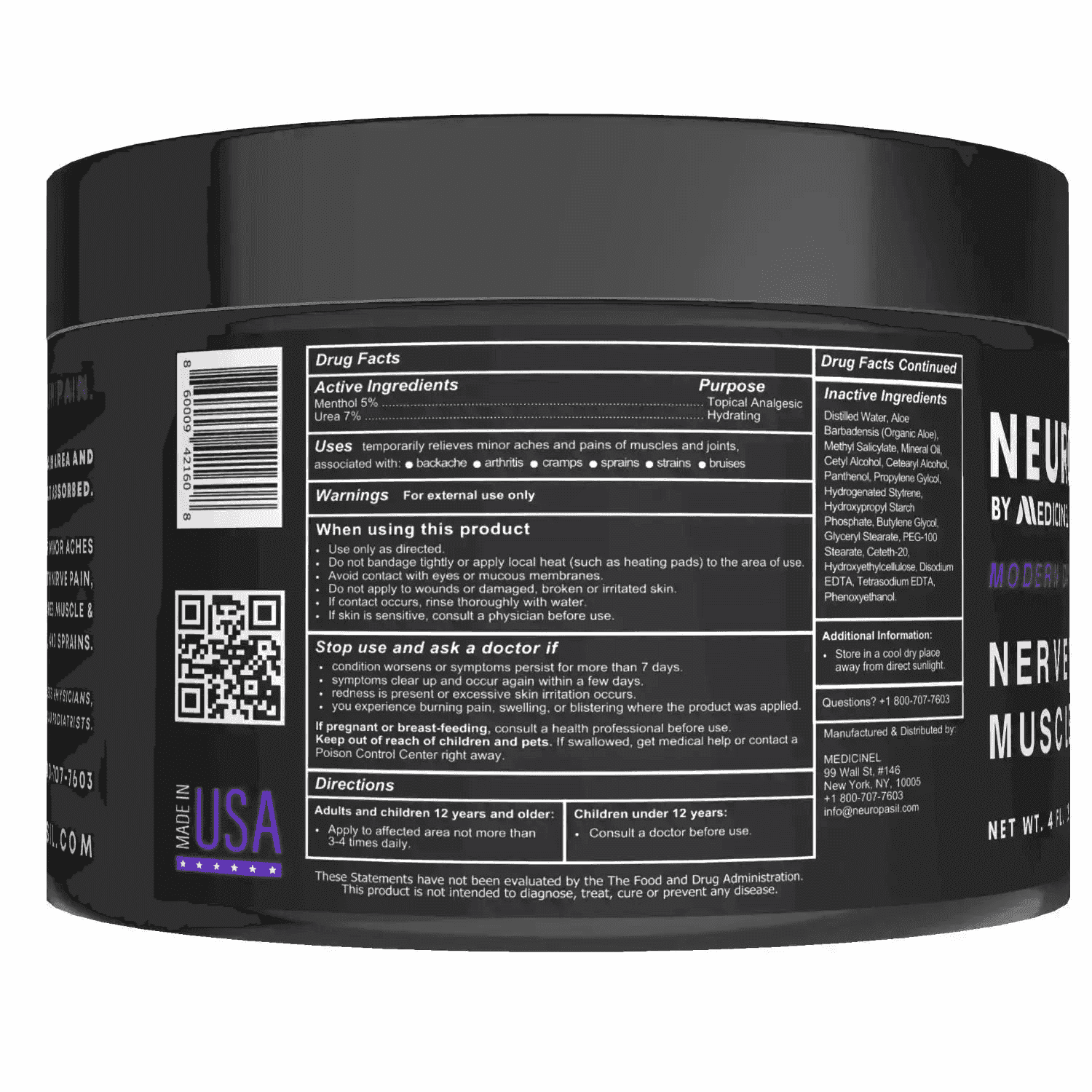
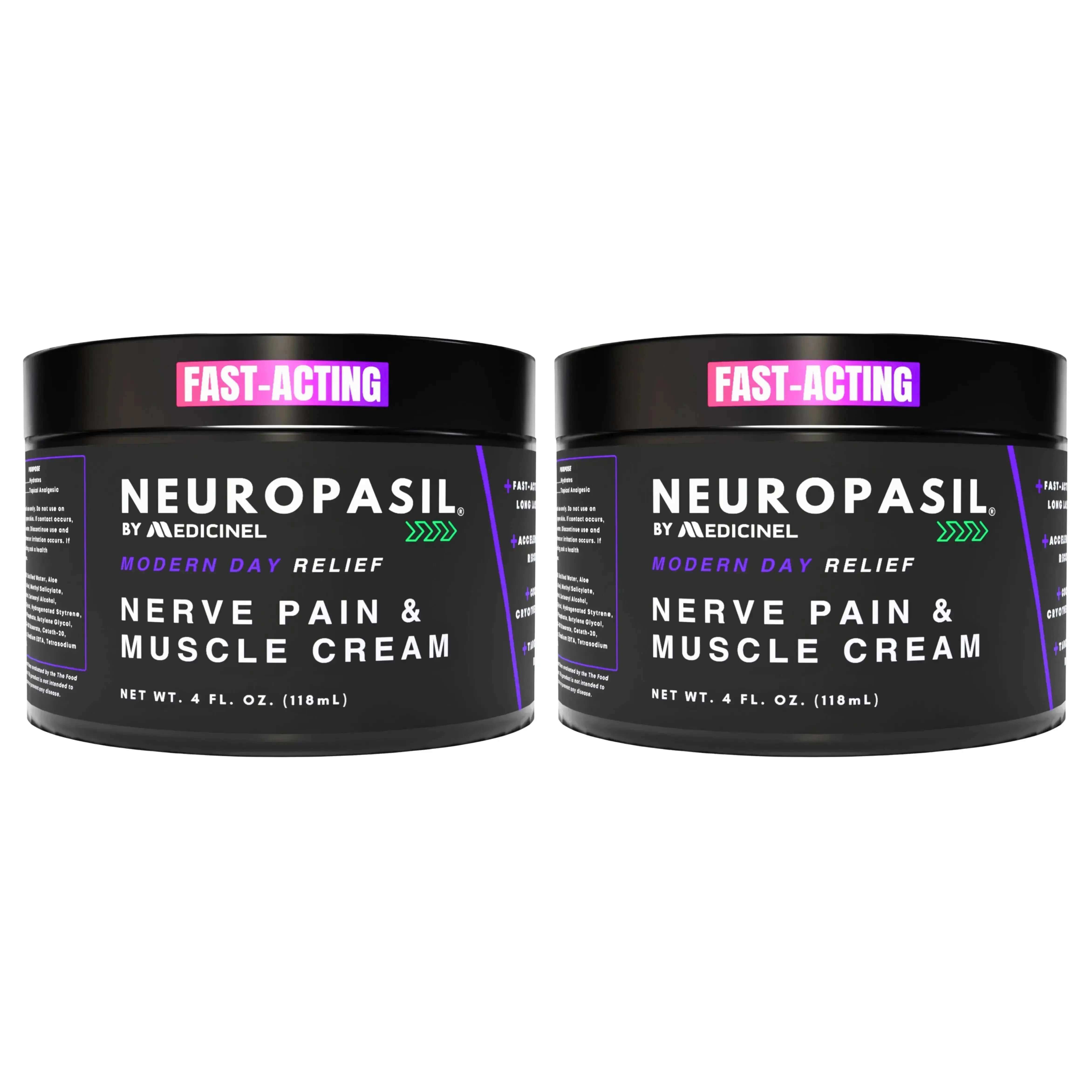
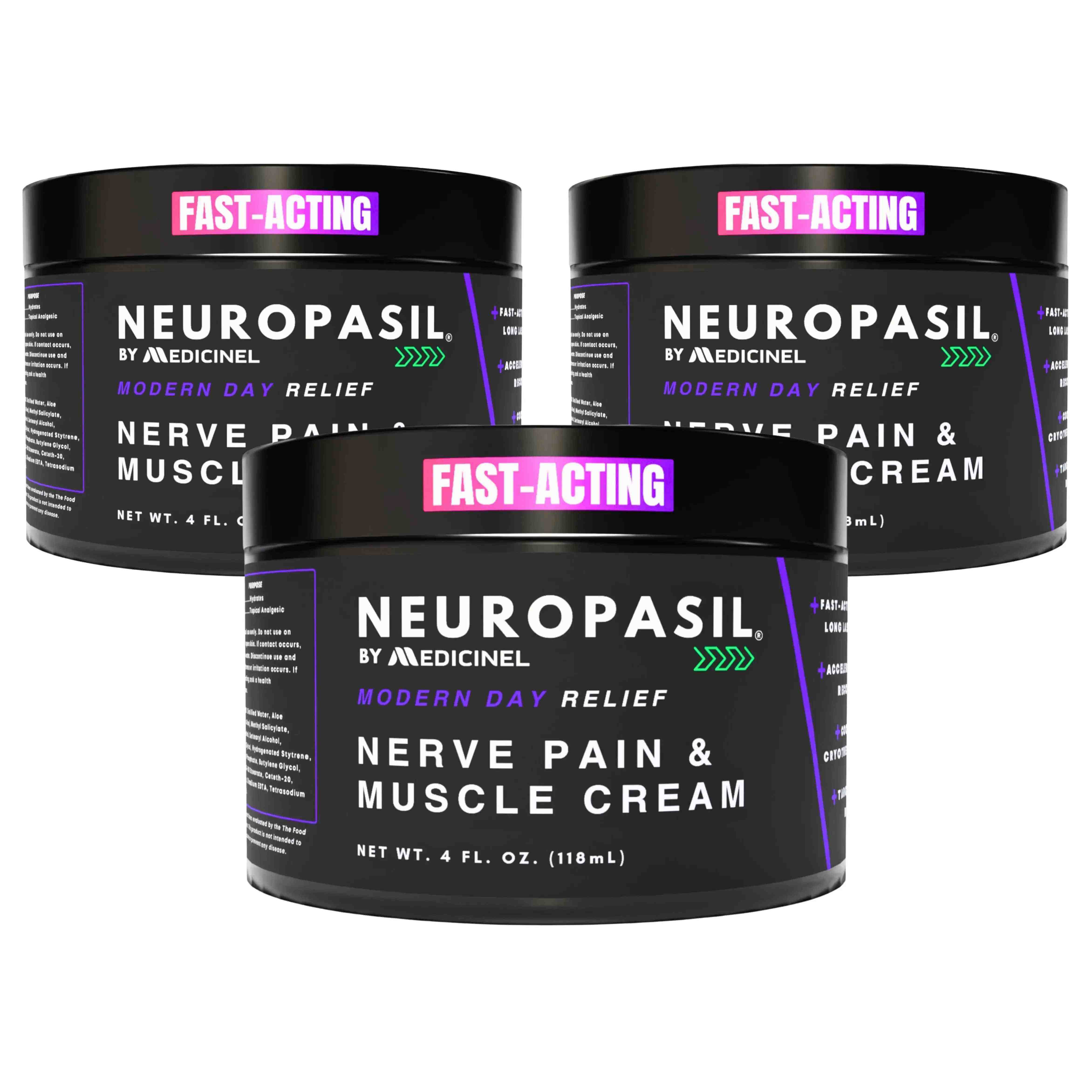
After the acute phase, your focus shifts to active recovery. For localized, soothing comfort from pec muscle pain, we developed Neuropasil Nerve and Muscle Pain Relief Cream. Our blend of Aloe, Urea, and Menthol penetrates deeply to provide fast-acting relief. Simply apply as directed to the affected area.
Once acute pain subsides, introduce gentle, pain-free movement to encourage blood flow and prevent stiffness. Support muscle repair with proper hydration and nutrition, focusing on protein, fruits, and vegetables.
For additional pain management, you can consider over-the-counter pain relievers. Always follow label instructions and consult your healthcare provider if you have underlying health conditions or are taking other medications.
After 48 hours, you can introduce heat therapy (like a warm compress) to increase circulation and relax the muscle.
For more comprehensive information about pain relief options, see our blog post about the best pain relief approaches for muscle pain. To experience targeted relief yourself, you can try our nerve and muscle pain relief cream.
Activities to Avoid During Recovery
Knowing what not to do is crucial to avoid setbacks. The simplest rule is: if it causes pain, don't do it.
- Heavy lifting: Avoid any exercises targeting your chest, shoulders, or arms.
- Pushing or pulling heavy objects: This includes daily activities like opening heavy doors or moving furniture.
- Intense exercise and sports: Put activities like tennis, swimming, or your regular gym routine on hold.
- Aggressive stretching: Premature or forceful stretching can re-injure the muscle. Wait for a professional's green light.
Advanced Recovery: Stretches, Exercises, and Professional Help
As the initial pain fades, the advanced recovery phase begins. This stage is crucial for restoring full function and preventing a nagging, recurrent injury.
The Role of Physiotherapy in Your Recovery
A physiotherapist provides a professional diagnosis and creates a personalized rehabilitation plan based on your injury's grade:
- Grade 1: Minor strain, heals in 2-3 weeks.
- Grade 2: Partial tear, requires 4-8 weeks of recovery.
- Grade 3: Complete tear, may need surgery and 6+ months of rehab.
They use manual therapy (like soft tissue massage) to reduce pain and scar tissue, and they can analyze and correct your exercise form to prevent future injuries. Proper rehab is key to avoiding chronic tightness, weakness, and re-injury. Understanding the Anatomy of the Pectoralis Major helps target the right areas during rehabilitation.
Best Stretches for Pec Muscle Pain Recovery
Once you can move without pain, gently reintroduce stretching. The rule is to always be gentle and pain-free; you should feel a mild pull, not discomfort.
- Doorway Stretch: Stand in a doorway, place forearms on the frame with elbows bent. Step forward until you feel a gentle stretch across your chest. Hold for 20-30 seconds.
- Wall Stretch: Stand near a wall, place one hand flat against it at shoulder height. Gently rotate your body away from the wall to feel a stretch. Hold for 20-30 seconds.
- Chest Opener Stretch: Clasp hands behind your back. Gently lift your arms and squeeze your shoulder blades together to open your chest. Hold for 20-30 seconds.
- Child's Pose: On hands and knees, sit hips back toward your heels and walk your arms forward, resting your forehead on the mat. Gently press your chest toward the floor. Hold for 30-60 seconds.
Never bounce or force a stretch. Slow, deliberate movements are best for healing tissue.
Preventing Re-Injury and Long-Term Effects
Staying recovered requires a focus on prevention. Follow these strategies to avoid re-injury:
- Proper Warm-Up: Always perform 5-10 minutes of dynamic warm-ups (e.g., arm circles, torso rotations) before exercise.
- Correct Form: Focus on proper technique, especially during weightlifting. Consider working with a trainer to correct your form.
- Gradual Progression: Return to training slowly. Start with lighter weights and increase the load gradually over weeks.
- Listen to Your Body: Distinguish between normal muscle soreness and sharp pain. Stop if you feel pain.
- Prioritize Rest: Incorporate rest days into your schedule and aim for 7-9 hours of sleep to allow muscles to repair.
- Nutrition and Hydration: Support healing with a diet rich in protein, vitamins, and minerals, and drink plenty of water.
For more insights on injury prevention and recovery, Read more on our blog.
Frequently Asked Questions about Pec Muscle Pain
Here are answers to the most common questions about pec muscle pain to give you clarity for your recovery.
How long does a pulled pec muscle take to heal?
The healing time depends entirely on the severity (grade) of the injury:
- Grade 1 (mild strain): About 2-3 weeks for recovery. You'll feel some discomfort but have no significant loss of strength.
- Grade 2 (partial tear): Typically takes 4-8 weeks. Pain is more pronounced, with swelling, bruising, and weakness. Physiotherapy is often needed.
- Grade 3 (complete tear): Recovery can take 6 months or longer. These severe injuries often require surgery and intensive rehabilitation.
Following a structured recovery plan is crucial to prevent chronic issues, even with minor strains.
Can I still work out with a strained chest muscle?
No, you should not work out the injured area. Continuing to stress the muscle can turn a minor strain into a major one and prolong recovery.
However, you don't have to be completely sedentary. You can focus on low-impact cardio (like walking or stationary cycling) and exercises for other muscle groups (like legs) that don't engage your chest. The golden rule is simple: if it hurts, don't do it. Consult a physiotherapist for a modified workout plan.
What's the difference between a pec strain and a tear?
The terms are often used interchangeably because a muscle strain is a tear in the muscle fibers. The real distinction is the severity of the tear, which is described by grades:
- A strain usually refers to a Grade 1 (minor) or Grade 2 (partial) tear.
- A complete tear or rupture is a Grade 3 injury, where the muscle or tendon is torn completely through.
Determining the grade of your injury through a medical assessment is what matters most for your treatment and recovery plan.
Conclusion
Navigating pec muscle pain can be a challenging experience, whether you're an athlete, a fitness enthusiast, or simply someone who lifted something a bit too heavy. We've explored the common causes, identified key symptoms, and outlined a clear path for recovery.
To recap, your journey back to full strength involves several critical steps: first, accurately identifying your symptoms and understanding the potential causes. Second, and crucially, knowing when to seek immediate medical attention to rule out more serious conditions. Once confirmed as a muscle strain, treating the injury effectively begins with the R.I.C.E. method in the initial 48 hours, followed by careful pain management and avoiding activities that could worsen the injury. Finally, a structured approach to advanced recovery, often guided by physiotherapy, incorporating gentle stretches and progressive exercises, is essential to restore strength and prevent future re-injury.
Listening to your body is paramount throughout this process. Don't rush your recovery, and always prioritize pain-free movement over pushing through discomfort. For managing muscle soreness and discomfort during your recovery, Neuropasil offers natural, soothing relief, powered by ingredients like Aloe, Urea, and Menthol, trusted by athletes and individuals seeking targeted comfort.
We are committed to helping you understand and manage your pain effectively, so you can get back to doing what you love. Learn more about our natural ingredients and how they work to provide relief by visiting our website: Learn more about our natural ingredients. Or, explore our full range of products designed for muscle and nerve pain relief: Visit our homepage.
References
Throughout this comprehensive guide on pec muscle pain, we've drawn upon trusted medical sources and expert research to ensure you receive accurate, actionable information for your recovery journey.
Our understanding of musculoskeletal chest pain and how to differentiate it from cardiac issues comes from the Cleveland Clinic's thorough exploration of this topic: Musculoskeletal Chest Pain. Their insights helped us clarify when chest pain requires immediate medical attention versus when it can be managed at home.
The foundational knowledge about pectoral muscle anatomy and function is based on research published in StatPearls by Solari, F., & Burns, B. (2023), Anatomy, Thorax, Pectoralis Major, available through the National Center for Biotechnology Information: Anatomy of the Pectoralis Major. Understanding the structure of these muscles is essential for proper diagnosis and treatment.
Our guidance on the R.I.C.E. method and the appropriate use of ice versus heat therapy was informed by Cleveland Clinic's evidence-based recommendations: Should You Use Ice or Heat for Pain?
The detailed symptom descriptions, injury grading systems, and recovery timelines were developed using information from multiple physiotherapy and sports medicine sources, including Physio.co.uk's clinical guide on Pectoralis Major Strain, Physica's practical overview of Pec Strain, and PhysioAdvisor's comprehensive resource on Pectoral Strain.
Our stretching recommendations were guided by Yorkville Sports Medicine's targeted approach: The 4 Best Stretches For A Strained Chest Muscle, while exercise progressions drew from The Prehab Guys' expertise: Exercises for Pec Strains.
The critical information about distinguishing heart attacks from muscle strains was informed by Banner Health's patient-focused guide: Is It a Heart Attack or a Pulled Chest Muscle?
Additional insights on symptoms, causes, and treatment approaches came from WebMD's overview: Pectoralis Major Tear: Symptoms, Causes, and Treatment and Rehab Hero's recovery guidance: Pec Strain Recovery.
We're grateful to these medical professionals and institutions for their commitment to evidence-based information. Their research and clinical experience have enabled us to create a resource that we hope will guide you safely through your recovery from pec muscle pain and back to the activities you love.