That Sharp Pain in Your Chest: What You Need to Know
A pulled muscle in chest happens when the muscle fibers in your chest wall stretch too far or tear, causing sudden, sharp pain that worsens with movement or breathing. While this injury is common—especially among athletes and active adults—it can feel alarming because chest pain naturally raises concerns about your heart.
Quick Answer: How to Identify & Treat a Pulled Muscle in Chest
- Identify the symptoms: Sharp, localized pain that worsens with movement, breathing, or coughing (unlike heart attack pain, which feels like pressure and radiates)
- Apply R.I.C.E. immediately: Rest, Ice (20-minute intervals), Compression (if appropriate), and Elevation
- Manage pain: Use topical relief creams with menthol or take over-the-counter pain relievers
- Start gentle movement: Begin light stretching and low-impact exercise after 2-3 days of rest
- Prevent future strains: Always warm up before exercise, use proper lifting form, and strengthen your chest muscles
Most pulled chest muscles heal within 2-3 weeks with proper care. However, seek immediate medical attention if you experience pressure-like chest pain, difficulty breathing, sweating, dizziness, or pain radiating to your arms, jaw, or back—these could indicate a heart attack.
The good news? Once you correctly identify a pulled muscle in chest, you can take simple, effective steps to speed your recovery and get back to the activities you love.
I'm Tony Enrico, and through years of working with athletes and individuals managing muscle pain, I've seen how a pulled muscle in chest can sideline even the most dedicated person. That's why I created Neuropasil—to provide fast, effective relief so you can focus on healing and getting back to your life.

Basic pulled muscle in chest glossary:
Change 1: Correctly Identify Your Symptoms
When that sudden chest pain hits, your first thought might be panic. But take a breath—understanding what's happening in your chest is the crucial first step toward getting relief.
A pulled muscle in chest happens when the muscle fibers stretch beyond their limit or tear. These tears can be microscopic or, in severe cases, involve a complete rupture. Your chest houses several hardworking muscles, each with an important job to do.
The pectoralis major is the large, fan-shaped muscle covering most of your upper chest. Every time you push something, throw a ball, or do a bench press, you're putting this muscle to work. It's responsible for moving your arm across your body and rotating it inward.
Tucked underneath lies the pectoralis minor, a smaller muscle that helps stabilize your shoulder blade and assists with breathing. And then there are the intercostal muscles—three layers of muscles running between your ribs. These often-overlooked muscles are absolute heroes when it comes to breathing and stabilizing your rib cage. In fact, up to 49 percent of chest pain comes from intercostal muscle strain, making them the most common culprit in chest muscle injuries.
So what causes a pulled muscle in chest in the first place? Sports injuries top the list—think weightlifting (especially heavy bench presses), tennis serves, golf swings, or rowing motions. Heavy lifting with improper form or twisting while carrying something heavy can easily strain these muscles. Even something as simple as severe coughing or sneezing from a bad cold or bronchitis can put tremendous strain on your intercostal muscles. Falls or direct impacts to the chest, overstretching while reaching overhead, and plain old muscle fatigue from overuse all increase your risk.
Is It a Pulled Muscle or Something More Serious?
Here's where things get real. While most chest pain comes from relatively harmless muscle strains, chest pain can also signal serious problems like a heart attack. Knowing the difference could save your life.
A pulled muscle in chest typically causes sharp, stabbing pain that gets worse when you move, breathe deeply, cough, or press on the sore spot. The pain stays localized to one area of your chest wall. You might see some bruising or swelling, and moving your arm or shoulder might be uncomfortable.
Heart attack pain feels completely different. Instead of sharp and stabbing, it's more like pressure, squeezing, or a crushing sensation in the center or left side of your chest. This pain often radiates to your left arm, back, neck, jaw, or stomach. Movement doesn't make it worse—and here's the scary part—it can happen even when you're resting. You'll likely experience shortness of breath, cold sweats, nausea, dizziness, or lightheadedness along with the chest discomfort.
If you experience any heart attack symptoms, call 911 immediately. Don't wait, don't drive yourself to the hospital, and don't convince yourself it's "probably nothing." When it comes to your heart, it's always better to be overly cautious.
Understanding the Severity of a Pulled Muscle in Chest
Not all muscle strains are the same. Medical professionals grade muscle strain severity to determine the best treatment approach and set realistic recovery expectations.
Grade 1 strains are mild injuries where just a few muscle fibers tear. You'll feel some tenderness and stiffness, but your strength and movement stay mostly normal. Think of it as a gentle reminder from your body to take it easy. Most people recover from Grade 1 strains in two to three weeks with proper care.
Grade 2 strains are more serious. More muscle fibers tear, though the muscle stays intact. You'll experience significant pain, visible bruising and swelling, and a noticeable loss of strength. Daily activities like getting dressed or reaching for something can become genuinely challenging. Recovery typically takes two to three months.
Grade 3 strains represent a complete muscle rupture—the most severe injury. You might actually hear or feel a "popping" sensation when it happens, followed by intense pain, significant bruising and swelling, and complete loss of muscle function. These injuries sometimes require surgery to reattach the torn muscle or tendon to the bone, and recovery can stretch over several months.
When should you see a doctor? Any chest pain deserves professional evaluation to rule out serious conditions. If your pain is severe, doesn't improve after a few days of home treatment, keeps getting worse, or if you heard that telltale "pop" during the injury, make an appointment. When you have any doubt about what's causing your chest pain, always err on the side of caution.
When should you seek emergency care? Beyond heart attack symptoms, head to the emergency room if your chest pain comes with fainting, severe dizziness, profuse sweating, racing pulse, difficulty breathing, high fever, or confusion. Your body is trying to tell you something important—listen to it.
Change 2: Implement Immediate At-Home Care (The R.I.C.E. Method)
Once you've determined that you're dealing with a pulled muscle in chest and ruled out more serious concerns, it's time to take action. The good news? You can start treating this injury right away at home. For mild to moderate strains, the R.I.C.E. method is your best friend—a proven first-line treatment that reduces pain and swelling while giving your body the best conditions to heal itself.
R.I.C.E. stands for Rest, Ice, Compression, and Elevation. It's simple, effective, and doesn't require any fancy equipment. Think of it as creating the perfect environment for those damaged muscle fibers to knit themselves back together.
How to Use R.I.C.E. for a Pulled Muscle in Chest
Let's walk through each component of R.I.C.E. and how to apply it specifically for a chest muscle strain.
Rest is your foundation. I know it's tempting to power through the pain—we've all been there—but this is one time when your body is begging you to slow down. Stop any activity that caused the pain or makes it worse. Those damaged muscle fibers need a break to begin repairing themselves. You can resume light activity after about two days, but listen to your body. If the pain returns, that's your signal to ease off. Avoid activities that involve pushing, pulling, or twisting your torso. Avoiding overexertion isn't a sign of weakness—it's smart recovery strategy.
Ice becomes your next ally. Applying cold therapy helps constrict blood vessels, reducing blood flow to the injured area and minimizing both swelling and pain. Use a cold pack or even a bag of frozen vegetables wrapped in a towel—no need for anything fancy. Apply it to the affected area for 20-minute intervals, up to three times a day. The key word here is "intervals"—more isn't better. Always place a cloth between the ice pack and your skin to prevent frostbite. Your chest might feel cold and slightly numb during application, but that's exactly what we want.
Compression provides gentle support to the injured area. If recommended by your healthcare provider, use a soft cloth or an elastic wrap to gently compress the chest area. The goal is to reduce swelling by preventing fluid buildup, not to restrict your breathing or movement. Be careful not to wrap too tightly—you should still be able to breathe comfortably and move without pain. If you feel any numbness, tingling, or increased pain, loosen the wrap immediately. Think "supportive hug," not "python squeeze."
Elevation helps drain fluid away from the injury site, further reducing swelling. For a pulled muscle in chest, this can be a bit trickier than elevating an ankle or wrist. Your best bet is sleeping in a recliner or propping yourself up with extra pillows at night. Keep your upper body liftd above the level of your heart when possible. Yes, it might feel a bit awkward at first, but it makes a real difference in how quickly the swelling subsides.

The R.I.C.E. method works best when you start it within the first 24-48 hours after the injury. This is when inflammation is at its peak, and early intervention can significantly impact your recovery timeline. Think of it as your immediate response protocol—the foundation upon which all other treatment builds.
Change 3: Manage Pain and Inflammation
While R.I.C.E. does wonders in those first crucial hours, let's be honest—a pulled muscle in chest can still leave you wincing when you reach for your morning coffee or take a deep breath. Beyond the initial care, managing that lingering pain and inflammation becomes essential to your comfort and helps your body focus its energy on healing.
Over-the-counter pain relievers are often a reliable first step. Acetaminophen (Tylenol) can help ease discomfort, while nonsteroidal anti-inflammatory drugs like ibuprofen (Advil, Motrin IB) or naproxen (Aleve) tackle both pain and inflammation. These medications can be quite effective, especially in the first few days when inflammation is at its peak. Just remember to follow the dosage instructions on the label and check with your pharmacist or healthcare provider if you're taking other medications or have any health concerns.
But here's where things get interesting—and more targeted. Many people find that topical solutions offer a more direct approach to muscle pain relief. Instead of waiting for a pill to work its way through your entire system, you can apply relief exactly where it hurts. Topical pain relief works by delivering active ingredients directly through your skin to the affected muscles and tissues below.
Neuropasil: Targeted Relief for Muscle Pain
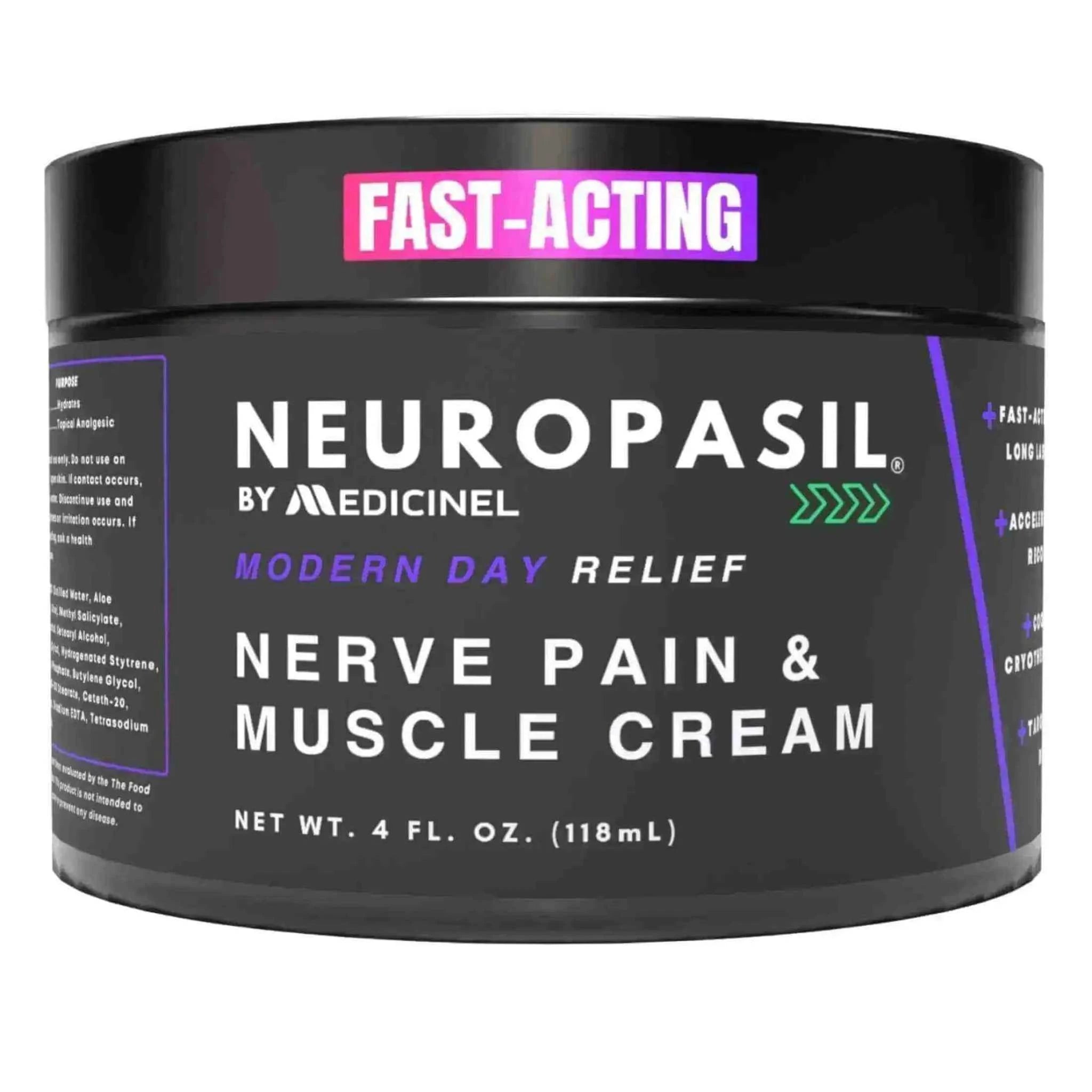
When you're dealing with a pulled muscle in chest, the last thing you want is to wait around for relief. That's exactly why we developed Neuropasil Nerve Pain Relief Cream—to give you fast-acting, targeted comfort right where you need it most.
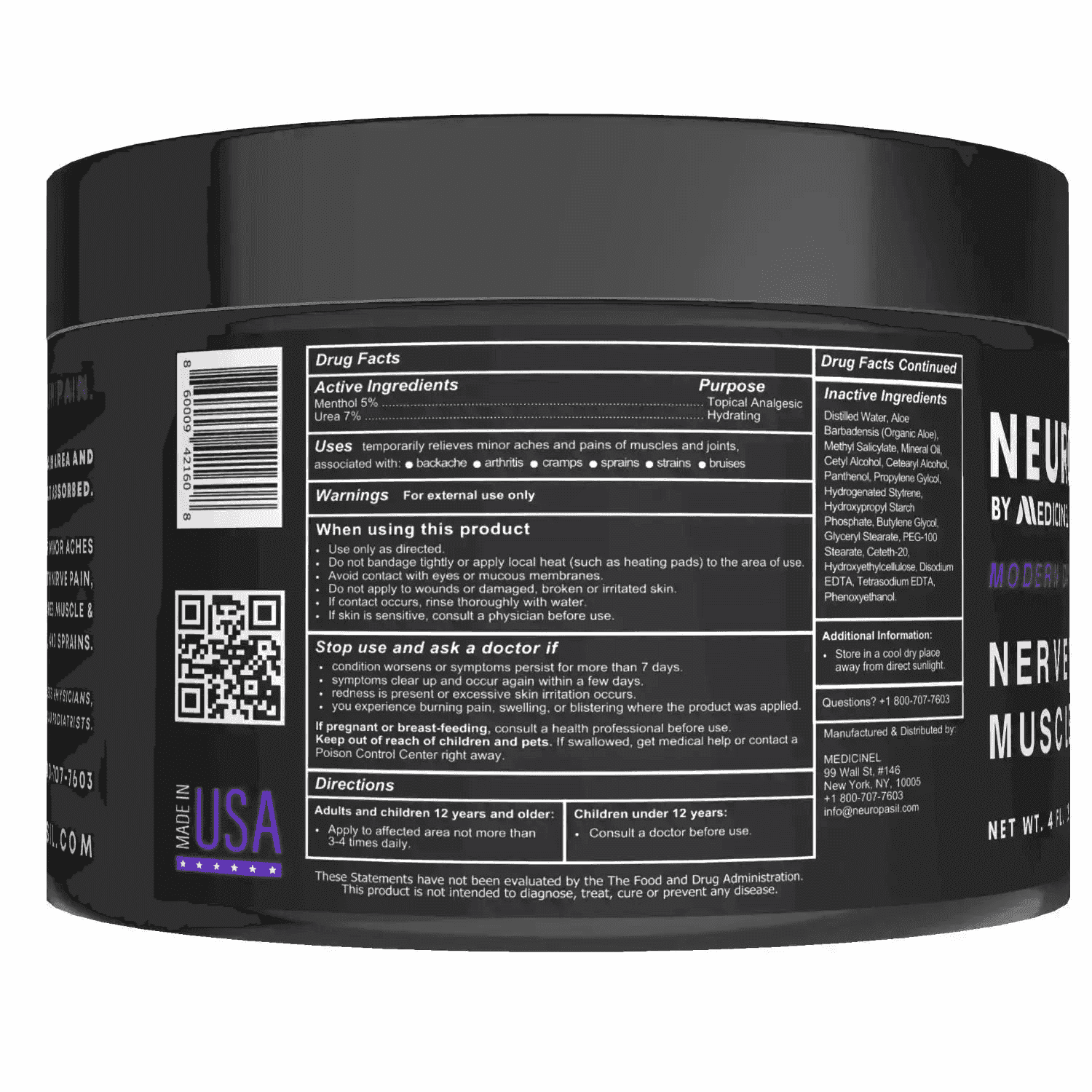
Our menthol-based formula works quickly to create a soothing cooling sensation that helps ease the sharp, nagging pain of strained chest muscles. Combined with natural ingredients like Aloe and Urea, Neuropasil penetrates deeply to reach those sore, overworked muscle fibers. The cooling effect of menthol doesn't just feel good—it actually helps distract your pain receptors and provides temporary relief, giving you a much-needed break from constant discomfort.
What makes Neuropasil particularly useful for chest muscle strains is how easy it is to apply. You can gently massage it into the affected area without putting pressure on already tender muscles. It fits seamlessly into your R.I.C.E. routine—just apply it between ice sessions or before bed to help you rest more comfortably.
Athletes who've used Neuropasil for muscle recovery know the value of having targeted relief on hand. Whether you're an active gym-goer who pushed too hard on bench press day or someone who simply lifted one too many moving boxes, having a reliable topical cream can make your recovery journey much more manageable. You can learn more about choosing the right solution by reading our guide on finding the best pain relief creams for muscle pain, or if you're ready to experience the difference yourself, shop Neuropasil Nerve Pain Relief Cream directly.
The beauty of combining topical relief with your other recovery strategies is that you're addressing your pain from multiple angles—reducing inflammation internally while providing soothing, targeted comfort externally. This comprehensive approach can help you stay more comfortable throughout your healing journey.
Change 4: Focus on Gentle Recovery and Movement
After those first few days of diligent rest and R.I.C.E., you might be surprised to learn that staying too still can actually work against you. Once the initial sharp pain from your pulled muscle in chest starts to ease—usually around the 2-3 day mark—it's time to gently coax those muscles back into action. I know it feels counterintuitive when you're still sore, but here's the truth: prolonged rest can lead to stiffness, weakness, and even the formation of restrictive scar tissue that limits your mobility down the road.
The recovery timeline varies depending on the severity of your strain. A mild Grade 1 strain typically heals within 2-3 weeks, while a moderate Grade 2 strain may take 2-3 months. Throughout this healing period, gentle movement becomes your ally—helping to restore flexibility, maintain circulation to the injured area, and gradually rebuild strength without setting back your progress.
The golden rule during this phase? Listen to your body. If a movement triggers sharp pain, that's your body's way of saying "not yet." Back off, give it another day or two, and try again. Recovery isn't a race; it's a conversation between you and your healing muscles.
Stretching and Low-Impact Exercise
Before you begin any stretching routine, make sure the acute pain has significantly decreased. You should be able to breathe deeply and move your arms without wincing. If you're still in that initial sharp-pain phase, give yourself more time with the R.I.C.E. protocol.
When you're ready, start with gentle chest stretches. The doorway chest stretch is one of my favorites for a pulled muscle in chest because it's so easy to control the intensity. Stand in a doorway and place your forearms against the doorframe, elbows bent at about 90 degrees. Then take a small step forward until you feel a gentle stretch across your chest—emphasis on gentle. Hold this position for 20-30 seconds while breathing deeply and naturally. You should feel a mild pulling sensation, never pain.
Another effective option is the wall stretch for the pectoralis major. Stand facing a wall and place one hand flat against it at shoulder height. Slowly turn your body away from the wall until you feel that familiar stretch across your chest and shoulder. Hold for 20-30 seconds, then switch to the other side. This stretch is particularly good for targeting those larger chest muscles that often bear the brunt of a strain.

Beyond stretching, incorporating low-impact cardiovascular exercise helps maintain your overall fitness and improves blood flow to the healing tissues—which actually speeds recovery. Walking is perfect because it gets your body moving without stressing your chest muscles. A stationary bike is another excellent choice, allowing you to control the intensity while keeping your upper body relatively still. Swimming can be wonderful once you're further along in recovery, but definitely get clearance from your healthcare provider first, as the arm movements might be too much too soon.
The key with all of these activities is to avoid any movements that reproduce your chest pain. No pushing, pulling, or twisting motions. If you feel that familiar ache returning during an activity, stop immediately and give yourself more recovery time.
We've put together extensive information about muscle recovery strategies on our blog. The Ultimate Guide to Relieving Muscle Soreness offers additional insights into supporting your muscles through the healing process, with tips that complement your specific chest muscle recovery journey. Many of these principles apply across all muscle injuries, helping you understand the bigger picture of what your body needs during this time.
Change 5: Prevent Future Chest Muscle Strains
Here's the truth: once you've experienced the sharp sting of a pulled muscle in chest, you'll do just about anything to avoid going through it again. And the good news? You absolutely can. Prevention isn't complicated—it's about building smart habits, respecting your body's limits, and taking a few simple precautions that become second nature over time.
Think of prevention as an investment in your future self. Every warm-up you complete, every time you check your form, every rest day you honor—these aren't inconveniences. They're building blocks for a stronger, more resilient body that can handle whatever life throws at it.
Key Prevention Strategies That Actually Work
Start every workout with a proper warm-up. Cold muscles are like cold taffy—stiff and prone to tearing. Before any strenuous activity, spend 5-10 minutes doing dynamic stretches and light cardio. Arm circles, gentle torso twists, and a brisk walk get blood flowing to your chest muscles and prepare them for the work ahead. This simple habit can make all the difference between a great workout and a painful injury.
Master correct lifting form, whether you're at the gym or moving furniture. When lifting heavy objects, engage your core muscles first, keep your back straight, and let your legs do the heavy lifting—not your arms or back alone. Never twist your torso while lifting; instead, pivot your entire body with your feet. If something feels too heavy, it probably is. Ask for help. There's no shame in protecting your body, and more on preventing muscle strains shows that proper technique dramatically reduces injury risk.
Build chest strength gradually and intelligently. If you're bench pressing or doing chest flyes, resist the urge to dramatically increase weight from one session to the next. Progressive overload works, but only when it's truly progressive. A balanced strength training program that also works your back muscles helps prevent the muscle imbalances that can lead to strain. Your body isn't competing with anyone else's timeline.
Prioritize rest and recovery like they're part of your training plan—because they are. Muscle fatigue is one of the biggest risk factors for injury. When your chest muscles are tired, they can't protect themselves effectively. Take rest days seriously, and make sure you're getting adequate sleep. That's when your body does its repair work, rebuilding muscle fibers stronger than before.
Maintain flexibility through regular stretching, even on days when you're not working out. A supple chest muscle with good range of motion is far less likely to tear than a tight, restricted one. Spend just a few minutes each day gently stretching your chest and shoulders.
Stay hydrated and eat a balanced diet. Your muscles need proper fuel to function and repair themselves. Adequate protein, vitamins, and minerals support overall tissue health. Water helps transport nutrients to your muscles and flush out waste products. These basics matter more than any supplement ever will.
Listen to your body's whispers before they become screams. This might be the most important prevention strategy of all. If you feel discomfort, fatigue, or that subtle warning that something isn't quite right, honor it. Take a break. Modify your activity. Don't push through pain, because that's often how minor issues become major injuries. Your body is incredibly smart—trust its signals.
Finally, be mindful during everyday activities, not just structured exercise. Use handrails on stairs, especially when carrying things. Avoid walking on icy or slippery surfaces when possible. If you carry a backpack, use both shoulders rather than slinging it over just one side. These small daily choices add up to significant injury prevention over time.
By weaving these strategies into your daily routine, you're not just preventing another pulled muscle in chest—you're building a foundation for long-term health and resilience. And that's worth far more than any single workout.
Frequently Asked Questions about a Pulled Chest Muscle
We hear you—when you're dealing with a pulled muscle in chest, you've got questions. And honestly, that's exactly what you should have. Understanding your injury helps you heal smarter and faster. Let's tackle the most common questions we receive from people just like you.
How long does a pulled chest muscle take to heal?
Here's the truth: there's no one-size-fits-all answer, because not all strains are created equal. Your recovery timeline depends entirely on how severely you've injured the muscle.
For a Grade 1 strain, you're looking at the shortest recovery window—typically around two to three weeks. These mild strains involve only minor tearing of muscle fibers. You'll feel some discomfort and tenderness, but with proper rest and care, you'll be back to normal relatively quickly.
Grade 2 strains are a different story. With more significant muscle damage, these moderate injuries usually require two to three months to heal completely. You'll experience more pain, noticeable swelling, and a real impact on your strength and daily activities. Patience becomes your best friend here.
Grade 3 strains—the complete muscle ruptures—demand the longest recovery period, often several months. In some cases, surgery may be necessary to reattach the torn muscle or tendon, which naturally extends your healing timeline even further. These are serious injuries that require professional medical guidance.
That these are general guidelines based on typical recovery times for muscle strains. Your individual recovery can be influenced by factors like your age, overall health, how diligently you follow treatment recommendations, and whether you engage in physical therapy. Some people heal faster; others need more time. Listen to your body, not just the calendar.
Can I exercise with a pulled chest muscle?
Let's be crystal clear about this: initially, no. When you first injure your chest muscle, rest is absolutely non-negotiable. Your muscle fibers need those first few days to begin the repair process without any additional stress. Stop whatever activity caused the pain, and give yourself permission to truly rest.
However—and this is important—prolonged complete inactivity isn't the goal either. Once the sharp, acute pain subsides (usually after about 2-3 days), you can gradually reintroduce movement. We're talking about light, low-impact exercise and gentle stretching, not jumping back into your regular workout routine.
Think gentle walks around your neighborhood, easy arm circles, or the doorway stretches we discussed earlier. The goal is to promote blood flow to the injured area and prevent stiffness from settling in. Your muscles need movement to heal properly, but they need the right kind of movement.
Here's the golden rule: if it hurts, stop immediately. Pain is your body's way of telling you something isn't ready yet. Any exercise that reproduces your chest pain or makes it worse is off-limits. Save the heavy lifting, bench presses, and forceful pushing or pulling movements until you're completely pain-free and have regained your full strength and range of motion. Rushing back too soon is the fastest way to re-injure yourself and start the whole recovery process over again.
When should I see a doctor for chest pain?
This is perhaps the most important question we can address, because when it comes to chest pain, it's always better to be safe than sorry.
Always see a doctor for any undiagnosed chest pain—period. Yes, even if you're pretty sure it's just a pulled muscle. Chest pain can signal serious conditions like heart problems, and only a healthcare professional can properly rule these out. Your peace of mind is worth the visit.
You should definitely contact a healthcare provider if your pain is severe, if it doesn't improve after a few days of home care with R.I.C.E. and pain management, or if you heard or felt a "popping" sound during the injury. That popping sensation often indicates a more serious tear that may need professional treatment.
Also seek medical attention if you experience persistent muscle weakness, numbness or tingling in your arm or hand, or if you develop a fever or signs of infection around the injured area. If your pain worsens instead of improves, or if new symptoms develop, don't wait—make that appointment.
And here's where we get serious: call 911 immediately if your chest pain comes with shortness of breath, pain radiating to your arm, jaw, neck, or back, cold sweats, nausea, dizziness, or a racing heart rate. These are red-flag symptoms that could indicate a heart attack or other life-threatening condition. Don't drive yourself to the hospital, don't wait to see if it passes—call emergency services right away.
Your health is too precious to gamble with. When in doubt, reach out to a medical professional. They're there to help you, and they'd much rather see you for a false alarm than miss something serious.
Conclusion
Dealing with a pulled muscle in chest can feel unsettling—that sharp pain naturally makes us worry. But here's the good news: you now have a clear roadmap to recovery. By following these five straightforward changes, you're not just treating an injury; you're taking charge of your healing journey with confidence.
We started by learning how to correctly identify your symptoms and distinguish them from more serious conditions—because knowing what you're dealing with is half the battle. Then we walked through the tried-and-true R.I.C.E. method for immediate relief, followed by effective pain management strategies, including targeted topical solutions like Neuropasil that bring comfort right where you need it most. We explored how gentle movement and stretching can actually speed your recovery rather than hinder it, and finally, we armed you with practical prevention strategies to keep you active and strain-free going forward.
Recovery from a pulled muscle in chest isn't just about waiting for the pain to disappear—it's about actively participating in your healing process. Listen to what your body tells you, don't hesitate to seek professional medical advice when something doesn't feel right, and trust that consistent, thoughtful care really does work.
You're not alone in this. At Neuropasil, we're committed to supporting your journey toward feeling your best, whether you're recovering from an injury or maintaining an active lifestyle. Explore our blog for more health insights on muscle recovery, pain management, and staying healthy—because your well-being is what matters most to us.
References
Throughout this guide on managing a pulled muscle in chest, we've drawn on medical research and expert resources to ensure you're getting accurate, trustworthy information. Understanding the science behind muscle strains helps us make better decisions about our recovery.
Did you know that up to 49 percent of chest pain comes from intercostal muscle strain? This surprising statistic reminds us just how common—and often misunderstood—chest muscle injuries really are. For detailed information on grading muscle strain severity, the Hospital for Special Surgery provides comprehensive guidelines that help us understand the difference between mild, moderate, and severe strains.
When we discussed the R.I.C.E. method, our recommendations for 20-minute intervals for ice application came from Johns Hopkins Medicine's sports medicine experts. The Mayo Clinic offers excellent guidance on both home remedies for strains and more on preventing muscle strains, which informed our prevention strategies.
Our emphasis on avoiding overexertion during recovery comes from understanding how pushing too hard can set back your healing. The Cleveland Clinic's information on topical pain relief helped explain how products like Neuropasil work to provide targeted relief.
For those interested in the anatomy behind chest muscle injuries, the National Center for Biotechnology Information provides detailed information on the anatomy of the Pectoralis Major. Finally, our timeline for recovery was based on typical recovery times for muscle strains established by leading orthopedic specialists.
We believe in transparency and evidence-based guidance. These trusted medical sources form the foundation of the advice we share with you, ensuring you can recover safely and effectively from your pulled muscle in chest.