What You Need to Know About a Pulled Muscle
A pulled muscle, or muscle strain, is a common injury that happens when muscle fibers overstretch or tear. It can result from athletic activity, lifting heavy objects, or even a sudden awkward movement. While painful, most pulled muscles can be treated effectively at home. This injury commonly affects the hamstrings, lower back, neck, shoulders, and calf muscles.
Quick Answer: How to Treat a Pulled Muscle
- Rest - Stop the activity and avoid using the injured muscle.
- Ice - Apply an ice pack wrapped in a cloth for 15-20 minutes every 2-3 hours for the first 2-3 days.
- Compression - Wrap the area with an elastic bandage, ensuring it's not too tight.
- Elevation - Keep the injured area raised above heart level when possible.
- Pain Relief - Use over-the-counter pain relievers or topical creams.
- Gentle Movement - After 2-3 days, slowly begin gentle stretching as pain allows.
- Seek Medical Care - If you heard a "pop," can't walk, or have severe pain, see a doctor.
Most mild to moderate strains heal within a few weeks with proper care. Severe tears may take several months and sometimes require surgery.
At Neuropasil, we've spent years developing natural, science-backed topical solutions to help people find relief from muscle pain. Through our work with athletes and everyday customers dealing with strains and muscle soreness, we've learned that proper care in the first 48 hours is critical for a fast recovery. Our menthol-based formulas provide targeted relief exactly where you need it most.
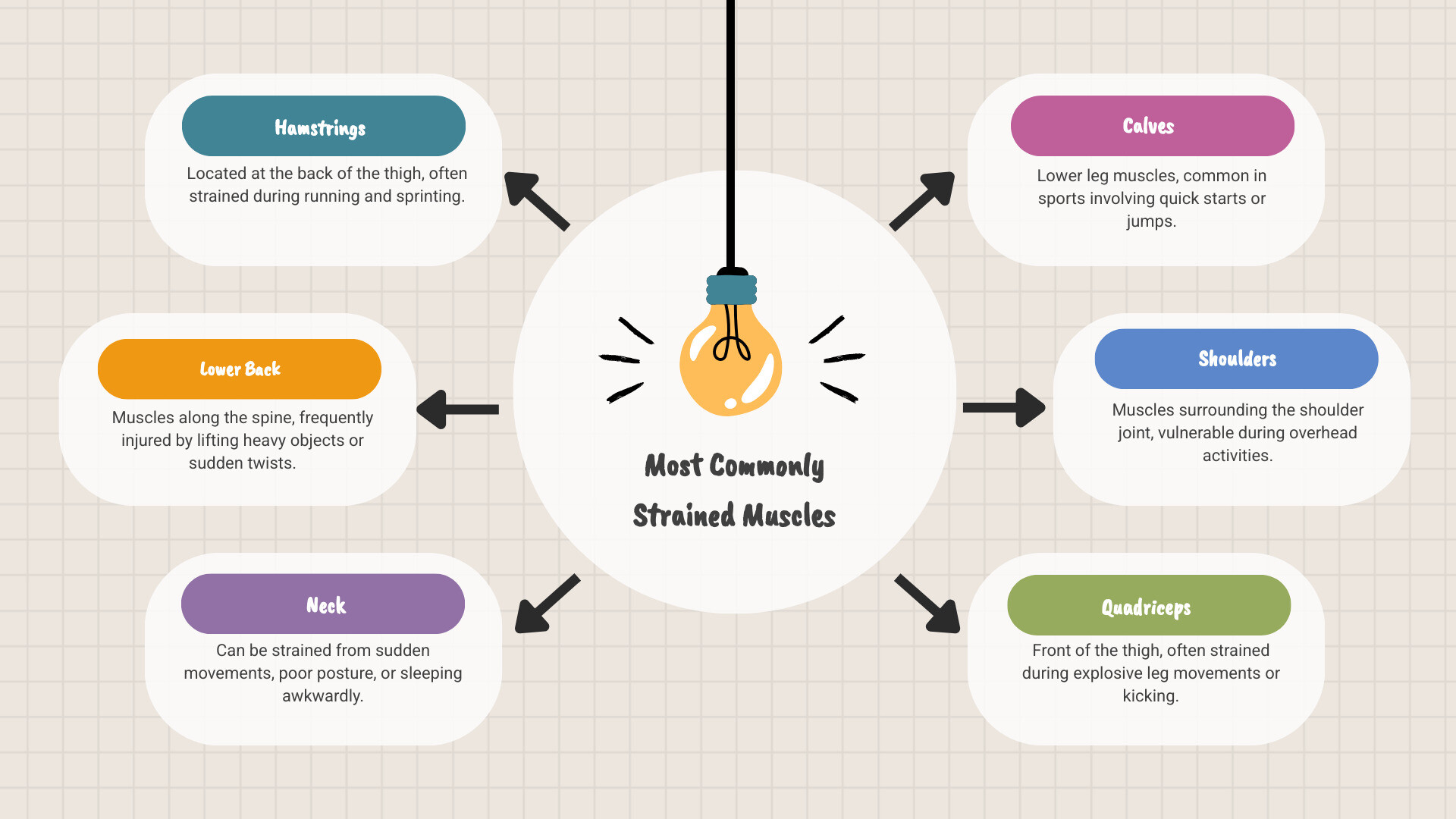
Simple guide to pulled muscle terms:
First, Identify Your Injury: Symptoms and Severity
A sudden jolt of pain often means you've pulled a muscle. Also known as a muscle strain, this injury occurs when muscle fibers or the tendons connecting them to bones tear from overstretching. Before starting treatment, it's important to identify the severity of your injury. Understanding the symptoms helps you distinguish a mild strain from a more serious problem, as well as other injuries like sprains. For more information on soft tissue injuries, the American Academy of Orthopaedic Surgeons offers an excellent resource on sprains, strains and other soft-tissue injuries.
Common Signs and Symptoms of a Pulled Muscle
Depending on the severity of the injury, you may experience a range of symptoms:
- Sudden Pain and Soreness: A sharp pain at the time of injury, followed by soreness or tenderness, especially when moving or touching the area.
- Limited Range of Motion: Difficulty moving the affected body part. For example, you may not be able to fully straighten a leg with a pulled hamstring.
- Swelling and Bruising: The body's inflammatory response can cause swelling. Broken blood vessels within the torn muscle may lead to black-and-blue discoloration.
- Muscle Spasms and Stiffness: The injured muscle may contract involuntarily, causing painful cramps. Stiffness is also common, especially after periods of rest.
- Muscle Weakness: The injured muscle may be unable to bear weight or perform its normal function.
- A "Pop" Sound: A popping or snapping sensation at the moment of injury is a red flag for a severe tear and requires immediate medical attention.
Strain vs. Sprain: What's the Difference?
People often confuse strains and sprains, but they affect different tissues.
- A strain (or pulled muscle) is an injury to a muscle or a tendon (the tissue connecting muscle to bone). It's caused by overstretching or overexertion, commonly affecting the hamstrings, lower back, and shoulders.
- A sprain is an injury to a ligament (the tissue connecting bone to bone). It typically occurs when a joint is twisted or wrenched, commonly affecting ankles, knees, and wrists.
Both can cause pain, swelling, and bruising, but knowing the difference is key to proper treatment.
Understanding the Grades of a Muscle Strain
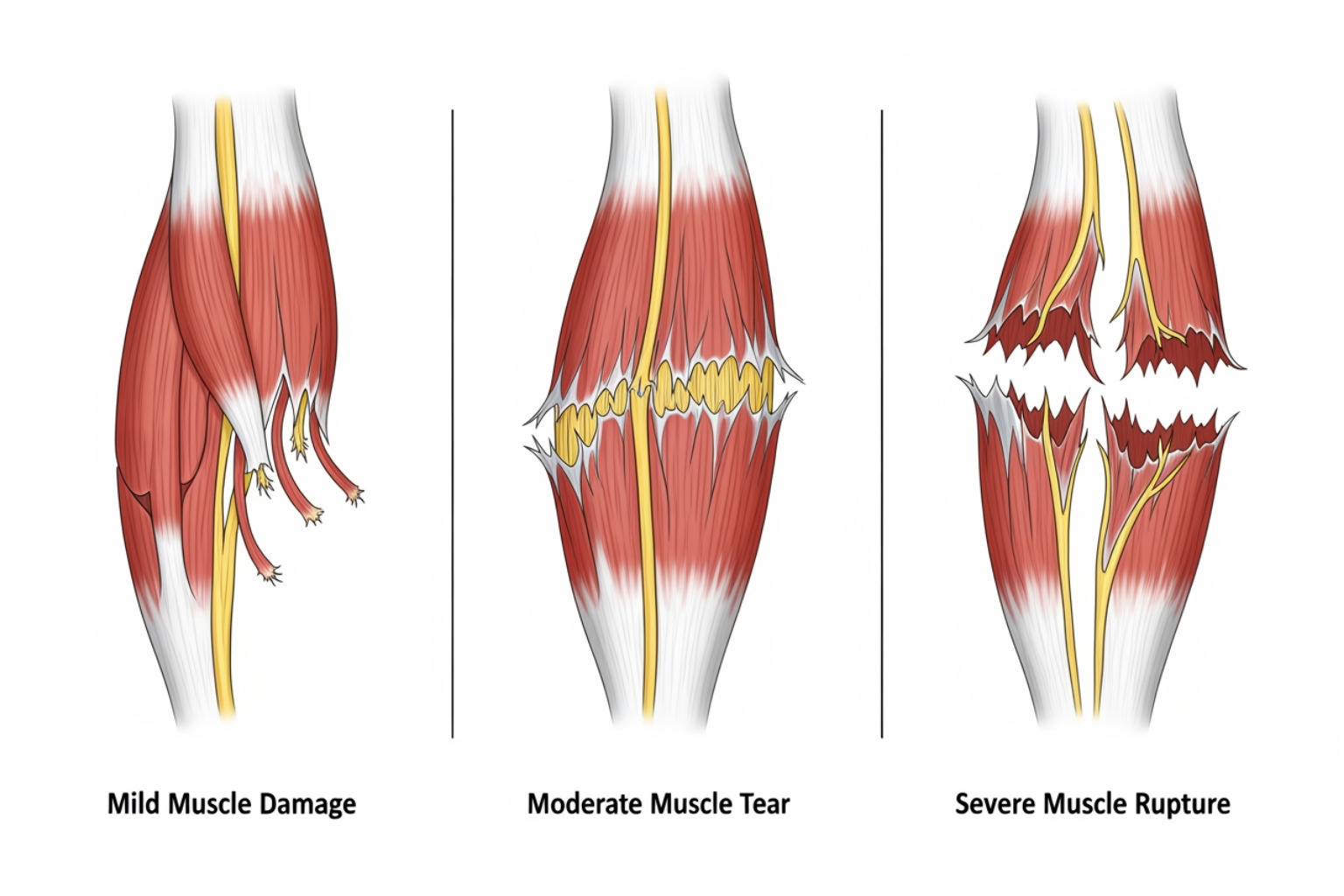
Doctors classify muscle strains into three grades based on the extent of the damage:
- Grade I (Mild): Only a few muscle fibers are stretched or torn. You'll feel mild tenderness and stiffness but have minimal loss of strength. These usually heal within a few weeks.
- Grade II (Moderate): A significant number of muscle fibers are torn, resulting in a partial rupture. This causes moderate pain, swelling, bruising, and a noticeable loss of strength. Healing can take several weeks to a few months.
- Grade III (Severe): The muscle or tendon tears completely. This causes severe pain, significant swelling, and a total loss of function. You might see a visible dent in the muscle. This injury requires immediate medical care and can take months to heal, often requiring surgery.
How to Treat a Pulled Muscle: A Step-by-Step Guide
Once you've identified a pulled muscle, recovery can begin. Most mild to moderate strains respond well to at-home care focused on reducing pain and swelling to support the healing process. The first 48 to 72 hours are for acute care, followed by ongoing rehabilitation. For more tips on general muscle discomfort, see our guide on relieving muscle soreness.
Immediate First Aid: The R.I.C.E. Method
For the first 2-3 days after an injury, follow the R.I.C.E. method. This protocol is the standard for acute soft tissue injuries and can significantly speed up recovery.
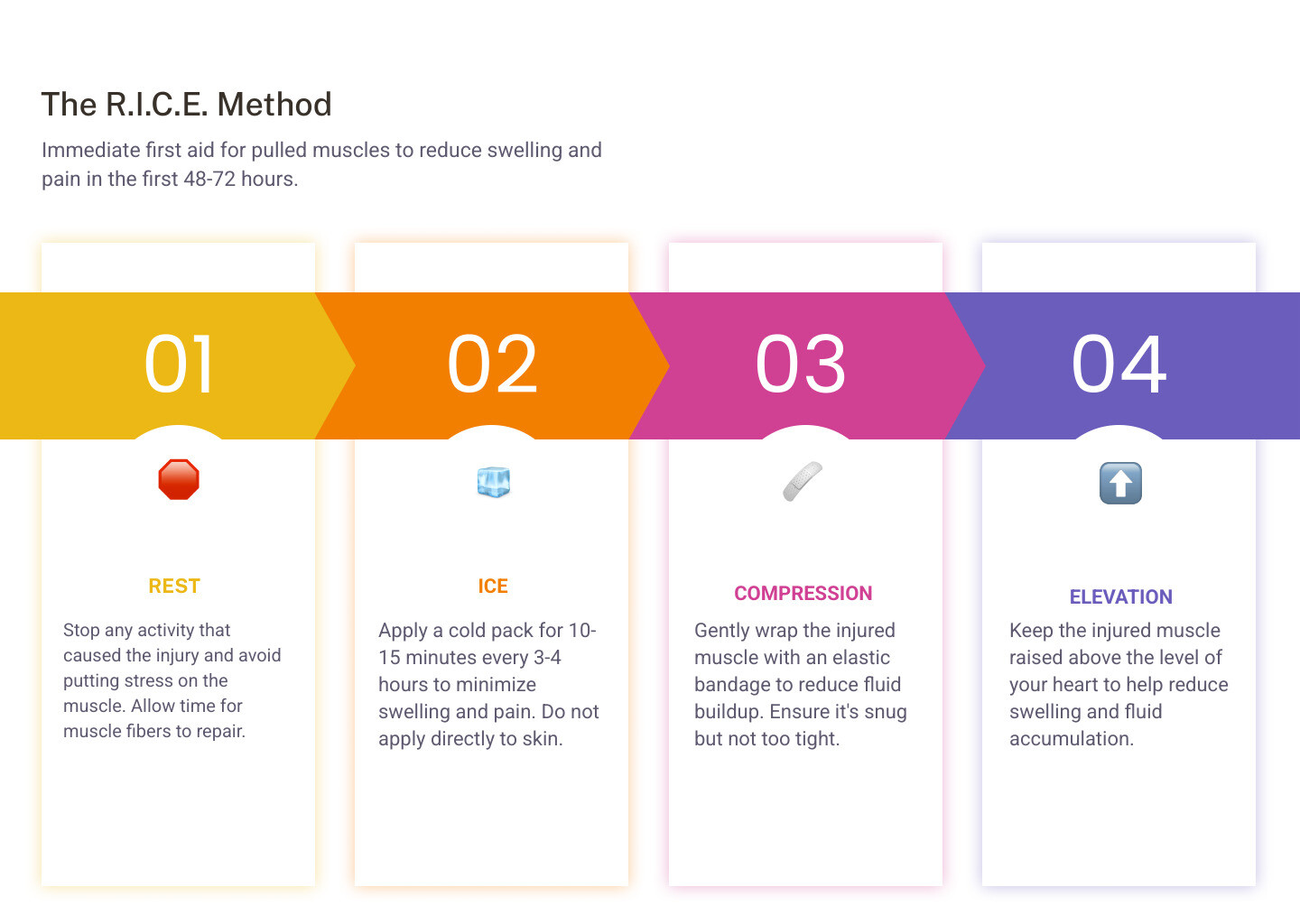
- Rest: Stop the activity that caused the injury immediately. Avoid using the muscle to allow the fibers to begin repairing. For a leg injury, you may need crutches to avoid bearing weight.
- Ice: Apply an ice pack wrapped in a thin towel to the injury for 15-20 minutes every 2-3 hours. The cold constricts blood vessels, which helps reduce swelling and numb the pain. Clinical studies confirm the effectiveness of cold therapy. Never apply ice directly to the skin.
- Compression: Wrap the area with an elastic bandage to help control swelling. The wrap should be snug but not so tight that it causes tingling, numbness, or increased pain.
- Elevation: Whenever possible, prop the injured area up above the level of your heart. This uses gravity to help drain excess fluid from the injury site, further reducing swelling.
Ongoing Recovery and Pain Management
After the first 72 hours, the focus shifts from acute care to rehabilitation.
- Heat Therapy: Once the initial swelling has subsided, applying heat can be beneficial. A heating pad or warm compress increases blood flow, bringing oxygen and nutrients to the healing tissue and helping to relax stiff muscles.
- Gentle Movement: As the pain subsides, begin to introduce gentle, pain-free stretching. This helps maintain flexibility and prevents the muscle from becoming too stiff. If you feel any sharp pain, stop immediately.
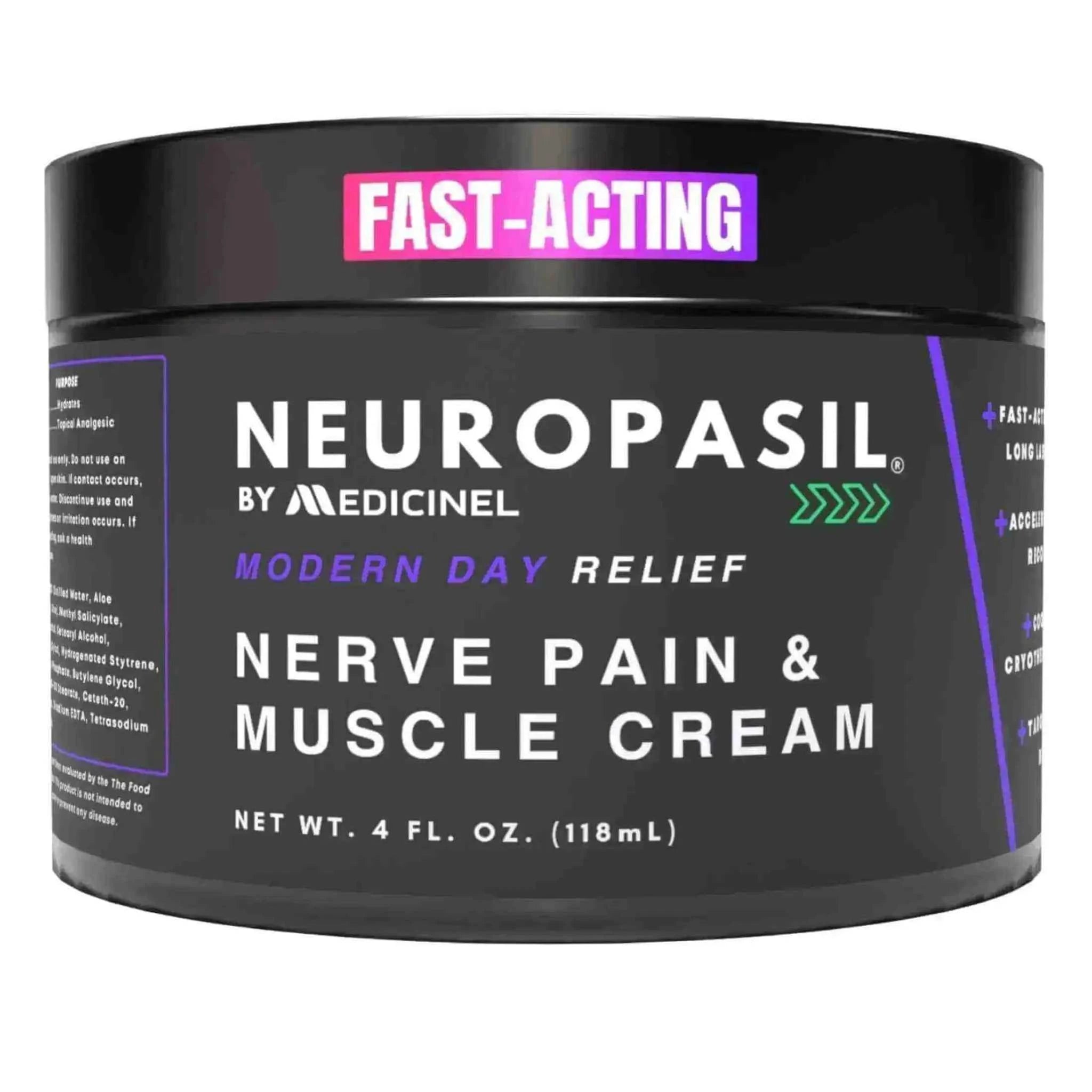
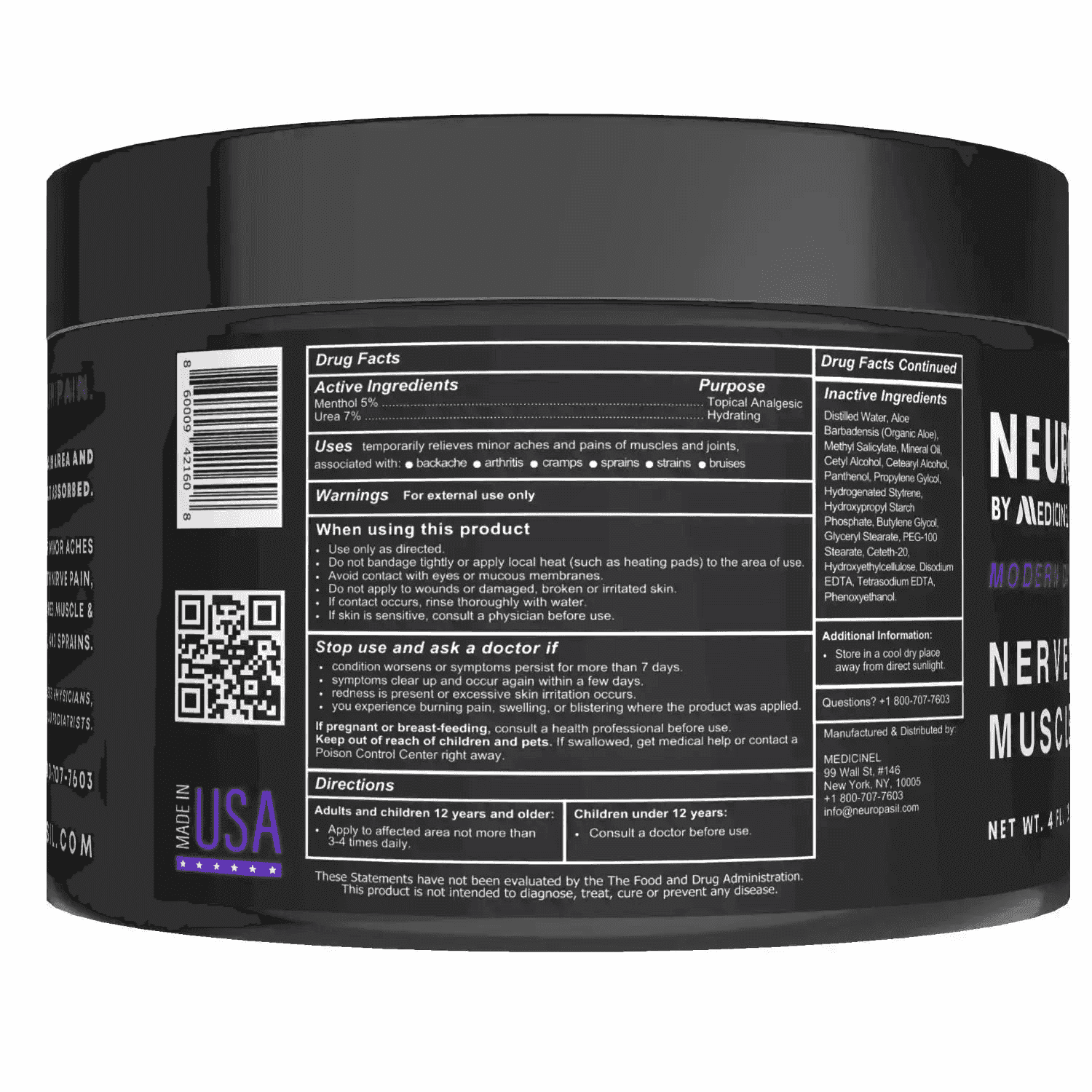
- Pain Relief: Over-the-counter pain relievers can help manage discomfort and inflammation. Always follow the package instructions and consult your doctor if you have other health conditions. Topical pain relief creams like Neuropasil offer targeted relief. The menthol-based formula provides a cooling sensation that soothes pain directly at the source. The natural ingredients work to provide comfort without harsh chemicals. Our guide to the best pain relief creams for muscle pain can help you explore options.
- Physical Therapy: For moderate to severe strains, a physical therapist can design a rehabilitation program to safely restore strength, flexibility, and function, reducing the risk of re-injury.
When to See a Doctor
While most strains can be treated at home, seek professional medical care if you experience any of the following:
- Severe pain that doesn't improve with home treatment.
- Inability to walk or bear weight on the injured limb.
- Numbness, tingling, or loss of sensation in the area.
- A visible gap, dent, or bulge in the muscle.
- A distinct "pop" sound at the time of injury.
- Signs of infection, such as fever, redness, or pus.
- Symptoms that worsen or do not improve after a week.
As Dr. Lauren Powell advises, "If you think you have pulled a muscle, I always recommend being evaluated by a medical professional to ensure a proper diagnosis." In the UK, you can get help from 111 online for guidance.
Recovery and Prevention Strategies
Treating a pulled muscle is the first step, but long-term muscle health depends on proper healing and preventing future injuries. Recovery and prevention are essential for keeping your muscles strong, flexible, and resilient. You can learn more about how our natural ingredients support muscle health.
How Long Does a Pulled Muscle Take to Heal?
The healing timeline for a pulled muscle depends on the severity of the tear and how well you care for it.
- Grade I (Mild) Strain: Recovery typically takes two to three weeks. With proper rest and care, most people can return to normal activities within this timeframe. Patience is key to prevent setbacks.
- Grade II (Moderate) Strain: Healing a partial tear can take from several weeks to a few months. Physical therapy is often recommended to rebuild strength and flexibility safely. Rushing back to activity is a common cause of re-injury.
- Grade III (Severe) Strain: A complete rupture requires the longest recovery, often four to six months or more, especially if surgery is needed. Rehabilitation is extensive, as scar tissue can leave the muscle stiffer and more vulnerable to future strains.
These are general guidelines. Your age, overall health, and consistency with your treatment plan will all affect your recovery.
Best Ways to Prevent Future Muscle Strains
Preventing a pulled muscle is always easier than treating one. Incorporate these habits to protect your body.
- Warm-Up Properly: Before any physical activity, perform 5-10 minutes of dynamic movements like light jogging or arm circles. This increases blood flow, making muscles more flexible and less prone to tearing.
- Stretch Regularly: Flexible muscles are less likely to strain. Perform dynamic stretches before workouts and hold static stretches for 20-30 seconds after, when your muscles are warm.
- Strengthen Your Muscles: A consistent strength training program builds resilient muscles that can handle physical demands. Focus on balanced muscle development throughout your body.
- Use Proper Form: Whether at the gym or lifting a box, correct technique is crucial. When lifting, bend at your knees, keep the object close to your body, and engage your core.
- Maintain Good Posture: Poor posture, like slouching at a desk, puts chronic strain on your neck and back muscles. An ergonomic workspace can prevent this. Cleveland Clinic offers great tips on proper office ergonomics.
- Stay Hydrated: Dehydration can lead to muscle cramps and fatigue, increasing your risk of injury. Drink water consistently throughout the day.
- Listen to Your Body: Pain and fatigue are warning signs. Don't push through significant pain. Give yourself adequate rest and recovery time between workouts.
- Eat a Nutritious Diet: A balanced diet provides the protein, vitamins, and minerals your muscles need to stay healthy and repair themselves.
By adopting these strategies, you can significantly reduce your risk of another painful pulled muscle.
Frequently Asked Questions about Pulled Muscles
When you're dealing with a pulled muscle, you likely have questions. Here are straightforward answers to some of the most common ones.
Can you walk on a pulled muscle?
It depends on the severity of the strain.
- Grade I (Mild): You can likely walk, but with some discomfort or a limp. Avoid any activity that increases the pain to prevent worsening the injury.
- Grade II (Moderate): Walking will be difficult due to significant pain and weakness. It's best to rest the muscle and use crutches if necessary to avoid bearing weight.
- Grade III (Severe): Walking is typically impossible due to severe pain and a complete loss of muscle function. This level of injury requires immediate medical attention.
Listen to your body. If walking causes sharp pain or instability, stop.
Should you massage a pulled muscle?
Timing is critical. Avoid massage for the first 24 to 72 hours, as it can increase swelling and bleeding in the freshly injured muscle, delaying healing.
After this initial phase, gentle massage may be beneficial. It can improve circulation, relax tense muscles, and help break down scar tissue. The massage should always be pain-free. If it hurts, stop. For guidance on proper technique, consult a physical therapist.
Is heat or ice better for a pulled muscle?
Both are useful, but at different times.
- Use ice for the first 48 to 72 hours. Ice constricts blood vessels, which reduces inflammation, swelling, and pain. Apply an ice pack wrapped in a cloth for 15-20 minutes at a time.
- Use heat after the initial 72 hours. Heat increases blood flow, which helps relax tight muscles and delivers nutrients needed for repair. A heating pad or warm bath works well.
For convenient, targeted relief, menthol-based topical creams like Neuropasil can help. The menthol provides a cooling sensation that soothes pain, fitting easily into any recovery routine.
References
This guide is based on information from trusted medical sources and clinical research to ensure you receive accurate, evidence-based advice for treating a pulled muscle.
"Sprains, Strains and Other Soft-Tissue Injuries". American Academy of Orthopaedic Surgeons. Provides a medical overview of soft tissue injuries.
"Muscle Strains". Cleveland Clinic. Offers details on muscle strain grading, symptoms, and recovery.
"Muscle strains - Symptoms and causes". Mayo Clinic. Covers causes, symptoms, and prevention strategies.
"Clinical Studies on Cold and Compression Therapy". A review of research supporting the use of ice and compression for acute injuries.
"Current Concepts of Muscle and Tendon Adaptation to Strength and Conditioning". National Center for Biotechnology Information. Research on how muscles adapt to exercise.
Dr. Lauren Powell, Piedmont Healthcare. Provided clinical perspective on the importance of professional medical evaluation.
"Strains". MedlinePlus. Medical encyclopedia entry for strains.
111 online symptom checker. NHS. Guidance on when to seek emergency medical care in the UK.
"Muscle Strain (Pulled Muscle) Injuries". University of Utah Health. Information on muscle strain injuries.
"Proper Office Ergonomics". Cleveland Clinic. Guidance on setting up an ergonomic workspace to prevent strain.