What You Need to Know About Healing a Hamstring Strain
Strained hamstring care begins the moment you feel that sharp, sudden pain in the back of your thigh. Whether you're an athlete who just heard a "pop" during a sprint or someone who overstretched during a workout, knowing how to respond quickly can make the difference between a few days of discomfort and months of recovery.
Immediate care for a strained hamstring:
- Rest - Stop the activity immediately and avoid putting weight on the injured leg
- Ice - Apply cold packs for 15-20 minutes every 2-3 hours for the first 48-72 hours
- Compression - Wrap the thigh with an elastic bandage to reduce swelling
- Elevation - Keep your leg raised above heart level when sitting or lying down
- Pain relief - Consider topical treatments or consult your healthcare provider about pain management options
A hamstring strain happens when one or more of the three muscles at the back of your thigh—the biceps femoris, semitendinosus, or semimembranosus—overstretch or tear. This injury is extremely common in athletes who sprint, jump, or make sudden stops, but it can affect anyone during physical activity. The severity ranges from a mild Grade 1 strain (small tears) that heals in days, to a complete Grade 3 tear that may require surgery and months of rehabilitation.
The good news? Most hamstring strains respond well to at-home care, especially when you act quickly and follow a structured recovery plan. Research shows that proper initial treatment and gradual rehabilitation help most people recover full function without long-term complications.
I'm Tony Enrico, and through my work developing advanced topical pain relief solutions, I've helped thousands of athletes and active adults steer the challenges of muscle injuries, including effective strained hamstring care strategies that restore comfort and mobility. This guide combines medical evidence with practical steps you can take today to start your recovery journey.
First Steps: Identifying and Grading Your Hamstring Strain
Understanding your hamstring and how it gets injured is the first step in effective strained hamstring care. The hamstrings are a group of three powerful muscles located at the back of your thigh: the biceps femoris, semitendinosus, and semimembranosus. These muscles originate near your hip and extend down to just below your knee. They play a crucial role in everyday movements like walking, running, and jumping, as they're responsible for extending your leg backward and bending your knee.
A hamstring strain occurs when these muscles are subjected to a force that exceeds their capacity, causing the muscle fibers to overstretch or tear. This "muscle overload" often happens during sudden, explosive movements. Think about sprinting at full speed, jumping for a rebound, or making an abrupt stop during a game. Activities that involve eccentric contraction, where the muscle lengthens while contracting (like the deceleration phase of sprinting), are particularly common culprits.
Several factors can increase your risk of a hamstring injury, as noted by the Mayo Clinic:
- Muscle Imbalance: If your quadriceps (front thigh muscles) are significantly stronger than your hamstrings, it creates an imbalance that makes the hamstrings more vulnerable.
- Fatigue: Tired muscles are less able to absorb energy and are more prone to injury.
- Poor Flexibility: Tight hamstring muscles are more likely to tear when stretched beyond their normal range.
- Poor Conditioning: Not being properly conditioned for an activity or rapidly increasing your workout intensity can overwhelm your hamstrings.
- Age: Adolescent athletes, in particular, are at higher risk due to growth spurts where bones can grow faster than muscles, leading to temporary tightness.
For a comprehensive understanding of diagnosis and treatment, we often refer to resources like those from the Mayo Clinic.
Common Symptoms of a Pulled Hamstring
When a hamstring strain strikes, the symptoms can range from a mild ache to excruciating pain. Recognizing these signs early can help you initiate proper strained hamstring care.
Here’s what you might experience:
- Sudden Pain: Often described as sharp or stabbing, occurring immediately during activity.
- Tenderness: The back of your thigh will feel sore to the touch.
- Swelling: You might notice visible swelling in the injured area within hours or days.
- Bruising: Discoloration can appear on the back of your thigh, sometimes extending down toward your knee or up toward your buttock, indicating bleeding within the muscle.
- Muscle Weakness: You may feel a loss of strength in your leg.
- Inability to Bear Weight: For more severe strains, putting weight on the injured leg can be too painful.
- A "Pop" or Snapping Feeling: This sensation at the time of injury often indicates a more significant tear.
The 3 Grades of Hamstring Injury
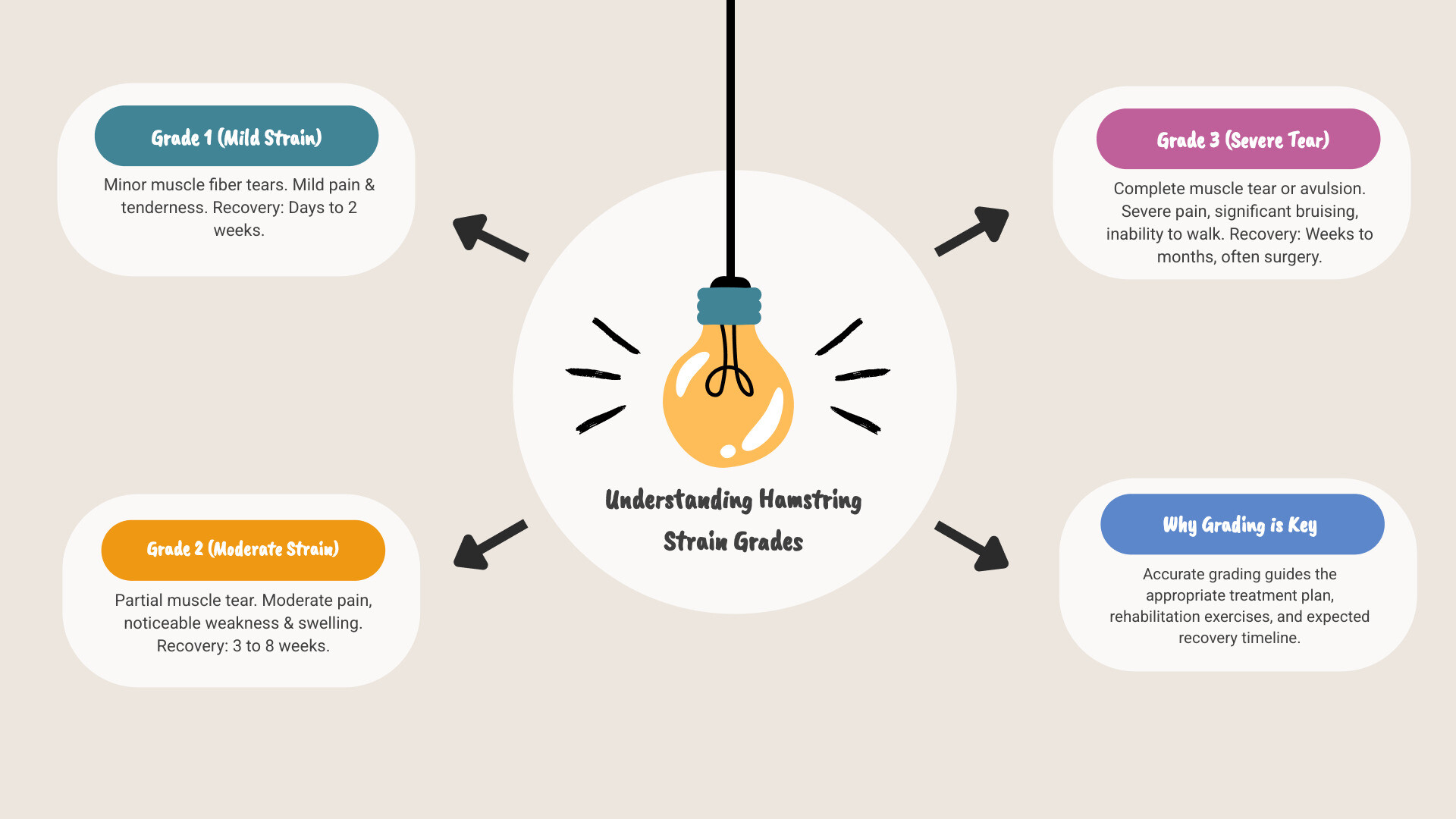
Not all hamstring strains are created equal. Medical professionals classify hamstring injuries into three grades based on their severity. This grading, as outlined by organizations like the American Academy of Orthopaedic Surgeons (AAOS), helps determine the appropriate strained hamstring care plan and predict recovery time.
Grade 1 Strain (Mild): This is the least severe form, involving microscopic tears in the muscle fibers. You'll likely experience mild pain and tenderness, but your strength and range of motion will remain mostly intact. You might feel a slight pull or tightness. Recovery typically takes a few days to two weeks.
Grade 2 Strain (Moderate): This involves a partial tear of the muscle fibers. Pain is more noticeable and often accompanied by swelling and some bruising. You'll likely experience a significant loss of strength and a limited range of motion, making walking difficult. A palpable "gap" in the muscle might be felt. Recovery can range from three to eight weeks.
Grade 3 Strain (Severe): This is the most serious, involving a complete tear of the muscle or an avulsion injury, where the tendon pulls completely away from the bone (sometimes taking a piece of bone with it). The pain is usually severe and immediate, often described as a "pop." You'll experience significant swelling, bruising, and an inability to walk without severe pain. In some cases, the muscle may "ball up" at the back of the thigh. This grade often requires surgical intervention and can take weeks to months for recovery, with post-surgery rehabilitation extending beyond six months.
Your Guide to At-Home Strained Hamstring Care
For most mild to moderate hamstring strains (Grade 1 and some Grade 2), effective strained hamstring care can begin right at home. The initial goal is to reduce pain, control swelling, and prevent further injury.
The R.I.C.E. Method: Your First Line of Defense
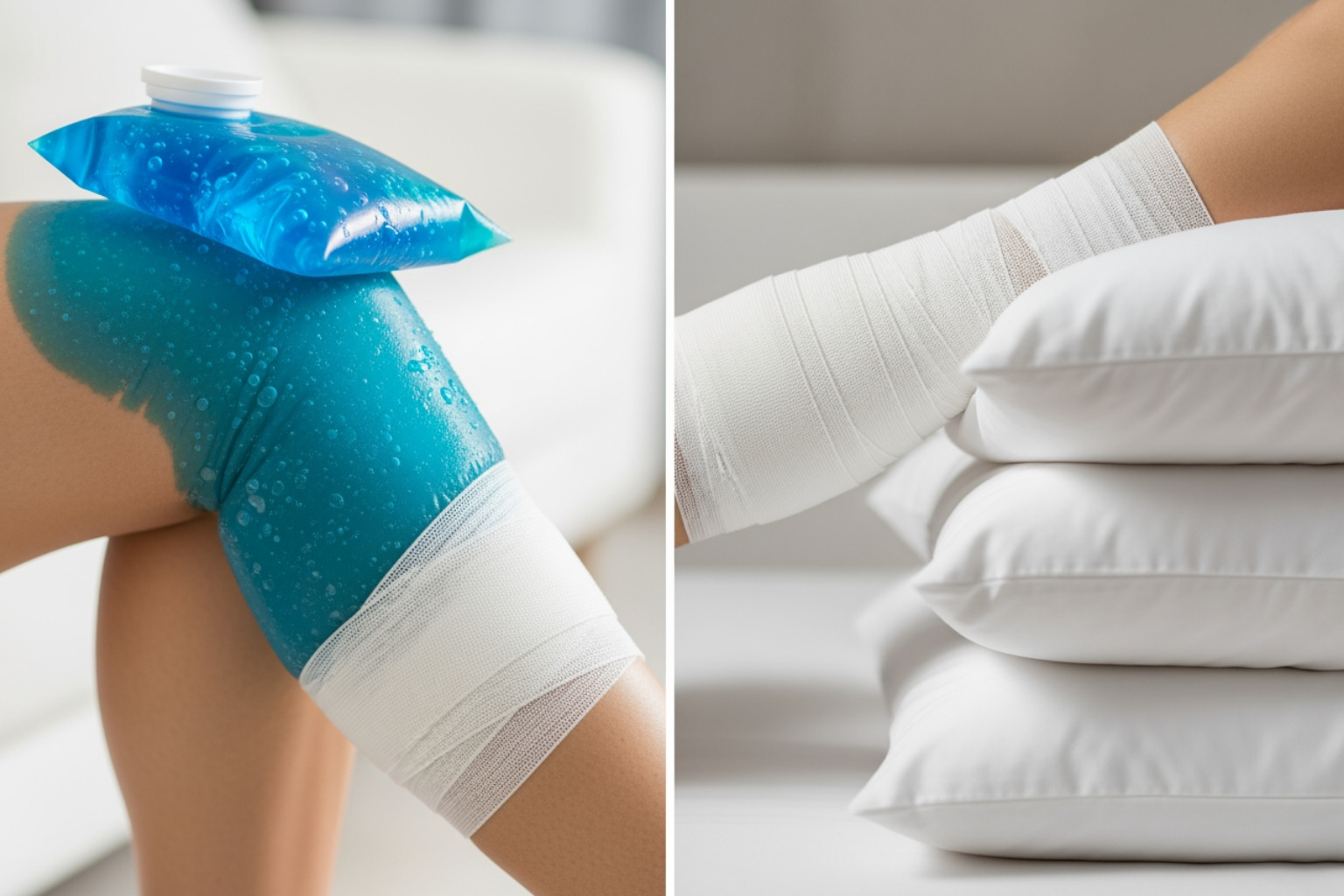
We always recommend starting with the R.I.C.E. protocol immediately after a hamstring strain. This acronym stands for Rest, Ice, Compression, and Elevation, and it's a proven method for managing acute soft tissue injuries, recommended by health authorities like the NHS.
Rest: This is paramount. Stop the activity that caused the injury immediately. Continuing to use an injured hamstring can worsen the tear and prolong recovery. For severe strains, your doctor might recommend crutches to avoid putting any weight on the leg for a day or two. Listen to your body; if it hurts, don't do it.
Ice: Apply ice or a cold pack to the injured area for 15-20 minutes at a time, every 2-3 hours, especially during the first 24-48 hours, as recommended in aftercare guidelines. This helps to constrict blood vessels, reducing blood flow to the area, which in turn minimizes swelling, inflammation, and pain. Always place a cloth between the ice pack and your skin to prevent frostbite.
Compression: Gently wrap the injured thigh with an elastic bandage. Start wrapping from below the injury and work your way up, ensuring the bandage is snug but not too tight. The goal is to help decrease swelling, but you shouldn't feel throbbing or numbness. Remove the bandage before sleeping.
Elevation: Whenever possible, lift your injured leg above the level of your heart. You can do this by propping it up on pillows when you're sitting or lying down. Elevation helps gravity drain excess fluid away from the injury, further reducing swelling.
Pain Management for a Strained Hamstring
While R.I.C.E. addresses the physical symptoms, managing pain is crucial for comfort and allowing your body to heal.
Over-the-Counter Medications: For mild to moderate pain, your healthcare provider may suggest over-the-counter medications. Always follow your provider's advice and the product's instructions for dosage and duration.
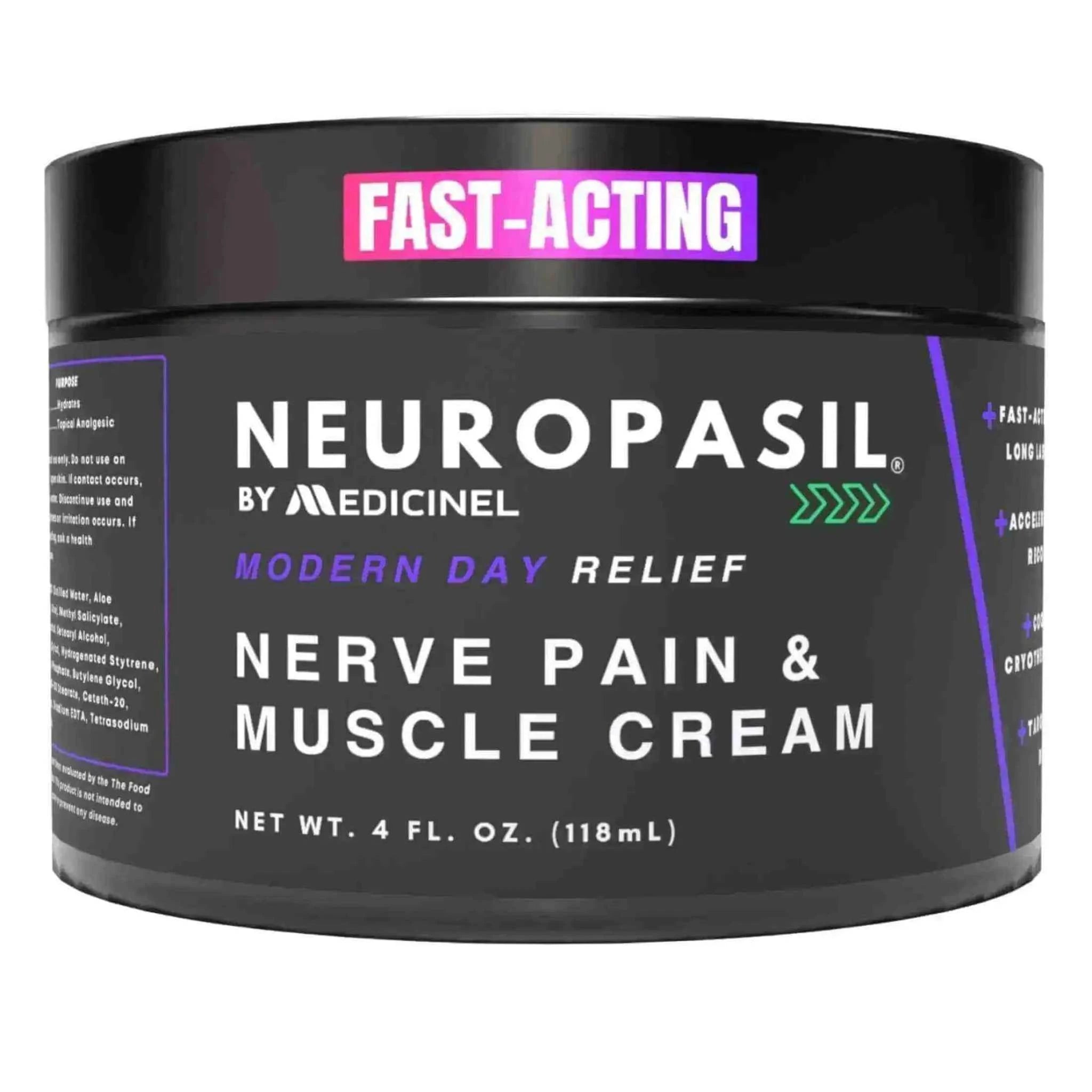
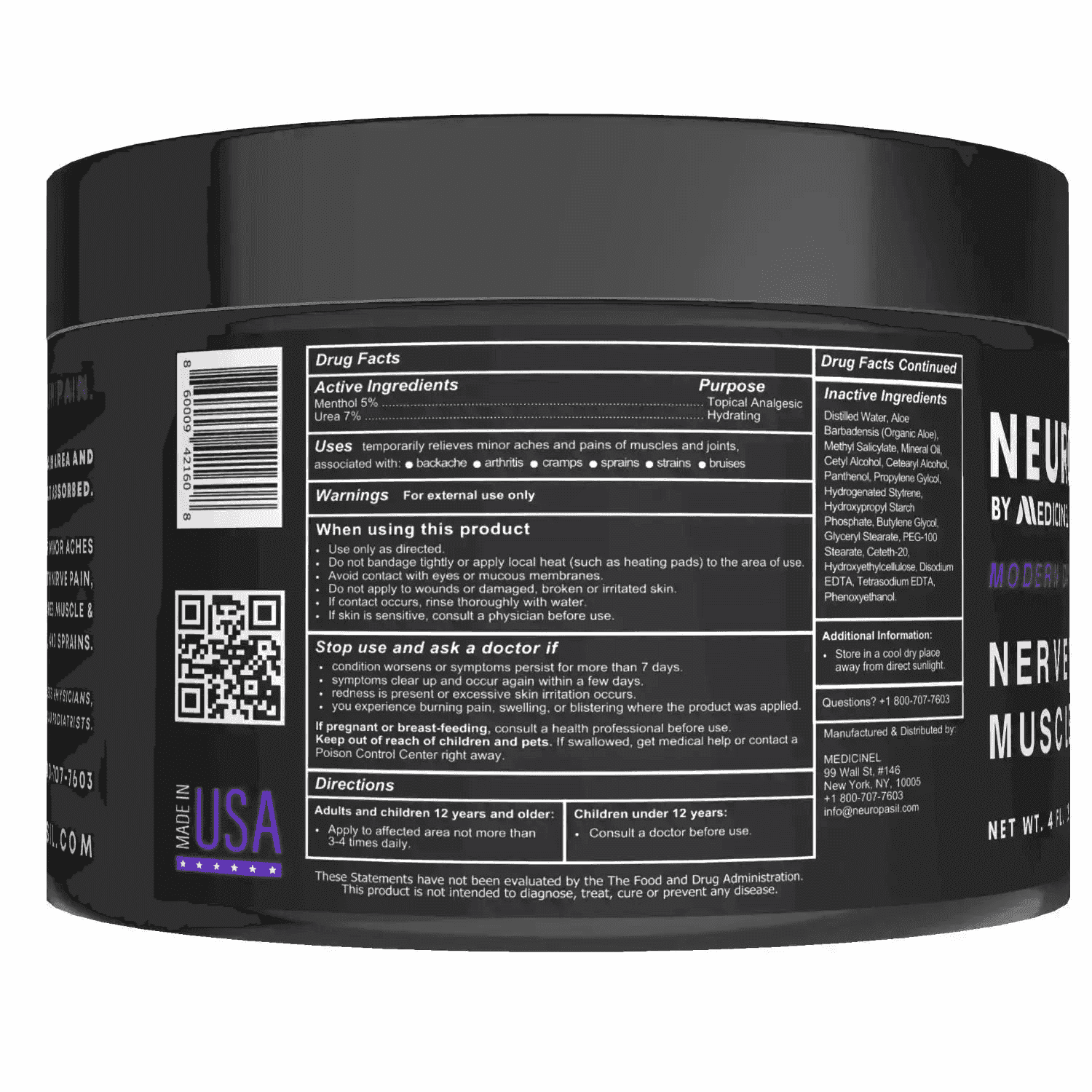
Topical Pain Relief: We understand the need for targeted, soothing relief directly at the source of pain. Topical creams, especially those with menthol, can provide a cooling sensation that distracts from pain and offers comfort. Menthol works by interacting with cold receptors in the skin, a mechanism that is understood to produce a cooling sensation that can distract from and reduce the perception of pain. Our Neuropasil Nerve Pain Relief Cream is formulated with ingredients like menthol, aloe, and urea to provide fast-acting relief for sore muscles, strains, and sprains. We believe in using the power of natural ingredients to support your body's healing process. You can learn more about our ingredients and how they work.
Advanced Recovery and The Role of Physical Therapy
Once the initial pain and swelling subside, your strained hamstring care shifts from passive rest to active rehabilitation. Simply "resting it" isn't enough for optimal recovery and preventing re-injury. Prolonged inactivity can lead to stiffness, muscle atrophy, and a higher risk of future strains.

The transition from rest to movement is critical. Gentle movement helps improve blood flow to the injured tissues, delivering essential nutrients for healing and removing waste products. It also prevents the formation of excessive scar tissue, which can limit flexibility.
This is where a physical therapist becomes your MVP. A physical therapist can accurately assess the extent of your injury, identify any underlying risk factors (like muscle imbalances or poor biomechanics), and create a personalized recovery plan custom to your specific needs and goals. They'll guide you through a progressive series of exercises to restore flexibility, strength, and function, significantly accelerating your healing process and reducing the risk of re-injury.
Advanced Strained Hamstring Care and Rehabilitation
Your rehabilitation program will typically involve several phases, gradually increasing in intensity:
Gentle Stretching: Once the acute pain has decreased, your physical therapist will introduce gentle, pain-free hamstring stretches. The key is gentle and pain-free. Never push into pain, as this can re-injure the healing muscle. Stretching helps to restore the muscle's length and flexibility.
-
Strengthening Exercises: This is crucial for rebuilding muscle integrity and preventing future strains. The focus will often be on eccentric exercises, which strengthen the muscle as it lengthens. This type of contraction is frequently implicated in hamstring injuries, so strengthening it eccentrically is vital for resilience. Examples include:
- Nordic Hamstring Curl: This exercise involves kneeling and having a partner hold your ankles while you slowly lean forward, resisting gravity with your hamstrings. You can see how to do a Nordic hamstring curl for proper form.
- Bridge Curls: Lying on your back with feet on a stability ball, lift your hips and then curl the ball towards your glutes.
Gradual Return to Activity: Your physical therapist will guide a progressive return to your normal activities, starting with low-impact movements like walking, then progressing to cycling, and eventually light jogging or swimming, only when pain-free. This gradual progression ensures the hamstring is adequately prepared for increasing loads. Trying to return to sports too soon is one of the biggest risk factors for re-injury.
Recovery Timelines: Mild vs. Severe Strains
The recovery timeline for a hamstring strain varies significantly based on its grade, with estimates provided by sources like the Cleveland Clinic. Patience and adherence to your rehabilitation plan are essential for a full recovery.
| Hamstring Strain Grade | Severity | Typical Recovery Timeline |
|---|---|---|
| Grade 1 | Mild muscle strain / Micro-tears | A few days to 2 weeks |
| Grade 2 | Partial muscle tear | 3 to 8 weeks |
| Grade 3 | Complete muscle tear / Tendon avulsion | Weeks to months (often 3-6 months, potentially longer) |
| Post-Surgery | For severe Grade 3 tears (e.g., avulsion) | 3 to 6+ months, depending on the location and extent of the repair |
For Grade 1 injuries, symptoms may resolve in a few days. Grade 2 and 3 injuries, however, can lead to symptoms lasting weeks or even months. For severe Grade 3 tears, especially those requiring surgery, rehabilitation can be extensive, with proximal hamstring repairs (near the hip) often taking at least 6 months before returning to athletic activities, and distal repairs (near the knee) around 3 months. Most individuals who commit to their rehabilitation plan can recover full function.
When to Seek Medical Help and How to Prevent Re-injury
While at-home care is effective for many mild hamstring strains, there are clear signs that indicate you need professional medical attention. Knowing when to escalate your strained hamstring care is crucial for preventing long-term complications.
A doctor can provide an accurate diagnosis, which may involve a physical exam to check for swelling and tenderness, and to assess the extent of the damage. They might also order imaging tests:
- X-ray: Primarily used to rule out an avulsion fracture, where a piece of bone is pulled away by the torn tendon.
- Ultrasound or MRI: These are excellent for visualizing soft tissue damage, showing the extent of muscle tears and tendon involvement.
The American Academy of Orthopaedic Surgeons (AAOS) provides valuable information on hamstring muscle injuries, emphasizing the importance of proper diagnosis and treatment.
Red Flags: When to See a Doctor Immediately
If you experience any of the following, do not hesitate to seek immediate medical attention, as advised by health services like the NHS:
- Severe or Worsening Pain: If your pain is excruciating or gets progressively worse despite home care.
- Inability to Walk or Bear Weight: If you cannot put any weight on your injured leg.
- Large or Worsening Bruising: Extensive discoloration can indicate significant internal bleeding.
- A "Pop" or Snap at the Time of Injury: This often signals a complete tear or avulsion.
- Numbness or Tingling: These sensations can indicate nerve involvement.
- Leg Feels Cold or Changes Color: This could be a sign of compromised circulation.
- Your Leg Feels Very Stiff or is Difficult to Move: Beyond what would be expected for a mild strain.
If you have urgent concerns, always contact your local emergency services or healthcare provider for guidance.
Preventing Future Hamstring Strains
The best strained hamstring care isn't just about recovery; it's about prevention. Once you've experienced a hamstring strain, you're at a higher risk of re-injury. By incorporating preventative measures, as recommended by the American Academy of Orthopaedic Surgeons, you can significantly reduce this risk:
- Proper Warm-up: Always begin any physical activity with a dynamic warm-up. This includes light cardio to increase blood flow and dynamic stretches (like leg swings or walking lunges) to prepare your muscles for movement.
- Regular Strengthening: Incorporate exercises that strengthen your hamstrings and glutes, paying special attention to eccentric strength training. Also, address any muscle imbalances between your quadriceps and hamstrings.
- Improving Flexibility: Regular stretching helps maintain the full range of motion in your hamstrings. This can include static stretches held for 20-30 seconds after activity.
- Proper Cool-down: After exercise, engage in a cool-down period with static stretches to improve flexibility and aid muscle recovery.
- Listen to Your Body: Do not push through pain or severe fatigue. Rest is just as important as training.
- Avoid Overexertion: Gradually increase the intensity and duration of your workouts. Don't ramp up your routine too quickly, especially if you're returning to activity after a break.
- Proper Conditioning: Ensure you are adequately conditioned for your chosen sport or activity.
Frequently Asked Questions about Hamstring Healing
We often hear similar questions from individuals navigating their strained hamstring care journey. Here are some of the most common ones:
How long does a strained hamstring take to heal?
The healing time for a strained hamstring largely depends on the severity, or grade, of the injury, with typical timelines outlined by medical centers like the Cleveland Clinic.
- Grade 1 strains (mild muscle pull) typically heal within a few days to two weeks.
- Grade 2 strains (partial muscle tear) can take anywhere from three to eight weeks to recover.
- Grade 3 strains (complete muscle tear or avulsion) are the most severe and can take weeks to months to heal, often requiring three to six months or more, especially if surgery is involved.
It's crucial to follow a structured rehabilitation program and not rush the healing process, as returning to activity too soon significantly increases the risk of re-injury.
Should I use heat or ice for a strained hamstring?
This is a classic question! For acute injuries like a fresh hamstring strain, the answer is usually ice first.
- Ice (Cold Therapy): For the first 48-72 hours after the injury, apply ice packs for 15-20 minutes at a time, every 2-3 hours. Ice helps to reduce blood flow to the area, which minimizes swelling, inflammation, and pain. It's your immediate go-to for acute pain and swelling.
- Heat (Heat Therapy): Once the initial swelling and acute pain have subsided (typically after 72 hours), heat can be beneficial. Heat increases blood flow, which can help relax tight muscles and promote healing by delivering nutrients to the injured tissue. It's often used before gentle stretching or to soothe chronic stiffness. Never apply heat to a fresh injury with active swelling or inflammation.
Is it okay to walk on a strained hamstring?
This depends on the grade of your hamstring strain and your pain level, and you should follow medical advice like that from the NHS.
- For mild (Grade 1) strains, gentle walking may be acceptable if it causes no pain or only very minimal discomfort. Listen to your body carefully; if walking increases your pain, you should rest.
- For moderate to severe (Grade 2-3) strains, we strongly recommend resting and avoiding putting weight on the injured leg until you've been cleared by a healthcare professional. Using crutches may be necessary to prevent further damage. Trying to walk on a significantly strained hamstring can worsen the tear and delay your recovery.
Always prioritize pain-free movement. If an activity causes pain, it's a sign to stop and rest.
Conclusion
Navigating a hamstring strain can be a frustrating experience, but with the right strained hamstring care, you can achieve a full and successful recovery. The journey starts with immediate action following the R.I.C.E. protocol, transitions into a structured rehabilitation program guided by a physical therapist, and culminates in a commitment to preventative strategies.
Patience is a virtue in healing. Rushing back to activity too soon is the quickest way to re-injure your hamstring and prolong your time on the sidelines. Accept a holistic approach to muscle health, focusing on flexibility, strength, and proper conditioning.
For those moments when you need targeted relief for sore muscles, strains, and sprains during your recovery, our Neuropasil Nerve Pain Relief Cream is designed to provide soothing comfort. We're here to support your journey back to full health and activity. To dive deeper into muscle health and recovery, learn more on our blog.
References
- Hamstring Muscle Injuries - OrthoInfo - AAOS
- Hamstring Injury - Cleveland Clinic
- Hamstring injury - Diagnosis and treatment - Mayo Clinic
- Hamstring injury - Symptoms and causes - Mayo Clinic
- Hamstring strain - aftercare: MedlinePlus Medical Encyclopedia
- Hamstring injury - NHS
- The Role of Menthol in Pain Management - NCBI
- Nordic Hamstring Curl Exercise - Physiopedia