Why Understanding Tricep Muscle Pain Matters
Tricep muscle pain is a common condition affecting the back of the upper arm. Understanding its causes is the first step toward relief. Whether from intense training, lifting something heavy, or repetitive movements, tricep pain can significantly limit your daily activities.
Quick Answer: Common Causes and Relief
- Main Causes: Muscle strain (overstretching), tendonitis (inflammation from overuse), tendon rupture (a serious tear), and general overexertion.
- Immediate Relief: Rest, ice, compression, elevation (R.I.C.E.), and topical pain relief creams.
The triceps brachii muscle is essential for straightening your elbow and for pushing movements. When this muscle or its tendon is injured, you might feel a dull ache or a sharp, stabbing pain, making simple tasks difficult.
Tricep injuries can happen to anyone, but most are treatable with proper care and rest. While triceps tendonitis is common in athletes, more severe tendon ruptures are rare, accounting for about 1% of all tendon injuries, but require immediate attention.
This guide will cover everything you need to know about tricep muscle pain, from identifying causes and symptoms to finding effective relief and prevention strategies. We aim to provide clear, practical information to help you take control of your recovery.

Tricep muscle pain terms simplified:
Understanding the Causes and Types of Triceps Injuries
When tricep muscle pain strikes, it typically stems from an issue with the muscle itself or its connecting tendon. The causes range from gradual wear and tear to sudden, forceful events.
Overuse injuries are the most common culprit, resulting from repetitive pushing and extending motions in sports or work. This constant stress can lead to inflammation and degeneration. Acute trauma, such as a fall on an outstretched arm or lifting an object that is too heavy, can cause immediate strains or ruptures.
Several risk factors increase your chances of injury. These include age-related loss of tendon elasticity, being an athlete in sports like weightlifting or football, poor exercise form, weak or fatigued muscles, and a rapid increase in training intensity. The use of anabolic steroids and underlying health conditions like diabetes or rheumatoid arthritis can also weaken tendons.

The Primary Causes of Tricep Muscle Pain
Knowing the specific type of injury helps guide treatment.
Triceps Strain (Pulled Muscle): This occurs when muscle fibers are overstretched or torn. Strains are graded by severity, and recovery times vary by the grade of the strain:
- Grade 1 (Mild): Microscopic tears causing pain and inflammation. Recovery is typically 1-2 weeks.
- Grade 2 (Moderate): More significant tearing with worse pain and difficulty extending the elbow. Healing takes 3-4 weeks, followed by strengthening.
- Grade 3 (Severe): A complete muscle rupture, often with a "popping" sound and inability to extend the elbow. This requires medical intervention and a recovery of 3-4 months. Strained muscles can cause pain, swelling, spasms, and cramping.
Triceps Tendonitis and Tendinopathy: Tendonitis is inflammation of the triceps tendon from overuse, common in athletes aged 30-40. It causes gradual pain, stiffness, and swelling. Tendinopathy is a chronic condition involving the degeneration of the tendon's collagen fibers, leading to persistent pain and reduced flexibility. Healing can take from a few weeks for tendonitis to 3-6 months for tendinopathy, depending on the condition's severity.
Triceps Rupture: This is a complete or partial tear of the tendon where it attaches to the elbow. Though rare, triceps tendon injuries account for around 1% of all tendon injuries. A rupture causes sudden, severe pain, a "popping" sensation, and significant difficulty extending the arm.
Common Symptoms and How to Get a Diagnosis
Recognizing your symptoms is the first step. A strain typically involves a sudden, sharp pain, immediate swelling, and possible bruising. Tendonitis presents as a gradual, aching pain that worsens with activity, with mild swelling and stiffness. A rupture is unmistakable, with severe, sudden pain, a "pop," rapid swelling, and an inability to straighten the arm.
When to See a Doctor
Seek medical attention if the pain is severe, lasts for more than a few days, or is accompanied by:
- Significant swelling or bruising
- A "pop" or "snap" sound at the time of injury
- Inability to move or straighten your arm
- A noticeable gap or dent in the muscle
- Numbness, tingling, or signs of infection (warmth, fever)
The Diagnostic Process
A doctor will perform a physical exam to check for tenderness, swelling, and range of motion. A doctor may request imaging tests to confirm a diagnosis, such as an X-ray to rule out fractures, or an ultrasound or MRI to view soft tissue damage like tears or ruptures.
Ignoring tricep muscle pain can lead to chronic pain, weakness, and long-term disability, as partial tears can become complete ruptures.
If you're dealing with similar issues in other areas, you might find helpful information in our guide on treating a torn trapezius muscle.
Effective Treatment and Relief for Tricep Muscle Pain
Most cases of tricep muscle pain respond well to treatment, especially when addressed early. The approach depends on the severity of the injury, ranging from simple home care to medical interventions.

For more fast-acting relief options, explore our guide: Find fast-acting relief for muscle pain.
At-Home Remedies for Immediate Relief
For mild to moderate tricep muscle pain, the R.I.C.E. method is a trusted first step.
- Rest: Avoid activities that aggravate the muscle to allow it to repair.
- Ice: Apply an ice pack for 15-20 minutes at a time during the first 48 hours to reduce swelling and numb pain.
- Compression: Use an elastic bandage to provide support and control swelling.
- Elevation: Prop your arm above heart level to help drain excess fluid.
As pain subsides, introduce gentle, pain-free movements to prevent stiffness. For chronic pain, heat therapy can help relax muscles and improve blood flow.
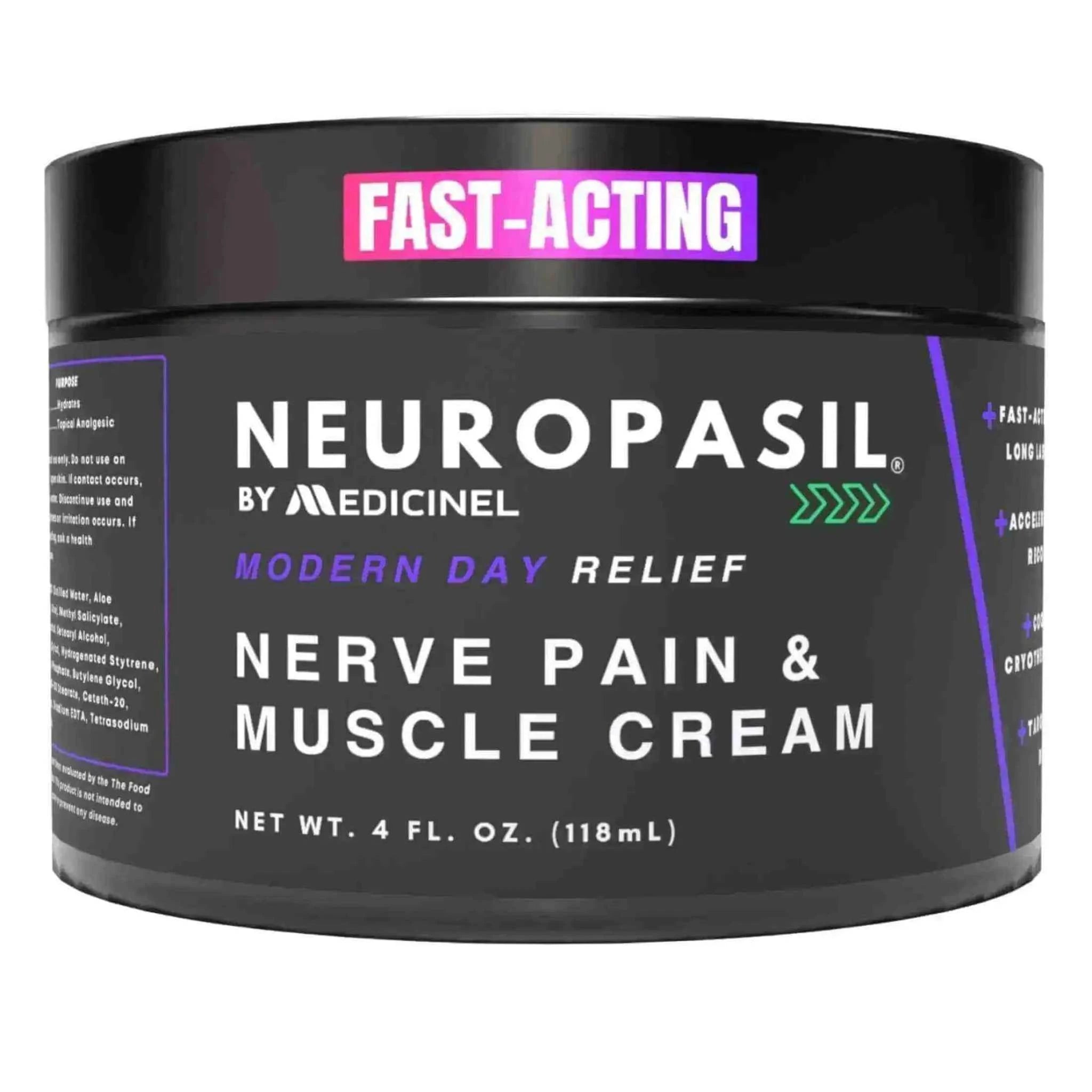
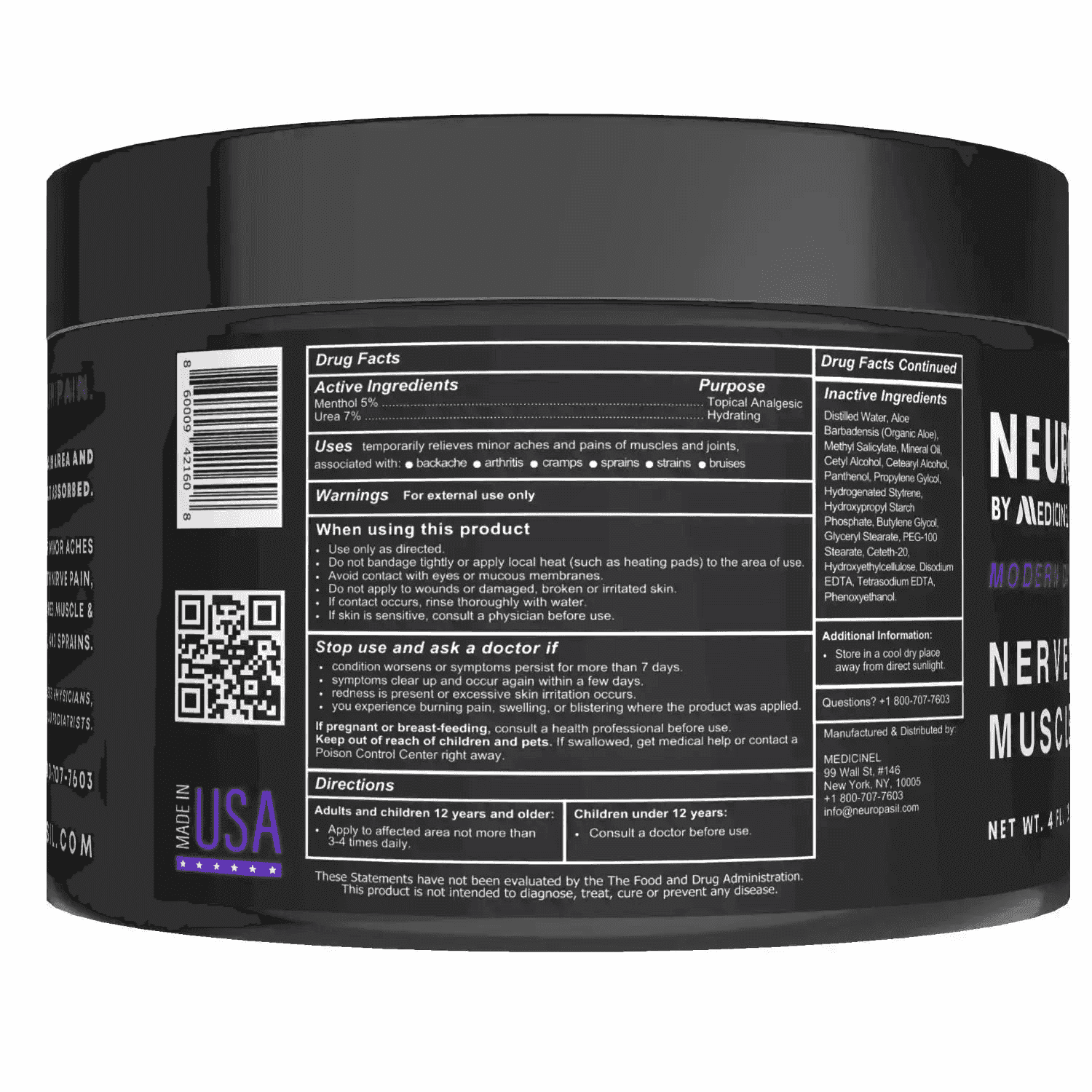
Topical analgesics offer targeted relief. Menthol-based creams create a cooling sensation that distracts from pain signals. Natural formulas like Neuropasil use ingredients like Aloe, Urea, and Menthol to deliver soothing comfort directly to the affected area. Learn more about our natural ingredients.
Supportive Treatments and Physical Therapy
If home remedies aren't enough, professional support is key.
Physical therapy is highly effective for restoring flexibility and strength through a personalized program of stretching and strengthening exercises. A therapist provides guided rehabilitation and teaches proper techniques to prevent re-injury.
Medications, such as over-the-counter anti-inflammatories (ibuprofen, naproxen), can help manage pain and swelling.
Injections like corticosteroids may be used for severe inflammation, while platelet-rich plasma (PRP) injections can stimulate natural healing in chronic cases.
Surgical intervention may be necessary for complete tears or severe partial tears that don't respond to other treatments. Surgery aims to reattach the tendon to the bone to restore full function.
A comprehensive treatment plan from a healthcare professional offers the best chance for a full recovery. For more tips, see our resource: Discover more tips for muscle pain.
How to Prevent Triceps Injuries
The best way to deal with tricep muscle pain is to prevent it. Most triceps injuries are avoidable with simple, consistent habits.
- Proper Warm-Up: Before any workout, spend 5-10 minutes on dynamic stretches like arm circles and shoulder rotations to increase blood flow and prepare your muscles for activity.
- Correct Technique: Poor form is a leading cause of injury. Focus on proper mechanics to distribute stress evenly across the muscle and joint. If you're unsure, consult a trainer or physical therapist.
- Gradual Progression: Avoid increasing workout intensity or volume too quickly. Give your body time to adapt to new demands to prevent overloading the muscle.
- Post-Workout Stretching: After your workout, perform static stretches, holding each for 20-30 seconds. An overhead triceps stretch is excellent for improving flexibility.
- Adequate Rest and Recovery: Muscles get stronger during rest, not during workouts. Ensure you get enough sleep and incorporate rest days into your routine to allow your muscle fibers to repair and rebuild.
As emphasized by Harvard Health Publishing, the importance of stretching is critical for maintaining muscle health and preventing injuries. A few minutes of prevention can save you from weeks of dealing with tricep muscle pain.
Frequently Asked Questions about Tricep Pain
Here are straightforward answers to common questions about tricep muscle pain.
What does a strained triceps feel like?
A strained triceps typically feels like a sudden, sharp pain or tearing sensation in the back of the arm. Following the initial injury, you may experience a dull ache, tenderness, swelling, and bruising. Strained muscles can cause pain, swelling, and spasms, and you might feel pain when trying to straighten your arm against resistance.
How long does it take for a pulled triceps to heal?
Recovery time depends on the severity of the strain according to sources like Johns Hopkins Medicine:
- Mild (Grade 1) Strain: Heals in approximately 1-2 weeks with proper rest.
- Moderate (Grade 2) Strain: Requires 3-4 weeks for initial healing, followed by strengthening exercises.
- Severe (Grade 3) Rupture: Often requires medical intervention and can take 3-4 months for a full recovery, including rehabilitation.
Chronic conditions like tendinopathy may take 3-6 months to heal as noted by the Hospital for Special Surgery. Always consult a healthcare professional for an accurate prognosis.
Can I still exercise with triceps pain?
It is not recommended to exercise through sharp or increasing tricep muscle pain. Doing so can worsen the injury and prolong recovery. While light activity or gentle stretching might help with very mild, delayed-onset muscle soreness (DOMS), you should rest if you have an acute injury like a strain or tendonitis. If pain is accompanied by swelling, weakness, or a popping sensation, stop all aggravating activities immediately. A doctor or physical therapist can provide personalized guidance on when it's safe to return to exercise.
Conclusion
Understanding tricep muscle pain is key to effective recovery. We've covered the primary causes, from common strains and tendonitis to more serious ruptures, and highlighted their distinct symptoms.
The good news is that most tricep injuries are highly treatable. Recovery often starts with at-home care like the R.I.C.E. method, while more significant injuries may require physical therapy or medical intervention. Most importantly, prevention is your best strategy. Proper warm-ups, correct exercise form, and adequate rest are crucial for keeping your triceps healthy and avoiding injury.
When you experience muscle aches and strains, you don't have to tough it out. For targeted, soothing relief, many find success with natural topical creams. Neuropasil's formula, with ingredients like Aloe, Urea, and Menthol, is designed to provide fast-acting comfort for tricep muscle pain and other muscle discomforts as part of a comprehensive recovery plan.
By staying informed and listening to your body, you can ensure your triceps remain strong, healthy, and ready for action.
Shop Neuropasil for Muscle Pain Relief
References
Throughout this comprehensive guide on tricep muscle pain, we've drawn on trusted medical research and expert sources to ensure you receive accurate, evidence-based information. Understanding the science behind triceps injuries and their treatment helps us all make informed decisions about our health and recovery.
Our information about muscle strain symptoms, including pain, swelling, and spasms, is drawn from American Academy of Orthopaedic Surgeons. (2020). Sprains, strains, and other soft-tissue injuries. OrthoInfo. https://orthoinfo.aaos.org/en/diseases--conditions/sprains-strains-and-other-soft-tissue-injuries/
Additional insights into the uncommon nature of triceps tendon ruptures and their clinical presentation come from Bunshah, J. J., et al. (2015). Triceps tendon rupture: An uncommon orthopaedic condition. Journal of Clinical and Diagnostic Research. https://www.ncbi.nlm.nih.gov/pmc/articles/PMC4368963/
The important statistic about triceps tendon injuries accounting for approximately 1% of all tendon injuries, along with detailed information about diagnosis and treatment approaches, is referenced from Casadei, K., et al. (2020). Triceps tendon injuries. Current Sports Medicine Reports. https://journals.lww.com/acsm-csmr/fulltext/2020/09000/tricepstendoninjuries.9.aspx
Our prevention strategies emphasizing the critical role of stretching in maintaining muscle health and preventing injuries are reinforced by Harvard Health Publishing. (2022). The importance of stretching. https://www.health.harvard.edu/staying-healthy/the-importance-of-stretching
Information on the difference between tendinitis and tendinopathy and their respective healing times is supported by Hospital for Special Surgery. (2021). Tendinosis vs. tendinitis: What's the difference? https://www.hss.edu/conditions_tendinosis-tendinitis-whats-difference.asp
Data on triceps strain recovery times by grade is provided by Johns Hopkins Medicine. (n.d.). Triceps strain. https://www.hopkinsmedicine.org/health/conditions-and-diseases/triceps-strain
Our systematic approach to understanding distal triceps injuries and the importance of proper imaging for accurate diagnosis is supported by Shuttlewood, K., et al. (2017). Distal triceps injuries (including snapping triceps): A systematic review of the literature. World Journal of Orthopedics. https://www.ncbi.nlm.nih.gov/pmc/articles/PMC5478494/
Our discussion of triceps anatomy and the prevalence of tendonitis among athletes ages 30-40 comes from Tiwana, M. S., et al. (2023). Anatomy, shoulder and upper limb, triceps muscle. StatPearls. https://www.ncbi.nlm.nih.gov/books/NBK536996/
We believe in providing you with information you can trust, backed by peer-reviewed research and reputable medical institutions. These sources represent the foundation of our understanding of tricep muscle pain and guide our recommendations for treatment and prevention. By staying informed through credible sources, we can all take better care of our bodies and make smarter decisions about our health and wellness journey.