Why Muscle Rub Is Your First Line of Defense Against Pain
Muscle rub is a topical pain relief product designed to ease minor aches and pains in muscles and joints through direct skin application. Here's what you need to know:
What Muscle Rubs Do:
- Relieve pain from overworked, strained, or sprained muscles
- Work through counterirritants (menthol, camphor) or warming agents (methyl salicylate)
- Create sensations that distract from deeper muscle and joint pain
- Target specific areas without systemic side effects
Common Uses:
- Post-workout muscle soreness (DOMS)
- Arthritis and joint pain
- Back pain and stiffness
- Sprains, strains, and bruises
- Athletic recovery
Whether you're an athlete pushing through intense training or someone dealing with chronic joint discomfort, muscle rubs offer fast, targeted relief exactly where you need it. They work by creating warming or cooling sensations on the skin that interrupt pain signals traveling from your muscles to your brain a process backed by the gate control theory of pain.
The right muscle rub can mean the difference between sitting out your workout and powering through your day. But with dozens of options on the market from warming creams to cooling gels, natural formulas to clinical-strength patches how do you choose the one that actually works for your specific pain?
That's where this guide comes in. We'll explore the science behind these products, help you match ingredients to your pain type, and show you how to use them safely. You'll learn what separates natural, skin-nourishing formulas from generic options, and why ingredients like menthol, aloe vera, and urea are crucial for real relief.
I'm Tony Enrico, and I've spent years developing and refining muscle rub formulations that deliver genuine relief without harsh chemicals or greasy residue. Through Neuropasil, I've helped thousands of people reclaim their active lives by providing advanced topical solutions that work fast and absorb cleanly, whether you're dealing with nerve pain, muscle aches, or chronic joint discomfort.
Explore more about muscle rub:
How Muscle Rubs Work: The Science of Soothing Pain
Have you ever wondered how that tingling sensation from a muscle rub actually helps soothe your aching body? It's not magic, it's science! The primary way muscle rubs alleviate pain is through a clever mechanism known as "counterirritation." This means the ingredients in the rub create a sensation (like warmth or coolness) that distracts your brain from the deeper pain signals. Think of it as a friendly diversion for your nervous system.
When you apply a muscle rub to a sore area, the active ingredients get right to work on the skin's surface. These compounds stimulate nerve endings, sending new signals to your brain that effectively "override" or "mask" the pain signals originating from deeper tissues. This is a practical application of the "gate control theory of pain," which suggests that non-painful input can close the "gates" to painful input, preventing pain sensations from traveling to the central nervous system.
Some muscle rubs achieve this by drawing blood to the injured area, creating a warming sensation, while others provide a cooling effect to help ease inflammation. Either way, the goal is fast-acting, targeted relief that helps you get back to your day. For a deeper dive into how topical solutions can provide relief, especially in gel formats, you can explore more info about gel muscle pain relief.
Warming vs. Cooling Sensations
One of the first choices you'll encounter when picking a muscle rub is whether you prefer a warming or a cooling sensation. Both have their unique benefits and mechanisms of action.
Warming Agents: Ingredients like methyl salicylate (often recognizable by its distinct "muscle rub" scent) and capsaicin (derived from chili peppers) are common warming agents. These compounds act as rubefacients, meaning they increase blood flow to the applied area. This vasodilation brings a comforting sensation of warmth and can help improve circulation, which some believe aids in muscle relaxation and recovery. Methyl salicylate, for example, is known to create this warming effect by drawing blood to the skin capillaries. Other natural ingredients like peppermint oil and cinnamon cassia leaf oil can also contribute to a warming sensation.
Cooling Agents: On the flip side, ingredients such as menthol and camphor provide a cooling sensation. Menthol, a star ingredient in many of our Neuropasil formulations, works by stimulating specific cold receptors in the skin. This creates a refreshing, icy feeling that helps to reduce the sensation of pain and can also help alleviate inflammation and swelling. The immediate cooling can be incredibly soothing for acute aches or post-workout soreness.
Choosing between warming and cooling often comes down to personal preference and the type of pain you're experiencing. Some find warming rubs more comforting for chronic stiffness, while cooling rubs are often preferred for acute muscle soreness or areas with inflammation.
The Power of Natural Ingredients in a Muscle Rub
Beyond the primary warming or cooling agents, many muscle rubs, especially those focused on a holistic approach to wellness, harness the power of natural ingredients. At Neuropasil, we believe in the synergy of nature and science to deliver effective relief.
Arnica: This powerful herb is a favorite in natural pain relief circles, and for good reason. Arnica is renowned for its anti-inflammatory properties, making it excellent for soothing sore muscles, reducing bruising, and easing joint discomfort. We often see it highlighted in products aimed at both everyday aches and athletic recovery.
Aloe Vera: More than just a sunburn soother, aloe vera is a fantastic addition to any muscle rub. Its natural soothing and hydrating properties help keep the skin healthy, preventing dryness or irritation that can sometimes occur with frequent application of topical analgesics. It also helps with the overall texture and feel of the rub, ensuring a smooth, non-greasy application.
Urea: Often overlooked, urea plays a crucial role in enhancing the effectiveness of a muscle rub. As a humectant, it helps to draw moisture into the skin, improving its barrier function. More importantly, urea acts as a penetration improver, helping other active ingredients like menthol absorb more effectively into the skin where they can get to work faster. This means quicker relief for you!
Essential Oils: Many rubs include essential oils for their therapeutic and aromatherapy benefits.
- Peppermint Oil: Contains menthol, offering a cooling effect that helps relieve muscle tension.
- Eucalyptus Oil: Its penetrating aroma is often used to ease muscle and joint pain.
- Rosemary Extract: Provides antioxidant properties and a pleasant, soothing scent.
Natural muscle rubs offer distinct advantages over conventional ones. They typically contain fewer synthetic chemicals, lowering the risk of skin irritation for those with sensitivities. These formulas often include skin-nourishing ingredients and essential oils for an added layer of relaxation and well-being. For more insights on what truly helps sore muscles, check out our guide on what helps sore muscles.
Choosing the Right Muscle Rub for Your Needs
Selecting the perfect muscle rub is a personal journey, influenced by your specific type of pain, skin sensitivities, and even preferred application method. We understand that one size doesn't fit all, which is why understanding the options is key.
When choosing, consider the ingredients list carefully. For instance, if you have allergies to aspirin, be aware that some muscle rubs contain salicylates (like methyl salicylate), which are aspirin-like compounds. Always check for known allergens and perform a patch test if you have sensitive skin.
Match the Rub to Your Pain Type
Different pains call for different solutions. A muscle rub is a versatile tool, but knowing which one to reach for can optimize your relief.
- Post-Workout Soreness (DOMS): For the delayed onset muscle soreness that kicks in a day or two after a tough workout, cooling menthol-based rubs are often highly effective. The cooling sensation can help to soothe inflamed muscles and provide immediate comfort, making it easier to move. Athletes, in particular, find this beneficial for recovery.
- Arthritis Pain: For the persistent aches and stiffness associated with arthritis, whether in your hands, knees, or hips, a muscle rub with anti-inflammatory ingredients like arnica or warming agents that promote circulation can be very helpful. Our Neuropasil cream, with its targeted relief, is often chosen by those dealing with joint discomfort.
- Sprains and Strains: When you've got a minor sprain or strain, reducing swelling and providing soothing relief is paramount. Cooling rubs can help numb the area and reduce inflammation.
- Chronic Aches: For ongoing discomfort, like back pain, sciatica, fibromyalgia, or plantar fasciitis, a reliable muscle rub becomes a daily companion. The sustained counterirritant effect can provide significant comfort and improve quality of life. Whether it's persistent shoulder muscle pain or nagging hip muscle pain, a good rub can make a world of difference.
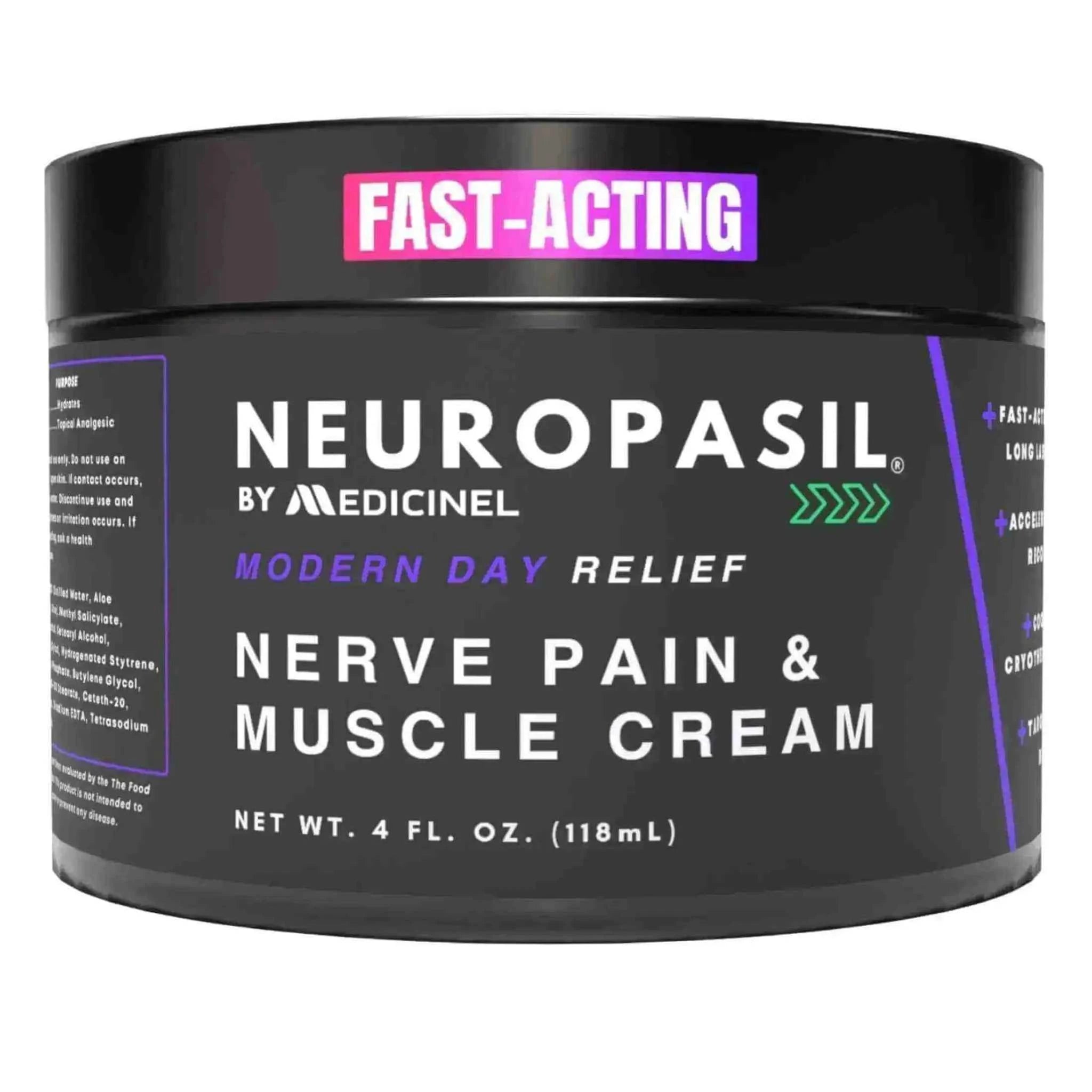
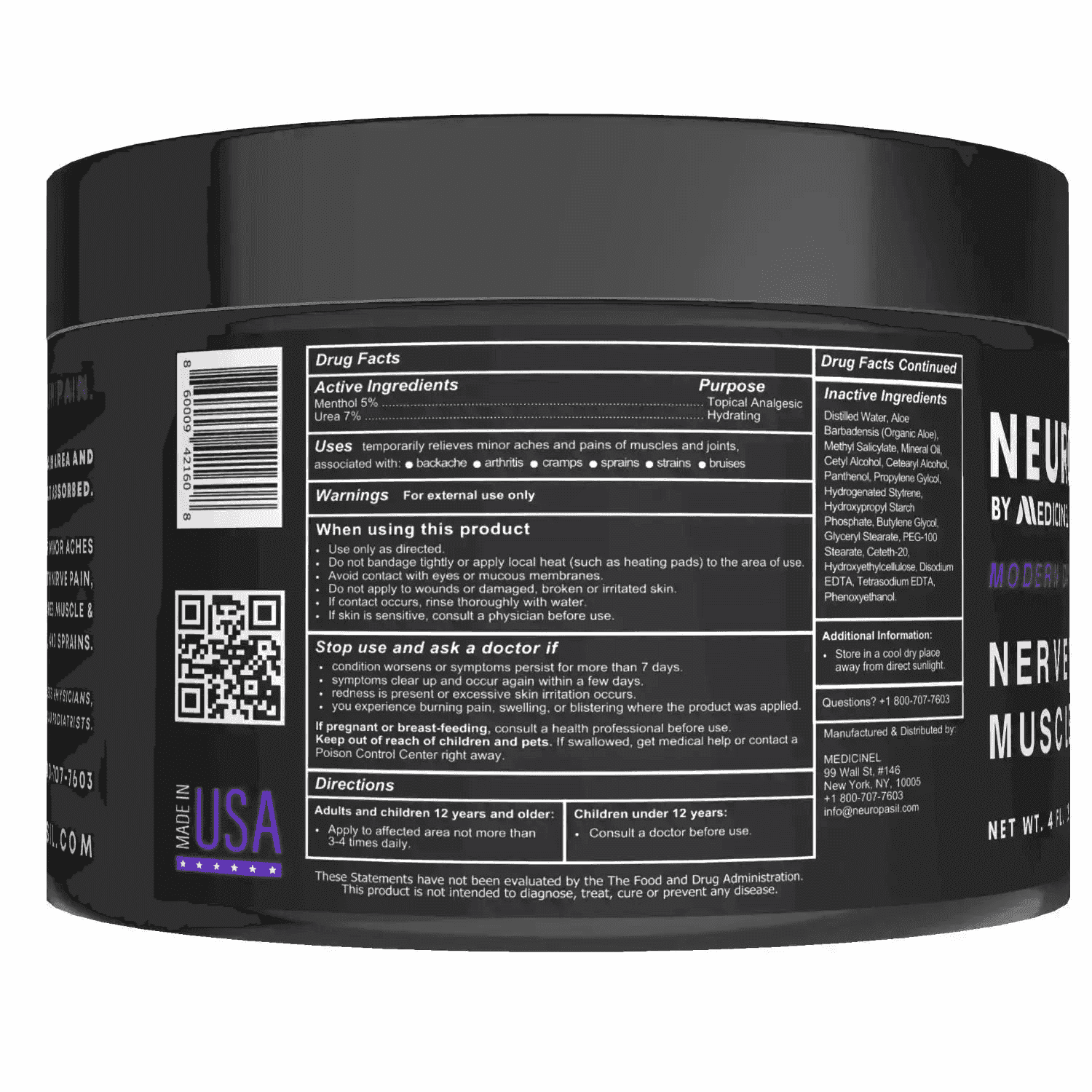
Our Neuropasil cream is formulated to address a broad spectrum of these pains, delivering targeted relief with a blend of menthol, aloe, and urea that works synergistically to soothe discomfort and promote skin health.
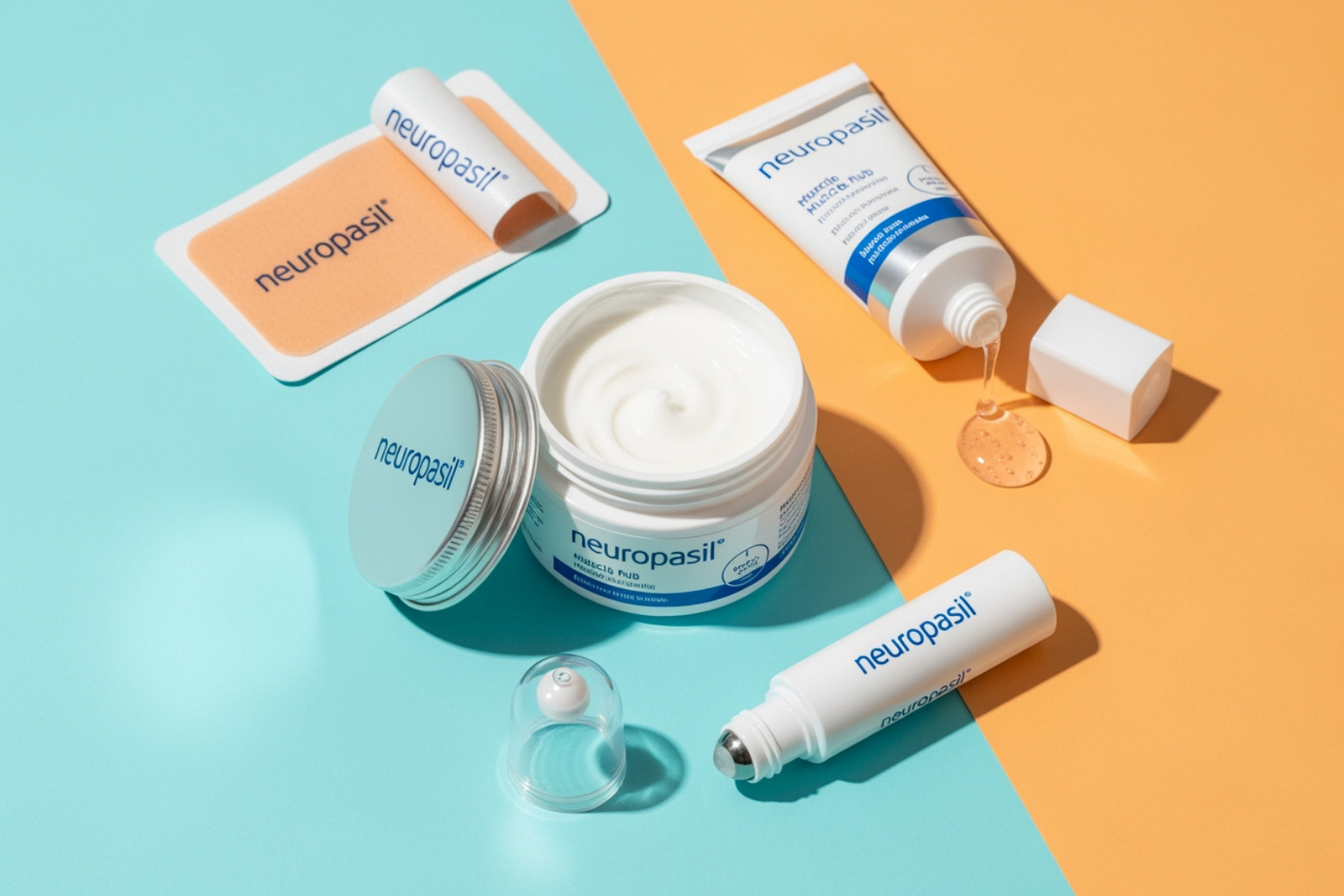
Comparing Neuropasil Formulations: Cream, Gel, Stick, or Patch?
While the market offers a variety of formats for muscle rub—including creams, gels, sticks, and patches—at Neuropasil, we've honed our expertise in crafting exceptional topical creams. Each format has its unique advantages, and understanding them can help you appreciate why our cream stands out.
| Feature | Cream | Gel | Stick | Patch |
|---|---|---|---|---|
| Application | Smooth, spreadable, ideal for massage | Often clear, quick-drying, less residue | Hands-free, mess-free, portable | Targeted, long-lasting, discreet |
| Absorption Speed | Moderate, allows for massage | Fast | Moderate | Slow, sustained release |
| Best For | Large areas, massage, deep penetration | Quick relief, non-greasy feel, active use | On-the-go, small areas, travel | Overnight relief, localized, specific spots |
| Greasiness | Can be slightly, depending on formula | Generally non-greasy | Minimal to none | None (adheres to skin) |
| Neuropasil Cream | Our specialty! Non-greasy, fast-absorbing, with Aloe & Urea for skin health and improved absorption, plus Menthol for targeted, soothing relief. |
Our Neuropasil cream is designed to offer the best of many worlds. It's formulated to be fast-acting and absorb cleanly, leaving minimal to no greasy residue. The inclusion of Aloe Vera ensures skin hydration and soothing comfort, while Urea works diligently to improve the penetration of our active pain-relieving ingredients, like menthol, deep into the affected areas. This means you get targeted, soothing relief exactly where you need it, combined with skin-nourishing benefits. Whether you're dealing with extensive muscle soreness or pinpointed joint discomfort, our cream provides the perfect balance of efficacy and comfort.
Safe and Effective Application: A Step-by-Step Guide
Using a muscle rub effectively isn't just about slathering it on; there's an art to maximizing its benefits while ensuring your safety. Proper application can make a significant difference in how quickly and thoroughly you experience relief.

Best Practices for Applying Your Muscle Rub
To get the most out of your muscle rub and ensure a comfortable experience, follow these simple best practices:
- Start with Clean, Dry Skin: Always apply the rub to clean, dry skin. This ensures better absorption and reduces the risk of irritation.
- Apply a Thin Layer: A little goes a long way. Apply just enough to cover the affected area with a thin film. Over-applying won't necessarily increase effectiveness and could heighten the risk of side effects.
- Gentle Massage is Key: Gently and thoroughly massage the muscle rub into your skin until it's absorbed. This not only helps the ingredients penetrate but also provides a soothing physical massage that can further relax tense muscles.
- Frequency Matters: Stick to the recommended application frequency, typically no more than three to four times a day. Consistency is more effective than excessive application.
- Wash Your Hands! This is crucial. After applying any muscle rub, wash your hands thoroughly with soap and water. This prevents accidental transfer of the product to sensitive areas like your eyes, mouth, or nose, which can cause significant irritation. If you're treating your hands, wait until the product has been absorbed, then wash them.
Following these steps will help you effectively reduce muscle soreness, whether it's after an intense workout or just from daily activities. For more tips on post-exercise recovery, check out our article on how to reduce muscle soreness after workout.
Important Safety Precautions and Side Effects
While muscle rubs are generally safe for topical use, be aware of potential side effects and necessary precautions. Your well-being is our top priority!
- Avoid Broken or Irritated Skin: Never apply muscle rub to skin that is injured, cut, scraped, sunburned, or otherwise irritated. This can lead to increased absorption and a higher risk of adverse reactions like severe burning, blistering, or increased pain.
- No Heating Pads or Tight Bandages: Avoid applying muscle rub immediately before, during, or after activities that significantly increase skin temperature, such as hot baths or intense exercise. Heat can dramatically increase the absorption of active ingredients, leading to an intensified sensation that may be uncomfortable or even cause burns. Do not bandage or tightly wrap the affected area, and never use heating pads over a treated area.
- Watch for Allergic Reactions: Common side effects can include redness, warmth, stinging, or a burning sensation. These are often part of the product's counterirritant action. However, if you experience severe redness, blistering, increased pain, or signs of an allergic reaction (like rash, itching, or swelling), stop use immediately and consult a doctor. If you have known allergies to ingredients like menthol or salicylates (aspirin), consult your doctor or pharmacist before use.
- Pregnancy and Children: Be extra cautious. Muscle rubs with salicylates (aspirin-like ingredients) are not recommended during pregnancy (from 20 weeks onward) as they can harm an unborn baby. For children and teens recovering from a virus like the flu or chickenpox, using salicylate products is linked to a rare but serious condition called Reye's syndrome. Always consult your doctor before use if you are pregnant, breastfeeding, or considering use on a child. Check the product label for specific age restrictions.
We always recommend reading the product label carefully for specific warnings and instructions. For comprehensive information on precautions and side effects, you can refer to WebMD's details on Muscle Rub Topical: Uses, Side Effects, Interactions, Pictures, Warnings & Dosing - WebMD.
Frequently Asked Questions about Muscle Rubs
We often hear similar questions from our community about muscle rubs. Let's address some of the most common ones to help you make informed choices for your pain relief journey.
Are natural muscle rubs better?
"Better" is subjective, but natural muscle rubs certainly offer distinct advantages, especially for those seeking a gentler approach to pain relief. We believe in the power of nature, which is why our Neuropasil creams incorporate ingredients like Aloe and Urea alongside Menthol.
The benefits often include:
- Fewer Synthetic Chemicals: Natural formulations typically use plant-derived ingredients and may avoid artificial fragrances, dyes, or parabens that can irritate sensitive skin.
- Skin-Nourishing Ingredients: Ingredients like aloe vera and various plant extracts not only deliver active pain relief but also moisturize and soothe the skin.
- Reduced Irritation Risk: For individuals with sensitive skin or allergies to synthetic compounds, natural options can provide effective relief with a lower risk of adverse reactions.
- Aromatherapy Benefits: Many natural muscle rubs incorporate essential oils like peppermint or eucalyptus, which offer pleasant aromas that can improve relaxation and contribute to a sense of well-being.
Whether a natural muscle rub is "better" depends on your personal preferences, skin type, and what ingredients work for you. Many of our customers appreciate the clean feel and effective relief of our natural formulations.
How are muscle rubs different from oral pain relievers?
This is a key distinction! Muscle rubs and oral pain relievers operate on fundamentally different principles, each with its own set of advantages.
- Topical vs. Systemic Relief: Oral pain relievers (like ibuprofen) work systemically, meaning they enter your bloodstream to reduce pain throughout the body. This can lead to side effects like stomach upset. Muscle rubs, however, provide targeted, topical relief. They work directly on the painful area, concentrating the active ingredients where you need them most, without significant amounts entering the bloodstream.
- Targeted Action: The localized application of a muscle rub means the active ingredients concentrate precisely where you need them. This makes them ideal for specific muscle aches or joint pains. Oral medications affect your entire system, which might be overkill for a specific sore spot.
- Fewer Systemic Side Effects: Because they are applied externally, muscle rubs generally carry a lower risk of systemic side effects compared to oral medications. This is a significant benefit for individuals who are sensitive to oral pain relievers.
- Speed of Action: Many muscle rubs provide a sensation of relief quickly due to their immediate interaction with nerve endings on the skin, offering fast, soothing comfort.
If your pain is localized and you want to avoid systemic medication, a muscle rub is often an excellent choice.
Can I use a muscle rub for athletic recovery?
Absolutely! Muscle rubs are a staple in many athletes' recovery routines, from casual gym-goers to professional competitors. We know how much athletes in New York City rely on effective recovery tools.
Here’s why they’re so valuable for athletic recovery:
- Pre-Workout Application: Some athletes use a warming muscle rub before exercise to help prepare muscles for activity by promoting blood flow.
- Post-Workout Recovery: After an intense session, a cooling muscle rub with menthol, like our Neuropasil cream, can provide immediate relief. It soothes soreness and reduces the sensation of inflammation, making the post-workout period more comfortable and helping to loosen tight muscles.
- Targeted Relief for DOMS: Delayed Onset Muscle Soreness (DOMS) is the familiar ache that sets in after strenuous activity. Muscle rubs are incredibly effective in providing targeted relief for these specific sore spots, helping athletes manage discomfort.
- General Soothing: The act of massaging a muscle rub into tired muscles can be inherently soothing and relaxing, contributing to overall physical and mental recovery.
Our Neuropasil creams are specifically designed to support athletes with their recovery needs, offering fast-acting, targeted relief for overworked muscles and joints. For more detailed information on how we help athletes, you can read about how Neuropasil helps athletes with muscle recovery & pain.
Conclusion: Finding Your Perfect Match for Pain Relief
Navigating muscle rubs can feel overwhelming, but with the right knowledge, you can confidently choose a product that truly meets your needs. We've explored how these topical powerhouses work their magic through counterirritation, offering both warming and cooling sensations to distract from deeper aches. We've also highlighted the incredible benefits of natural ingredients, emphasizing how components like menthol, aloe vera, and urea contribute to effective pain relief and skin health.
The key takeaways are clear:
- Ingredient Awareness: Understand what active ingredients are in your muscle rub and how they work. Look for natural, skin-nourishing options for a holistic approach.
- Safe Application: Always follow best practices for application and be vigilant about safety precautions, especially regarding heat, broken skin, and use during pregnancy or with children.
- Targeted Relief: Match the muscle rub to your specific pain type and lifestyle, whether it’s post-workout soreness, chronic arthritis, or nerve pain.
At Neuropasil, we are committed to providing advanced topical solutions that offer natural, fast-acting, and targeted relief. Our creams, powered by the synergistic blend of Menthol, Aloe, and Urea, are carefully crafted to soothe a wide range of discomforts, from neuropathy and sciatica to everyday muscle aches and joint discomfort. We believe in empowering you to reclaim your active life with products that are effective, gentle, and reliable.
To find the best options for your specific needs, explore our guide on what are the best products for muscle pain, and dig into the ins and outs of best pain relief creams for muscle pain. Your journey to a more comfortable, active life starts here!
References/Sources
- Melzack, R., & Wall, P. D. (1965). Pain mechanisms: a new theory. Science, 150(3699), 971–979. https://www.science.org/doi/10.1126/science.150.3699.971
- Mason, L., Moore, R. A., Derry, S., Edwards, J. E., & McQuay, H. J. (2004). Systematic review of efficacy of topical rubefacients for acute and chronic pain. BMJ, 328(7446), 995. https://www.bmj.com/content/328/7446/995
- Cleveland Clinic. (2021, September 20). Is Arnica a Good Option for Pain? https://health.clevelandclinic.org/is-arnica-a-good-option-for-pain
- Pan, M., Heinecke, G., Bernardo, S., Tsui, C., & Levitt, J. (2013). Urea: a comprehensive review of the clinical literature. Dermatology online journal, 19(11), 20392. https://escholarship.org/uc/item/27w4414b
- American Academy of Allergy, Asthma & Immunology. Aspirin-Exacerbated Respiratory Disease. https://www.aaaai.org/tools-for-the-public/conditions-library/allergies/aspirin-exacerbated-respiratory-disease-(aerd))
- U.S. Food and Drug Administration. (2020, September). FDA recommends avoiding use of NSAIDs in pregnancy at 20 weeks or later because they can result in low amniotic fluid. https://www.fda.gov/drugs/drug-safety-and-availability/fda-recommends-avoiding-use-nsaids-pregnancy-20-weeks-or-later-because-they-can-result-low-amniotic
- National Institute of Neurological Disorders and Stroke. Reye Syndrome Information Page. https://www.ninds.nih.gov/health-information/disorders/reye-syndrome
- Derry, S., Wiffen, P. J., Kalso, E. A., Bell, R. F., Aldington, D., Phillips, T., Gaskell, H., & Moore, R. A. (2017). Topical analgesics for acute and chronic pain in adults - an overview of Cochrane Reviews. Cochrane Database of Systematic Reviews, 5(5), CD008609. https://www.cochranelibrary.com/cdsr/doi/10.1002/14651858.CD008609.pub2/full
- WebMD. "Muscle Rub Topical: Uses, Side Effects, Interactions, Pictures, Warnings & Dosing." https://www.webmd.com/drugs/2/drug-3884/muscle-rub-topical/details