Why Understanding Torn Hamstring Healing Matters for Your Recovery
Torn hamstring healing is a process that varies widely depending on the severity of your injury, but understanding what to expect can help you recover faster and avoid re-injury. Here's what you need to know:
Quick Recovery Timeline:
- Grade 1 (Mild): 2-4 weeks with proper rest and care
- Grade 2 (Moderate): 4-8 weeks, potentially up to 12 weeks for athletes
- Grade 3 (Severe): 3-6 months or longer, may require surgery
Immediate Action Steps:
- Rest - Stop the activity that caused the injury
- Ice - Apply for 15-20 minutes every 2-3 hours for the first 48-72 hours
- Compress - Use an elastic bandage to reduce swelling
- Lift - Keep your leg raised above heart level when possible
A hamstring tear happens when one or more of the three muscles at the back of your thigh overstretch or tear. This painful injury is especially common among athletes who sprint, jump, or make sudden direction changes. But it can also affect weekend warriors, dancers, and even people who simply slip on ice or lift something heavy incorrectly.
The stakes are high. More than 30% of athletes who suffer a hamstring tear will experience another one, usually within the same season Source on hamstring recurrence rates. That's why proper healing isn't just about waiting for the pain to go away. It's about following a structured recovery plan that restores your strength, flexibility, and function.
This guide will walk you through everything you need to know about torn hamstring healing, from understanding the severity of your injury to implementing the right rehabilitation exercises and prevention strategies. You'll learn when to rest, when to move, and when to seek professional help.
I'm Tony Enrico, and through my work with Neuropasil, I've spent years helping people overcome the challenges of muscle and nerve pain, including supporting those recovering from hamstring injuries with effective relief solutions. My mission is to provide you with practical, science-backed information about torn hamstring healing so you can get back to doing what you love.
Key terms for torn hamstring healing:
Understanding Your Hamstring Tear: Grades, Symptoms, and Diagnosis
When you experience a sudden, sharp pain in the back of your thigh, it's often a sign of a hamstring tear. These injuries are categorized into different grades, each with its own set of symptoms and implications for torn hamstring healing. Knowing the grade of your injury is crucial for determining the right treatment path and understanding your recovery journey.
How Hamstring Tears are Graded
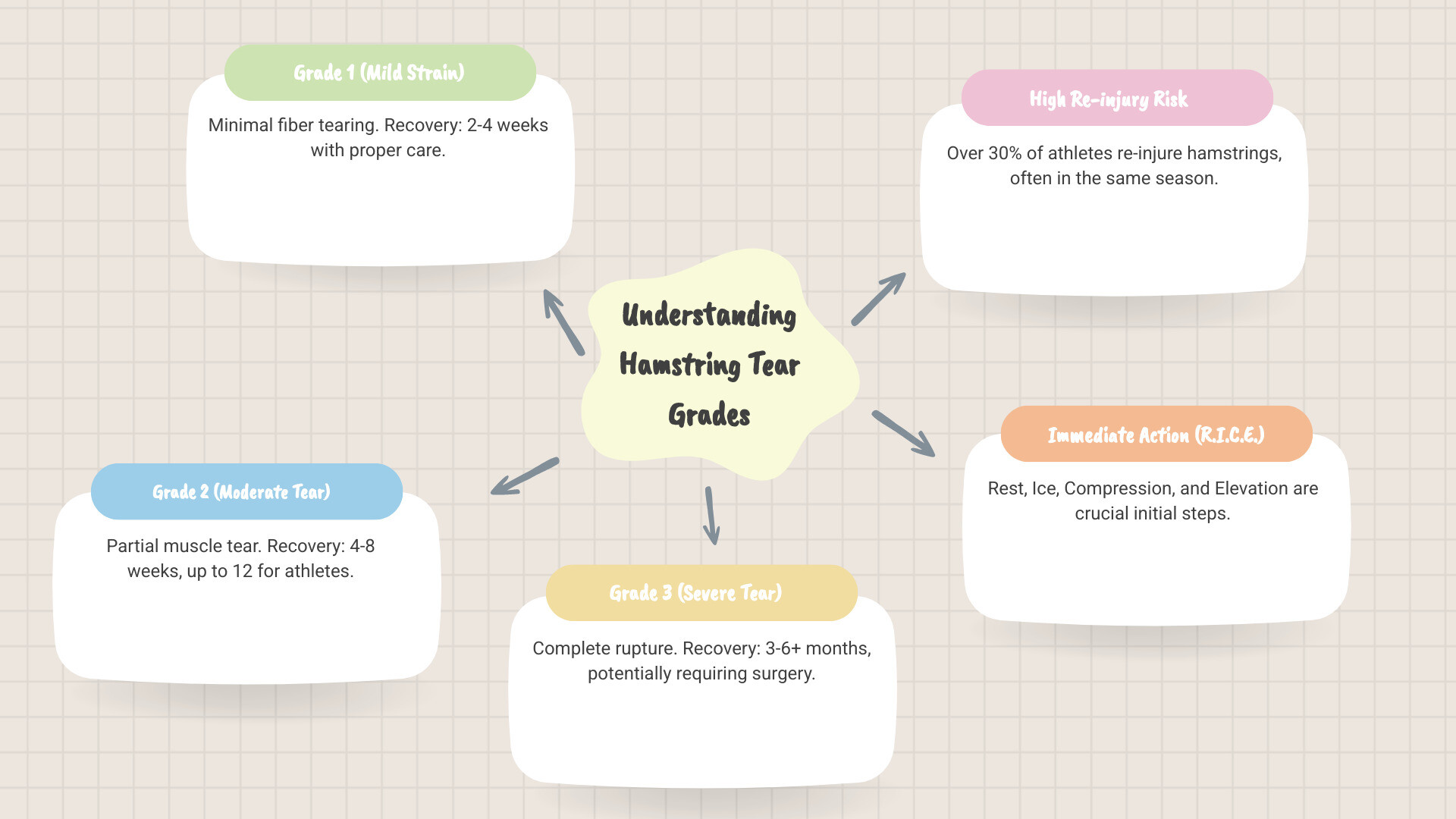
Hamstring tears are typically classified into three grades based on the extent of muscle damage:
- Grade 1 (Mild Strain): This is the least severe type of tear. It involves minimal fiber tearing, meaning only a small number of muscle fibers are damaged. You might feel discomfort and tightness in the back of your thigh, with minimal swelling or bruising. While often dismissed as minor, even a Grade 1 tear can become "stubborn" if not properly managed, delaying torn hamstring healing.
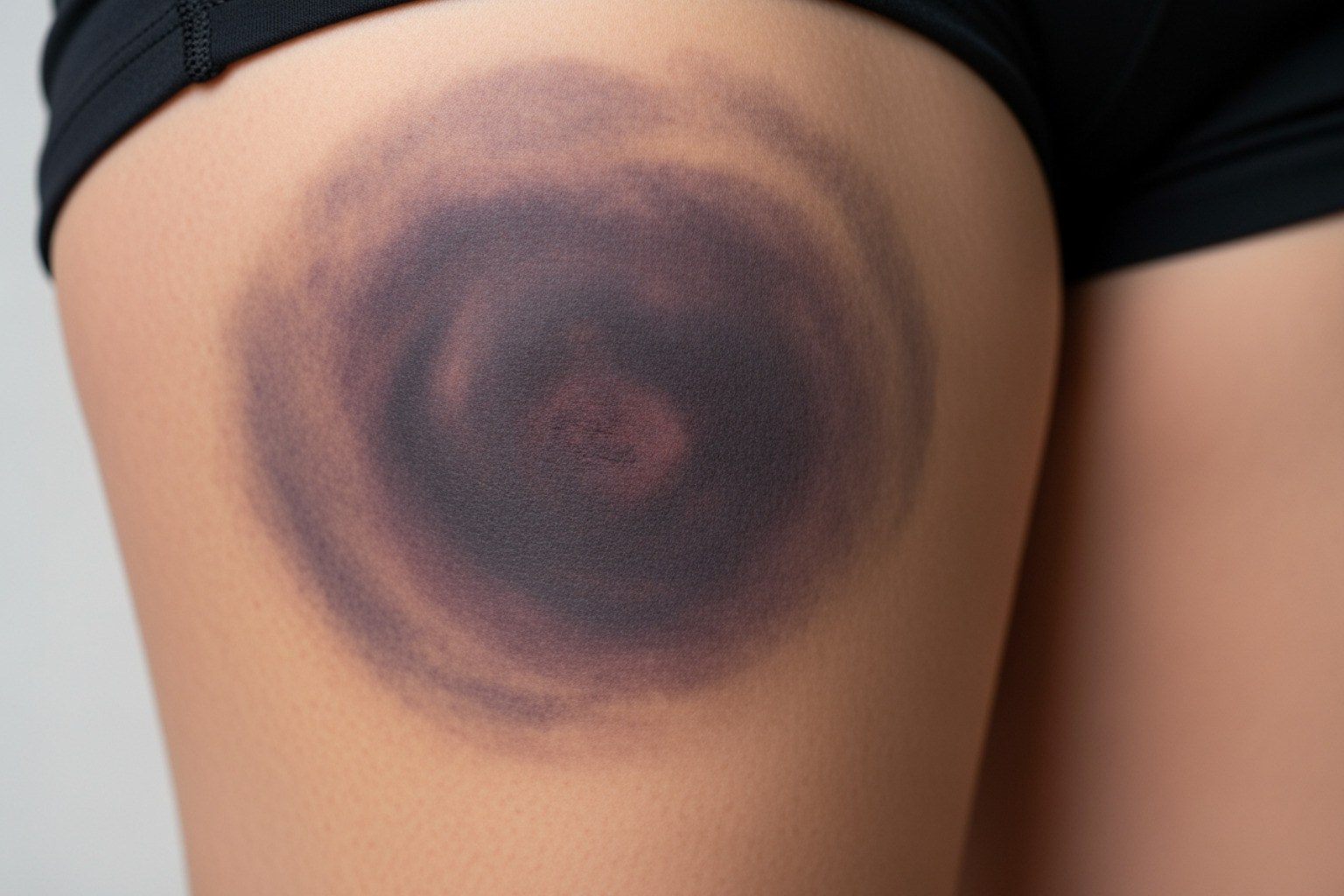
- Grade 2 (Moderate Tear): A Grade 2 tear involves a partial tearing of the muscle fibers. This means more significant damage than a Grade 1. You'll likely experience more intense pain, noticeable swelling, and bruising. Walking may be difficult or painful, and you'll probably feel a noticeable loss of strength in the affected leg. You might even feel a "pop" sensation at the time of injury.
- Grade 3 (Severe Tear): This is the most serious type of hamstring injury, involving a complete rupture of the muscle or tendon. In some cases, it can be an avulsion injury, where the tendon completely tears away from the bone, sometimes taking a small piece of bone with it. Symptoms include sharp, severe pain, significant swelling, extensive bruising that can extend below the knee, and an inability to walk without severe pain or support. A distinct "popping" sensation is often reported at the moment of injury, and you might even see a gap or "balling up" of the muscle.
Understanding these grades helps us tailor the approach to torn hamstring healing. For a more in-depth look at diagnosis and treatment, the Mayo Clinic provides valuable information Diagnosis and treatment information from Mayo Clinic.
Diagnosing the Severity
A proper diagnosis is the first step toward effective torn hamstring healing. Our healthcare providers typically begin with a thorough physical examination. This involves checking for swelling, tenderness along the back of the thigh, and assessing your pain levels with different leg positions and movements. We'll also test your range of motion and muscle strength. The location and intensity of your pain can provide crucial information about the extent of the damage.
For more severe injuries or to confirm the diagnosis, imaging tests may be necessary:
- MRI (Magnetic Resonance Imaging): This is often the gold standard for visualizing soft tissue injuries like muscle tears. An MRI can show the exact location and extent of the tear, helping us determine the grade and whether surgery might be needed.
- Ultrasound: This imaging technique can also be used to visualize tears in muscles and tendons, offering a dynamic view of the injury.
- X-ray: While X-rays don't show soft tissues, they are essential if an avulsion fracture is suspected (where the tendon pulls a piece of bone away).
Early and accurate diagnosis is key to guiding your torn hamstring healing process. If you suspect a hamstring injury, especially with significant pain, swelling, or difficulty walking, it's crucial to seek medical attention promptly. For guidance on identifying symptoms, you can refer to our article on 5 Simple Steps to Identify Hamstring Pull Symptoms.
We've also put together a Detailed Guide to Torn Hamstring Muscle Treatment that further elaborates on diagnosis and treatment options.
The Path to Recovery: Torn Hamstring Healing and Immediate Care
The journey of torn hamstring healing follows distinct biological phases: inflammation, repair, and remodeling. Each phase is critical, and rushing the process can lead to setbacks, including re-injury. Several factors influence how quickly and completely you recover, including your age, overall health, and, of course, the severity of the injury. Unfortunately, recurrence is a significant concern, with more than 30% of athletes experiencing another hamstring injury, often within the same sporting season Source on hamstring recurrence rates. This statistic underscores the importance of proper, patient recovery.
Typical Healing Timeline for a Torn Hamstring
The timeline for torn hamstring healing varies significantly depending on the grade of the injury. It's not a one-size-fits-all situation, and patience is truly a virtue here.
- Grade 1 Hamstring Tear: For a mild strain, you can typically expect a recovery time of 2-4 weeks. Symptoms like pain and soreness may last only two to five days, but don't let the quick relief fool you into returning to activity too soon. Even mild tears need time to fully heal and regain resilience.
- Grade 2 Hamstring Tear: A moderate tear generally takes 4-8 weeks to heal. However, for athletes involved in sports requiring running, sprinting, or high-level competition, the return to full activity can be closer to 12 weeks. Symptoms, including pain and soreness, may persist for several weeks to a month.
- Grade 3 Hamstring Tear: This severe injury demands the longest recovery, typically ranging from 3-6 months or longer.
These are general guidelines, and your individual recovery might be faster or slower Statistic on hamstring injury healing times. If surgery is required, the recovery period will be extended. For example, rehabilitation for a proximal hamstring repair (near the pelvis) can take at least 6 months, while a distal repair (near the shinbone) typically has a shorter recovery period before a return to athletic activities is possible Information on surgical recovery from AAOS. Severe injuries can take weeks or months to heal, and symptoms can last for a month or more.
Immediate Steps: The R.I.C.E. Protocol
When a hamstring tear strikes, your immediate actions can significantly impact the initial stages of torn hamstring healing. The R.I.C.E. protocol is a time-tested first-aid approach for soft tissue injuries.

Here's how to apply it effectively:
- R - Rest: Immediately stop any activity that causes pain. Continuing to use the injured hamstring can worsen the tear and delay healing. For severe injuries, you might need crutches to avoid putting weight on the leg.
- I - Ice: Apply an ice pack to the injured area for 15-20 minutes every 2-3 hours for the first 48-72 hours. Wrap the ice pack in a thin cloth to prevent frostbite. Ice helps to reduce pain, swelling, and inflammation by constricting blood vessels and numbing nerve endings.
- C - Compression: Gently wrap the injured thigh with an elastic compression bandage. Start wrapping from below the injury and move upwards. The bandage should be snug but not so tight that it causes numbness, tingling, or increased pain. Compression helps to minimize swelling and provide support to the injured muscle.
- E - Elevation: Whenever possible, lift your injured leg above the level of your heart. This helps gravity drain excess fluid away from the injury site, further reducing swelling.
For managing the immediate pain and discomfort, over-the-counter pain relievers can be helpful. These include non-steroidal anti-inflammatory drugs (NSAIDs) like ibuprofen or naproxen, or acetaminophen. Always follow dosage instructions and consult a healthcare provider if you have underlying health conditions.
To further soothe muscle discomfort during this initial phase, our Neuropasil Nerve Pain Relief Cream can be applied topically. Its natural ingredients, like menthol, provide a cooling sensation that helps alleviate localized pain, which can be a real comfort as your body begins the torn hamstring healing process. You can find more fast relief tips in our article Hamstring Strain Treatment: Fast Relief Tips and Natural Solutions for Active Lifestyles.
Rehabilitation and Prevention: Getting Back to Full Strength
Once the initial pain and swelling subside, the real work of torn hamstring healing begins. This phase focuses on restoring full function, flexibility, and strength to prevent future injuries. This is where rehabilitation and professional guidance truly shine.
The Role of Rehabilitation in Torn Hamstring Healing
Physiotherapy plays an indispensable role in hamstring tear recovery. A physiotherapist will create a personalized rehabilitation program custom to your specific injury grade, symptoms, and activity goals. This program is crucial for several reasons:
- Restoring Flexibility: Injured hamstrings tend to tighten during healing. Gentle, progressive stretching helps to regain the muscle's full range of motion.
- Rebuilding Strength: As the tear heals, strengthening exercises are introduced to rebuild the muscle's capacity. This includes eccentric strengthening, where the muscle lengthens under tension, which is particularly effective for hamstring rehabilitation.
- Improving Biomechanics: A physiotherapist can identify and correct any underlying muscle imbalances or movement patterns that might have contributed to the injury, reducing the risk of re-injury.
- Preventing Scar Tissue Issues: Controlled movement and specific exercises help ensure the new tissue heals in a functional way, preventing excessive scar tissue formation that can limit flexibility and increase re-injury risk.
Engaging in active recovery and progressive strengthening, rather than just prolonged rest, is key to resilient torn hamstring healing. Without a structured approach, even seemingly minor Grade 1 tears can become "stubborn" and prone to recurrence. For a comprehensive overview of treatment, explore All About Pulled Hamstring Injury Treatment.
Key Rehabilitation Exercises and Prevention Strategies
A well-rounded rehabilitation program for torn hamstring healing will typically progress through several stages, starting with gentle movements and gradually increasing intensity.
Here are some common types of exercises:
- Gentle Stretching: Once pain allows, very gentle, static stretches (holding a stretch without bouncing) can begin. Examples include lying hamstring stretches with a towel or strap.
- Isometric Contractions: These involve contracting the muscle without moving the joint, helping to activate the muscle without putting undue stress on the healing fibers. For example, pressing your heel into the floor while sitting.
- Eccentric Strengthening: These are particularly vital. Eccentric exercises strengthen the muscle while it lengthens, mimicking the action that often causes hamstring tears. The Nordic Hamstring Curl is a prime example of an effective eccentric exercise, as highlighted in scientific research on the Nordic Hamstring Curl.
- Proprioception Exercises: These exercises improve your body's awareness of its position in space, which is crucial for stability and coordination, especially when returning to dynamic activities. Single-leg balance exercises are a good start.
Prevention Strategies:
Preventing future hamstring tears is just as important as treating the current one. This involves a multi-faceted approach:
- Proper Warm-Ups: Always warm up thoroughly before exercise, especially before activities involving sprinting or explosive movements. A dynamic warm-up that includes light cardio and mobility drills prepares your muscles for activity.
- Addressing Muscle Imbalances: Often, hamstring injuries are linked to imbalances between the hamstrings and quadriceps, or weakness in the glutes. Strengthening these surrounding muscle groups helps create a more balanced and resilient kinetic chain.
- Gradual Progression: Avoid sudden increases in intensity, duration, or frequency of your workouts. Build up your fitness levels gradually to allow your muscles to adapt.
- Flexibility and Strength Training: Maintain a year-round program of stretching and strengthening exercises to keep your hamstrings flexible and strong.
- Listen to Your Body: Don't push through pain. If you feel discomfort, stop and rest. Overexertion is a common cause of re-injury.
When is Advanced Medical Care Considered?
While most hamstring tears respond well to conservative management and physical therapy, there are specific situations where advanced medical care, including surgery, might be necessary for optimal torn hamstring healing:
- Complete Tendon Avulsions: This occurs when the hamstring tendon completely detaches from its attachment point, usually at the pelvis (proximal) or shinbone (distal). This is considered a Grade 3 injury and often requires surgical reattachment.
- Multiple Tendon Tears: If more than one hamstring tendon is completely torn, surgery may be recommended to restore function.
- Failure of Conservative Treatment: If, after a dedicated period of non-surgical treatment and rehabilitation (typically several months), you continue to experience significant pain, weakness, or functional limitations, your doctor might explore surgical options.
Surgical intervention, particularly for proximal hamstring avulsions, involves reattaching the torn tendon to the bone. This is a significant procedure, and the post-operative recovery and rehabilitation are extensive, typically requiring several months before a return to athletic activities is possible More on advanced care for hamstring tears. Even with surgery, rehabilitation is crucial. It's a structured program designed to protect the repair while gradually restoring strength, flexibility, and range of motion. The goal is always to achieve full recovery and minimize the risk of re-injury.
Frequently Asked Questions about Torn Hamstring Healing
Can a torn hamstring heal on its own?
Mild (Grade 1) tears can heal with rest, but proper rehabilitation is crucial to prevent high recurrence rates (over 30%) Source on hamstring recurrence rates. Moderate to severe tears require a structured recovery plan, often guided by a professional, to ensure proper healing and regain full function. While your body has an amazing capacity to heal, simply resting a torn hamstring without active rehabilitation is often insufficient for optimal torn hamstring healing. For a Grade 1 strain, the pain might subside quickly, giving the impression of full recovery. However, without addressing flexibility, strength, and muscle imbalances, the muscle remains vulnerable to re-injury. For Grade 2 and 3 tears, professional guidance is almost always necessary to ensure the muscle heals correctly, preventing scar tissue from limiting function and strength in the long run.
Should I use heat or ice on a torn hamstring?
Immediately after the injury and for the first 48-72 hours, use ice (the 'I' in R.I.C.E.) to reduce swelling and numb pain. After this initial inflammatory phase, heat can be used to increase blood flow and relax tight muscles, but it should not be used on an acute injury. During the acute phase of torn hamstring healing, ice is your best friend. It constricts blood vessels, which helps to limit internal bleeding, reduce swelling, and decrease pain. After the initial 2-3 days, once the acute swelling has subsided, heat can be beneficial. Heat therapy increases blood flow to the area, which can promote muscle relaxation and aid in the delivery of nutrients for tissue repair. However, never apply heat to an area that is still swollen or actively inflamed, as this can worsen the condition.
What are the long-term risks of a poorly treated hamstring tear?
The biggest risk is re-injury. Other complications include chronic pain, reduced flexibility, persistent weakness, and the formation of restrictive scar tissue. This can lead to a permanent change in your ability to participate in sports and daily activities. A poorly managed torn hamstring healing process can lead to a host of long-term problems. The most alarming statistic is the high recurrence rate—over 30% of athletes re-injure their hamstring, often because the initial injury wasn't fully rehabilitated Source on hamstring recurrence rates. This can lead to a cycle of injury and re-injury, ultimately resulting in chronic pain, persistent weakness, and a significant reduction in flexibility. Scar tissue, if not properly managed through rehabilitation, can become restrictive, making the muscle feel tight and prone to future tears. These issues can severely impact your ability to perform in sports or even carry out daily activities without discomfort.
Conclusion
Navigating the journey of torn hamstring healing requires a blend of immediate care, patient rehabilitation, and proactive prevention. We've explored the different grades of tears, from mild strains to severe ruptures, and the varied healing timelines associated with each. We've emphasized the critical role of the R.I.C.E. protocol in the initial stages to manage pain and swelling, followed by comprehensive physiotherapy to restore strength, flexibility, and function.
Patience is paramount. Rushing back to activity too soon is the quickest way to invite re-injury, a frustrating setback that can prolong your recovery significantly. By understanding the healing process, diligently following your rehabilitation program, and implementing effective prevention strategies, you empower yourself to achieve a full and lasting recovery.
As you progress through your torn hamstring healing, you may experience muscle soreness or discomfort, particularly after rehabilitation exercises. Our Neuropasil Nerve Pain Relief Cream can be a valuable ally during this time, offering soothing relief for sore muscles. Its unique blend of ingredients, including menthol, provides a cooling sensation that can help alleviate post-exercise discomfort, allowing you to focus on your recovery.
We are committed to supporting you on your path to recovery. If you’ve suffered a hamstring injury or want to learn more about how to prevent one, don’t hesitate to reach out to our team for expert advice and personalized care. Explore our solutions for muscle pain relief and read more insights into torn hamstring healing on our Muscle Strain Treatment blog.
References
- Mayo Clinic. (n.d.). Hamstring injury - Diagnosis and treatment. Mayo Clinic. https://www.mayoclinic.org/diseases-conditions/hamstring-injury/diagnosis-treatment/drc-20372990
- Cleveland Clinic. (2022). Hamstring Injury: Recovery Time, Treatment & Symptoms. https://my.clevelandclinic.org/health/diseases/17039-hamstring-injury
- Physio-pedia. (n.d.). Nordic Hamstring Curl Exercise. https://www.physio-pedia.com/NordicHamstringCurl_Exercise
- NYU Langone Health. (n.d.). Hamstring Tendon Rupture Doctors. https://nyulangone.org/doctors/condition/hamstring-tendon-rupture
- American Academy of Orthopaedic Surgeons. (2024). Hamstring Muscle Injuries. OrthoInfo. https://orthoinfo.aaos.org/en/diseases--conditions/hamstring-muscle-injuries/
- NHS. (n.d.). Hamstring injury. NHS.uk. https://www.nhs.uk/conditions/hamstring-injury/
- Kaux, J. F. (2016). How to treat hamstring injuries. British Journal of Sports Medicine. https://bjsm.bmj.com/content/50/8/440