Why Your Legs and Arms Ache (And What You Can Do About It)
Legs and arms aching is something almost everyone experiences at some point. Whether it's after a tough workout, a long day at work, or seemingly out of nowhere, that dull, nagging discomfort can really slow you down.
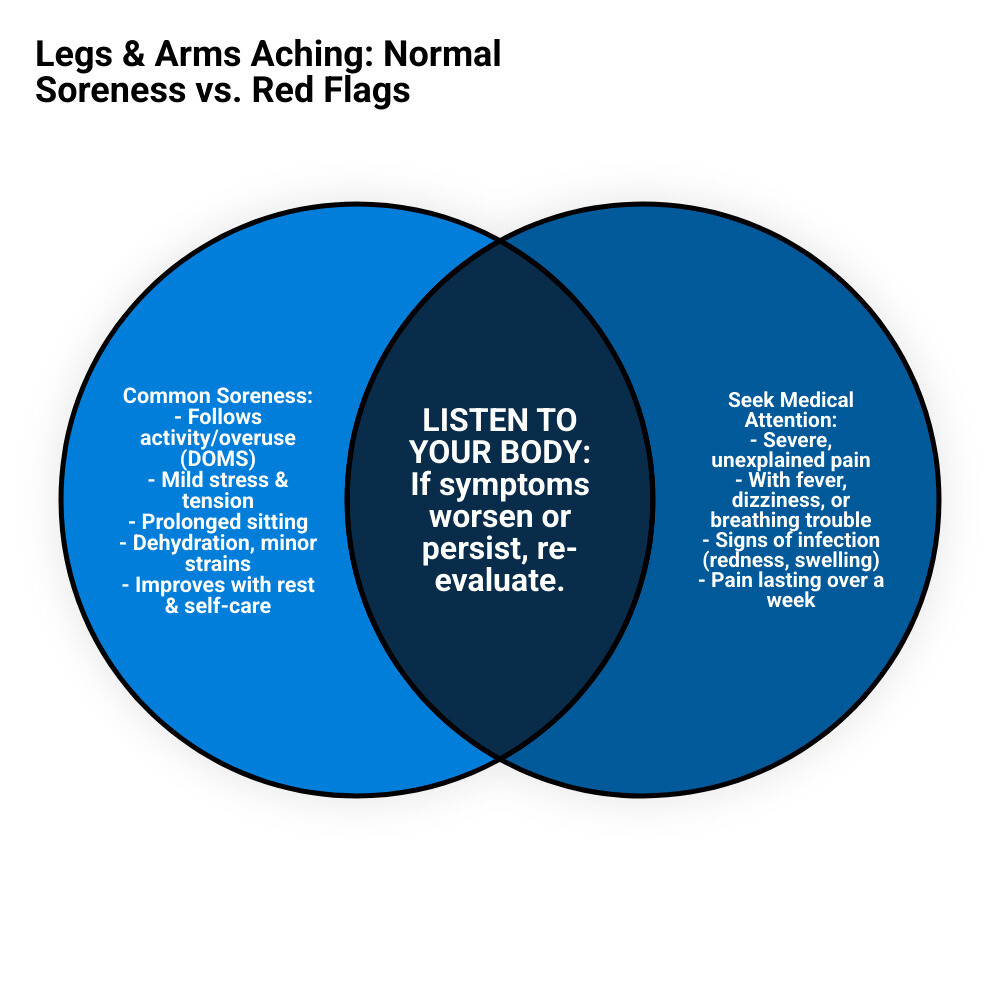
Quick Answer: Common Causes & When to Worry
| Common Causes | When to See a Doctor |
|---|---|
| Overuse or exercise (DOMS) | Severe pain with no clear cause |
| Stress and muscle tension | Trouble breathing or dizziness |
| Prolonged sitting | High fever with stiff neck |
| Dehydration | Redness, swelling, or signs of infection |
| Minor strains or injuries | Pain that doesn't improve after several days |
The good news? Most aching in your legs and arms comes from tension, overuse, or stress—things you can manage at home. But sometimes, persistent or severe aching signals something more serious, like circulation problems, fibromyalgia, or other underlying conditions that need medical attention.
This guide will help you understand why your limbs ache, how to tell the difference between everyday soreness and something that needs a doctor's attention, and what you can do to find relief.
I'm Tony Enrico, and I've spent years helping people manage pain naturally through effective topical solutions. My work with thousands experiencing legs and arms aching has taught me that understanding your pain is the first step toward real relief.
Legs and arms aching helpful reading:
Common Culprits: Why Do My Legs and Arms Ache?
When your legs and arms aching starts, it's natural to wonder why. Often, the reasons are quite common and relate to our daily activities or general well-being. Let's explore some of the usual suspects.

Overuse Injuries
Overuse injuries develop from repetitive tasks like painting, gardening, or lifting, which strain muscles and tendons. Unlike acute injuries from a single event, they build up over time. If you've been pushing your body too hard, your aching limbs might be a sign to rest.
Delayed Onset Muscle Soreness (DOMS)
Delayed Onset Muscle Soreness (DOMS) is the familiar ache that appears 24 to 72 hours after a new or intense workout. It's a normal sign that your muscles are adapting and strengthening. While uncomfortable, it typically resolves on its own. For tips on faster recovery, see our guide on Quick recovery after a workout.
Stress and Muscle Tension
Stress can manifest as physical pain. Chronic stress keeps muscles in a constant state of tension, leading to persistent aches. When stressed, the body tightens muscles as a defense mechanism. If this tension doesn't release, it can cause that dull, aching feeling in your legs and arms aching. Managing stress is crucial for pain reduction. Read more about Long-term stress effects.
Prolonged Sitting
Many of us spend long hours seated, which can significantly contribute to discomfort. This sedentary lifestyle can lead to poor circulation and muscle imbalances, ultimately causing aching limbs. We'll dive deeper into this issue shortly.
Dehydration
Our muscles rely on proper hydration. When we're dehydrated, the balance of fluids and electrolytes is thrown off, leading to muscle cramps, fatigue, and general body aches. If your legs and arms aching seems to come out of nowhere, consider if you've been drinking enough water.
Nutritional Deficiencies
Certain nutritional deficiencies can contribute to muscle weakness and pain. For instance, a lack of Vitamin D, potassium, or magnesium can lead to muscle cramps and soreness. A balanced diet is key to supporting healthy muscle function.
Distinguishing Muscle Pain from Joint Pain
It can be tricky to tell if your discomfort is from a muscle or a joint. Muscle pain often feels like a deep ache or stiffness within the muscle itself. Joint pain is usually felt at the bone or around the joint, presenting as a nagging ache or tension. You might also feel weakness or stiffness in the joint. For more on joint discomfort, see our article on Arthritis symptoms.
To help you differentiate, here's a quick comparison:
| Characteristic | Muscle Pain | Joint Pain |
|---|---|---|
| Location | Deep within the flesh of a muscle or muscle group | At the bone or immediately surrounding a joint |
| Sensation | Dull ache, soreness, stiffness, cramping, burning | Nagging ache, tension, stiffness, weakness, throbbing |
| Movement | Often worsens with muscle contraction/stretching | Often worsens with joint movement, weight-bearing |
| Rest | May improve with rest, but can feel stiff after | Often improves with rest, can be stiff upon waking |
| Associated Signs | Tenderness, knots, limited range of motion | Swelling, inflammation, redness, warmth, creaking/popping sounds |
The Impact of a Sedentary Lifestyle
We touched on this earlier, but it deserves a closer look. Prolonged sitting, sometimes humorously referred to as "sitting disease," is a major contributor to legs and arms aching. It leads to:
- Poor Circulation: Blood flow to your legs can become restricted, leading to numbness and aching.
- Muscle Imbalances: Muscles like your hip flexors become tight while others like your glutes weaken, leading to strain and pain.
- Nerve Compression: Incorrect posture can compress nerves, leading to radiating pain down your legs (sciatica).
The good news is that simple remedies are effective:
- Take Regular Breaks: Stand and move for 5-10 minutes every hour.
- Stretch at Your Desk: Simple stretches for your neck, shoulders, and legs can counteract the effects of sitting.
- Ergonomic Setup: Ensure your chair and desk support good posture.
- Incorporate Movement: Even a short walk during lunch can make a difference.
For more ideas, explore our article on Exercises for body pain.
When Aching Signals More: Understanding Underlying Conditions for Legs and Arms Aching
While many instances of legs and arms aching are benign, sometimes these aches can be a red flag for more serious health conditions. It's crucial to know when your body is signaling something that requires medical attention.

Unexplained muscle pain might point to a more serious underlying condition such as fibromyalgia, an infection, or thyroid issues. We encourage you to seek a professional diagnosis if you're concerned. For more in-depth information, you can read about Unexplained muscle pain causes.
Claudication and Peripheral Artery Disease (PAD)
Claudication is pain caused by insufficient blood flow to muscles during exercise, often felt as an ache or cramp in the legs that stops with rest. It's a key symptom of Peripheral Artery Disease (PAD), where narrowed arteries restrict blood flow, usually due to plaque buildup (atherosclerosis). Risk factors include age, smoking, diabetes, high blood pressure, and high cholesterol. Since claudication can signal a higher risk of heart attack or stroke, seek medical guidance if you experience these symptoms. A doctor can provide a proper diagnosis and management plan. For more details, consult the Claudication causes and symptoms page.
Fibromyalgia and Widespread Pain
Fibromyalgia is a chronic condition causing widespread pain in muscles and soft tissues, often described as a burning, aching, or gnawing sensation. The pain can be accompanied by chronic fatigue, sleep problems, "fibro fog" (cognitive difficulties), and mood disturbances. Diagnosis is based on symptoms and a physical exam after ruling out other conditions. While there's no cure, symptoms can be managed with stress reduction, lifestyle changes, and gentle exercise. For natural approaches, our article on Natural ways to ease Fibromyalgia offers valuable insights.
Polymyalgia Rheumatica in Older Adults
Polymyalgia Rheumatica (PMR) is an inflammatory condition causing pain and stiffness, mainly in the neck, shoulders, and hips. It primarily affects adults over 50, with stiffness often worse in the morning. Symptoms can develop quickly and include fatigue, weight loss, and difficulty raising the arms. It's crucial to see a doctor for PMR, as it can be linked to a more serious condition, giant cell arteritis (GCA), which can cause blindness if untreated. Urgent medical attention is needed for GCA symptoms like severe headaches, vision changes, or jaw pain.
Finding Relief: Managing and Treating Aching Limbs
Whether your legs and arms aching is temporary or chronic, finding effective ways to manage the discomfort is key. We believe in a proactive approach, often combining self-care with professional medical guidance when necessary. For those with persistent discomfort, our article on Living with chronic pain offers valuable insights.
At-Home Self-Care Measures
For many common causes of aching limbs, simple at-home remedies can provide significant relief:
- Rest and Gentle Movement: Rest is key for overworked muscles, but gentle movement and stretching can prevent stiffness.
- Applying Cold or Heat: Use ice packs for new injuries to reduce swelling and heat pads or warm baths to relax stiff, sore muscles.
- Gentle Stretching: Regular, gentle stretching can improve flexibility and reduce muscle tightness. Focus on the areas where you feel discomfort, but don't push into pain.
- Over-the-Counter Pain Relievers: For temporary relief, OTC medications like ibuprofen can be helpful. Always follow dosage instructions and consult your doctor if you have underlying health conditions.
- Epsom Salt Baths: A warm bath with Epsom salts can soothe sore muscles. The magnesium is thought to help reduce inflammation. Learn more with our guide on Epsom salt baths for sore muscles.
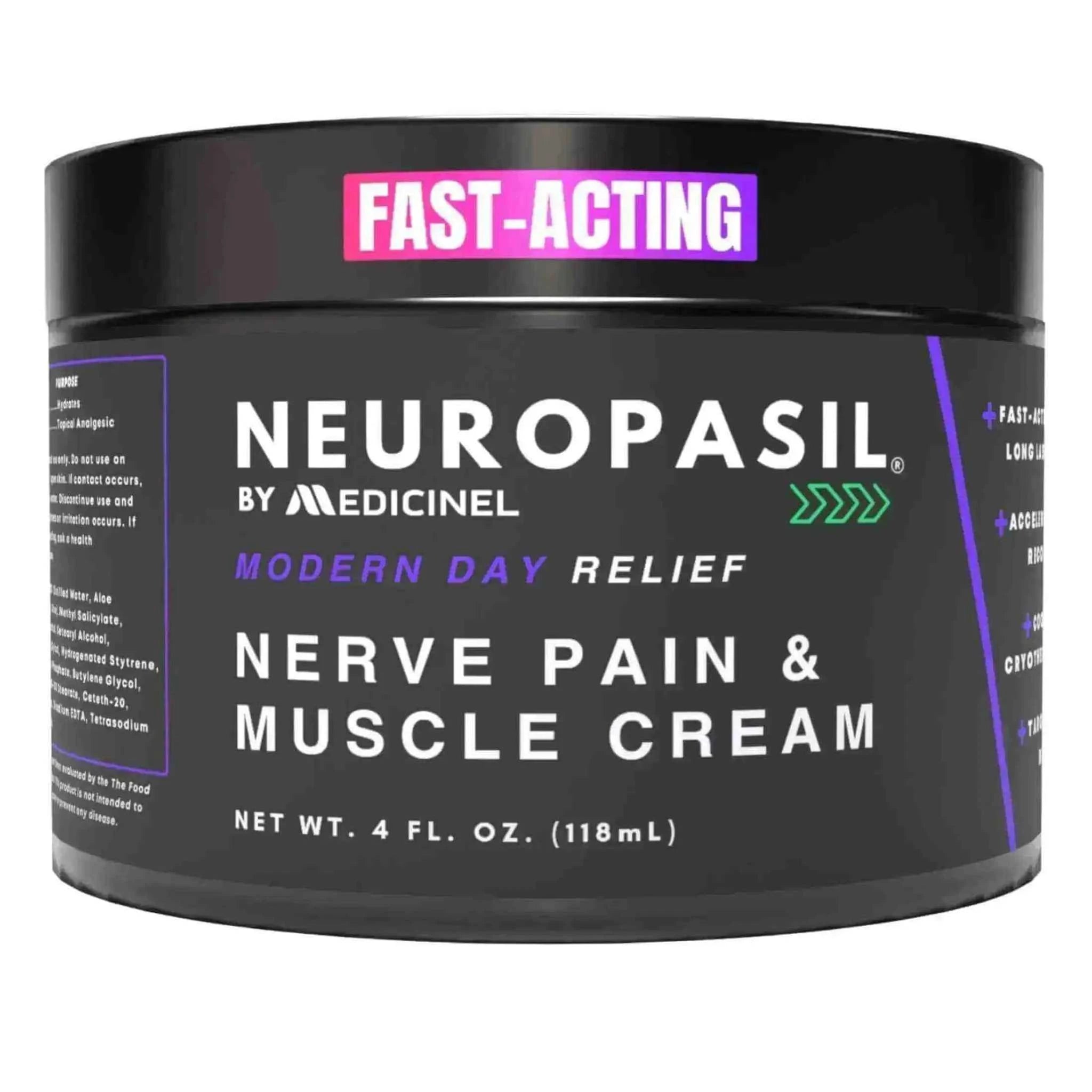
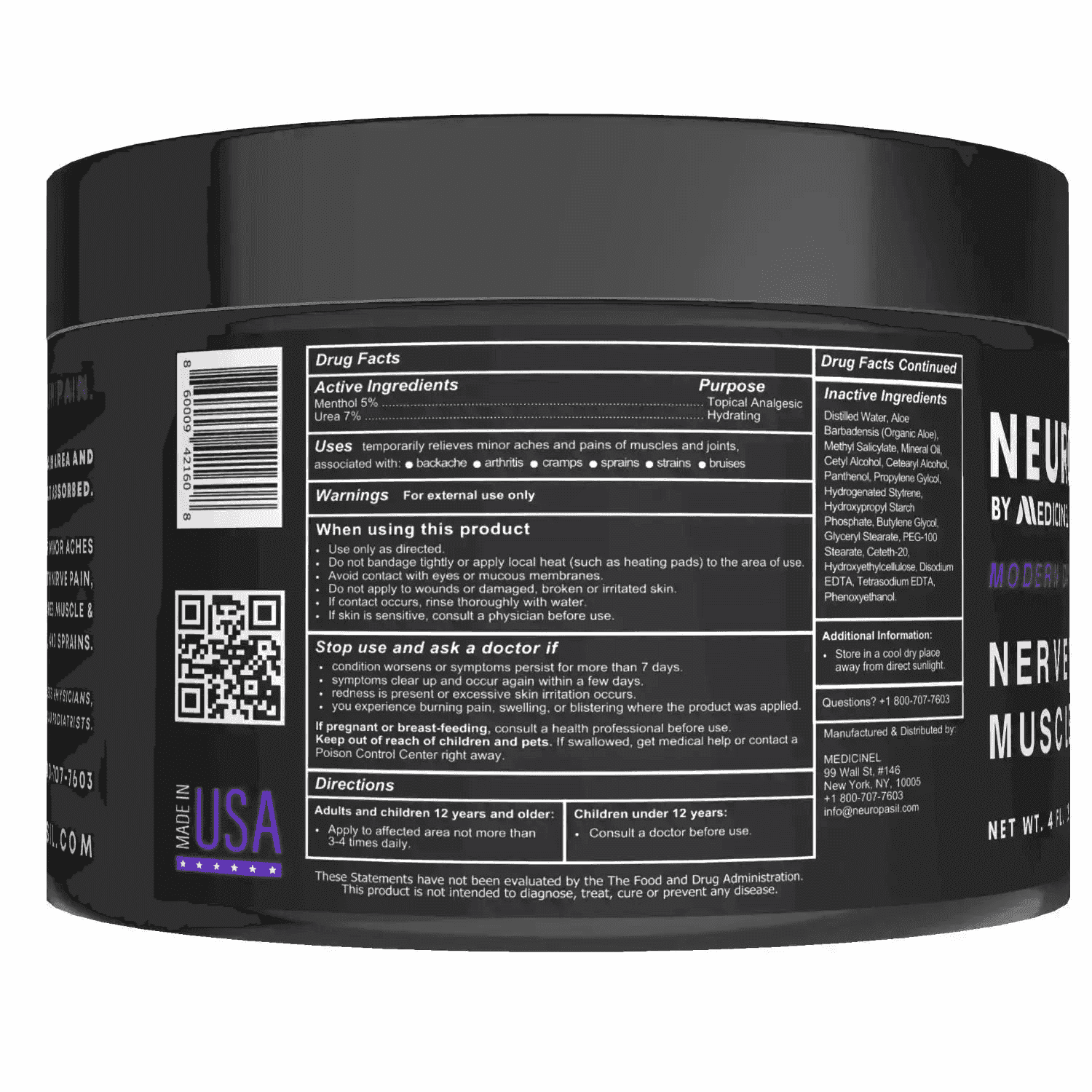
- Topical Anti-Inflammatory Creams: For targeted relief, topical creams deliver pain-relieving agents directly to the sore area. Our natural, fast-acting Neuropasil cream, with Aloe, Urea, and Menthol, provides soothing relief for nerve pain and sore muscles. It's a favorite among our customers in New York City for everything from sciatica to muscle strains and is valued by athletes for recovery. Learn more about Topical anti-inflammatory creams.
Lifestyle Changes for Long-Term Management
Adopting certain lifestyle changes can significantly impact the frequency and severity of your legs and arms aching:
- Regular, Gentle Exercise: Low-impact activities like walking, swimming, or cycling strengthen muscles and improve circulation.
- Anti-Inflammatory Diet: Eat more fruits, vegetables, and lean proteins while reducing processed foods and sugar to lower inflammation.
- Stress-Reduction Techniques: Practices like meditation, yoga, or deep breathing can help relax tense muscles.
- Maintaining a Healthy Weight: Less weight means less strain on your joints and muscles, especially in the legs.
- Quitting Smoking: Smoking impairs circulation and can worsen conditions like PAD. Quitting is a powerful step toward reducing pain.
For active individuals, optimizing recovery is key. Our guide on Improving workout muscle recovery offers more strategies.
When to See a Doctor for Your Legs and Arms Aching
While self-care is often effective, there are definite times when your legs and arms aching warrant a visit to a healthcare professional. Seek help if you experience any of the following "red flag" symptoms:
- Severe pain with no clear cause: If the pain is intense and you can't attribute it to an obvious injury or activity.
- Pain accompanied by trouble breathing or dizziness: These can be signs of a serious underlying condition, such as a heart attack.
- High fever and stiff neck: This combination can indicate a severe infection like meningitis.
- Signs of infection around a sore muscle: Look for redness, swelling, increased warmth, or pus.
- Pain that worsens or doesn't improve after a few days of home care: If self-care isn't providing relief, it's time for professional advice.
- Known tick bite or a rash (especially a "bulls-eye" rash): These could indicate Lyme disease.
- Muscle pain in your calves that occurs with exercise and goes away with rest: This is a classic symptom of claudication, indicating potential peripheral artery disease.
- Muscle pain after starting or increasing a new medicine: Especially statins, which are known to cause muscle pain in some individuals.
- Extreme muscle weakness: If the pain is accompanied by significant weakness that impairs your daily activities.
For a comprehensive checklist, refer to the Mayo Clinic's guidance on When to seek medical care for muscle pain.
Frequently Asked Questions about Aching Legs and Arms
Why do my legs and arms ache for no reason?
It's a common and frustrating experience to feel your legs and arms aching when you haven't done anything obvious to cause it. Often, these "unexplained" aches might still stem from benign issues that aren't immediately apparent. This could include minor overuse from daily tasks you don't perceive as strenuous, unacknowledged stress causing muscle tension, or even starting a new activity without realizing its impact.
However, sometimes, muscle aches without an obvious cause can indeed point to more significant underlying conditions. These can range from chronic fatigue syndrome and myofascial pain syndrome to thyroid issues (both hyperthyroidism and hypothyroidism), various infections (like the flu, polio, or bacterial infections), electrolyte imbalances such as hypokalemia (low potassium), and autoimmune disorders like lupus. Certain medications can also have muscle pain as a side effect. If you're experiencing persistent aches that seem to have no clear reason, it's always best to consult a healthcare provider. For a deeper dive into this topic, our article More on muscle pain for no reason provides extensive information.
Can dehydration cause body aches?
Absolutely! Dehydration is a surprisingly common culprit behind body aches, including legs and arms aching. Our muscles are composed largely of water and rely on a precise balance of fluids and electrolytes (like sodium, potassium, and magnesium) to function optimally. When you don't drink enough water, this balance can be disrupted. Muscles can become less efficient at contracting and relaxing, leading to fatigue, cramps, and general soreness. Severe dehydration can also affect blood volume, reducing the delivery of oxygen and nutrients to muscle tissues, which can further contribute to aches. Staying adequately hydrated by drinking plenty of water throughout the day is a simple yet effective way to prevent and alleviate many types of muscle discomfort.
What vitamin deficiency causes aching in legs and arms?
Several vitamin and mineral deficiencies can contribute to legs and arms aching. One of the most commonly associated is Vitamin D deficiency. Vitamin D plays a crucial role in calcium absorption and bone health, and it's also vital for proper muscle function. Low levels of Vitamin D can lead to generalized muscle weakness, aches, and bone pain.
Other deficiencies that might cause similar symptoms include:
- Magnesium: Essential for muscle and nerve function; deficiency can cause muscle cramps and spasms.
- Potassium: An electrolyte critical for muscle contractions; low levels (hypokalemia) can lead to muscle weakness and aches.
- Vitamin B12: Important for nerve health; deficiency can result in nerve damage, leading to tingling, numbness, and sometimes aching in the limbs.
Ensuring a balanced diet rich in various nutrients is the best defense against these deficiencies. If you suspect a deficiency, a healthcare provider can perform tests and recommend appropriate supplements.
Conclusion
Experiencing legs and arms aching is a common part of life, but understanding its origins is the first step toward finding relief. We've explored everything from the everyday culprits like overuse and stress to more serious underlying conditions such as claudication, fibromyalgia, and polymyalgia rheumatica.
The key takeaway? Listen to your body. Most minor aches can be effectively managed with at-home self-care measures and positive lifestyle changes, including proper hydration, a balanced diet, gentle exercise, and stress reduction. However, it's equally important to recognize when your body is sending a more urgent signal. Don't hesitate to seek medical attention for severe pain, pain accompanied by concerning symptoms, or discomfort that simply won't go away.
Empower yourself with knowledge, and take proactive steps toward your well-being. For targeted, soothing relief from everyday muscle aches and nerve pain, consider a natural topical cream like Neuropasil. Our unique blend of Aloe, Urea, and Menthol is designed to provide fast-acting comfort, helping you get back to feeling your best.
For more insights and to explore our range of products, we invite you to Find the best pain relief cream for you.
References
Stress effects on the body. (2024). https://www.apa.org/topics/stress/body Claudication - Symptoms & causes - Mayo Clinic. https://www.mayoclinic.org/diseases-conditions/claudication/symptoms-causes/syc-20370952 Unexplained muscle pain in arms and legs - Medical News Today. https://www.medicalnewstoday.com/articles/unexplained-muscle-pain-in-arms-and-legs Muscle pain When to see a doctor - Mayo Clinic. https://www.mayoclinic.org/symptoms/muscle-pain/basics/when-to-see-doctor/sym-20050866?p=1#:~:text=Most%20muscle%20aches%20and%20pains,stress%2C%20overuse%20and%20minor%20injuries. Polymyalgia Rheumatica - Musculoskeletal Health Australia. https://www.msk.org.au/polymyalgia-rheumatica/ Fibromyalgia - Mount Sinai. https://www.mountsinai.org/health-library/diseases-conditions/fibromyalgia Muscle Pain: When to See a Doctor - WebMD. https://www.webmd.com/pain-management/ss/slideshow-muscle-aches-pain Muscle pain - Symptoms and causes - Mayo Clinic. https://www.mayoclinic.org/symptoms/muscle-pain/basics/causes/sym-20050866?p=1 Muscle pain - Symptoms and causes - Mayo Clinic. https://www.mayoclinic.org/symptoms/muscle-pain/basics/definition/sym-20050866