Understanding the Sharp Pain in Your Shin
Anterior tibialis muscle pain is a sharp ache along the front of your shin that can make every step a painful reminder. Whether you're a runner, an athlete, or just increased your activity too quickly, this pain can sideline your goals.
Quick Relief for Anterior Tibialis Pain [1, 4]:
- Rest immediately - Stop the activity causing pain
- Apply ice - 15-20 minutes every 2-3 hours for the first 48-72 hours
- Use compression - Wrap the shin with an elastic bandage
- Lift your leg - Keep it raised above heart level when resting
- Consider topical relief - Apply a muscle pain relief cream for targeted comfort
- Start gentle stretching - After the acute phase (48-72 hours)
- Gradually return to activity - Only when pain-free for at least 2 weeks
This muscle runs down the front of your shin, lifting your foot with each step [2]. Overworking it through activities like running or hiking can cause inflammation and pain [4]. Fortunately, most cases respond well to early, conservative treatment [1, 4].
I'm Tony Enrico, founder of Neuropasil. I've helped many athletes and active people manage this debilitating pain. With the right approach, you can get back on your feet faster than you'd expect.
Explore more about anterior tibialis muscle pain:
Understanding Anterior Tibialis Pain: Symptoms and Causes
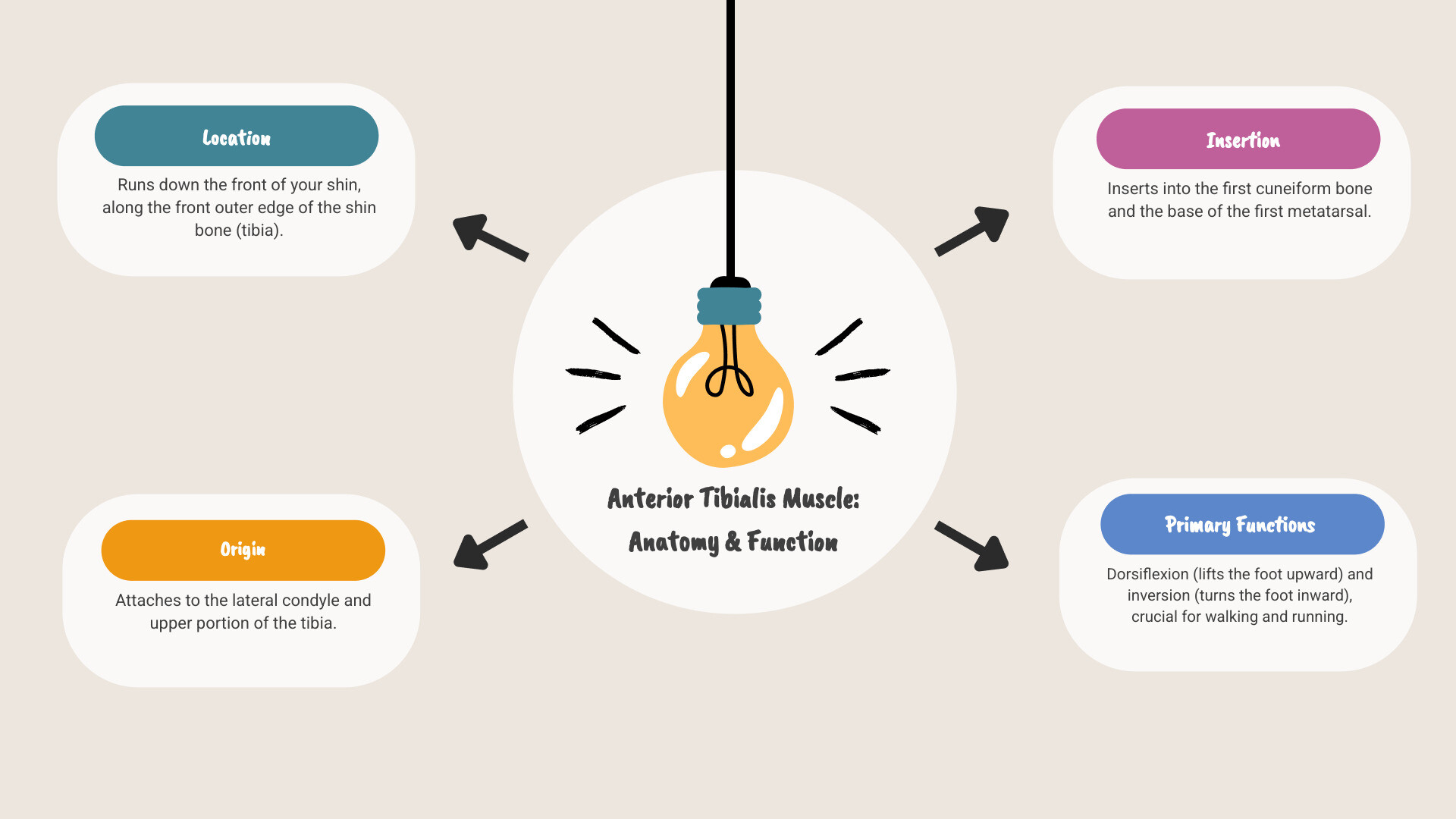
The anterior tibialis muscle sits on the front of your lower leg, next to the shin bone (tibia). It tapers into a strong tendon that connects to the top-inner side of your foot. This muscle's main job is dorsiflexion—pulling your foot upward. It's what lets you lift your foot when walking or running. It also helps turn your foot inward (inversion) and supports your foot's arch, contributing to a stable gait [2].
Pain in this area is often diagnosed as tendonitis (acute inflammation from overuse) or tendinopathy (chronic degeneration from ongoing stress) [4]. While both cause pain, tendinopathy requires a focus on strengthening the tendon, not just reducing inflammation.
What Are the Telltale Signs of Anterior Tibialis Strain?
Recognizing the signs of anterior tibialis muscle pain is the first step to recovery. Here’s what to look for [1, 4]:
- Pain on the front of the shin: This is the most common symptom, felt along the front of your lower leg and sometimes extending to the top of your foot.
- Aching or burning sensation: The pain may feel like a deep ache, a sharp stab, or a burning sensation.
- Tenderness to touch: The area along the front of your shin may be sensitive to pressure.
- Mild swelling: You might notice subtle swelling over the affected area.
- Weakness lifting the foot: It may be difficult to lift your foot upward (dorsiflexion).
- Pain worsens with activity: Walking, running, or climbing stairs will likely intensify the pain.
- "Foot slap" during walking: In severe cases, weakness can cause your foot to slap the ground with each step.
- Cracking sound (crepitus): You might hear or feel a grating sound when moving your ankle.
If these symptoms sound familiar, don't ignore them!
Is It Anterior Tibialis Pain or Shin Splints?
It's easy to confuse this pain with shin splints. While both affect the lower leg, they are different:
| Feature | Anterior Tibialis Muscle Pain (Tendonitis/Strain) [1, 4] | Medial Tibial Stress Syndrome (Shin Splints) [3] |
|---|---|---|
| Pain Location | Front/outside of the lower leg, often extending to the top of the foot. Pain is localized to the tibialis anterior muscle/tendon. | Inner edge of the shin bone (tibia). Pain typically spreads along a longer segment of the bone. |
| Symptoms | Sharp, aching, or burning pain; tenderness over the muscle/tendon; pain with dorsiflexion/inversion; possible "foot slap." | Dull, aching pain along the inner shin; tenderness along the bone; pain often worse at the start of activity, then subsides, only to return later. |
| Common Causes | Overuse of the tibialis anterior muscle, often due to repetitive dorsiflexion, poor footwear, or biomechanical issues like arch collapse. | Overworking of the muscles and bone tissue (periosteum) where calf muscles attach to the tibia, typically from sudden increases in activity. |
Shin splints typically cause a dull, aching pain along the inner edge of the shin bone, which is more spread out. In contrast, anterior tibialis pain is more localized to the muscle on the front/outside of the shin.
Other conditions can also cause shin pain [1]:
- Tibial Stress Fractures: These tiny cracks in the shin bone cause sharp, localized pain that worsens with weight-bearing and persists at rest. Diagnosis requires imaging.
- Exertional Anterior Compartment Syndrome: A serious condition where muscle swelling during exercise compresses nerves and blood vessels, causing severe pain, numbness, and weakness that subsides with rest. It requires medical diagnosis.
If you're unsure, it's always best to consult a medical professional for an accurate diagnosis.
Common Causes of Anterior Tibialis Muscle Pain
Understanding the cause of your pain is key to prevention. It's usually an overuse injury from asking the muscle to do too much, too soon. Common culprits include [1, 4]:
- Repetitive activity: Running, hiking (especially downhill), or long-distance walking can overwhelm the muscle.
- Sudden increase in training: Ramping up mileage, speed, or frequency too quickly overloads the muscle.
- Hard or uneven surfaces: Running on pavement or uneven trails increases stress on the lower leg.
- Downhill running: The muscle works hard to control your foot when running downhill, leading to fatigue and strain.
- Poor running form: Overstriding or heavy heel striking forces the muscle to overwork.
- Muscle imbalances: Weak glutes or tight calves can force the anterior tibialis to compensate and become overloaded.
-
Biomechanical issues:
- Flat feet (overpronation): If your arches collapse, your anterior tibialis may work overtime to stabilize the foot.
- Abnormal gaits: Altering your walking style due to pain elsewhere can put abnormal stress on the muscle.
- Improper footwear: Worn-out shoes or those lacking proper arch support contribute to the problem.
Immediate Relief and At-Home Treatment Strategies
When anterior tibialis muscle pain strikes, you can start the healing process at home. These steps are crucial for calming symptoms and setting the stage for recovery.

The R.I.C.E. Method for Initial Pain Management
The R.I.C.E. method is a classic first-aid approach for acute anterior tibialis muscle pain [1, 4].
- R - Rest: Stop the activity causing pain. Pushing through it will only worsen the injury. Switch to low-impact activities like swimming or cycling if they don't cause pain.
- I - Ice: Apply an ice pack for 10-15 minutes every 2-3 hours during the first 48-72 hours to reduce swelling and pain. Use a cloth to protect your skin.
- C - Compression: Wrap the area with an elastic bandage to reduce swelling. Ensure it's snug but not tight enough to cut off circulation.
- E - Elevation: Keep your leg liftd above heart level when resting to help reduce swelling.
Neuropasil Muscle Pain Relief Cream for Targeted Relief
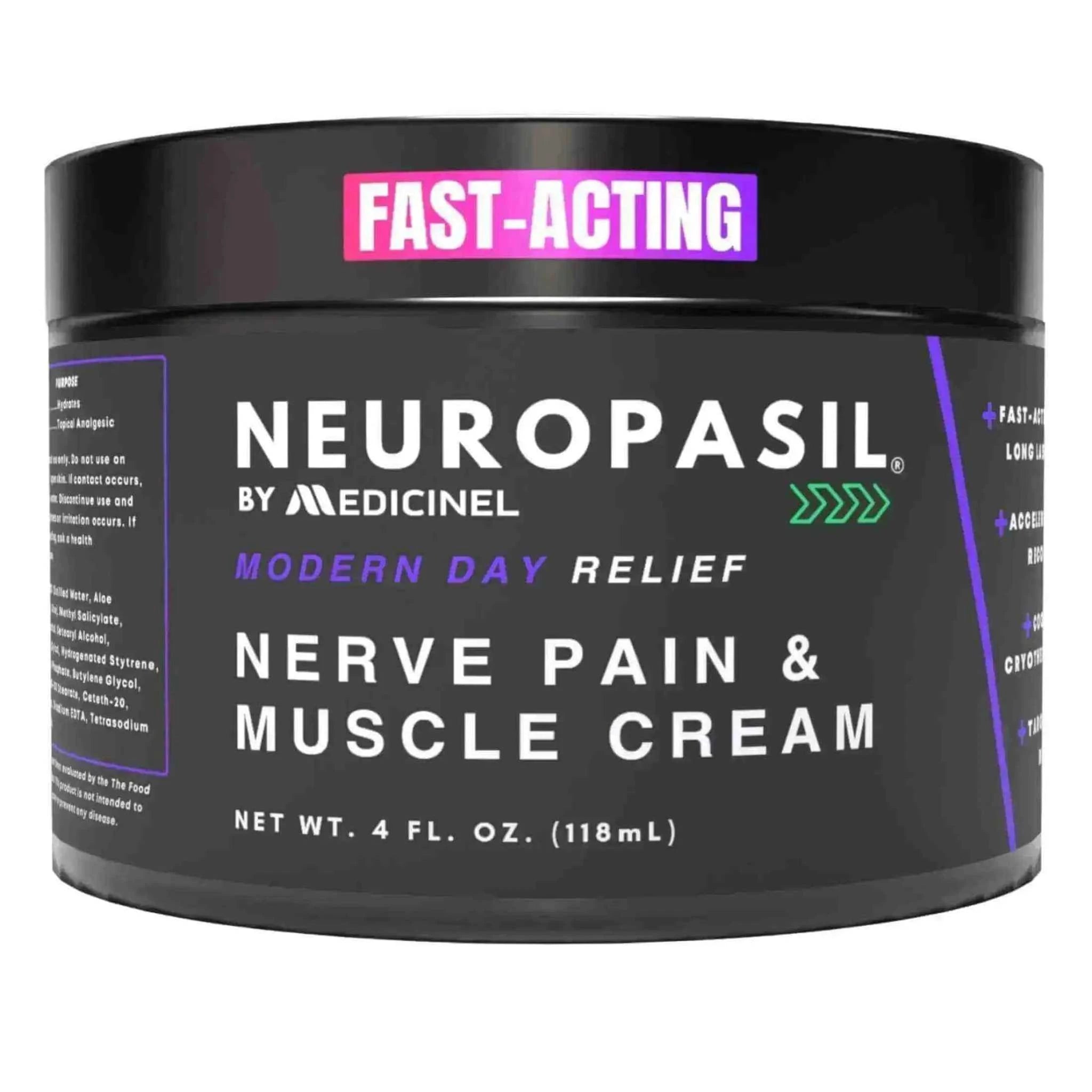
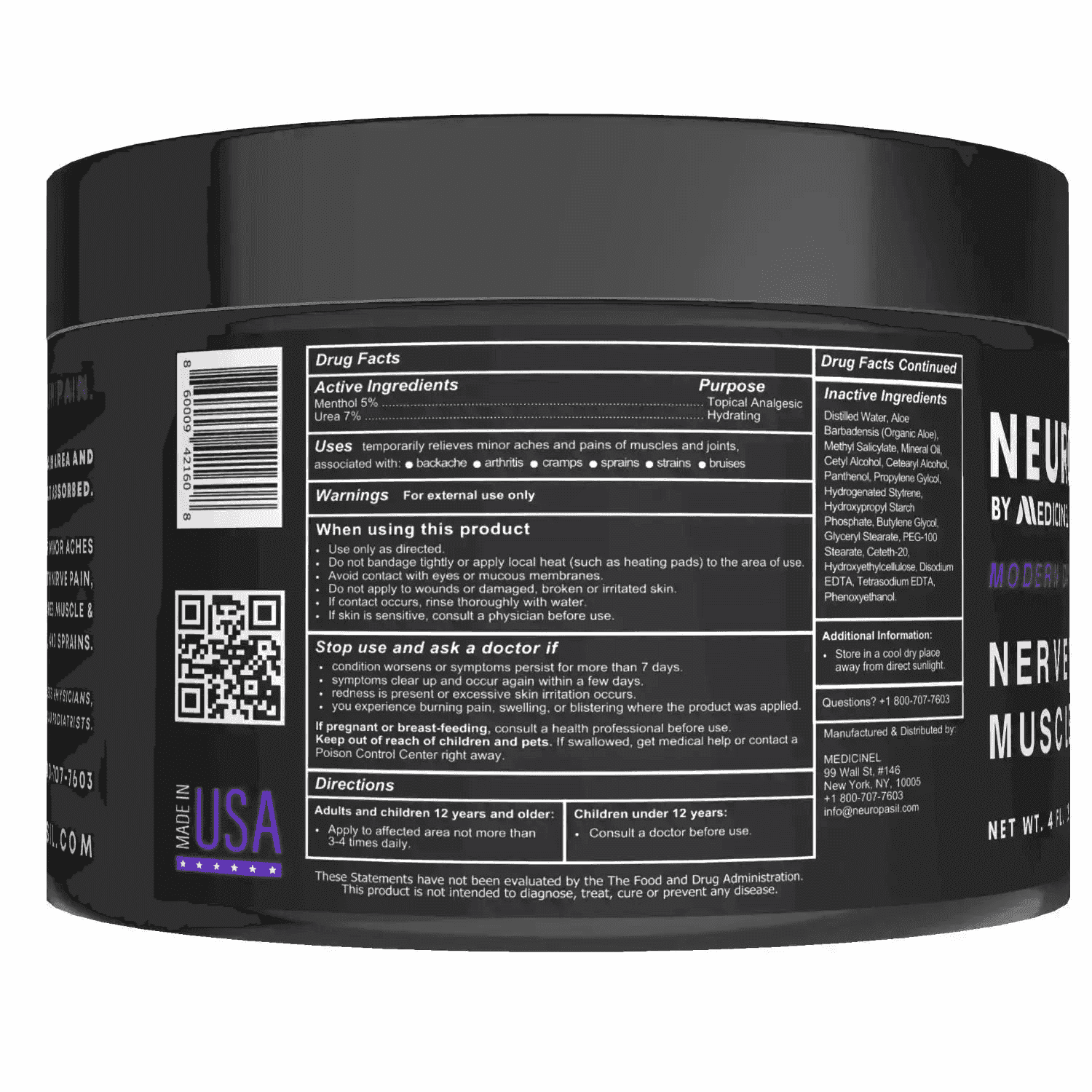
For additional comfort, a topical pain relief solution can help. Our Neuropasil cream uses natural, fast-acting ingredients like Aloe, Urea, and Menthol to deliver targeted relief. Simply apply a small amount to the painful area on your shin and gently massage it in. The cooling sensation from menthol provides immediate relief, while other ingredients soothe the underlying discomfort. It's an excellent complement to your R.I.C.E. routine for managing muscle soreness during recovery.
More info about our muscle pain relief cream
When to Use Heat vs. Cold Therapy
Knowing whether to use heat or cold depends on the stage of your injury.
- Cold Therapy: Use cold during the first 24-48 hours (the acute phase) [4]. It constricts blood vessels, reducing swelling, inflammation, and pain. Apply after any activity that causes discomfort.
- Heat Therapy: After 48 hours, once acute pain and swelling subside, switch to heat [4]. Heat increases blood flow, relaxing tight muscles and promoting healing. Apply it before stretching to make tissues more pliable. Never use heat on a new, swollen injury.
A Comprehensive Rehabilitation Program for Anterior Tibialis Muscle Pain
Once the initial pain subsides, rehabilitation is key to preventing future injuries. The goals are to restore flexibility, build strength, improve stability, and safely return to your activities.

Essential Stretches to Improve Flexibility
Stretching the anterior tibialis and calf muscles can reduce strain and improve range of motion [2, 4]. Perform these stretches gently and consistently:
- Kneeling Shin Stretch: Kneel with feet tucked under you, toes pointing back. Gently lean back onto your heels to feel a stretch in your shins. Hold for 30 seconds.
- Standing Calf Stretch: Face a wall with hands on it. Step one foot back, keeping the leg straight and heel down. Lean forward to feel a calf stretch. Hold for 30 seconds and repeat.
- Bent-Knee Calf Stretch: In the same position, bend the back knee to target the deeper soleus muscle. Hold for 30 seconds and repeat.
- Seated Calf Stretch: While seated, cross the affected leg over the other knee. Gently pull your toes toward your shin to stretch the calf. Hold for 30 seconds.
Remember to perform these stretches gently and without pain. Watch a video on tibialis anterior stretching [11]
Strengthening Exercises to Rebuild and Protect the Muscle
Strengthening the anterior tibialis and surrounding muscles is crucial for prevention [1, 4]. These exercises build endurance and control:
- Heel Walks: Walk on your heels for 30-60 seconds at a time. This directly targets the anterior tibialis.
- Toe Raises: Stand with heels planted and slowly lift your toes. Hold for a few seconds, then lower. Aim for 3 sets of 10.
- Isometric Dorsiflexion: Sit with your foot flat on the floor. Use your hand to resist as you try to lift your foot. Hold for 5-10 seconds. Repeat 10-15 times.
- Resistance Band Dorsiflexion: Loop a resistance band around your foot. Slowly pull your foot up toward your shin, then very slowly control its return to the starting position. This slow lowering (eccentric) phase is vital for tendon healing [2].
See how to do resistance band exercises [10]
Challenge the muscle within a pain-free range. Strengthening your quads and glutes is also important, as weakness there can cause the anterior tibialis to overwork.
Improving Balance and Proprioception
Balance and proprioception (your body's spatial awareness) are vital for ankle stability and preventing re-injury [2, 9].
- Single-Leg Stands: Stand on one leg for 30-60 seconds. For a challenge, close your eyes or stand on a pillow.
- Wobble Board Exercises: Using a wobble board or balance disc is an excellent way to challenge your ankle stabilizers.
These exercises help improve coordination and agility, decreasing your risk of future injury. Learn more about ankle exercises [9]
Long-Term Prevention and When to Seek Professional Help
Long-term prevention of anterior tibialis muscle pain requires a holistic approach that includes modifying risk factors and knowing when to seek professional help.
The Role of Proper Footwear and Support
Proper footwear is a key factor in preventing lower leg pain.
- Choose supportive shoes: Look for shoes with good cushioning, arch support, and a firm heel counter that match your foot type and activity.
- Address your foot type: If you have flat feet or overpronate, you may need stability shoes or arch supports to reduce strain on the anterior tibialis.
- Replace worn-out shoes: Athletic shoe cushioning breaks down over time. Replace running shoes every 300-400 miles [1].
- Consider orthotics: For significant biomechanical issues, a professional may recommend custom orthotics or taping to provide support.
Smart Training Habits to Prevent Re-injury
Smart training habits are essential for injury prevention.
- Warm-up properly: Always start with dynamic stretches and light cardio to prepare your muscles.
- Progress gradually: Avoid sudden increases in training volume or intensity. Follow the 10% rule: increase your load by no more than 10% per week to allow your body to adapt [4].
- Cross-train: Mix in low-impact activities like swimming or cycling to maintain fitness without the constant impact on your lower legs.
- Improve your technique: Focus on an efficient running form, avoiding overstriding and landing softly. Run on softer surfaces when possible.
- Take rest days: Rest is when your body repairs itself. Don't skip it!
When Should You See a Doctor?
While home care is often effective, see a doctor if [1, 4]:
- Pain persists beyond 2-4 weeks despite rest and home care.
- You experience severe pain or swelling.
- You are unable to walk or bear weight on the affected leg.
- You notice numbness or tingling, which could indicate nerve issues.
- You suspect a stress fracture or compartment syndrome.
- New, unexplained symptoms develop.
A sports medicine specialist, orthopedic doctor, or physical therapist can provide an accurate diagnosis and create a personalized treatment plan. Schedule a Sports Medicine Appointment Online Read more about muscle pain on our blog
Frequently Asked Questions about Anterior Tibialis Pain
Here are answers to common questions about anterior tibialis muscle pain.
How long does it take for anterior tibialis tendonitis to heal?
Recovery time for anterior tibialis tendonitis varies based on injury severity and how quickly you start treatment [4].
- Mild cases: With prompt, proper care, pain may resolve in 2-4 weeks.
- Moderate to severe cases: More significant injuries or tendinopathy can take 3-6 months or longer to heal, especially if neglected.
The key is early treatment and consistent rehabilitation. Pushing through pain will only prolong recovery.
Can I still run with anterior tibialis pain?
We strongly advise against running with this pain. Pushing through it can worsen the injury and lead to chronic problems [1, 4]. Rest is critical. Focus on pain-free cross-training like swimming or cycling. Only return to running after you've been pain-free for at least two weeks and have regained full strength and flexibility. Always listen to your body.
What is the main function of the anterior tibialis muscle?
The anterior tibialis muscle has several vital functions [2]:
- Primary Dorsiflexor of the Ankle: It lifts your foot upwards toward your shin, which is crucial for clearing your foot off the ground when you walk.
- Assists in Inverting the Foot: It helps to turn the sole of your foot inward.
- Crucial for Controlling the Foot During Gait: It controls the lowering of your foot to the ground, ensuring a smooth landing rather than a "foot slap."
- Supports the Medial Arch: It helps maintain the integrity of your foot's arch.
Conclusion
Navigating anterior tibialis muscle pain is frustrating, but the right approach can get you back to your activities. Understanding the causes, recognizing symptoms, and acting swiftly are your best defenses.
Immediate relief starts with the R.I.C.E. method. Supplementing this with a topical solution like Neuropasil muscle pain relief cream can provide targeted comfort and help manage soreness during recovery.
A rehabilitation program of stretching, strengthening, and balance exercises is paramount for recovery. Long-term prevention relies on proper footwear, smart training habits, and knowing when to see a doctor.
Listen to your body, be patient with healing, and commit to your recovery. With dedication, you can overcome this pain and move forward with confidence.
Explore our pain relief solutions Learn about our natural ingredients
References
- Anterior Tibialis Tendonitis; Information from Nationwide Children's Hospital
- Tibialis Anterior; Anatomical overview from Physiopedia
- Shin Splints; Guide from the American Academy of Orthopaedic Surgeons
- Anterior Tibialis Tendinitis: Causes, Symptoms, and Treatment; Information from JOI Online
- Los mejores ejercicios con los que no tendrás dolor en el tibial anterior; Information from Runners World ES
- Sobrecarga del Tibial Anterior; Information from Fisify
- Tendinitis del tibial anterior: causas, síntomas y tratamiento; Information from Fisioterapia Cranium
- Modificación de la actividad; Information from Merck Manuals
- Basic Ankle Ankle Exercises Video; Video from JOI Online
- Tibialis Anterior Exercises With Resistance Bands: Spice Up Your Workout Routine; Video from eHowFitness
- Tibialis Anterior Stretching; Video from Jason Craig