Why Pulled Muscle Pain in Upper Back Demands Your Attention
Pulled muscle pain in upper back is a common complaint, with studies showing that nearly 40% of adults experience back pain. Whether it's a sudden sharp pain from lifting or a gradual ache from poor posture, the discomfort between your shoulder blades can be disruptive.
Quick Relief Guide for Pulled Upper Back Muscle:
- Immediate Action: Apply ice for 15-20 minutes every 2-3 hours for the first 48 hours.
- Rest: Avoid activities that worsen the pain, but don't stay completely still.
- Compression: Use a supportive wrap (not too tight) to reduce swelling.
- Elevation: Prop yourself up with pillows when resting.
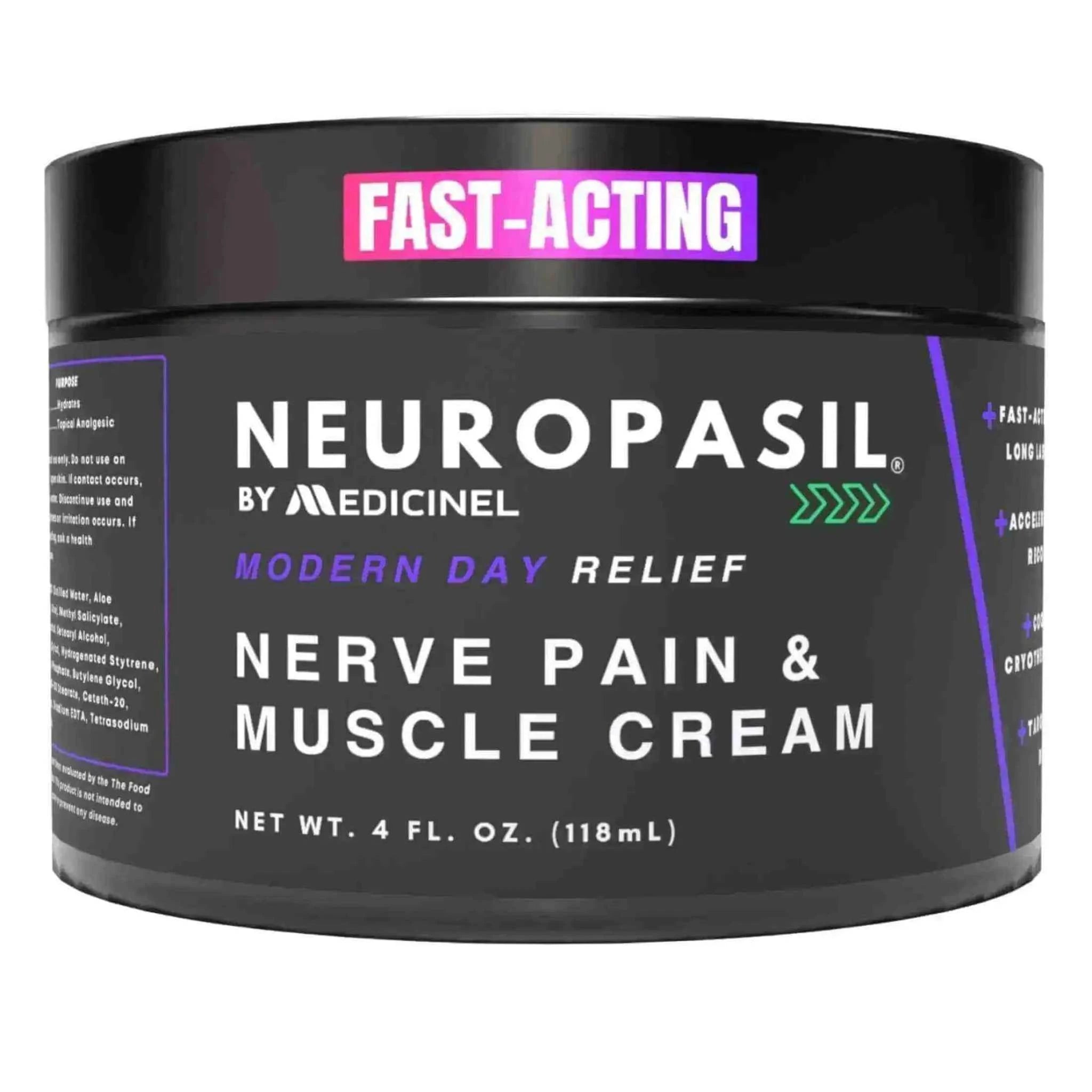
- Pain Relief: Apply a targeted muscle pain relief cream like Neuropasil for fast-acting comfort.
- Heat Therapy: After 48 hours, switch to heat to relax muscles and increase blood flow.
The upper back, or thoracic spine, is more stable than the neck or lower back, so pain here is often due to muscle strain from overexertion, poor posture, or sudden movements. Fortunately, most cases can be managed effectively at home.
I'm Tony Enrico, and I've dedicated my career to helping people find relief from nerve and muscle pain. With Neuropasil, I've helped thousands with pulled muscle pain in the upper back return to their favorite activities without discomfort.
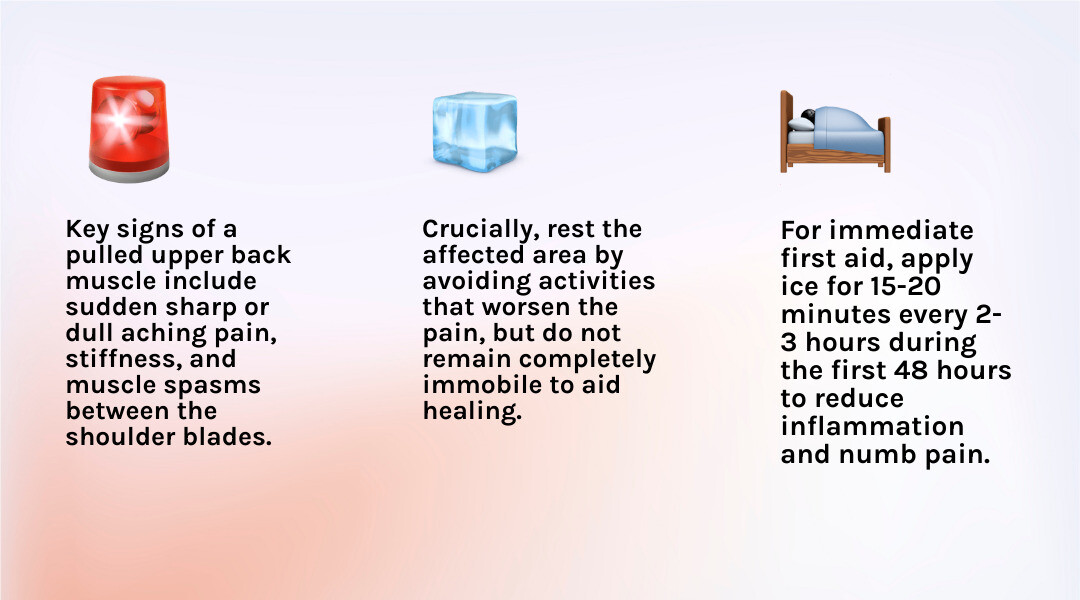
Understanding That Twinge: What Is a Pulled Upper Back Muscle?
Pulled muscle pain in upper back, medically known as a muscle strain, occurs when muscle fibers are overstretched or torn. Imagine a rubber band snapping—that's what happens on a microscopic level. The upper back (thoracic spine) is a complex network of bones, discs, and muscles. While more stable than the neck or lower back, it's not immune to injury. In fact, strains are a very common cause of upper back pain, affecting a significant portion of the population.
The Muscles Involved in an Upper Back Strain
When you experience a pulled muscle pain in upper back, these key muscles are often the culprits:
- Trapezius (Traps): A large, triangular muscle from your skull to mid-back, crucial for head, neck, and shoulder movement. Learn more in our article, The trapezius muscle your back's best friend.
- Rhomboids: Located between your spine and shoulder blades, these muscles are vital for posture and pulling the shoulder blades together.
- Latissimus Dorsi (Lats): The largest upper body muscle, essential for pulling and swimming motions.
- Erector Spinae: This muscle group runs along your spine, helping you stand straight and rotate your torso.
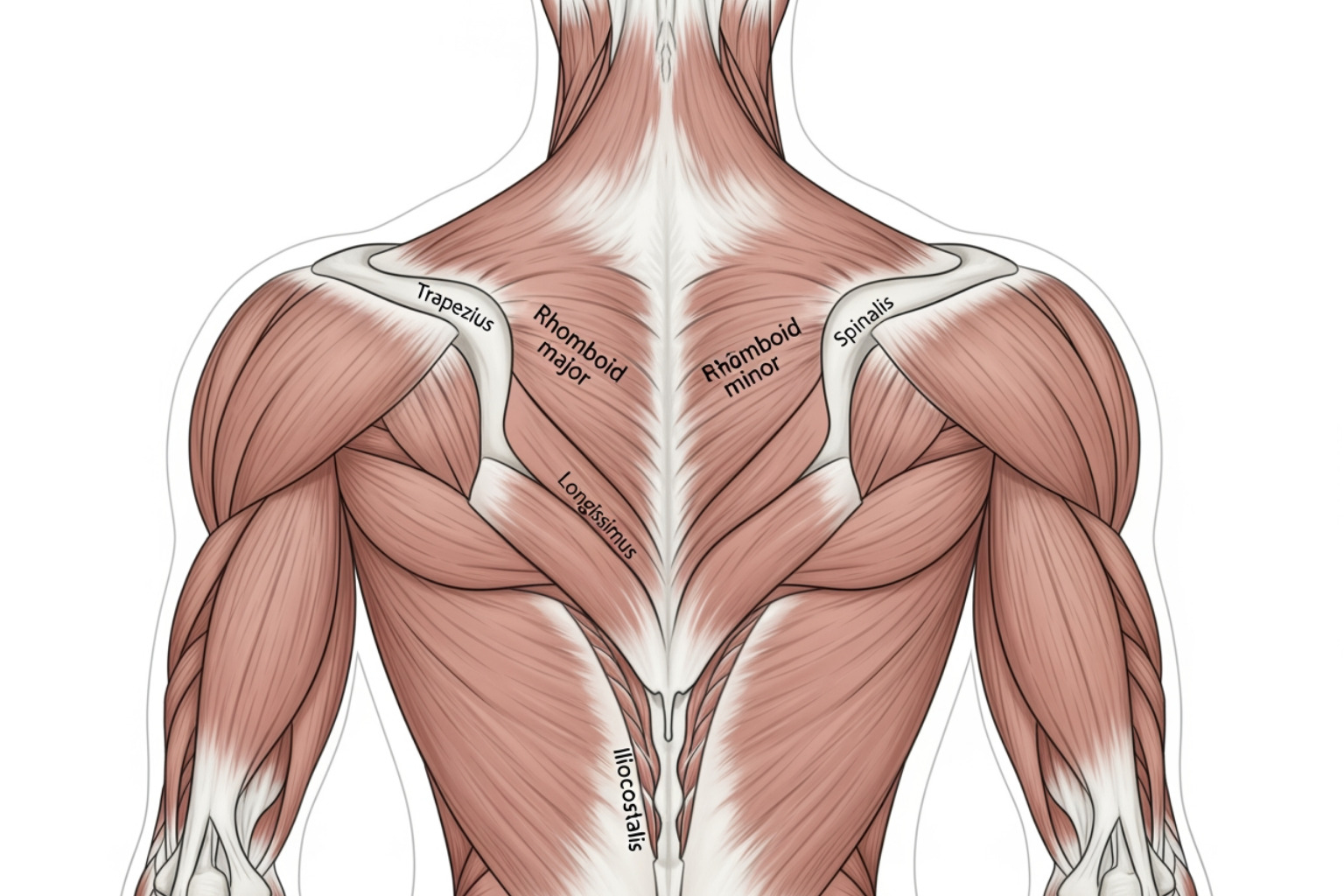
A strain in any of these can cause that familiar ache.
Common Signs and Symptoms to Watch For
Recognizing the signs of a pulled muscle pain in upper back is the first step to relief. Look out for:
- Sudden Sharp Pain: A "twinge" or "pop" at the moment of injury.
- Dull, Aching Pain: A generalized discomfort that may develop gradually.
- Stiffness: Tightness or restricted movement in the upper back.
- Limited Range of Motion: Difficulty moving your neck, shoulders, or torso.
- Muscle Spasms: Involuntary, painful muscle contractions.
- Swelling or Tenderness: The area may be sore to the touch, with possible swelling.
- Pain that Worsens with Movement: Reaching, lifting, or even deep breathing can intensify the pain.
- Radiating Pain: Pain that spreads to the neck, shoulders, or down an arm.
If you have these symptoms, you likely have a pulled muscle pain in upper back.
The Usual Suspects: Common Causes and Triggers
Understanding why pulled muscle pain in upper back occurs is key to treatment and prevention. The most common culprits include:
- Overexertion: Pushing muscles too far during workouts, lifting, or repetitive activity.
- Heavy Lifting: Using improper technique, like rounding your back or twisting while lifting.
- Sudden Movements: Quick, awkward twists or reaches that overstretch muscle fibers.
- Repetitive Motions: Activities like painting, gardening, or certain sports that cause overuse injuries.
- Poor Posture: Slouching and "tech neck" from looking down at screens constantly strain upper back muscles. Read more on The impact of poor posture.
- Sedentary Lifestyle: Weak, deconditioned back muscles are more prone to injury.
- Muscle Tension: Chronic stress leads to tight, injury-prone muscles. Learn how to manage Muscle tension.
How Posture and Ergonomics Play a Role
Poor posture and ergonomics are major contributors to pulled muscle pain in upper back. Slouching at a desk or having a forward head posture ("tech neck") forces your upper back muscles to work overtime, leading to fatigue and strain. An improper workstation setup only makes this worse.
To combat this, use an ergonomic chair, ensure your monitor is at eye level, and take breaks every 30-60 minutes to stand and stretch. For helpful stretches, see our guide on How to relieve twisted upper back muscle pain.
Distinguishing a Strain from Other Upper Back Pain
Not all upper back pain is a muscle strain. It's important to know the difference to find the right treatment.
Here’s a quick comparison:
| Feature | Muscle Strain (Pulled Muscle) | Ligament Sprain | Disc Problem (e.g., Herniated Disc) |
|---|---|---|---|
| Cause | Overstretching or tearing of muscle fibers or tendons. | Overstretching or tearing of ligaments (connect bones to bones). | Disc bulge, rupture, or degeneration, pressing on nerves. |
| Pain Type | Sharp, aching, throbbing, stiffness, tenderness, muscle spasms. Often localized to the muscle belly. | Sharp, sudden pain at the time of injury, often accompanied by bruising, instability, and limited movement. | Sharp, burning, or electrical pain that often radiates (tingling, numbness, weakness) along nerve pathways. |
| Key Symptoms | Pain with movement, muscle weakness, localized tenderness, sometimes bruising. | Swelling, bruising, joint instability, pain with movement of the joint. | Pain with coughing/sneezing, increased pain with certain movements, neurological symptoms (numbness, weakness). |
| Healing Time | Days to weeks for mild, months for severe. | Weeks to months depending on severity. | Can be prolonged, often requiring medical intervention. |
If you're unsure about your pain, especially with neurological symptoms like tingling or numbness, consult a healthcare professional.
Your Immediate Action Plan: First Aid for a Pulled Muscle
When you first feel pulled muscle pain in upper back, your immediate response is critical for recovery. The goal is to reduce inflammation and manage pain using the time-tested R.I.C.E. method: Rest, Ice, Compression, and Elevation. For more details, see this guide on Immediate Treatment for a Back Muscle Strain.
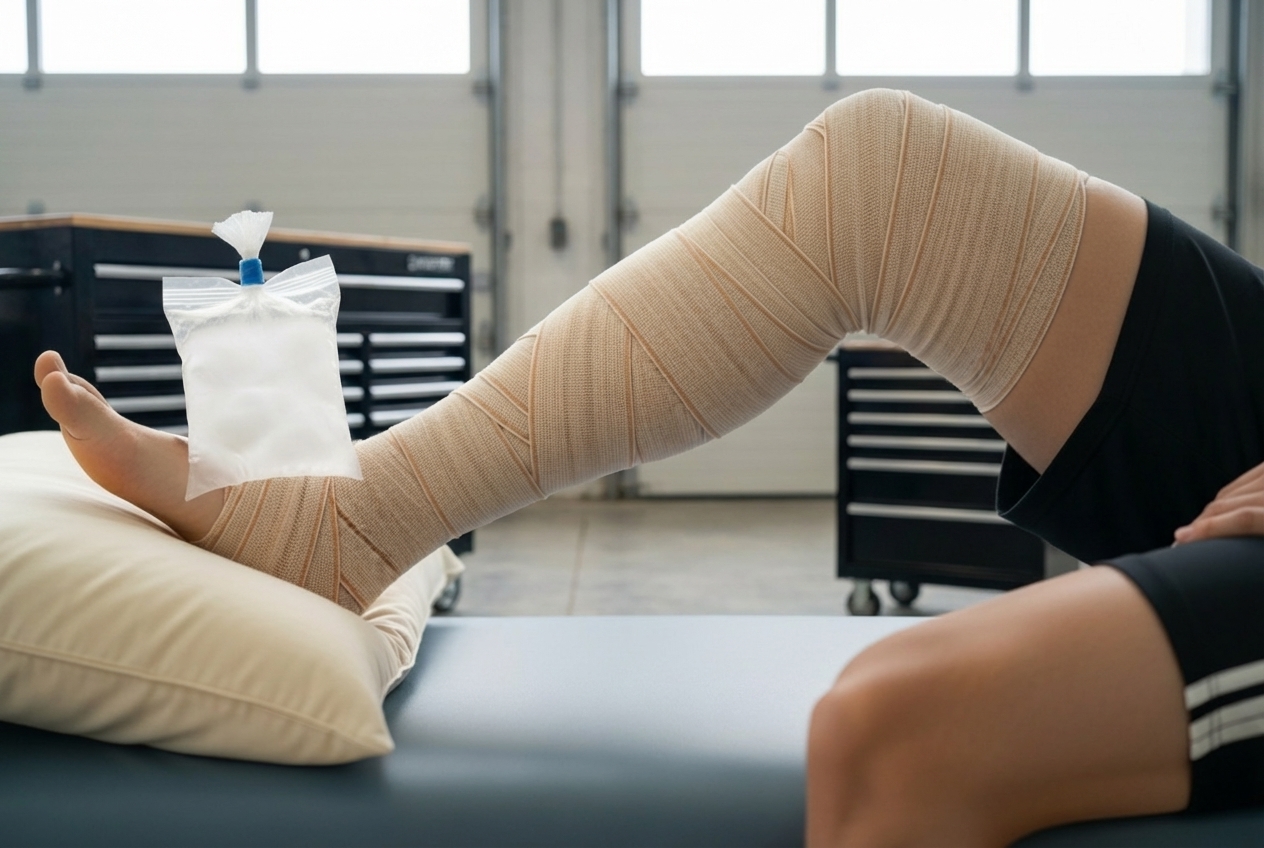
Applying the R.I.C.E. Method to Your Upper Back
Here’s how to apply R.I.C.E. for upper back pain, as explained in How to use the R.I.C.E. method:
- Rest: Stop any activity that causes pain. This doesn't mean complete bed rest, but rather giving the muscle a break from stress.
- Ice: For the first 24-48 hours, apply an ice pack wrapped in a cloth for 15-20 minutes every few hours. This reduces swelling and numbs the pain.
- Compression: A snug elastic bandage or wrap can help minimize swelling. Ensure it's not too tight to cut off circulation.
- Elevation: When resting, prop yourself up with pillows to keep your upper back liftd, which helps drain fluid and reduce swelling.
What to Avoid in the First 48 Hours
During the acute phase of a pulled muscle pain in upper back, avoid actions that can worsen symptoms:
- Heat: Avoid heat for the first 48 hours, as it can increase inflammation.
- Alcohol: Alcohol can increase swelling and slow down healing.
- Strenuous Activity: Pushing through the pain will only delay recovery.
- Deep Massage: Massaging an acutely injured muscle can cause more damage.
Effective Home Treatments for Pulled Muscle Pain in Upper Back
After the first 48 hours, you can transition from R.I.C.E. to home treatments that promote healing and restore mobility. Most mild to moderate cases of pulled muscle pain in upper back respond well to these strategies. For more on Muscle strain treatment, see our guide.
Soothing with Temperature: Heat and Cold Therapy
Strategic temperature therapy is highly effective for muscle pain.
- Ice (First 48 Hours): Continue using ice for 15-20 minutes at a time to reduce inflammation and numb pain.
- Heat (After 48 Hours): Switch to heat to relax tight muscles and improve blood flow, which delivers healing nutrients. Apply a heating pad or warm compress for 15-20 minutes.
Remember to always use a towel as a barrier to protect your skin.
Neuropasil: Targeted Relief for Upper Back Muscle Pain
Finding effective pain relief is key to managing pulled muscle pain in upper back. Targeted topical creams can make a huge difference.
Here are some effective home treatment options:
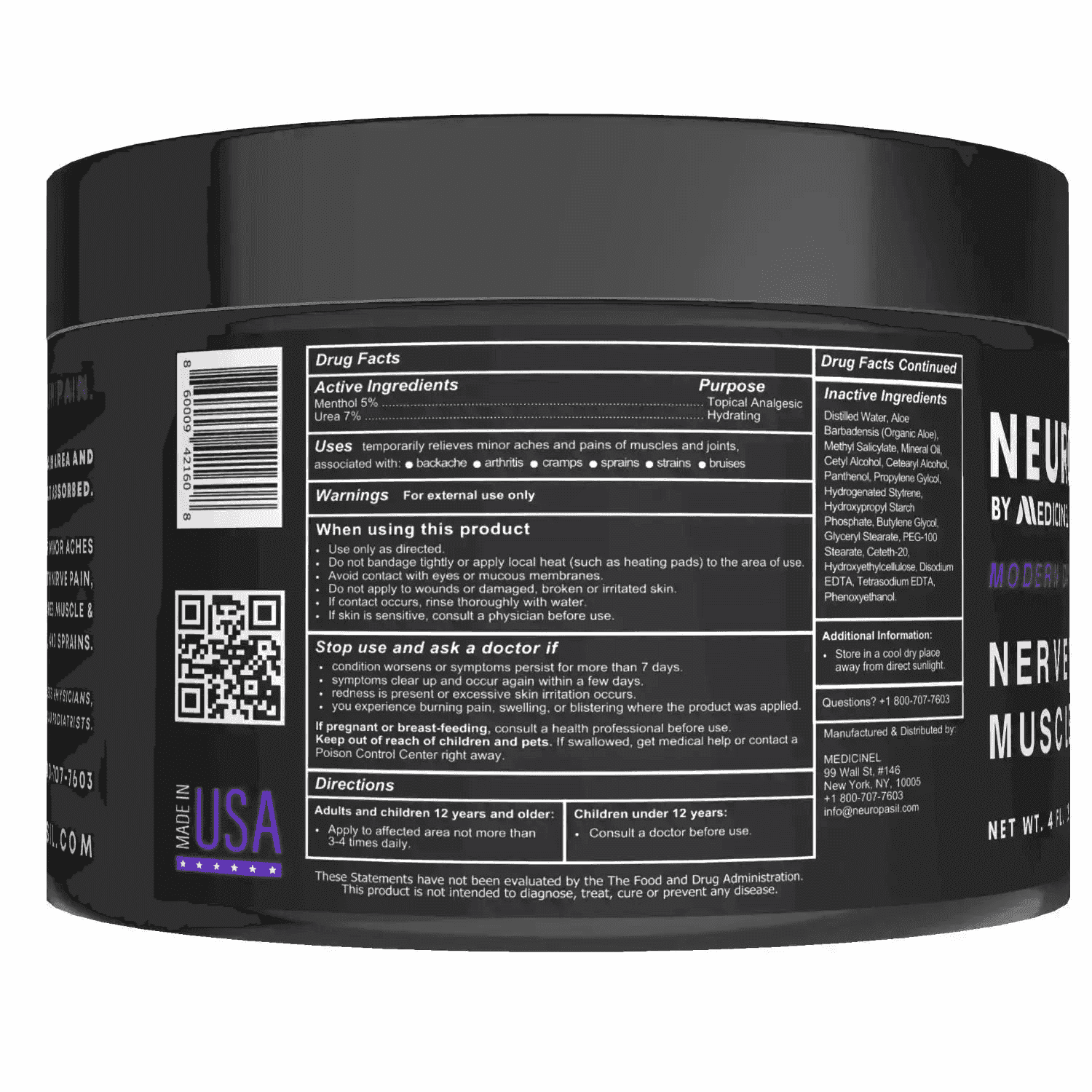
- Neuropasil Nerve & Muscle Pain Relief Cream: Our formula with Menthol, Aloe, and Urea provides fast, soothing relief directly at the source. Menthol's cooling sensation distracts from pain, while Aloe and Urea nourish the skin. It's a targeted approach without the systemic effects of oral pills.
- Gentle Self-Massage: After 48 hours, gently massage the area with Neuropasil cream to increase blood flow and relax muscles. Stop if you feel any sharp pain.
- Supportive Positioning: Use pillows to maintain a neutral spine while sleeping and ensure your workstation is ergonomic to avoid further strain.
For more on topical solutions, read The ultimate guide to muscle relief cream.
Gentle Movement and Finding a Comfortable Position
While rest is crucial initially, complete immobility can slow recovery. Gentle movement, or active recovery, maintains flexibility and promotes healing blood flow.
- Active Recovery: As pain subsides, slowly reintroduce light, pain-free movements like shoulder rolls and arm circles. Listen to your body.
- Light Stretching: Once acute pain is gone, gentle stretching helps prevent stiffness. Our guide on How to perform upper trapezius stretch the right way can help.
- Comfortable Sleeping: Sleep on your back with a pillow under your head and a small roll under your upper back, or on your side with a pillow between your knees to support your spine.
Long-Term Recovery and When to See a Doctor
Managing pulled muscle pain in upper back involves long-term recovery and prevention. This means rehabilitation, preventative habits, and knowing when to see a doctor. For general care, see Upper and Middle Back (Thoracic) Strain: Care Instructions.
How to Prevent Future Pulled Muscle Pain in Upper Back
Adopting these habits can significantly reduce your risk of another injury:
- Strengthening Exercises: Build a strong upper back, core, and shoulders with exercises like rows and pull-aparts to support your spine.
- Proper Lifting Technique: Always lift with your legs, keep your back straight, and avoid twisting. Ask for help with heavy objects.
- Good Posture: Be mindful of your posture. Sit and stand tall with relaxed shoulders.
- Ergonomics: Optimize your workstation with an ergonomic chair and a monitor at eye level.
- Regular Stretching: Daily stretching maintains flexibility and prevents muscle tightness. The importance of stretching is well-documented.
- Warm-up and Cool-down: Always prepare your muscles for exercise and help them recover afterward.
The Role of Professional Guidance and Support
While home care is often sufficient, professional guidance is sometimes necessary. A doctor or physiotherapist can provide an accurate diagnosis, rule out serious conditions, and create a personalized treatment plan. They can also offer hands-on treatments like therapeutic massage and guide you through rehabilitation exercises.
Red Flags: When to Seek Professional Medical Help
It's crucial to recognize when pulled muscle pain in upper back might be a sign of something more serious. Seek immediate medical attention for these "red flags":
- Persistent Pain: Pain that doesn't improve after a week of home care. As Houston Methodist notes, you shouldn't suffer from back pain for too long.
- Severe Pain: Pain that is unbearable or severely limits movement.
- Neurological Symptoms: Numbness, tingling, or weakness in the arms or legs.
- Loss of Control: Loss of bladder or bowel control is a medical emergency.
- Systemic Symptoms: Pain accompanied by unexplained fever or weight loss.
- Pain with Breathing: This should always be evaluated by a professional immediately.
When in doubt, always consult a healthcare provider.
Frequently Asked Questions about Upper Back Muscle Strains
We know you'll have questions, so we've compiled some of the most common ones about pulled muscle pain in upper back.
How long does a pulled upper back muscle take to heal?
The healing time for a pulled muscle pain in upper back varies greatly depending on the severity of the strain (Cleveland Clinic):
- Mild Strains (Grade 1): Involving only a few muscle fibers, these typically heal within a few days to two weeks. You might experience some tenderness and stiffness.
- Moderate Strains (Grade 2): With more significant tearing of muscle fibers, these can take anywhere from two to six weeks to recover fully. Pain, swelling, and some loss of strength are common.
- Severe Strains (Grade 3): This involves a complete rupture of the muscle. Recovery can take several months and often requires medical intervention, including physical therapy, and sometimes even surgery.
Factors like your age, overall health, adherence to treatment, and activity level can also influence healing time.
Can stress cause pulled muscle pain in the upper back?
Absolutely! Stress is a significant contributor to pulled muscle pain in upper back. When we're stressed, our bodies naturally tense up. This constant muscle tension, especially in the shoulders and upper back (think of that hunched-over, "stressed out" posture), can lead to muscle fatigue, tightness, and ultimately, strains.
Stress can also lead to poor posture, which further exacerbates the problem. Techniques like deep breathing, meditation, and regular exercise can help manage stress and reduce its physical impact on your muscles.
Should I use heat or ice for a pulled upper back muscle?
This is a common question, and the answer depends on the stage of your injury:
- Ice for the first 48 hours: For acute pulled muscle pain in upper back, ice is the preferred choice. It helps constrict blood vessels, reducing inflammation, swelling, and pain. Apply an ice pack (wrapped in a cloth) for 15-20 minutes, every 2-3 hours.
- Heat after 48 hours: Once the initial inflammation has subsided, typically after 48 hours, you can switch to heat therapy. Heat increases blood flow to the area, which helps relax tight muscles, ease stiffness, and promote healing by delivering nutrients. Use a heating pad or warm compress for 15-20 minutes.
Never apply ice or heat directly to your skin, always use a barrier to prevent skin damage.
Conclusion: Taking Control of Your Upper Back Health
Experiencing pulled muscle pain in upper back can be debilitating, but with the right knowledge and proactive steps, you can effectively manage your symptoms and work towards a full recovery. We've explored what a pulled muscle is, the specific muscles involved, common causes, and crucial immediate and long-term treatment strategies.
Remember the power of the R.I.C.E. method in the acute phase, followed by the strategic use of heat and cold therapy. Incorporating targeted relief, such as our Neuropasil Nerve & Muscle Pain Relief Cream with its soothing blend of Menthol, Aloe, and Urea, can provide fast-acting comfort and support your healing journey.
Equally important are preventative measures: maintaining good posture, strengthening your back and core, using proper lifting techniques, and taking regular breaks from static positions. And always, always listen to your body. If your pain is severe, persistent, or accompanied by red flag symptoms, do not hesitate to seek professional medical help.
By understanding your body and taking control of your upper back health, you can significantly reduce the impact of pulled muscle pain and get back to living your life to the fullest. We are here to support you every step of the way.
Explore our full range of solutions for muscle pain relief.
References
- CDC: Prevalence of Back Pain
- Cleveland Clinic: Poor Posture
- Neuropasil: Muscle Tension
- Spine-Health: Immediate Treatment for Back Muscle Strain
- UPMC: How to Use the R.I.C.E. Method
- Neuropasil: Muscle Strain Treatment
- Neuropasil: The Ultimate Guide to Muscle Relief Cream
- Harvard Health: The Importance of Stretching
- Cleveland Clinic: Therapeutic Massage
- Houston Methodist: When to Worry About Back Pain
- Alberta Health: Upper and Middle Back (Thoracic) Strain Care Instructions
- Neuropasil: The trapezius muscle your back's best friend
- Neuropasil: How to relieve twisted upper back muscle pain
- Neuropasil: How to perform upper trapezius stretch the right way
- Mayo Clinic: Back Pain
- Cleveland Clinic: Muscle Strain
- American Psychological Association: Stress Effects on the Body