Understanding Why Your Left Arm Hurts
Left arm muscle ache is something most people experience at some point in their lives. It can range from a mild annoyance after a tough workout to a sharp, concerning pain that makes you wonder if something serious is happening.
Common Causes of Left Arm Muscle Ache:
While the reasons can vary, common causes of left arm pain include (Mayo Clinic, 2022):
- Muscle strain or overuse - from exercise, lifting, or repetitive motions
- Pinched nerve - often from the neck or spine
- Tendonitis or bursitis - inflammation from repetitive activities
- Poor posture - straining muscles over time
- Heart-related issues - requiring immediate medical attention if accompanied by chest pain, shortness of breath, or sweating
The key is knowing when to worry and when it's just your muscles telling you they've been working hard.
Most left arm muscle ache comes from everyday activities like typing, lifting groceries, sleeping in an awkward position, or pushing yourself too hard at the gym. These causes are usually manageable with rest and home care.
But here's what matters most: left arm pain can also be a warning sign of a heart attack (NHS, 2023b). This is why understanding the difference between muscle ache and cardiac pain could literally save your life.
I'm Tony Enrico, founder of Neuropasil, and I've spent years helping people understand and manage muscle and nerve pain, including the persistent discomfort of left arm muscle ache. Through working with thousands of individuals seeking relief, I've learned that accurate information is the first step toward effective pain management.
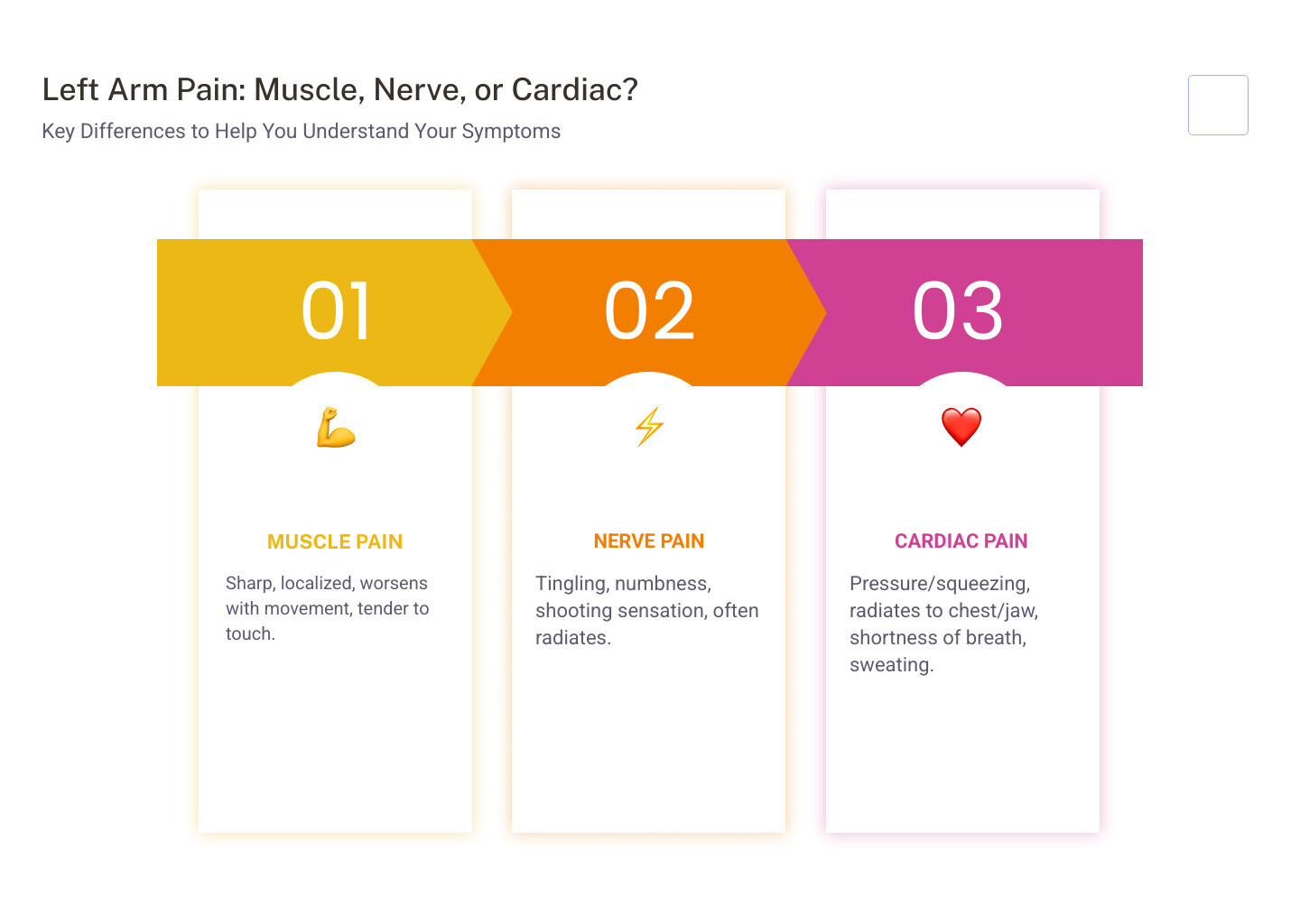
Simple guide to left arm muscle ache:
Common Causes of Left Arm Muscle Ache
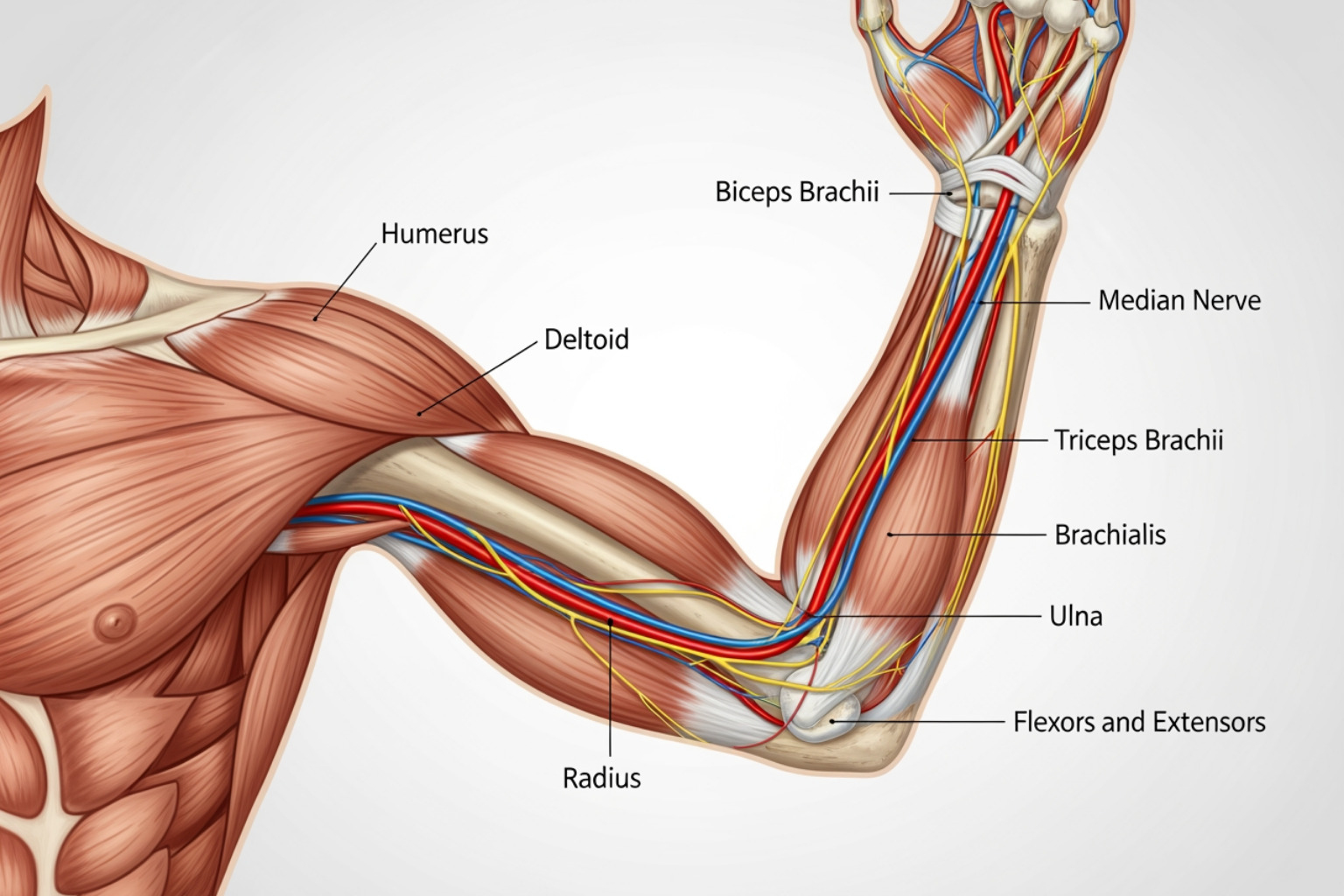
When your left arm starts to ache, it's natural to try and pinpoint the source. The truth is, our arms are complex structures, each with 30 bones, numerous muscles, nerves, and blood vessels, all working together to help us steer the world (Forro et al., 2021). Pain in this intricate system can originate from various places – the muscles themselves, the bones, tendons, ligaments, and nerves, as well as issues with the shoulder, elbow, and wrist joints (Mayo Clinic, 2022). Sometimes, the pain isn't even coming directly from the arm but is "referred pain" from another part of the body, like the neck or even the heart.
Musculoskeletal Issues: Strains, Sprains, and Overuse
The most frequent culprits behind a left arm muscle ache are often related to our musculoskeletal system. These are the wear-and-tear issues, the "oops, I lifted too much" moments, or the "I really should take more breaks" reminders.
- Muscle Strain or Pulled Muscle: This happens when muscle fibers tear, either microscopically or more significantly. It can occur from overexertion, lifting something heavy with improper form, or making an unusual movement (Cleveland Clinic, 2022). Symptoms include pain deep within the muscle, tenderness to touch, swelling, and sometimes bruising. Mild strains might heal in a few weeks, while more severe ones could take months.
-
Repetitive Motion Injuries: Many of us spend hours typing, using tools, or performing tasks that involve the same arm movements. This can lead to inflammation.
- Tendonitis: Inflammation of the tendons, the tough cords that connect muscle to bone. It's common in the shoulder or elbow (NHS, 2023a). Think "tennis elbow" or "golfer's elbow," even if you don't play those sports!
- Bursitis: Inflammation of the bursae, small fluid-filled sacs that cushion our joints. Shoulder bursitis, often from overuse, can cause significant left arm muscle ache (NHS, 2020a).
- Rotator Cuff Tear: The rotator cuff is a group of muscles and tendons stabilizing the shoulder. A tear can be incredibly painful and make everyday tasks difficult, usually resulting from shoulder overuse or direct injury (Athwal et al., 2022).
These conditions cause pain that typically worsens with movement or activity and often improves with rest. They are often localized, meaning you can point to the specific area that hurts. For more in-depth information on managing muscle discomfort, you can explore More about muscle pain.
Nerve-Related Pain
Sometimes, the pain isn't directly from the muscle but from the nerves that run through your arm. These nerves originate in your neck and upper spine, so issues there can cause pain to radiate down your arm (Mayo Clinic, 2022). This is what we call nerve pain, and it often feels different from a typical left arm muscle ache.
- Pinched Nerve (Cervical Radiculopathy): This occurs when a nerve root in your neck (cervical spine) becomes compressed or irritated. It can be caused by a herniated disc, bone spurs, or degenerative disc disease (Healthgrades, n.d.). The pain is often sharp, shooting, or burning, radiating from the neck down the arm, sometimes accompanied by numbness, tingling, or weakness in the arm or hand (Healthgrades, n.d.). Neck movements often worsen the pain.
- Herniated Disc: If a spinal disc in your neck pushes against nerves that serve the arm, you may feel arm pain, numbness, or weakness (NHS, 2021a).
- Carpal Tunnel Syndrome & Thoracic Outlet Syndrome: While carpal tunnel primarily affects the wrist and hand, the nerve compression can sometimes cause pain to extend up the arm. Thoracic outlet syndrome involves compression of nerves or blood vessels near the collarbone, leading to pain, numbness, or tingling in the arm and hand (Avicenna Cardiology, n.d.).
Understanding the distinction between muscle and nerve pain is crucial for effective relief. If you're experiencing numbness or tingling along with your left arm muscle ache, it might be a nerve issue. For a broader perspective on arm pain causes, you can refer to Understanding arm pain causes.
Vascular and Other Conditions
While less common for a typical left arm muscle ache, several other conditions can manifest as arm pain. These are important to be aware of, especially if your pain doesn't fit the musculoskeletal or nerve-related descriptions.
- Angina: This is chest pain or discomfort that occurs when the heart muscle doesn't get enough oxygen-rich blood. Angina can cause chest pain that may spread to the arms, neck, jaw, or back (NHS, 2021b). It's a sign of underlying heart problems and comes in two main types: stable angina (predictable, often with exertion, relieved by rest) and unstable angina (unpredictable, more serious, and requires emergency attention) (NHLBI, 2023).
- Peripheral Artery Disease (PAD): Though more common in the legs, PAD can affect arteries in the arms, leading to reduced blood flow and pain, especially during activity.
- Blood Clots: A blood clot in an arm vein (deep vein thrombosis) can cause pain, swelling, redness, and warmth. This is a serious condition requiring immediate medical attention.
- Fibromyalgia: This chronic condition causes widespread pain, including in the arms, along with fatigue, sleep problems, and mood issues (Healthgrades, n.d.).
- Arthritis: Conditions like osteoarthritis and rheumatoid arthritis can affect the joints in the arm, leading to pain, stiffness, and reduced range of motion.
- Infection: Though rare, an infection in the bone or muscle of the arm can cause significant pain, swelling, redness, and fever (Healthgrades, n.d.).
Is It a Heart Attack? Recognizing the Red Flags
This is often the first, and most important, question that comes to mind when someone experiences left arm muscle ache. The connection between left arm pain and heart attack is well-established, and know the difference between a benign ache and a potentially life-threatening emergency.
Pain in the left arm can be a possible symptom of a heart attack because nerves from the heart and arm share the same brain pathways, making it difficult for the brain to pinpoint the exact source of pain (NHS, 2023b). This phenomenon is known as referred pain.

Warning Signs of a Heart Attack
If your left arm muscle ache is accompanied by any of the following symptoms, especially if they come on suddenly, it's a medical emergency:
- Chest Pain, Pressure, Fullness, or Squeezing: This is the most common symptom, and it might feel like an uncomfortable pressure (American Heart Association, n.d.a).
- Pain Radiating to Jaw, Back, or Other Arm: The pain from a heart attack can spread beyond the chest (American Heart Association, n.d.a).
- Shortness of Breath: You might feel like you can't get enough air (American Heart Association, n.d.a).
- Cold Sweats: Breaking out in a cold, clammy sweat (American Heart Association, n.d.a).
- Nausea or Vomiting: Feeling sick to your stomach (American Heart Association, n.d.a).
- Lightheadedness or Dizziness: Feeling faint (American Heart Association, n.d.a).
- Sudden Anxiety or Feeling of Impending Doom: A sense that something is seriously wrong (Healthgrades, n.d.).
These symptoms can come on suddenly or develop more gradually (American Heart Association, n.d.b). For some, especially women, symptoms can be more subtle than the classic "Hollywood heart attack." The American Heart Association advises seeking immediate medical attention if you experience any of these warning signs (American Heart Association, n.d.a).
Characteristics of a Typical Left Arm Muscle Ache
In contrast to heart-related pain, a typical left arm muscle ache usually has distinct characteristics:
- Localized Pain: You can often point to the exact spot that hurts, for example, a specific muscle or joint.
- Worsens with Movement or Activity: The pain tends to increase when you use the arm or move it in certain ways.
- Improves with Rest: Taking a break from the activity that caused the pain usually brings relief.
- Tenderness to Touch: The affected muscle or area might be sore when you press on it.
- Lack of Systemic Symptoms: There are no accompanying symptoms like chest pain, shortness of breath, nausea, or dizziness.
- "Stabbing" Quality: Pain that has a "stabbing" quality and lasts only a few seconds at a time is less likely to be heart-related (Medical News Today, 2023).
Here's a quick comparison to help distinguish between the two:
| Feature | Heart Attack Pain | Muscle Ache |
|---|---|---|
| Onset | Often sudden, can be gradual. | Usually gradual, linked to activity or injury. |
| Sensation | Crushing, squeezing, pressure, tightness, dull ache. | Sharp, shooting, burning, aching, throbbing, tender to touch. |
| Location | Often starts in the chest and radiates to the left arm, jaw, back, or shoulder. Can be in both arms. | Localized to a specific muscle or joint in the left arm. |
| Triggers | Can occur at rest or with physical exertion, emotional stress. | Worsens with movement, use of the arm, or specific postures. |
| Relief | Not relieved by rest, changing position, or typical pain relievers. | Often improves with rest, ice/heat, and over-the-counter pain relievers. |
| Accompanying Symptoms | Shortness of breath, cold sweats, nausea, lightheadedness, anxiety, jaw/back pain. | Swelling, bruising, limited range of motion, numbness/tingling (if nerve-related), no systemic symptoms. |
When to Call 911 Immediately
It's crucial to understand when your left arm muscle ache crosses the line from a manageable discomfort to a medical emergency. When in doubt, always err on the side of caution and seek immediate medical help.
Call 911 or your local emergency services immediately if you experience left arm muscle ache alongside any of the following:
- Sudden Severe Pain with Chest Pressure, Fullness, or Squeezing: These are classic signs of a heart attack (Mayo Clinic, 2022).
- Pain Occurs with Activity and Improves with Rest: This pattern can indicate heart disease or reduced blood flow to your heart muscle, requiring prompt evaluation (Mayo Clinic, 2022).
- Suspected Fracture with Deformity: If your arm appears at an unusual angle, you see bone, or there's severe swelling after an injury (Mayo Clinic, 2022).
- Inability to Move the Arm: Especially after an injury, this could indicate a dislocation or severe damage (NHS, 2021c).
- Numbness, Weakness, or Coolness/Discoloration of the Arm: These could signal a serious nerve problem or impaired blood flow (Healthgrades, n.d.).
- Sudden Injury with a "Snap" or "Cracking" Sound: This often indicates a fracture or a severe ligament/tendon tear (Mayo Clinic, 2022).
If you suspect a heart attack, do not attempt to drive yourself to the hospital. Call 911 immediately. Emergency services in New York City are equipped to provide immediate care and transport you safely. When to seek emergency care for arm pain is a decision that could save your life (Mayo Clinic, 2022).
Diagnosis, Treatment, and Prevention
Once we've ruled out immediate life-threatening conditions, we can focus on understanding and treating the underlying cause of your left arm muscle ache. The good news is that many causes are treatable, and with the right approach, we can often find significant relief.
How Doctors Diagnose the Cause
When you visit a healthcare provider for left arm muscle ache, their goal is to accurately pinpoint the cause. This process usually involves:
- Physical Examination: The doctor will carefully examine your arm, shoulder, neck, and back, checking for tenderness, swelling, range of motion, and muscle strength (Healthgrades, n.d.). They might ask you to perform certain movements to see what aggravates or eases the pain.
- Medical History: We'll ask detailed questions about your pain: when it started, what you were doing, its intensity, how long it lasts, what makes it better or worse, and any other symptoms you're experiencing (Healthgrades, n.d.). This helps us understand the context of your pain.
- EKG (Electrocardiogram): If there's any suspicion of heart involvement, an EKG will be a priority to check your heart's electrical activity (Healthgrades, n.d.).
-
Imaging Tests:
- X-ray: Can detect fractures, dislocations, or bone spurs.
- MRI (Magnetic Resonance Imaging): Provides detailed images of soft tissues like muscles, tendons, ligaments, and nerves, helping to identify issues like herniated discs or rotator cuff tears.
- CT Scan (Computed Tomography): Offers more detailed bone imaging than X-rays and can also show soft tissues.
- Ultrasound: Useful for visualizing tendons, ligaments, and bursae.
- Nerve Conduction Studies (EMG): These tests measure the electrical activity of muscles and nerves, which can help diagnose pinched nerves or conditions like carpal tunnel syndrome (Healthgrades, n.d.).
At-Home Remedies and Lifestyle Adjustments
For many cases of left arm muscle ache not related to serious underlying conditions, home remedies and lifestyle changes can provide significant relief. We often recommend starting with the R.I.C.E. method:
- Rest: Give the affected arm a break from activities that cause or worsen the pain (AAOS, 2020). This is crucial for allowing tissues to heal.
- Ice: Apply a cold pack to the sore area for 15-20 minutes several times a day. This helps reduce swelling and inflammation (AAOS, 2020).
- Compression: Use a compression bandage to help keep swelling down and provide support (AAOS, 2020).
- Elevation: Lift your arm above the level of your heart to decrease swelling (AAOS, 2020).
Beyond R.I.C.E., consider these adjustments:
- Gentle Stretching: Once acute pain subsides, gentle stretching can improve flexibility and blood flow (Harvard Health Publishing, 2022).
- Posture Correction: Poor posture, especially "forward head posture" or slouching, can strain neck and shoulder muscles, leading to referred arm pain. Be mindful of how you sit and stand.
- Ergonomics: If you work at a desk or perform repetitive tasks, ensure your workstation is set up ergonomically to minimize strain on your arm, wrist, and shoulder. This includes proper chair height, keyboard and mouse placement, and monitor position.
For a deeper dive into effective home care, our guide on The RICE approach for soft tissue injuries offers valuable insights.
Medical Treatments and Prevention for Left Arm Muscle Ache
If home remedies aren't enough, or if the pain is more severe, your healthcare provider may recommend further treatments.
- Physical Therapy: A physical therapist can design a personalized exercise program to strengthen muscles, improve range of motion, and correct biomechanical issues contributing to your pain (Healthgrades, n.d.). They can also teach you proper body mechanics for daily activities.
- Prescription Medications: Depending on the cause, doctors may prescribe stronger pain relievers, muscle relaxants, or anti-inflammatory drugs. For conditions like angina, specific medications such as nitroglycerin, beta-blockers, or calcium channel blockers may be prescribed (NHS, 2021b).
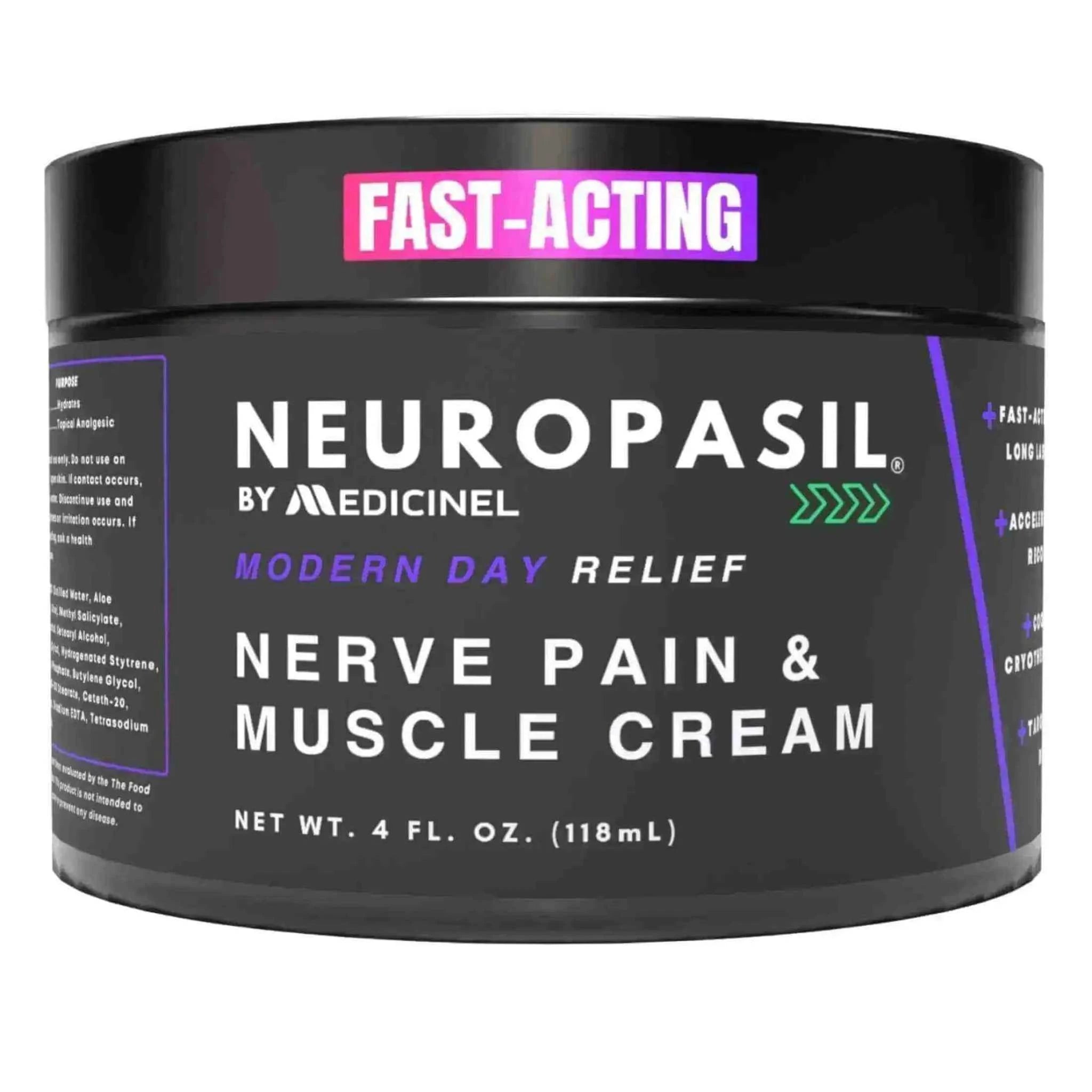
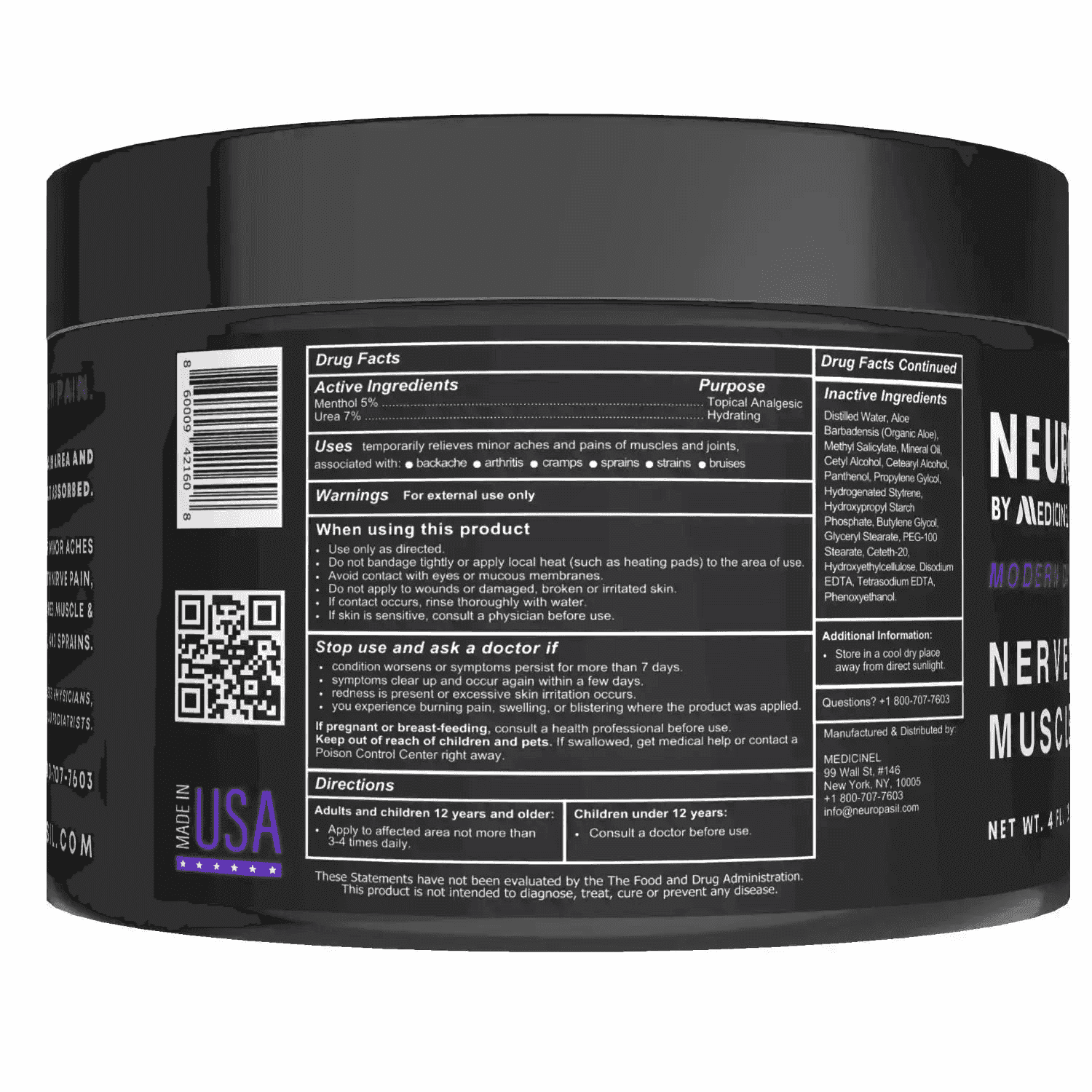
- Topical Pain Relief Creams: For localized muscle and nerve pain, topical creams can offer targeted relief. Neuropasil Nerve & Muscle Pain Relief Cream, for example, is formulated with natural ingredients like Aloe, Urea, and Menthol to provide soothing relief for sore muscles, strains, and nerve pain. Many of our loyal customers in New York City and beyond find it effective for managing various aches and pains, including those in the arm. We believe it's among the best options for localized relief. Learn about our nerve and muscle pain relief cream.
- Surgery: In severe cases, such as significant rotator cuff tears, herniated discs causing severe nerve compression, or complex fractures, surgery might be necessary (Healthgrades, n.d.).
Prevention is always better than cure! To prevent left arm muscle ache from occurring or recurring:
- Proper Warm-up and Cool-down: Always warm up before exercise and cool down afterward to prepare your muscles and aid recovery.
- Correct Lifting Techniques: Use your legs, not your back or arms, when lifting heavy objects (Mayo Clinic, 2021).
- Regular Stretching and Strengthening: Incorporate exercises that build strength and flexibility in your arms, shoulders, and back (Harvard Health Publishing, 2022). Yoga or Pilates can be excellent for this.
- Listen to Your Body: Don't push through pain. Rest when your muscles feel fatigued to prevent overexertion and injury.
- Ergonomic Awareness: Maintain good posture and ergonomic setup, especially if you have a desk job or engage in repetitive tasks. Take frequent breaks to stretch and move.
Frequently Asked Questions about Left Arm Pain
We understand that left arm muscle ache can raise many questions. Here are answers to some of the most common ones we hear:
How do I know if my left arm pain is serious?
Pain is serious if it's sudden, severe, and accompanied by chest pain, shortness of breath, dizziness, or sweating. These are red flags for a heart attack, and you should call 911 immediately. Pain from a severe injury, like a fracture (especially with deformity or inability to move the arm), or pain that doesn't improve with rest and home remedies after a few days, also warrants prompt medical attention (Mayo Clinic, 2022; Healthgrades, n.d.). If you're ever in doubt, it's always best to get it checked out by a healthcare professional.
Can stress or anxiety cause left arm pain?
Yes, anxiety can cause muscle tension and pain, including in the arm. When we're stressed or anxious, our bodies often tense up, leading to muscle spasms or prolonged contractions that result in aches (Medical News Today, 2019). It can also mimic heart attack symptoms, such as chest tightness and shortness of breath, which can be very distressing. While anxiety can certainly contribute to pain, it's crucial to have severe or concerning symptoms evaluated by a doctor to rule out a cardiac event or other serious medical conditions. We advise our customers to seek professional medical advice first to ensure their safety.
How long does a pulled arm muscle take to heal?
The healing time for a pulled arm muscle (muscle strain) depends on its severity. A mild muscle strain, often called a Grade 1 strain, can heal in a few weeks with rest and proper care, including applying ice and gentle stretching. Moderate strains (Grade 2) might take several weeks to a few months for full recovery. Severe strains (Grade 3), which involve a complete tear of the muscle, can take several months and may even require surgery and rehabilitation (Cleveland Clinic, 2022). Always give your body the time it needs to heal to prevent re-injury.
Conclusion
Understanding the diverse origins of left arm muscle ache is the first step toward effective relief. From common musculoskeletal strains and nerve impingements to more serious vascular issues and, critically, heart-related concerns, the causes are varied. We've seen that distinguishing between a simple ache and a medical emergency often comes down to recognizing accompanying symptoms and the pain's characteristics.
While many instances of left arm muscle ache can be managed with at-home remedies like the R.I.C.E. method, posture correction, and topical pain relief creams like Neuropasil Nerve & Muscle Pain Relief Cream, it's paramount to know when to seek professional medical help. Your health and peace of mind are our top priorities.
We encourage you to be proactive about your health, listen to your body, and always seek timely medical attention when symptoms are concerning. Don't hesitate to explore our resources for more ways to manage your pain and improve your well-being.
Explore our blog for more health tips
References
American Heart Association. (n.d.a). Warning Signs of a Heart Attack. Retrieved from https://www.heart.org/en/health-topics/heart-attack/warning-signs-of-a-heart-attack
American Heart Association. (n.d.b). Warning signs of a heart attack. Retrieved from https://www.heart.org/en/health-topics/heart-attack/warning-signs-of-a-heart-attack
American Academy of Orthopaedic Surgeons. (2020). Sprains, Strains, and Other Soft-Tissue Injuries. Retrieved from https://orthoinfo.aaos.org/en/diseases--conditions/sprains-strains-and-other-soft-tissue-injuries/
Athwal GS, et al. (2022). Rotator cuff tears. Retrieved from https://orthoinfo.aaos.org/en/diseases--conditions/rotator-cuff-tears/
Avicenna Cardiology. (n.d.). Understanding Left Arm Pain: Causes, Symptoms, and When to Seek Help. Retrieved from https://avicennacardiology.com/left-arm-pain-causes-symptoms-and-when-to-seek-help
Cleveland Clinic. (2022). Muscle Strains. Retrieved from https://my.clevelandclinic.org/health/diseases/22336-muscle-strains
Forro, S. D., et al. (2021). Anatomy, shoulder and upper limb, arm structure and function. Retrieved from https://www.ncbi.nlm.nih.gov/books/NBK507841/
Harvard Health Publishing. (2022). The importance of stretching. Retrieved from https://www.health.harvard.edu/staying-healthy/the-importance-of-stretching
Healthgrades. (n.d.). A Guide to Pain in the Left Arm: Causes and Treatments. Retrieved from https://resources.healthgrades.com/right-care/bones-joints-and-muscles/pain-in-the-left-arm
Mayo Clinic. (2021). Proper lifting techniques. Retrieved from https://www.mayoclinic.org/healthy-lifestyle/adult-health/multimedia/back-pain/sls-20076866?s=3
Mayo Clinic. (2022). Arm pain - Symptoms and causes. Retrieved from https://www.mayoclinic.org/symptoms/arm-pain/basics/definition/sym-20050870
Mayo Clinic. (2022). Arm pain: When to see a doctor. Retrieved from https://www.mayoclinic.org/symptoms/arm-pain/basics/when-to-see-doctor/sym-20050870?p=1
Medical News Today. (2019). Can anxiety cause physical symptoms?. Retrieved from https://www.medicalnewstoday.com/articles/322510
Medical News Today. (2023). Left arm pain: Causes, symptoms, treatments, and more. Retrieved from https://www.medicalnewstoday.com/articles/317652
National Heart, Lung, and Blood Institute (NHLBI). (2023). Angina (chest pain). Retrieved from https://www.nhlbi.nih.gov/health/angina
NHS. (2020a). Bursitis. Retrieved from https://www.nhs.uk/conditions/bursitis/
NHS. (2021a). Slipped disc. Retrieved from https://www.nhs.uk/conditions/slipped-disc/
NHS. (2021b). Overview: Angina. Retrieved from https://www.nhs.uk/conditions/angina/
NHS. (2021c). Elbow and arm pain. Retrieved from https://www.nhs.uk/conditions/elbow-and-arm-pain/
NHS. (2023a). Tendonitis. Retrieved from https://www.nhs.uk/conditions/tendonitis/
NHS. (2023b). Symptoms: Heart attack. Retrieved from https://www.nhs.uk/conditions/heart-attack/symptoms/