Understanding Why Your Feet and Legs Hurt—And What You Can Do About It
Aching feet legs is a common complaint affecting people of all ages and lifestyles. Whether you're an athlete, a professional who stands all day, or someone who sits for hours at a desk, this persistent pain can disrupt your life.
Quick Relief Guide for Aching Feet and Legs:
- Rest and lift your legs to reduce swelling.
- Apply ice for 15-20 minutes, three times daily for acute pain.
- Use topical relief creams with menthol for fast-acting comfort.
- Stretch regularly, especially your calves and feet.
- Stay hydrated and maintain proper electrolyte balance.
- Wear supportive footwear with good arch support.
- See a doctor if pain persists beyond two weeks or worsens.
Most leg pain results from wear and tear or overuse, but it can also signal underlying health conditions like circulation problems or nerve damage. While pain in these areas is common, it doesn't mean you have to live with it.
This guide will explore the causes of foot and leg pain, proven home relief strategies, when to seek professional help, and how to prevent future discomfort. We'll cover lifestyle factors, musculoskeletal conditions, circulation issues, and nerve-related pain.
I'm Tony Enrico, founder of Neuropasil. I've dedicated my work to helping people find real relief from nerve pain, muscle aches, and the discomfort of aching feet and legs. Our mission is to empower you with the knowledge and tools to take control of your comfort.
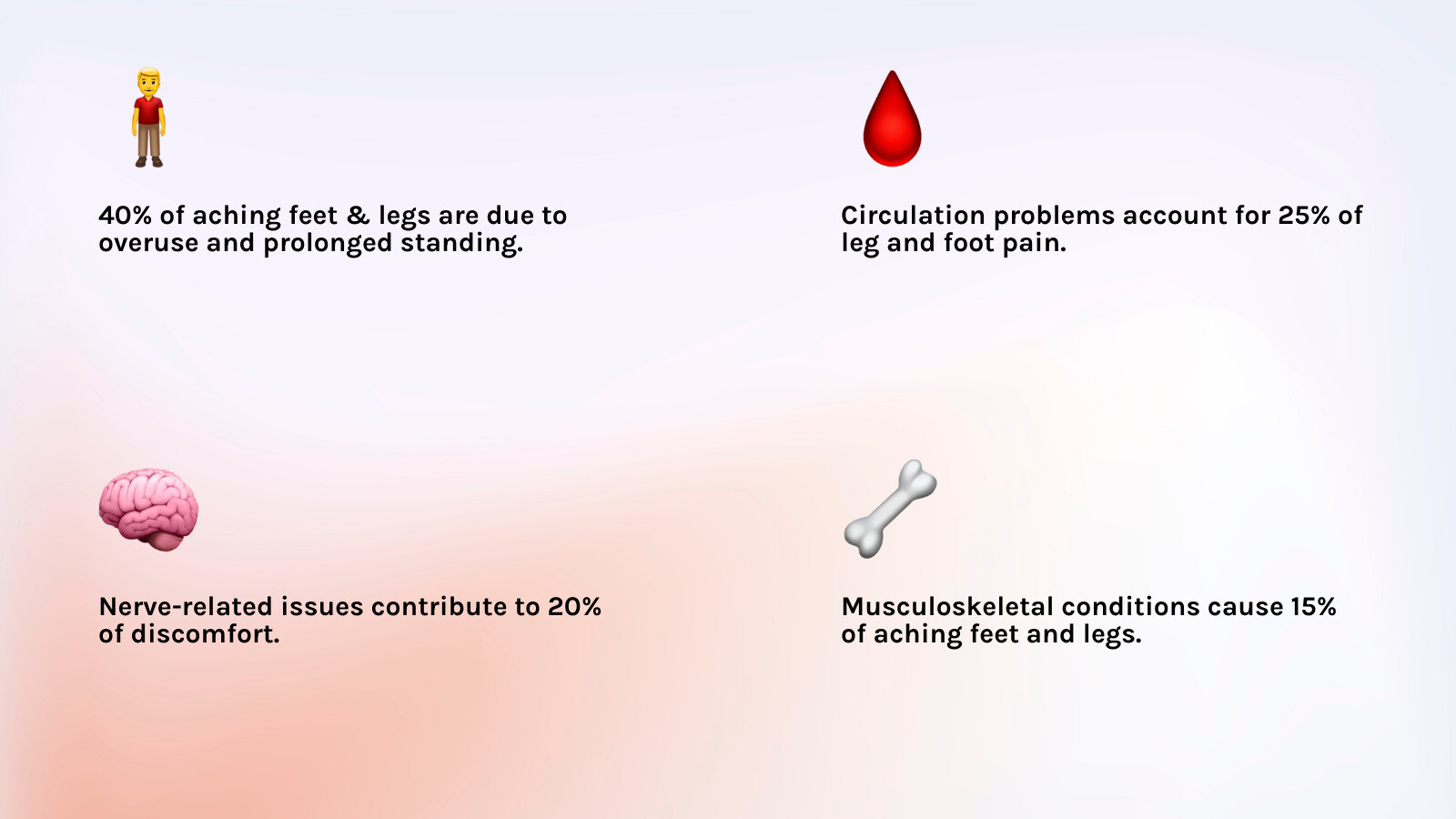
Why Do I Have Aching Feet and Legs? Common Causes Explained
Why do my feet and legs ache so much? Aching feet legs can stem from various sources, and sometimes pain in one area originates elsewhere, known as referred pain. For instance, lower back or hip issues can cause discomfort down your legs and feet.
Most often, leg pain is a direct result of wear and tear or overuse. Our feet and legs are complex structures that support our weight and movement daily. The type and severity of pain often depend on a person’s lifestyle and any associated medical problems.
Lifestyle and Overuse Factors
Daily habits significantly impact how our feet and legs feel.
- Prolonged Standing or Sitting: Both extremes can cause blood to pool in the leg veins, leading to fluid buildup and a burning or cramping sensation. This is a common issue for those with desk jobs or who stand for long periods.
- Improper Footwear: Stylish but unsupportive shoes can throw off your body's alignment, putting undue stress on your feet, ankles, and knees.
- Obesity: Carrying extra weight (a BMI of 30 or higher) increases the strain on your feet, ankles, and leg joints, contributing to pain.
- Dehydration: Not drinking enough water can lead to leg cramps, as dehydration and electrolyte imbalances disrupt normal muscle function.
- Muscle Fatigue from Exercise: Overdoing a workout without proper recovery can lead to muscle fatigue, soreness, cramps, and strains, especially in the calves.
Musculoskeletal Conditions
Sometimes, pain points to specific conditions affecting bones, muscles, and tendons.
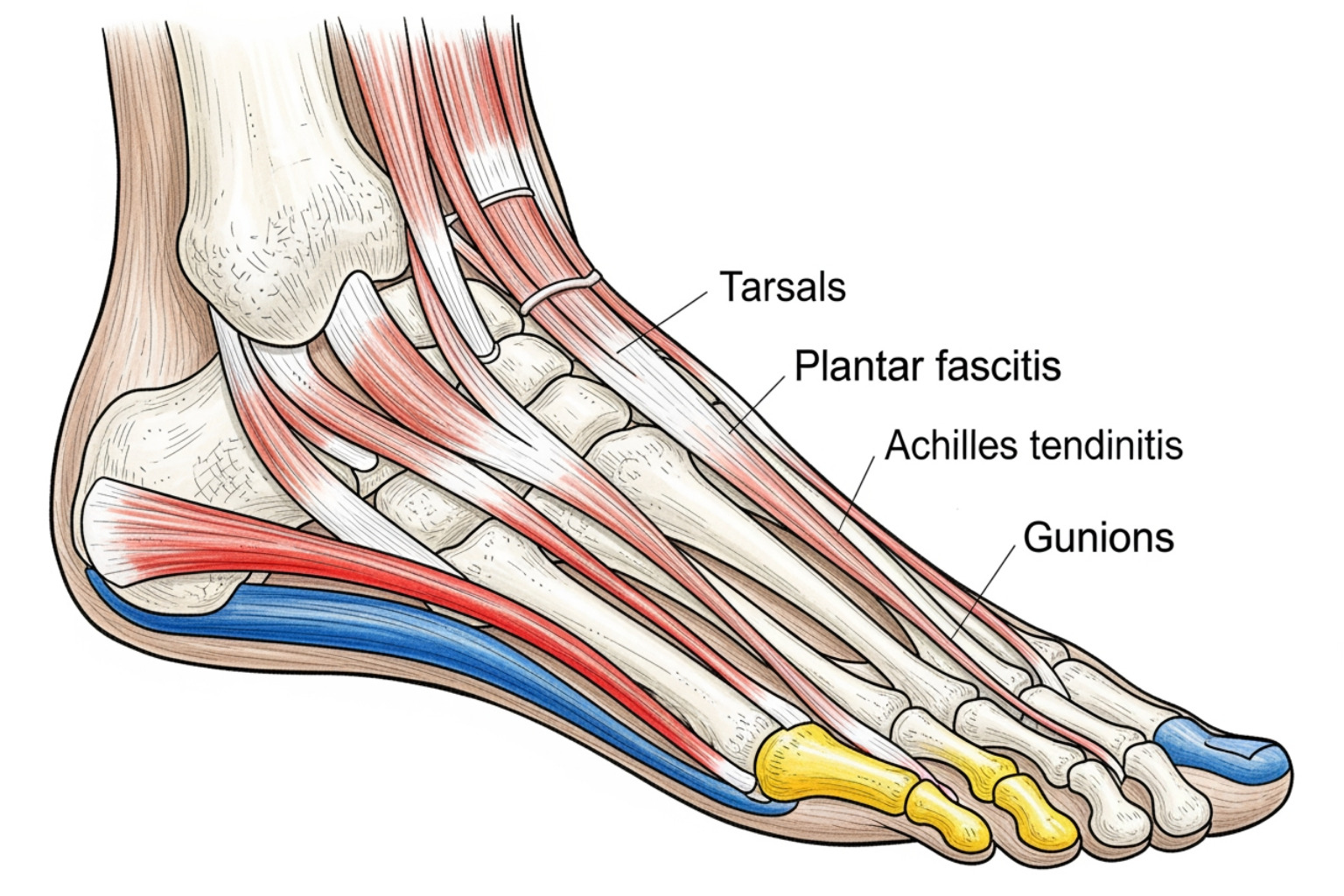
- Plantar Fasciitis: Inflammation of the tissue band on the bottom of your foot, causing a stabbing heel pain that's often worse in the morning.
- Achilles Tendinitis: Inflammation of the tendon connecting your calf muscles to your heel, causing a dull ache in the back of your lower leg.
- Shin Splints: Pain along the shin bone (tibia), common in runners, resulting from repetitive stress on the bone and connective tissues.
- Muscle Strains: An overstretched or torn muscle, often in the calf or hamstring, causing sharp pain and tenderness.
- Arthritis: Conditions like osteoarthritis ("wear and tear") and gout can cause pain, stiffness, and swelling in the joints of your feet and legs.
- Stress Fractures: Tiny cracks in a bone, usually from repetitive force like running, causing pain that worsens with activity.
Circulation and Vascular Problems
Issues with blood flow can be a serious cause of aching feet legs.
- Chronic Venous Insufficiency (CVI): Occurs when valves in leg veins don't work properly, causing blood to pool. This leads to pain, swelling, and a burning sensation.
- Varicose Veins: Enlarged, twisted veins caused by poor valve function that can lead to aching and heaviness in the legs.
- Peripheral Artery Disease (PAD): Decreased circulation from blocked arteries, causing leg pain during activity (claudication) that eases with rest.
- Deep Vein Thrombosis (DVT): A blood clot in a deep leg vein that causes pain, swelling, and redness. DVT is a medical emergency.
For a comprehensive look at leg pain causes, we recommend checking out the Mayo Clinic's detailed information: Leg pain Causes - Mayo Clinic.
Nerve-Related Pain
Nerve issues can cause sharp, burning, or tingling pain.
- Sciatica: Compression of the sciatic nerve causes sharp, shooting pain that radiates from the lower back down the leg, sometimes to the foot.
- Peripheral Neuropathy: Damage to peripheral nerves, often from conditions like diabetes, causing numbness, tingling, or burning pain in the feet and hands.
- Herniated Disk: A slipped disk in the lower back can press on spinal nerves, causing pain to radiate down the leg.
- Spinal Stenosis: A narrowing of the spinal canal that can compress nerves, leading to leg pain, numbness, or weakness.
- Tarsal Tunnel Syndrome: Compression of the tibial nerve in the ankle, causing pain, numbness, or tingling in the foot.
If you suspect your aching feet legs are due to nerve pain, it's worth exploring targeted solutions. For more information on how we approach nerve pain relief, you might find this helpful: More info about Neuropasil for nerve pain.
Finding Relief: Your Guide to Treatments and Prevention
Living with aching feet legs can severely impact your daily life. Fortunately, many effective strategies, from home remedies to preventative measures, can help you find relief. Our goal is to empower you with actionable steps to tackle this pain.
At-Home Remedies for Aching Feet and Legs
For pain caused by overuse, minor strains, or fatigue, relief can often begin at home.
-
RICE Method (Rest, Ice, Compression, Elevation): This classic approach is ideal for acute injuries and inflammation.
- Rest: Avoid activities that worsen your pain.
- Ice: Apply an ice pack for 15-20 minutes, three times a day, to reduce swelling and numb pain.
- Compression: Use an elastic bandage to gently compress the area and minimize swelling.
- Elevation: Raise your leg above your heart when sitting or lying down to help drain fluid.
- Warm Baths and Heating Pads: While ice is for acute inflammation, heat is soothing for muscle stiffness and spasms. A warm bath or heating pad can increase blood flow and promote relaxation. Avoid heat if there's significant bruising or swelling.
- Epsom Salt Soaks: Soaking your feet and lower legs in warm water with Epsom salts for 20 minutes can help relax muscles and reduce inflammation, potentially easing cramps.
- Gentle Massage: A gentle massage improves circulation and reduces muscle tension. You can use your hands, a tennis ball for your foot arch, or a foam roller for your calves.
- Staying Hydrated: Drinking enough water throughout the day helps maintain proper electrolyte balance and muscle function, reducing the risk of cramps.
The Power of Topical Pain Relief
When you need an extra push for relief, topical pain relief creams can help. These products deliver active ingredients directly to the site of pain for targeted, fast-acting relief without the systemic side effects of oral medications.
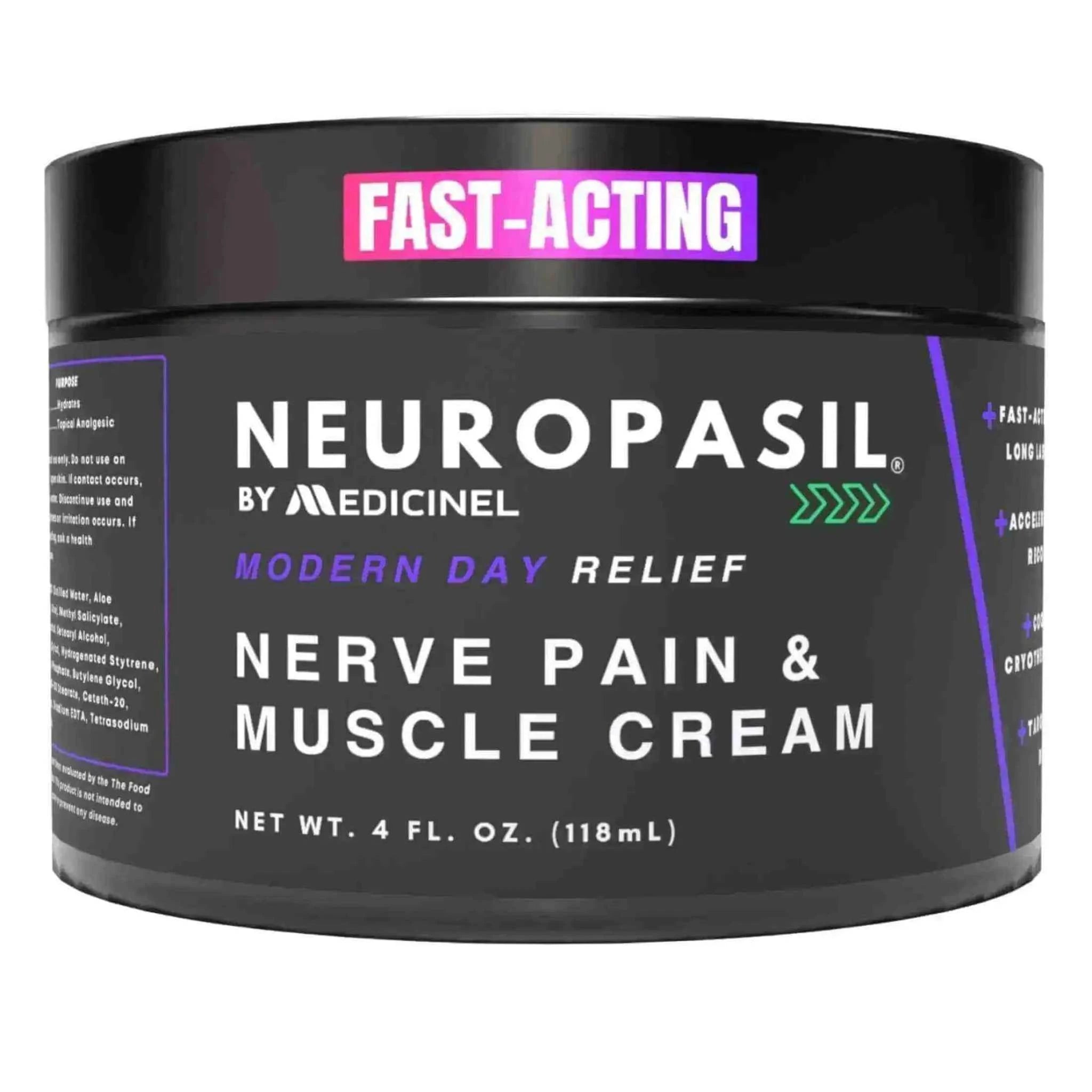
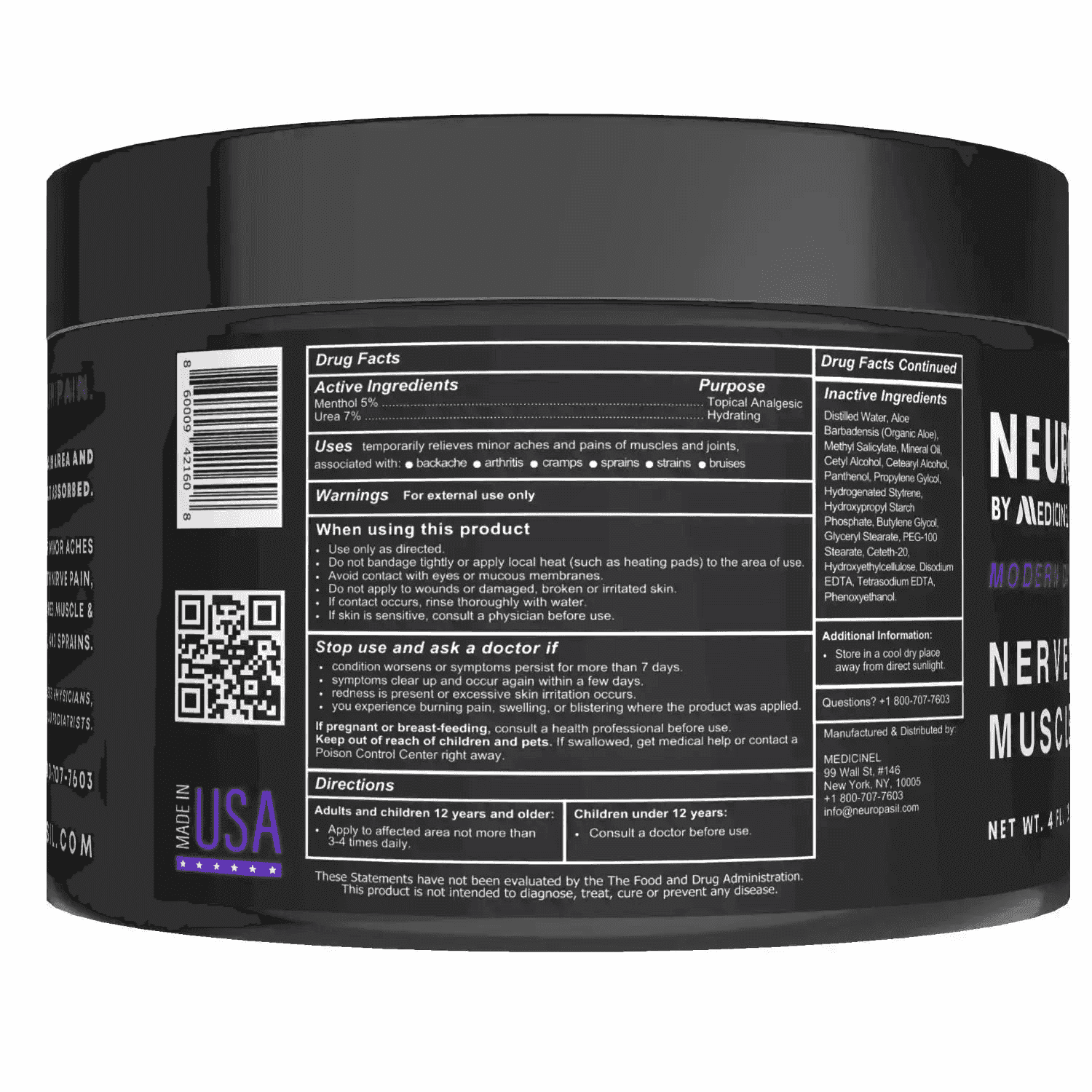
Many find relief from the cooling sensation of ingredients like menthol, which numbs the area and reduces the perception of pain. Our Neuropasil creams are formulated with powerful natural ingredients like Aloe, Urea, and Menthol. Menthol provides an instant cooling effect, while Aloe and Urea help the active ingredients penetrate deeply and nourish the skin. This combination is effective for muscle soreness, nerve pain, and discomforts associated with neuropathy, sciatica, plantar fasciitis, strains, and general aching feet legs. Athletes also find our creams beneficial for recovery.
To learn more, check out our guide: The Complete Guide to Effective Foot Pain Creams.
Exercises and Stretches to Alleviate Pain
Regular exercise and stretching are critical for treating and preventing aching feet legs by improving flexibility, strength, and circulation.

- Calf Stretches: Face a wall, step one foot back, and keep the heel on the ground. Lean forward until you feel a stretch in your calf. Hold for 30 seconds and repeat.
- Hamstring Striches: Sit with one leg extended. Lean forward from your hips, reaching for your toes. Hold the stretch.
- Foot Rolls: Use a tennis ball or foot roller under your foot, rolling it from heel to toes to release tension.
- Ankle Circles: Sit or lie down and slowly rotate your ankles in both directions to improve mobility.
- Importance of Warming Up: Always warm up before physical activity and cool down with stretches afterward to prevent strains and soreness.
Stretching is vital for maintaining muscle health and flexibility. For more insights, read "The importance of stretching" from Harvard Health Publishing: The importance of stretching.
Preventative Measures for Long-Term Health
Adopting smart habits can significantly reduce your risk of discomfort.
- Proper Footwear: Invest in shoes with good arch support and cushioning. Replace athletic shoes every 300-500 miles.
- Orthotics: Custom or over-the-counter orthotics can provide support, correct imbalances, and relieve pressure.
- Maintaining a Healthy Weight: Reducing excess weight lessens the strain on your feet, ankles, and knees.
- Regular Activity: Stay active with exercises like walking to improve circulation and strengthen muscles, but be sure to include rest days.
- Avoiding Static Positions: If your job involves prolonged standing or sitting, take frequent breaks to walk around or stretch.
Our ingredients are carefully chosen for their efficacy. You can learn more about what goes into our products here: More info about our ingredients.
When to See a Doctor for Your Leg and Foot Pain
While many cases of aching feet legs can be managed at home, it's crucial to recognize when to seek professional medical attention. Ignoring persistent or severe pain can lead to worsening conditions. An accurate diagnosis is key to effective treatment.
Emergency Warning Signs
Seek immediate medical help or go to an emergency room if you experience any of the following:
- Inability to Walk or Bear Weight: Could indicate a fracture or severe sprain.
- Severe Pain and Swelling: Sudden, intense pain with significant swelling requires urgent evaluation.
- Signs of a Blood Clot (DVT): Pain, swelling, redness, and warmth in your lower leg can be symptoms of a deep vein thrombosis, a serious condition requiring immediate care.
- Signs of Infection: Redness, warmth, tenderness, and a fever over 100°F (37.8°C) could indicate an infection.
- Popping or Grinding Sound During Injury: May signal a significant tear or fracture.
- Deep Cut or Visible Bone/Tendon: Requires immediate emergency care.
When to Schedule a Professional Consultation
For less urgent but concerning symptoms, schedule an appointment with your healthcare provider:
- Pain that Worsens or Persists: If home treatment doesn't help after a few days or the pain worsens, see a doctor.
- Numbness or Tingling: These sensations could indicate nerve involvement and should be professionally evaluated.
- Pain that Disrupts Sleep: If pain consistently wakes you up, it's a clear sign professional help is needed.
- Painful Varicose Veins: If varicose veins become painful or swollen, a doctor can discuss treatment options.
- Swelling in Both Legs: Swelling in both legs, especially with breathing problems, could indicate a systemic issue.
- Calf Pain After Prolonged Sitting: Get this checked to rule out venous issues, especially after a long flight or car ride.
For more guidance, refer to the Mayo Clinic's advice: Leg pain: When to see a doctor.
Understanding the Risks of Untreated Aching Feet and Legs
Ignoring persistent aching feet legs can have serious consequences, impacting your overall health and quality of life.
- Chronic Pain Development: Untreated acute pain can become chronic, making it much harder to manage.
- Reduced Mobility: Pain can limit your ability to walk and exercise, leading to a sedentary lifestyle and muscle weakness.
- Worsening of Underlying Conditions: Conditions like peripheral artery disease can worsen without treatment, leading to severe complications.
- Permanent Nerve Damage: Untreated nerve compression (like in sciatica) can lead to permanent numbness, weakness, or debilitating pain.
Frequently Asked Questions about Aching Feet & Legs
We often hear similar questions from individuals experiencing aching feet legs. Here are some of the most common ones.
Can sitting too long cause my legs and feet to ache?
Yes. Prolonged sitting can lead to poor circulation and fluid buildup in your legs and feet, causing swelling, heaviness, and a dull ache. Muscles in the calves and hamstrings can also become stiff.
Tip: If you sit for long periods, take regular breaks to stand, walk, and stretch. Performing ankle circles and foot pumps while seated can also help keep blood flowing.
What's the difference between a leg cramp and Restless Legs Syndrome (RLS)?
While both can cause nighttime discomfort, they are different conditions:
- Leg Cramp: A sudden, painful, involuntary muscle contraction, often in the calf or foot. It feels like a knot and is usually short-lived. Cramps are often caused by overuse, dehydration, or electrolyte imbalances.
- Restless Legs Syndrome (RLS): A neurological disorder causing an uncontrollable urge to move your legs, accompanied by unpleasant sensations like creeping, crawling, or tingling. The urge worsens at rest, especially at night, and is temporarily relieved by movement.
How can I relieve foot pain from standing all day?
Standing all day puts immense pressure on your feet. Here's how to find relief:
- Supportive Shoes: Wear shoes with excellent arch support, cushioning, and a wide toe box.
- Orthotics: Over-the-counter or custom inserts can provide extra support and distribute pressure evenly.
- Compression Socks: These improve circulation and reduce swelling and fatigue from prolonged standing.
- Elevating Feet: When you rest, lift your feet above your heart to reduce fluid buildup.
- Foot Soaks: A warm Epsom salt soak can relax tired muscles.
- Self-Massage: Roll your feet over a tennis ball or foot roller to release tension.
Conclusion: Take the Next Step Towards Pain-Free Living
Living with aching feet legs can be a daily battle, but it's a battle you don't have to fight alone. We've explored the many reasons why your feet and legs might be hurting, from lifestyle choices and musculoskeletal issues to circulation and nerve-related problems. We've also armed you with a comprehensive toolkit of home remedies, preventative strategies, and crucial information on when to seek professional medical advice.
The journey to pain-free living starts with understanding your body, identifying the root cause of your discomfort, and taking proactive steps toward relief. Whether that means incorporating regular stretches into your routine, investing in proper footwear, or utilizing targeted topical solutions, every step you take brings you closer to comfort.
At Neuropasil, we believe in providing effective solutions for common discomforts. Our natural, fast-acting topical creams, powered by ingredients like Aloe, Urea, and Menthol, are designed to deliver targeted, soothing relief for nerve pain, muscle soreness, and the persistent ache of tired feet and legs. From neuropathy and sciatica to plantar fasciitis and everyday strains, we're here to help you find your comfort zone.
Don't let aching feet legs dictate your life. Take control, explore the options, and find the relief you deserve.
Find your solution with Neuropasil
References
- American Academy of Podiatric Sports Medicine (AAPSM). (n.d.). Running Shoes. Retrieved from http://www.aapsm.org/runshoe.html
- Centers for Disease Control and Prevention. (2022). Defining Adult Overweight & Obesity. Retrieved from https://www.cdc.gov/obesity/basics/adult-defining.html
- Christus Health. (n.d.). Leg Pain and Fatigue Causes and Treatment. Retrieved from https://www.christushealth.org/connect/your-health/orthopedics/leg-pain-and-fatigue
- Cleveland Clinic. (n.d.). Foot Pain: Causes & Treatment. Retrieved from https://my.clevelandclinic.org/health/symptoms/foot-pain
- Harvard Health Publishing. (2022). The importance of stretching. Retrieved from https://www.health.harvard.edu/staying-healthy/the-importance-of-stretching
- Mayo Clinic. (n.d.). Leg pain. Retrieved from https://www.mayoclinic.org/symptoms/leg-pain/expert-answers/leg-pain/faq-20058438#:~:text=Chronic%20venous%20disease%20occurs%20when,sensation%2C%20mainly%20in%20the%20calf
- Mayo Clinic. (n.d.). Leg pain - Causes. Retrieved from https://www.mayoclinic.org/symptoms/leg-pain/basics/causes/sym-20050784?p=1
- Mayo Clinic. (n.d.). Leg pain - When to see a doctor. Retrieved from https://www.mayoclinic.org/symptoms/leg-pain/basics/when-to-see-doctor/sym-20050784?p=1
- MedlinePlus. (n.d.). Leg pain. Retrieved from https://medlineplus.gov/ency/article/003182.htm
- National Institute of Neurological Disorders and Stroke. (n.d.). Restless Legs Syndrome Fact Sheet. Retrieved from https://www.ninds.nih.gov/health-information/disorders/restless-legs-syndrome
- Neuropasil. (n.d.). More info about our ingredients. Retrieved from https://neuropasil.com/pages/ingredients
- Neuropasil. (n.d.). More info about Neuropasil for nerve pain. Retrieved from https://neuropasil.com/products/neuropasil-nerve-pain-relief-cream-4-oz
- Neuropasil. (n.d.). The Complete Guide to Effective Foot Pain Creams. Retrieved from https://neuropasil.com/blogs/news/the-complete-guide-to-effective-foot-pain-creams
- Spine-health.com. (n.d.). Causes of Leg Pain and Foot Pain. Retrieved from https://www.veritashealth.com/library/causes-leg-pain-and-foot-pain
- The Feet People. (n.d.). Leg Pain. Retrieved from https://www.thefeetpeople.com.au/leg-pain/