Understanding Sciatica Nerve Pain: A Path to Relief
Sciatica nerve pain affects about 40% of people in the U.S. at some point in their lives, making it one of the most common reasons people seek relief from debilitating discomfort. If you're experiencing sharp, shooting pain that radiates from your lower back down through your leg, you're likely dealing with sciatica—and you're not alone.
Quick Relief Guide for Sciatica Nerve Pain:
- Apply cold therapy for the first 48-72 hours to reduce inflammation
- Switch to heat therapy after a few days to relax tight muscles
- Try gentle stretching of the lower back and hamstrings
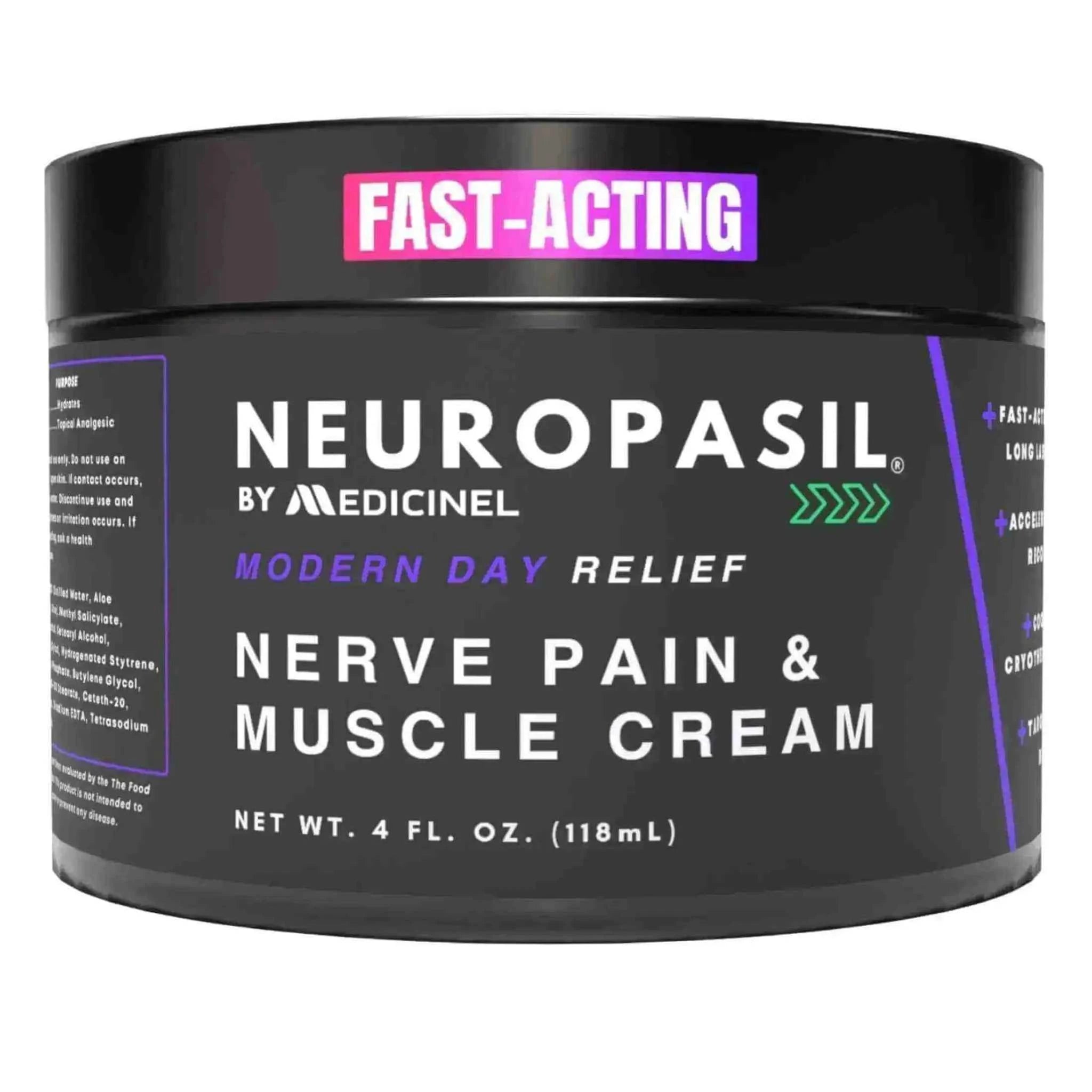
- Use topical pain relief creams like Neuropasil for fast-acting comfort
- Stay active with low-impact movement like walking or swimming
- Maintain good posture when sitting and standing
- Seek medical care if pain persists beyond a few weeks or worsens
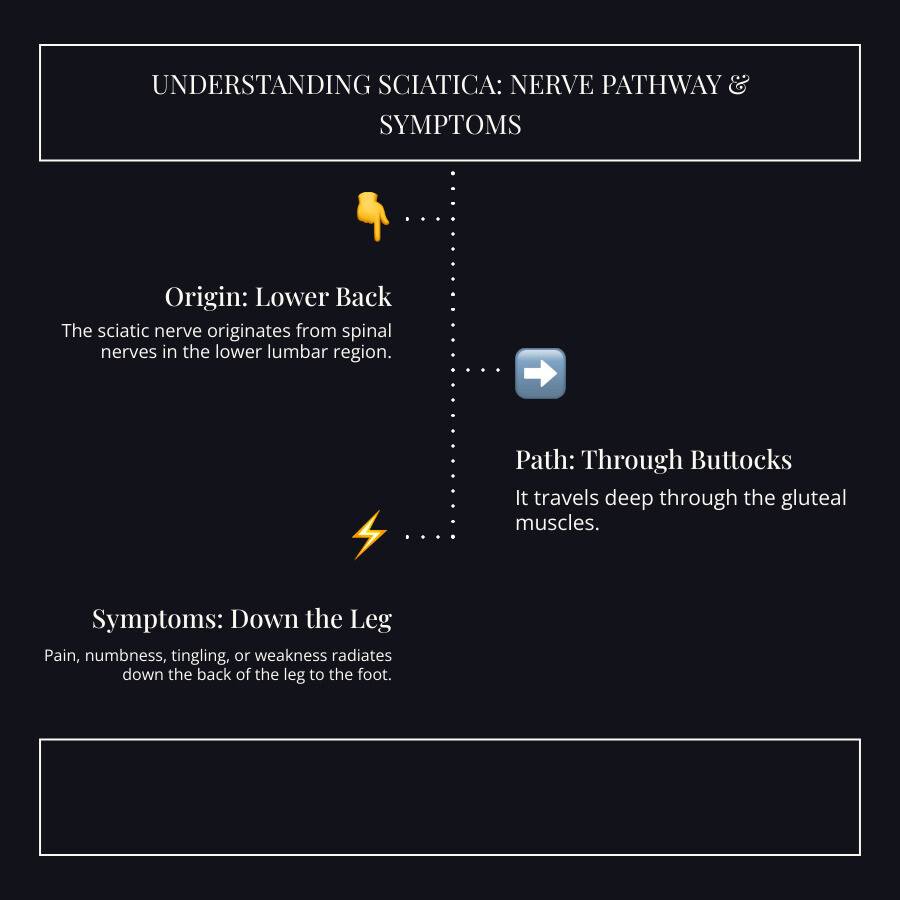
Sciatica isn't actually a condition itself—it's a symptom of an underlying problem affecting your sciatic nerve. This nerve is the longest in your body, running from your lower back through your buttocks and down each leg. When something compresses or irritates it, the result can range from mild tingling to severe, electric shock-like pain that makes standing, sitting, or walking nearly impossible.
The pain typically affects only one side of your body and can worsen with certain movements like coughing, sneezing, or prolonged sitting. Many people also experience numbness, tingling, or muscle weakness in the affected leg. For athletes pushing through training or adults managing daily responsibilities, this kind of pain can steal the joy from activities you love.
The good news? Most cases of sciatica nerve pain resolve within four to six weeks with proper care. Between 80-90% of people recover without surgery, using conservative treatments like physical therapy, stretching, and topical pain relief solutions.
I'm Tony Enrico, and I've spent years helping people break free from the grip of sciatica nerve pain through targeted relief strategies and natural formulations. At Neuropasil, we've made it our mission to provide fast-acting, clean-absorbing solutions for those who refuse to let pain define their limits.
Decoding the Sensations: Common Sciatica Symptoms
When we talk about sciatica nerve pain, we're describing a very specific type of discomfort that follows the path of the sciatic nerve. This isn't just any backache; it's a distinct sensation that can be quite alarming. Imagine a sharp, shooting pain that starts in your lower back or buttock and travels like an electric shock down your leg. This is the reality for many experiencing sciatica.
The pain itself can vary dramatically. For some, it's a mild, dull ache, a constant companion that just won't quit. For others, it escalates to a sharp, burning sensation, or even a sudden, intense jolt, like an electric shock. This pain can be severe enough to make everyday movements—standing, sitting, or even walking—a monumental challenge.
Beyond just pain, sciatica nerve pain often comes with a host of other peculiar sensations. You might experience numbness, a loss of feeling in parts of your leg or foot, or that classic "pins and needles" tingling sensation, medically known as paresthesia, similar to a limb falling asleep. Muscle weakness in the affected leg is also a common symptom, sometimes leading to a "foot drop" where you struggle to lift the front part of your foot, causing it to drag on the ground.
Typically, sciatica affects only one side of the body, radiating from the low back, through the buttock, and down the back of the thigh and calf, sometimes extending all the way to the foot and toes. While back pain can be present, the leg pain is usually the more prominent and debilitating symptom.
Certain actions can act as triggers, intensifying the pain. We often hear from people that their sciatica flares up when they cough, sneeze, or strain. Prolonged sitting is another notorious culprit, making desk jobs or long commutes a painful ordeal. For a deeper dive into these sensations, you might find our article, All About What Sciatica Feels Like, particularly helpful. Understanding these varied symptoms is the first step toward finding relief. You can also explore more about the specific manifestations in our guide on Sciatica Symptoms.
Uncovering the Causes and Risk Factors of Sciatica
Understanding why sciatica nerve pain occurs is crucial for effective treatment and prevention. It's rarely a standalone issue, but rather a symptom signaling an underlying problem with the sciatic nerve itself.
Common Culprits: What Causes Sciatica?
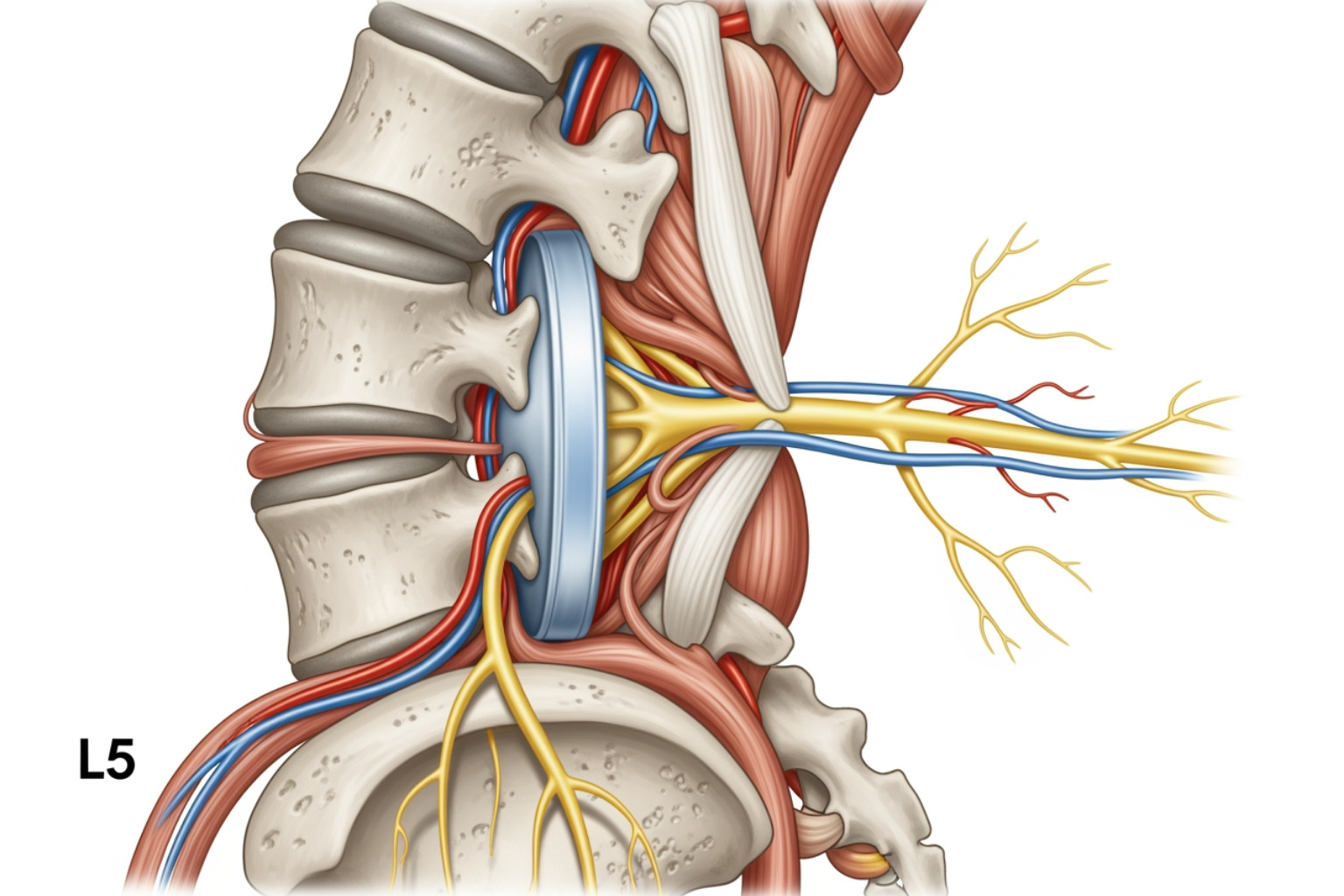
The primary reason we experience sciatica is due to pressure or damage to the sciatic nerve. This can happen in several ways:
- Herniated Disc (Slipped Disc): This is by far the most common cause. Our spinal discs act as cushions between the vertebrae. If the soft inner material of a disc pushes out through a tear in its tougher exterior (a herniation), it can press directly on the nerve roots that form the sciatic nerve. This compression leads to inflammation, pain, and often numbness.
- Spinal Stenosis: This condition involves the narrowing of the spinal canal, the space through which the spinal cord and nerves travel. This narrowing can put pressure on the sciatic nerve roots, leading to sciatica symptoms. It's often age-related.
- Spondylolisthesis: This occurs when one vertebra slips forward over another, potentially pinching the sciatic nerve.
- Piriformis Syndrome: The piriformis muscle is located deep in the buttock, close to the sciatic nerve. If this muscle tightens or spasms, it can compress the sciatic nerve, causing pain that mimics true sciatica. This is a "sciatica-like condition" rather than a spinal issue.
- Tumors (Rare): In very rare cases, a tumor can grow on or near the spinal cord, pressing on the sciatic nerve.
- Pregnancy: The physical changes during pregnancy can also lead to sciatica. The growing uterus can put direct pressure on the sciatic nerve, and hormonal changes can loosen ligaments, potentially affecting spinal stability. While often temporary, it can be quite uncomfortable.
To learn more about these underlying issues, we recommend reading The Definitive Guide to What Causes Sciatic Nerve Pain.
Are You at Risk? Key Sciatica Triggers
While certain conditions directly cause sciatica, several factors can increase our likelihood of developing this painful condition:
- Age-Related Spine Changes: As we get older, our spines naturally undergo degenerative changes. This includes the development of bone spurs (overgrowths of bone) or degenerative disc disease, where the discs wear down, making them more prone to herniation. These changes can directly irritate the sciatic nerve roots. A scientific overview of degenerative disc disease highlights its prevalence, especially in adults over 50.
- Obesity: Excess body weight places increased stress on our spine, particularly the lower back. This added pressure can contribute to spinal changes that lead to sciatica. Think of our spine like a crane; the heavier the load, the more strain on the supporting structures.
- Occupation: Jobs that involve heavy lifting, prolonged sitting (like truck driving), or frequent twisting of the back can increase the risk. Even if you're physically fit, improper body mechanics during activities like weightlifting can trigger sciatica.
- Sedentary Lifestyle: A lack of physical activity can contribute to weak core muscles and poor flexibility, both of which are risk factors for back problems and sciatica.
- Diabetes: This condition increases our risk of nerve damage (neuropathy), which can make the sciatic nerve more vulnerable to irritation and injury.
Understanding these risk factors allows us to take proactive steps to protect our spinal health. For a comprehensive look at what can trigger this condition, check out our A-Z Guide to What Causes Sciatica.
Your Guide to Diagnosing and Managing Sciatica Nerve Pain
When sciatica nerve pain strikes, understanding how to get an accurate diagnosis and manage the discomfort is paramount. Our goal is to empower you with the knowledge to steer this journey effectively.
Getting a Diagnosis: What to Expect at the Doctor's Office
If you suspect you have sciatica, a visit to a healthcare professional is your first crucial step. In New York City, like anywhere else, a thorough evaluation typically involves:
- Medical History: Your doctor will ask about your symptoms – when they started, what makes them better or worse, and how they affect your daily life. They'll also inquire about any past injuries or medical conditions.
- Physical Exam: This is where your doctor will assess your strength, reflexes, and sensation in your legs and feet. They might ask you to walk on your toes or heels, or perform a "straight-leg-raise test." During this test, you lie on your back while your doctor slowly raises your affected leg. If this causes or worsens your pain, it often points to sciatic nerve irritation.
-
Imaging Tests: While not always necessary, especially for acute sciatica, imaging may be used if your pain is severe, prolonged, or if your doctor suspects a more serious underlying cause.
- X-rays: Can reveal bone spurs or other bony abnormalities.
- MRI (Magnetic Resonance Imaging): Provides detailed images of soft tissues, making it excellent for identifying herniated discs, spinal stenosis, or other causes of nerve compression. It's important to note, however, that MRIs are often overused for sciatica. As experts point out, not every instance of back pain warrants an immediate MRI, and often, an X-ray can provide sufficient information.
- CT Scans: Can offer cross-sectional images of the spine.
- Nerve Conduction Studies (EMG): These tests measure how well electrical signals are traveling through your nerves and can pinpoint nerve damage and its severity. They are typically reserved for cases where the diagnosis is unclear or if nerve damage is suspected.
A proper diagnosis helps us understand the root cause of your sciatica, guiding us toward the most effective treatment plan.
Immediate Relief: At-Home Remedies for Sciatica Nerve Pain
The good news is that many cases of sciatica nerve pain can be managed effectively with simple at-home strategies. These methods focus on reducing inflammation, easing muscle tension, and promoting nerve healing.

- Hot and Cold Therapy: This classic duo can work wonders. For the first 48-72 hours after pain begins or flares, apply ice packs to the painful area (wrapped in a towel, 20 minutes at a time). Ice helps reduce inflammation and numb the pain. After the initial few days, you can switch to heat therapy using a heating pad or warm compress for 20-minute intervals. Heat helps relax tense muscles and improve blood flow.
- Gentle Stretches: Specific stretches can help decompress the sciatic nerve and alleviate tension in the surrounding muscles. Think of stretches that gently target your lower back and hamstrings. Gentle is the key here; we're not aiming for a yoga contortionist pose, just a comfortable stretch. Our article, Sciatica Solutions: Simple Steps to Soothe Nerve Pain at Home, offers some great examples.
- Modifying Activities: While complete bed rest is generally not recommended (and can even prolong symptoms), it's wise to temporarily reduce activities that aggravate your pain. If prolonged sitting is a trigger, take frequent breaks to stand and move around. If lifting causes issues, avoid it or use proper mechanics.
- Over-the-Counter Approaches: Nonsteroidal anti-inflammatory drugs (NSAIDs) like ibuprofen can help manage pain and inflammation. Acetaminophen can also offer temporary relief for minor aches. However, for nerve-specific pain, these might not be as effective, and it's always best to consult a healthcare provider for guidance, especially if you're in New York City and have access to various medical specialists.
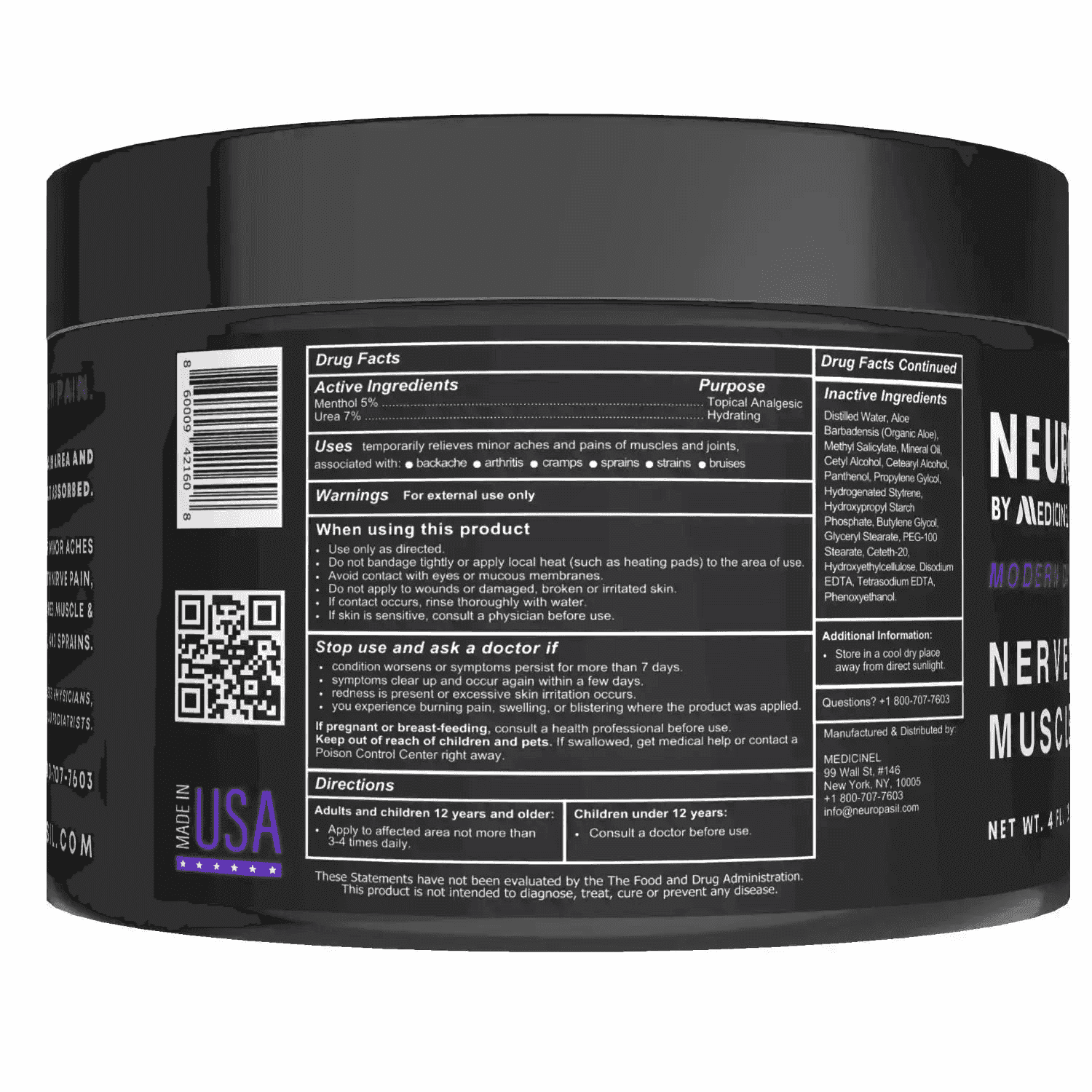
- Topical Pain Relief Creams (such as Neuropasil): This is where we shine! For targeted, fast-acting comfort, a high-quality topical pain relief cream can be a game-changer. Our Neuropasil cream, powered by natural ingredients like Aloe, Urea, and Menthol, is designed to provide soothing relief directly to the affected area. Many of our customers in New York City and beyond find it incredibly effective for neuropathy, fibromyalgia, plantar fasciitis, and of course, sciatica nerve pain. It works by cooling and numbing the area, penetrating deeply to ease discomfort. For more information, explore The Ultimate Guide to Best Cream for Sciatica Pain.
Advanced Options: When to Seek Further Medical Care
While at-home remedies are often effective, there are times when professional medical intervention is necessary. Don't hesitate to seek further care if:
- Your pain lasts longer than a week, is severe, or is worsening despite self-care.
- You experience sudden numbness or muscle weakness in your leg.
- You have trouble controlling your bowels or bladder. These are red flag symptoms requiring immediate medical attention.
- Your pain follows a violent injury.
Here's what advanced treatment options might involve:
- Physical Therapy Guidance: A physical therapist can create a personalized exercise program to strengthen your core muscles, improve flexibility, and teach you proper body mechanics. This is a cornerstone of recovery for many with sciatica.
- Medical Evaluation for Prescription Options: Your doctor might prescribe stronger painkillers, muscle relaxers, tricyclic antidepressants, or anti-seizure medications (like gabapentin) to manage nerve pain.
-
Interventional Procedures:
- Spinal Injections: Corticosteroid injections, such as epidural steroid injections, can deliver anti-inflammatory medication directly to the area around the affected nerve root. These can provide short-term pain relief, typically lasting up to three months.
- Radiofrequency Denervation: This procedure uses radio waves to heat and disable nerves that are sending pain signals.
-
Surgical Options: Surgery is generally considered a last resort, usually for severe cases where conservative treatments have failed after six months, or if there's progressive muscle weakness or loss of bowel/bladder control. Common surgical procedures include:
- Diskectomy/Microdiskectomy: To remove the herniated part of the disc that's pressing on the nerve.
- Laminectomy/Laminotomy: To remove a portion of the vertebral bone (lamina) to create more space for the nerves.
- Spinal Fusion: In some cases, if there's significant instability, vertebrae might be fused together.
For a deeper dive into these options, the Mayo Clinic provides excellent information on sciatica treatment options, and our own Detailed Guide to Sciatica Treatments offers further insights.
Preventing Sciatica and Understanding Your Long-Term Outlook
Preventing sciatica nerve pain is often about making smart lifestyle choices that support spinal health. And for those currently experiencing it, understanding the typical recovery path and potential complications can bring peace of mind and motivate adherence to treatment.
Proactive Steps for Sciatica Prevention
"An ounce of prevention is worth a pound of cure," and this certainly holds true for sciatica. Many cases can be avoided or mitigated by adopting healthy habits:
- Regular Exercise: Keeping our bodies active and strong is paramount. Focus on exercises that strengthen your core muscles (abdominal and back muscles), as these provide crucial support for your spine. Walking and swimming are excellent low-impact options.
- Core Strengthening: A strong core acts like a natural corset for your lower back. Simple exercises like planks can significantly improve spinal stability.
Maintaining Good Posture: Whether you're sitting, standing, or sleeping, good posture minimizes stress on your spine and the sciatic nerve. If you work at a desk, ensure your chair provides good lumbar support, and your feet are flat on the floor. For more on this, check out Maintaining good posture.
Proper Lifting Mechanics: Always lift with your legs, not your back! Bend at your knees and hips, keep the object close to your body, and avoid twisting while lifting. If an object is too heavy or awkward, ask for help.
- Healthy Weight Management: Excess body weight, particularly around the midsection, puts additional strain on the lower back, increasing the risk of sciatica. Maintaining a healthy weight through diet and exercise can significantly reduce this pressure.
- Avoiding Smoking: Nicotine can reduce blood flow to your spinal discs, weakening them and making them more susceptible to injury. Quitting smoking is a powerful step toward overall spinal health.
- Ergonomic Workspace: If you spend hours at a desk, investing in an ergonomic chair and ensuring your computer screen is at eye level can make a big difference in preventing prolonged strain on your back.
The Road to Recovery: Prognosis and Complications
For most individuals, the outlook for sciatica nerve pain is quite positive.
- Typical Recovery Timeline: We often see that sciatica improves within four to six weeks with conservative treatment. Even without specific intervention, many cases resolve on their own. However, if pain persists beyond six weeks to three months, it's considered chronic, and a follow-up with a healthcare provider is essential.
- High Recovery Rate: The vast majority of people—between 80% and 90%—recover from sciatica without needing surgery. This is great news, emphasizing the effectiveness of non-surgical approaches.
- Potential for Chronic Sciatica: While most recover, some individuals may experience persistent or recurrent sciatica. This is why adhering to preventive measures and a long-term management plan is so important.
- Complications of Untreated Sciatica: If left untreated or poorly managed, sciatica can lead to more serious issues. This can include chronic muscle weakness, permanent nerve damage (resulting in loss of feeling), or even "foot drop," where you can't lift the front of your foot.
-
When to Seek Emergency Care: There are certain "red flag" symptoms that require immediate medical attention. These include:
- Sudden, severe pain, numbness, or muscle weakness in a leg.
- Pain that follows a violent injury.
- Loss of bowel or bladder control. This is a symptom of a rare but serious condition called Cauda Equina Syndrome, which requires urgent surgery to prevent permanent damage.
- Progressive weakness or numbness in both legs.
If you experience any of these severe symptoms, especially loss of bowel or bladder control or rapidly worsening weakness, seek emergency medical care immediately. For more details on when sciatica can become an emergency, refer to When Sciatica Is a Medical Emergency.
Frequently Asked Questions About Sciatica
We understand that living with sciatica nerve pain can bring a lot of questions. Here, we address some of the most common concerns we hear.
How long does sciatica pain typically last?
The duration of sciatica nerve pain varies, but for most people, it's a temporary visitor. Acute sciatica, which starts suddenly, often resolves within four to six weeks with conservative treatments like rest, ice, gentle movement, and topical relief. However, if the pain persists for more than 12 weeks, it's considered chronic sciatica. The good news is that even chronic cases can often be managed effectively, though they might require a more comprehensive approach involving physical therapy, medication, or other interventions. Factors like the underlying cause, your overall health, and adherence to treatment can all influence your recovery time.
Can I exercise with sciatica?
Yes, and in most cases, we strongly encourage it! While initial rest for a day or two might be helpful during an acute flare-up, prolonged bed rest is actually counterproductive and can worsen symptoms. Movement is medicine for sciatica. We recommend:
- Low-impact activities: Walking, swimming, and water aerobics are excellent choices as they keep you active without putting excessive strain on your spine.
- Gentle stretches: Incorporate stretches that target your hamstrings, piriformis, and lower back, as these muscles often contribute to sciatic nerve compression. Always stretch gently and within your pain-free range.
- Core strengthening: Exercises that strengthen your abdominal and back muscles (your core) are crucial for supporting your spine and preventing future flare-ups. Think planks, gentle crunches, and other core-stabilizing movements.
It's vital to listen to your body and avoid any exercises that exacerbate your pain. A physical therapist can guide you through a safe and effective exercise program custom to your specific needs.
What is the best sleeping position for sciatica?
Finding a comfortable sleeping position can be a challenge when dealing with sciatica nerve pain. The goal is to minimize pressure on the sciatic nerve and keep your spine in a neutral alignment. Here are our top recommendations:
- Sleeping on your back: Place a pillow under your knees. This helps maintain the natural curve of your spine and reduces pressure on your lower back.
- Sleeping on your side: Place a pillow between your knees. This keeps your hips, pelvis, and spine in better alignment, preventing your top leg from pulling your spine out of position.
- Avoid sleeping on your stomach: This position can flatten the natural curve of your lower back and twist your neck, potentially aggravating sciatica.
Beyond position, ensure your mattress provides adequate support. A mattress that's too soft or too firm can contribute to spinal misalignment. For more tips on getting a good night's rest despite sciatica, explore our guide on How to Get Rid of Sciatica Sleep Pain.
Conclusion: Take Control of Your Sciatica Today
Living with sciatica nerve pain can be incredibly challenging, but relief and recovery are within reach for most people. We've explored what sciatica is, how it manifests, its common causes, and a range of effective strategies for diagnosis, treatment, and prevention.
To recap, sciatica is a symptom of an underlying issue compressing the sciatic nerve, leading to pain, numbness, or tingling down one leg. Common culprits include herniated discs, spinal stenosis, and piriformis syndrome, with risk factors like age, obesity, and occupation playing a significant role. Early diagnosis through medical history and physical exams, sometimes supported by imaging, is key.
The good news is that most cases respond well to a multi-pronged approach involving at-home remedies like hot and cold therapy, gentle stretches, and over-the-counter pain relief. For targeted, fast-acting topical relief, we've seen incredible results with Neuropasil's natural formula, powered by Aloe, Urea, and Menthol, which directly soothes the affected nerves and muscles. For more persistent or severe symptoms, advanced medical care, including physical therapy, prescription medications, or injections, can provide significant relief. Surgery remains a last resort for a small percentage of cases.
Prevention is also a powerful tool in your arsenal. Maintaining good posture, engaging in regular core-strengthening exercises, using proper lifting techniques, managing your weight, and avoiding smoking can all help protect your spine and keep sciatica at bay. Movement is often your friend, and prolonged rest can be detrimental.
We believe no one should have to suffer in silence. If you're experiencing sciatica nerve pain, take control today. Consult with a healthcare professional in New York City to get a proper diagnosis and personalized treatment plan. Combine their medical advice with proactive self-care, including targeted relief solutions.
We're here to help you on your journey back to comfort and mobility. For rapid, soothing relief that helps you get back to living your life, explore our full range of products and find how Neuropasil can make a difference. Unlock Rapid Sciatica Relief Today.
References
- Sciatica. Cleveland Clinic.
- Sciatica - Symptoms and causes. Mayo Clinic.
- Risk Factors, Prevention, and Primary and Secondary Management of Sciatica: An Updated Overview. Cureus.
- What should you do when sciatica flares? Harvard Health.
- A Book: Mayo Clinic Guide to Pain Relief A Book: Mayo Clinic Guide to Pain Relief
- Sciatica. MedlinePlus.
- Sciatica. NHS.
- What Doctors Wish Patients Knew About Sciatica. Henry Ford Health.
- Can Sitting Too Long Cause Leg Pain? Biofreeze.
- Maintaining good posture. Cleveland Clinic.
- Information on sciatica treatment options. Mayo Clinic.
- Scientific overview of degenerative disc disease. Med Arch.
- When Sciatica Is a Medical Emergency. Cleveland Clinic.
- Should You Get an MRI for Low Back Pain? Harvard Health.
- How Smoking Affects Your Back Health. Johns Hopkins Medicine.
- 11 tips for sleeping with sciatica pain. Mayo Clinic Health System.