Why Numbness in Feet Demands Your Attention
Numbness in feet is more than just an annoying sensation—it's often your body's way of signaling that something needs attention. Whether you're an athlete pushing through training, someone managing chronic pain, or simply noticing unusual sensations when you walk, understanding what's happening in your feet is the first step toward finding relief.
Quick Answer: What Causes Numbness in Feet?
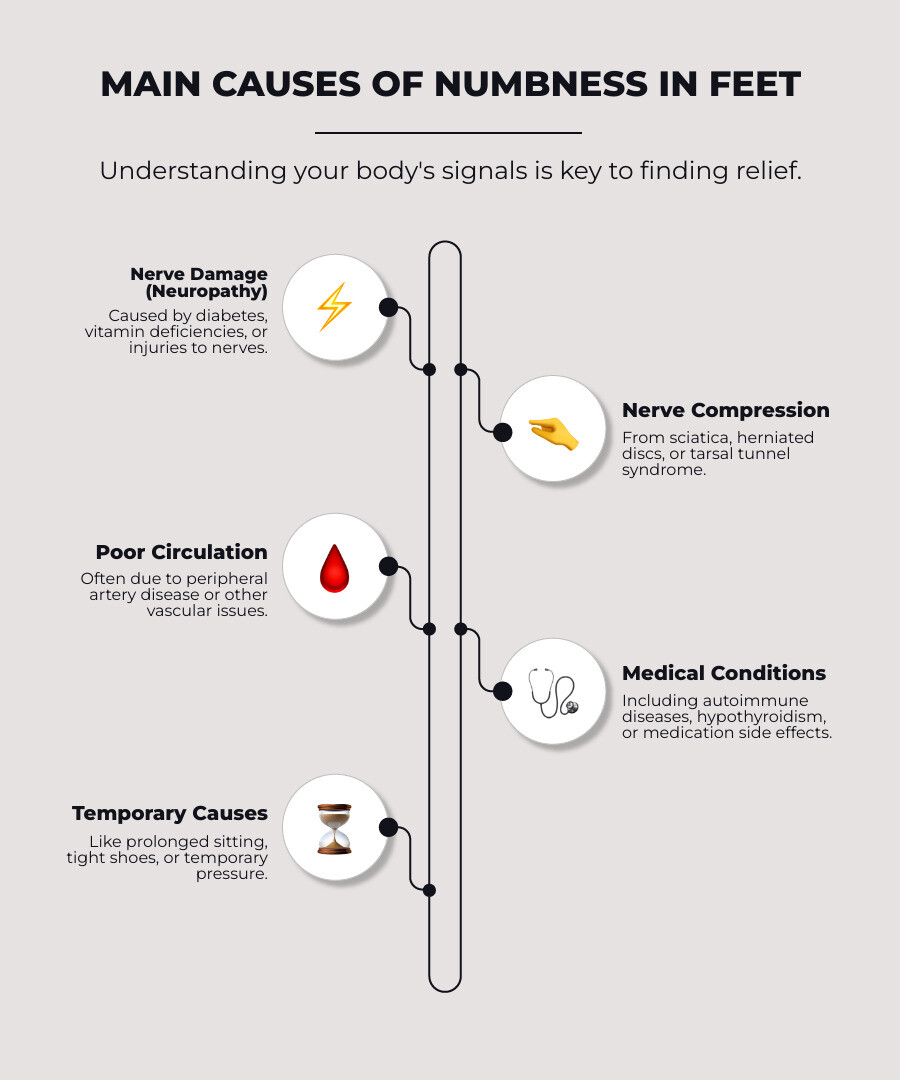
- Nerve damage (peripheral neuropathy) from diabetes, vitamin deficiencies, or injuries
- Nerve compression from conditions like sciatica, herniated discs, or tarsal tunnel syndrome
- Poor circulation due to peripheral artery disease or other vascular issues
- Medical conditions including autoimmune diseases, hypothyroidism, or medication side effects
- Temporary causes like sitting in one position too long or wearing tight shoes
Numbness can feel like your foot is "asleep," with tingling, burning, or a complete loss of sensation. Some people describe it as feeling like leather or cardboard under their feet. Others experience pins and needles, weakness, or balance problems that affect their daily activities.
The statistics are striking. In the UK, almost 1 in 10 people aged 55 or over are affected by peripheral neuropathy. In the United States, diabetes is the leading cause of foot numbness, with more than half of the estimated 38.4 million Americans with diabetes developing some form of neuropathy. Among those with diabetes, about 50% experience long-term loss of sensitivity in their feet.
The good news? Understanding the root cause of your numbness is the first step toward effective management and relief.
I'm Tony Enrico, and through my work with Neuropasil, I've helped thousands of people find relief from nerve pain and numbness in feet caused by conditions like neuropathy, sciatica, and post-workout strain. Our mission is to restore comfort and mobility to one million people across North America by 2028, one person at a time.
Basic numbness in feet terms:
What Foot Numbness Feels Like and When to Worry
When we talk about numbness in feet, we're referring to a loss of sensation that can feel strange and unsettling. It can affect your ability to walk confidently, feel the ground, or even notice small injuries. Many describe a "leather" or "cardboard" feeling on the soles of their feet, while others compare it to the heavy, tingling feeling of a Novocaine injection. Beyond just a lack of feeling, numbness in feet can manifest with a variety of other uncomfortable sensations that hint at deeper issues.

Common Symptoms and Sensations
Numbness in feet is rarely a standalone symptom. It often brings along a host of other sensations that can be equally distressing. These can include:
- Numbness: A complete or partial loss of feeling, making it hard to sense touch, temperature, or pain.
- Prickling: A sensation often described as tiny needles gently pricking the skin.
- Tingling or "pins and needles": A familiar sensation that occurs when nerves are temporarily compressed or irritated, like when your foot "falls asleep."
- Burning or sharp pain: This can range from a dull ache to an intense, searing pain that can be quite debilitating.
- Itching or crawling sensation: An odd, irritating feeling beneath the skin.
- Muscle weakness: Difficulty lifting your foot, pointing your toes, or maintaining balance.
- Loss of coordination: Feeling unsteady on your feet, leading to frequent tripping or falls.
These symptoms, especially when persistent, are often hallmarks of peripheral neuropathy, a condition we'll dig into shortly. You can learn more about these sensations and their implications by exploring Peripheral Neuropathy Symptoms.
When to See a Doctor
While temporary numbness from sitting cross-legged is usually harmless, persistent or worsening numbness is a clear signal to consult a healthcare professional. We recommend making an appointment if you experience:
- Persistent numbness: If the sensation doesn't go away after a few minutes of changing position.
- Worsening symptoms: If the numbness becomes more intense, spreads, or is accompanied by increased pain or other new sensations.
- Numbness spreading to other body parts: If it moves beyond your feet to your legs, hands, or other areas.
- Numbness accompanied by a rash or dizziness: These additional symptoms can point to more serious underlying conditions.
- Frequent tripping or falls: This indicates a significant impact on your balance and coordination, increasing your risk of injury.
- If you have diabetes and notice any new or worsening numbness in your feet, it's crucial to see your doctor or podiatrist promptly.
Early diagnosis and treatment can make a significant difference in managing the condition and preventing further complications.
When to Seek Emergency Care
Certain symptoms accompanying foot numbness are red flags that warrant immediate medical attention. Do not delay if you experience numbness in feet along with any of the following:
- Sudden numbness that comes on rapidly.
- Numbness after a head, neck, or back injury.
- Confusion or difficulty speaking.
- Loss of bladder or bowel control.
- Paralysis or inability to move a limb.
- Numbness involving multiple body parts or an entire side of your body.
- Sudden, severe headache.
- Trouble breathing.
- Loss of consciousness.
- Rapid or sudden weakness.
These symptoms could indicate a stroke, spinal cord injury, or another life-threatening condition. Learn more about stroke symptoms to recognize these critical signs.
The Most Common Causes of Numbness in Feet
Numbness in feet can stem from a wide array of issues, from temporary compression to complex medical conditions. Anything that disrupts nerve signals or blood flow to your feet can cause this sensation. The most common causes are nerve damage, nerve compression, and poor circulation.
In the United States, diabetes stands out as the leading cause of numbness in feet due to nerve damage. This critical insight underscores the importance of managing blood sugar levels for nerve health.
Peripheral Neuropathy: The Leading Culprit
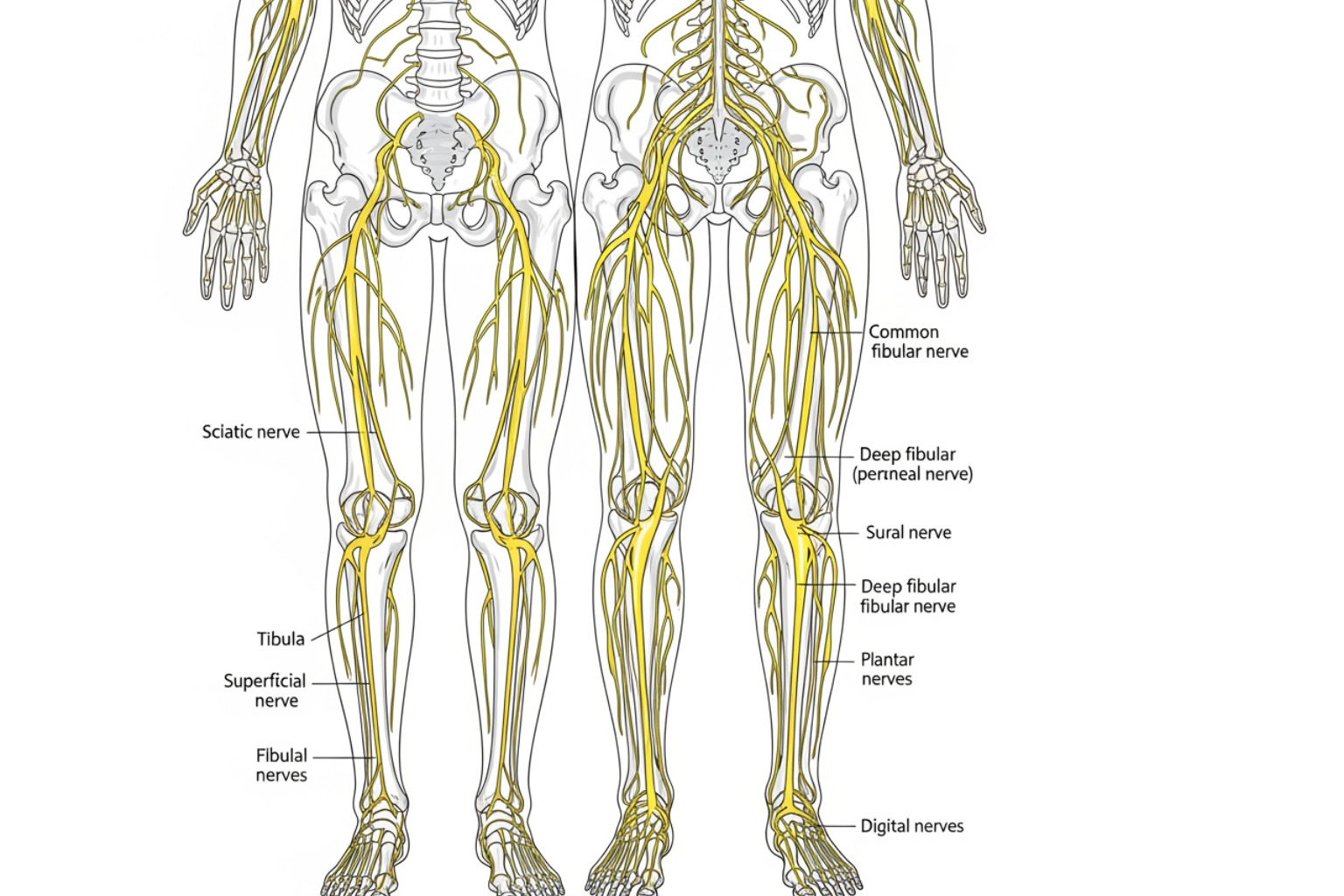
Peripheral neuropathy is damage to the nerves outside your brain and spinal cord. When these nerves are damaged, they can send faulty signals (or no signals at all), leading to sensations like numbness in feet.
These nerves are categorized into three main types:
- Sensory nerves: Responsible for sensations like pain, temperature, touch, and vibration. Damage here causes numbness in feet, tingling, burning, or extreme sensitivity.
- Motor nerves: Control muscle movement. Damage can lead to muscle weakness, cramping, and loss of coordination.
- Autonomic nerves: Regulate involuntary functions like heart rate, digestion, and blood pressure. Damage can cause issues like heat intolerance or digestive problems.
Peripheral neuropathy is a significant health concern. In the UK, it's estimated that almost 1 in 10 people aged 55 or over are affected by this condition. While we don't have an exact equivalent statistic for New York City, the prevalence is certainly high, especially given our aging population and rates of chronic diseases. For a comprehensive overview, you can find more Information on peripheral neuropathy.
The Role of Diabetes in Foot Numbness
Diabetes (both type 1 and type 2) is the most common cause of peripheral neuropathy and numbness in feet in the United States. Known as diabetic neuropathy, this condition arises from prolonged high blood sugar levels that damage nerve fibers over time. It can affect nerves throughout the body, but it most commonly impacts the feet and legs first.
The statistics are sobering: more than half of the estimated 38.4 million Americans with diabetes will develop some type of neuropathy. Among these individuals, about 50% become very familiar with long-term loss of sensitivity, primarily in their feet. This means millions of New Yorkers are living with, or at risk of, diabetic neuropathy.
High glucose levels interfere with nerve signals and damage the small blood vessels that supply nerves with oxygen and nutrients, leading to nerve dysfunction and permanent damage. Managing blood sugar is paramount not just for overall health, but specifically to prevent or slow numbness in feet resulting from diabetes. For more in-depth knowledge on this, explore Research on diabetic neuropathy. If you're experiencing Diabetic Foot Pain, we encourage you to seek professional medical advice.
Nerve Compression and Damage
Beyond systemic conditions like diabetes, numbness in feet can often be traced back to direct pressure or damage to a specific nerve. If a nerve is compressed, it can't transmit signals effectively, leading to numbness, tingling, and pain.
Common causes of nerve compression and damage include:
- Pinched nerves: This is a general term for when surrounding tissues—like bone, cartilage, muscle, or tendon—put too much pressure on a nerve. This can happen anywhere along the nerve's path.
- Sciatica: A well-known condition where the sciatic nerve becomes compressed or irritated, causing numbness, tingling, and pain that radiates from the lower back down the leg to the foot.
- Herniated disc: When one of the soft cushions between your vertebrae slips out of place or ruptures, it can press on nearby spinal nerves, leading to pain and numbness in feet or legs.
- Tarsal tunnel syndrome: This condition is similar to carpal tunnel syndrome but occurs in the foot. The tibial nerve gets compressed in a narrow space in your ankle (the tarsal tunnel), causing numbness, tingling, and pain on the bottom of the foot and toes.
- Morton's neuroma: This isn't a tumor, but rather a thickening of the tissue around a nerve leading to your toes, usually between the third and fourth toes. It can cause a sharp, burning pain and numbness in feet in the affected toes, often feeling like you're standing on a pebble. You can find more Details on Morton's neuroma.
- Spinal stenosis: A narrowing of the spaces within your spine, which can put pressure on the spinal cord and the nerves that branch out from it. This can lead to numbness in feet, weakness, and cramping in the legs, especially during walking.
Poor Circulation and Other Medical Conditions
While nerve damage and compression are primary causes, numbness in feet can also be a symptom of inadequate blood flow or a wide range of other medical conditions.
- Poor Circulation (Peripheral Artery Disease - PAD): When arteries that supply blood to your limbs become narrowed or blocked, your feet don't get enough oxygen-rich blood. This causes numbness, cramping, and pain, especially during exercise.
- Autoimmune diseases: Conditions where your immune system mistakenly attacks your own body can also damage nerves. Examples include Lupus, Multiple Sclerosis (MS), and Rheumatoid Arthritis.
- Vitamin B deficiencies: A deficiency in B vitamins (especially B12, B6, and B1), which are crucial for nerve health, can lead to peripheral neuropathy and foot numbness. Vegetarians, vegans, and older adults are sometimes at higher risk for B12 deficiency. For more information, read this Scientific review on vitamin B12 deficiency.
- Alcohol use disorder: Chronic heavy alcohol consumption can lead to alcoholic neuropathy, damaging nerves and causing numbness in feet, tingling, and pain.
- Kidney disease: When kidneys fail to function properly, toxins can build up in the blood, leading to nerve damage and neuropathy.
- Hypothyroidism: An underactive thyroid can also cause nerve damage and numbness in feet if left untreated.
- Chemotherapy side effects: Certain chemotherapy drugs used to treat cancer can cause chemotherapy-induced peripheral neuropathy (CIPN), a common side effect leading to numbness in feet and hands.
How Doctors Diagnose and Treat Foot Numbness
Understanding the cause of your numbness in feet is like being a detective. Your doctor needs to gather clues from your symptoms, medical history, and various tests to pinpoint the exact reason behind your discomfort. This comprehensive approach is crucial because effective treatment hinges entirely on a correct diagnosis. Our goal, and your doctor's, is to not only alleviate your symptoms but to address the root cause, preventing further nerve damage and improving your quality of life.
How Doctors Find the Cause
When you visit a healthcare professional for numbness in feet, they will typically follow a structured diagnostic process:
- Medical history review: Your doctor will ask detailed questions about your symptoms (when they started, what they feel like, what makes them better or worse), your general health, medications you're taking, lifestyle habits (alcohol use, diet), and family history. This helps them narrow down potential causes.
- Physical examination: This includes a thorough neurological exam to assess your reflexes, muscle strength, balance, coordination, and your ability to feel touch, temperature, and vibration in your feet.
- Blood tests: These can check for various conditions that cause numbness in feet, such as diabetes (blood sugar levels), vitamin deficiencies (especially B12), thyroid problems, kidney disease, and markers for autoimmune disorders or infections.
-
Imaging scans:
- MRI (Magnetic Resonance Imaging) or CT scan (Computed Tomography) of your spine can reveal herniated discs, spinal stenosis, or other structural issues that might be compressing nerves.
- X-rays can identify bone abnormalities.
-
Nerve-specific tests:
- Nerve Conduction Studies (NCS): These tests measure how quickly electrical signals travel through your nerves, helping to identify nerve damage or compression. You can learn more about Details on nerve conduction studies.
- Electromyography (EMG): Often performed alongside NCS, an EMG measures the electrical activity of your muscles, which can indicate if a nerve is damaged or if there's a problem with the muscle itself.
- Nerve biopsy: In some cases, a small sample of nerve tissue may be taken and examined under a microscope to identify the type of nerve damage.
Medical Treatment Pathways
Once the underlying cause of your numbness in feet is identified, your healthcare provider will develop a personalized treatment plan. The primary goal is always to address the root cause, but supportive therapies are also crucial for symptom management and improving daily function.
Treatment options may include:
- Managing underlying conditions: This is foundational. For instance, if diabetes is the cause, strict blood sugar control is essential to prevent further nerve damage and potentially improve existing numbness in feet. For those with vitamin deficiencies, supplementation is key. Treating autoimmune diseases, kidney problems, or hypothyroidism will also help resolve nerve symptoms.
- Physical therapy: A physical therapist can help improve strength, balance, and coordination, especially if muscle weakness or gait issues accompany your numbness in feet. They can also teach exercises to improve circulation and nerve function.
-
Medications:
- Nerve pain medications: Your doctor might prescribe medications specifically designed to treat neuropathic pain, such as gabapentin, pregabalin, or certain antidepressants.
- Anti-inflammatory drugs: If nerve compression is due to inflammation, anti-inflammatory medications might be used.
- Lifestyle modifications: Quitting smoking, reducing alcohol intake, maintaining a healthy weight, and eating a balanced diet are crucial for overall nerve health.
- Nerve decompression: If nerve compression (like in tarsal tunnel syndrome, Morton's neuroma, or a herniated disc) is the cause, surgical intervention may be recommended by a healthcare provider to relieve the pressure on the nerve.
- Targeted topical relief: For localized numbness in feet, tingling, or associated pain, topical creams can offer soothing relief. Our Neuropasil Nerve Pain Relief Cream, for example, is formulated with natural ingredients like Aloe, Urea, and Menthol to provide fast-acting, targeted comfort for nerve pain. It can be a valuable part of a comprehensive pain management strategy. Learn more about 7 Proven Diabetic Neuropathy Treatments for Fast Relief: How Neuropasil Cream Can Help.
Managing and Preventing Numbness in Your Feet at Home
While medical treatment is vital for diagnosing and treating the underlying causes of numbness in feet, you can also do a lot at home to manage symptoms, prevent complications, and support nerve health. These lifestyle and foot care practices can improve your quality of life and reduce future risks.
Prevention and Daily Foot Care
Taking a proactive approach to your foot health is especially important if you're at risk for numbness in feet, such as if you have diabetes or a family history of neuropathy.
- Managing diabetes: If you have diabetes, diligent blood sugar control is the single most important step. Consistent management can prevent nerve damage from worsening and may even improve existing symptoms.
- Eating a healthy diet: A diet rich in fruits, vegetables, whole grains, and lean proteins provides the nutrients your nerves need to function optimally. Pay attention to your intake of B vitamins, which are crucial for nerve health.
- Regular exercise: Regular exercise, like walking, improves circulation and strengthens muscles, which helps with balance. Aim for 30 minutes, three times a week, with your doctor's approval.
- Avoiding excessive alcohol: Heavy alcohol use is a known cause of nerve damage. Limiting or avoiding alcohol can protect your nerves.
- Quitting smoking: Smoking constricts blood vessels, reducing blood flow to your extremities and exacerbating nerve damage. Quitting is one of the best things you can do for your circulation and nerve health.
- Daily foot inspection for cuts or sores: With foot numbness, you might not feel minor injuries. Inspect your feet daily for cuts, blisters, redness, or swelling. Use a mirror to check the soles.
- Wearing proper-fitting shoes: Choose comfortable, supportive shoes that don't pinch or rub. Avoid shoes that are too tight or too loose. This helps prevent pressure on nerves and reduces the risk of skin breakdown. Tips for diabetic foot care emphasize the importance of proper footwear.
Home Remedies for Relief from Numbness in Feet
While these remedies won't cure the underlying cause, they can offer temporary relief and comfort for numbness in feet and associated symptoms:
- Warm soaks: Soaking your feet in warm (not hot!) water can help improve blood flow and soothe discomfort. Always check the water temperature with your hand or elbow first if you have reduced sensation in your feet to avoid burns.
- Epsom salt baths: Adding Epsom salts to a warm foot bath may provide additional muscle relaxation and soothe aching feet.
- Gentle massage: Massaging your feet can stimulate blood flow and temporarily relieve tingling or numbness in feet. You can do this yourself or ask a loved one for help.
- Staying active with walking or swimming: Regular, gentle movement can significantly improve circulation and nerve function. Activities like walking, swimming, or tai chi can be beneficial.
- Supportive shoes: As mentioned, wearing shoes that provide good cushioning and support can reduce pressure on nerves and make walking more comfortable.
- Topical creams with natural ingredients: For targeted, soothing relief from nerve pain, tingling, and numbness in feet, consider a high-quality topical cream. Our Neuropasil Nerve Pain Relief Cream, for instance, is formulated with Aloe, Urea, and Menthol to provide fast-acting comfort, penetrating deeply to soothe discomfort. Many of our customers find it effective for managing symptoms of neuropathy, sciatica, and general aches. Find how we offer Nerve Pain Relief with Neuropasil Natural Solutions.
Frequently Asked Questions about Foot Numbness
Can anxiety cause numbness in feet?
Yes, anxiety and panic attacks can cause temporary numbness in feet or tingling (paresthesia). This often happens due to hyperventilation (rapid, shallow breathing) during an anxiety attack, which changes the balance of carbon dioxide and oxygen in your blood, leading to blood vessel constriction and reduced blood flow to the extremities. While temporary and usually resolving once the anxiety subsides, persistent numbness in feet should always be evaluated by a doctor to rule out other, potentially more serious, causes.
What vitamin deficiency causes numbness in feet?
Deficiencies in B vitamins are well-known causes of peripheral neuropathy and can lead to numbness in feet and tingling. Specifically:
- Vitamin B12 (cobalamin): This is perhaps the most common vitamin deficiency linked to neuropathy. B12 is essential for nerve health and the production of myelin, the protective sheath around nerves.
- Vitamin B1 (thiamine): Deficiency can lead to a condition called beriberi, which includes neurological symptoms like numbness in feet.
- Vitamin B6 (pyridoxine): While deficiency can cause neuropathy, too much B6 can also be toxic to nerves, so supplementation should be done under medical guidance. Other deficiencies, such as copper or Vitamin E, can also rarely contribute to nerve issues.
Can foot numbness be reversed?
The reversibility of numbness in feet depends entirely on its underlying cause and the extent of nerve damage.
- Temporary causes: Numbness from temporary nerve compression (like sitting in a bad position) or a corrected vitamin deficiency (e.g., B12 supplementation) often resolves completely.
- Acute injuries: Numbness resulting from an acute nerve injury might improve or reverse with proper treatment and time, especially if the nerve damage is not severe.
- Chronic conditions: For numbness in feet caused by chronic conditions like diabetes or multiple sclerosis, full reversal is often not possible. However, the goal of treatment is to manage the condition, prevent progression, alleviate symptoms, and improve quality of life. Early diagnosis and diligent management are crucial to minimize further nerve damage.
Conclusion: Don't Ignore the Signals from Your Feet
Numbness in feet is a common yet complex symptom that demands our attention. As we've explored, it can range from a fleeting inconvenience caused by a poor posture to a critical indicator of serious underlying health conditions like diabetes, nerve compression, or autoimmune diseases. The sensations, often described as feeling like leather, cardboard, or pins and needles, can significantly impact your daily life, affecting balance, mobility, and your overall sense of well-being.
The statistics highlight the widespread nature of conditions like peripheral neuropathy, particularly among specific populations. In the US, the strong link between diabetes and numbness in feet underscores the critical importance of proactive health management. Ignoring these signals can lead to severe complications, including falls, unnoticed foot injuries, ulcers, and infections, which can have devastating consequences.
The good news is that understanding is the first step toward action. By recognizing the symptoms, knowing when to seek medical help—whether for persistent numbness or emergency situations—and understanding the diagnostic process, you empower yourself to take control of your nerve health. While doctors work to uncover the root cause through comprehensive evaluations, you can actively contribute to your well-being through lifestyle adjustments, diligent foot care, and supportive home remedies.
For those experiencing the discomfort of numbness in feet and associated nerve pain, solutions are available. Our Neuropasil Nerve Pain Relief Cream provides targeted, soothing relief, helping to alleviate symptoms like tingling, burning, and general nerve discomfort. We are committed to helping you find comfort and regain your quality of life.
Don't let numbness in feet diminish your mobility or peace of mind. Take the proactive step today to consult with a healthcare professional and explore effective management strategies. Your feet carry you through life, and they deserve your care and attention.
Explore solutions and information for nerve pain on our blog, or visit Neuropasil.com to learn more about our targeted relief products. For direct relief, consider our Neuropasil Nerve Pain Relief Cream.
References
- Badar A. (2022). Neuropsychiatric disorders associated with vitamin B12 deficiency: An autobiographical case report. PMC. Available at: https://pmc.ncbi.nlm.nih.gov/articles/PMC8858590/
- Centers for Disease Control and Prevention. (n.d.). Your feet and diabetes. Available at: https://www.cdc.gov/diabetes/diabetes-complications/diabetes-and-your-feet.html
- Feldman EL, et al. (2020). Diabetic neuropathy. PMC. Available at: https://pmc.ncbi.nlm.nih.gov/articles/PMC7096070/
- Healthline. (n.d.). Numbness in Feet: Symptoms, Causes, and Treatments. Available at: https://www.healthline.com/health/numbness-of-foot
- Hopkins Medicine. (n.d.). Nerve conduction studies. Available at: https://www.hopkinsmedicine.org/health/treatment-tests-and-therapies/nerve-conduction-studies
- Hopkins Medicine. (n.d.). Peripheral neuropathy. Available at: https://www.hopkinsmedicine.org/health/conditions-and-diseases/peripheral-neuropathy
- Mayo Clinic. (n.d.). Peripheral neuropathy - Symptoms and causes. Available at: https://www.mayoclinic.org/diseases-conditions/peripheral-neuropathy/symptoms-causes/syc-20352061
- National Health Service (NHS) UK. (n.d.). Peripheral neuropathy. Available at: https://www.nhs.uk/conditions/peripheral-neuropathy/
- Orthoinfo by AAOS. (n.d.). Morton's Neuroma. Available at: https://orthoinfo.aaos.org/en/diseases--conditions/mortons-neuroma
- Stroke.org. (n.d.). Stroke symptoms. Available at: https://www.stroke.org/en/about-stroke/stroke-symptoms
- The National Institute of Diabetes and Digestive and Kidney Diseases (NIDDK). (n.d.). Diabetes Statistics. Available at: https://diabetes.org/about-diabetes/statistics/about-diabetes