Why Topical Pain Relief Works for Arthritis
Pain cream for arthritis can provide targeted relief without the side effects of oral medications. If you're looking for quick answers, here are the most effective options:
Top Arthritis Pain Cream Ingredients:
- Topical NSAIDs (Diclofenac) - Most effective, reduces inflammation directly at the joint
- Capsaicin - Blocks pain signals, best for long-term relief with consistent use
- Counterirritants (Menthol, Camphor) - Provide immediate cooling or warming sensation to distract from pain
- Salicylates - Mild anti-inflammatory effect, similar to aspirin
- Natural Ingredients (Aloe, Urea) - Soothe skin and support joint comfort
Swollen, stiff joints from arthritis can make even simple tasks feel impossible. Whether it's opening a jar, walking up stairs, or just getting out of bed, arthritis pain limits your ability to move and enjoy life.
The good news? You have options beyond pills.
Topical pain creams deliver medicine directly to the painful joint through your skin. Unlike oral medications that circulate through your entire body, topical treatments target the source of pain with minimal systemic absorption. This means fewer side effects like stomach upset, liver stress, or increased cardiovascular risk.
Research, including a comprehensive Cochrane review, shows that topical NSAIDs like diclofenac are highly effective for osteoarthritis pain, especially in joints close to the skin surface such as hands, knees, and feet. The review found that about 60% of people experience significant pain relief within 6-12 weeks of consistent use. Even better, studies show topical formulas are less likely to cause GI issues or liver damage compared to oral NSAIDs because of lower systemic absorption.
But not all pain creams work the same way. Some use cooling sensations to distract from pain. Others block pain signals at the nerve level. And some reduce inflammation directly at the joint. Understanding these differences helps you choose the right product for your specific needs.
I'm Tony Enrico, founder of Neuropasil, and I've dedicated my career to helping people find real relief from chronic pain, including arthritis. Pain cream for arthritis isn't just about managing symptoms—it's about restoring your ability to live fully, move freely, and do what you love without limitation.
Basic Pain cream for arthritis glossary:
Understanding the Active Ingredients in Arthritis Creams
When we look for effective pain cream for arthritis, understanding the active ingredients is key. These creams work by penetrating the skin to deliver their pain-relieving compounds directly to the affected area. This targeted approach means the medication can get right to work where it's needed most, offering relief without having to travel through your entire system. Each type of ingredient has a unique way of battling pain, from numbing sensations to reducing inflammation.

Counterirritants
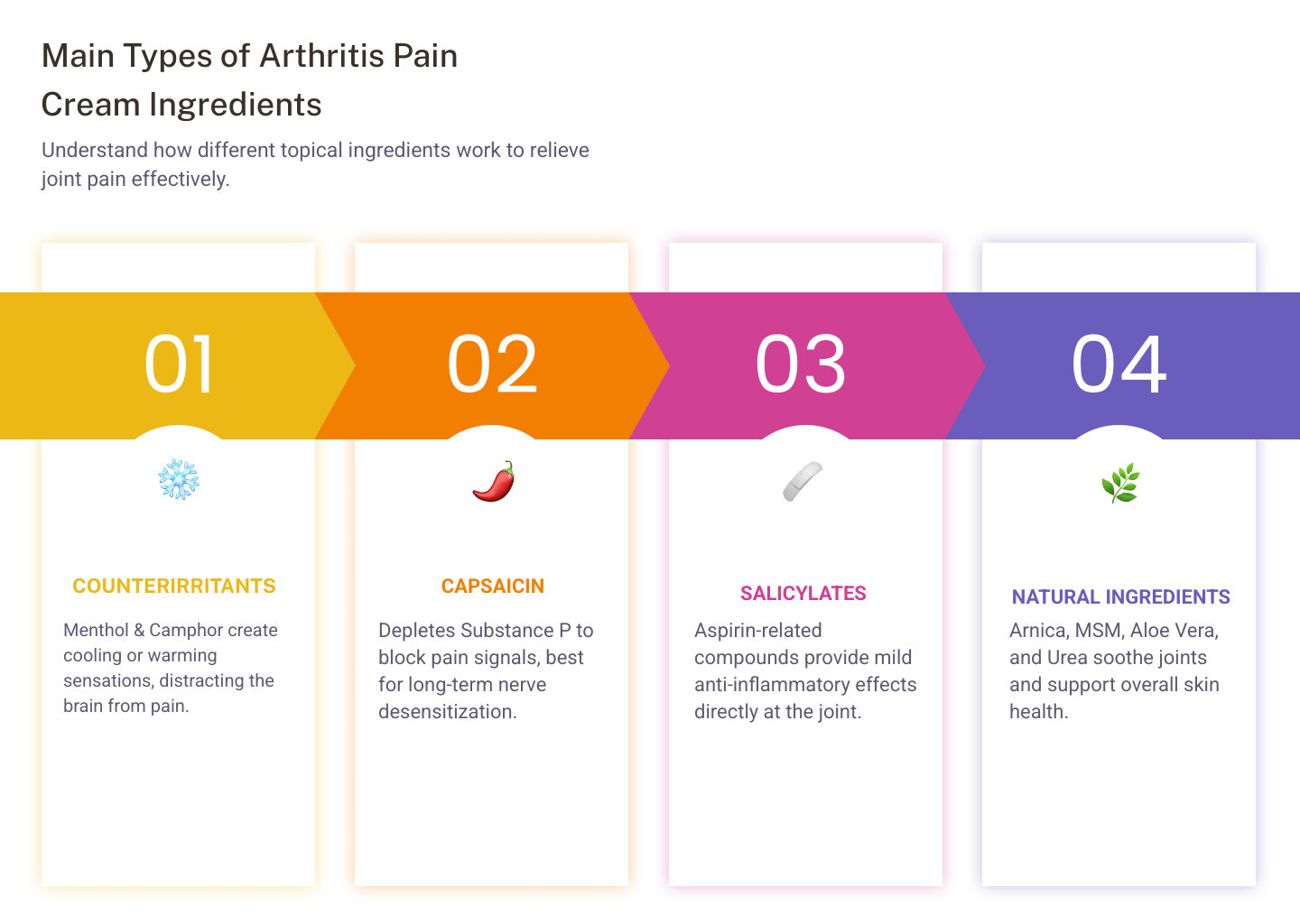
Imagine rubbing something on your skin that makes it feel cool, then warm. That's the magic of counterirritants like menthol and camphor. These ingredients don't directly stop the pain; instead, they create a strong, distracting sensation on your skin. This sensation "overrides" the pain signals your brain receives from the arthritic joint. It's a bit like shouting over a quiet conversation – your brain focuses on the new, stronger sensation, and the arthritis pain fades into the background. This is often explained by the "gate control theory" of pain, a scientific theory explaining how non-painful signals can interfere with pain signals before they reach the brain.
Menthol provides an initial cooling effect, often followed by a warming sensation. Camphor, also present in many popular creams, contributes to this warming and cooling dynamic. Research confirms that formulas with counterirritants like camphor and menthol are helpful for relieving muscular aches by creating a distracting sensation.
Capsaicin
For those who like a bit of spice, capsaicin might be your go-to. Derived from chili peppers, capsaicin works in a fascinating way. Initially, it might cause a mild burning or warming sensation. But with consistent use, it depletes a chemical in nerve cells called Substance P, which is responsible for sending pain messages to your brain. As confirmed by sources like the Mayo Clinic, reducing Substance P effectively "desensitizes" the nerve endings in the treated area over time, leading to long-term pain reduction.
Capsaicin creams require patience. We recommend using them several times a day, and it can take up to two weeks to feel the full effects. Clinical reviews have found it to be effective for some types of nerve pain and for knee osteoarthritis. Just remember, it's potent stuff, so always wash your hands thoroughly after application and avoid touching your eyes!
Salicylates
If you're familiar with aspirin, you're already acquainted with salicylates. These compounds are chemically similar to the active ingredient in aspirin and work by reducing inflammation and pain. When applied topically, salicylates, such as methyl salicylate or trolamine salicylate, offer a mild anti-inflammatory effect directly at the joint.
While their anti-inflammatory action might be milder than topical NSAIDs, salicylates can still provide welcome relief for minor aches and pains associated with arthritis. We often suggest them for individuals looking for a gentler approach to reducing inflammation. However, it's important to note that if you have an aspirin allergy or are taking blood thinners, you should consult your doctor before using salicylate-containing creams.
Natural & Alternative Ingredients
Beyond the more common pharmaceutical ingredients, a growing number of pain cream for arthritis options incorporate natural and alternative ingredients. These often aim to soothe, hydrate, and support the body's natural healing processes.
For example, we at Neuropasil harness the power of ingredients like Arnica, MSM, Aloe Vera, and Urea. Studies have explored Arnica for bruising and osteoarthritis pain. MSM (methylsulfonylmethane) is a sulfur compound that research suggests may reduce inflammation and support joint health. Aloe Vera is renowned for its soothing and anti-inflammatory properties, which are documented in dermatological research. Urea is a well-known ingredient in dermatology that helps to improve skin penetration, allowing other active ingredients to reach deeper. These natural components work synergistically to provide comforting relief and are part of our commitment to holistic wellness. Many loyal customers testify to using our creams for joint discomfort and muscle soreness. To explore more about how our natural ingredients can help you find relief, visit our products page.
Topical vs. Oral Pain Relief: Why Topicals Are a Safer Choice for Arthritis
When dealing with arthritis pain, you essentially have two main delivery methods for medication: oral (pills you swallow) and topical (creams, gels, or patches you apply to your skin). While oral medications can be very effective, they come with a higher risk of systemic side effects because the drug travels throughout your entire body. This is where topical treatments shine, offering a generally safer alternative, especially for localized pain.
Topical pain relief works by delivering medication directly to the source of your pain. This means less of the drug enters your bloodstream compared to taking a pill. For instance, pharmacokinetic studies on diclofenac gel show that systemic exposure is significantly lower with topical application than with oral administration. This reduced systemic absorption, as highlighted in a 2020 review in Rheumatology and Therapy, translates to a much lower risk of widespread side effects.
Here's a quick comparison, based on information from health authorities like the Mayo Clinic and clinical reviews, to illustrate the differences:
| Feature | Topical Pain Relief | Oral Pain Relief (NSAIDs) |
|---|---|---|
| Delivery | Direct to affected area (localized) | Throughout the entire body (systemic) |
| GI Side Effects | Much lower risk of stomach upset, ulcers, bleeding | Higher risk of stomach bleeding, ulcers, and discomfort |
| Liver/Kidney Risk | Significantly lower risk of damage | Higher risk, especially with long-term use |
| Heart Problems | Lower risk compared to oral NSAIDs | Increased risk of heart attack, stroke, blood pressure |
| Speed of Relief | Can be fast (counterirritants) or gradual (capsaicin, NSAIDs) | Generally 30-60 minutes |
| Ideal Use Cases | Localized arthritis pain (knees, hands, feet, elbows), mild-to-moderate pain, those sensitive to oral meds | Widespread pain, severe pain, inflammatory conditions |
The benefits of topical pain relief are clear:
- Lower Systemic Absorption: As mentioned, less of the drug enters your bloodstream, reducing the burden on your internal organs.
- Fewer GI Issues: Oral NSAIDs are notorious for causing stomach upset, heartburn, and even serious gastrointestinal bleeding. Topical NSAIDs are much less likely to cause these problems.
- Safer for Older Adults: With age, our bodies become more sensitive to medications. Topical creams can be a gentler option for older individuals who might be at higher risk for side effects from oral drugs.
- Safer for Heart/Kidney Conditions: For people with pre-existing heart or kidney problems, oral NSAIDs can pose significant risks. Research indicates that topical NSAIDs, like diclofenac, are often preferable because they cause fewer side effects than NSAID pills, making them a safer choice for these individuals. Research indicates that diclofenac gel is effective at relieving pain and stiffness caused by arthritis and, due to its favorable safety profile, may be preferable for older people or those with heart or kidney problems.
This is why we champion topical solutions like our Neuropasil cream. We believe in providing effective relief while prioritizing your overall well-being.
Our Top Pick: The Best Over-the-Counter Arthritis Pain Cream
When it comes to choosing the best over-the-counter pain cream for arthritis, we believe in solutions that are both effective and gentle. Our search focuses on products that offer targeted relief, have a favorable safety profile, and are backed by positive user experiences. After careful consideration of various active ingredients, formulations, and customer feedback, we're proud to highlight our own Neuropasil cream as a premier choice for arthritis pain relief.

We selected Neuropasil based on several key criteria:
- Active Ingredients: A powerful yet balanced blend that addresses pain and inflammation.
- User Reviews: Consistent positive feedback from individuals experiencing various types of localized pain.
- Value: Providing significant relief without unnecessary side effects or harsh chemicals.
Why Neuropasil is the Best Choice for Arthritis Pain Relief
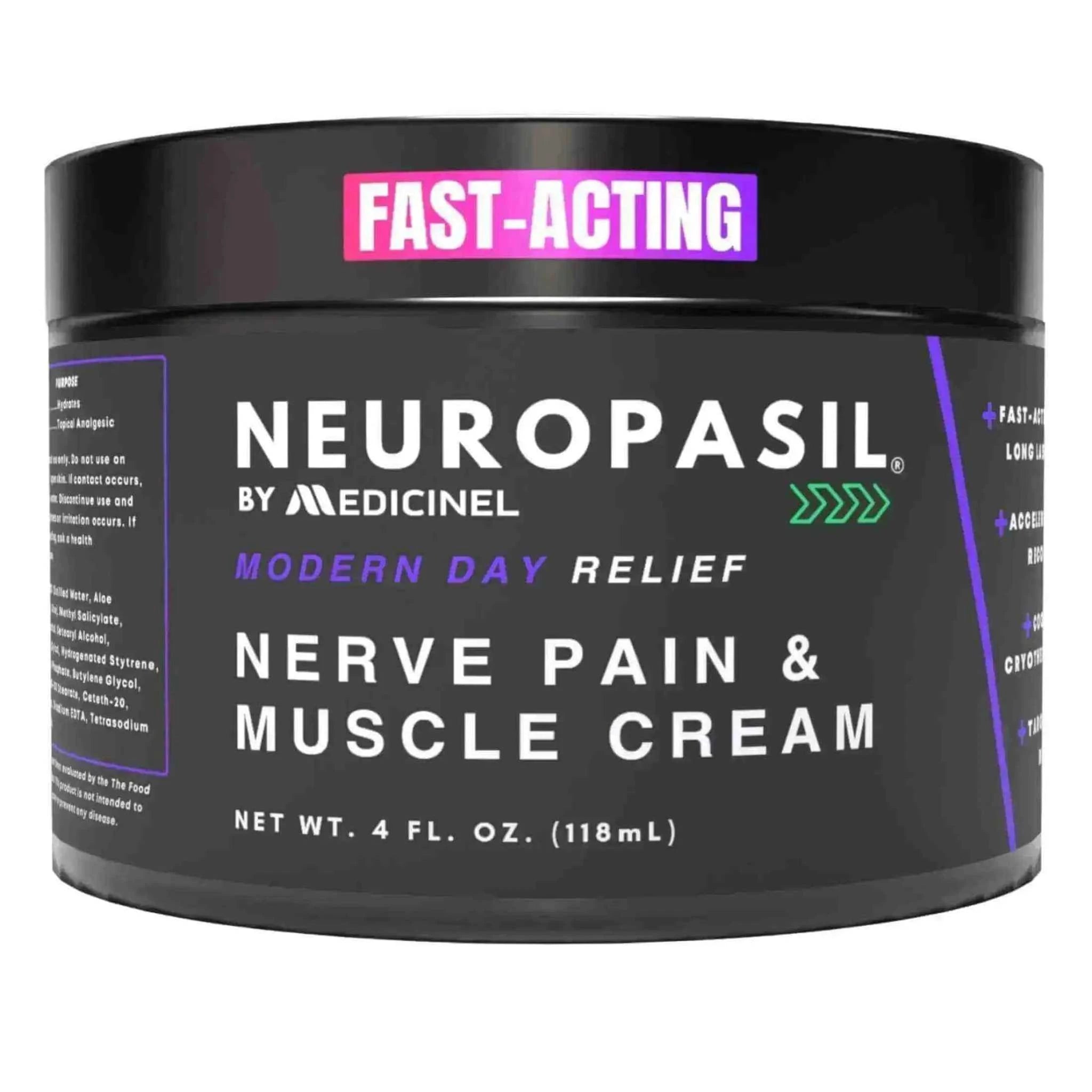
At Neuropasil, we've formulated our cream to be a natural, fast-acting solution for a wide range of discomforts, including arthritis pain. Our unique blend of active ingredients works synergistically to deliver soothing relief directly to your joints.
Our key active ingredients include:
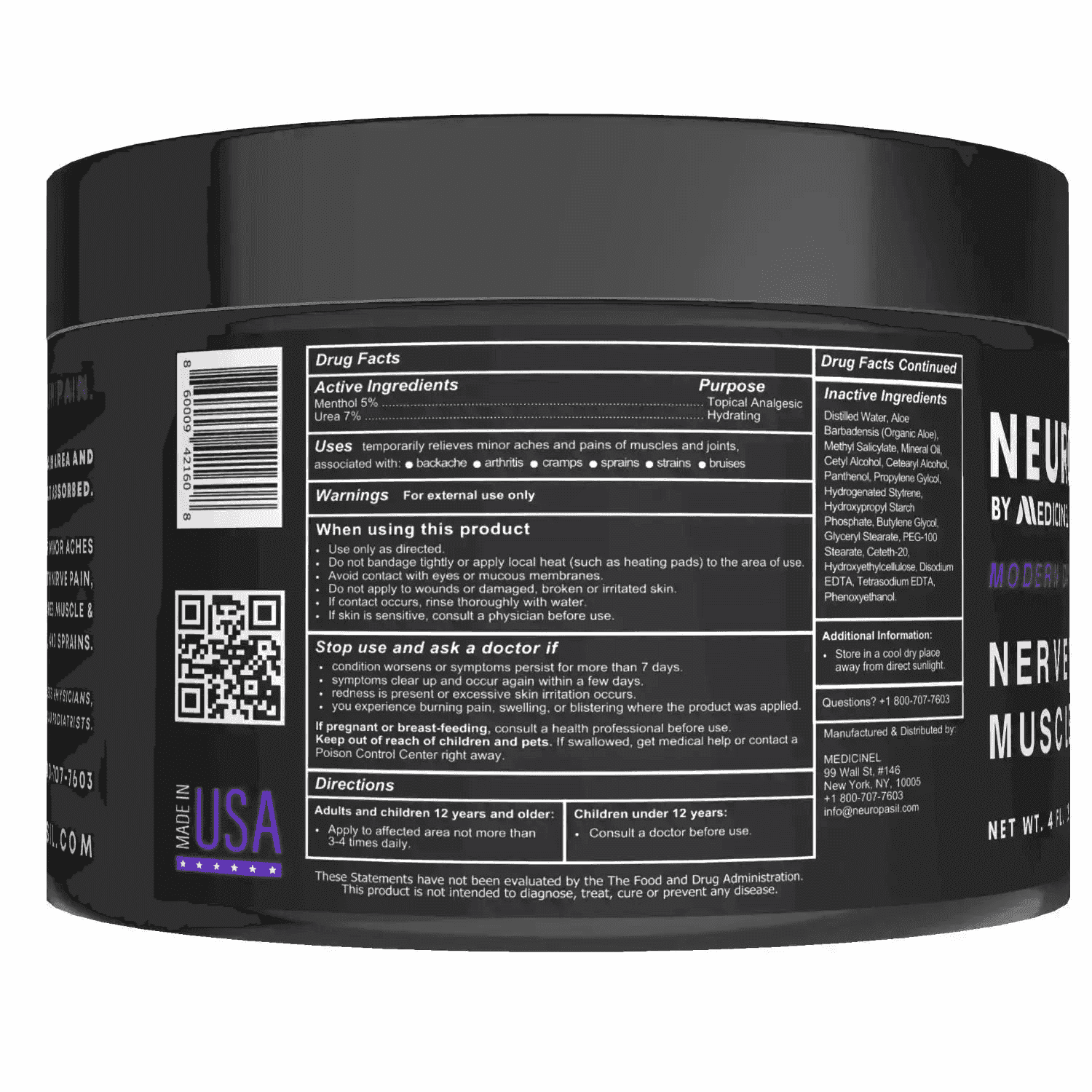
- Menthol: As a counterirritant, menthol provides that immediate cooling sensation that helps to distract from pain. It's excellent for quick, noticeable relief, offering a refreshing feeling to sore joints.
- Aloe Vera: Known for its anti-inflammatory and soothing properties, Aloe Vera helps to calm irritated skin and supports the healing process. It also contributes to the cream's smooth application and skin-friendly nature.
- Urea: This ingredient is a humectant and keratolytic, meaning it helps to hydrate the skin and improve the absorption of other active ingredients. This ensures that the pain-relieving compounds penetrate effectively to reach the deeper tissues and joints.
We've designed Neuropasil to be a natural, fast-acting formula that quickly soothes joint discomfort and muscle soreness. It's non-greasy, absorbing quickly into the skin without leaving a sticky residue, which is a major plus for daily use. Our customers in New York City and beyond use Neuropasil not just for arthritis, but also for neuropathy, sciatica, fibromyalgia, plantar fasciitis, strains, sprains, general aches and pains, joint discomfort, back and neck pain, cramps, and aching feet. Athletes even use it for post-workout muscle recovery. We believe in providing targeted, soothing relief that helps you get back to living your life to the fullest.
To experience the targeted relief Neuropasil offers, we invite you to discover Neuropasil for targeted relief.
How to Choose and Use Your Pain Cream for Arthritis
Choosing and using the right pain cream for arthritis can feel like a maze, but with a little guidance, you can maximize benefits and minimize risks. It's all about personalizing your approach to find what works best for your unique body and pain.
Factors to Consider When Choosing a Pain Cream for Arthritis
When standing in the aisle, or browsing online, consider these points to help narrow down your options:
- Ingredient Preference: Do you prefer the immediate sensation of counterirritants, the long-term nerve desensitization of capsaicin, or the anti-inflammatory action of NSAIDs or salicylates? If you're looking for natural ingredients that soothe and support, our Neuropasil cream with menthol, aloe, and urea might be an excellent fit.
- Scent Tolerance: Some creams have a strong medicinal odor due to menthol or camphor. If you're sensitive to smells, look for "odor-free" options or "vanishing scent" formulas.
- Location of Pain: As noted by the Mayo Clinic, topical creams work best on joints close to the surface of the skin, such as your hands, wrists, elbows, knees, feet, and ankles. They may be less effective for deep-seated pain in areas like the hips or shoulders.
- Type of Arthritis: While many creams help with general arthritis pain, some ingredients might be more suited for specific types. For osteoarthritis, topical NSAIDs like diclofenac are often highly recommended based on strong evidence from clinical trials and reviews.
- Skin Sensitivity: If your skin is easily irritated, you might want to avoid capsaicin initially or perform a patch test with any new product. Some individuals might also react to the strong sensations of menthol or camphor.
Safe Application Guide
Using your pain cream for arthritis safely is just as important as choosing the right one. We want you to get relief without any unwelcome surprises.
- Patch Test First: Before applying any new cream generously, try a small amount on an inconspicuous area of skin (like your forearm) to check for any irritation or allergic reaction.
- Apply a Thin Layer: More isn't always better. Apply just enough cream to cover the affected area. Rub it in gently until it's absorbed, but avoid excessive rubbing that could irritate the skin. For certain products, such as some diclofenac gels, use the provided dosing card for precise measurement.
- Wash Hands Thoroughly: This is crucial, especially with capsaicin-containing creams. Residual cream on your hands can cause burning if you touch your eyes, nose, or other sensitive areas. Use soap and water after each application, or wear gloves during application.
- Avoid Broken or Irritated Skin: Never apply arthritis creams to cuts, wounds, or skin that is already irritated or damaged. This can lead to increased absorption, irritation, or even infection.
- Do Not Use with Heating Pads or Tight Bandages: Health authorities like the Mayo Clinic warn against combining creams with external heat sources like heating pads. This can increase absorption and intensify sensations, potentially leading to burns or severe irritation.
- Follow Package Directions: Always read and adhere to the specific instructions on the product label regarding frequency of use, amount to apply, and any other warnings. For instance, most OTC creams recommend applying no more than 3 to 4 times daily.
When to See a Doctor About Your Arthritis Pain
While pain cream for arthritis can be incredibly helpful, it's not a substitute for professional medical advice. We urge you to consult a doctor if:
- Pain Worsens or Doesn't Improve: If your pain intensifies or doesn't show any improvement after 1-2 weeks of consistent use of an OTC cream, it's time to seek medical guidance.
- Signs of Allergic Reaction: Redness, excessive itching, swelling, blistering, or a rash at the application site could indicate an allergic reaction. Stop using the product and consult a healthcare professional.
- Pain Accompanied by Fever or Swelling: These could be signs of an infection or a more serious underlying condition that requires immediate medical attention.
- Pre-existing Conditions: If you have heart disease, kidney problems, liver disease, stomach issues, asthma, or are taking blood thinners, always consult your doctor before starting any new pain relief cream, especially those containing NSAIDs or salicylates. Your doctor can advise on potential interactions or risks.
- Pregnancy or Breastfeeding: If you are pregnant or breastfeeding, discuss any pain relief options with your healthcare provider. For example, the FDA advises against using NSAIDs like diclofenac after 20 weeks of gestation due to potential risks to the unborn baby.
For more comprehensive information on treatments absorbed through your skin, the Mayo Clinic offers valuable guidance. We encourage you to refer to their resources for further reading on arthritis pain: treatments absorbed through your skin.
Conclusion: Finding Your Go-To Arthritis Pain Cream
Navigating pain cream for arthritis can feel overwhelming, but we hope this guide has provided you with a clear roadmap. We've explored the diverse active ingredients, from the distracting sensations of counterirritants like menthol and camphor to the nerve-desensitizing power of capsaicin and the anti-inflammatory benefits of salicylates and topical NSAIDs. We've also highlighted the significant advantages of topical relief over oral medications, particularly the reduced risk of systemic side effects, making them a safer choice for many, especially older adults or those with underlying health conditions.
Finding your go-to pain cream for arthritis is about understanding your pain, knowing your options, and listening to your body. We believe in empowering you with choices that offer effective relief and support your journey toward greater comfort and mobility. Whether you choose a classic counterirritant or opt for the natural, soothing blend of Neuropasil, the goal is the same: to alleviate your pain and help you live a fuller, more active life. Don't be afraid to try different types and consult with your doctor to find the perfect solution for you. Take control of your arthritis pain and refind the joy of movement!
References
- Butawan, M., Benjamin, R. L., & Bloomer, R. J. (2017). Methylsulfonylmethane: Applications and Safety of a Novel Dietary Supplement. Nutrients. https://doi.org/10.3390/nu9030290
- Derry, S., & Moore, R. A. (2012). Topical capsaicin (low concentration) for chronic neuropathic pain in adults. Cochrane Database of Systematic Reviews. https://doi.org/10.1002/14651858.CD007393.pub3
- Hekmatpou, D., et al. (2019). The Effect of Aloe Vera Clinical Trials on Prevention and Healing of Skin Wound: A Systematic Review. Iranian Journal of Medical Sciences. https://www.ncbi.nlm.nih.gov/pmc/articles/PMC6330525/
- Mayo Clinic Staff. (2019). Arthritis pain: Treatments absorbed through your skin. https://www.mayoclinic.org/diseases-conditions/osteoarthritis/in-depth/pain-medications/art-20045899
- Melzack, R., & Wall, P. D. (1965). Pain mechanisms: a new theory. Science. https://doi.org/10.1126/science.150.3699.971
- Pan, M., et al. (2013). Urea: a comprehensive review of the clinical literature. Dermatology Online Journal. https://escholarship.org/uc/item/2922v24w
- Pergolizzi, J. V., et al. (2018). The role and mechanism of action of menthol in topical analgesic products. Journal of Clinical Pharmacy and Therapeutics. https://doi.org/10.1111/jcpt.12679
- Revel, F. B. (2020). Topical Diclofenac, an Efficacious Treatment for Osteoarthritis: A Narrative Review. Rheumatology and Therapy. https://doi.org/10.1007/s40744-020-00196-6
- Topical nonsteroidal anti-inflammatory drugs for chronic musculoskeletal pain in adults. (2016). Cochrane Database of Systematic Reviews. https://www.cochrane.org/CD007400/SYMPT_topical-nonsteroidal-anti-inflammatory-drugs-chronic-musculoskeletal-pain-adults
- U.S. Food and Drug Administration. (2020, October 15). FDA Recommends Avoiding Use of NSAIDs in Pregnancy at 20 Weeks or Later Because They Can Result in Low Amniotic Fluid. https://www.fda.gov/drugs/drug-safety-and-availability/fda-recommends-avoiding-use-nsaids-pregnancy-20-weeks-or-later-because-they-can-result-low-amniotic