Explaining What is Neuropathy
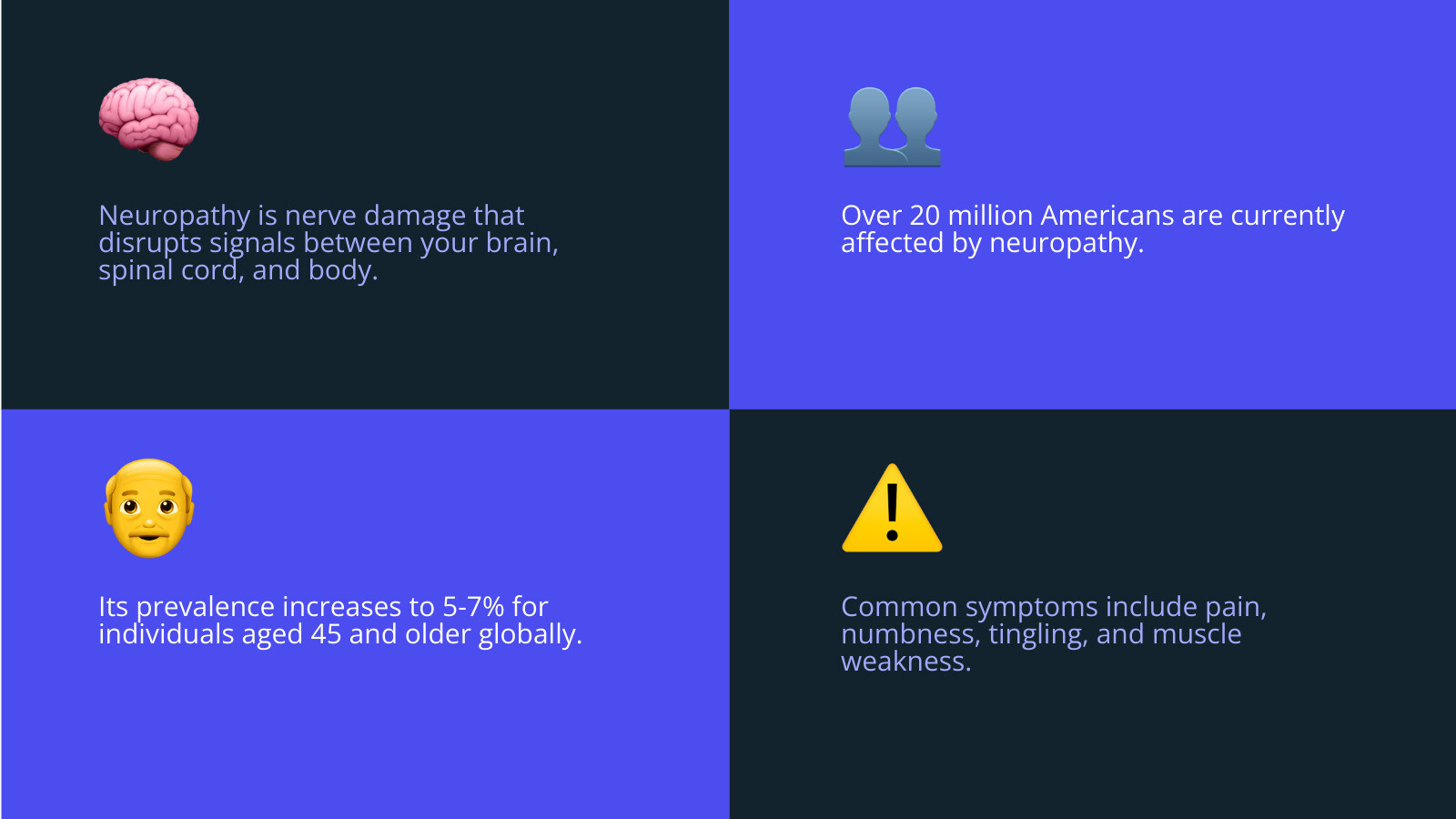
- What is neuropathy is nerve damage that disrupts signals between your brain, spinal cord, and body.
- It causes symptoms like pain, numbness, tingling, and muscle weakness, for which many people seek effective relief.
- Affects over 20 million Americans and is more common with age, impacting 5-8% of the general adult population globally (1, 2).
- Often linked to other health issues like diabetes, but sometimes the cause is unknown.
What is neuropathy? It's a condition where nerve damage disrupts the vital signals flowing between your brain, spinal cord, and the rest of your body. This intricate communication network, known as the peripheral nervous system, is essential for everything you do and feel. When these nerves are damaged, they can "misfire," causing a range of confusing and uncomfortable symptoms.
This isn't a rare problem; neuropathy is estimated to affect over 20 million Americans (1). Globally, it's thought that between 5% and 8% of adults experience some form of peripheral neuropathy, with the likelihood increasing with age (2). Living with nerve damage can profoundly impact daily life, turning simple tasks into challenges and making comfort feel out of reach.
I'm Tony Enrico, and my passion at Neuropasil is helping people find relief from conditions like neuropathy by developing effective topical solutions. My belief is that no one should live at the mercy of pain, and our advanced formulas are designed to restore comfort and freedom.
Simple What is neuropathy glossary:
What is Neuropathy? A Comprehensive Guide
Our nervous system is truly a marvel – an incredibly intricate and efficient communication network that keeps every part of us connected. Think of it as your body's super-highway for information! It's cleverly divided into two main parts: the central nervous system (CNS), which houses your brilliant brain and vital spinal cord, and the peripheral nervous system (PNS). The PNS is like all the smaller roads and pathways branching out from the CNS, reaching every single corner of your body – from your fingertips to your toes, and even to your internal organs. These peripheral nerves are like tiny, super-fast electrical wires, constantly carrying signals that allow you to move, feel, and keep all your internal systems running smoothly.
When these delicate peripheral nerves get damaged or injured, that's what we refer to as neuropathy. This nerve damage can throw a real wrench in the works, disrupting those crucial signals traveling along the nerves. Imagine trying to make an important phone call, but the line is constantly breaking up, or there's a lot of static – that's a bit like what happens when nerves "misfire." The messages might not get through at all, they might get sent at the wrong time, or they could become distorted and confusing.
This damage can affect different parts of the nerve. Sometimes it's the axon, which is the long, slender part of a nerve cell that actually conducts the electrical impulses. Other times, it's the myelin sheath, the protective coating that insulates the axon and helps signals travel quickly. Whether it’s the axon deteriorating or the myelin coating breaking down, the end result is a frustrating breakdown in communication.
What is neuropathy is a condition that touches millions of lives. As we've mentioned, it's estimated to affect over 20 million Americans, and globally, about 5% to 8% of adults experience some form of peripheral neuropathy (1, 2). This means that many of us, or someone we care about, might be navigating its challenging symptoms. To understand more about the medical perspective, you can explore The NIH's overview of Peripheral Neuropathy.
What is neuropathy's impact on the nervous system?
The impact of neuropathy on our nervous system is truly profound because it directly interferes with how our nerves send and receive signals. This disruption can show up in a few key ways:
- Loss of signals: Sometimes, the damaged nerves simply stop sending messages altogether. This can lead to experiences like numbness, a complete loss of sensation, or even an inability to move a specific muscle.
- Inappropriate signals: On the flip side, nerves might start sending signals when they absolutely shouldn't! This can cause strange sensations such as tingling, a burning feeling, or even sharp pain, even when there's no external reason for it. For many, a high-quality nerve pain relief cream can provide targeted, soothing comfort for these symptoms.
- Errors in messages: The signals might also become distorted, leading to confusing or altered sensations, muscle weakness, or problems with coordination.
It's common for many neuropathies to be "length-dependent." This simply means that symptoms often appear first, or are most severe, in the nerve endings furthest from your brain and spinal cord. That's why you often hear about symptoms starting in the feet and hands, as these nerves are the longest and often the first to show signs of trouble.
Our peripheral nerves aren't all the same; they each have specific jobs. The symptoms you feel often depend on which type of nerve has been affected:
- Sensory nerves: These are your "feelers." They send information about touch, temperature, pain, and vibration to your brain. Damage here can cause unusual sensations or a frustrating loss of feeling.
- Motor nerves: These are your "movers." They control all your muscle movements. If they're damaged, you might experience muscle weakness, cramps, twitching, or even difficulty moving certain body parts.
- Autonomic nerves: These are your body's "automatic pilots." They regulate involuntary functions like breathing, heart rate, blood pressure, digestion, and even sweating. Damage to these nerves can lead to serious internal issues that might not be immediately obvious.
What is neuropathy in terms of symptoms versus causes?
It's really important to draw a clear line between the symptoms of neuropathy and its underlying causes. While we talk about "what is neuropathy" as a condition, the pain, numbness, and other sensations are actually the symptoms – the outward signs – of nerve damage, which itself stems from another health issue.
For some, the symptoms of neuropathy might just be a minor annoyance, like a persistent tingling or mild numbness. But for others, the effects can be truly debilitating, causing severe pain, muscle weakness that makes movement difficult, or internal complications that disrupt everyday life. You might also find yourself struggling with imbalance or having trouble sleeping as the condition progresses.
While the term "neuropathy" often brings to mind nerve pain and loss of sensation, remember these are the effects of an underlying problem. Neuropathy frequently appears alongside other health challenges, such as diabetes, certain autoimmune conditions, infections, or even physical injury. However, sometimes the reason for the neuropathy remains a mystery. When doctors can't pinpoint a cause, they refer to these cases as idiopathic neuropathy. Understanding what's truly at the root of the problem is the very first step toward finding effective management and relief. For a comprehensive look at the many things that can trigger nerve pain, we invite you to explore our A-Z Guide to Neuropathy Causes.
Types, Symptoms, and Causes of Neuropathy
When we talk about what is neuropathy, it's not a single condition but rather a broad term for nerve damage. This means it can show up in many different ways, each with its own unique characteristics, symptoms, and underlying reasons. Understanding these differences is your first step towards recognizing the problem and finding the right path to relief.

The Different Types of Neuropathy
Neuropathy can be classified in a few ways, often based on how many nerves are affected or what kind of nerve fiber is involved. Let's break down some of the main types you might encounter:
Mononeuropathy: This type affects just one specific nerve. Think of it like a single road being closed down. A classic example is carpal tunnel syndrome, where a nerve in your wrist gets squeezed, leading to pain and numbness in your hand. Another example is Bell's palsy, which impacts a nerve in your face.
Polyneuropathy: This is the most common form of neuropathy, and it's where many nerves are affected, usually starting in the longest nerves – those in your feet and hands – and gradually moving upwards. Most polyneuropathies follow this "length-dependent" pattern (1).
Motor Neuropathy: These nerves are your body's movers and shakers, controlling your muscles and how you move. When they're damaged, you might experience muscle weakness, making it tough to lift things or even walk. You could also notice muscle cramps, twitching, or your muscles looking smaller over time. A quality muscle pain relief cream can be helpful in soothing these localized aches and cramps.
Sensory Neuropathy: These are the nerves that tell your brain about the world around you – touch, temperature, pain, and vibration. Damage here can lead to all sorts of strange sensations. You might feel tingling or numbness, like your hand or foot has fallen asleep. Some people describe a persistent burning sensation, while others get sudden, sharp, shooting pains or jabbing pains. A topical nerve pain relief cream can be an effective way to manage these uncomfortable feelings directly at the source. It can also make you feel clumsy or off-balance. Sometimes, even the lightest touch, like bedsheets, can cause intense pain, a condition called extreme sensitivity to touch (allodynia).
Autonomic Neuropathy: This type is often more serious because it affects the "automatic" functions of your body – things you don't consciously control. We're talking about heart rate, blood pressure, digestion, bladder control, and even sweating. Symptoms can include sudden blood pressure changes (making you feel dizzy when you stand up), sweating too much or too little, and digestive troubles like constipation or diarrhea.
Combination Neuropathy: As the name suggests, this is when both motor and sensory nerves are damaged. It's actually a very common way that neuropathy presents itself.
Many of these types are closely linked to other health conditions. For instance, if you have diabetes, you might be particularly interested in how it affects your nerves. You can learn more about this specific connection by exploring Diabetic neuropathy explained by NIDDK.
How to Spot Peripheral Neuropathy Symptoms
The signs of peripheral neuropathy can be quite varied and sometimes a bit confusing, depending on which nerves are acting up. But there are some common red flags that are good for everyone to know about.
Often, the first things people notice are changes in sensation. This can manifest as numbness or a strange tingling feeling, often starting in your hands or feet, sometimes called "pins and needles." It might feel like you're wearing gloves or socks when you're not! You might also experience a constant, uncomfortable burning pain, especially in your extremities.
Beyond tingling, nerve damage can bring more intense pain, such as sharp pain or jabbing pain that feels like an electric shock. These pains can be quite sudden and often worsen at night.
Your ability to move might also be affected. You could notice muscle weakness, making it harder to grip objects or even lift your feet when walking, which can lead to tripping. This muscle weakness can contribute to balance problems, as the signals from your feet aren't telling your brain exactly where you are in space, increasing your risk of falls. Sometimes, even a light touch can cause significant discomfort, a symptom known as extreme sensitivity to touch.
If autonomic nerves are involved, the symptoms shift to internal body functions. You might experience blood pressure changes, such as feeling dizzy when you stand up too quickly. Digestive issues like bloating, heartburn, feeling full too soon, or changes in bowel habits (constipation or diarrhea) are also common. Sweating abnormalities, where you sweat too much or too little, can also occur, affecting your body's ability to regulate its temperature.
If any of these signs sound familiar, it's definitely worth paying attention. For even more detailed insights on recognizing nerve damage, check out our article, 7 Ways to Identify Nerve Damage Symptoms.
The Root Causes of Nerve Damage
Understanding why nerve damage occurs is super important. In many situations, addressing the underlying cause can make a big difference in managing or even improving the nerve damage. While some cases of what is neuropathy are called idiopathic (meaning the cause is unknown), a large number are linked to specific factors we can identify:
Diabetes: This is by far the most common reason for peripheral neuropathy, affecting up to half of all people with diabetes (3). Over time, high blood sugar levels can harm the tiny blood vessels that feed your nerves, leading to poor oxygen and nutrient delivery.
Alcohol Abuse: Drinking too much alcohol over many years can lead to neuropathy. This happens partly because alcohol can cause nutritional deficiencies (especially B vitamins, which are vital for nerve health) and partly because it can directly be toxic to the nerves.
Vitamin Deficiencies: Your nerves need certain vitamins to stay healthy, like B1, B6, B12, E, and niacin. If you don't get enough of these, it can directly lead to nerve damage.
Autoimmune Diseases: Conditions where your immune system mistakenly attacks your own body can also target nerves. Diseases like lupus, rheumatoid arthritis, Sjögren's syndrome, and Guillain-Barré syndrome are examples.
Infections: Certain infections can directly harm your nerves. Viruses like shingles, HIV, West Nile virus, and herpes simplex are culprits, as are bacterial infections such as Lyme disease.
Physical Trauma or Pressure: Accidents, injuries, or even repeated motions can cause localized nerve damage. Think of carpal tunnel syndrome again, where pressure on a nerve causes problems. Prolonged pressure, like from a cast or crutches, can also be a factor.
Chemotherapy and Radiation Therapy: While these treatments are crucial for fighting cancer, some of them can have a tough side effect: chemotherapy-induced peripheral neuropathy (CIPN). It's estimated to affect 30% to 40% of cancer patients (4).
Toxins: Exposure to certain industrial chemicals, heavy metals (like lead or mercury), or some pesticides can be poisonous to your nerves.
Inherited Disorders: Some people are born with genetic conditions that cause progressive nerve damage, such as Charcot-Marie-Tooth disease, which often appears in childhood or early adulthood.
Other Diseases: A range of other health issues, including kidney disease, liver disease, an underactive thyroid (hypothyroidism), and certain bone marrow disorders, can also contribute to neuropathy.
For a deeper dive into the many potential triggers for nerve pain, you'll find our article, The Root of the Problem: Decoding Nerve Pain, incredibly helpful.
Diagnosis, Relief, and Management Strategies
Living with what is neuropathy can certainly present its share of problems, but there's a powerful truth to remember: with early recognition and a proactive, caring approach, managing symptoms and truly improving your quality of life is not just possible, it's often within reach. Here at Neuropasil, we believe deeply in empowering you with the knowledge and tools you need to take control of your comfort and well-being.
How Neuropathy is Identified
Identifying what is neuropathy often begins with a simple yet powerful act: paying close attention to your body. Because the symptoms can be so varied and sometimes feel a bit confusing, being observant about any new or changing sensations is incredibly important.
Here's how you can be proactive in understanding your body's signals:
- Recognizing Symptoms: Take note of any persistent numbness, tingling, burning sensations, shooting pains, muscle weakness, or changes in sensation, especially in your hands and feet. Do these feelings come and go, or are they constant? Do they seem to worsen at certain times, perhaps at night?
- Self-Assessment: While this isn't a diagnosis, regularly checking your feet, especially if you have a condition like diabetes that increases your risk, can be very helpful. Look for any unnoticed cuts, blisters, or changes in skin temperature or color. Notice if certain areas feel less sensitive to touch.
- When to Seek Medical Advice: If you start to notice unusual tingling, weakness, or pain in your hands or feet, or if these symptoms come on suddenly and seem to get worse quickly, it's a clear signal to talk to a healthcare provider. Early awareness and discussion are truly key!
- Discussing Symptoms with Your Healthcare Provider: When you speak with your doctor, be prepared to describe your symptoms as clearly as possible. Think about when they started, how often they occur, what makes them feel better or worse, and mention any other health conditions you have. This open conversation is vital for your provider to understand your unique situation and guide you toward the most appropriate next steps.
Early detection and discussion with your healthcare team offer the best chance for controlling symptoms and preventing further nerve damage.
Exploring Neuropathy Relief and Management Options
Once what is neuropathy has been identified, the good news is that a multi-faceted and thoughtful approach to relief and management is often very effective. Our ultimate goal is always to help you find comfort and regain a sense of normalcy in your daily life.
- Addressing Underlying Causes: Often, the most powerful way to find relief from neuropathy is by addressing its root cause. For example, if diabetes is contributing to your nerve pain, diligently managing your blood sugar levels becomes incredibly important. If a vitamin deficiency is identified, supplements can often make a big difference.
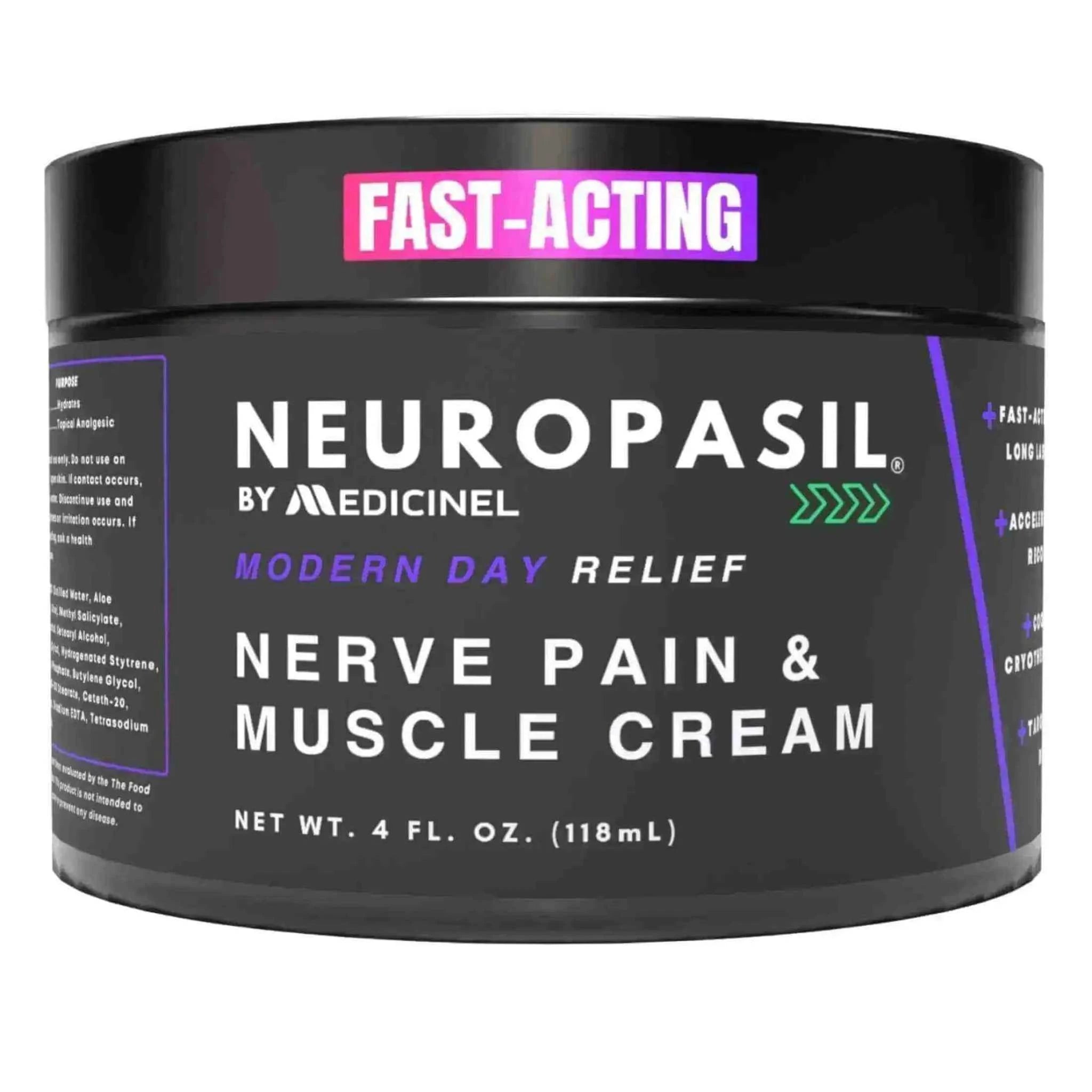
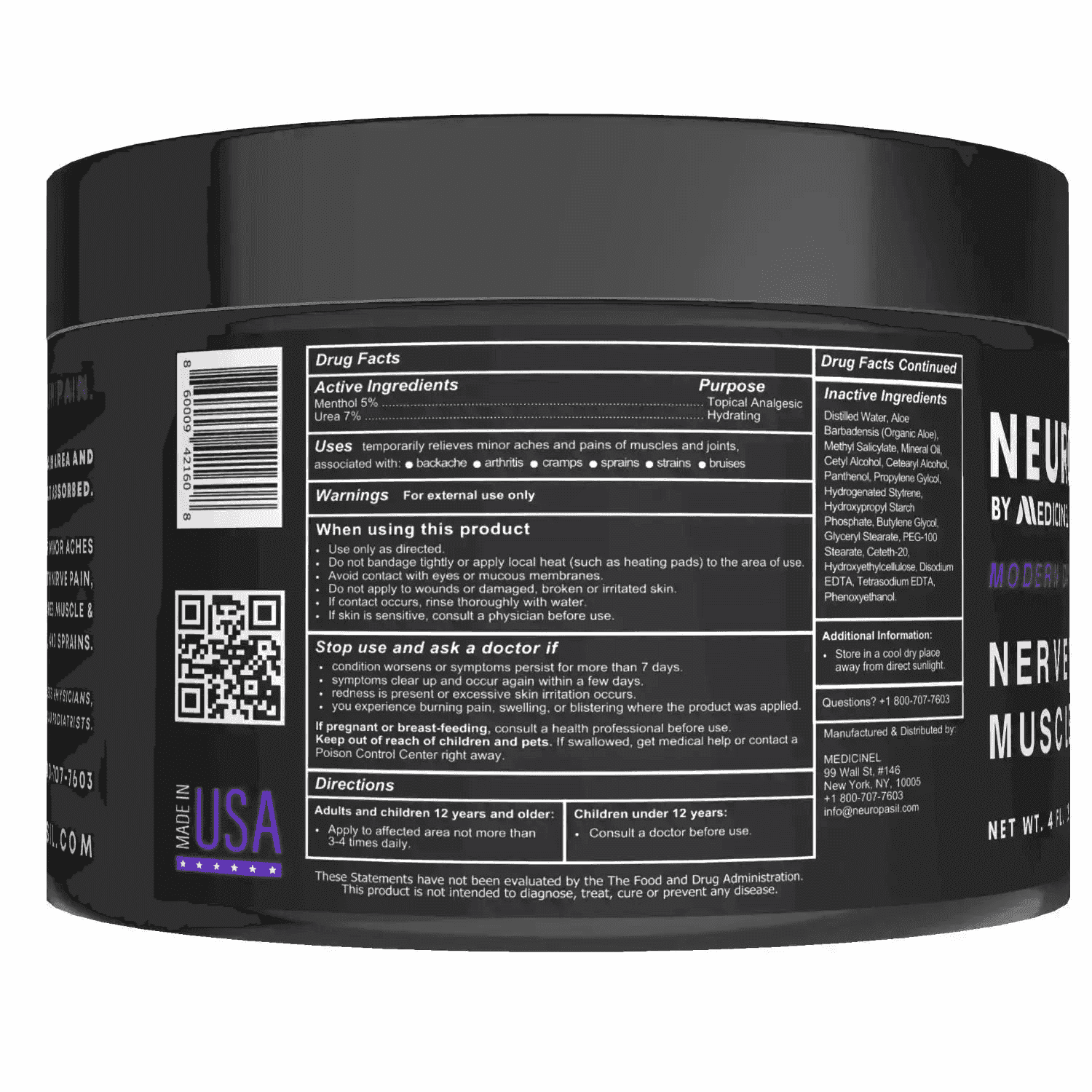
- Pain Management with Topical Relief: For many, the persistent discomfort of neuropathic pain can be truly challenging. While oral medications are an option, they can sometimes come with unwanted systemic side effects. This is precisely where a high-quality nerve pain relief cream or muscle pain relief cream can shine. Products like Neuropasil, with their blend of natural ingredients such as Aloe, Urea, and Menthol, offer targeted, fast-acting relief directly where you need it most. These creams work by creating a cooling sensation that can help override pain signals, while other ingredients moisturize the skin and support overall nerve health. This approach helps soothe irritated nerves and muscles, easing that burning, tingling, and sharp pain. We genuinely believe in the power of localized comfort to make a real difference in your daily life. To learn more about how these creams work their magic, dive into our article: Beyond the Burn: A Deep Dive into Nerve Pain Creams and Their Magic.
- Physical Activity and Gentle Stretching: Incorporating regular, low-impact exercise into your routine can do wonders. Activities like walking or swimming can improve blood flow to your nerves and muscles, boost your strength, and improve your balance. Gentle stretching can also alleviate stiffness and improve flexibility. Just be sure to chat with a healthcare professional before starting any new exercise program.
- Lifestyle Modifications: Making positive changes to your lifestyle plays a huge role in supporting nerve health. This includes maintaining a healthy weight, enjoying a balanced diet rich in fruits, vegetables, and lean proteins, and being mindful about limiting excessive alcohol and avoiding smoking.
- Home Care Strategies: Simple adjustments around your home can also make a big difference in your comfort and safety. Ensure your living spaces are well-lit, remove any potential tripping hazards (like loose rugs), and use handrails where needed. If you experience reduced sensation in your feet, make it a daily habit to inspect them for any cuts, blisters, or sores, and always wear protective, well-fitting shoes. As a safety tip, always test water temperature with your elbow before putting your feet in, to avoid accidental burns.
- Supportive Care: Sometimes, assistive devices like braces or canes can offer valuable support. They can help manage muscle weakness and improve your mobility, ultimately reducing your risk of falls and helping you feel more confident in your movements.
Complications and Prevention
It's important to know that ignoring what is neuropathy can sometimes lead to more serious complications (1). However, by taking proactive steps, many of these can be prevented or significantly eased.
Common Complications of Untreated Neuropathy:
- Foot Ulcers and Infections: If you have numbness in your feet, you might not notice a small cut, blister, or sore. These seemingly minor injuries can quickly become infected and, if left untreated, can lead to severe issues like gangrene, and in very rare cases, even amputation.
- Falls: Muscle weakness and a loss of balance, particularly in the feet, can significantly increase your risk of falling, which can result in fractures and other painful injuries.
- Chronic Pain: Persistent neuropathic pain can severely impact your overall quality of life, often leading to sleep disturbances, anxiety, and even depression.
- Autonomic Dysfunction: Complications arising from autonomic neuropathy can be quite serious, affecting vital bodily functions such as breathing, blood pressure regulation, and heart function.
Prevention Strategies:
Prevention often involves managing any underlying conditions and embracing healthy lifestyle choices. Here's a look at how prevention strategies might differ depending on the cause of your neuropathy:
| Cause of Neuropathy | Prevention Strategy -| | Diabetes | Maintain strict blood sugar control through diet, exercise, and medication. Regularly check feet for injuries. -| | Alcohol Abuse | Reduce or eliminate alcohol consumption. Seek support for alcohol dependence if needed. -| | Vitamin Deficiencies | Eat a balanced diet rich in B vitamins. Consider supplementation under a doctor's guidance. -| | Physical Pressure | Use ergonomic tools and furniture. Take frequent breaks from repetitive tasks. Ensure casts or braces fit properly. -| | General Health | Maintain a healthy weight, avoid exposure to toxins, exercise regularly, and manage other chronic health conditions effectively. -|
References
- National Institute of Neurological Disorders and Stroke. (2023). Peripheral Neuropathy. https://www.ninds.nih.gov/health-information/disorders/peripheral-neuropathy
- Stino, A. M., & Smith, A. G. (2017). Peripheral neuropathy in prediabetes and the metabolic syndrome. Journal of Diabetes Investigation, 8(5), 646–655. https://doi.org/10.1111/jdi.12650
- National Institute of Diabetes and Digestive and Kidney Diseases. (2018). Diabetic Neuropathy. https://www.niddk.nih.gov/health-information/diabetes/overview/preventing-problems/nerve-damage-diabetic-neuropathies
- American Cancer Society. (2023). Chemotherapy-induced Peripheral Neuropathy. https://www.cancer.org/cancer/managing-cancer/side-effects/peripheral-neuropathy.html