Why Calf Muscle Pain Exercise Matters
Calf muscle pain exercise can help you get back to doing what you love, whether that's running, playing sports, or simply walking without discomfort. The good news? You don't need fancy equipment or a gym membership to start feeling better.
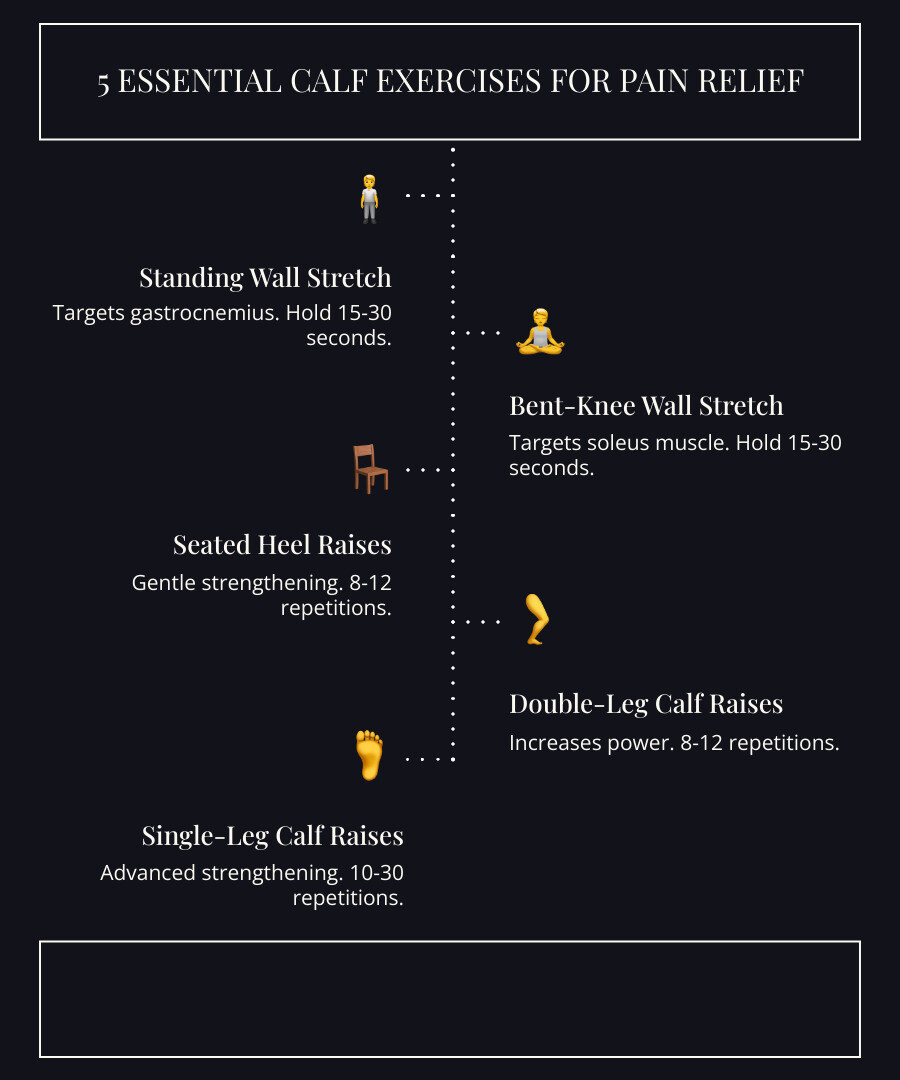
Quick Relief: 5 Essential Calf Exercises
- Standing Wall Stretch (Straight Knee) - Targets the gastrocnemius muscle, hold 15-30 seconds
- Bent-Knee Wall Stretch - Targets the soleus muscle, hold 15-30 seconds
- Seated Heel Raises - Builds strength gently, 8-12 repetitions
- Standing Double-Leg Calf Raises - Increases power, 8-12 repetitions
- Single-Leg Calf Raises - Advanced strengthening, work up to 10-30 repetitions
Calf pain affects more people than you might think. For instance, studies on professional soccer players show that calf muscle injuries can make up around 13% of all muscle injuries. But you don't have to be an athlete to experience this frustrating condition.
The calf is actually two muscles working together: the gastrocnemius (the larger, visible muscle) and the soleus (the deeper muscle beneath it). Both attach to your Achilles tendon and control plantar flexion, which means pointing your foot downward. When these muscles are tight, weak, or injured, they can cause pain that radiates from your knee down to your heel.
What makes calf pain particularly challenging is its ripple effect throughout your body. Tight calf muscles don't just hurt in your lower leg. They can contribute to plantar fasciitis, Achilles tendonitis, shin splints, knee pain, and even back pain. This happens because your body compensates for limited ankle movement by shifting stress to other joints.
The solution lies in a balanced approach: stretching to restore flexibility and strengthening to prevent future injury. Unlike quick fixes that mask symptoms, targeted exercises address the root cause of your discomfort.
I'm Tony Enrico, and I've dedicated my career to helping people reclaim their lives from pain through natural, effective solutions. Throughout my work with Neuropasil, I've seen how the right calf muscle pain exercise routine, combined with proper recovery techniques, can transform someone's ability to move freely and confidently.
Terms related to calf muscle pain exercise:
- Muscle pain
- Muscle soreness
- cramps after workout
Understanding Your Calf Muscles and Their Pain
Before we dive into specific calf muscle pain exercise routines, let's get acquainted with these important muscles. Knowing their function and why they might be causing you grief is the first step towards lasting relief.
Your calf, located at the back of your lower leg, isn't just one big muscle. It's primarily composed of two main muscles: the gastrocnemius and the soleus. Think of them as a dynamic duo working in tandem.
The gastrocnemius is the larger, more visible muscle that gives your calf its distinct shape. It has two heads and originates just above your knee, extending down to your heel. Because it crosses both the knee and ankle joints, it plays a crucial role in powerful movements like running, jumping, and pushing off the ground, especially when your knee is straight.
Lying deeper, beneath the gastrocnemius, is the soleus muscle. This flatter, longer muscle originates just below the knee and also attaches to your heel bone via the Achilles tendon. While less prominent visually, the soleus is a workhorse, essential for sustained activities like walking and standing, and highly active when your knee is bent. Both the gastrocnemius and soleus muscles merge to form the powerful Achilles tendon, which then inserts into your heel bone. Their primary function? Plantar flexion, which is the movement that points your foot and toes downward.
So, what causes these crucial muscles to ache? Calf muscle pain can stem from a variety of sources:
- Overuse or Overactivity: This is a common culprit, especially if you've recently increased your activity level, started a new sport, or spent too much time on your feet. Walking a lot or engaging in strenuous physical activity without proper preparation can lead to tendinitis and calf muscle pain.
- Dehydration and Electrolyte Imbalance: Ever had a sudden, painful "charley horse"? Muscle cramps are often linked to muscle overuse, dehydration, and a lack of essential electrolytes in the body.
- Muscle Strain: This occurs when muscle fibers are overstretched or torn, often due to sudden movements, insufficient warm-up, or pushing your muscles beyond their limits. Pulled calf muscles are quite common, accounting for a significant percentage of injuries in sports; for example, they represent up to 13% of all muscle injuries in professional soccer. Research also indicates that individuals with a body mass index (BMI) over 25 are at a higher risk of calf muscle strains. If you're dealing with a calf strain, we've got a Calf Strain Conundrum: How to Get Back on Your Feet Fast that might help.
- Tightness and Insufficient Stretching: Sometimes, the pain isn't an injury but simply extreme tightness. Our bodies are designed to move, and if our calf muscles aren't regularly taken through their full range of motion, they can shorten and become stiff. This can be exacerbated by factors like frequently wearing high heels.
- Prolonged Sitting: Believe it or not, sitting for extended periods can also contribute to calf pain. Physical inactivity can lead to fluid buildup in the legs, hindering efficient blood circulation and causing pain and swelling.
The impact of tight or weak calf muscles extends far beyond your lower leg, creating what we call a "kinetic chain effect." As experts at Prokinetics PT in New York City point out, tight calf muscles can contribute to a surprising array of issues throughout your body. If your ankle lacks the necessary 15 degrees of dorsiflexion (the ability to bring your foot upwards) required for normal walking, your body compensates. This compensatory movement can lead to problems in other joints, including:
- Plantar Fasciitis: Pain in the heel and arch of your foot.
- Achilles Tendonitis/Tendinosis: Inflammation or degeneration of the Achilles tendon.
- Shin Splints: Pain along the shin bone.
- Patellar Tendonitis/Tendinosis & Patellofemoral Pain Syndromes: Knee pain and discomfort.
- Iliotibial Band Friction Syndromes: Pain on the outside of the knee or hip.
- Mechanical Back Pain and even Headaches: Yes, you read that right! Issues starting in your calves can ripple all the way up your kinetic chain.
For a deeper dive into how calf pain can manifest higher up, check out our article on Everything You Need to Know About Upper Calf Pain Causes Relief. Understanding this interconnectedness emphasizes why addressing your calf muscle pain with targeted exercises is so vital for overall well-being.
The Difference Between Stretching Gastrocnemius and Soleus
Since we know you have two primary calf muscles, it makes sense that stretching them effectively requires slightly different approaches. The key difference lies in the position of your knee, due to where each muscle originates.
- - -T-a-b-l-e- -S-t-y-l-e- - - - - - - - - - - - - - - - - - - - - - - - - - - - - - - - - - - - - - - - - - - - - - - - - - - - - - - - - - - - - - - - - - - - - - - - - - - - - - - - - - - - - - - - - - - - - - - - - - - - - - - - - - - - - - - - - - - - - - - - - - - - - - - - - - - - - - - - - - - - -- - - - - - - - - - - - - - - - - - - - - - - - - - - - - - - - - - - -T-a-t-a-b-l-e- -S-t-y-l-e- - - - - - - - - - - - - - - - - - - - - - - - - - - - - - - - - - - - - - - - - - - - - - - - - - - - - - - - - - - - - - - - - - - - - - - - - - - - - - - - - - - - - - - - - - - - - - - - - - - - - - - - - - - - - - - - - - - - - - - - - - - - - - - - - - - - - - - - - -- - - - - - - - - - - - - - - - - - - - - - - - - - - - - - - - - - - - - - - - - - - - - - - | Stretch Type | Knee Position | Target Muscle | How it Feels - - - - - - - - - - - - - - - - - - - - - - - - - - - - - - - - - - - - - - - - - - - - - - - - - - - - - - - - | Gastrocnemius Stretch | Straight | Gastrocnemius | You'll feel this stretch higher up in your calf, closer to the back of your knee. It targets the larger, more superficial muscle that gives your calf its shape. - - - - - - - - - - - - - - - - - - - - - - - - - - - - - - - - - - - - - - - - - - - - - - - - - - - - - - - - - - - - - - - - - - - - - - - - - - - - - - - - - - - - - - - - - - - - - - - - -- - - - - - - - - - - - - - - - - - - - - - - - - - - - - - - - - - - - - - - - - - - - - - - - - - - - - - - - - - - - - - - - - - - - - -- - - - - -- - - - - -- - - - - -- - -- - -- - - - - - - - - - - - - - - -- - - -- - - - - - -- - - - - - - - - - - - - - -- - - -- - -- - -- - - - - - - - - - - - - - - - - - - - - - - - - - - - - - - - - - - - - - - - - a-t-t-t-t-t-t-t-t-t-t-T-h-e- -d-i-f-f-e-r-e-n-c-e- -b-e-t-w-e--e-n- -t-h-e- -t-w-o- -s-t-r-e-t-c-h-e-s- -i-s- -t-h-a-t- -t-h-e- -g-a-s-t-r-o-c-n-e-m-i-u-s- -s-t-r-e-t-c-h- -i-s- -d-o-n-e- -w-i-t-h- -a- -s-t-r-a-i-g-h-t- -k-n-e-e-,- -w-h-i-l-e- -t-h-e- -s-o-l-e-u-s- -s-t-r-e-t-c-h- -i-s- -d-o-n-e- -w-i-t-h- -a- -b-e-n-t- -k-n-e-e-.- -T-h-e- -g-a-s-t-r-o-c-n-e-m-i-u-s- -m-u-s-c-l-e- -c-r-o-s-s-e-s- -b--o-t-h- -t-h-e- -k-n-e-e- -a-n-d- -a-n-k-l-e- -j-o-i--n-t-s-,- -s-o- -k-e-e-p-i-n-g- -t-h-e- -k-n-e-e- -s-t-r-a-i-g-h-t- -w-i-l-l- -s-t-r-e-t-c-h- -i-t- -m-o-r-e- -e-f-f-e-c-t-i-v-e-l-y-.- -T-h-e- -s-o-l-e-u-s- -m-u-s-c-l-e- -o-n-l-y- -c-r-o-s-s-e-s- -t-h-e- -a-n-k-l-e- -j-o-i-n-t-,- -s-o- -b-e-n-d-i-n-g- -t-h-e- -k-n-e-e- -w-i-l-l- -i-s-o-l-a-t-e- -t-h-e- -s-t-r-e-t-c-h- -t-o- -t-h-i-s- -m-u-s-c-l-e-.- -T-h-e- -t-o-w-e-l- -s-t-r-e-t-c-h- -i-s- -a- -g-o-o-d- -o-p-t-i-o-n- -f-o-r- -t-h-o-s-e- -w-h-o- -h-a-v-e- -d-i-f-f-i-c-u-l-t-y- -s-t-a-n-d-i-n-g- -o-r- -w-a-n-t- -t-o- -s-t-r-e-t-c-h- -w-h-i-l-e- -s-e-a-t-e-d-.- -I-t- -p-r-o-v-i-d-e-s- -a- -g-e-n-t-l-e- -s-t-r-e-t-c-h- -t-o- -b-o-t-h- -m-u-s-c-l-e-s-.- -S-t-r-e-n-g-t-h-e-n-i-n-g- -e-x-e-r-c-i-s-e-s- -l-i-k-e- -h-e-e-l- -r-a-i-s-e-s- -a-r-e- -i-m-p-o-r-t-a-n-t- -f-o-r- -b-u-i-l-d-i-n-g- -s-t-r-e-n-g-t-h- -a-n-d- -s-t-a-b-i-l-i-t-y- -i-n- -t-h-e- -c-a-l-f- -m-u-s-c-l-e-s-.- -S-e-a-t-e-d- -h-e-e-l- -r-a-i-s-e-s- -a-r-e- -a- -g-o-o-d- -s-t-a-r-t-i-n-g- -p-o-i-n-t-,- -w-h-i-l-e- -s-t-a-n-d-i-n-g- -c-a-l-f- -r-a-i-s-e-s- -a-n-d- -s-i-n-g-l-e-l-e-g- -c-a-l-f- -r-a-i-s-e-s- -p-r-o-v-i-d-e- -a- -m-o-r-e- -c-h-a-l-l-e-n-g-i-n-g- -w-o-r-k-o-u-t-.- -I-t-'-s- -i-m-p-o-r-t-a-n-t- -t-o- -l-i-s-t-e-n- -t-o- -y-o-u-r- -b-o-d-y- -a-n-d- -n-o-t- -p-u-s-h- -t-h-r-o-u-g-h- -p-a-i-n- -w-h-e-n- -p-e-r-f-o-r-m-i-n-g- -t-h-e-s-e- -e-x-e-r-c-i-s-e-s-.- -I-f- -y-o-u- -e-x-p-e-r-i-e-n-c-e- -s-h-a-r-p- -o-r- -s-e-v-e-r-e- -p-a-i-n-,- -s-t-o-p- -i-m-m-e-d-i-a-t-e-l-y- -a-n-d- -c-o-n-s-u-l-t- -a- -h-e-a-l-t-h-c-a-r-e- -p-r-o-f-e-s-s-i-o-n-a-l-.- -C-o-n-s-i-s-t-e-n-c-y- -i-s- -k-e-y- -t-o- -s-e-e-i-n-g- -r-e-s-u-l-t-s-,- -s-o- -a-i-m- -t-o- -p-e-r-f-o-r-m- -t-h-e-s-e- -e-x-e-r-c-i-s-e-s- -r-e-g-u-l-a-r-l-y-.- -I-n- -a-d-d-i-t-i-o-n- -t-o- -e-x-e-r-c-i-s-e-,- -o-t-h-e-r- -t-r-e-a-t-m-e-n-t-s- -s-u-c-h- -a-s- -r-e-s-t-,- -i-c-e-,- -c-o-m-p-r-e-s-s-i-o-n-,- -a-n-d- -e-l-e-v-a-t-i-o-n- -(-R-I-C-E-)-,- -h-e-a-t- -t-h-e-r-a-p-y-,- -m-a-s-s-a-g-e-,- -f-o-a-m- -r-o-l-l-i-n-g-,- -a-n-d- -o-v-e-r---t-h-e---c-o-u-n-t-e-r- -p-a-i-n- -r-e-l-i-e-v-e-r-s- -c-a-n- -h-e-l-p- -t-o- -a-l-l-e-v-i-a-t-e- -c-a-l-f- -m-u-s-c-l-e- -p-a-i-n-.- -I-f- -y-o-u-r- -p-a-i-n- -i-s- -s-e-v-e-r-e- -o-r- -p-e-r-s-i-s-t-e-n-t-,- -i-t-'-s- -i-m-p-o-r-t-a-n-t- -t-o- -s-e-e- -a- -d-o-c-t-o-r- -t-o- -r-u-l-e- -o-u-t- -a-n-y- -u-n-d-e-r-l-y-i-n-g- -m-e-d-i-c-a-l- -c-o-n-d-i-t-i-o-n-s-.-
Safety First: Guidelines and When to See a Doctor
While calf muscle pain exercise is incredibly beneficial, safety should always be our top priority. We want to help you get better, not accidentally cause more discomfort!
First, remember to warm up before any stretching or strengthening. A brisk walk or light cardio for a few minutes gets blood flowing to your muscles, preparing them for activity and reducing the risk of injury. Think of it as gently waking up your muscles before asking them to perform.
When performing exercises, it's crucial to listen to your body. We recommend using a pain scale from 0 to 10, where 0 is no pain and 10 is the worst pain imaginable. Our goal is to keep any pain you feel during exercise within an acceptable range, specifically between 0 and 5 out of 10. If your pain exceeds level 5, it's a clear sign to modify the exercise: reduce the repetitions, slow down your movements, or increase your rest time. Exercise should feel challenging, but not agonizing. While some short-term muscle soreness (the "good kind" of ache from new movements) is normal and should ease quickly, exercise should never worsen your existing pain overall or cause new, sharp pain.
When should you stop calf exercises or seek professional medical help?
- Sharp, Sudden Pain: If you experience a sudden, sharp pain during an exercise, stop immediately.
- Increased Swelling or Discoloration: If you notice new or worsening swelling, redness, or discoloration in your calf, particularly if accompanied by warmth.
- Numbness or Tingling: Any new sensation of numbness or tingling in your lower leg or foot warrants immediate attention.
- Inability to Bear Weight: If you suddenly cannot put weight on your leg or move it normally.
- No Improvement: If your calf or ankle problems worsen or haven't improved within six weeks of consistently following an exercise routine, it's time to consult a healthcare professional.
- Red Flag Symptoms: Be especially vigilant for signs of a serious condition like Deep Vein Thrombosis (DVT), which can present as swelling, tenderness, redness, or warmth in the calf. While rare, these symptoms require immediate medical evaluation.
Your body is a complex system, and sometimes pain can be a signal of something more serious. If you're ever in doubt, or if you have a history of foot, ankle, or calf injuries, always consult with your doctor or a physical therapist before starting a new exercise program. We want you to be safe and effective in your journey to pain relief. For more on warning signs, check out When to seek medical attention for calf pain and our article How to Stop Calf Muscles Hurting: Causes & Relief.
Complementary Treatments for Faster Relief
While calf muscle pain exercise is fundamental, combining it with other treatments can significantly accelerate your recovery and improve your comfort. Think of these as your support team, working alongside your exercises to get you back on your feet faster.
One of the most well-known immediate response protocols for muscle injuries is the R.I.C.E. method:
- Rest: Give your injured calf a break. Avoid activities that aggravate the pain. This doesn't necessarily mean complete immobilization, but rather modifying your activity level.
- Ice: Applying ice to the affected area can be a game-changer. Cold therapy helps to limit swelling and inflammation by constricting blood vessels, and it can also numb nerve endings, increasing your pain tolerance. Apply for 15-20 minutes at a time, several times a day, especially in the acute phase (first 24-48 hours).
- Compression: Gently wrapping your calf with an elastic bandage can help reduce swelling and provide support. Ensure it's snug but not too tight to cut off circulation.
- Elevation: Raising your leg above heart level (e.g., propped on pillows while lying down) helps to drain excess fluid and reduce swelling.
Beyond R.I.C.E., here are other treatments we've found incredibly helpful:
- Heat Therapy: Once the initial swelling has subsided (typically after 48-72 hours), heat can become your friend. Applying heat increases blood flow to stiff and sore muscles, promoting healing and relaxing tight muscles. Just be sure to avoid heat if there's any bruising or active swelling.
- Massage: A gentle massage can improve circulation, reduce muscle tension, and alleviate soreness. However, if you have an acute muscle strain, it's best to avoid direct massage on the injured area until it has started to heal.
- Foam Rolling: This self-massage technique uses your body weight to apply pressure to tight spots in your calf muscles, helping to release tension and improve flexibility. Roll slowly from your ankle towards your knee, spending extra time on any tender areas.
- Over-the-Counter (OTC) Medications: For mild pain, OTC pain relievers like NSAIDs (e.g., ibuprofen) can help manage discomfort and reduce inflammation. Always follow dosage instructions.
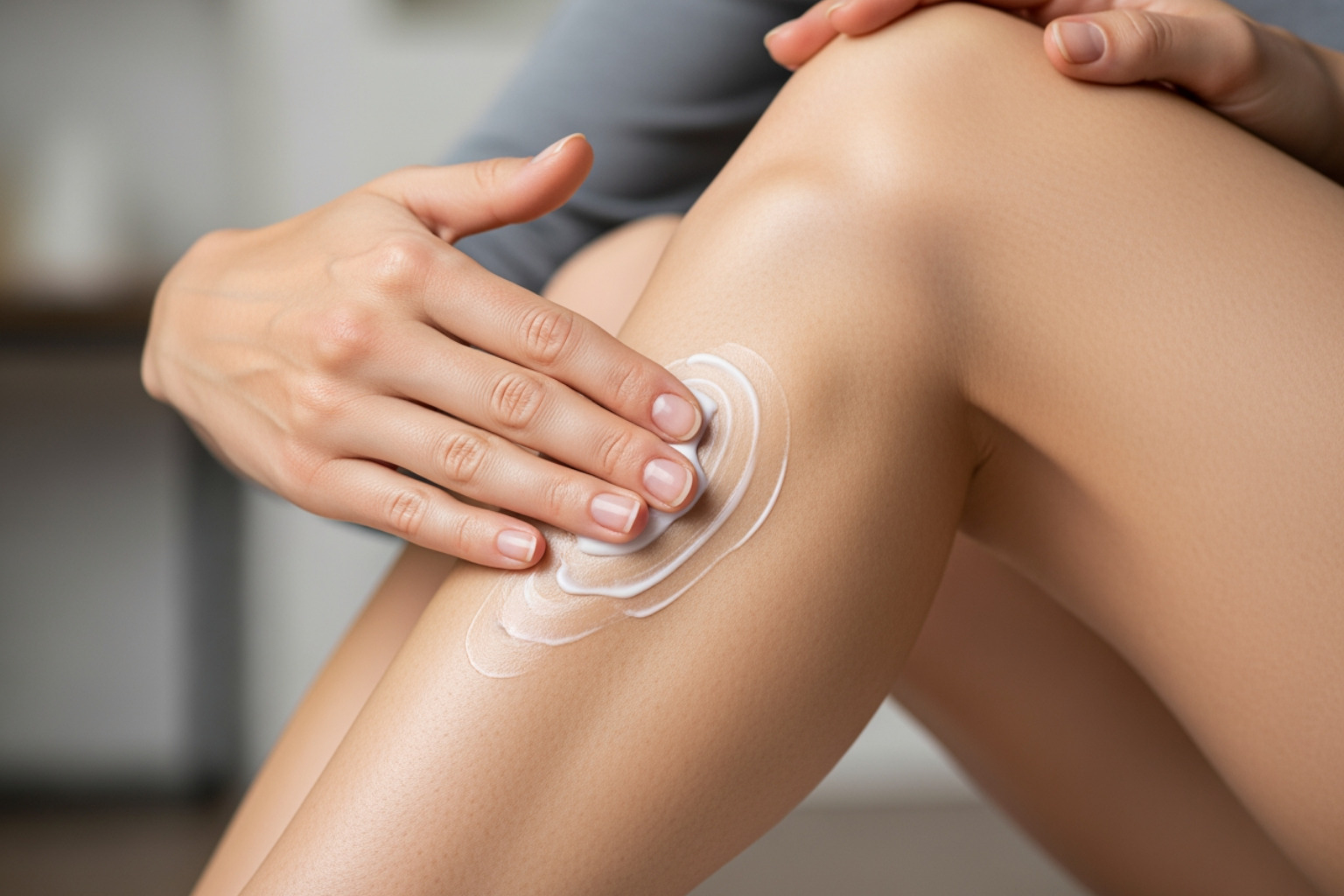
- Topical Pain Relievers: These creams, gels, or patches offer targeted relief directly to the source of your pain. Many contain active ingredients like menthol, which creates a cooling sensation and has been shown to help with muscle soreness and joint pain.
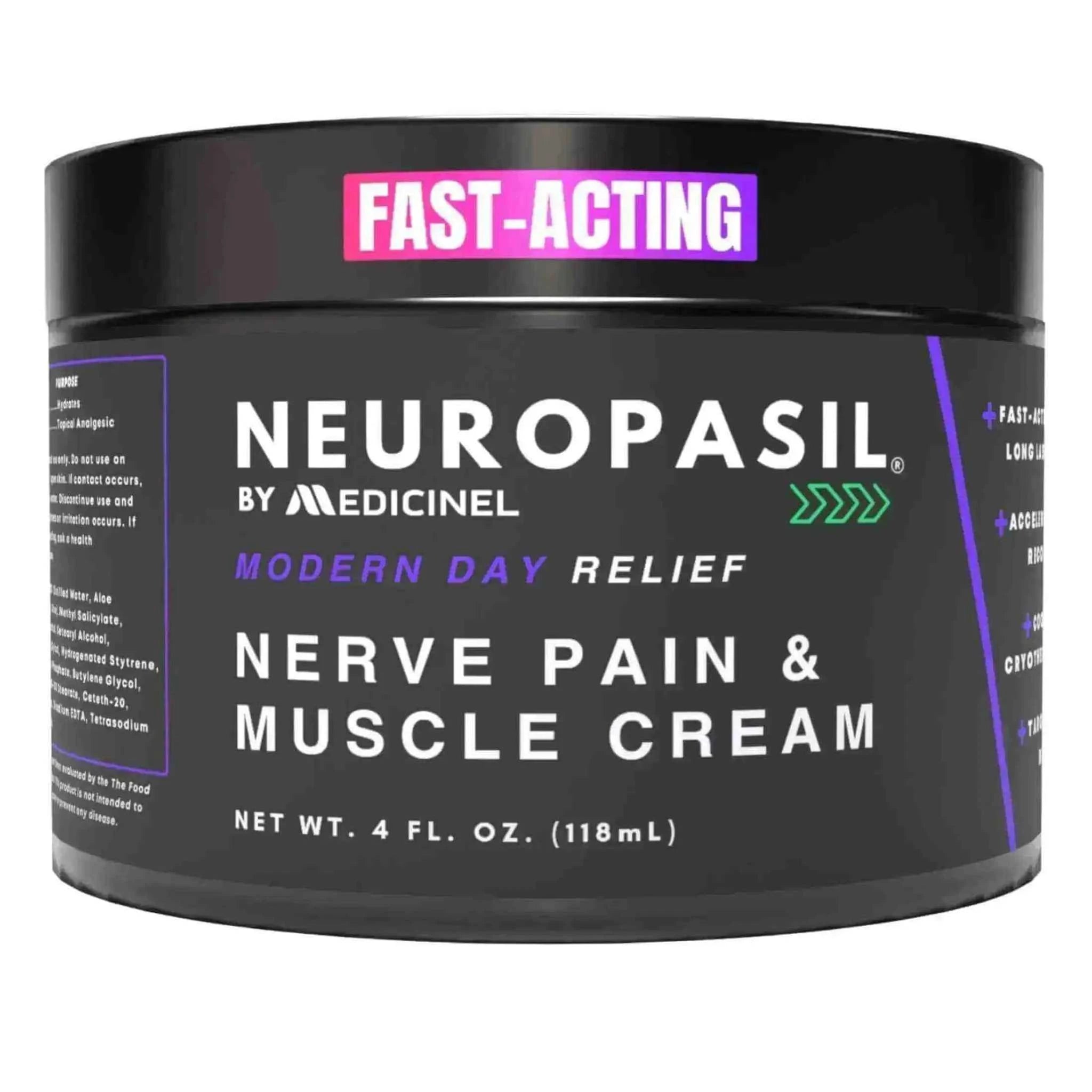
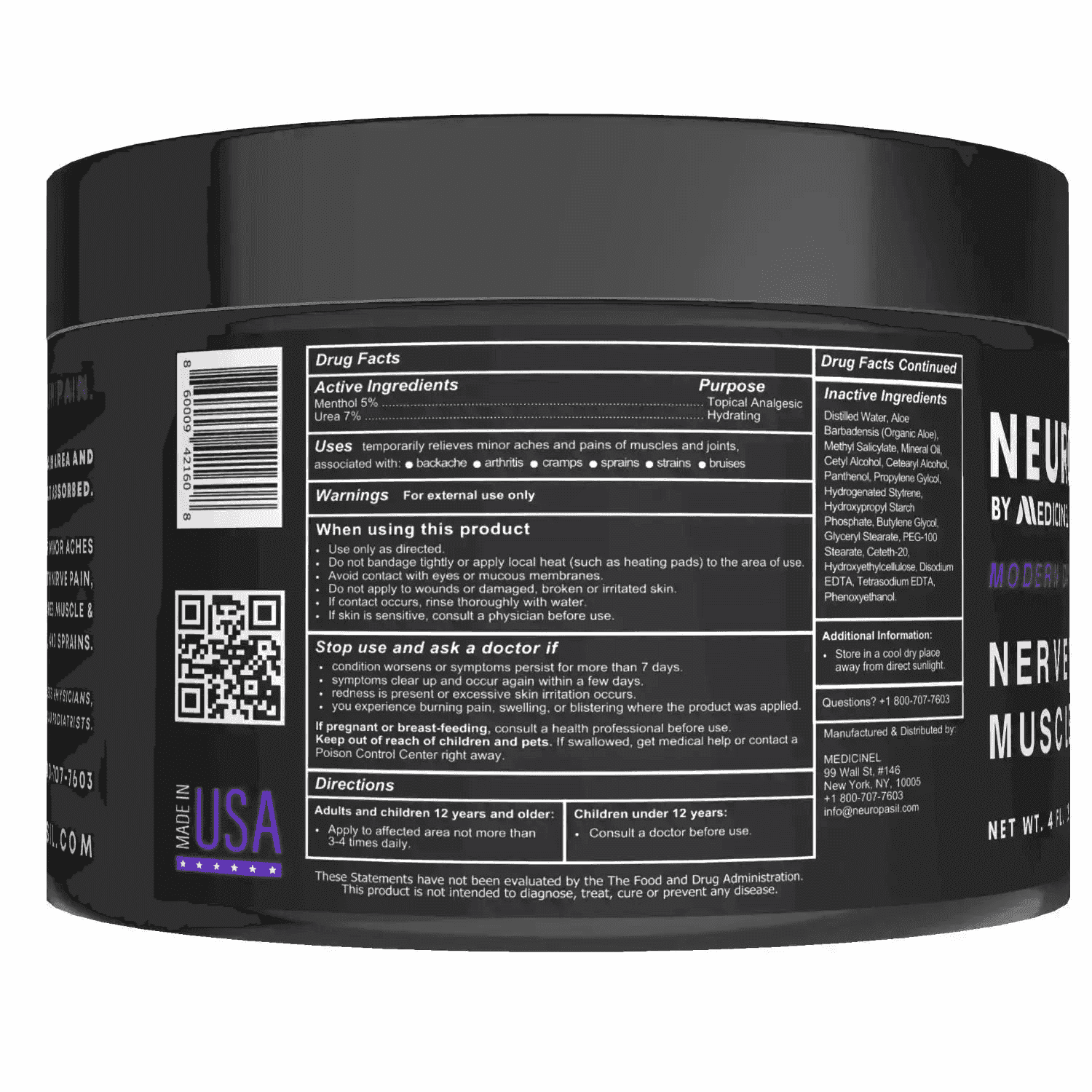
At Neuropasil, we believe in providing natural, fast-acting solutions for muscle and nerve pain. Our topical creams are specially formulated with powerful ingredients like Aloe, Urea, and Menthol to deliver soothing relief precisely where you need it. Whether it's for general muscle soreness, cramps, or the aches and pains that come with an active life, our products are designed to support your recovery journey. Many athletes, for example, turn to Neuropasil to treat and recover from sore muscles, appreciating the targeted relief. Applying a cream like ours can be a simple yet effective way to ease discomfort and complement your calf muscle pain exercise routine. Learn more about simple ways to relieve calf pain, including our approach, in our article One Simple Way to Relieve Calf Muscle Pain.
Frequently Asked Questions about Calf Pain Exercises
We know you might have more questions as you start on your journey to relieve calf muscle pain. Here are some common queries we encounter:
How often should I do calf exercises for pain relief?
Consistency is truly key when it comes to finding lasting relief. We recommend starting with gentle stretches daily, especially if your calves tend to be very tight. For strengthening exercises, aim for 2-3 times per week, ensuring you have at least one rest day in between to allow your muscles to recover and rebuild.
For example, you could perform small amounts of strengthening exercises (2-3 repetitions) throughout the day, perhaps every hour, or break them into sets (e.g., 8 repetitions, 1-minute rest, repeated 2-3 times a day). As your strength improves, you can gradually increase the repetitions, aiming for a maximum of 2 sets of 15 repetitions for strengthening exercises. Always listen to your body; rest is just as crucial for recovery as the exercises themselves.
Can I exercise with a calf strain?
It depends on the severity of the calf strain. For mild strains (Grade 1), gentle stretching and mobility exercises can often begin after the initial acute phase (typically 24-48 hours) when the immediate pain and swelling have subsided. The key is to avoid any movements that cause pain. You'll want to start slowly and ease off if you begin to feel discomfort.
However, for moderate to severe injuries (Grade 2 or 3 strains), it's crucial to consult a healthcare professional, such as a doctor or physical therapist, before attempting any exercises. They can assess the injury, provide a proper diagnosis, and guide you through a safe and effective rehabilitation program. Pushing through pain with a significant strain can worsen the injury and prolong recovery. Kaiser Permanente offers a helpful guide on Calf Strain: Rehab Exercises, which outlines exercises often suggested for rehabilitation after a calf strain.
What's the difference between a calf cramp and a strain?
This is a great question, as both can cause sudden, intense calf muscle pain!
- A calf cramp (often called a "charley horse") is an involuntary, sudden, and often painful contraction of the muscle. It feels like your muscle seizes up. Cramps usually come on quickly and resolve relatively quickly, often within seconds to minutes, and can frequently be relieved by gently stretching the affected muscle. They are commonly caused by muscle overuse, dehydration, or electrolyte imbalances.
- A calf strain, on the other hand, is a more serious injury involving a tear in the muscle fibers. This happens when the muscle is overstretched or overused beyond its capacity. A strain typically causes lasting pain, swelling, tenderness, and sometimes bruising. You might hear or feel a "pop" at the time of injury. Strains require a longer recovery period and often benefit from structured rehabilitation.
To learn more about how to handle those sudden, intense cramps, we have a detailed article on From Stiffness to Serenity: How to Overcome a Charley Horse in Your Calf. Understanding the distinction is important for choosing the right approach to treatment and recovery.
References
Cleveland Clinic. (2022). Calf Muscle Pain. https://my.clevelandclinic.org/health/symptoms/22274-calf-muscle-pain American Academy of Orthopaedic Surgeons. (2022). Foot and Ankle Conditioning Program. https://orthoinfo.aaos.org/en/recovery/foot-and-ankle-conditioning-program/ Binstead, J.T., et al. (2022). Anatomy, Bony Pelvis and Lower Limb, Calf. NCBI. https://www.ncbi.nlm.nih.gov/books/NBK459362/ Mayo Clinic. (2021). Muscle cramp. https://www.mayoclinic.org/diseases-conditions/muscle-cramp/symptoms-causes/syc-20350820 NHS inform. (n.d.). Exercises for calf and ankle problems. https://www.nhsinform.scot/illnesses-and-conditions/muscle-bone-and-joints/exercises/exercises-for-calf-and-ankle-problems/ Kaiser Permanente. (n.d.). Calf Strain: Rehab Exercises. https://healthy.kaiserpermanente.org/health-wellness/health-encyclopedia/he.calf-strain-rehab-exercises.bo1613 Medical News Today. (n.d.). Calf stretches and how to do them. https://www.medicalnewstoday.com/articles/calf-stretches Healthwise. (n.d.). Clinical Review Board. https://www.healthwise.org/specialpages/legal/abouthw/en Healthline. (n.d.). Calf Pain: Causes and Treatments. https://www.healthline.com/health/calf-pain Prokinetics PT. (n.d.). Tight Calf Muscles: Expert PT & Exercises in NYC. https://prokineticspt.com/tight-calf-muscles-exercises-nyc/ NIH. (2011). Effect of Topical Menthol on Ipsilateral and Contralateral Superficial Blood Flow Following a Bout of Maximum Voluntary Muscle Contraction. https://www.ncbi.nlm.nih.gov/pmc/articles/PMC3109898/#:~:text=Menthol%20is%20a%20terpene%20compound,muscle%20soreness%2C%20and%20joint%20pain NIH. (2007). The effect of cryotherapy on nerve conduction velocity, pain threshold and pain tolerance. https://www.ncbi.nlm.nih.gov/pmc/articles/PMC2465313/ PubMed. (1983). Effect of cold on the blood vessel wall. https://pubmed.ncbi.nlm.nih.gov/6131011/ NIH. (2022). Nonsteroidal Anti-inflammatory Drugs (NSAIDs). https://www.ncbi.nlm.nih.gov/books/NBK547742/ Mayo Clinic. (2021). Massage: Get in touch with its many benefits. https://www.mayoclinic.org/healthy-lifestyle/stress-management/in-depth/massage/art-20045743 Cleveland Clinic. (2022). Muscle Strains. https://my.clevelandclinic.org/health/diseases/22336-muscle-strains Health.ClevelandClinic.org. (n.d.). Calf Muscles. https://health.clevelandclinic.org/what-are-calf-muscles Foot-Pain-Explored.com. (n.d.). Calf Workout: Build Up Your Calf Strength. https://www.foot-pain-explored.com/calf-workout.html Hep2go.com. (n.d.). Foot pumps are a very simple calf muscle exercise. https://www.hep2go.com Nike.com. (n.d.). 6 Calf Exercises Physiotherapists Urge You to Do Weekly. https://www.nike.com/sg/a/best-calf-exercises