Why Topical Pain Relief Creams Are Essential for Managing Pain
Topical pain relief cream offers a targeted, effective solution for managing muscle aches, nerve pain, and joint discomfort without the side effects that come with oral medications. Whether you're dealing with chronic neuropathy, post-workout soreness, or arthritis pain, these creams work by absorbing through your skin to deliver relief directly where you need it most.
What You Need to Know About Topical Pain Relief Creams:
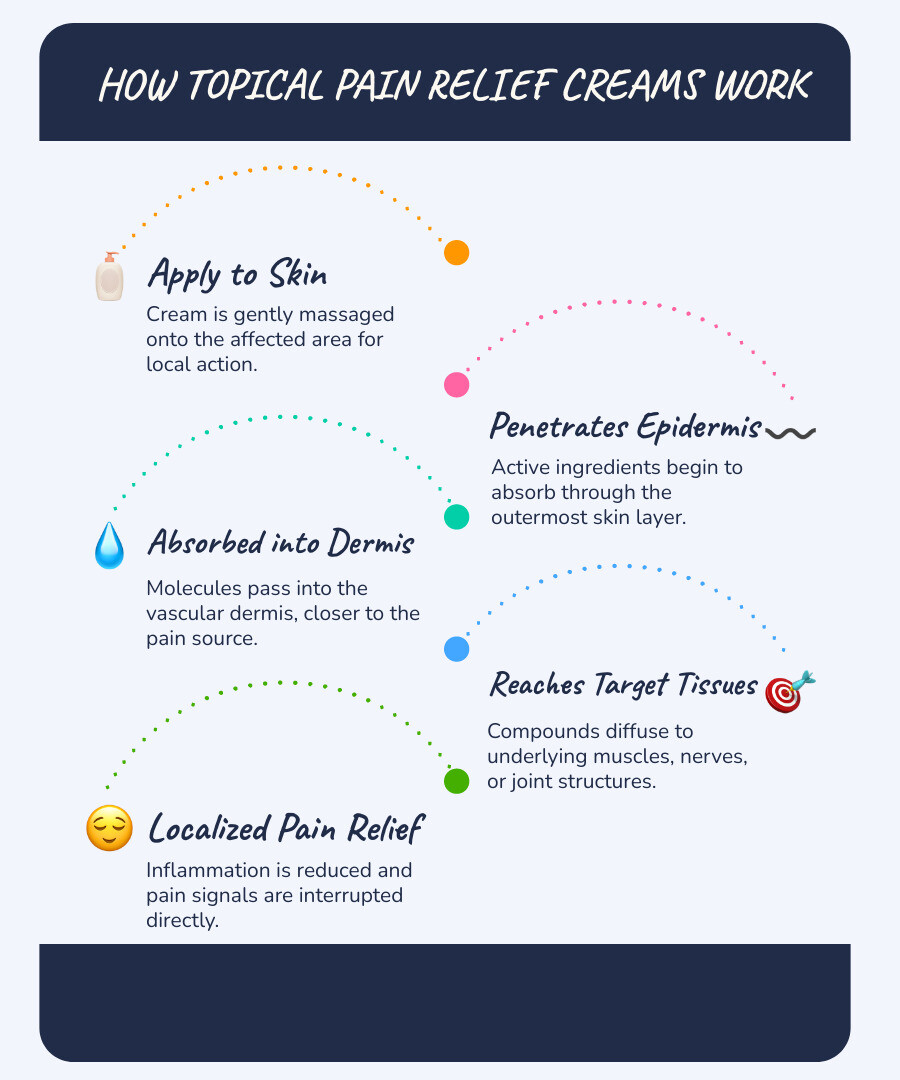
- How they work: Creams absorb through skin layers to target pain locally, reducing inflammation and interrupting pain signals
- Types of ingredients: Counterirritants (menthol, camphor), natural anti-inflammatories (aloe, urea), capsaicin, and anesthetics (lidocaine)
- Effectiveness: Research shows that certain topical analgesics, like NSAIDs, can provide significant pain relief, with some studies indicating a reduction in pain by 50% or more for chronic musculoskeletal conditions.
- Safety profile: Lower risk of stomach upset, heart problems, and addiction compared to oral pain medications
- Best for: Joint pain, muscle soreness, nerve pain, arthritis, and localized injuries
Common Forms:
- Creams and gels
- Patches
- Roll-on applicators
- Ointments
The physical act of rubbing in these topicals also helps by relaxing muscles and increasing circulation to affected areas. Most people feel relief within minutes to an hour, depending on the active ingredient. Counterirritants like menthol work quickly, while anesthetics like lidocaine may take 30-60 minutes. Some ingredients, like capsaicin, may take several days of consistent use to reach full effectiveness.
I'm Tony Enrico, and through my work with Neuropasil, I've dedicated myself to helping people find real relief from nerve and muscle pain through advanced topical pain relief cream formulations that combine science with natural ingredients. In this guide, I'll walk you through everything you need to know about choosing and using the right cream for your specific type of pain.
Easy topical pain relief cream word list:
How Topical Pain Relief Creams Work on Pain
When you experience pain from a strained muscle, arthritic joint, or nerve damage, your body sends signals through a complex network. Topical pain relief cream intervenes by delivering active ingredients directly to the affected area through the skin. This localized approach means the medication doesn't travel through your entire bloodstream, leading to quicker, more targeted relief with fewer systemic side effects than oral medications.
These creams soak through the skin layers—the epidermis and dermis—to reach the underlying tissues, muscles, and nerve endings where pain originates. Once absorbed, the active ingredients work by reducing inflammation, interrupting pain signals, or creating sensations that distract from the pain. Research shows that topical analgesics can be highly effective. For example, studies on topical NSAIDs have found they can relieve chronic musculoskeletal pain by 50 percent or more in some individuals. This direct action is why many people, especially those with arthritis, find topical products so helpful.
For a more comprehensive understanding of how these creams provide relief, you can explore our guide on relief cream for pain.

Counterirritants: The Hot and Cold Distraction
Think of counterirritants as the clever tricksters of the topical pain relief cream world. Their main job is to create a sensation—often cooling, then warming—that distracts your brain from the actual pain signals. Instead of focusing on your aching knee, your mind registers the pleasant tingle or warmth from the cream.
Common ingredients in this category include:
- Menthol: Known for its cooling sensation, menthol stimulates cold receptors in the skin. This is often followed by a mild warming effect as blood flow increases. Many of our Neuropasil products use menthol for its fast-acting, soothing properties. You can learn more about menthol's benefits in our deep dive into Menthol.
- Camphor: Similar to menthol, camphor also produces cooling and warming sensations, acting as a mild analgesic and counterirritant.
These ingredients essentially overload the sensory nerves, making it harder for pain signals to register. It's like turning up the radio to drown out an annoying noise—the noise is still there, but you don't notice it as much.
Natural Anti-Inflammatory Ingredients
Beyond distraction, many topical pain relief cream formulations harness the power of natural ingredients to soothe inflammation. These components provide anti-inflammatory effects, nourish the skin, and aid in the absorption of other active ingredients.
At Neuropasil, we're particularly proud of our blend of:
- Aloe Vera: Renowned for its soothing and anti-inflammatory properties, aloe vera is a fantastic base for pain relief creams. It helps calm irritated skin and can aid in the healing process.
- Urea: Often used in dermatology, urea acts as a humectant, drawing moisture into the skin. This makes the skin more permeable, enhancing the absorption of other beneficial ingredients.
- Herbal Extracts: Many creams incorporate botanicals like arnica, echinacea, or turmeric, which have traditional uses in reducing swelling and pain. These contribute to a holistic approach to pain management.
Scientific research continues to support the efficacy of various topical preparations for pain relief. You can explore more about scientific research on natural pain relief.
Capsaicin: The Power of Chili Peppers
If you've ever felt the burn of a chili pepper, you've experienced capsaicin. This compound, from hot chili peppers, is a fascinating ingredient in topical pain relief cream. It works by depleting Substance P, a neurotransmitter that sends pain messages to the brain.
When you first apply a capsaicin cream, you might feel a warm or tingling sensation. This is normal and typically subsides with continued use as Substance P levels decrease. It may take a few days to a couple of weeks of consistent application to notice significant pain relief.
Capsaicin is particularly effective for:
- Arthritis pain: It's helpful for chronic joint pain, especially in the hands and knees.
- Nerve pain: It has shown promise in managing certain types of nerve pain, like diabetic neuropathy.
Always wash your hands thoroughly after applying capsaicin cream and avoid touching your eyes. For more details, read our article on Capsaicin Cream Uses & Benefits.
Anesthetics: Numbing the Pain Away
Sometimes, you just need to numb the pain. That's where topical anesthetics come in. These ingredients work by temporarily blocking nerve signals where they're applied, effectively numbing the sensation of pain.
The most common ingredient in this category is:
- Lidocaine: Available in various strengths, lidocaine is a powerful local anesthetic that can provide significant, temporary pain relief. It's often found in topical pain relief cream and patch formulations.
Lidocaine-based creams are excellent for targeted numbing and localized pain. Many are designed to be odor-free, making them discreet for daily use.
A Review of the Best Topical Pain Relief Cream Products
With so many options available, choosing the right topical pain relief cream can feel overwhelming. The best choice often depends on the type of pain you're experiencing, its intensity, and your preference for ingredients. Whether you're looking for over-the-counter (OTC) solutions for everyday aches or something more specialized for chronic conditions, there's a cream out there for you.
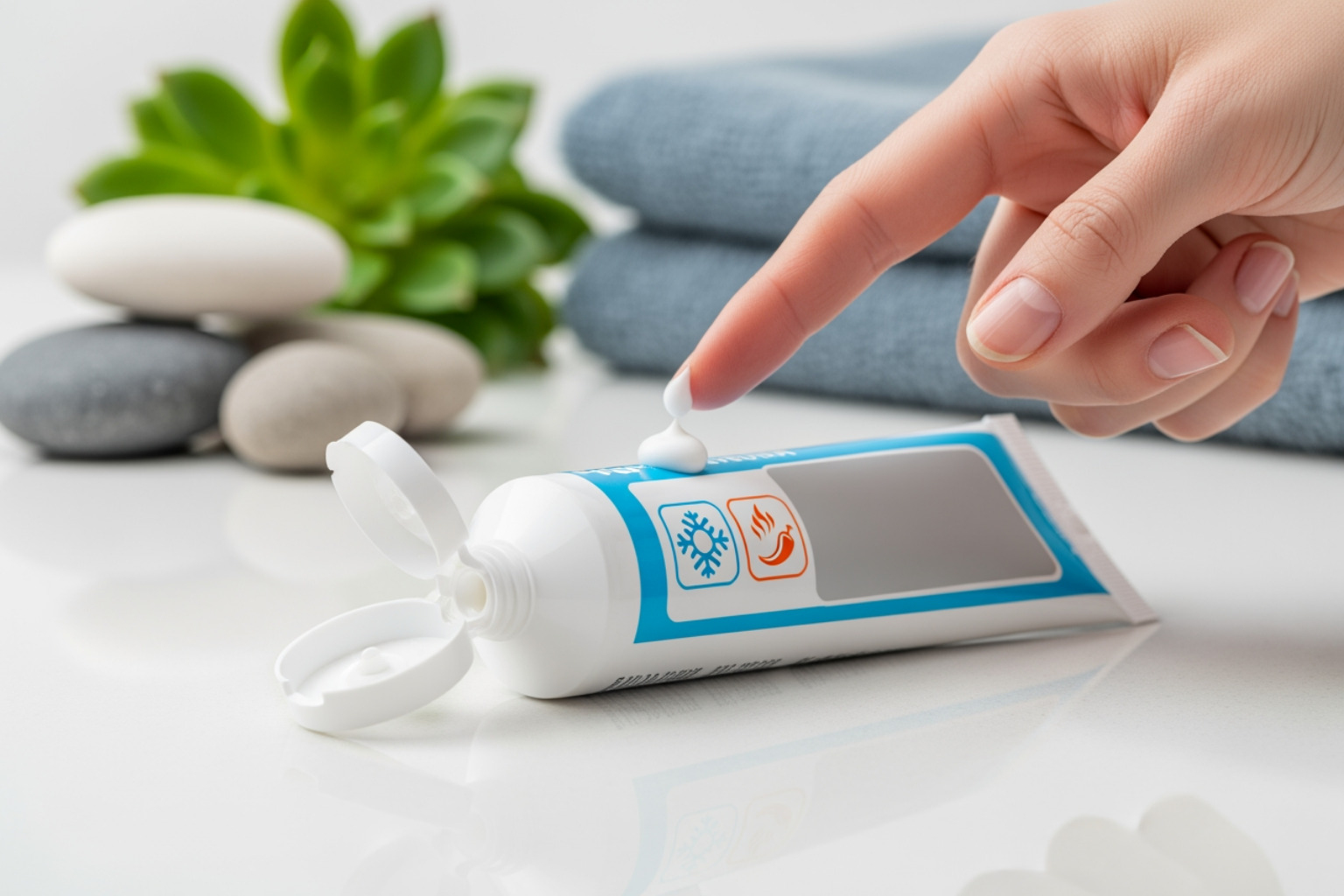
Many people turn to topical solutions for conditions like arthritis, muscle soreness, and nerve pain when they prefer to avoid oral medications or when their pain is localized. Let's explore some of the best options for different types of pain.
Best for Arthritis and Joint Pain: Neuropasil
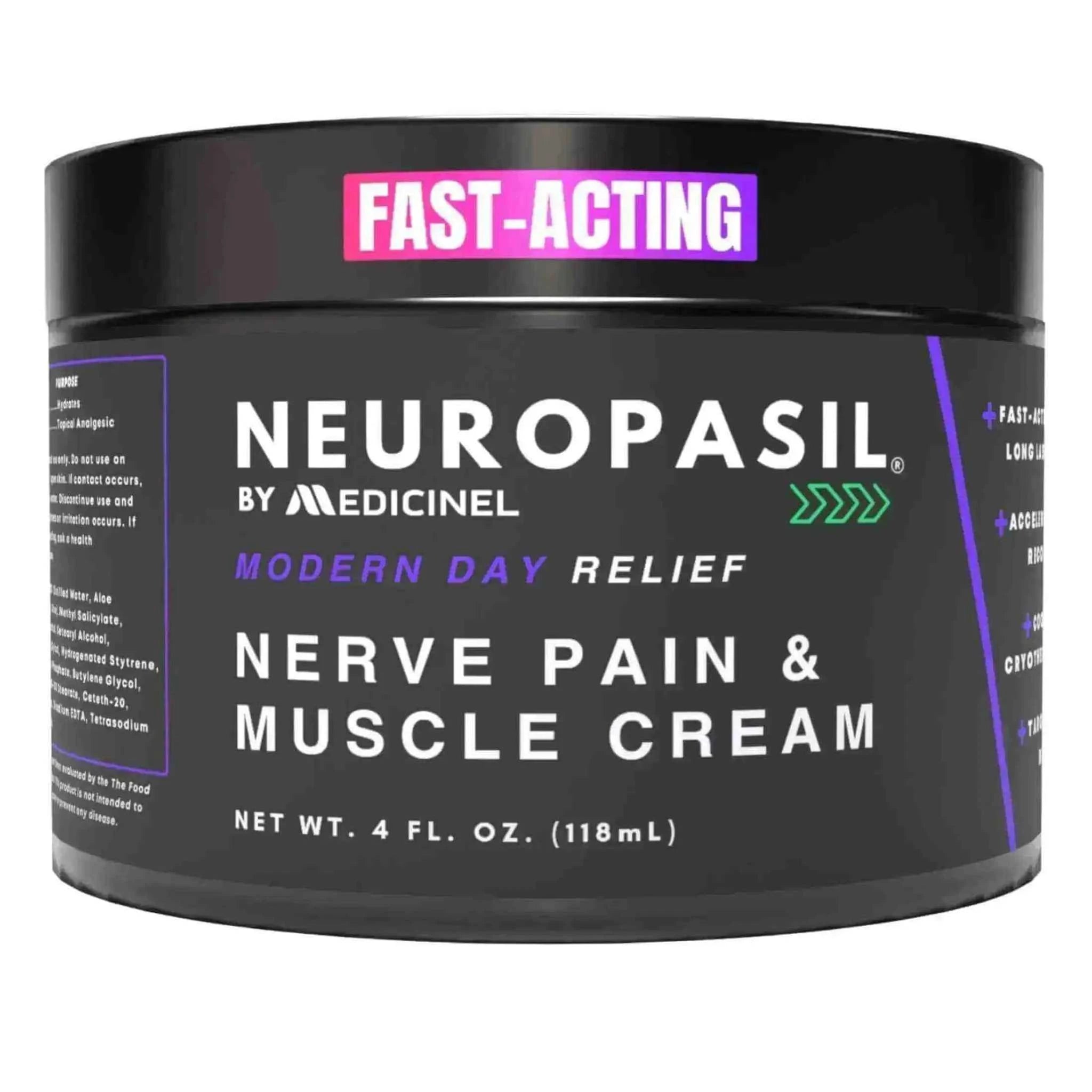
For those struggling with the persistent discomfort of arthritis and joint pain, a specialized topical pain relief cream can be a game-changer. Our Neuropasil formulations are crafted to provide targeted relief, particularly for joints close to the skin, such as those in the hands and knees.
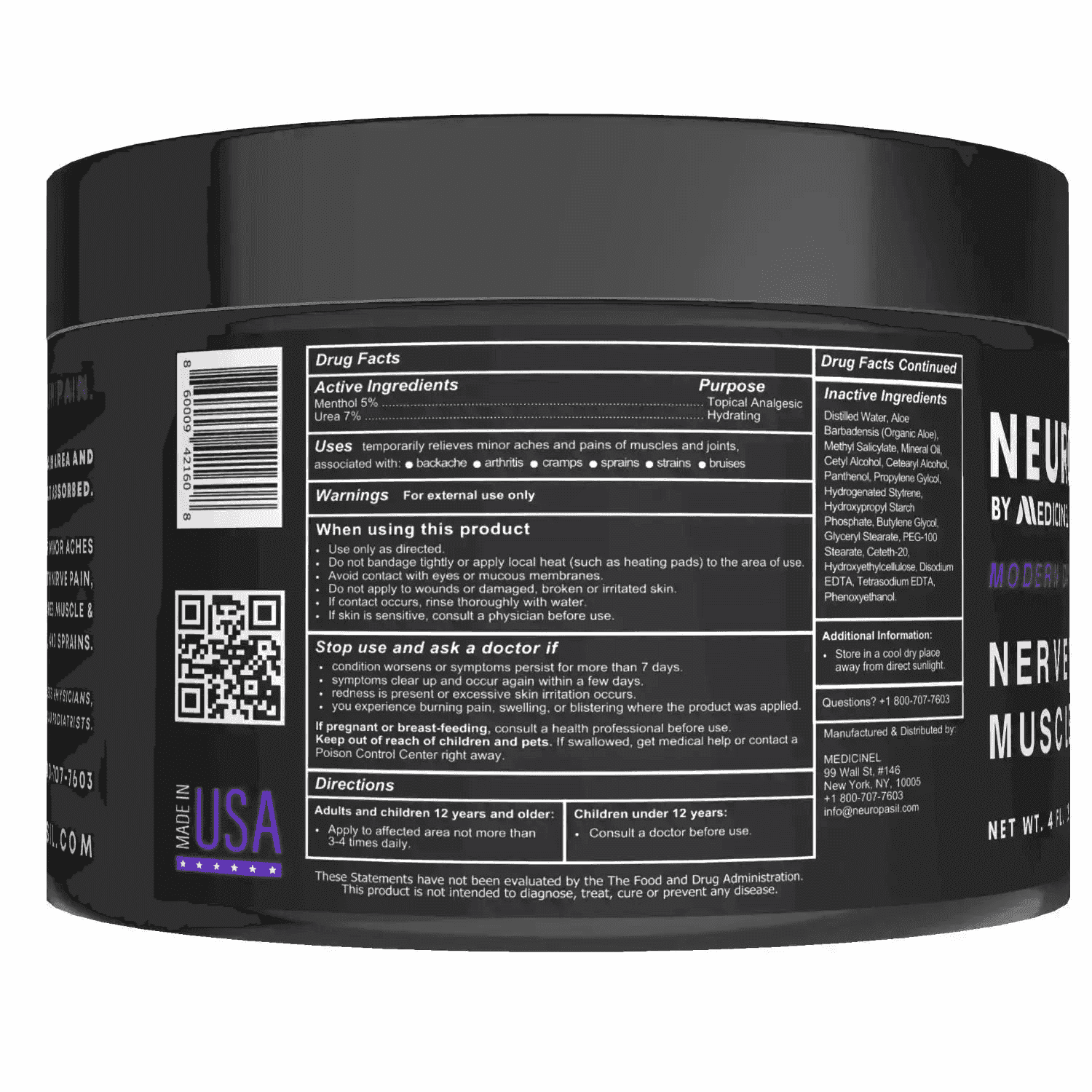
Active Ingredients: Our creams for arthritis and joint pain often feature a blend of Menthol, Aloe, Urea, and sometimes Capsaicin. This powerful combination works synergistically to combat inflammation, soothe pain, and nourish the skin. Best for: Hands, knees, elbows, and other superficial joints that suffer from arthritis or general joint discomfort. Many of our loyal customers testify to using Neuropasil for joint discomfort, providing much-needed relief. How it works: Menthol provides an immediate cooling sensation, distracting from pain and increasing blood flow. Aloe Vera and Urea, known for their moisturizing and skin-penetrating properties, help deliver the active ingredients deeper while also keeping the skin hydrated, which is crucial for sensitive or inflamed joints. When present, capsaicin helps to deplete Substance P, further reducing pain signals over time. This approach ensures that the cream not only alleviates symptoms but also supports overall joint health.
To dig deeper into how topical treatments can offer significant relief for arthritis, explore our article Beyond the Pill: Soothing Arthritis Pain.
Best for Muscle Soreness: Neuropasil
Whether you're an athlete recovering from an intense workout or simply experiencing everyday muscle stiffness, a high-quality topical pain relief cream designed for muscle soreness can be incredibly effective. Neuropasil understands the demands placed on your muscles and offers solutions to help you bounce back faster.
Active Ingredients: Our creams for muscle soreness typically combine Menthol, Camphor, and Aloe. This blend is chosen for its potent counterirritant and soothing properties. Best for: Sore muscles, backaches, strains, and sprains. Athletes, in particular, use Neuropasil to treat and recover from sore muscles, appreciating its fast action. How it works: The combination of menthol and camphor creates a "contrast therapy" effect – an initial cooling sensation followed by a gentle warmth. This dual action helps to distract from pain, relax tense muscles, and increase circulation to the affected area, which aids in recovery. Aloe Vera ensures the skin remains moisturized and aids in the absorption of these active ingredients, making the cream pleasant to apply. The physical act of massaging the cream into sore muscles also contributes to relaxation and improved blood flow, helping to relieve tension and discomfort.
For more insights on effective solutions for muscle pain, read our guide on creams for muscle pain.
Best Natural Topical Pain Relief Cream for Nerve Pain: Neuropasil
Nerve pain can be particularly challenging, often presenting as burning, tingling, or shooting sensations. Finding effective relief is crucial, and a natural topical pain relief cream specifically formulated for nerve pain can make a significant difference. Neuropasil is a trusted choice for those seeking comfort from various neuropathic conditions.
Active Ingredients: Our natural creams for nerve pain are powered by Menthol, Aloe, Urea, and sometimes Capsaicin. This thoughtful blend targets the unique characteristics of nerve discomfort. Best for: Neuropathy, sciatica, fibromyalgia, and general nerve-related muscle soreness. Many loyal customers testify to using Neuropasil for neuropathy, sciatica, and fibromyalgia, praising its targeted relief. How it works: Menthol provides an immediate cooling sensation that helps to soothe irritated nerves and override pain signals. Aloe Vera and Urea are critical for moisturizing the skin and enhancing the deep penetration of the active ingredients, ensuring they reach the nerve endings effectively. This is especially important for nerve pain, where direct access to the affected area is key. When capsaicin is included, it works to gradually deplete Substance P, reducing the intensity of nerve pain over time. The "all-natural" approach ensures that while the cream is powerful, it is also gentle on sensitive skin.
To understand the full potential of these ingredients for nerve and muscle pain, explore how we Discover the Power of All-Natural Relief.
Best for Numbing Pain: Neuropasil with Lidocaine
When intense or localized pain requires a direct numbing effect, a topical pain relief cream containing lidocaine is often the go-to solution. This type of cream is designed to temporarily block pain signals, providing immediate and targeted relief.
Active Ingredient: Lidocaine (an anesthetic). Our Neuropasil with Lidocaine option uses this powerful numbing agent to offer superior relief. It's often found in a 4% concentration for maximum over-the-counter strength. Best for: Targeted numbing of localized pain, such as specific muscle knots, post-surgical discomfort (after consulting a doctor), or areas affected by minor injuries. It's excellent for temporary relief where a direct numbing sensation is desired. How it works: Lidocaine works by stabilizing the neuronal membrane, which prevents the initiation and conduction of nerve impulses. In simpler terms, it temporarily "shuts down" the pain signals from reaching your brain, providing a profound numbing effect. Formulation: Many lidocaine creams, including our Neuropasil option, are formulated to be odor-free, ensuring discreet use throughout your day without any strong medicinal smells. This makes them ideal for use in various settings, from the office to the gym.
Topical vs. Oral Pain Relief: Which is Right for You?
Deciding between a topical pain relief cream and an oral pain medication depends on the nature of your pain, your health profile, and your preferences. Both methods have distinct advantages and disadvantages.
| Feature | Topical Pain Relief Cream | Oral Pain Relief Medication |
|---|---|---|
| Onset of Action | Varies by ingredient (minutes for counterirritants, 30-60 minutes for lidocaine, days to weeks for capsaicin) | Generally 30-60 minutes |
| Side Effects | Primarily localized (skin irritation, redness); minimal systemic side effects | Systemic (stomach upset, GI bleeding, liver/kidney issues, heart problems, drowsiness) |
| Target Area | Localized; applied directly to the site of pain | Systemic; affects the entire body |
| Systemic Impact | Minimal; very little medication enters the bloodstream | Significant; medication circulates throughout the body |
The benefits of choosing topicals are compelling:
- Targeted Relief: They deliver medication directly to the source of pain, ideal for localized aches in muscles or joints.
- Fewer Systemic Side Effects: Because very little medication enters your bloodstream, the risk of side effects like stomach upset, liver damage, or heart problems (common with some oral medications) is significantly reduced.
- Lower Addiction Risk: Unlike certain oral pain medications, topical pain relief cream carries virtually no risk of addiction.
However, topicals have some considerations. Potential risks include skin irritation or allergic reactions. For instance, capsaicin creams can cause a temporary warm or tingling sensation. It's crucial to be aware of these possibilities and always follow product instructions.
For a more detailed comparison, especially concerning muscle pain, read our article on Muscle Pain Relief Oral vs. Topical Options.
How to Use Topical Pain Relievers Safely and Effectively
To get the most from your topical pain relief cream and minimize risks, proper application is key. Following these steps ensures safe and effective use.
General Tips for Application:
- Wash Your Hands: Start by washing your hands with soap and water.
- Clean the Area: Ensure the skin where you'll apply the cream is clean and dry.
- Apply a Thin Layer: A small amount is all you need. Apply a thin, even layer.
- Massage Gently: Gently massage the cream into the painful area until it's absorbed. This also helps relax muscles and increase circulation.
- Wash Hands (Again!): After application, wash your hands thoroughly, especially if the cream contains ingredients like capsaicin or menthol, to avoid accidental contact with your eyes.
Important Safety Precautions:
- Avoid Broken or Irritated Skin: Never apply topical pain relief cream to wounds, damaged skin, or rashes.
- No Heating Pads or Tight Bandages: Do not use heating pads or tight bandages over the treated area, as this can increase absorption and cause adverse effects.
- Keep Away from Eyes and Mucous Membranes: Avoid getting the cream in your eyes, mouth, or nose. If contact occurs, rinse thoroughly with water.
- Patch Testing: When trying a new product, test it on a small skin area first. Wait 24 hours to check for any adverse reactions.
For more detailed guidance on different forms of topical treatments, refer to our article on topical creams, gels, and ointments.
When to See a Doctor
While topical pain relief cream is effective for many common aches, sometimes you need to consult a healthcare professional.
You should consult a doctor if:
- Pain Persists or Worsens: If pain doesn't improve after 7 days, or if it returns after clearing up, talk to a doctor.
- Excessive Skin Irritation: Severe burning, redness, swelling, or an allergic reaction requires medical attention.
- Chronic Conditions: If you have a chronic condition like severe arthritis or diabetic neuropathy, discuss long-term use of a topical pain relief cream with your provider to ensure it's appropriate and won't interact with other medications.
- Pregnancy or Breastfeeding: If you are pregnant or breastfeeding, consult your doctor before using any topical pain relief product.
- Taking Certain Medications or Have Allergies: If you are taking blood thinners or have known allergies (like to aspirin or other ingredients), consult a doctor before using topical medications to avoid potential interactions.
Your healthcare team can provide personalized guidance. For musculoskeletal pain, an orthopedist can be a great resource. You can Find an Orthopedist through resources like WebMD.
Frequently Asked Questions about Topical Pain Relief
We hear a lot of great questions about topical pain relief cream, and we're here to provide clear, straightforward answers.
How long does it take for topical pain relief to work?
The time it takes for topical pain relief cream to work varies by the active ingredients and the individual.
- Counterirritants (Menthol, Camphor): These often provide a sensation of relief within minutes by creating a cooling or warming feeling that distracts from the pain.
- Lidocaine: Creams with lidocaine typically start to numb the area within 30 to 60 minutes.
- Capsaicin: This ingredient works differently. It may take from a few days up to two weeks of consistent, daily application before you notice significant pain relief as it works to deplete Substance P, a pain-transmitting chemical.
Many people find that the physical act of massaging the cream into the skin provides some immediate soothing comfort.
Can I use a topical pain relief cream for nerve pain?
Absolutely! Topical pain relief cream can be a very effective option for managing nerve pain, which often manifests as burning, tingling, or shooting sensations. Different ingredients target nerve pain in distinct ways:
- Capsaicin: As we discussed, capsaicin is particularly noted for its effectiveness in conditions like diabetic nerve pain by depleting Substance P.
- Lidocaine: This anesthetic directly blocks nerve signals, providing a numbing effect that can significantly reduce localized nerve pain.
- Menthol: The cooling sensation from menthol can help soothe irritated nerves and provide a comforting distraction from neuropathic discomfort.
At Neuropasil, our formulations are specifically designed with ingredients like menthol, aloe, urea, and sometimes capsaicin, to address the unique challenges of nerve pain. For a comprehensive understanding, explore The Complete Guide to Nerve Pain Relief Creams.
Are topical pain relievers safe to use every day?
For many topical pain relief cream products, daily use is generally safe for short-term management of acute pain or as part of a chronic pain regimen. However, it is crucial to:
- Always Read and Follow the Label: Every product has specific instructions regarding application frequency and duration. Follow the recommended usage unless otherwise directed by a doctor.
- Monitor for Skin Reactions: Pay close attention to your skin for any signs of irritation, redness, or rash. If these occur, discontinue use and consult a healthcare professional.
- Consult Your Doctor for Long-Term Use: If you need to use a topical pain relief cream every day for an extended period, especially for a chronic condition, it's best to discuss this with your doctor. They can ensure it's the safest long-term solution for your specific needs.
While topical products generally have fewer systemic side effects than oral medications, consistent long-term use should always be managed with professional medical guidance.
Conclusion: Take Control of Your Pain Today
We’ve explored the fascinating world of topical pain relief cream, from how these innovative formulations work to the best options for different types of pain. We've seen that whether you're battling persistent nerve pain, the stiffness of arthritis, or the soreness of overworked muscles, there's a targeted solution waiting for you.
The key benefits are clear: topical pain relief cream offers targeted, effective relief directly where you need it, often with fewer systemic side effects and a lower risk of addiction compared to oral medications. We've digd into the science behind counterirritants like menthol and camphor, the soothing power of natural anti-inflammatories like aloe and urea, the unique action of capsaicin, and the numbing capability of lidocaine.
Choosing the right topical pain relief cream for your specific needs can significantly improve your quality of life, allowing you to move more freely, sleep more soundly, and simply feel better. We encourage you to be proactive in your pain management journey. Don't let discomfort hold you back – explore the options, understand how they work, and make an informed choice. Take control of your pain today and refind the joy of movement and comfort.
To continue learning and find more tips for managing your pain, we invite you to Explore our blog for more pain management tips.
References
- Arthritis Foundation. "Capsaicin." https://www.arthritis.org/health-wellness/treatment/complementary-therapies/natural-therapies/capsaicin
- Cleveland Clinic. (2022). "Topical Analgesics." https://my.clevelandclinic.org/health/drugs/11084-topical-analgesics
- Cochrane Library: Derry S, et al. (2017). Topical analgesics for acute and chronic pain in adults – an overview of Cochrane Reviews. https://www.cochranelibrary.com/cdsr/doi/10.1002/14651858.CD008609.pub2/full
- Drugs.com. "Lidocaine Topical." https://www.drugs.com/lidocaine-topical.html
- Healthline: Fisher, Ash. (2019). The Best Topical Pain Relief Products. https://www.healthline.com/health/7-topical-pain-relief-products-reviewed
- Mayo Clinic: Arthritis pain: Treatments absorbed through your skin. https://www.mayoclinic.org/diseases-conditions/osteoarthritis/in-depth/pain-medications/art-20045899
- National Center for Biotechnology Information (NCBI): Jorge LL, et al. (2011). Topical preparations for pain relief: Efficacy and patient adherence. https://www.ncbi.nlm.nih.gov/pmc/articles/PMC3048583/
- WebMD: Pain Management. https://www.webmd.com/pain-management/default.htm