Understanding Nerve Damage: What You Need to Know
Nerve damage, or neuropathy, happens when nerves that connect your brain and spinal cord to the rest of your body are injured. This disruption can cause pain, numbness, weakness, or loss of function.
Quick Overview: Key Facts About Nerve Damage
- What it is: Injury or disease affecting the peripheral nerves.
- How common: Affects an estimated 20 million Americans.
- Main causes: Diabetes, physical injury, vitamin deficiencies, autoimmune diseases, and infections.
- Primary symptoms: Tingling, numbness, burning pain, muscle weakness, and loss of coordination.
- Can it be treated? Yes. While not always curable, treatments can manage symptoms and prevent progression.
- When to see a doctor: If you have persistent weakness, tingling, numbness, or unexplained pain.
Nerve damage ranges from mild to severe, and symptoms depend on which nerves are affected. While some injuries heal with rest, others require medical intervention. Early diagnosis is crucial for preventing further injury and managing symptoms effectively.
I'm Tony Enrico, founder of Neuropasil. My mission is to help people find relief from the debilitating effects of nerve damage with effective, natural topical solutions, because everyone deserves to live free from the limitations of nerve pain.
This guide covers how nerves work, the causes of damage, early warning signs, and treatment options. Whether you're an athlete, managing diabetic neuropathy, or experiencing unexplained tingling, this guide will empower you to take control of your nerve health.
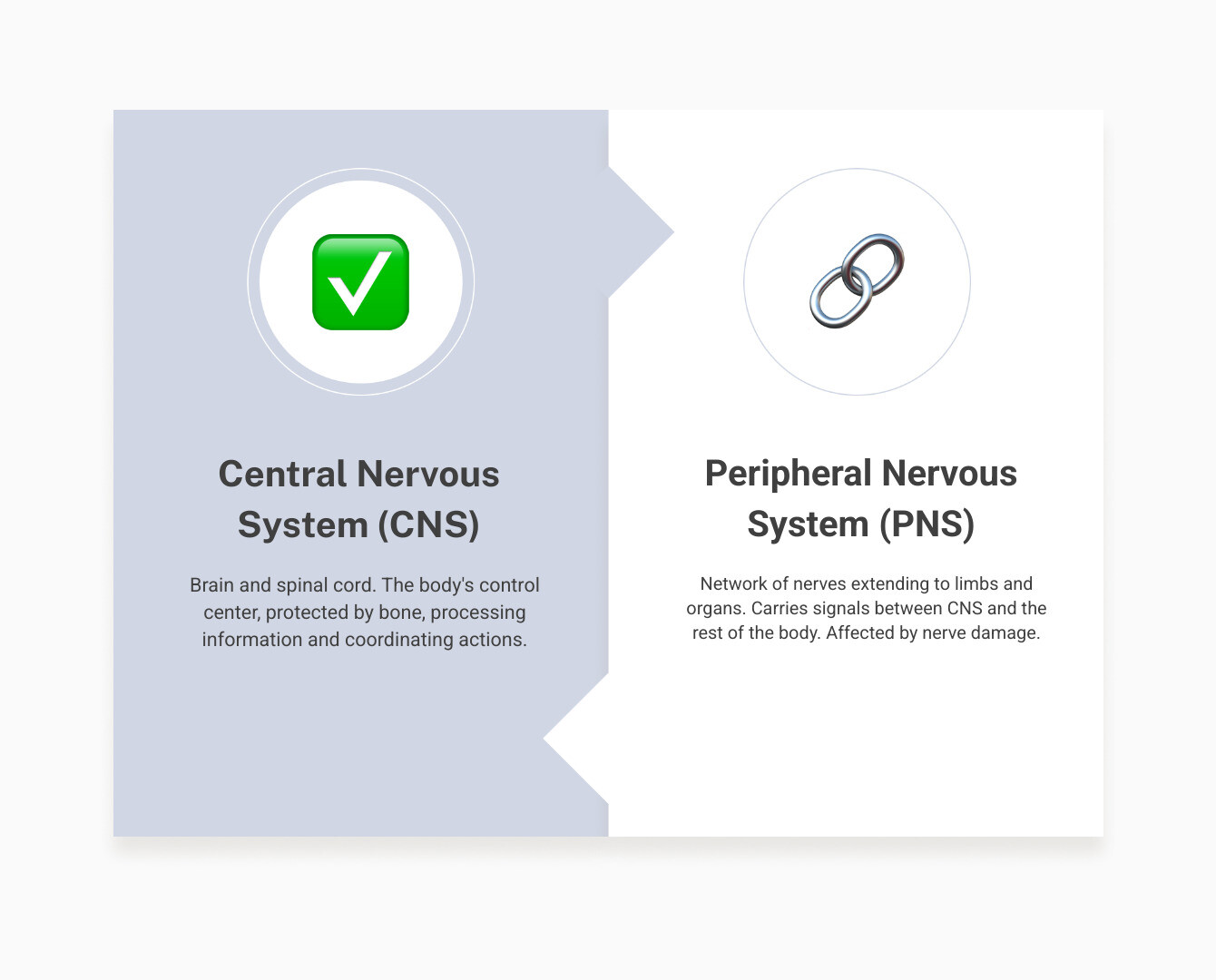
Basic nerve damage vocab:
Understanding Your Nerves and How Damage Occurs
Your nervous system is your body's communication network, controlling everything from breathing to muscle movement. It has two main parts: the Central Nervous System (CNS) and the Peripheral Nervous System (PNS).
The CNS (brain and spinal cord) is the command center. The PNS is the network of nerves branching out from the CNS to your limbs, organs, and skin. These peripheral nerves are messengers, relaying information for both conscious actions (like walking) and unconscious functions (like digestion).
Nerve cells, or neurons, transmit signals through a long fiber called an axon. Many axons are covered by a myelin sheath, a fatty layer that acts like insulation, protecting the nerve and speeding up signal transmission. When a nerve is damaged—whether it's the axon, the myelin sheath, or both—this communication is disrupted. This can lead to muscle weakness, loss of sensation, or false pain signals. This specific type of damage to peripheral nerves is called peripheral neuropathy. For more details, you can explore resources like the National Institute of Neurological Disorders and Stroke on Peripheral Neuropathy.
The Three Types of Nerves
Your peripheral nervous system contains three types of nerves, and damage to each causes different symptoms:
- Motor Nerves: Control voluntary muscle movements like walking and talking. Damage can cause weakness, cramps, or paralysis.
- Sensory Nerves: Carry sensations like touch, pain, and temperature from the body to the brain. Damage can result in numbness, tingling, burning pain, or an inability to feel pain.
- Autonomic Nerves: Regulate involuntary functions like heart rate, blood pressure, and digestion. Damage can lead to dizziness, digestive issues, or problems with bladder control.
Classifications of Nerve Injury
Nerve injuries are classified by severity, which helps predict recovery. The Seddon classification is a simple system with three main types:
- Neurapraxia: The mildest form, where signal transmission is temporarily blocked but the nerve structure is intact. Think of your arm "falling asleep." Recovery is usually full and occurs within weeks to months.
- Axonotmesis: A more significant injury where the axon is broken, but the surrounding tissue is intact. The nerve can regrow, but recovery is slower and may not be complete.
- Neurotmesis: The most severe type, where the entire nerve is severed. Spontaneous recovery is unlikely without surgery, and even then, full function may not return.
These classifications show that while nerves can heal, the potential for recovery varies greatly depending on the severity of the injury.
Recognizing the Signs: Symptoms by Nerve Type
The symptoms of nerve damage depend on which nerves are affected—sensory, motor, or autonomic. It's crucial to pay attention to your body's signals, as what seems minor can be a sign of a larger issue. For more on the wide range of symptoms, see our article on More info about peripheral neuropathy symptoms.
Common Symptoms of Sensory Nerve Damage
When sensory nerves are damaged, the signals they send to the brain can become distorted, amplified, or absent.
Common signs include:
- Numbness: A loss of sensation, often feeling like you're wearing a tight glove or sock.
- Tingling (pins and needles): A buzzing, prickling, or crawling sensation.
- Burning Sensations: A persistent, uncomfortable feeling of heat under the skin.
- Sharp, Stabbing Pain: Sudden, intense pains that can feel like electric shocks.
- Loss of Coordination: Difficulty with balance, especially in the dark, due to reduced awareness of limb position.
- Positional Awareness Issues: Not knowing where your limbs are without looking.
- Extreme Sensitivity to Touch: Significant pain from a light touch (allodynia), such as from clothing or bedsheets.
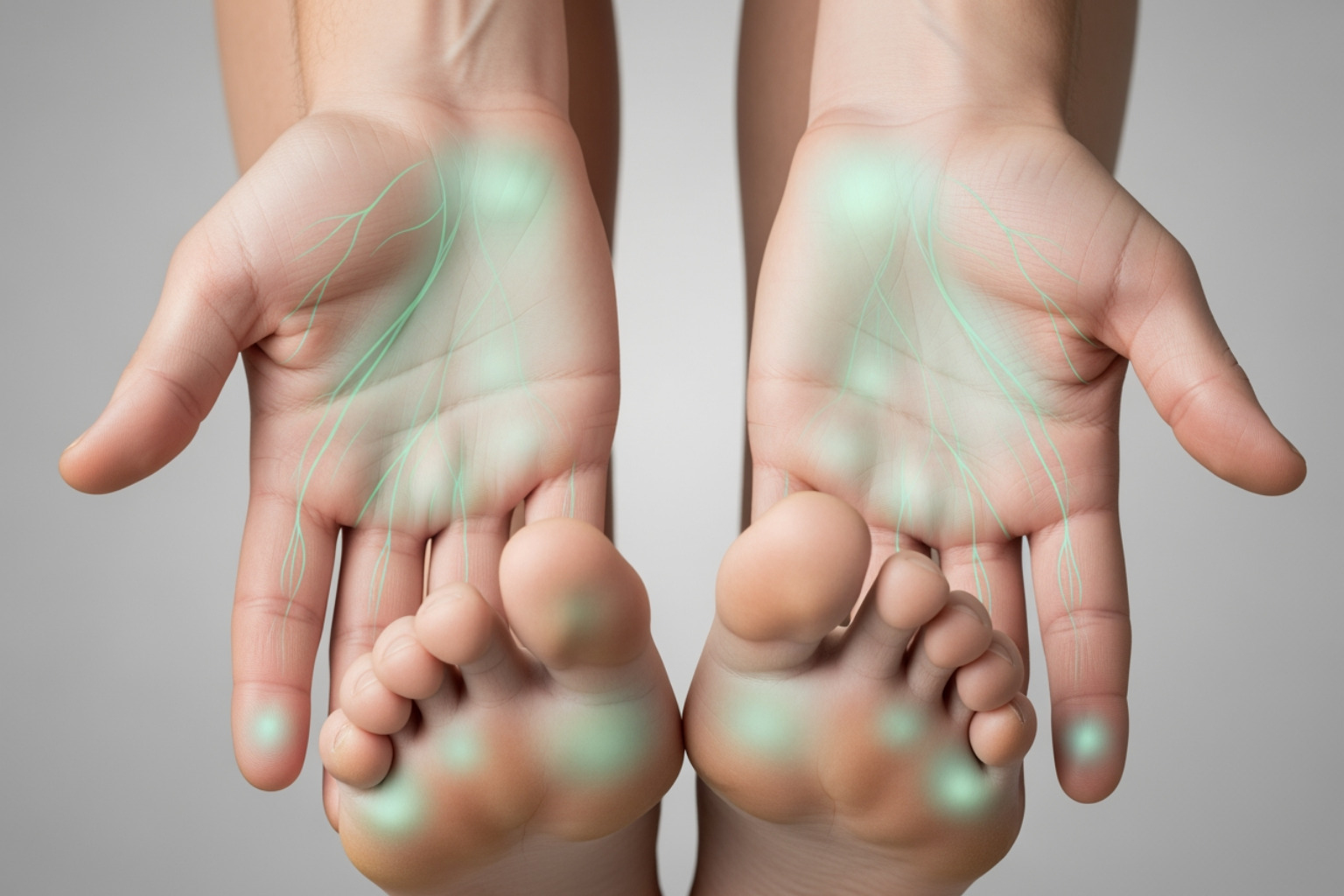
These symptoms can range from mild discomfort to severe pain, significantly impacting quality of life.
Manifestations of Motor Nerve Damage
When motor nerves are damaged, their ability to command muscles is compromised.
Signs of motor nerve damage can include:
- Muscle Weakness: Reduced strength that makes everyday tasks difficult.
- Cramps and Twitching (Fasciculations): Involuntary muscle contractions.
- Muscle Atrophy (Wasting): A visible reduction in muscle mass over time.
- Difficulty with Fine Motor Skills: Trouble with tasks like buttoning a shirt or writing.
- Foot Drop: Difficulty lifting the front part of the foot, causing it to drag while walking.
- Paralysis: In severe cases, a complete loss of muscle function.
Indicators of Autonomic Nerve Damage
Autonomic nerves regulate the body's vital, involuntary functions. Damage here can disrupt internal systems.
| Symptom Category | Sensory Nerve Damage | Motor Nerve Damage | Autonomic Nerve Damage |
|---|---|---|---|
| Sensation | Numbness, tingling, burning, sharp pain, extreme sensitivity | - | - |
| Movement | Loss of coordination, positional awareness issues | Weakness, cramps, twitching, atrophy, foot drop, paralysis | - |
| Internal Functions | - | - | Excessive/insufficient sweating, blood pressure fluctuations, digestive issues, bladder dysfunction, sexual dysfunction, heat intolerance |
Specific indicators include:
- Sweating Issues: Excessive or reduced sweating, leading to heat intolerance.
- Blood Pressure Fluctuations: Dizziness or fainting when standing up (orthostatic hypotension).
- Digestive Issues: Constipation, diarrhea, or feeling full after small meals.
- Bladder Dysfunction: Difficulty emptying the bladder or loss of control.
- Sexual Dysfunction: Erectile dysfunction in men; arousal or lubrication issues in women.
- Heat Intolerance: Inability to regulate body temperature in hot environments.
Uncovering the Roots: Primary Causes and Risk Factors
Understanding the root cause of nerve damage is the first step toward effective treatment. Causes are diverse, ranging from chronic diseases to acute injuries and lifestyle choices. As Harvard Health explains, When nerves get damaged - Harvard Health, the factors are numerous and often interconnected.
Medical Conditions That Cause Nerve Damage
Many systemic diseases can lead to neuropathy:
- Diabetes (Diabetic Neuropathy): The most common cause. High blood sugar damages the small blood vessels that supply nerves. Up to 50% of people with diabetes experience some form of nerve damage. Learn more in our article Diabetic Neuropathy Explained: Navigating Nerve Pain with Diabetes.
- Autoimmune Diseases: Conditions like Lupus, Rheumatoid Arthritis, and Guillain-Barré syndrome, where the immune system attacks nerve tissue.
- Cancer and Chemotherapy: Tumors can press on nerves, and certain chemotherapy drugs are neurotoxic, causing chemotherapy-induced peripheral neuropathy.
- Infections: Viruses and bacteria can target nerves, including Shingles, Lyme disease, and HIV.
Primary Causes of Traumatic Nerve Damage
Nerve damage can also result from an acute event or sustained pressure:
- Physical Trauma: Accidents, falls, sports injuries, severe bruises, or lacerations can all damage nerves.
- Compression or Pinched Nerves: Excessive pressure on a nerve from surrounding tissues. Carpal Tunnel Syndrome is a classic example. We offer insights in our guide on Freedom from the Squeeze: How to Relieve a Pinched Nerve.
- Surgical Complications: Nerves can occasionally be damaged during surgical procedures.
- Electrical Injury: High-voltage electricity can cause severe, widespread nerve damage.
Lifestyle and Environmental Risk Factors
Certain habits and exposures increase the risk of nerve damage:
- Alcohol Use Disorder: Chronic, excessive alcohol consumption is directly toxic to nerve tissue and can lead to nutritional deficiencies.
- Vitamin Deficiencies: A lack of B vitamins (B1, B6, B12) and vitamin E can impair nerve function. Conversely, excessive vitamin B6 can also cause neuropathy.
- Exposure to Toxins: Contact with heavy metals (lead, mercury) and industrial chemicals can damage nerves.
- Repetitive Motion Injuries: Repetitive tasks can cause inflammation and compression injuries over time.
Diagnosis, Classification, and Treatment for Nerve Damage
If you experience persistent tingling, numbness, weakness, or unexplained pain, see a healthcare provider. Nerve damage requires a professional diagnosis, as its symptoms can mimic other conditions. A neurologist can provide an accurate diagnosis and create an effective treatment plan. For those in New York City, resources like WebMD's Find a Neurologist or NYU Langone Health's Nerve Pain Doctors can help.
How Doctors Diagnose Nerve Damage
Diagnosing nerve damage involves a comprehensive approach to find the cause and extent of the injury:
- Physical and Neurological Exam: To assess reflexes, muscle strength, sensation, and balance.
- Medical History Review: Discussing symptoms, past illnesses, medications, and lifestyle.
- Blood Tests: To identify underlying conditions like diabetes, vitamin deficiencies, or infections.
- Nerve and Muscle Tests (EMG/NCV): An Electromyography (EMG) assesses muscle activity, while a Nerve Conduction Velocity (NCV) test measures how fast electrical signals travel along nerves.

- Nerve Biopsy: A small sample of nerve tissue is examined to identify specific damage.
- Imaging (MRI, CT scan): To visualize nerve compression, tumors, or other structural issues.
Understanding Neuropathic Pain vs. Neuralgia
While related, these terms have distinct meanings:
- Neuropathic Pain: The broad term for pain caused by nerve damage or dysfunction. It's often described as burning, tingling, or shooting pain.
- Neuralgia: A type of neuropathic pain characterized by severe, sharp, shock-like pain along the path of a specific nerve, such as in trigeminal neuralgia. For a deeper dive, read The Root of the Problem: Decoding Nerve Pain.
Medical and Surgical Treatment Options
Treatment focuses on the underlying cause and managing symptoms.
-
Medications:
- Pain Relievers: Over-the-counter NSAIDs for mild pain; prescription drugs for severe pain.
- Antidepressants: Certain types (e.g., amitriptyline, duloxetine) are effective for chronic nerve pain.
- Anti-seizure Drugs: Medications like gabapentin and pregabalin help calm overactive nerve signals.
- Physical and Occupational Therapy: Crucial for regaining strength, improving balance, and learning adaptive strategies for daily tasks.
- Surgical Options: For compression or severe trauma, surgery may be needed. Procedures include nerve decompression, repair, grafting, or transfer. Specialized centers like Johns Hopkins offer various Peripheral Nerve Surgery options.
- Nerve Blocks: Injections that temporarily block pain signals from specific nerves.
At-Home Management and Topical Relief
Self-care strategies can significantly improve quality of life.
- Lifestyle Adjustments: A balanced diet, regular exercise, and maintaining a healthy weight support nerve health. It's also vital to limit alcohol and manage underlying conditions like diabetes.
-
Topical Treatments for Targeted Relief: For localized pain, topical creams offer fast-acting relief directly to the affected area with fewer systemic side effects.
- Key ingredients in effective creams include:
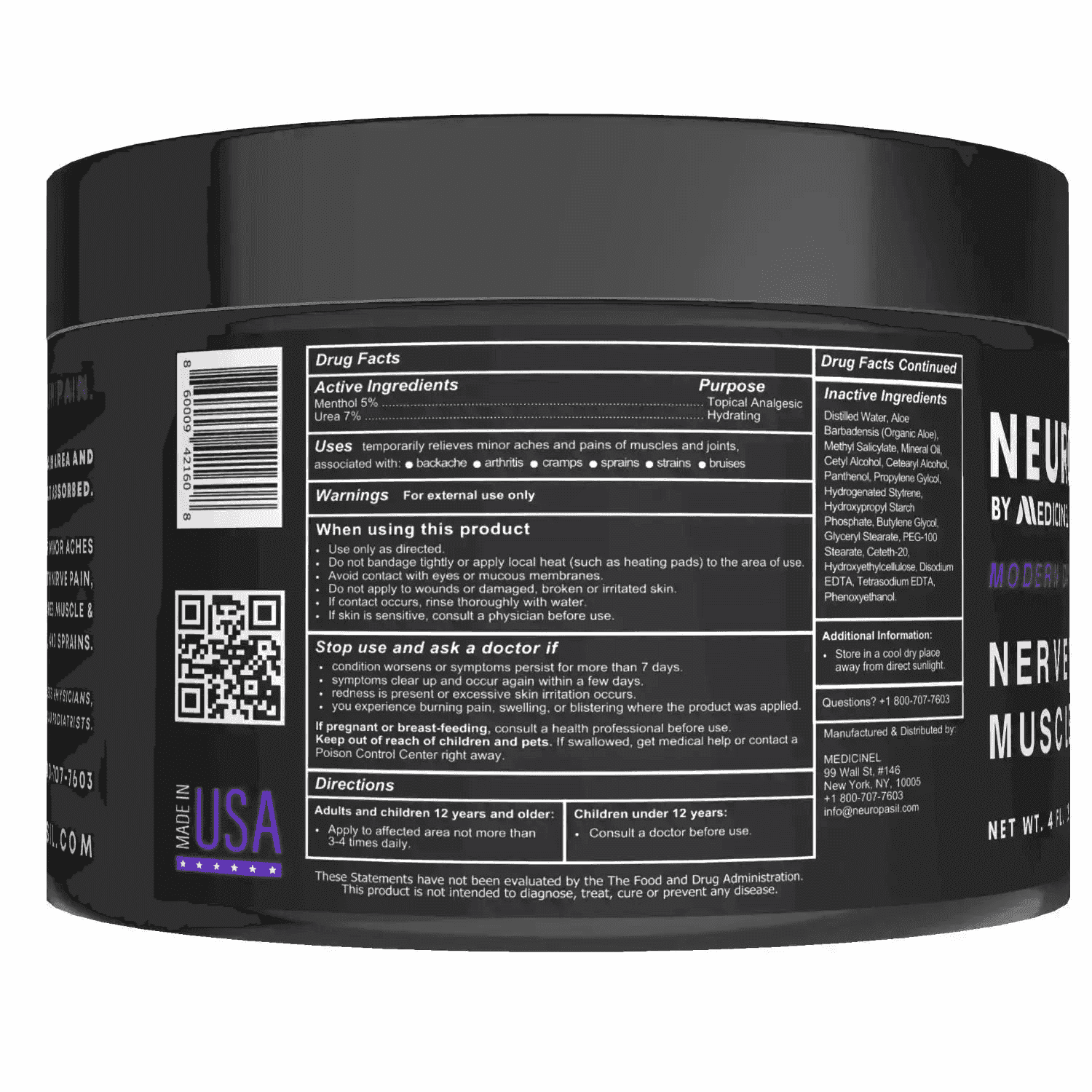
- Menthol: Provides a cooling sensation that distracts from pain, a process related to how the body responds to cold therapy.
- Aloe Vera: Offers anti-inflammatory and soothing properties.
- Urea: Moisturizes skin and improves the penetration of other active ingredients.
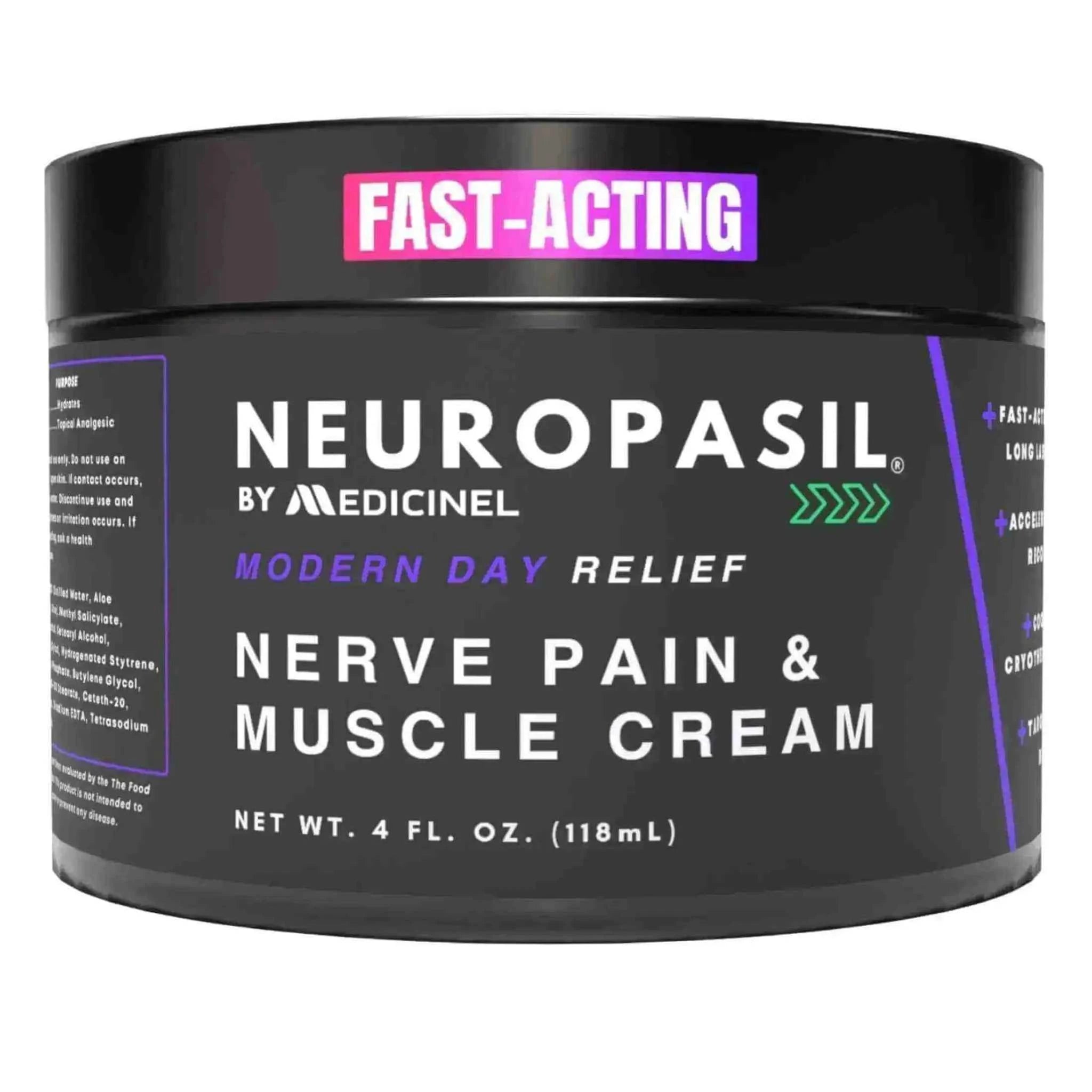
- Our Neuropasil Nerve Pain Relief Cream is formulated with these ingredients for targeted comfort. Learn more by reading Everything You Need to Know About Neuropathy Cream.
- Key ingredients in effective creams include:
Frequently Asked Questions about Nerve Damage
Here, we address some of the most common concerns about nerve damage.
Can nerve damage be reversed or cured?
Whether nerve damage can be reversed depends on the cause, severity, and how quickly it's treated. If the underlying cause is resolved (like a vitamin deficiency or pinched nerve), nerves may recover. Mild injuries often heal completely, while more severe damage may not. While a complete "cure" isn't always possible for chronic conditions, treatment can halt progression, reduce symptoms, and maximize function. Nerves have a natural ability to heal, so improvement is often possible with the right care.
How does nerve damage affect daily activities and quality of life?
The impact can be profound. Motor damage can limit mobility and independence. Chronic pain can disrupt sleep, concentration, and mood, leading to fatigue and anxiety. Sensory loss increases the risk of unnoticed injuries and affects balance. Autonomic issues can disrupt digestion, bladder control, and blood pressure, limiting social activities. Despite these challenges, many people adapt and maintain a high quality of life through comprehensive treatment, rehabilitation, and support.
What is the prognosis for someone with nerve damage?
The outlook is highly variable. It depends on the underlying cause, the severity of the damage, and the timeliness of treatment. If the cause is treatable, the prognosis is often good. For progressive diseases, the focus is on managing symptoms and slowing progression. While some forms of nerve damage can lead to long-term disability, many symptoms are treatable. With proper medical care and lifestyle adjustments, most individuals can manage their condition, reduce pain, and live a full, active life.
Conclusion
Nerve damage, or neuropathy, is a complex condition, but understanding its causes, symptoms, and treatments is the first step toward managing it. We've covered how the nervous system works, the different types of nerve damage, and the importance of early diagnosis. While a complete reversal isn't always possible, a wide array of medical treatments and at-home strategies offers significant hope and relief.
With proper care and proactive management, a hopeful outlook is well within reach. For those seeking localized, fast-acting relief, topical solutions can be a vital part of a pain management plan. Our Neuropasil creams, formulated with natural ingredients like Aloe, Urea, and Menthol, are designed to provide targeted comfort right where you need it.
We invite you to Explore our blog for more on managing nerve pain and find how our products can support your journey to relief.
References
- Coastal Empire Orthopedics Blog: Spotting the Warning Signs of Nerve Damage
- Cleveland Clinic: Peripheral Neuropathy
- Gainsberg Law: Nerve Damage Can Be a Life-Altering Injury
- Harvard Health: When nerves get damaged
- HRSA: Nerve Impairment
- Johns Hopkins Medicine: Peripheral Nerve Injury
- Johns Hopkins Medicine: Peripheral Nerve Surgery
- MedStar Health: Nerve Damage | Symptoms & Treatment
- MedicalNewsToday: How to treat a pinched nerve
- Neurobion: Signs and Symptoms of Nerve Damage
- NINDS: Peripheral Neuropathy | National Institute of Neurological Disorders and Stroke
- NJ Spine & Ortho: Early Signs of Nerve Damage
- NYU Langone Health: Nerve Pain Doctors
- PubMed: The physiologic basis and clinical applications of cryotherapy and thermotherapy for the pain practitioner
- UptoDate: amitriptyline drug information
- WebMD: Nerve Pain and Nerve Damage
- WebMD: Find a Neurologist