Your Journey to Lasting Body Pain Relief
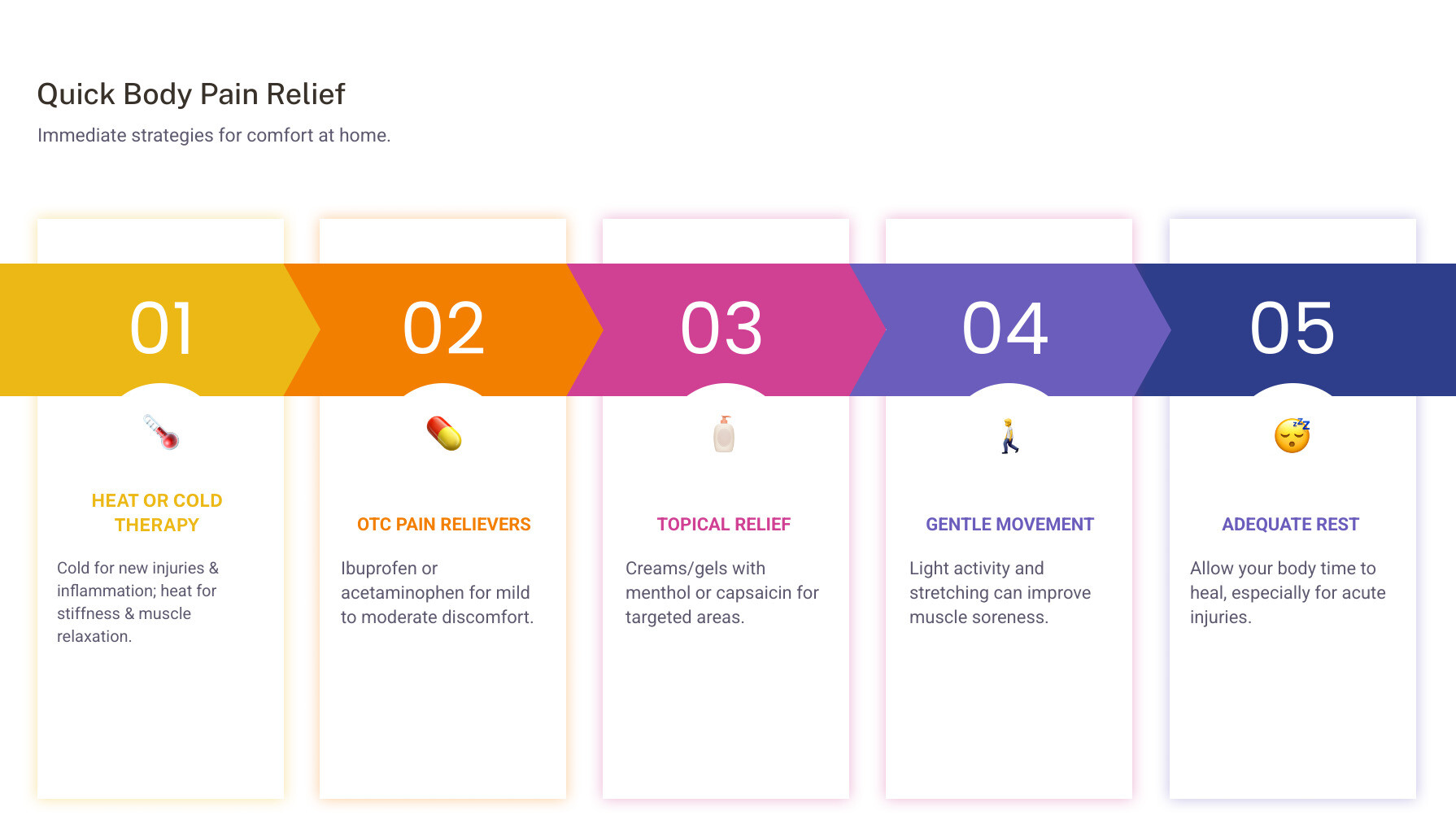
When you're searching for body pain relief, you want it now. Many common aches can be treated at home with simple, quick strategies:
- Apply Heat or Cold: Use cold for new injuries and inflammation. Use heat for stiffness and muscle relaxation.
- Over-the-Counter (OTC) Pain Relievers: Medications like ibuprofen or acetaminophen can help with mild to moderate pain.
- Topical Pain Relief: Creams, gels, or patches can offer targeted relief.
- Gentle Movement & Stretching: For muscle soreness, light activity is often better than complete rest.
- Rest: For acute injuries, giving your body time to heal is key.
Pain can be exhausting, trapping you in a cycle of discomfort and anxiety. But it doesn't have to be this way. This guide will help you understand your pain and find effective strategies for managing it.
I'm Tony Enrico, founder of Neuropasil. My mission is to provide effective body pain relief so you can live life to the fullest. We believe comfort is possible, strength can be restored, and tomorrow doesn't have to hurt.
Similar topics to body pain relief:
Understanding Your Pain: Causes and Types
To find effective body pain relief, you must first understand its source. Myalgia, the medical term for muscle pain, is a common experience. It can stem from overuse, stress, infections like the flu, or underlying conditions like fibromyalgia. Most everyday aches improve with home care.
When you push yourself during a workout, you might experience delayed onset muscle soreness (DOMS) 12 to 72 hours later. This is caused by microscopic tears in muscle fibers, which is how muscles grow stronger as they heal.
Stress and fatigue can intensify pain, creating a frustrating cycle where pain worsens your mood, and a low mood makes pain feel more intense. This is why addressing both physical and emotional aspects is so important.
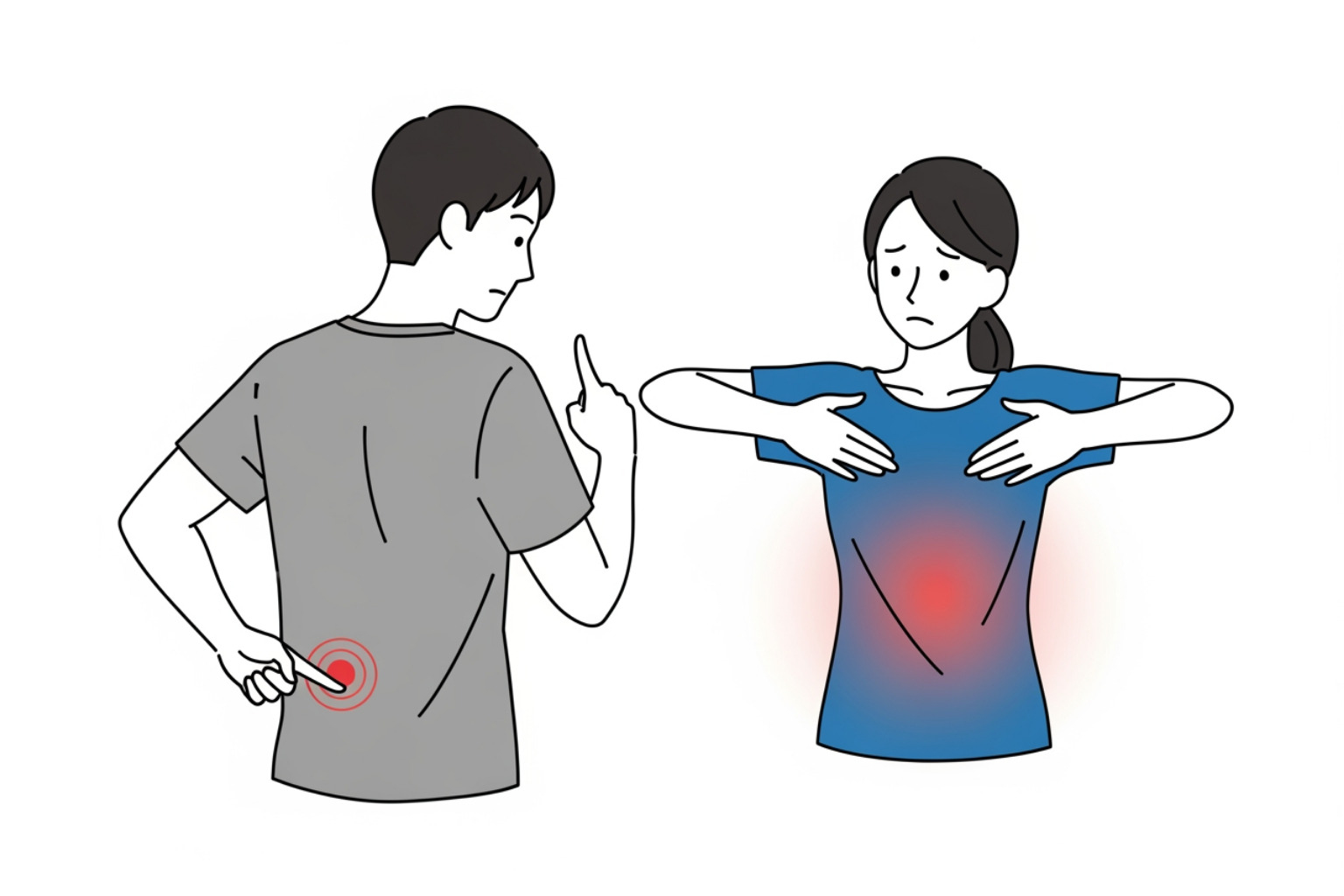
Pain can be localized (in one spot, like your knee) or diffuse (all over your body), which may signal a systemic issue like a viral illness.
Acute vs. Chronic Pain
Understanding your pain's timeline is crucial. Acute pain is your body's short-term alarm system for an injury or inflammation. It's sudden, sharp, and resolves once the cause heals.
Subacute pain is the intermediate stage, lasting from a few weeks up to three months.
Chronic pain persists for longer than three months. It becomes a condition in itself, sending persistent nervous system signals that can significantly impact your mental well-being and quality of life. For chronic pain, non-drug and non-opioid therapies are often recommended first.
Common Causes of Aches and Fatigue
Pinpointing the cause of general discomfort can be tricky. Here are common culprits:
- Exercise-induced soreness: A normal response to new or intense activity as your body adapts and gets stronger.
- Repetitive strain: Performing the same motion repeatedly can lead to muscle and joint pain. Vary your activities and take stretch breaks.
- Viral illness: The common cold, flu, or COVID-19 often bring temporary body aches and fatigue.
- Poor posture: Slouching over a desk or phone puts strain on your neck, shoulders, and back.
- Dehydration: Not drinking enough fluids can contribute to muscle cramps and fatigue.
- Nutrient deficiencies: A lack of essential vitamins and minerals, like Vitamin D, can cause muscle weakness.
- Sleep deprivation: Pain makes it hard to sleep, and lack of sleep makes pain worse. Prioritizing quality sleep is a powerful tool for body pain relief.
For more information on managing pain, the Consumer Information on Pain resource offers valuable insights.
Immediate At-Home Strategies for Body Pain Relief
When pain strikes, knowing what to do right away can make a huge difference. These at-home strategies are your first line of defense for body pain relief.
For minor injuries like sprains and strains, the R.I.C.E. method is a trusted classic:
- Rest: Avoid activities that worsen the pain to allow healing to begin.
- Ice: Apply an ice pack for 15-20 minutes at a time to reduce inflammation and numb the area.
- Compression: Gently wrap the area with an elastic bandage to control swelling. Ensure it's snug but not tight.
- Elevation: Keep the injured part raised above your heart to help minimize swelling.
Beyond R.I.C.E., gentle stretching and light movement can often ease general body aches. A warm bath is also excellent for melting away muscle tension.
Applying Heat and Cold Therapy
Knowing whether to use heat or cold is key for body pain relief.
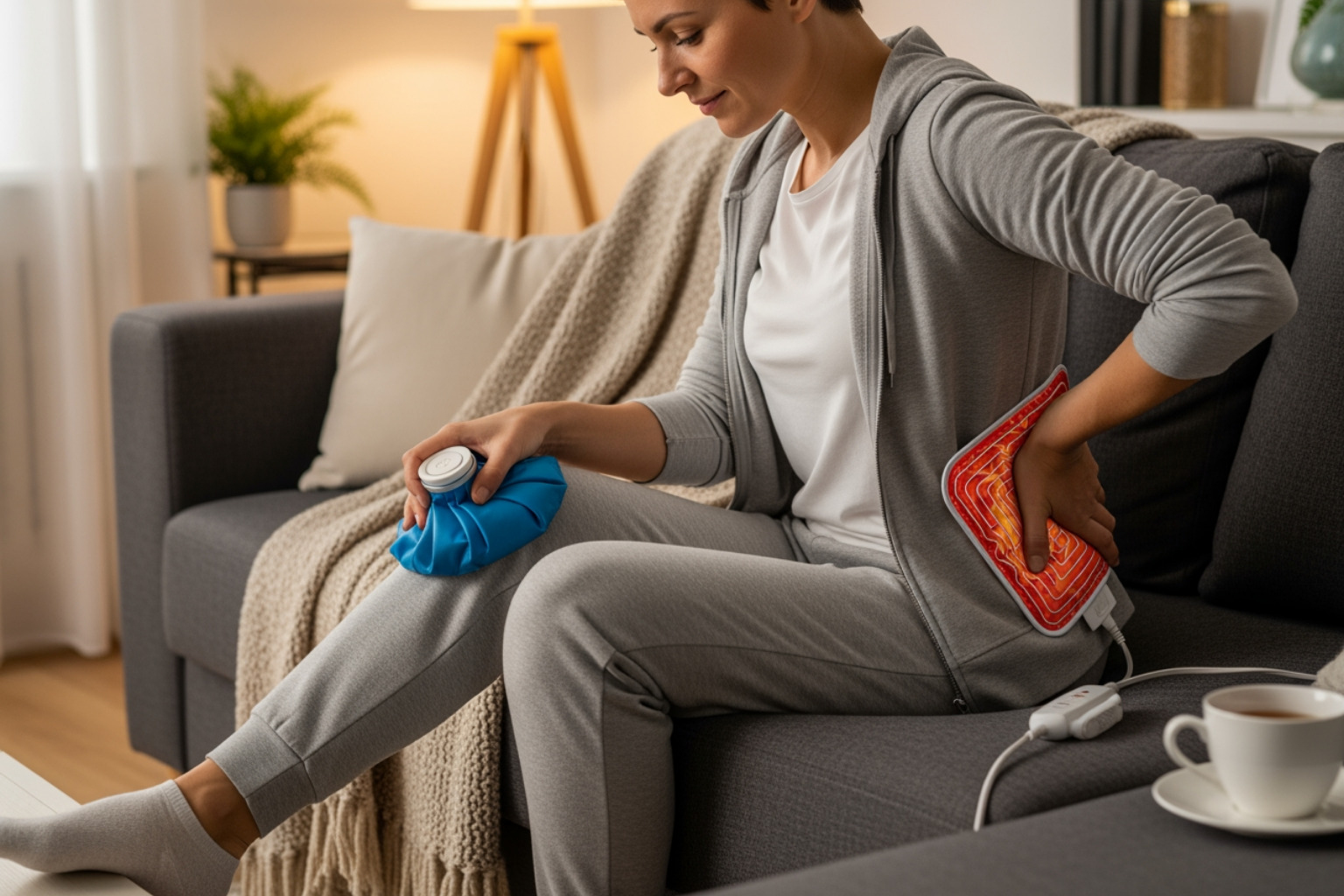
Heat therapy (warm wraps, heating pads) is wonderful for stiffness and older aches. It works by increasing blood flow, which helps muscles relax and speeds up healing. It's been shown to be effective for reducing some kinds of pain, like low back pain.
Cold therapy (ice packs) is your go-to for recent injuries and inflammation. It constricts blood vessels, which numbs pain and reduces swelling. It's effective for sprains, strains, and sciatica. Sometimes, alternating between heat and cold provides optimal relief.
Over-the-Counter (OTC) and Topical Approaches
When home remedies need a boost, OTC medications and topical solutions can provide body pain relief.
Oral OTC pain relievers are effective for mild to moderate pain.
- Acetaminophen is a good choice for pain without inflammation, but you must follow dosage instructions to avoid liver damage.
- NSAIDs (Nonsteroidal Anti-Inflammatory Drugs) like ibuprofen and naproxen are great for pain with swelling. However, long-term use carries significant risks, including kidney and gastrointestinal damage. Talk to your provider before using them for more than a few days.
Topical approaches like creams, gels, and patches are a game-changer for localized pain. They are applied directly to the skin and often have fewer systemic side effects. Common ingredients include:
- Menthol: Creates a cooling sensation that distracts from pain.
- Capsaicin: Derived from chili peppers, it can reduce joint pain over time by depleting a pain-signaling chemical.
- Lidocaine: A local anesthetic that numbs the area for temporary relief.
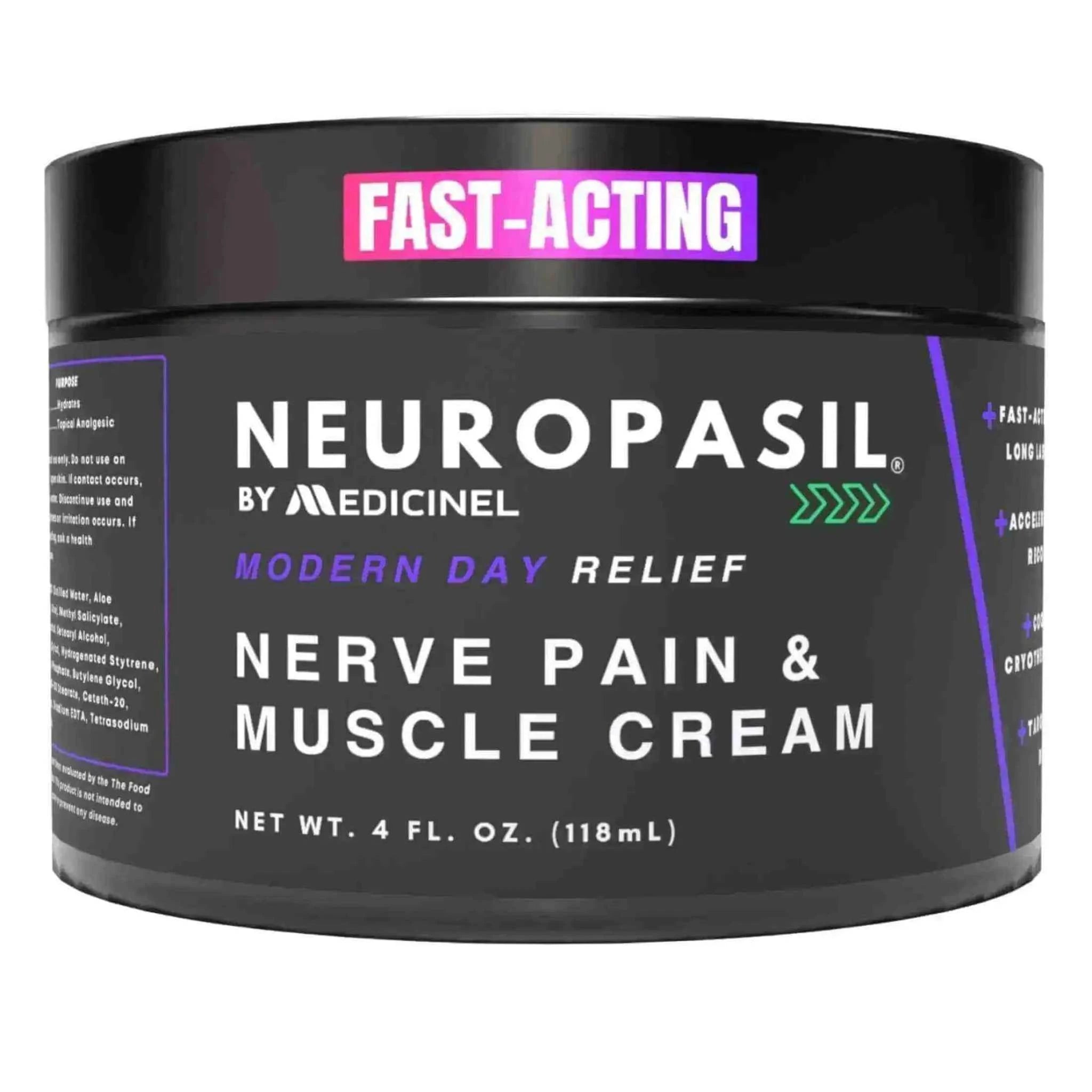
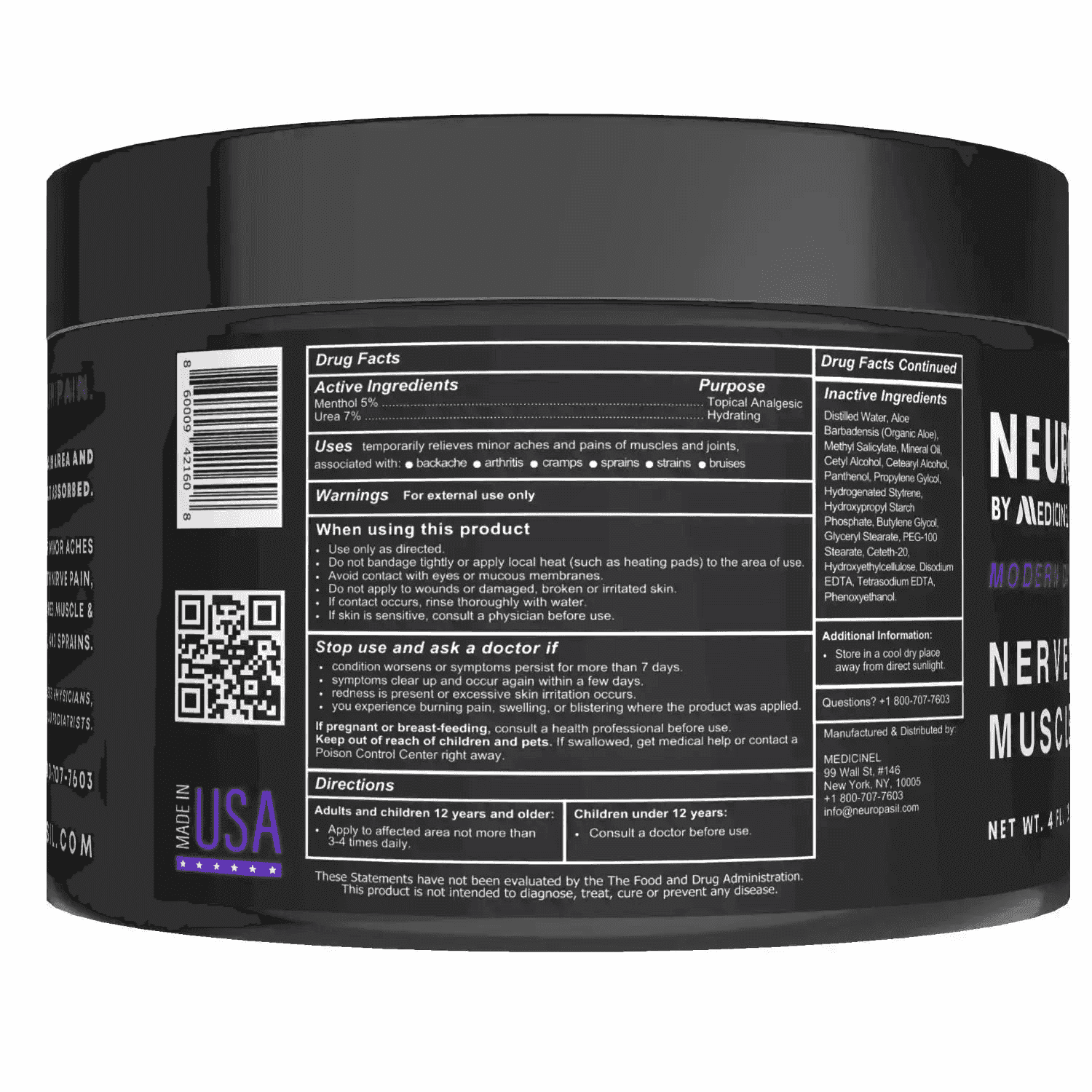
For targeted relief from muscle aches and nerve pain, our Neuropasil Nerve Pain Relief Cream offers a fast-acting, soothing solution. Learn more about how our products provide targeted relief for muscle pain.
Lifestyle Adjustments for Long-Term Management
Sustained body pain relief often requires a holistic approach. By making mindful lifestyle adjustments, we can manage existing pain, prevent future discomfort, and improve our overall well-being.
The Role of Gentle Exercise and Stretching
It may seem counterintuitive, but for many types of pain, "motion is lotion." Physical activity is one of the best tools for pain management. Gentle exercise and stretching can block pain signals from reaching the brain, ease tension, and release endorphins, our body's natural painkillers.
The U.S. Preventive Services Task Force recommends adults get at least 150 minutes of moderate aerobic activity per week, plus two strengthening activities. This can be broken down into manageable sessions of walking, swimming, Tai Chi, Qigong, or yoga. Always start slowly and consult your doctor before beginning a new exercise program, especially if you have a pre-existing condition.
Anti-Inflammatory Diet and Hydration
What we eat directly impacts our experience of pain. An anti-inflammatory diet can be a powerful strategy for body pain relief. Focus on foods rich in Omega-3 fatty acids (salmon, nuts, flaxseeds) and turmeric, a spice containing the potent anti-inflammatory compound curcumin. You can learn more about Turmeric's benefits. Emphasize a diet rich in fruits and vegetables while reducing processed foods. Don't forget hydration; drinking plenty of water is crucial for muscle function and preventing cramps.
Prioritizing Sleep and Managing Stress
The connection between pain, sleep, and stress is a delicate balance. Pain disrupts sleep, and poor sleep amplifies pain. To break this cycle, establish good sleep hygiene by sticking to a regular sleep schedule. If sleep problems persist, consult a healthcare provider.
Stress management is equally critical, as stress can make pain feel worse. Practices like meditation, deep breathing, and yoga can lower stress levels and reduce muscle tension. Taking care of ourselves by getting enough sleep and reducing stress can significantly help us manage pain. Our ingredients, like those in Neuropasil creams, are chosen to promote soothing relief that can help you relax and prepare for better sleep.
Exploring Complementary and Natural Therapies
Beyond the medicine cabinet, a world of complementary and natural therapies can offer body pain relief, often by tapping into the powerful mind-body connection. These methods can work alongside conventional treatments for a more complete and integrative approach to healing.
Effective Non-Drug Therapies for Body Pain Relief
Non-drug approaches are often preferred for managing subacute or chronic pain because they address root causes without the side effects of long-term medication.
- Physical therapy: A therapist guides you through exercises, massage, and other techniques to control pain while building strength.
- Massage therapy: Helps relax overworked muscles and restores circulation to sore areas. The benefits of massage extend to stress reduction and overall well-being.
- Acupuncture: This ancient practice of stimulating specific body points has research backing its effectiveness for certain pain conditions.
- Biofeedback & Relaxation therapy: These techniques teach you to become aware of and control bodily functions like muscle tension to manage chronic pain, as explained by the National Center for Complementary and Integrative Health.
- TENS units (Transcutaneous Electrical Nerve Stimulation): Deliver gentle electrical currents to block or change pain signals traveling to your brain.
Natural Ingredients and Herbal Remedies
Nature provides remarkable tools for managing pain, many of which are now backed by science.
- Turmeric (curcumin) and omega-3 fatty acids fight inflammation.
- Collagen may help improve joint pain and reduce muscle soreness.
- Chondroitin and glucosamine may support cartilage health for some conditions.
- Boswellia has shown promise in improving pain and function in conditions like osteoarthritis.
- Capsaicin cream, from hot chili peppers, topically reduces pain signals over time and can be one of the great natural options for nerve pain.
- CBD oil: Research into its pain-relieving properties is ongoing, but the FDA has not approved any over-the-counter CBD products for pain.
Always consult your healthcare provider before starting new supplements. This is crucial to ensure they are safe for you and won't interact with other medications.
Mind-Body Practices for Body Pain Relief
Our minds are powerful tools for changing our relationship with pain and reducing its emotional grip.
- Meditation: Helps focus attention and quiet the stressful thoughts that can make pain feel worse.
- Deep breathing exercises & Guided imagery: Promote relaxation and shift focus away from discomfort.
- Cognitive Behavioral Therapy (CBT): This type of talk therapy helps you identify and change negative thought patterns related to pain, equipping you with lasting coping skills.
When to Seek Professional Medical Help
While home care is effective for many aches, some pain is a signal that you need professional medical help. Knowing when to see a doctor, as advised by institutions like the Mayo Clinic, is a key part of managing your well-being, as some pain can indicate a more serious issue.
Warning Signs to Watch For
Don't hesitate to contact a healthcare provider if you notice any of these "red flags":
- Severe pain, redness, or swelling, which could indicate infection or a significant injury.
- Pain that lasts for over a week without a clear cause.
- Pain accompanied by other symptoms like a fever or unusual fatigue for more than a week.
- Chest pain, pressure, an abnormal heartbeat, or shortness of breath require immediate emergency care.
- New or worsening numbness or tingling, especially if it travels down an arm or leg.
- Pain that doesn't improve after 10 days of self-care and over-the-counter remedies.
Partnering with Your Doctor
When you see your doctor, come prepared. Keeping a pain journal for a few days—noting when pain occurs, its intensity, and what helps or hurts—can be very useful. Your doctor is your partner in this journey. They can help confirm a diagnosis, discuss treatment options, and create a comprehensive pain management plan. Open, honest communication is the cornerstone of a successful strategy for effective body pain relief.
If you're looking for support, you can always visit our main site to find a provider near you.
Frequently Asked Questions about Body Pain Relief
What is the fastest way to relieve body aches?
The fastest body pain relief often comes from a combination approach. First, apply heat for stiffness or cold for a new, inflamed injury. Next, use a topical pain reliever like Neuropasil Nerve Pain Relief Cream for fast, targeted action directly at the source of your discomfort. Finally, gentle stretching can help loosen tight muscles and improve blood flow, which can speed up your body's natural recovery process.
Can stress and anxiety cause real body pain?
Yes, absolutely. The mind-body connection is very real. When you're stressed or anxious, your body can enter a 'fight or flight' mode, releasing hormones like cortisol and causing muscles to tense up, which can lead to pain. Practices that reduce stress can help lower cortisol levels and ease this tension. This can create a vicious cycle where pain causes more stress, and that stress, in turn, worsens the pain.
Is it better to rest or exercise with muscle pain?
It depends on the type of pain. For a sharp, acute injury like a sprained ankle or pulled muscle, rest is crucial to allow healing to begin. This is the time for the R.I.C.E. method (Rest, Ice, Compression, Elevation).
However, for general muscle soreness (myalgia), gentle movement is often far better than complete inactivity. This "active recovery," such as light walking or stretching, increases circulation to the sore areas, bringing oxygen and nutrients that speed up recovery and prevent stiffness. Always listen to your body—if movement makes sharp pain worse, it's a signal to rest.
Conclusion
Navigating the landscape of body pain relief can feel overwhelming, but we hope this guide has empowered you with knowledge and actionable steps. Pain relief is not a one-size-fits-all process; it often requires a personalized approach that combines various strategies. By understanding your pain, embracing lifestyle adjustments, exploring complementary therapies, and knowing when to seek professional help, you can take control of your well-being.
Our journey to lasting comfort is about more than just alleviating symptoms; it’s about fostering long-term wellness and reclaiming the joy in our daily lives. For targeted, fast-acting relief from nerve pain, muscle soreness, and general aches, Neuropasil's natural cream offers a powerful, soothing solution. We're here to support you every step of the way.
Discover fast-acting pain relief
References
Throughout this guide on body pain relief, we've drawn from trusted medical institutions, peer-reviewed research, and reputable health organizations to ensure you're getting accurate, reliable information. We believe that understanding where our knowledge comes from is just as important as the knowledge itself.
The National Center for Complementary and Integrative Health (NCCIH) has been an invaluable resource. Their comprehensive overview on Pain: In Depth informed our sections on both conventional and complementary therapies. We also referenced their research on Turmeric, Capsaicin, Acupuncture, Omega-3 Fatty Acids, Boswellia, Glucosamine and Chondroitin, and Cannabis (Marijuana) and Cannabinoids.
For insights into pain management, we turned to the Cleveland Clinic. Their expert analysis on the Benefits of Massage, managing pain when you Work Out When Sore, the use of Collagen Peptides, and the role of Vitamin D Deficiency in muscle pain helped shape our recommendations.
Understanding the risks associated with long-term NSAID use is crucial for safe pain management. The research by Hunter and Yount published in The Ochsner Journal (2018) provides a thorough review of the potential risks of nonsteroidal anti-inflammatory drugs. This important study can be accessed at https://www.ncbi.nlm.nih.gov/pmc/articles/PMC5772852/.
The U.S. Preventive Services Task Force recommendations on Physical Activity guided our exercise suggestions.
For those interested in exploring mind-body practices, we referenced the Tai Chi for Health Institute (https://taichiforhealthinstitute.org/what-is-tai-chi/) and the National Qigong Association (https://www.nqa.org/what-is-qigong-).
Finally, the Mayo Clinic's guidance on Self-Care Approaches to Treating Pain helped inform our practical, at-home strategies and advice on when to see a doctor.
We're committed to providing you with evidence-based information that you can trust. These sources represent the foundation of our recommendations, and we encourage you to explore them further as you continue your journey toward lasting body pain relief.